
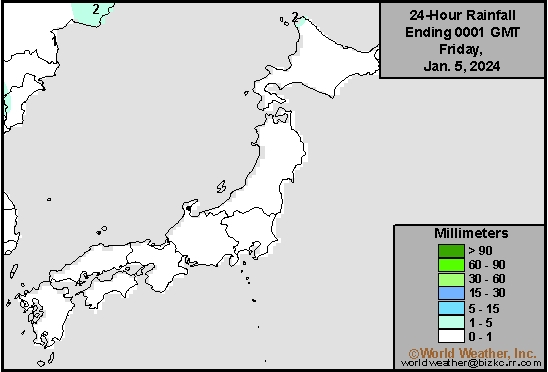
Japan Rainfall
This content is for members only
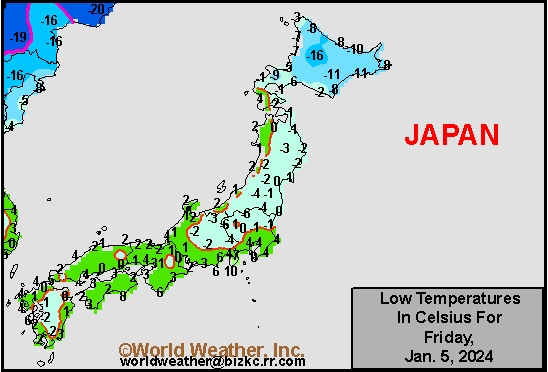
Low Temperature
This content is for members only
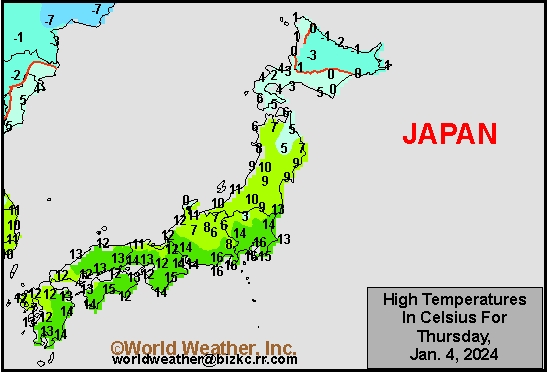
High Temperature
This content is for members only
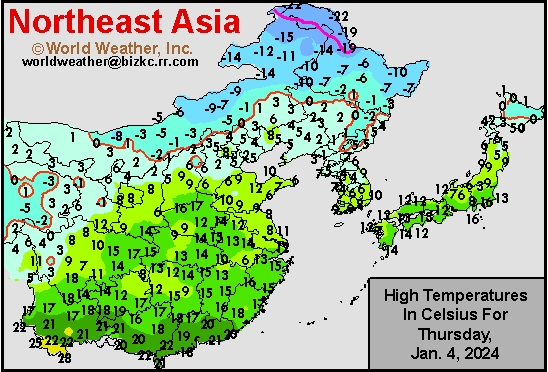
High Temperature
This content is for members only
China Rainfall
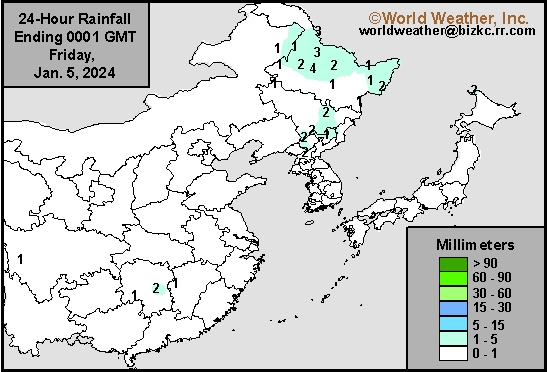
This content is for members only
Low Temperature
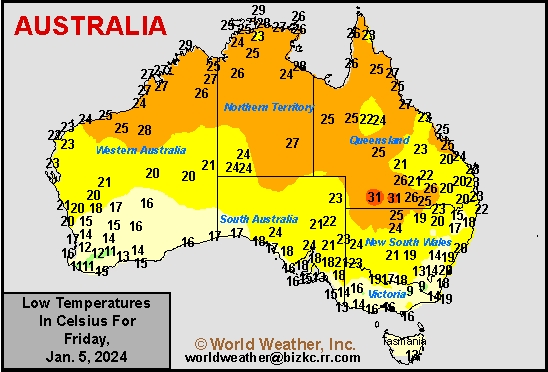
This content is for members only
High Temperature
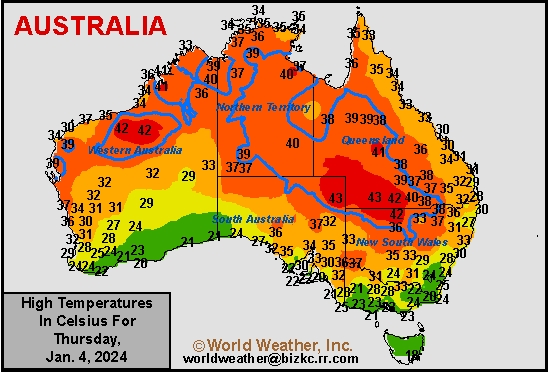
This content is for members only
Australia Rainfall
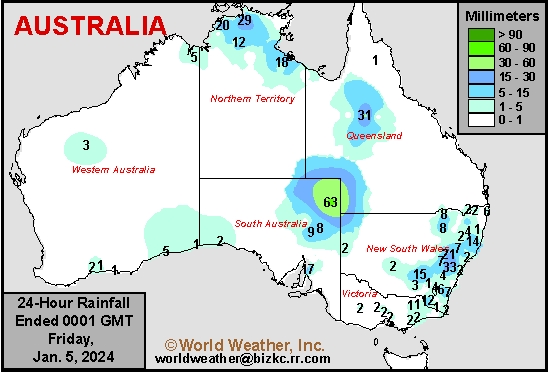
This content is for members only
Soil Temperature

This content is for members only
Soil Temperature
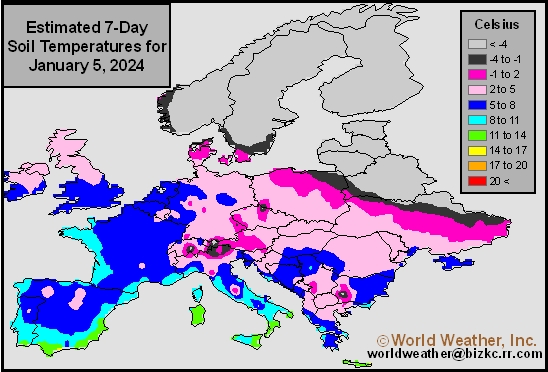
This content is for members only
Soil Temperature
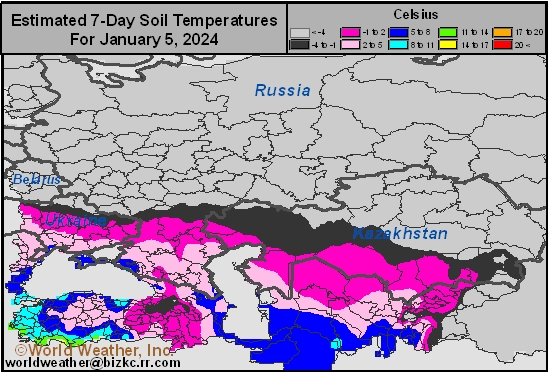
This content is for members only
Soil Temperature
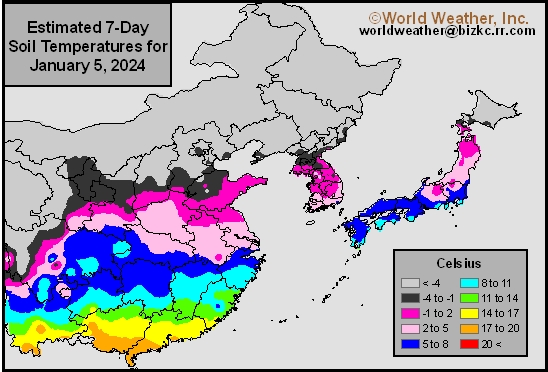
This content is for members only
Soil Temperature

This content is for members only
Subsoil Moisture

This content is for members only
Topsoil Moisture

This content is for members only
Subsoil Moisture
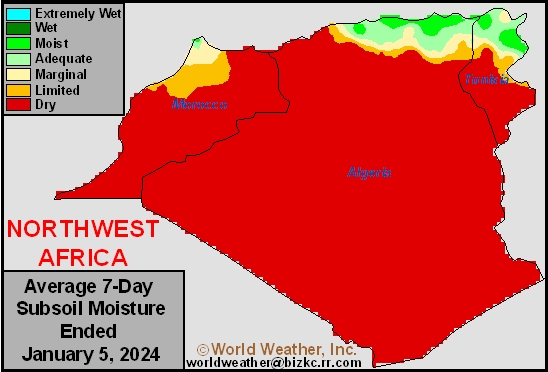
This content is for members only
Topsoil Moisture
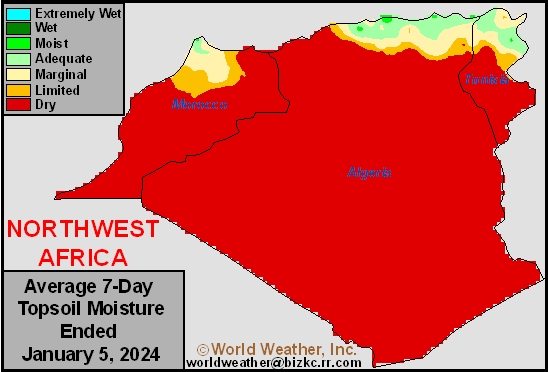
This content is for members only
Subsoil Moisture
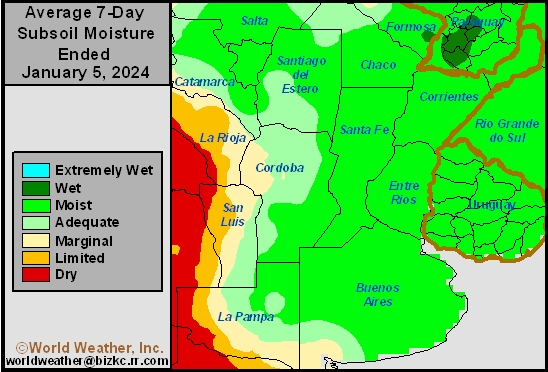
This content is for members only
Topsoil Moisture
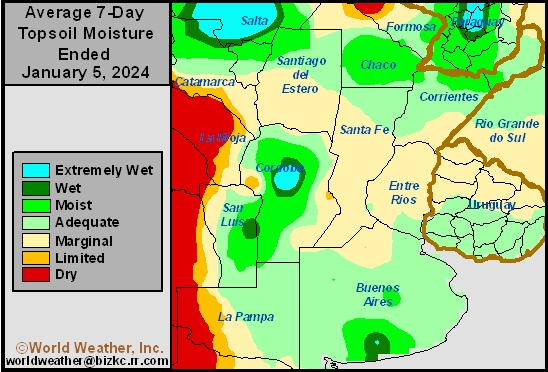
This content is for members only
Subsoil Moisture
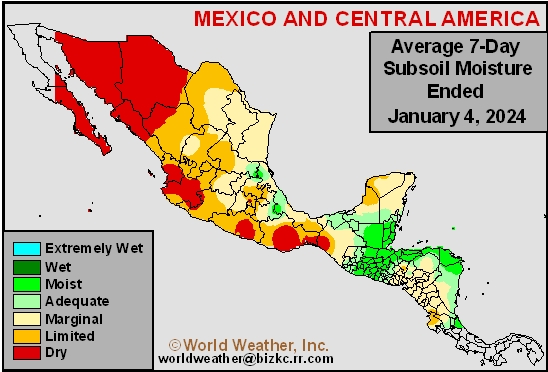
This content is for members only
Topsoil Moisture
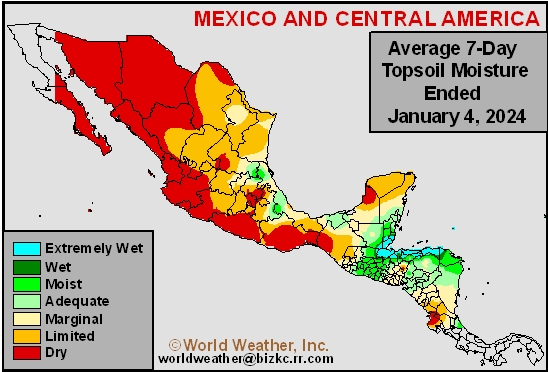
This content is for members only
Subsoil Moisture
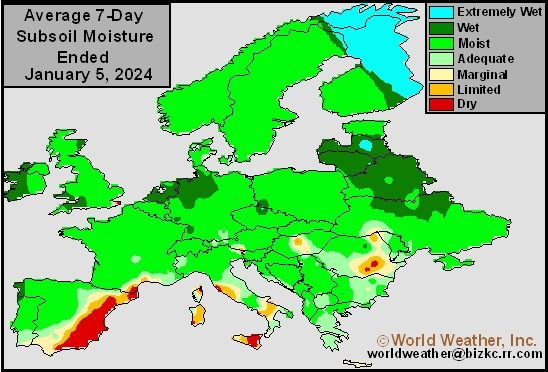
This content is for members only
Topsoil Moisture
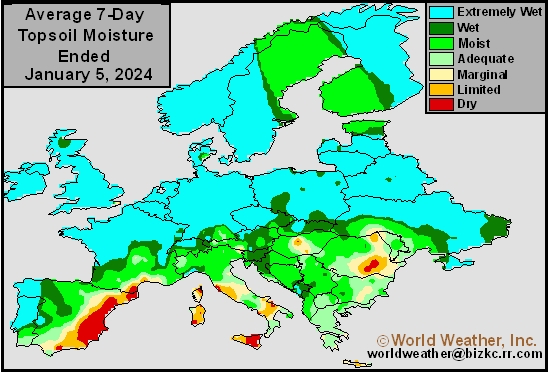
This content is for members only
Subsoil Moisture
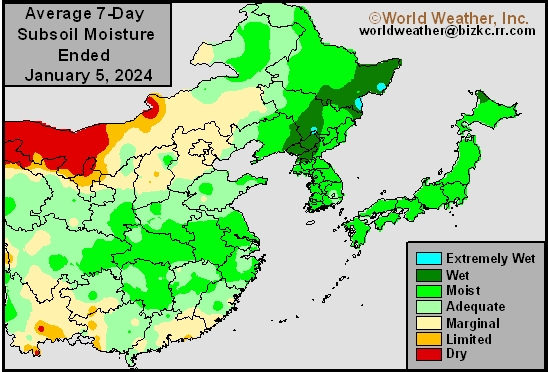
This content is for members only
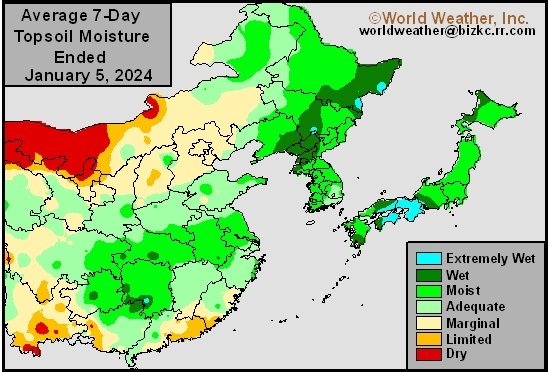
Topsoil Moisture
This content is for members only
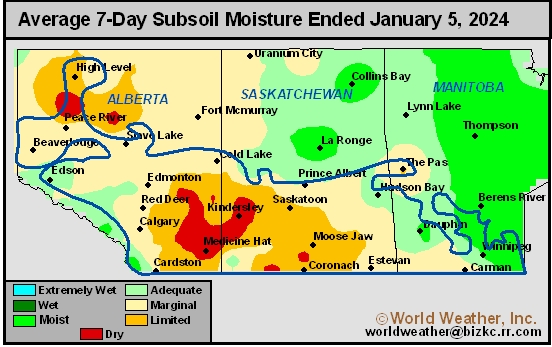
Subsoil Moisture
This content is for members only
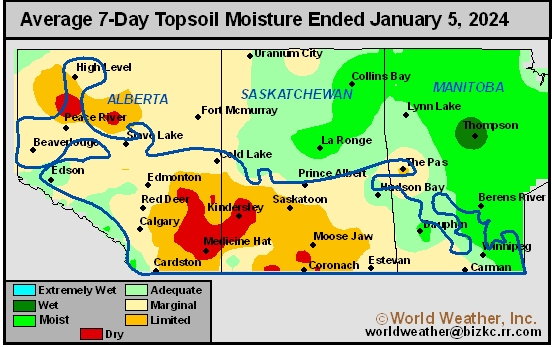
Topsoil Moisture
This content is for members only
Subsoil Moisture

This content is for members only
Topsoil Moisture

This content is for members only
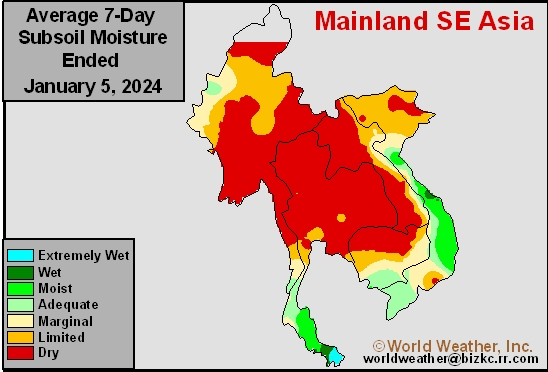
Subsoil Moisture
This content is for members only
Topsoil Moisture
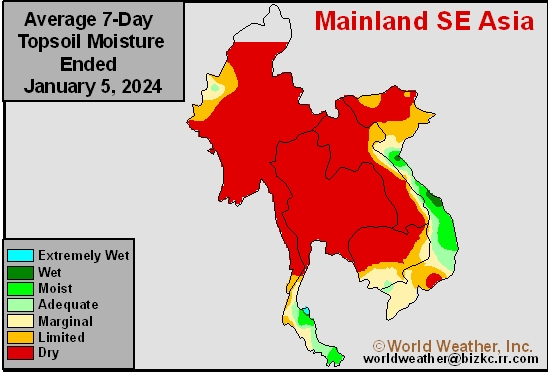
This content is for members only
Subsoil Moisture
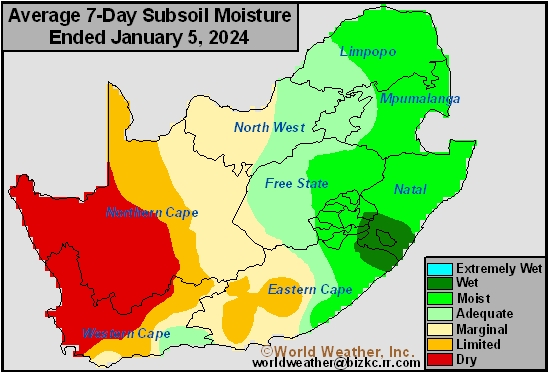
This content is for members only
Topsoil Moisture
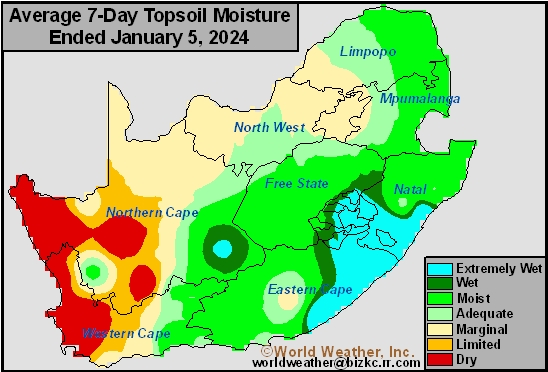
This content is for members only
Subsoil Moisture
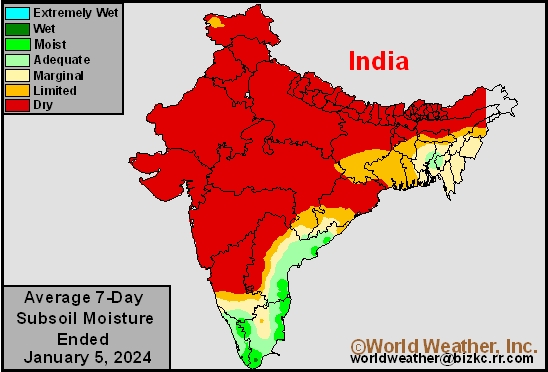
This content is for members only
Topsoil Moisture
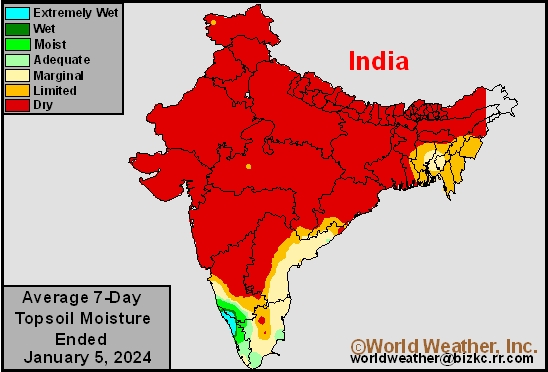
This content is for members only
Subsoil Moisture
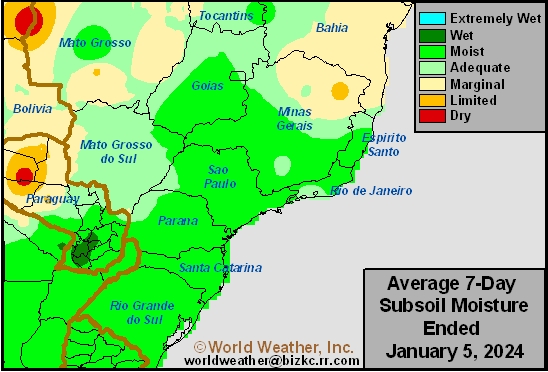
This content is for members only
Topsoil Moisture
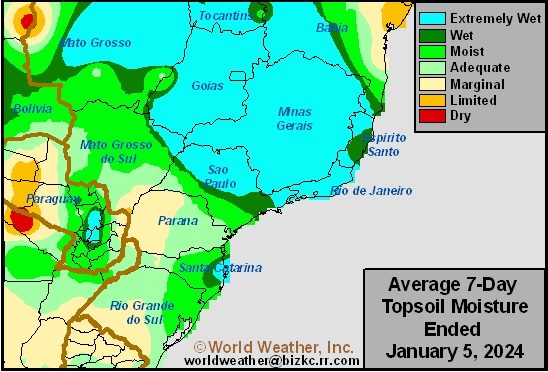
This content is for members only
Subsoil Moisture
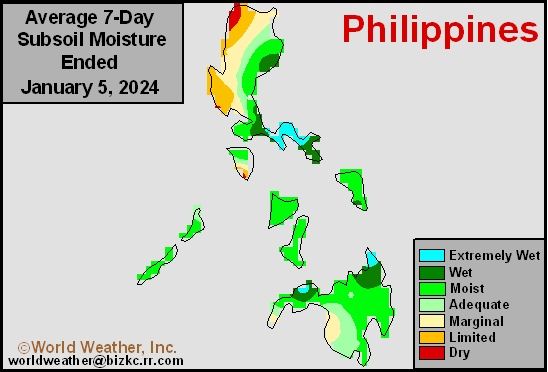
This content is for members only
Topsoil Moisture
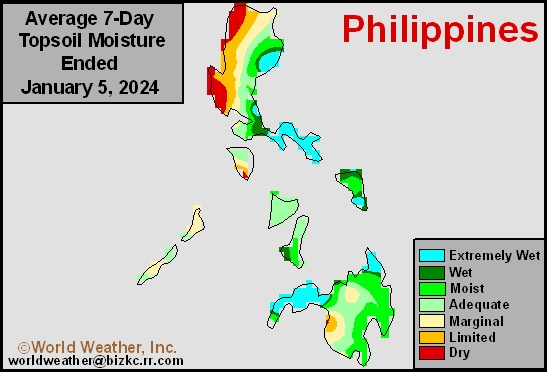
This content is for members only
Subsoil Moisture
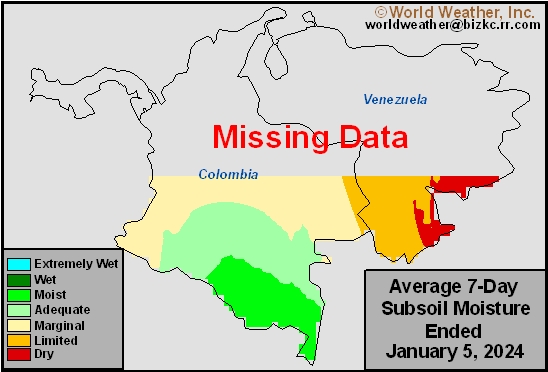
This content is for members only
Topsoil Moisture
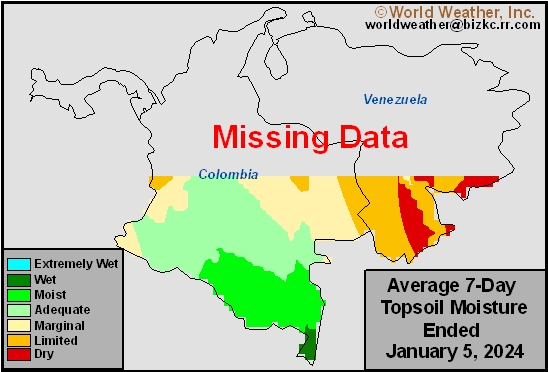
This content is for members only
Subsoil Moisture
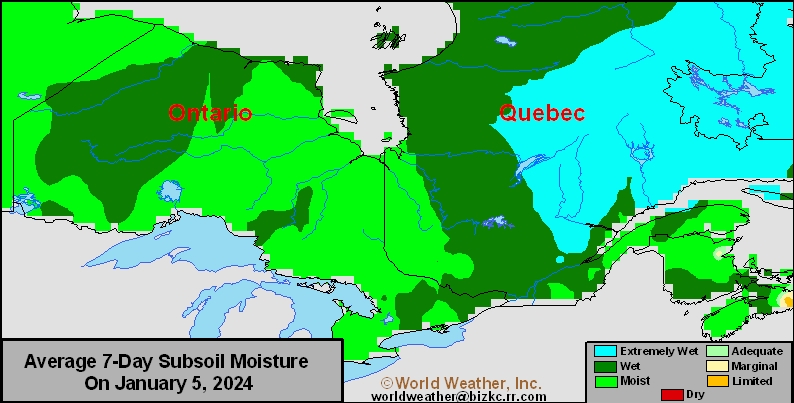
This content is for members only
Topsoil Moisture
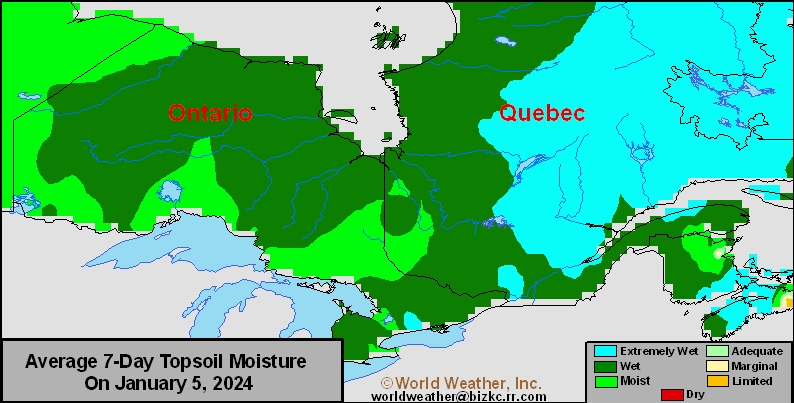
This content is for members only
Subsoil Moisture
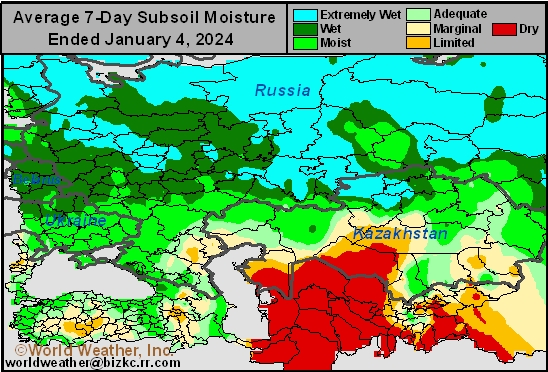
This content is for members only
Topsoil Moisture
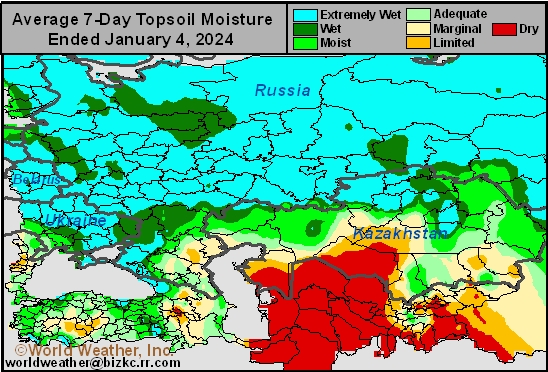
This content is for members only
Subsoil Moisture

This content is for members only
Topsoil Moisture

This content is for members only
Topsoil Moisture
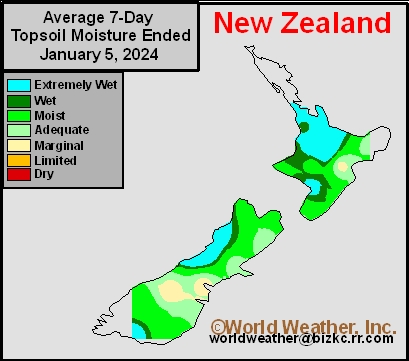
This content is for members only
Subsoil Moisture
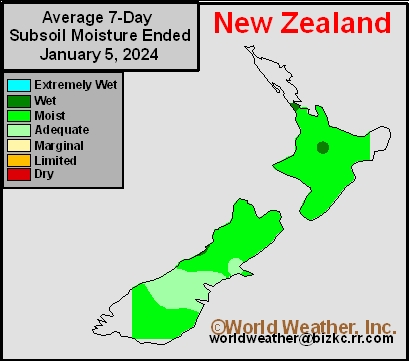
This content is for members only
Subsoil Moisture
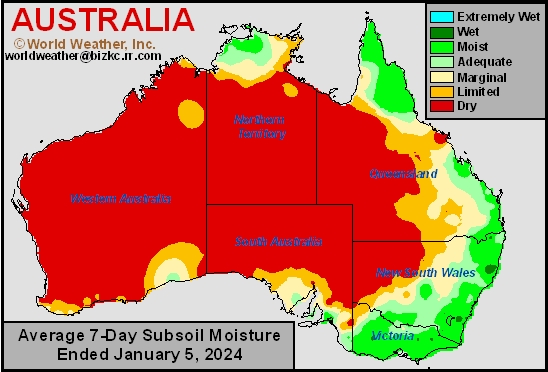
This content is for members only
Topsoil Moisture
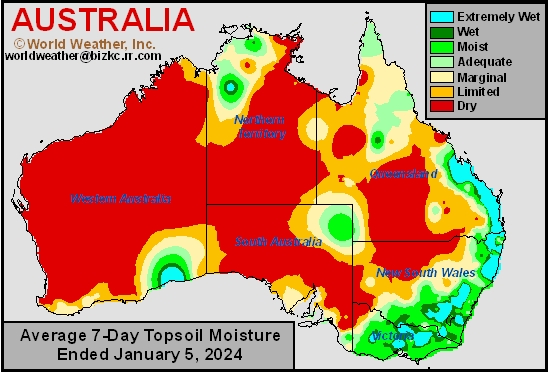
This content is for members only
Russia, Ukraine Crops Will Be Protected From Damaging Cold
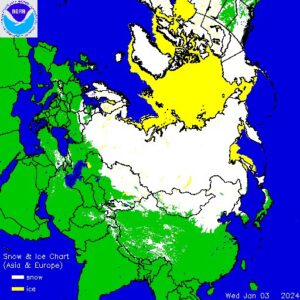
Kansas City, January 5 (World Weather Inc.) – Russia’s USDA defined ‘Southern Region’ into western Kazakhstan and a large portion of Ukraine was snow-free as of January 3. No winterkill had occurred so far this winter as temperatures have either remained above zero degrees Fahrenheit or there was snow on the ground when damaging temperatures were present. The threat of winterkill in wheat, barley and rye fields in these snow free areas will rise next week as bitter cold drops southward from northern Russia, but the prospects for significant rain to fall ahead of the cold are very good. That snow should be sufficient to protect the 2024 crop from damage. Winter crop development potentials in the CIS remain generally favorable; though, there is some concern for flooding this spring due to significant snowpack that must melt over already saturated soil conditions.
U.S. Plains Wheat, Livestock Should Survive Coming Cold Wave
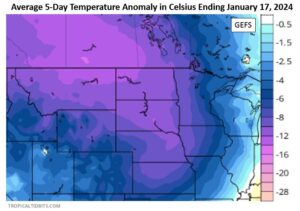
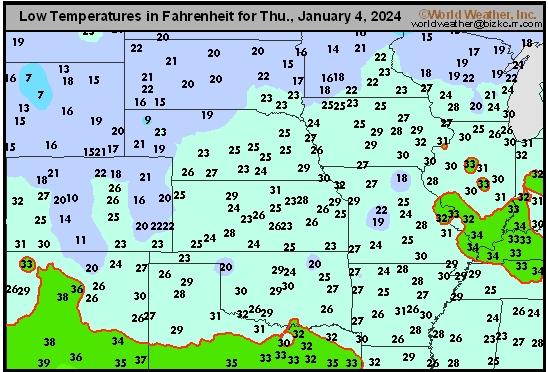
Kansas City, January 5 (World Weather Inc.) – In the next two weeks, an arctic airmass is forecast to move into the central U.S. causing temperatures to gradually drop between 10 and 25 degrees Fahrenheit below normal. Temperatures will eventually become cold enough to threaten any snow- free winter wheat areas. Wheat is largely dormant across the U.S. Plains and Canada’s Prairies, though little to no snowpack exists across a majority of the region, which could leave crops at risk of damage when the airmass arrives. Livestock stress will also be a concern because of the sudden fall in temperatures and bouts of wind and snow. Some travel delay from the potential snow systems is also a concern especially in the central Plains and Midwest while there will likely be a big increase in heating fuel consumption.
South Africa’s Wet Weather Pattern To Continue
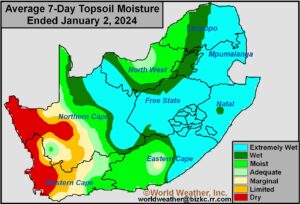
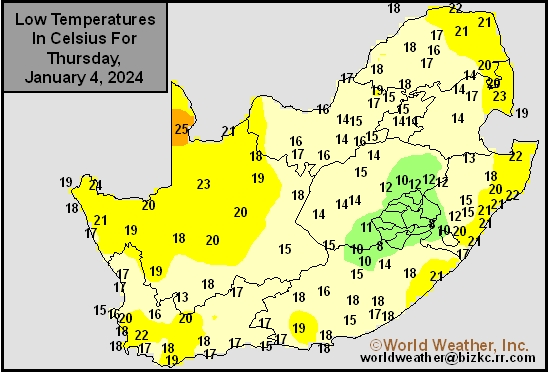
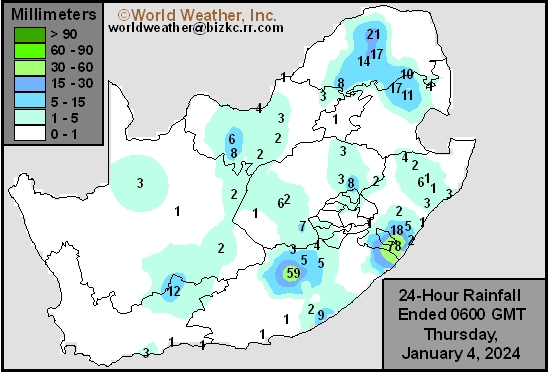
Kansas City, January 4 (World Weather Inc.) – Waves of rain in recent weeks were noted in the main production areas of South Africa. The ground has ample moisture to support aggressive establishment and growth. With more rain on the way for at least the next seven to ten days, soil moisture will remain near current levels. Localized flooding cannot be completely ruled out and may damage a minor amount of the coarse grains, oilseeds, cotton, sugarcane, and other crops produced this time of year. However, overall production potentials will remain generally favorable for much of the country.
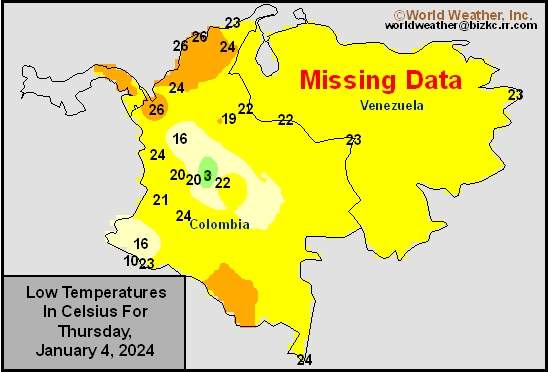
Venezuela/Colombia Min Temps
This content is for members only
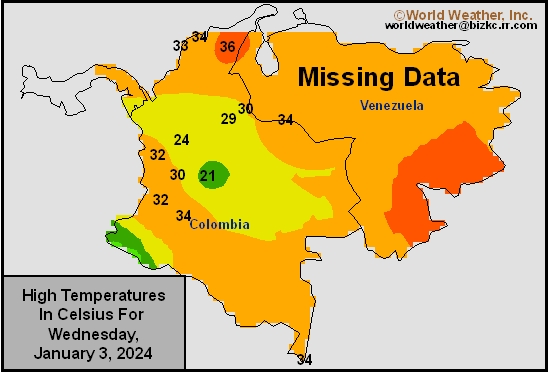
Venezuela/Colombia Max Temps
This content is for members only
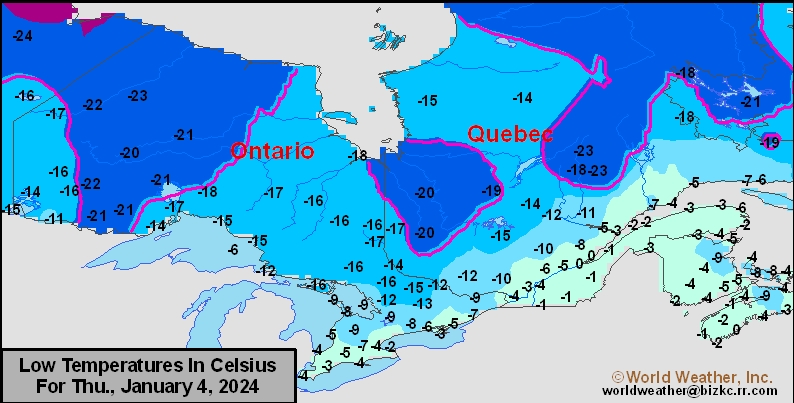
SE Canada Min
This content is for members only
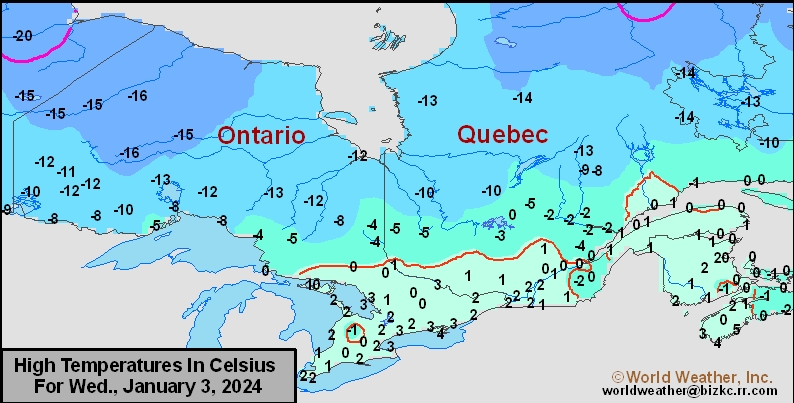
SE Canada Max
This content is for members only
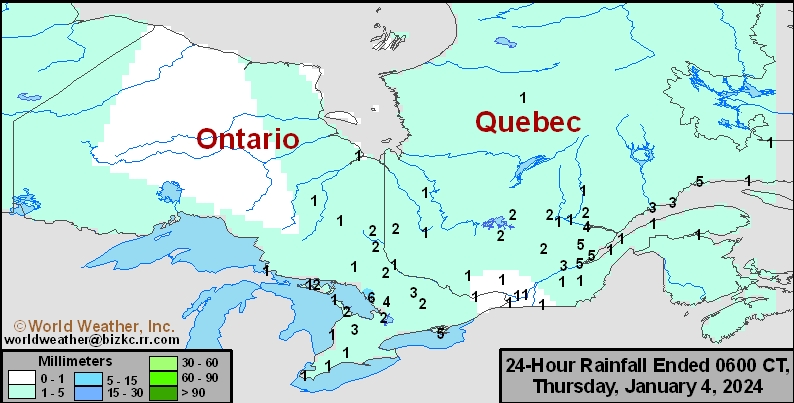
SE Canada Rainfall
This content is for members only
Prairies Rainfall

This content is for members only
Prairies Max Temperature

This content is for members only
Prairies Min Temperature

This content is for members only
Canada Rainfall

This content is for members only
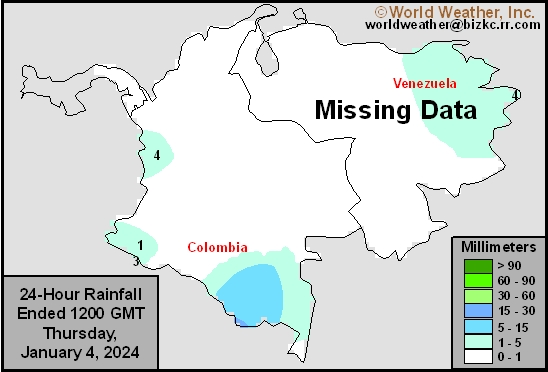
Venezuela Rainfall
This content is for members only
Mexico Min Temperature
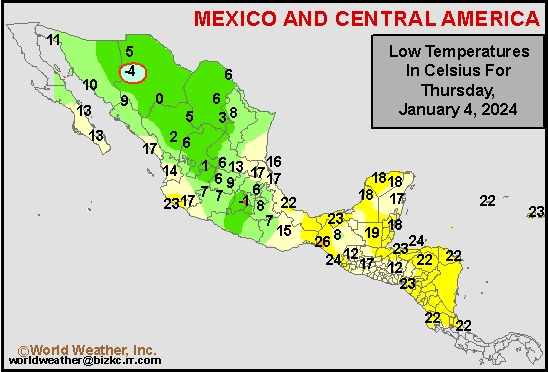
This content is for members only
Mexico Max Temperature
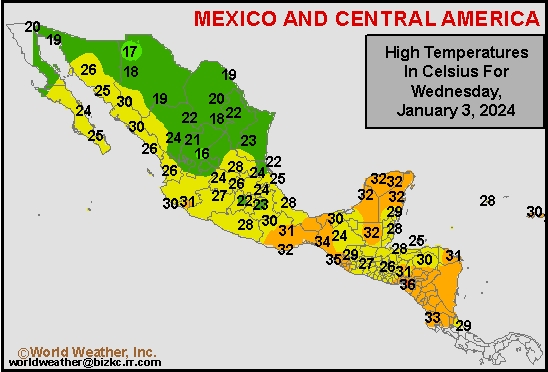
This content is for members only
Mexico Rainfall
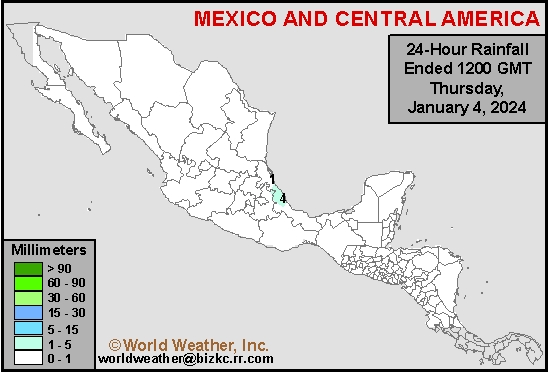
This content is for members only
Argentina Min Temperature
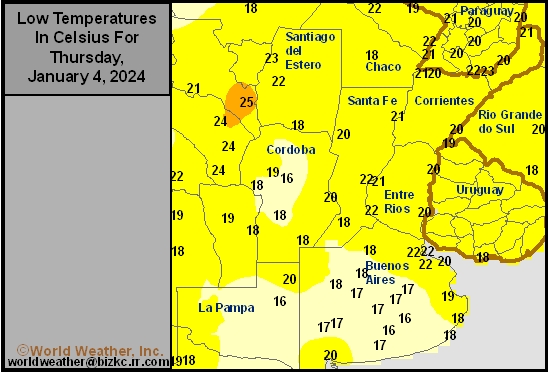
This content is for members only
Argentina Max Temperature
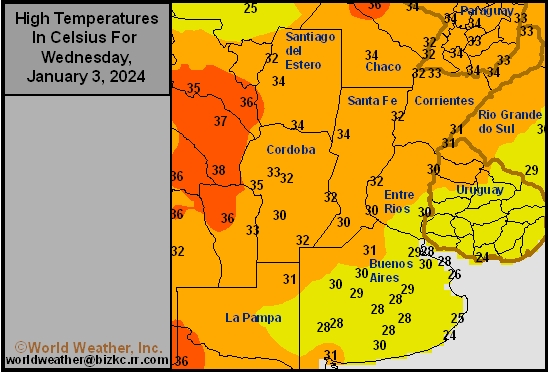
This content is for members only
Argentina Rainfall
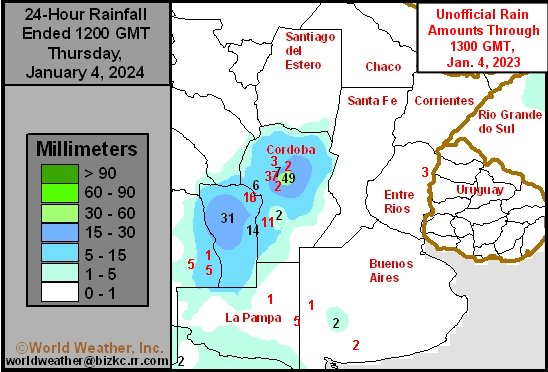
This content is for members only
Brazil Min Temperature
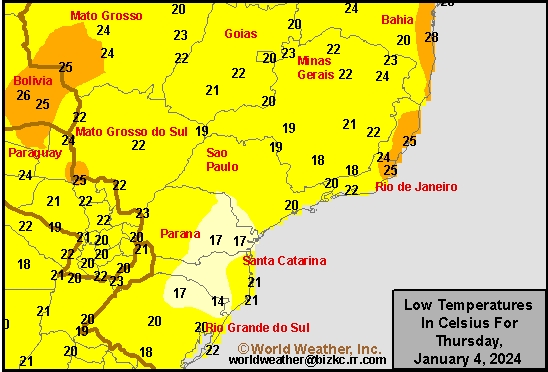
This content is for members only
Brazil Max Temperature
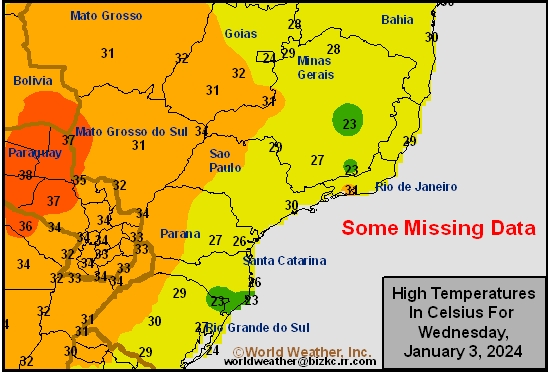
This content is for members only
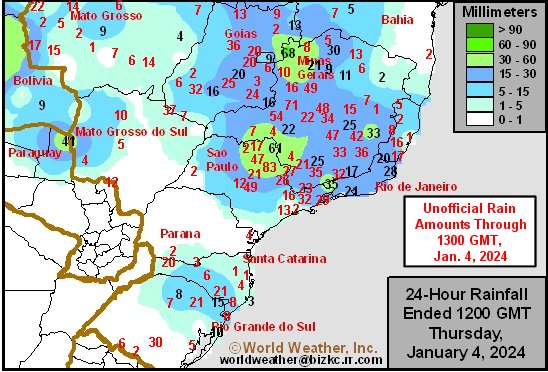
Brazil Rainfall
This content is for members only
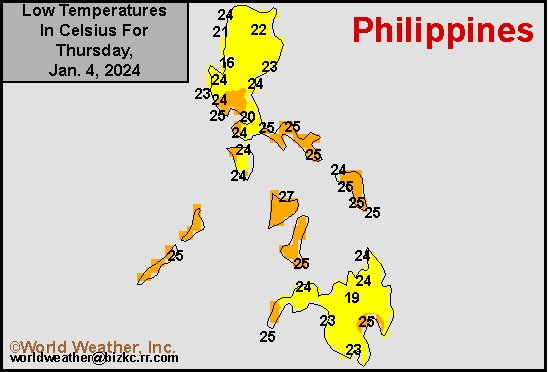
Philippines Min
This content is for members only
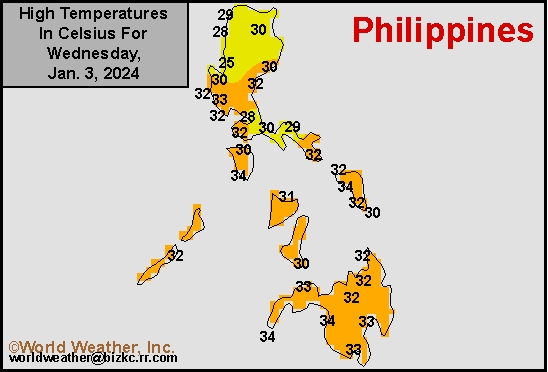
Philippines Max
This content is for members only
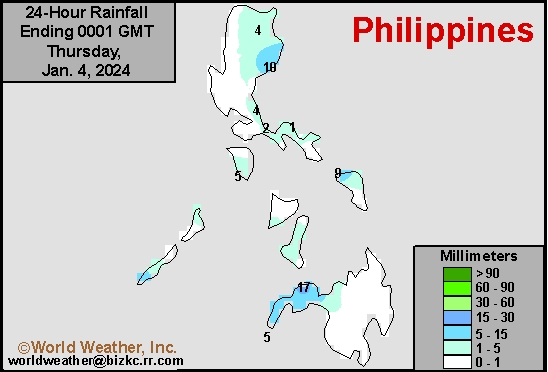
Philippines Rain
This content is for members only
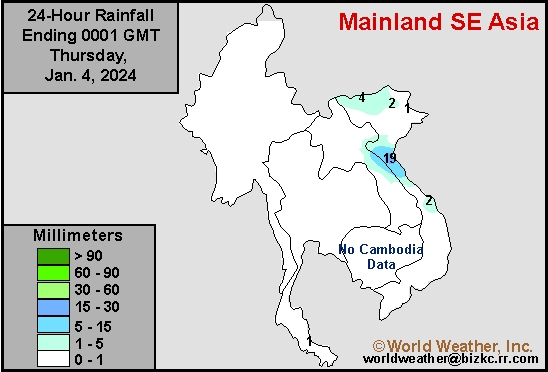
Southeast North Rain
This content is for members only
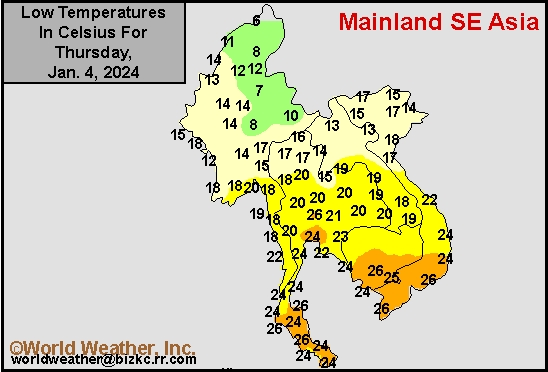
Southeast North Min
This content is for members only
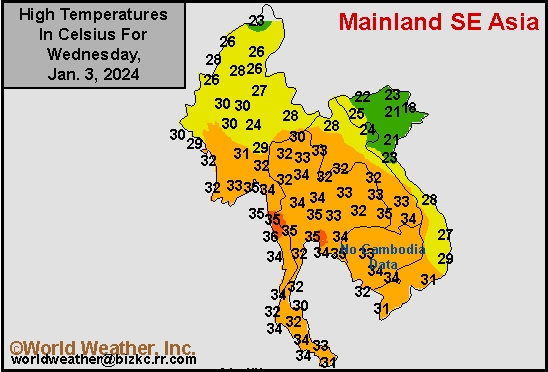
Southeast North Max
This content is for members only
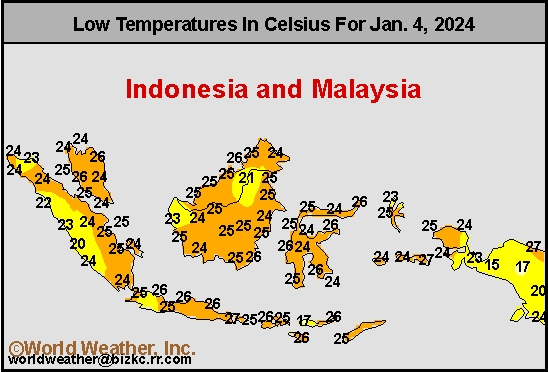
Southeast Min
This content is for members only
Southeast Max
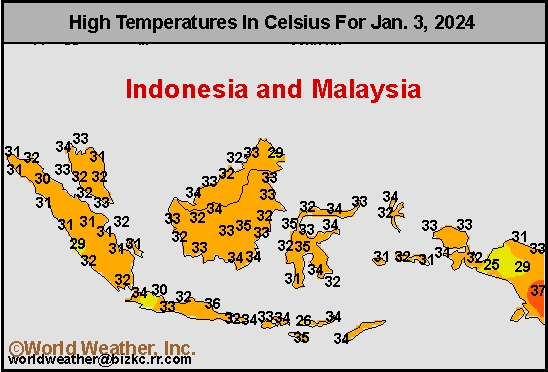
This content is for members only
Southeast Rain
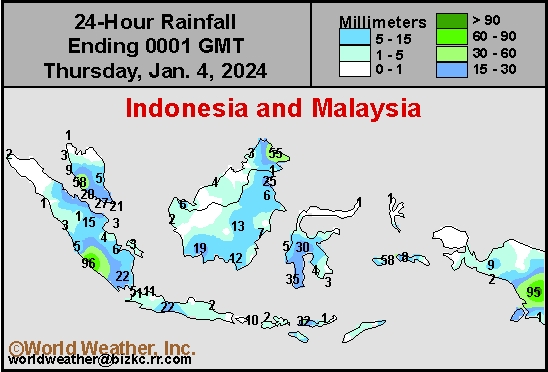
This content is for members only
West Africa Rain
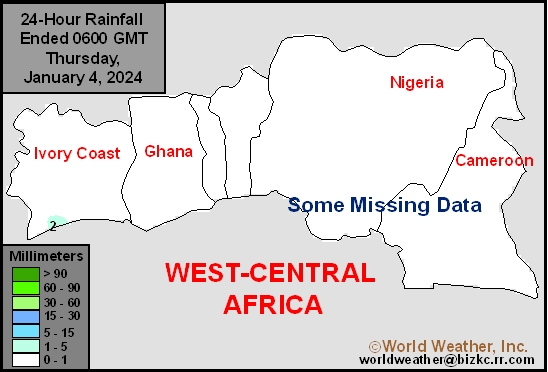
This content is for members only
Max Temperature
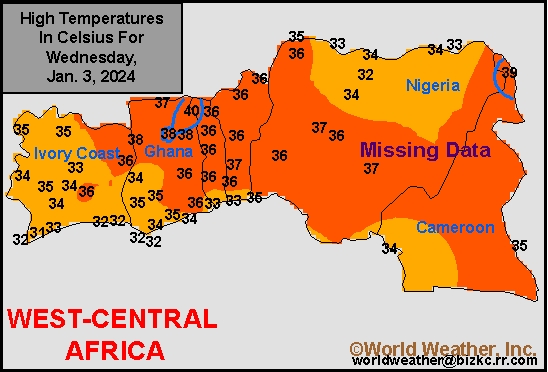
This content is for members only
Min Temperature
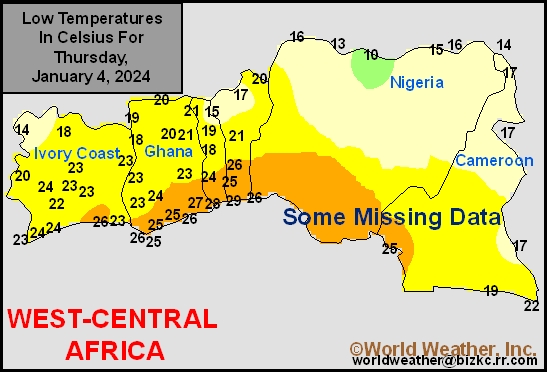
This content is for members only
North Africa Rain
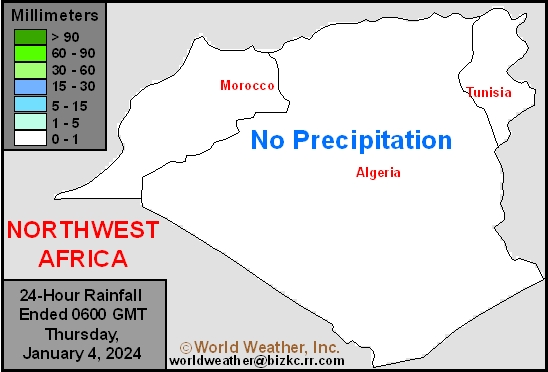
This content is for members only
Max Temperature
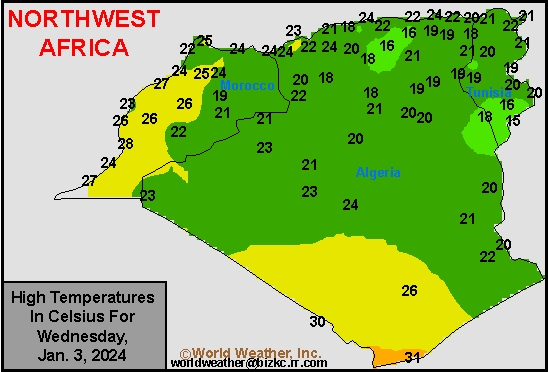
This content is for members only
Min Temperature
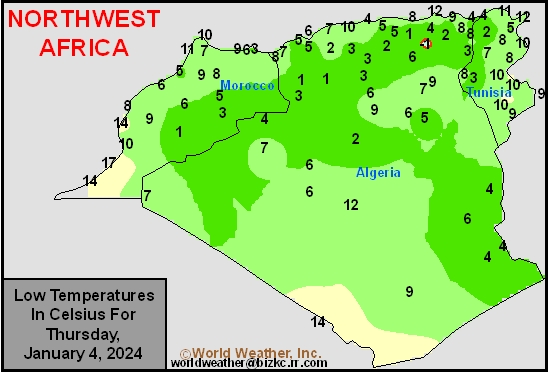
This content is for members only
Min Temperature
This content is for members only
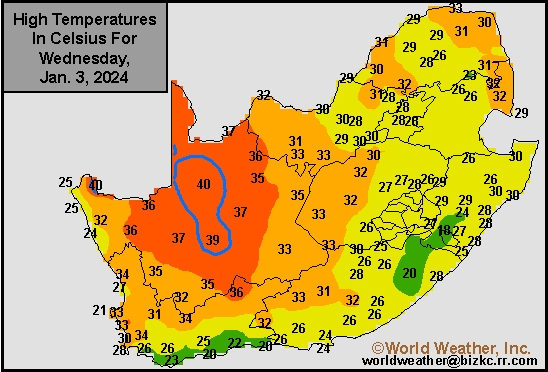
Max Temperature
This content is for members only
South Africa Rain
This content is for members only
Hard Red Wheat Tmin
This content is for members only
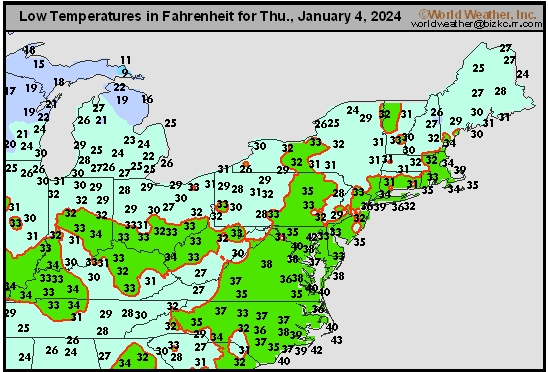
Northeast Tmin
This content is for members only
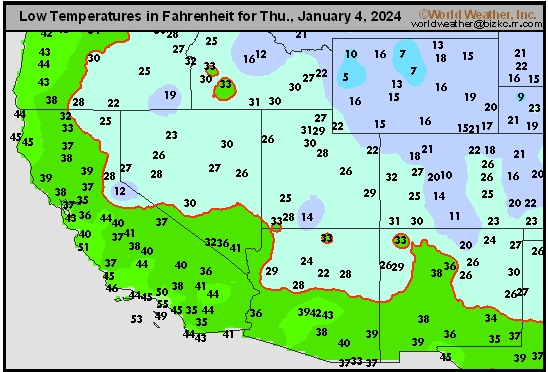
Southwest Tmin
This content is for members only
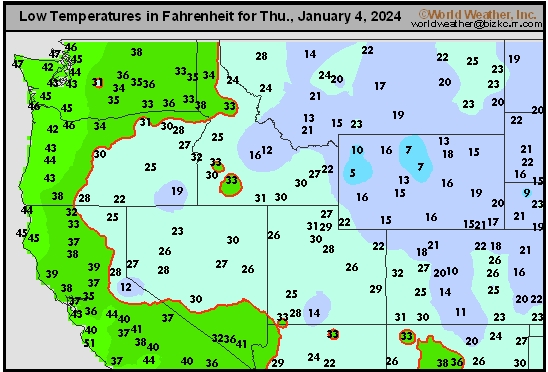
Northwest Tmin
This content is for members only
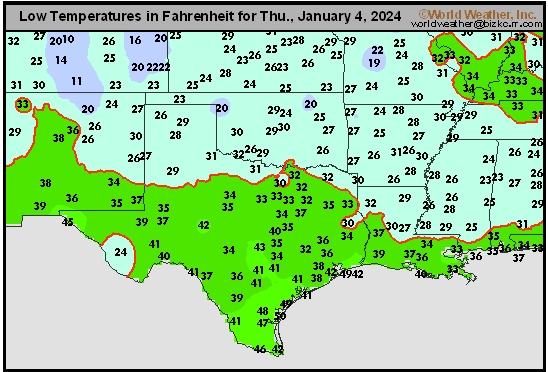
South Plains Tmin
This content is for members only
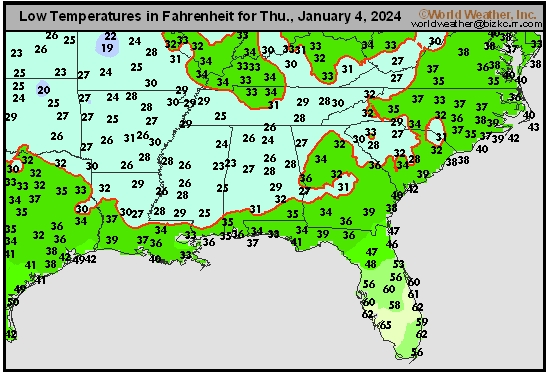
Delta/SE U.S. Tmin
This content is for members only
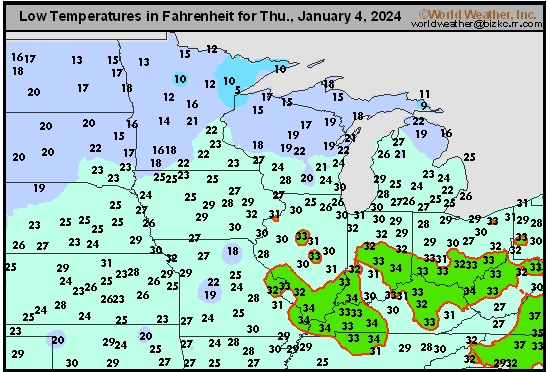
Corn Belt Tmin
This content is for members only
US Min

This content is for members only
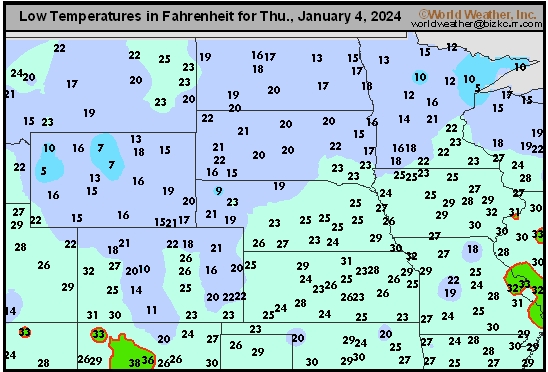
North Plains Tmin
This content is for members only