
Southeast Min
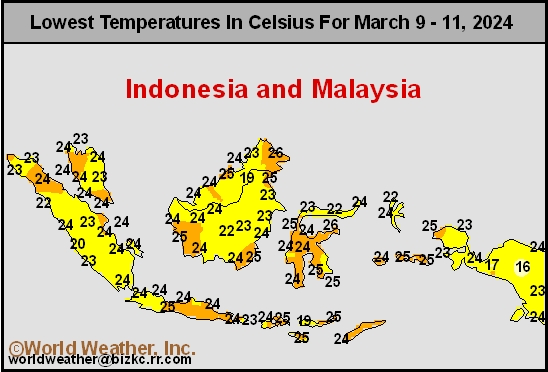
This content is for members only
Southeast Max
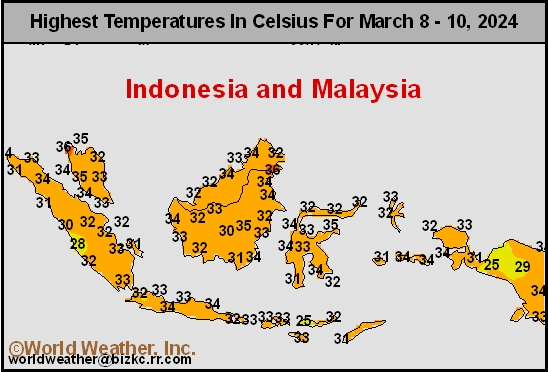
This content is for members only
Southeast Rain
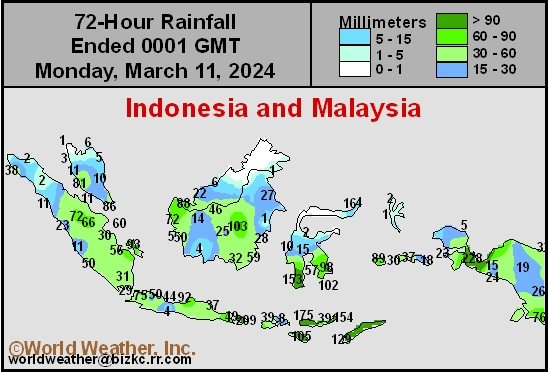
This content is for members only
West Africa Rain
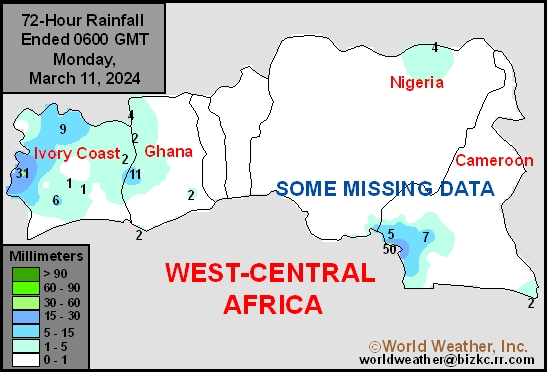
This content is for members only
Max Temperature
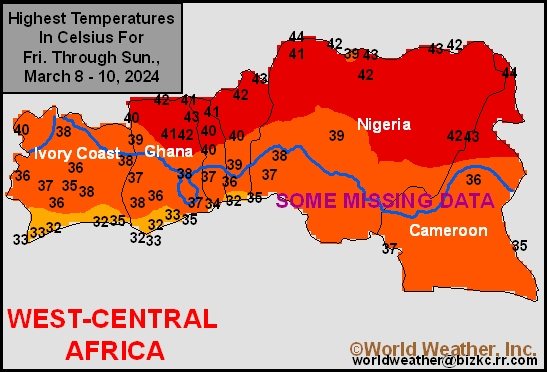
This content is for members only
Min Temperature
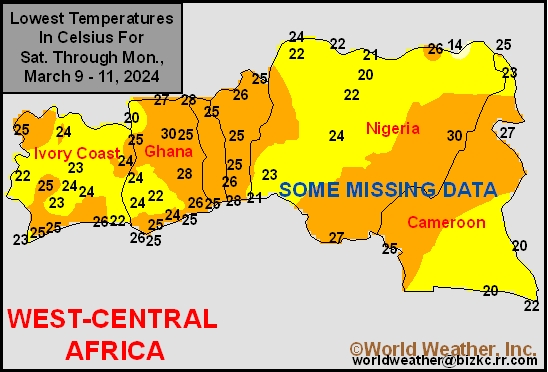
This content is for members only
North Africa Rain
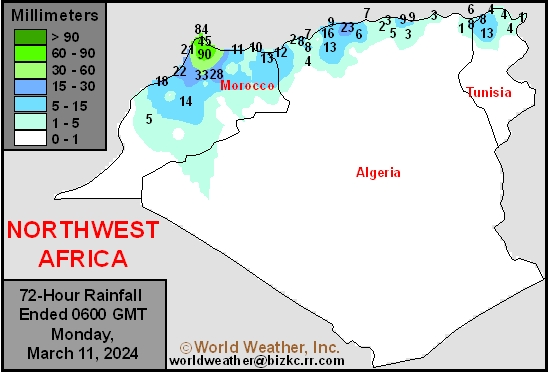
This content is for members only
Max Temperature
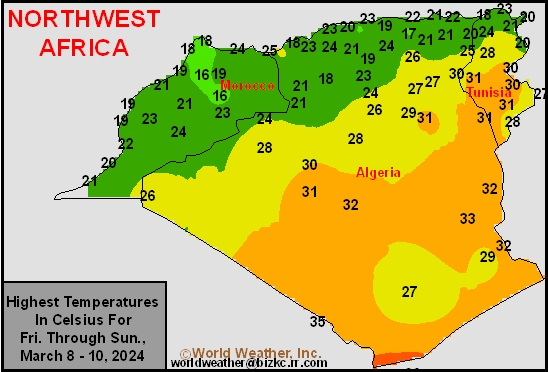
This content is for members only
Min Temperature
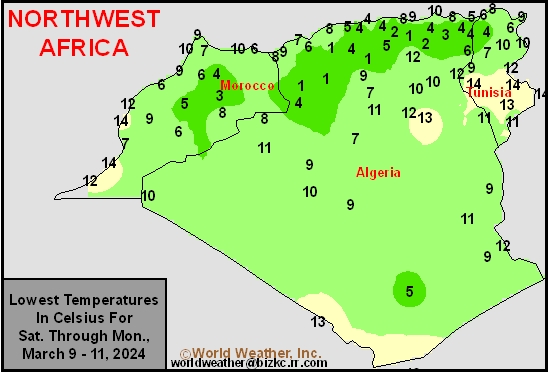
This content is for members only
Min Temperature
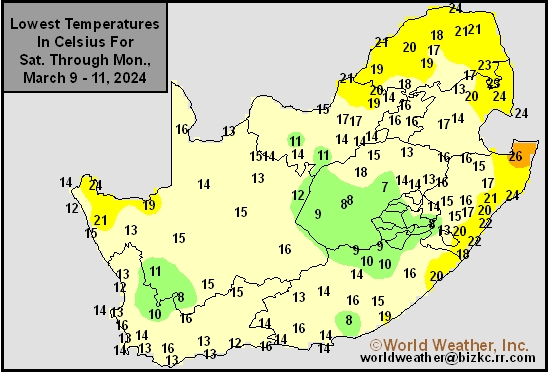
This content is for members only
Max Temperature
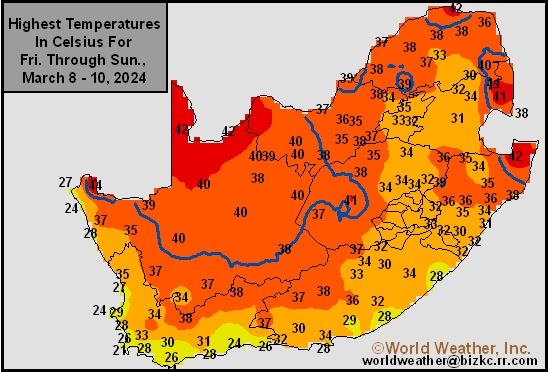
This content is for members only
South Africa Rain
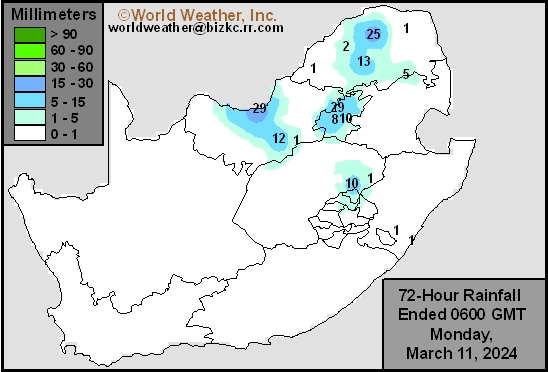
This content is for members only
Hard Red Wheat Tmin
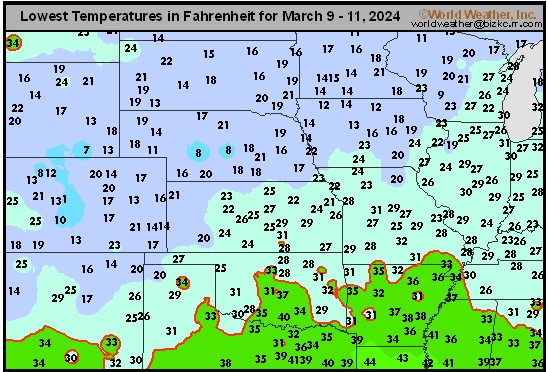
This content is for members only
Northeast Tmin
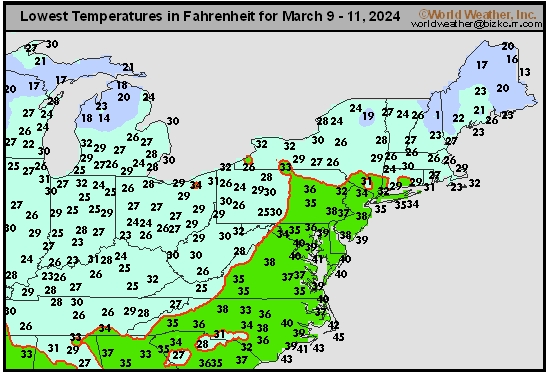
This content is for members only
Southwest Tmin
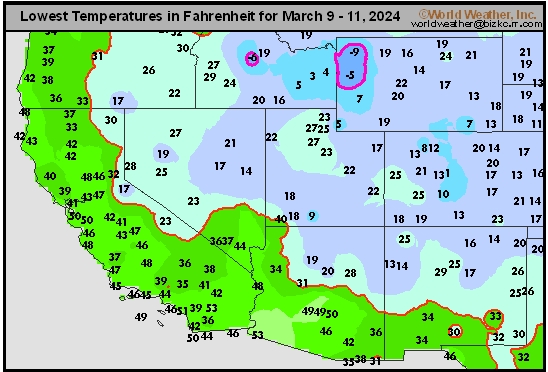
This content is for members only
Northwest Tmin
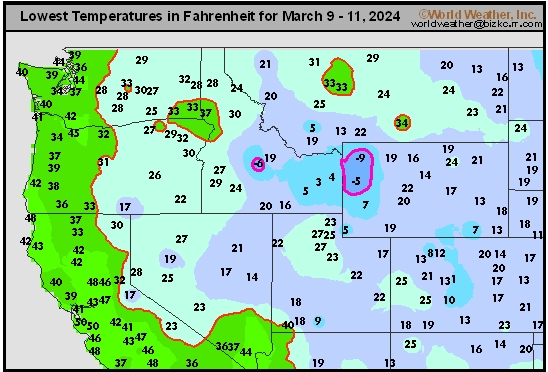
This content is for members only
South Plains Tmin
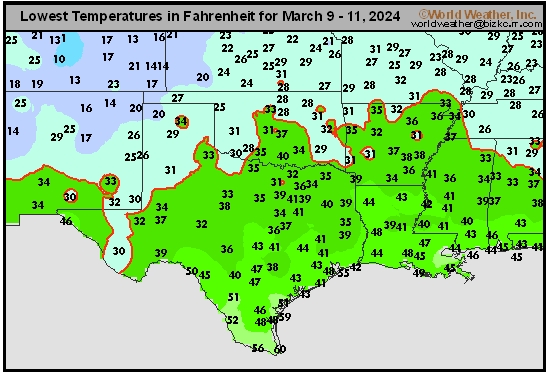
This content is for members only
Delta/SE U.S. Tmin
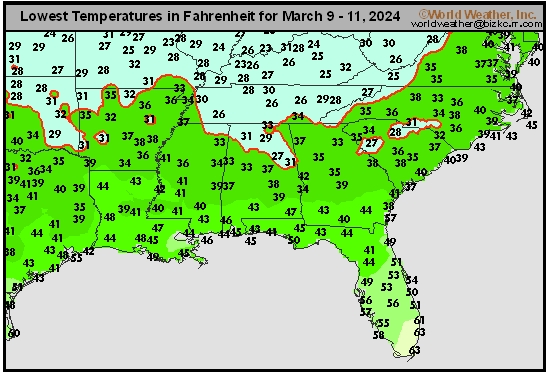
This content is for members only
Corn Belt Tmin
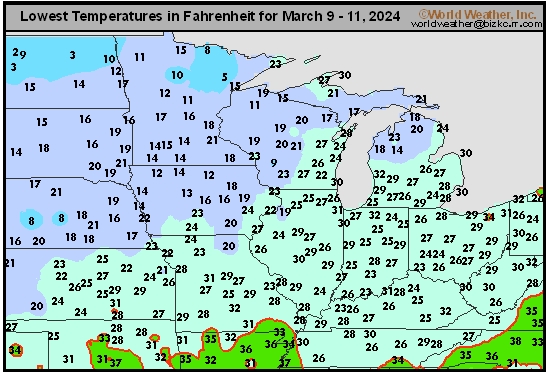
This content is for members only
US Min

This content is for members only
North Plains Tmin
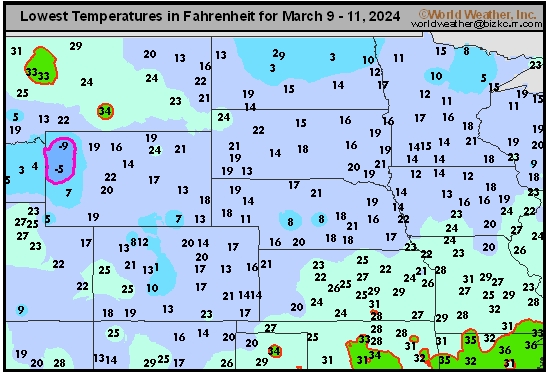
This content is for members only
Hard Red Wheat Tmax
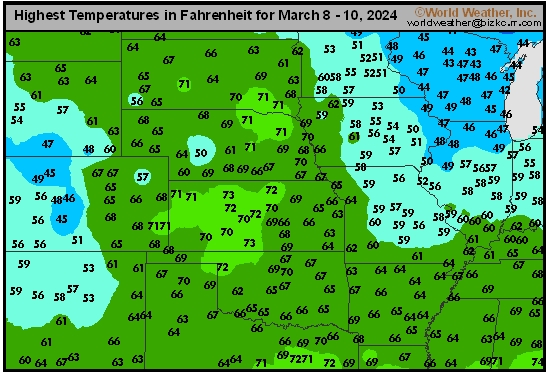
This content is for members only
Northeast Tmax
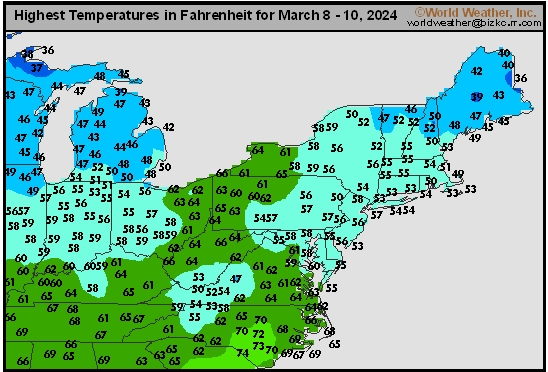
This content is for members only
Southwest Tmax
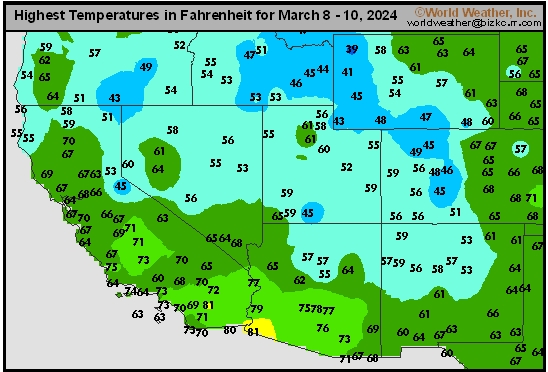
This content is for members only
Northwest Tmax
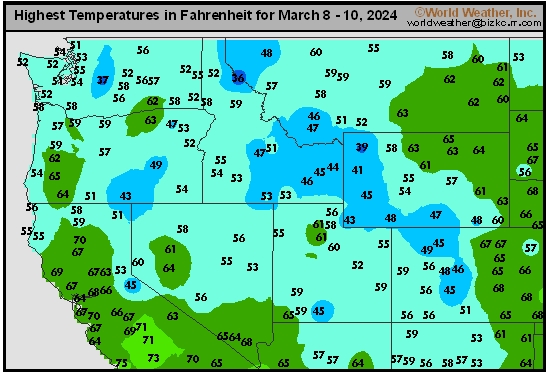
This content is for members only
South Plains Tmax
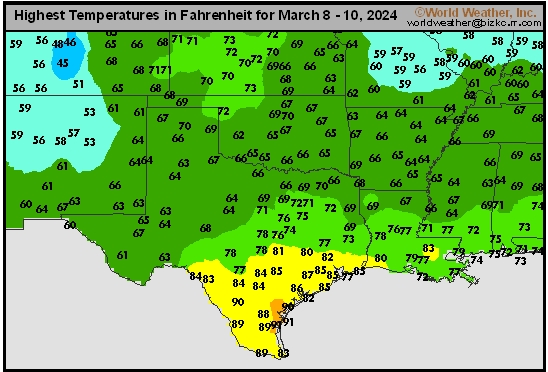
This content is for members only
Delta/SE U.S. Tmax
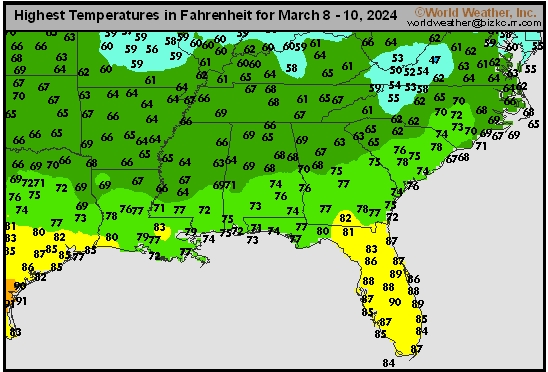
This content is for members only
Corn Belt Tmax
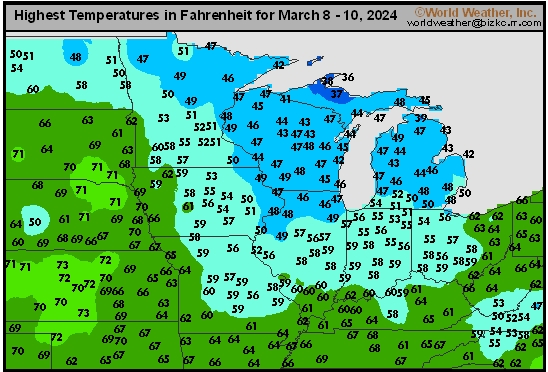
This content is for members only
North Plains Tmax
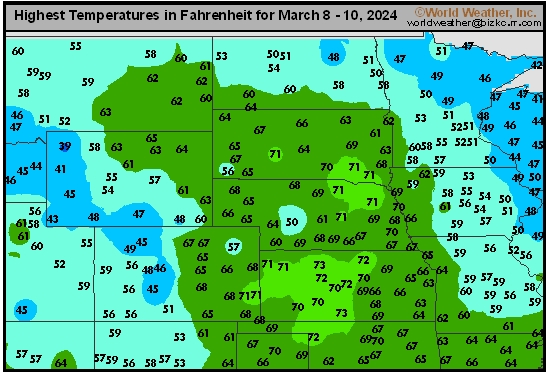
This content is for members only
US Max

This content is for members only
US Rain

This content is for members only
Northeast Daily Rain
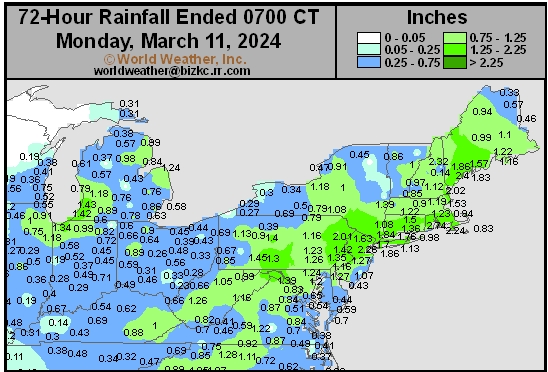
This content is for members only
Hard Red Wheat Daily Rain
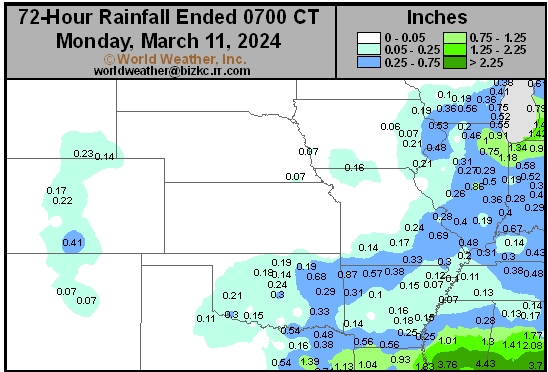
This content is for members only
Southwest Daily Rain
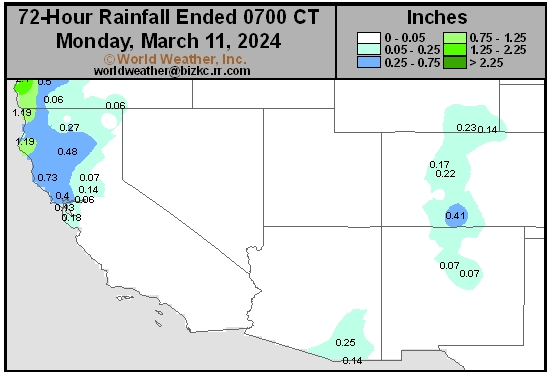
This content is for members only
Northwest Daily Rain
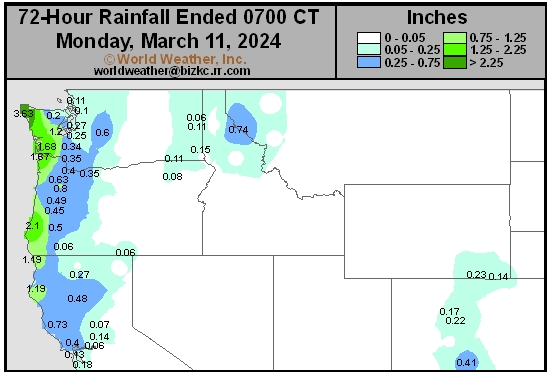
This content is for members only
South Plains Daily Rain
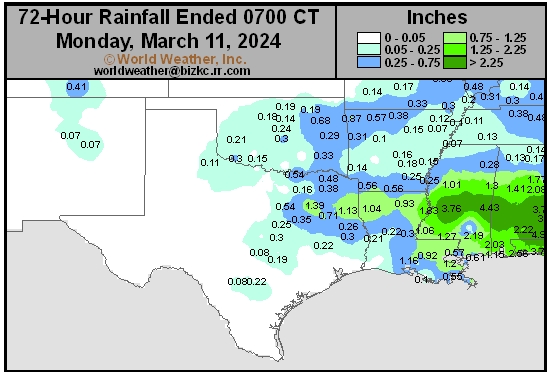
This content is for members only
Delta/SE U.S. Daily Rain
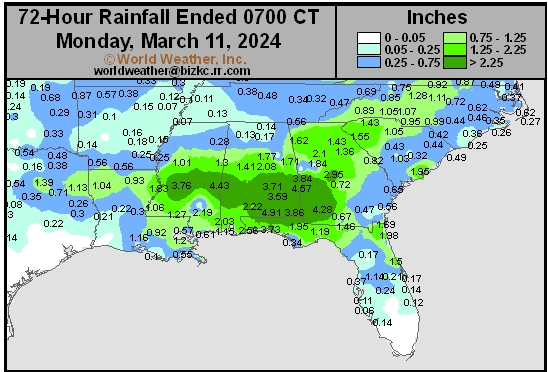
This content is for members only
Corn Belt Daily Rain
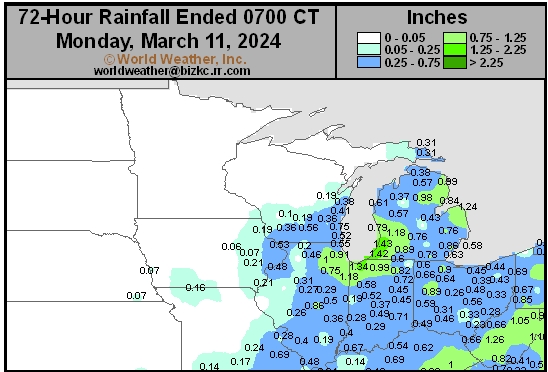
This content is for members only
North Plains Daily Rain
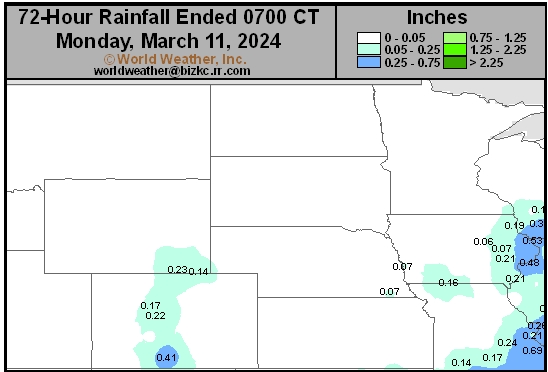
This content is for members only
Low Temperature
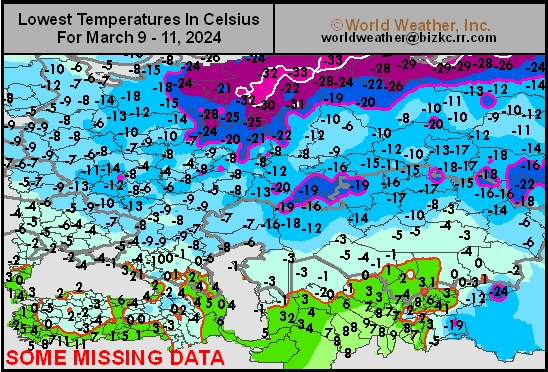
This content is for members only
High Temperature
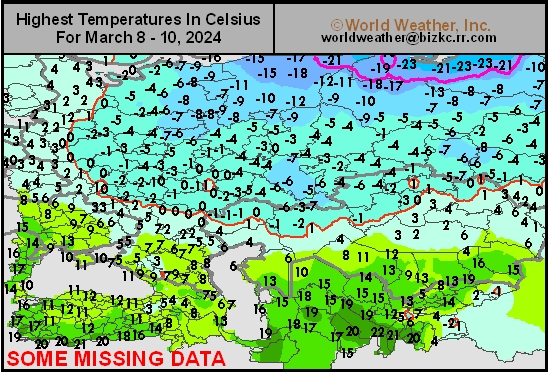
This content is for members only
CIS Rainfall
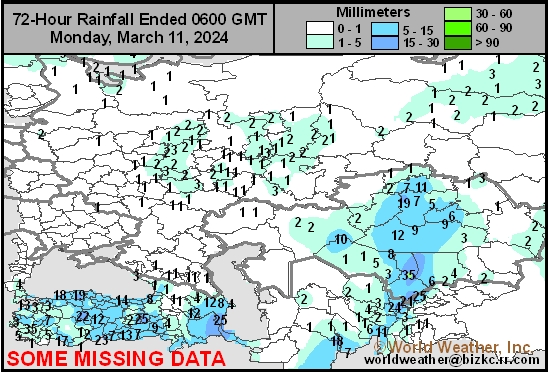
This content is for members only
Low Temperature
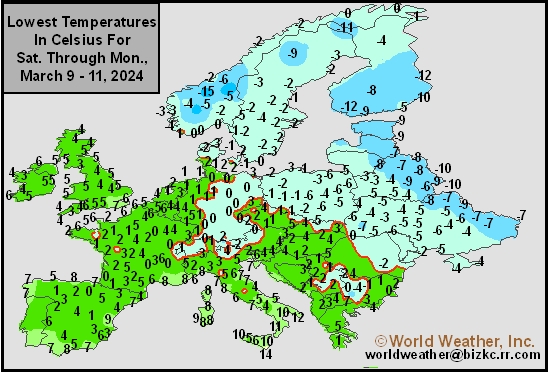
This content is for members only
High Temperature
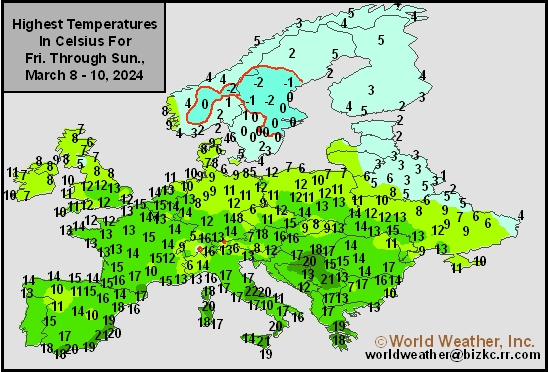
This content is for members only
Europe Rainfall
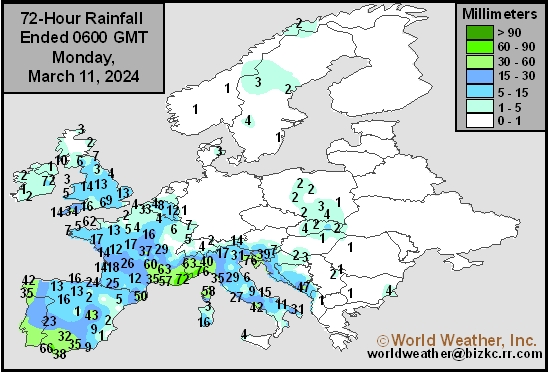
This content is for members only
Low Temperature
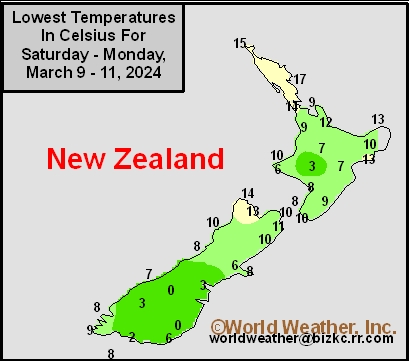
This content is for members only
High Temperature
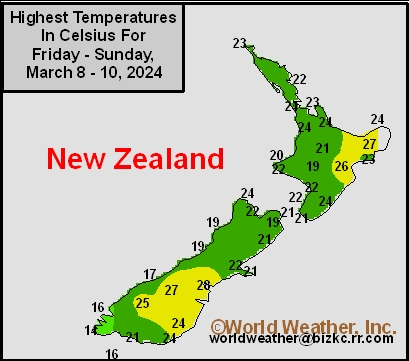
This content is for members only
New Zealand Rainfall
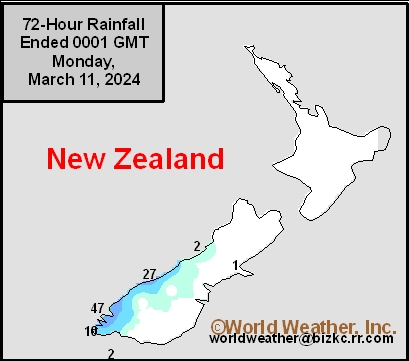
This content is for members only
Low Temperature
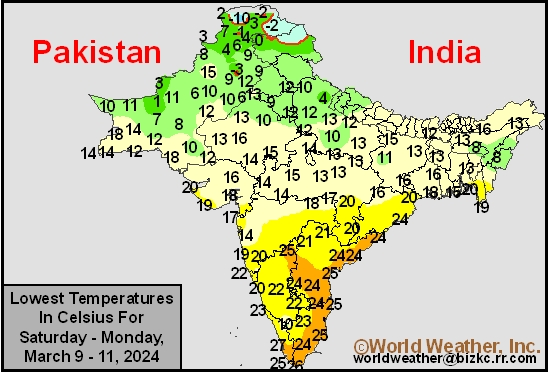
This content is for members only
High Temperature
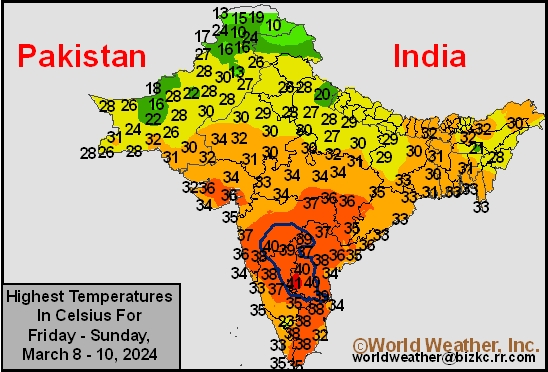
This content is for members only
India Rainfall
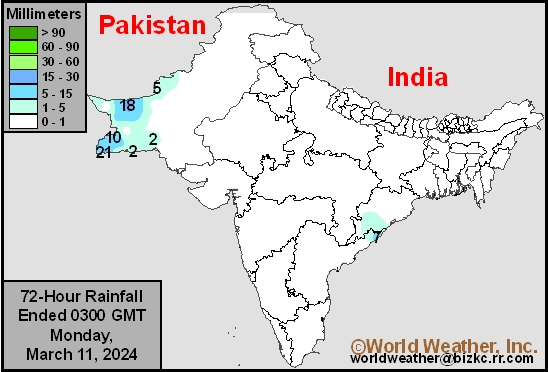
This content is for members only
Low Temperature
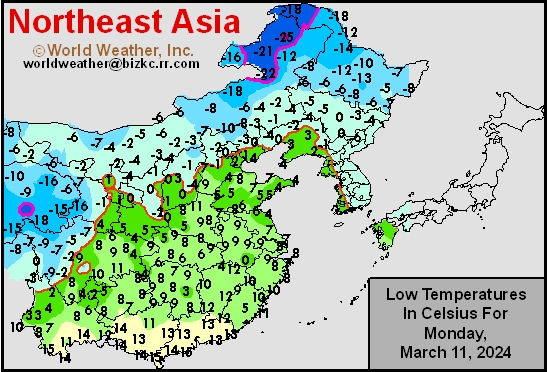
This content is for members only
Japan Rainfall
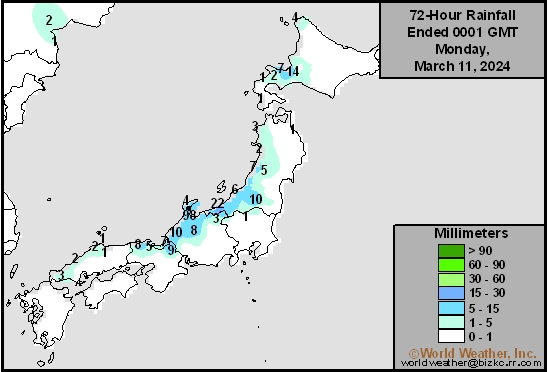
This content is for members only
Low Temperature
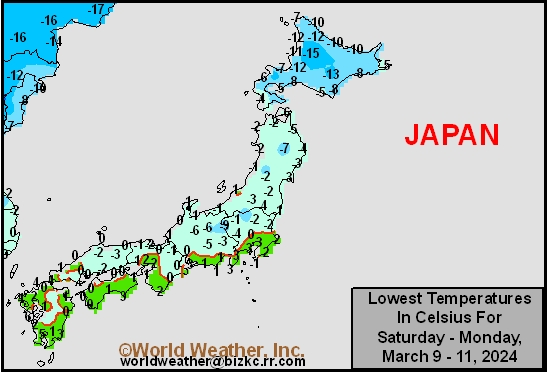
This content is for members only
High Temperature
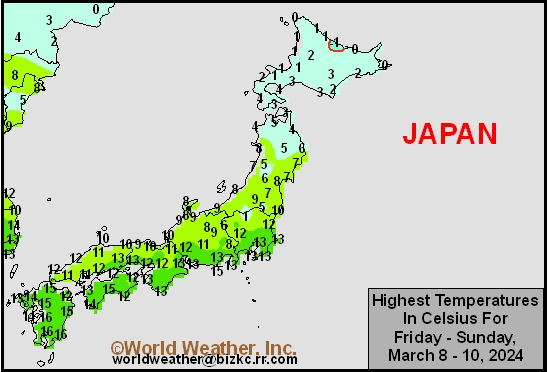
This content is for members only
High Temperature
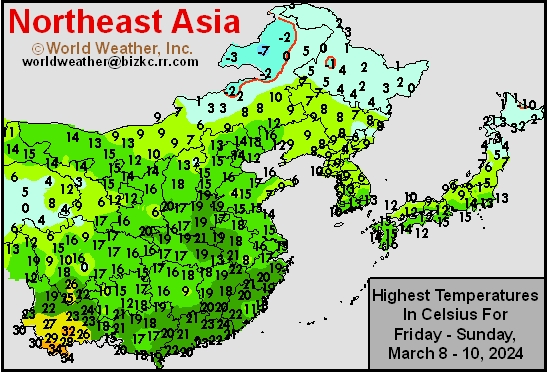
This content is for members only
China Rainfall
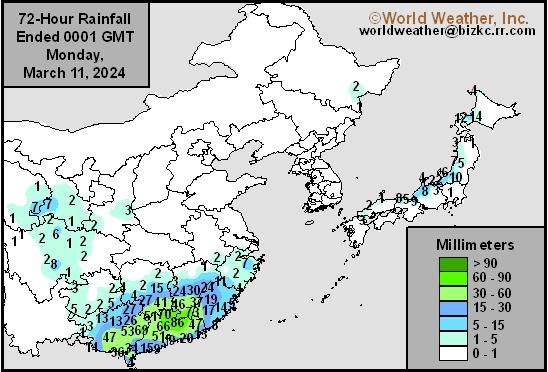
This content is for members only
Low Temperature
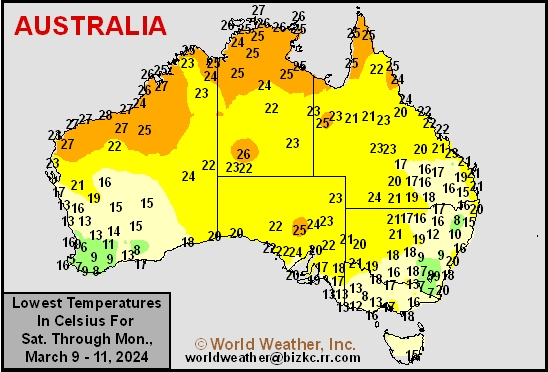
This content is for members only
High Temperature
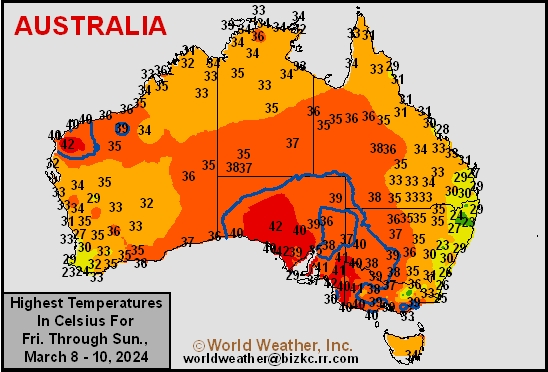
This content is for members only
Australia Rainfall
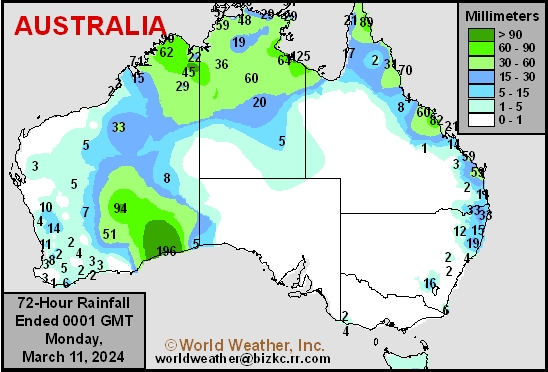
This content is for members only
Soil Temperature

This content is for members only
Soil Temperature
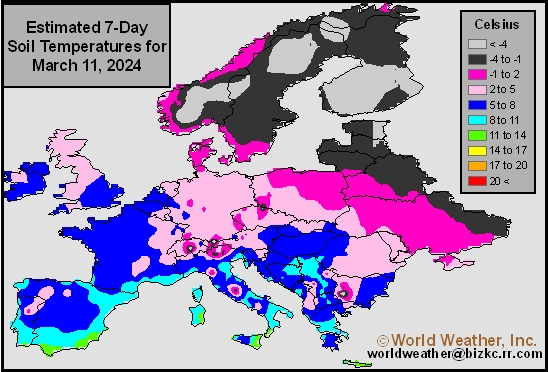
This content is for members only
Soil Temperature
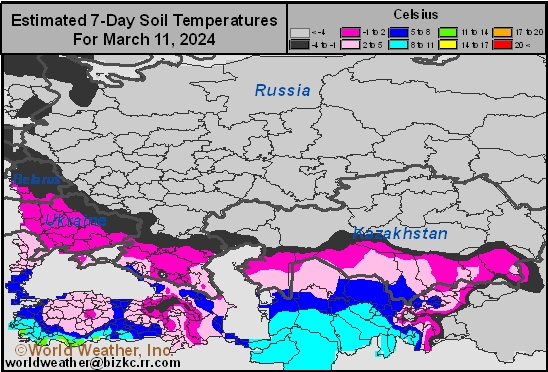
This content is for members only
Soil Temperature
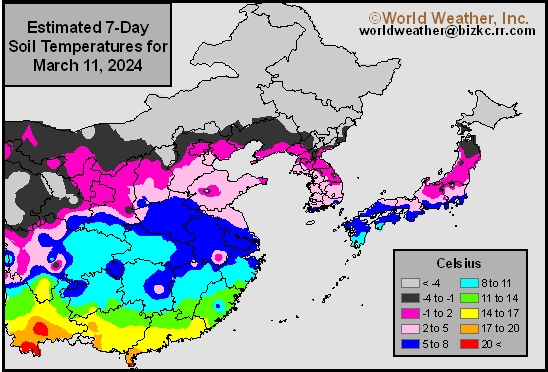
This content is for members only
Soil Temperature

This content is for members only
New Zealand Experienced Relatively Normal El Nino Conditions
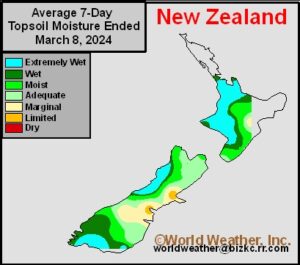
Kansas City, March 8 (World Weather Inc.) – El Nino summers tend to support frequent rainfall in western sections of South Island and North Island while areas farther inland often experience limited rainfall. With El Nino in full swing over the summer, frequent rainfall helped bolster or keep soil moisture at adequate to excessive levels in western sections of the country. Eastern South Island and portions of southeastern and northern North Island missed out on the wet weather and moisture shortages lowly intensified. Western South Island will continue to see waves of rain through the end of next week while other locations dry down due to a lack of rain. New Zealand does produce some wheat and barley in the summer and production may be lower than usual due to dryness in portions of crop country.
Western Corn Belt Drought Will Likely Persist In March
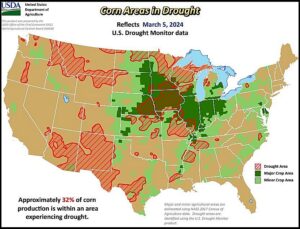
Kansas City, March 8 (World Weather Inc.) – Drought and dryness of varying degrees of significance continues in portions of the U.S Midwest and as spring approaches the removal of drought will become more important especially if summer is going to have a drier and warmer than usual bias. Iowa is experiencing some of the more significant drought while several areas in Wisconsin, Minnesota, Missouri, and eastern Nebraska are also struggling with significant dryness. Abnormally dry conditions have started to spread across portions of the eastern Midwest as well. A disturbance will promote significant rainfall for portions of the eastern Corn Belt today into Saturday with some follow-up rain later next week. Rainfall will be enough to marginally bolster soil moisture and may eliminate abnormally dry conditions in several locations; however, the western Midwest will remain drier biased into the end of next week. Precipitation potentials will not improve significantly during the second week of the outlook. The need for timely rain will increase heading into late March and early April to support more favorable corn and soybean planting prospects.
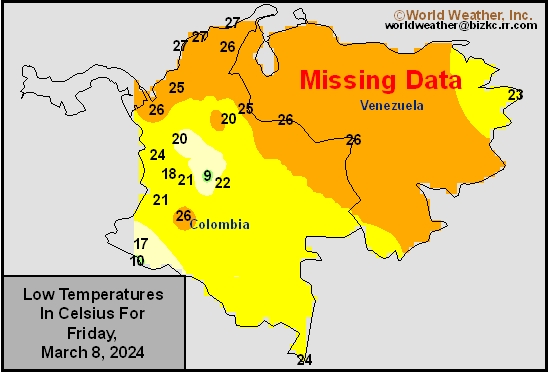
Venezuela/Colombia Min Temps
This content is for members only
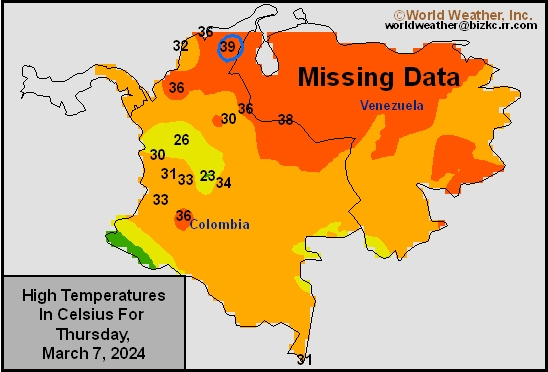
Venezuela/Colombia Max Temps
This content is for members only
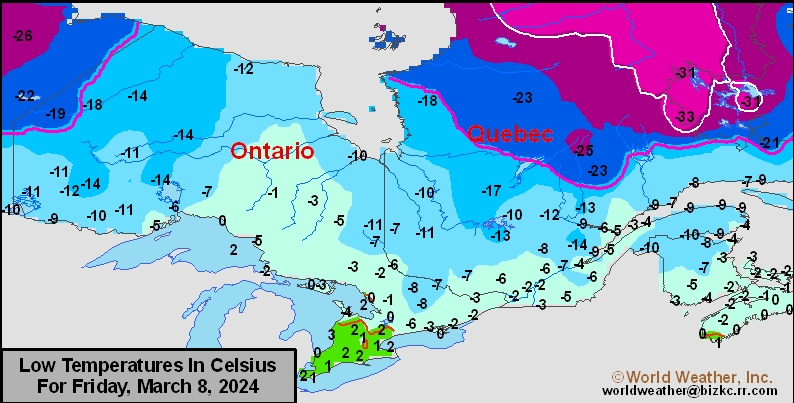
SE Canada Min
This content is for members only
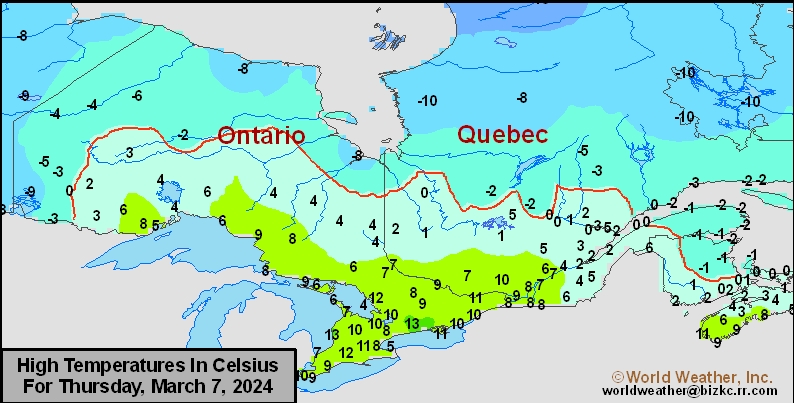
SE Canada Max
This content is for members only
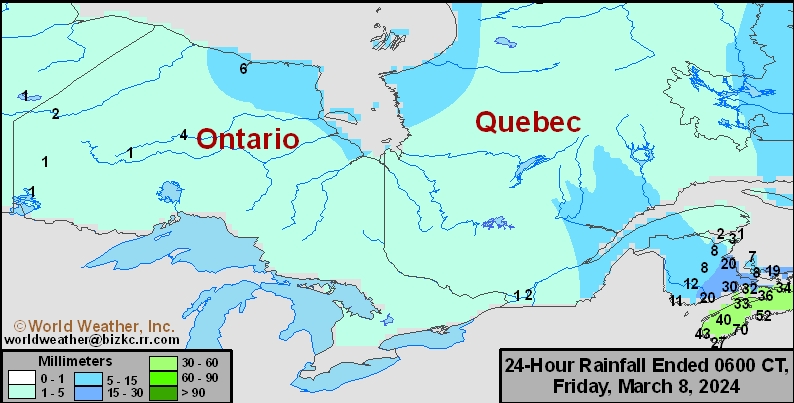
SE Canada Rainfall
This content is for members only
Prairies Rainfall

This content is for members only
Prairies Max Temperature

This content is for members only
Prairies Min Temperature

This content is for members only
Canada Rainfall

This content is for members only
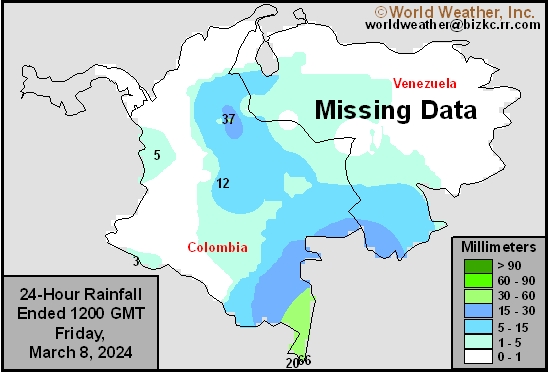
Venezuela Rainfall
This content is for members only
Mexico Min Temperature
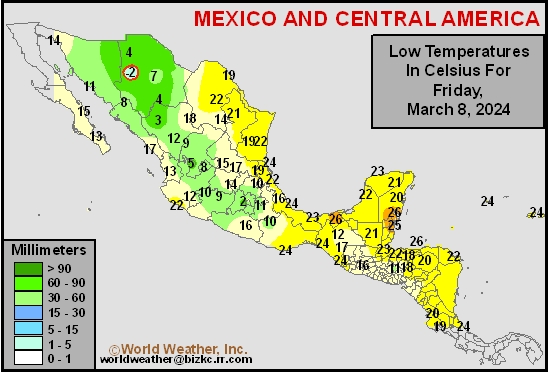
This content is for members only
Mexico Max Temperature
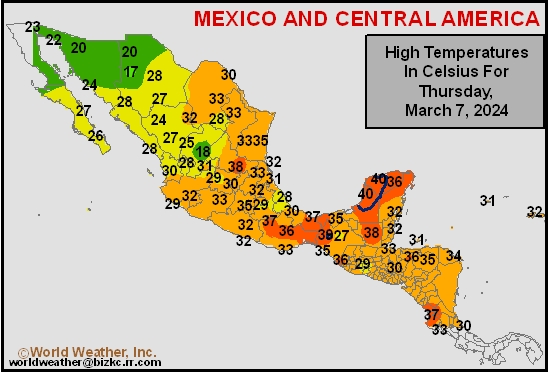
This content is for members only
Mexico Rainfall
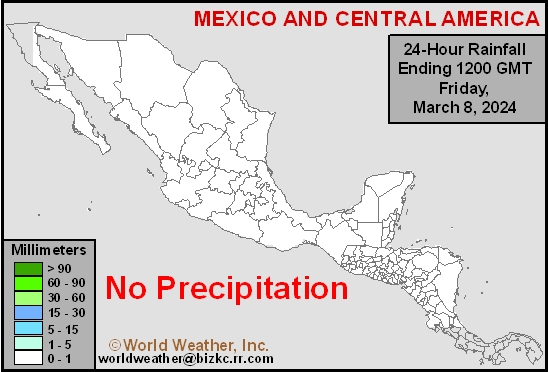
This content is for members only
Argentina Min Temperature
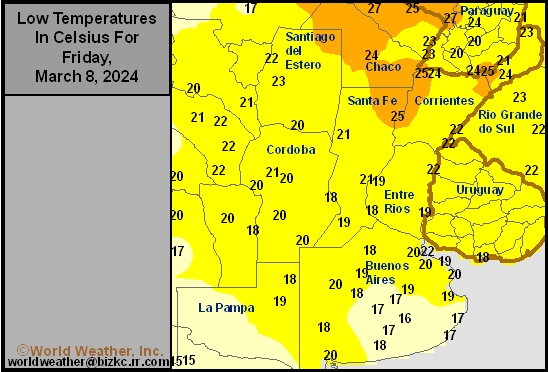
This content is for members only
Argentina Max Temperature
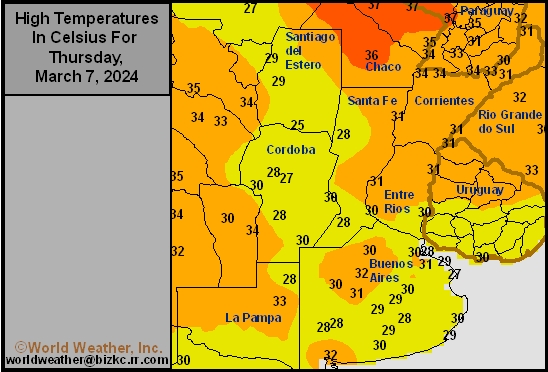
This content is for members only
Argentina Rainfall
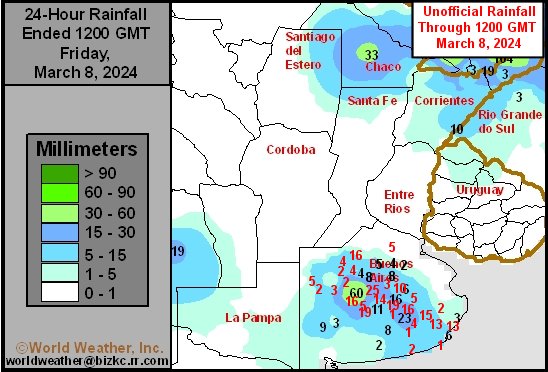
This content is for members only
Brazil Min Temperature
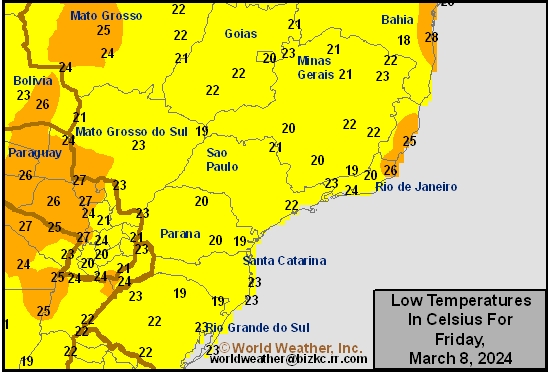
This content is for members only
Brazil Max Temperature
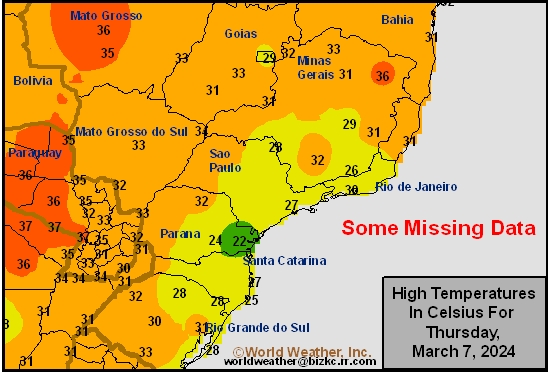
This content is for members only
Brazil Rainfall
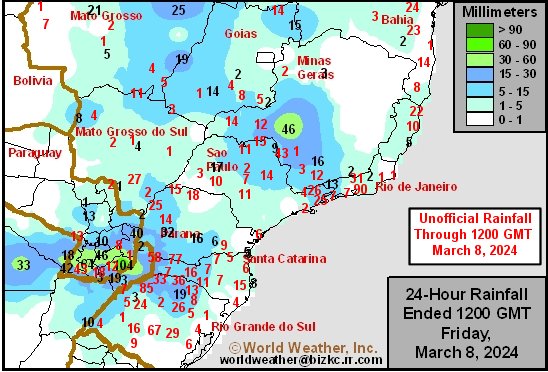
This content is for members only
Philippines Min
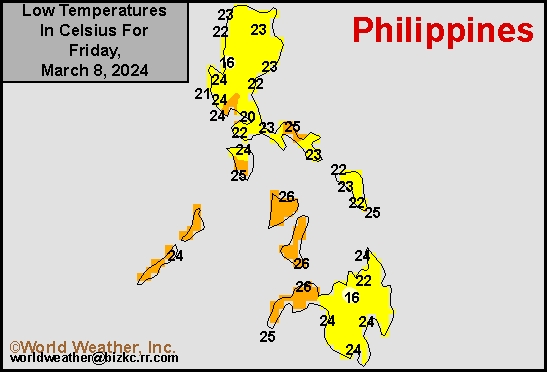
This content is for members only
Philippines Max
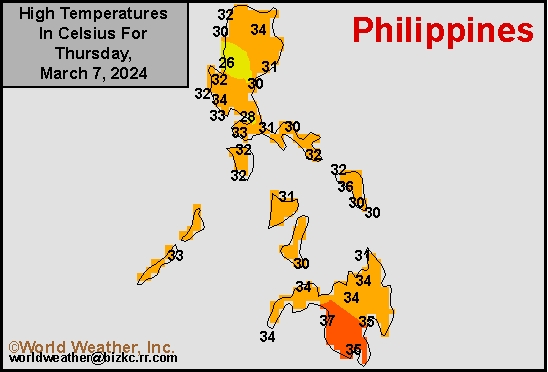
This content is for members only
Philippines Rain
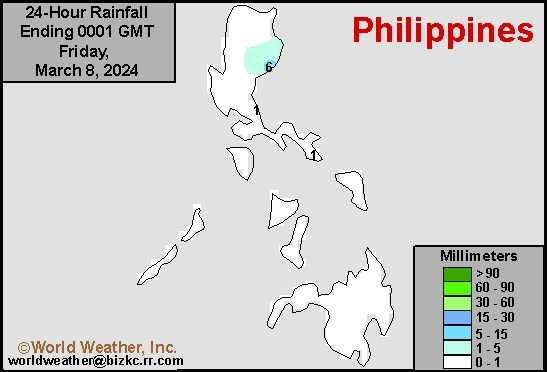
This content is for members only
Southeast North Rain
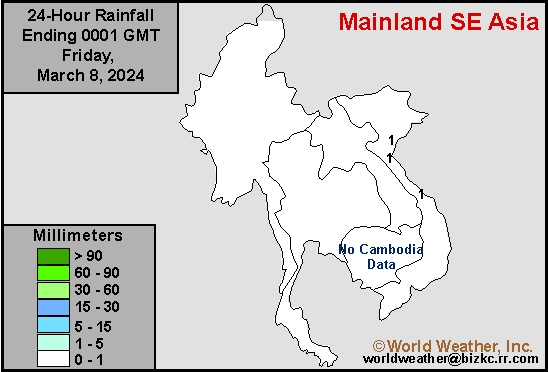
This content is for members only
Southeast North Min
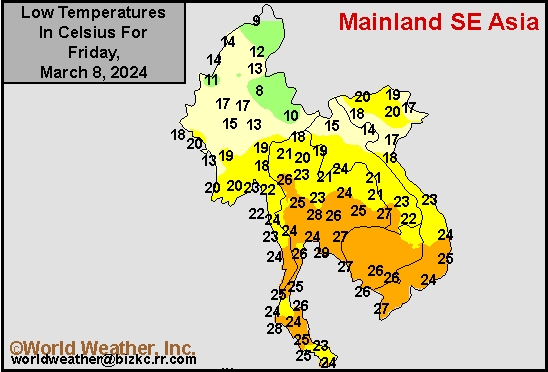
This content is for members only
Southeast North Max
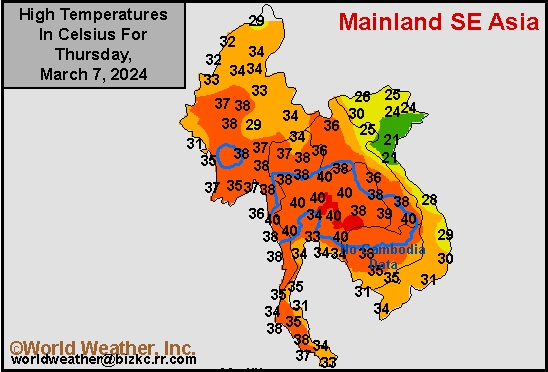
This content is for members only
Southeast Min
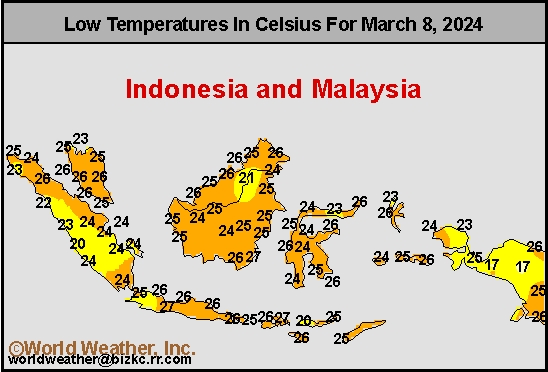
This content is for members only
Southeast Max
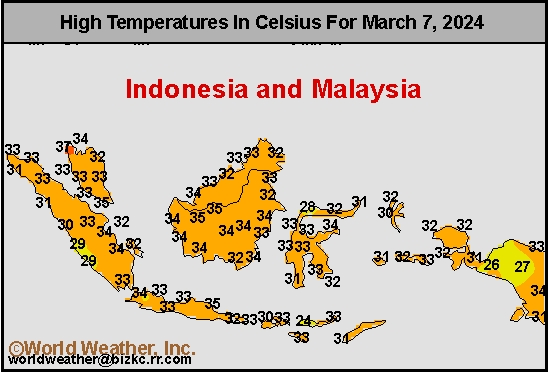
This content is for members only
Southeast Rain
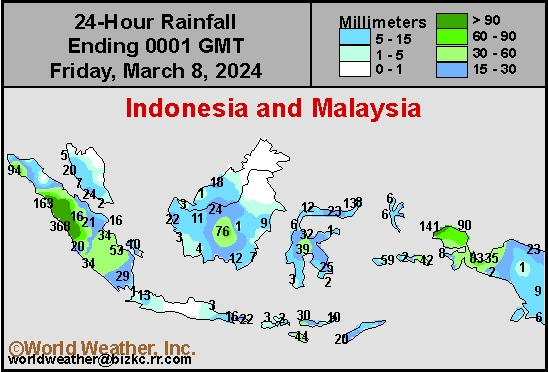
This content is for members only
West Africa Rain
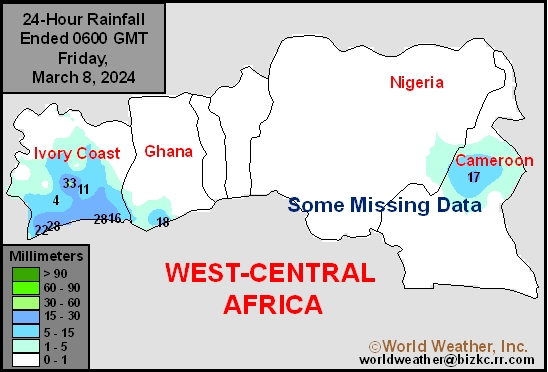
This content is for members only
Max Temperature
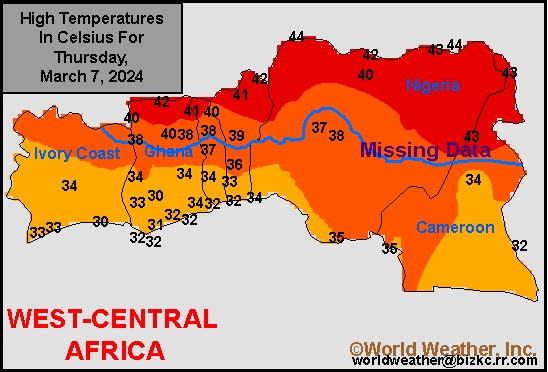
This content is for members only
Min Temperature
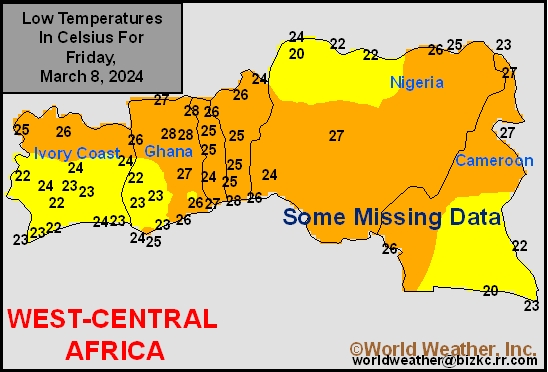
This content is for members only
North Africa Rain
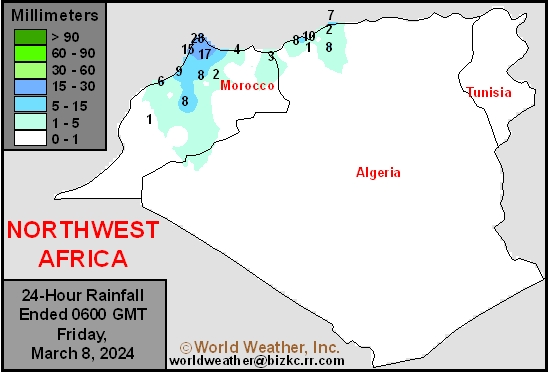
This content is for members only
Max Temperature
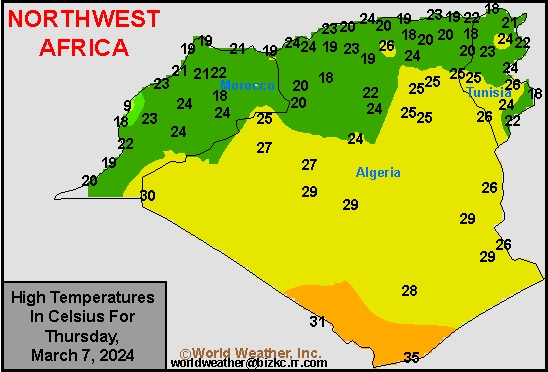
This content is for members only