
High Temperature
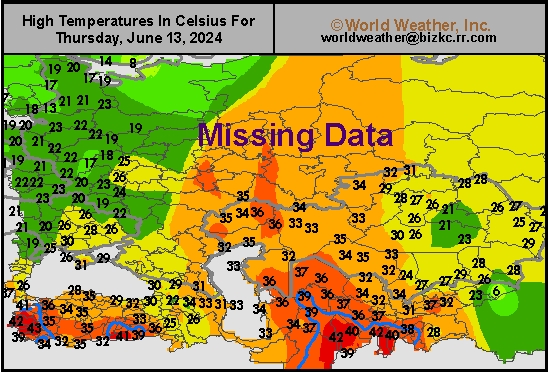
This content is for members only
CIS Rainfall
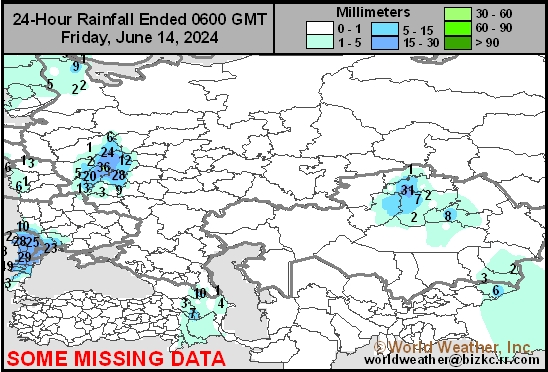
This content is for members only
Low Temperature
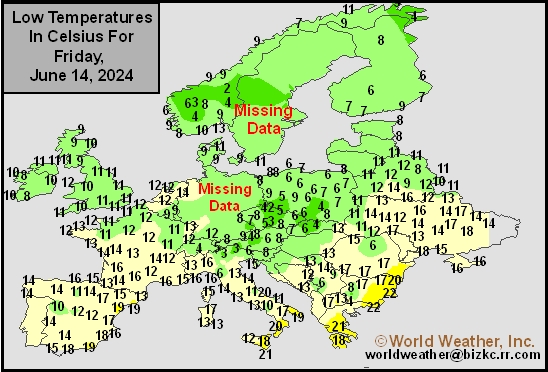
This content is for members only
High Temperature
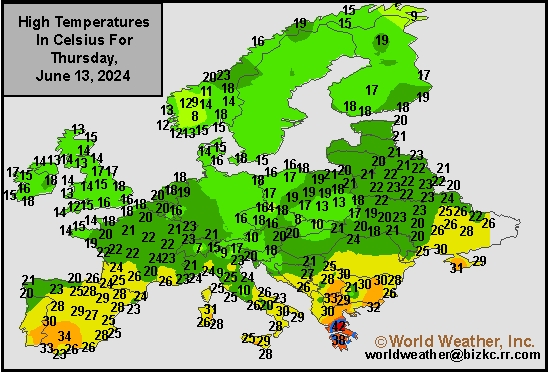
This content is for members only
Europe Rainfall
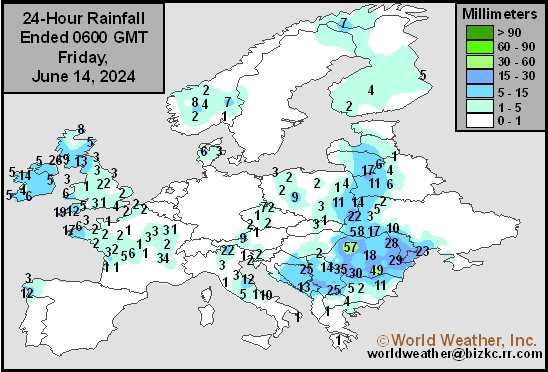
This content is for members only
Low Temperature
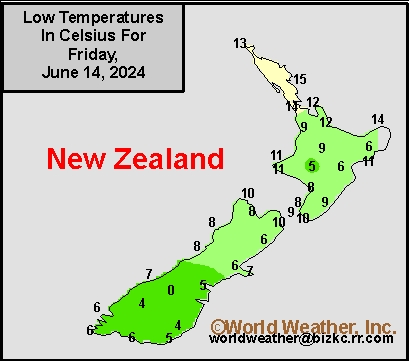
This content is for members only
High Temperature
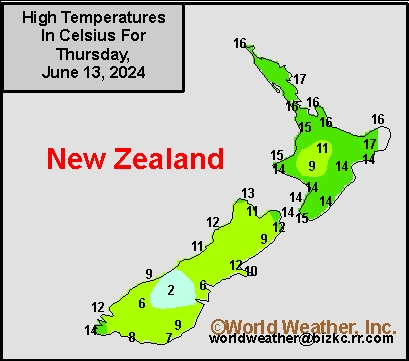
This content is for members only
New Zealand Rainfall
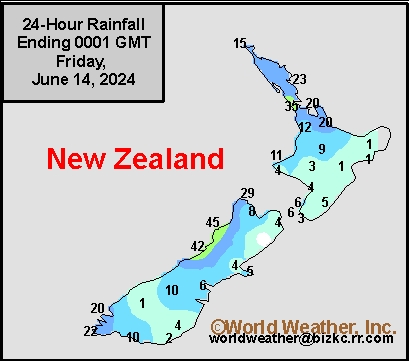
This content is for members only
Low Temperature
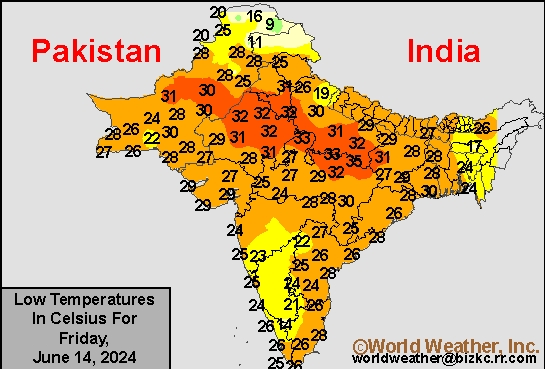
This content is for members only
High Temperature
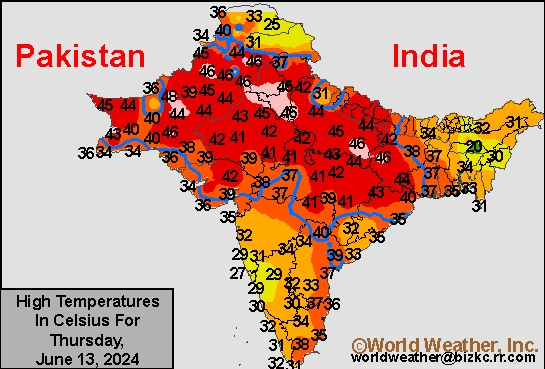
This content is for members only
India Rainfall
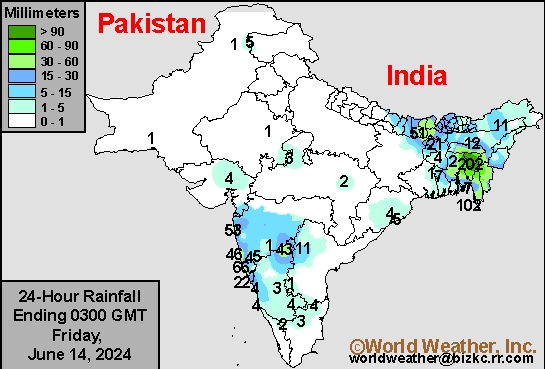
This content is for members only
Low Temperature
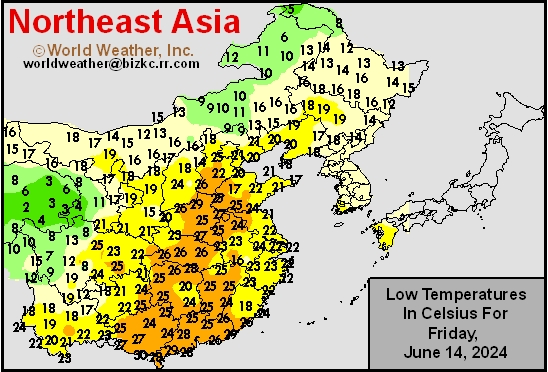
This content is for members only
Japan Rainfall
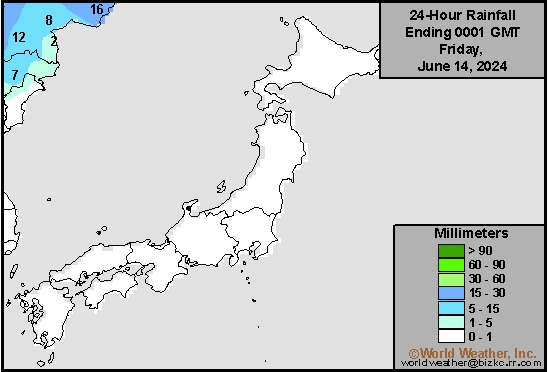
This content is for members only
Low Temperature
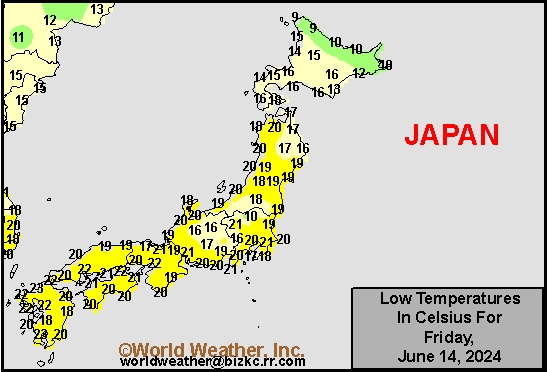
This content is for members only
High Temperature
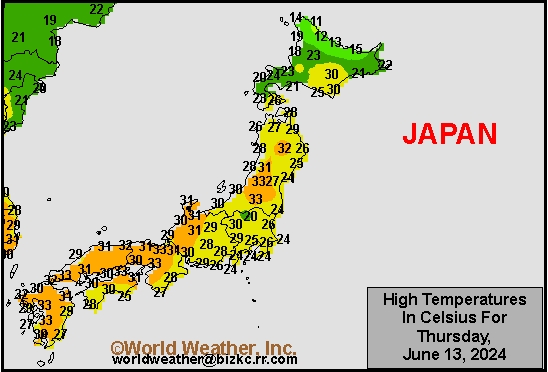
This content is for members only
High Temperature
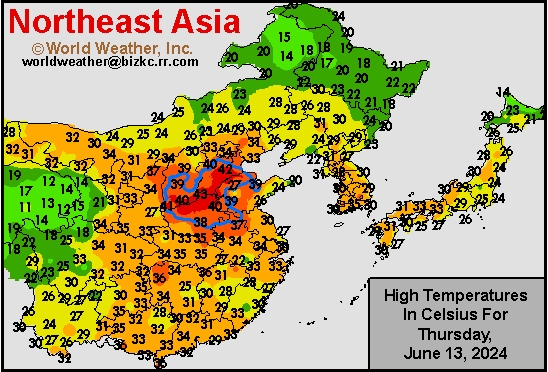
This content is for members only
China Rainfall
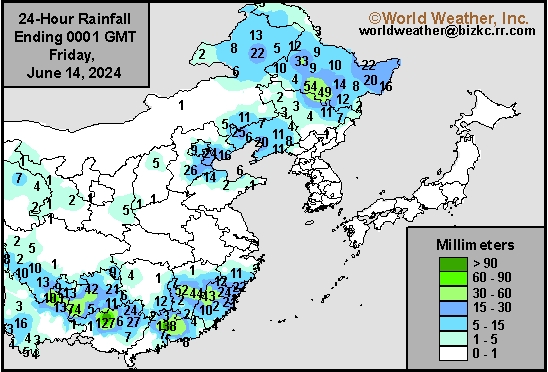
This content is for members only
Low Temperature
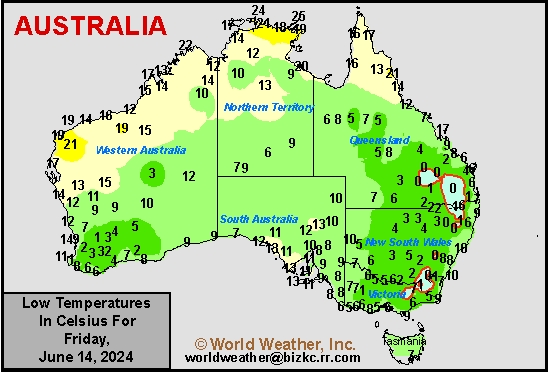
This content is for members only
High Temperature
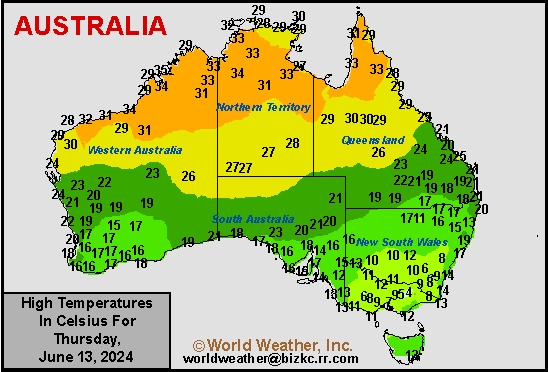
This content is for members only
Australia Rainfall
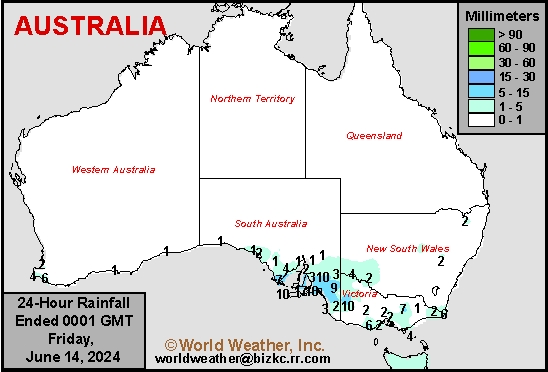
This content is for members only
Parts of U.S. Agriculture To Endure Heat Stress, Drying
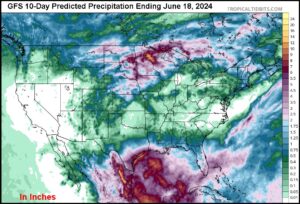
Kansas City, June 14 (World Weather Inc.) – Excessive heat impacted livestock and crop areas from Kansas and southeastern Colorado into western Texas Thursday. The stress was significant, but it only lasted a single day in some areas. Some of the heat will be returning over the coming week. In the meantime, a part of the heatwave will advance to the east passing through the lower and eastern Midwest, the mid-south region and eventually reaching the middle and northern Atlantic Coast States. Temperatures in the 90s Fahrenheit with very high humidity and occasional light wind will be oppressive for livestock and human activity. A general lack of rain is sure to accelerate drying.
Subsoil Moisture

This content is for members only
Topsoil Moisture

This content is for members only
Subsoil Moisture
This content is for members only
Topsoil Moisture
This content is for members only
Subsoil Moisture
This content is for members only
Topsoil Moisture
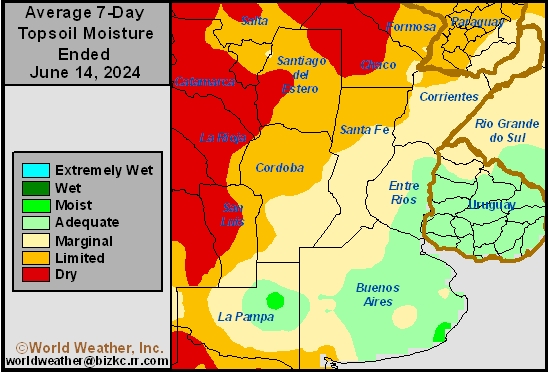
This content is for members only
Subsoil Moisture
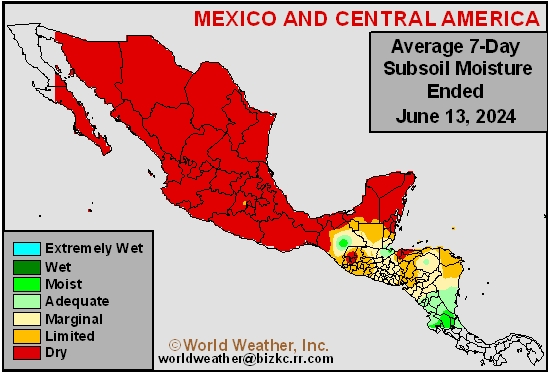
This content is for members only
Topsoil Moisture
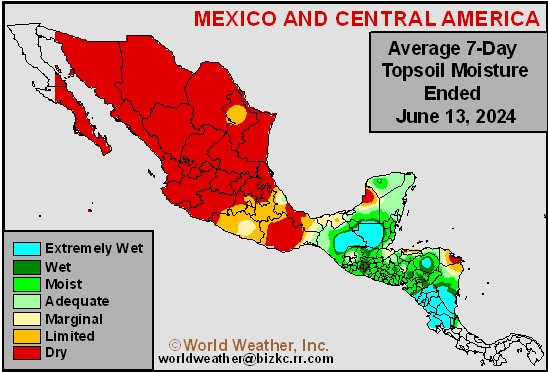
This content is for members only
Subsoil Moisture
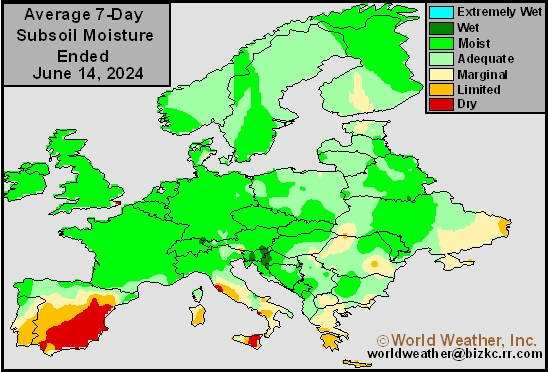
This content is for members only
Topsoil Moisture
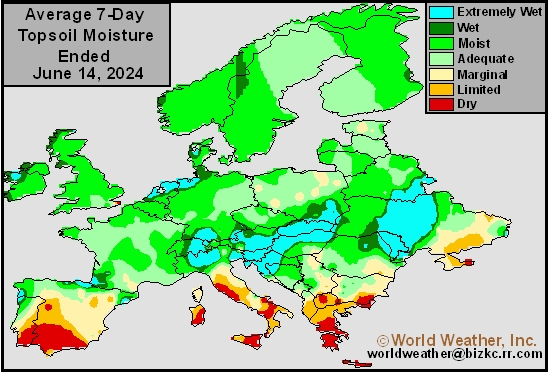
This content is for members only
Subsoil Moisture
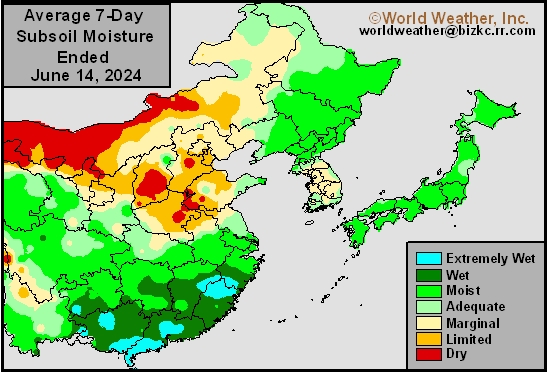
This content is for members only
Topsoil Moisture
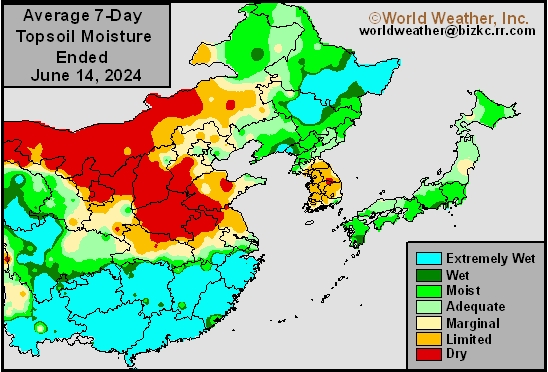
This content is for members only
Subsoil Moisture
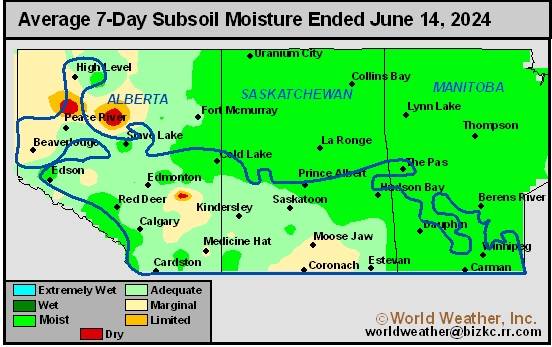
This content is for members only
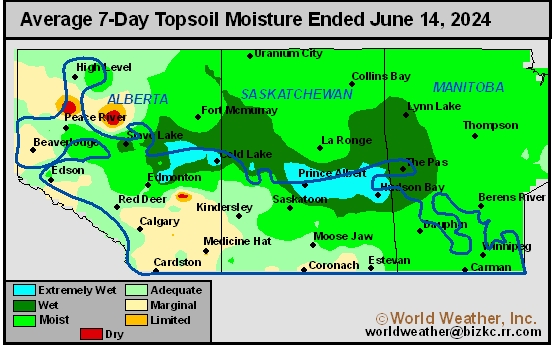
Topsoil Moisture
This content is for members only
Subsoil Moisture

This content is for members only
Topsoil Moisture

This content is for members only
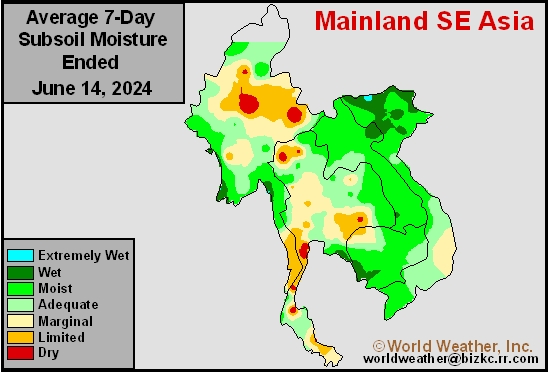
Subsoil Moisture
This content is for members only
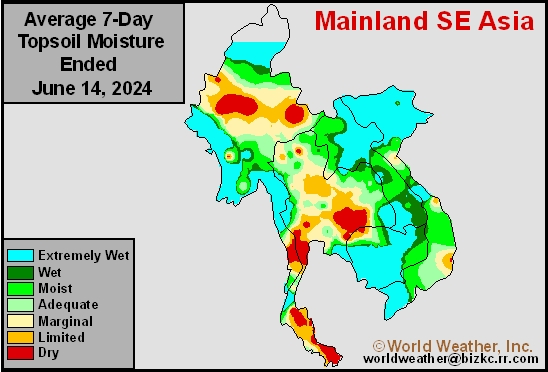
Topsoil Moisture
This content is for members only
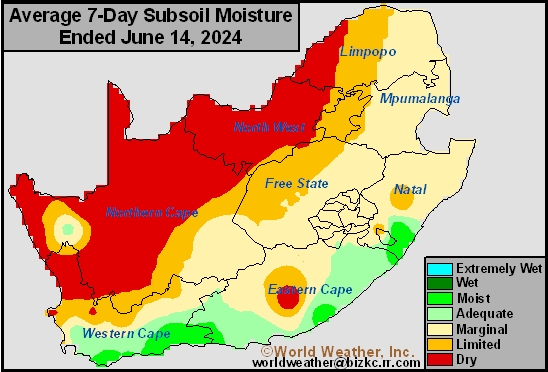
Subsoil Moisture
This content is for members only
Topsoil Moisture
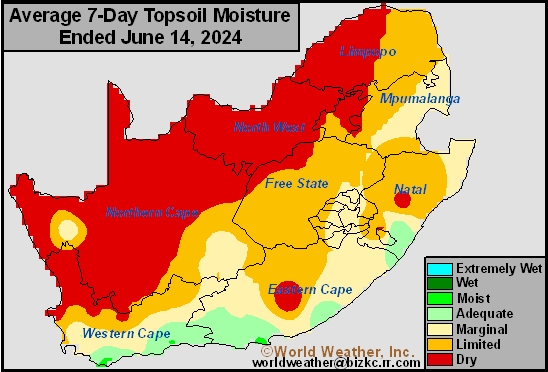
This content is for members only
Subsoil Moisture
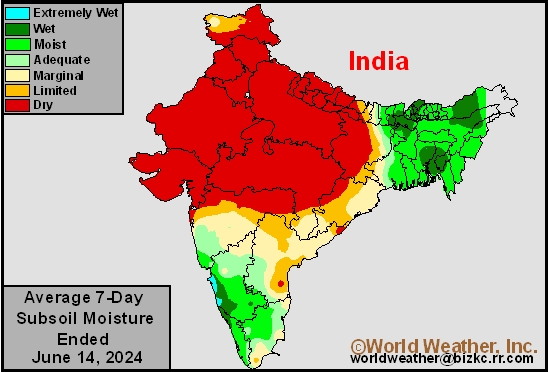
This content is for members only
Topsoil Moisture
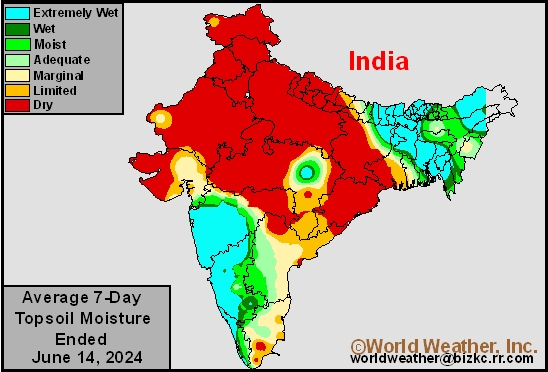
This content is for members only
Subsoil Moisture
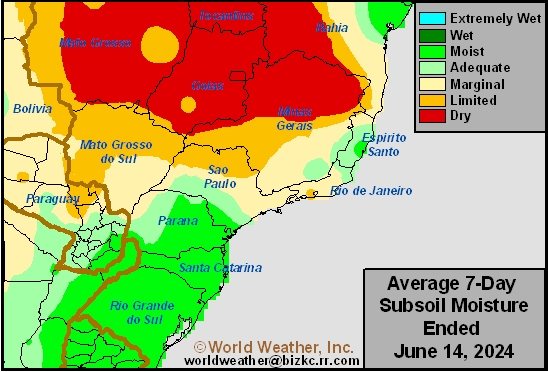
This content is for members only
Topsoil Moisture
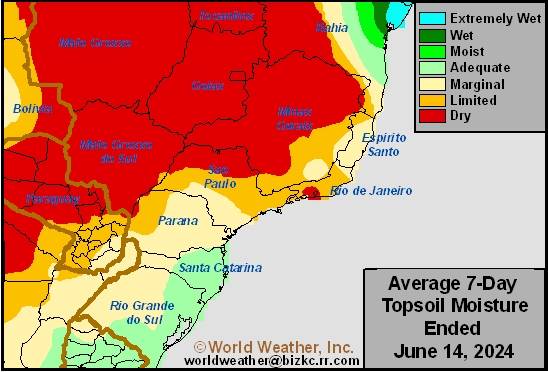
This content is for members only
Subsoil Moisture
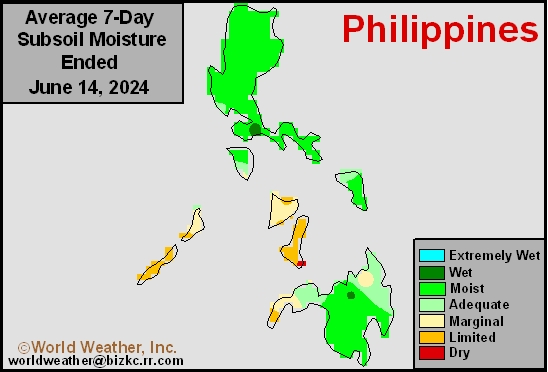
This content is for members only
Topsoil Moisture
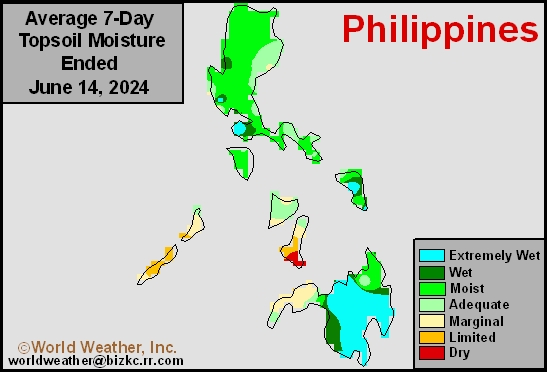
This content is for members only
Subsoil Moisture
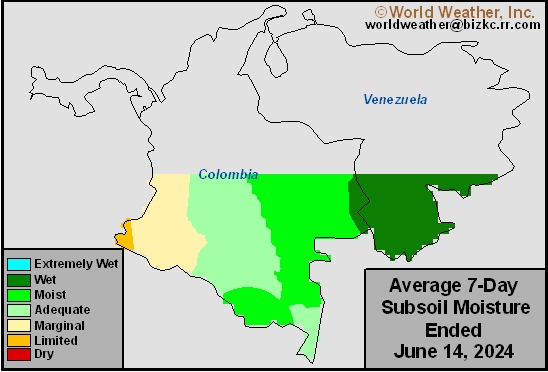
This content is for members only
Topsoil Moisture
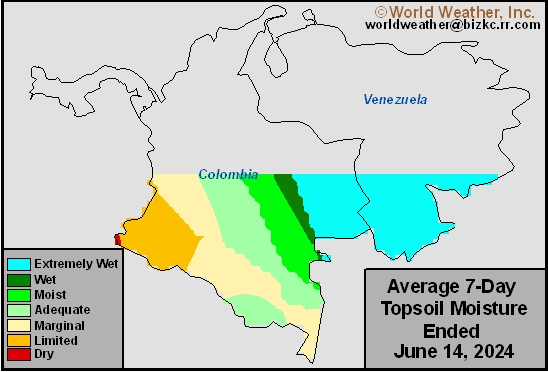
This content is for members only
Subsoil Moisture
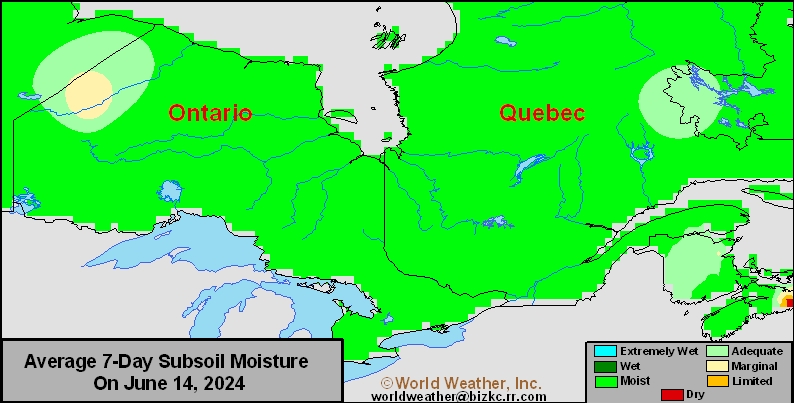
This content is for members only
Topsoil Moisture
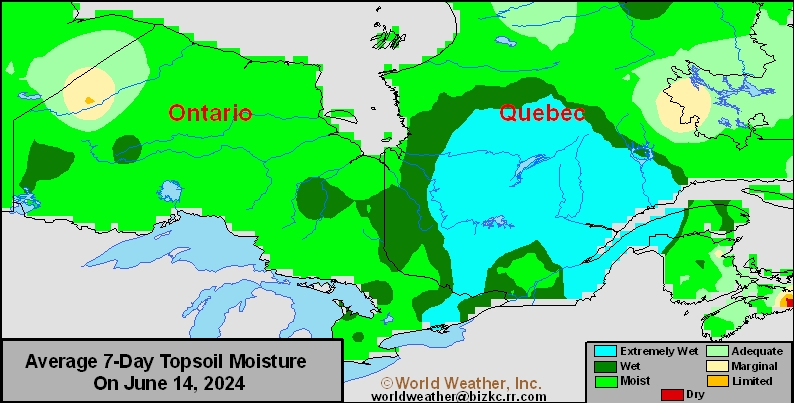
This content is for members only
Subsoil Moisture
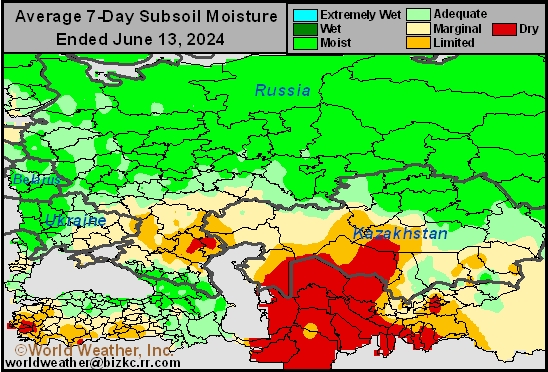
This content is for members only
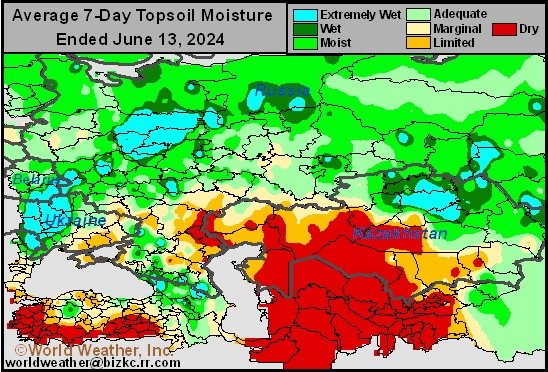
Topsoil Moisture
This content is for members only
Subsoil Moisture

This content is for members only
Topsoil Moisture

This content is for members only
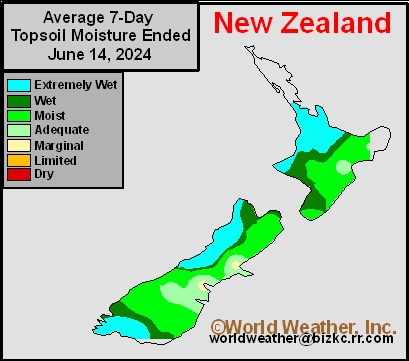
Topsoil Moisture
This content is for members only
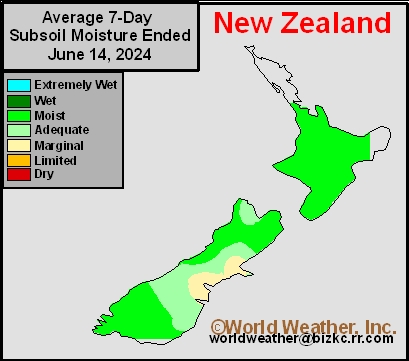
Subsoil Moisture
This content is for members only
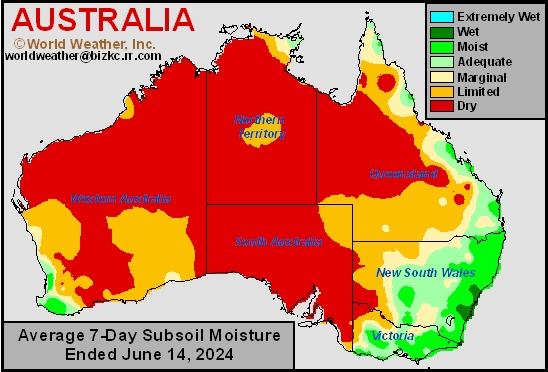
Subsoil Moisture
This content is for members only
Topsoil Moisture
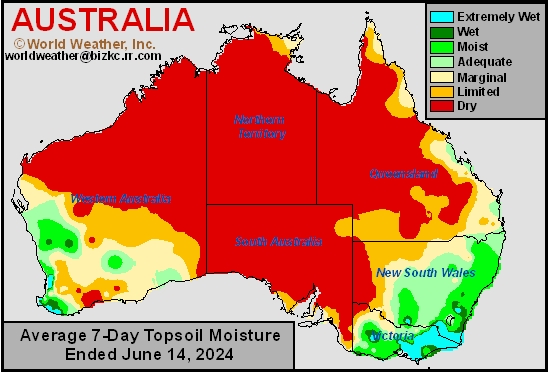
This content is for members only
South Africa Harvest, Wheat Planting Will Advance Swiftly
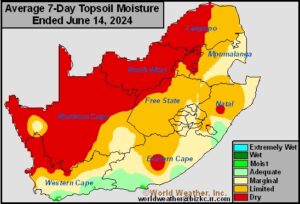
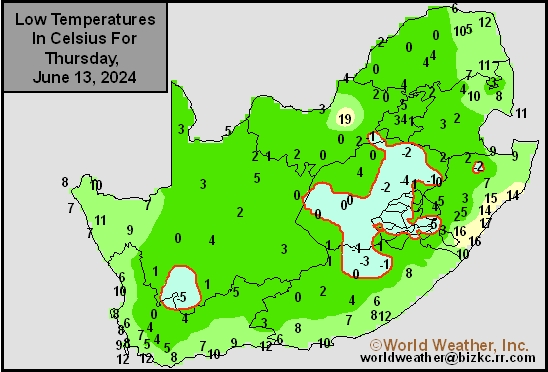
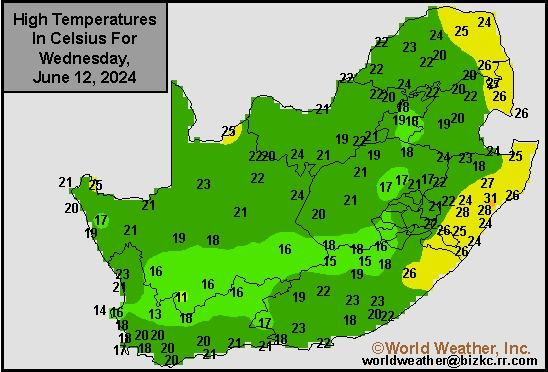
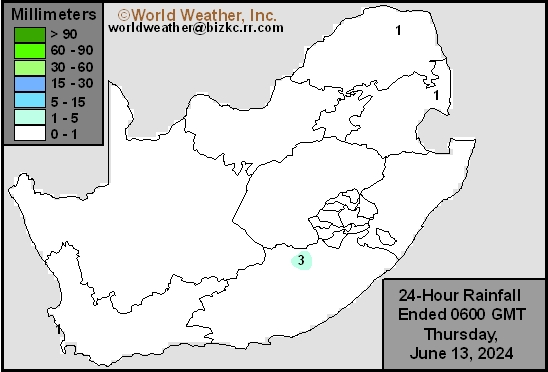
Kansas City, June 13 (World Weather Inc.) – Harvesting of summer crops and the planting of winter wheat, barley and canola advanced with few weather-related disruptions in the main production areas of South Africa during the past week. These areas will remain dry or mostly dry for at least the next seven days and harvesting will continue under favorable conditions. Winter crop prospects are generally good for Western Cape and Northern Cape. Free State’s wheat areas would benefit from a good shot of rain late this month into July to support ideal long-term crop prospects.
Lower U.S. Midwest To Gulf Of Mexico States Drying Down
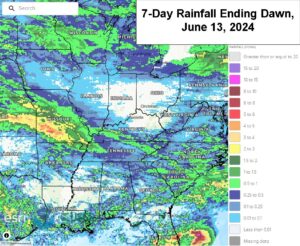
Kansas City, June 13 (World Weather Inc.) – Disturbances in the Gulf of Mexico over the next week to ten days and a high pressure ridge meandering across the central and eastern United States will lead to a notable period of drying for the U.S Delta, southeastern states and a part of both the southern Plains and the lower and eastern Midwest. Dryness has already evolved significantly in Georgia and there are pockets in the central Delta and a few areas in the Carolinas that are trending a little too dry now, as well. Planting of summer crops is either done or finishing up and this dry weather is great for lingering fieldwork; however, there is concern that crop stress may be evolving soon.
Venezuela/Colombia Min Temps
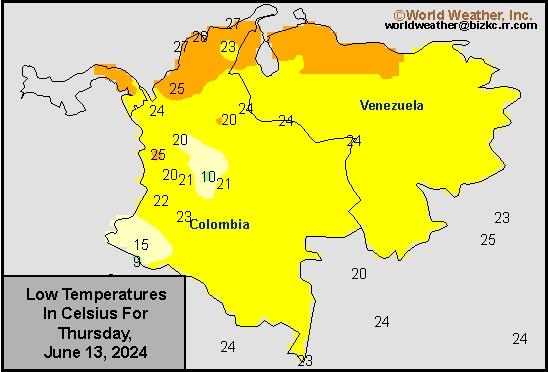
This content is for members only
Venezuela/Colombia Max Temps
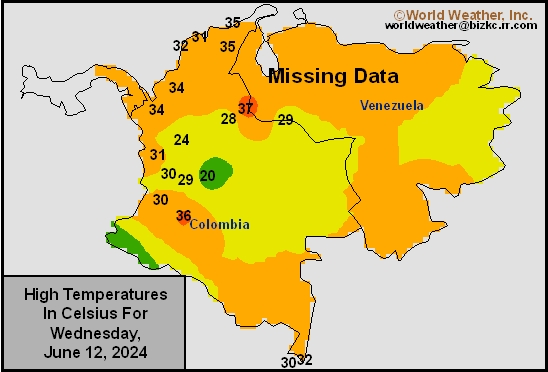
This content is for members only
SE Canada Min
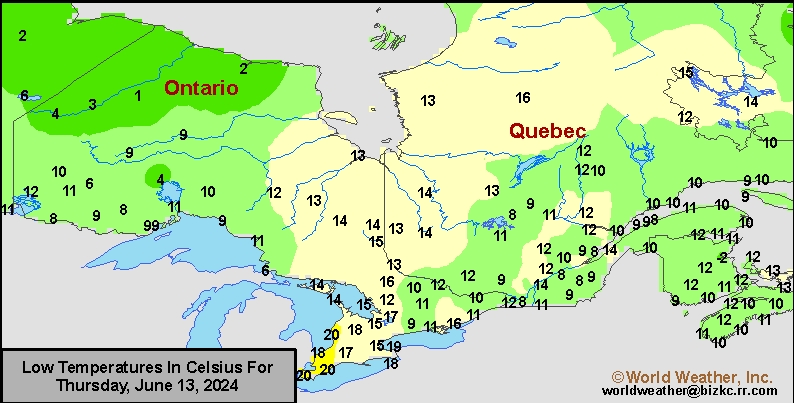
This content is for members only
SE Canada Max
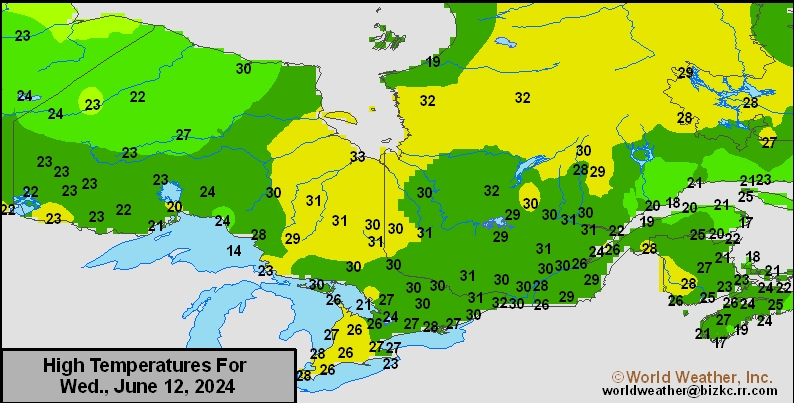
This content is for members only
SE Canada Rainfall
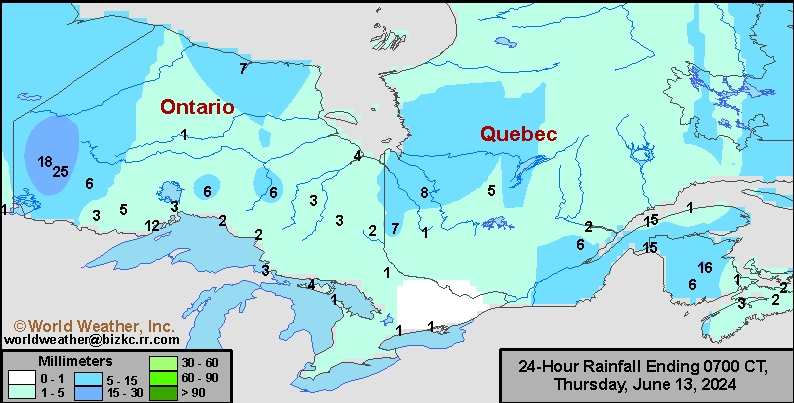
This content is for members only
Prairies Rainfall

This content is for members only
Prairies Max Temperature

This content is for members only
Prairies Min Temperature

This content is for members only
Canada Rainfall

This content is for members only
Venezuela Rainfall
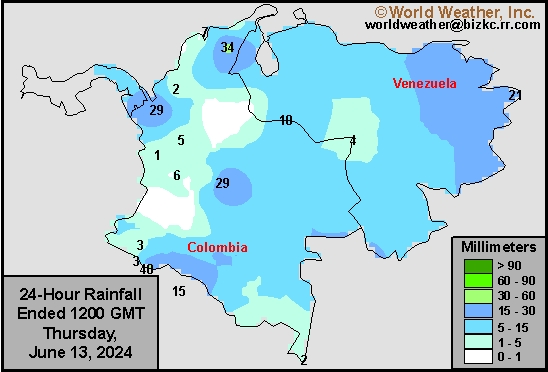
This content is for members only
Mexico Min Temperature
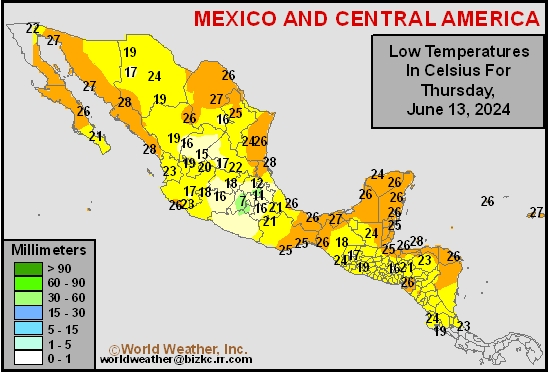
This content is for members only
Mexico Max Temperature
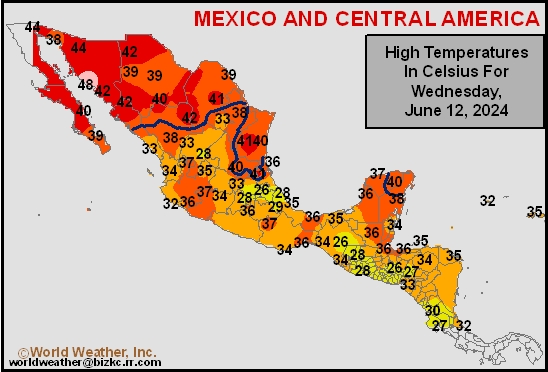
This content is for members only
Mexico Rainfall
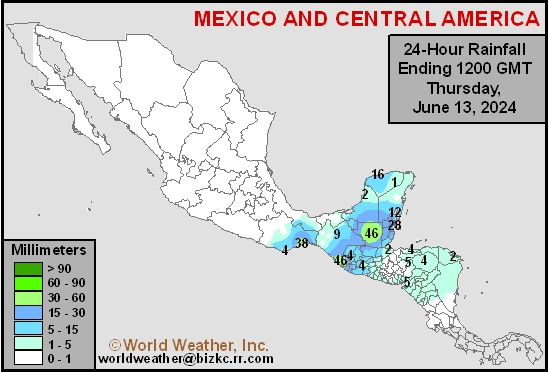
This content is for members only
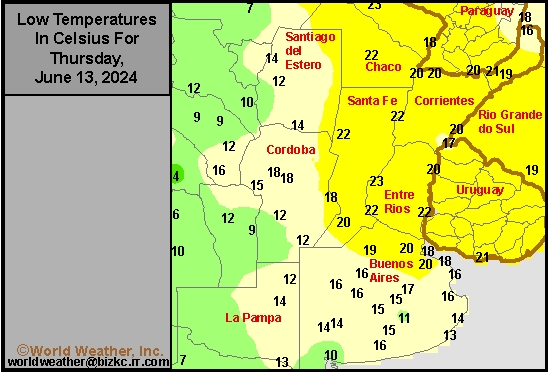
Argentina Min Temperature
This content is for members only
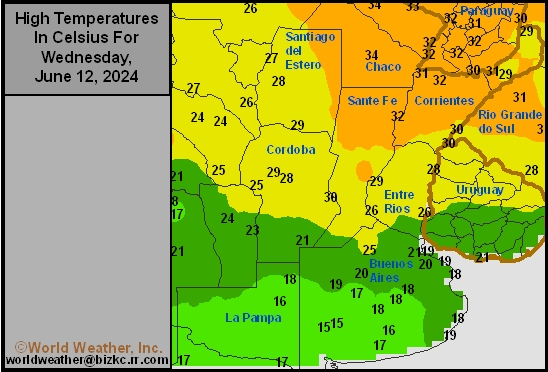
Argentina Max Temperature
This content is for members only
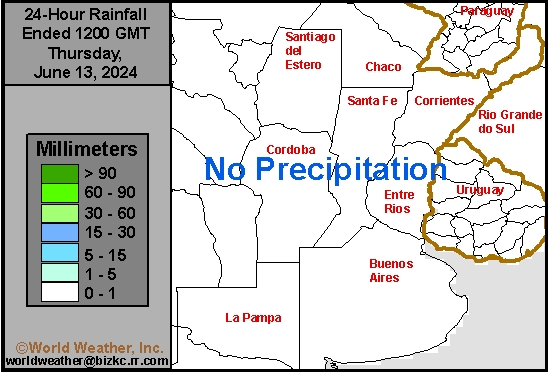
Argentina Rainfall
This content is for members only
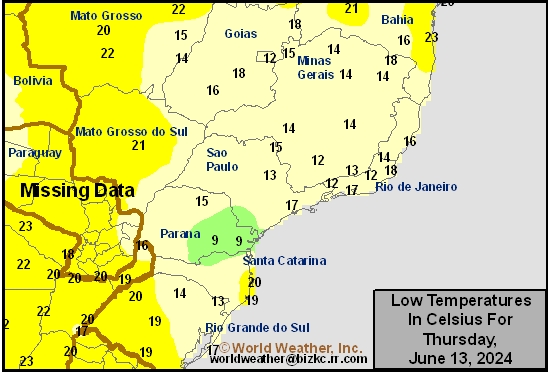
Brazil Min Temperature
This content is for members only
Brazil Max Temperature
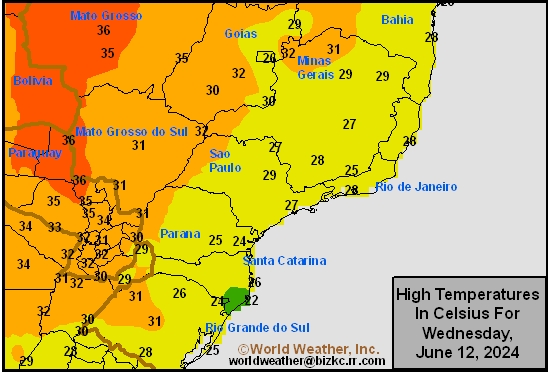
This content is for members only
Brazil Rainfall
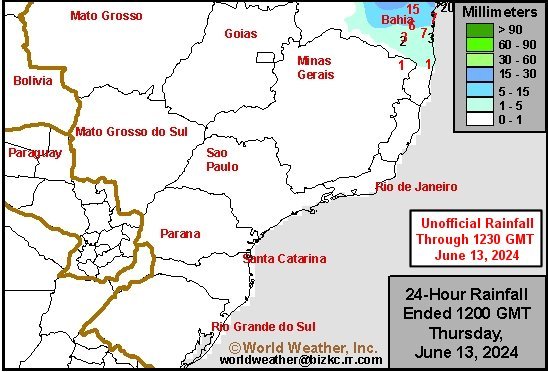
This content is for members only
Philippines Min
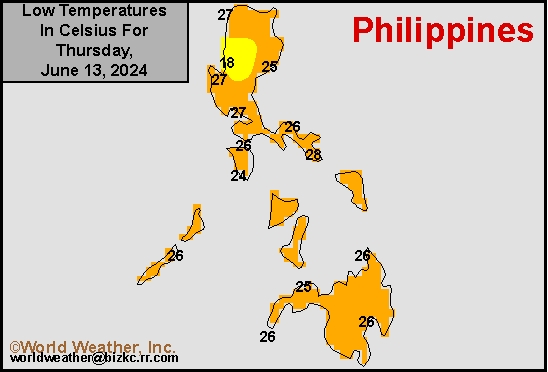
This content is for members only
Philippines Max
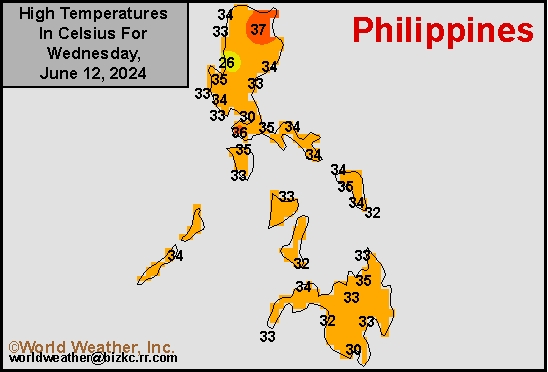
This content is for members only
Philippines Rain
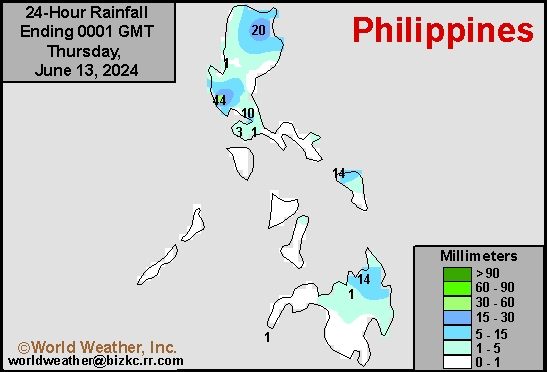
This content is for members only
Southeast North Rain
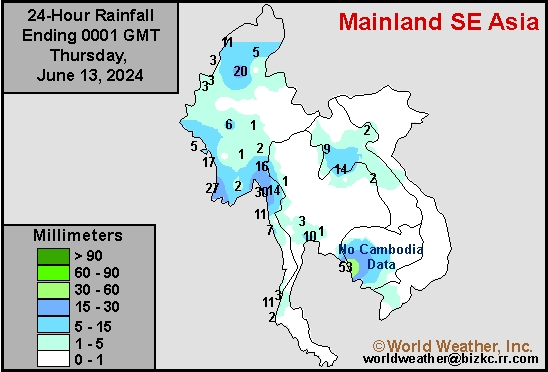
This content is for members only
Southeast North Min
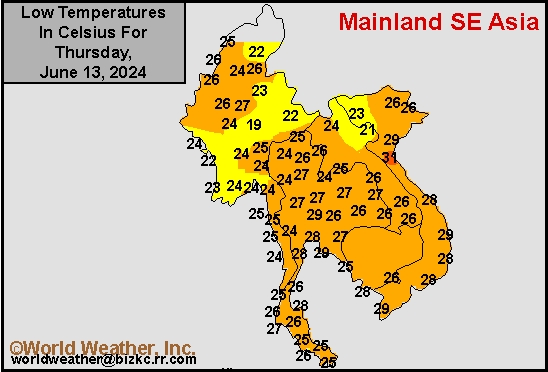
This content is for members only
Southeast North Max
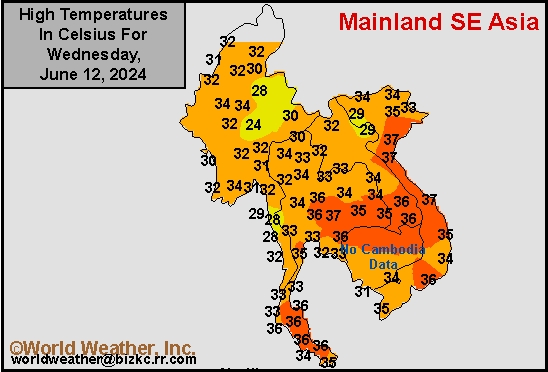
This content is for members only
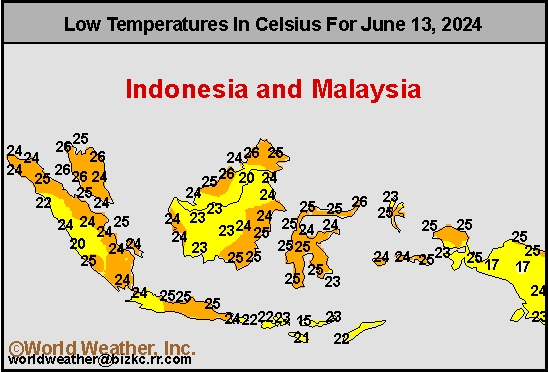
Southeast Min
This content is for members only
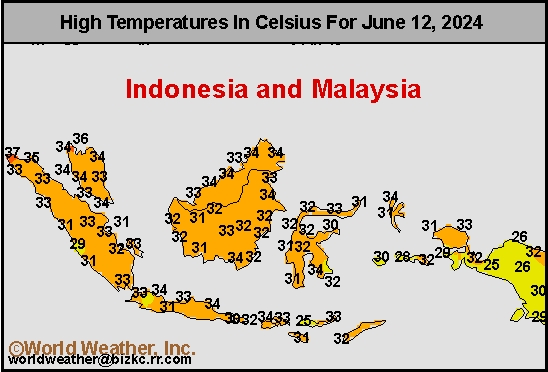
Southeast Max
This content is for members only
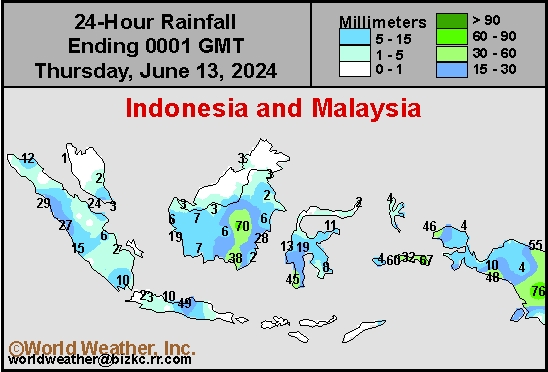
Southeast Rain
This content is for members only
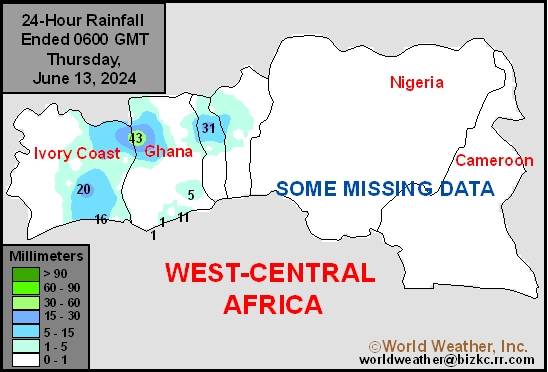
West Africa Rain
This content is for members only
Max Temperature
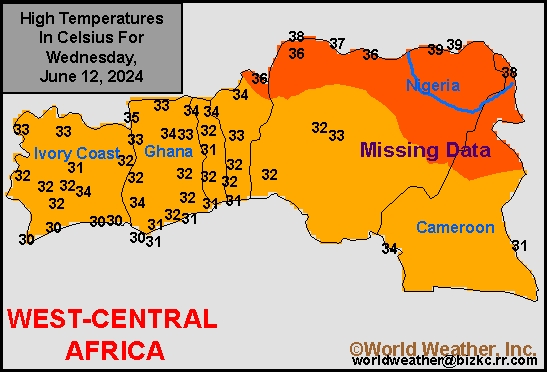
This content is for members only
Min Temperature
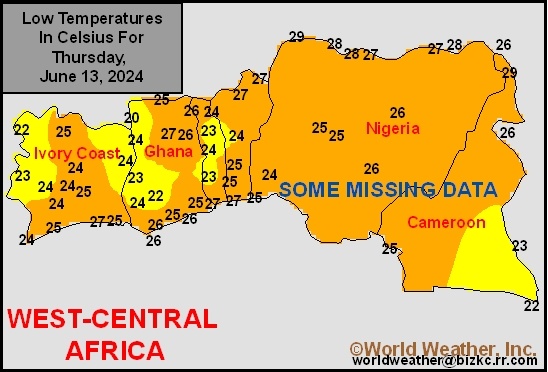
This content is for members only
North Africa Rain
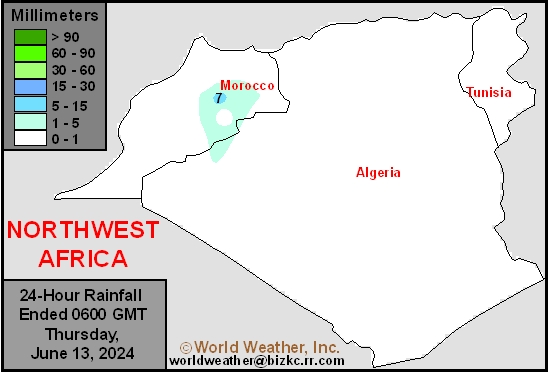
This content is for members only
Max Temperature
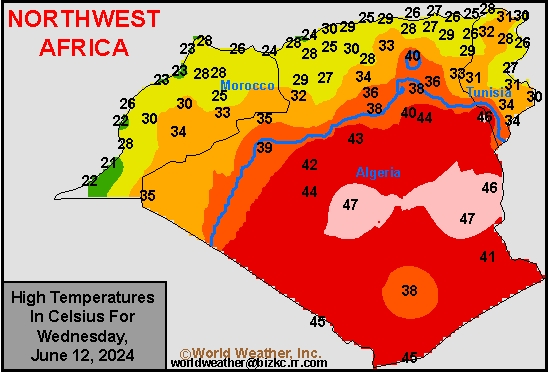
This content is for members only
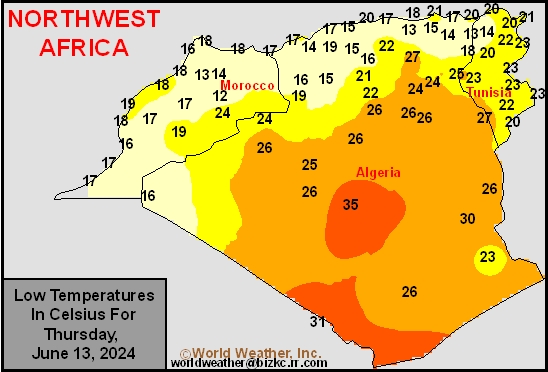
Min Temperature
This content is for members only
Min Temperature
This content is for members only
Max Temperature
This content is for members only
South Africa Rain
This content is for members only
Hard Red Wheat Tmin
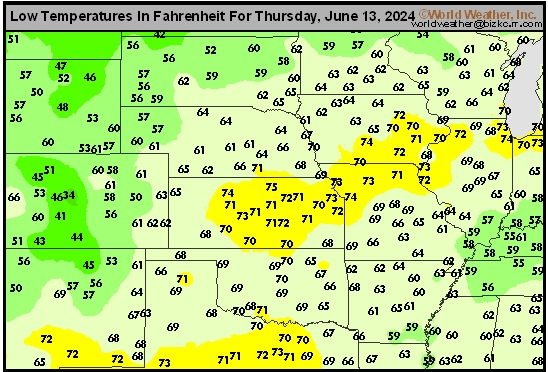
This content is for members only
Southwest Tmin
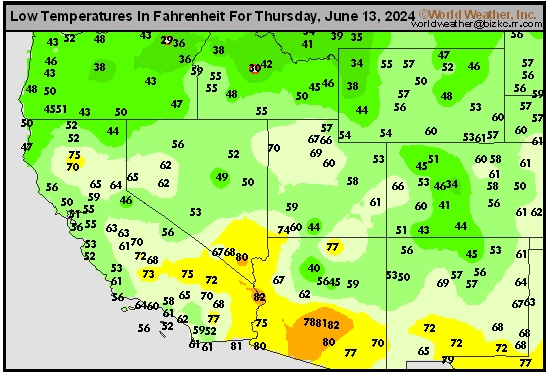
This content is for members only