
Delta/SE U.S. Tmin
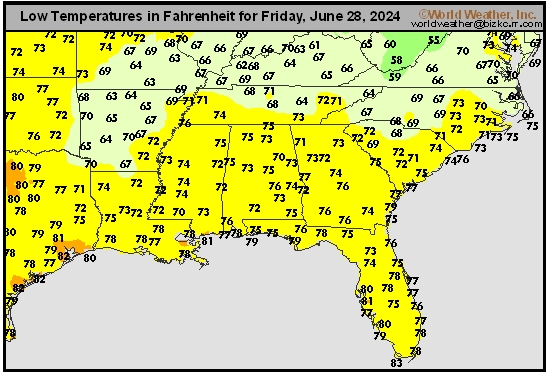
This content is for members only
Corn Belt Tmin
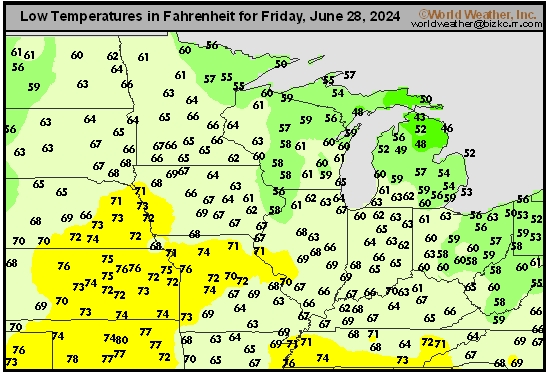
This content is for members only
US Min

This content is for members only
North Plains Tmin
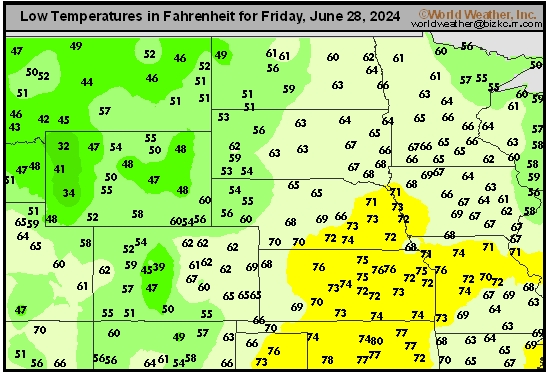
This content is for members only
Hard Red Wheat Tmax
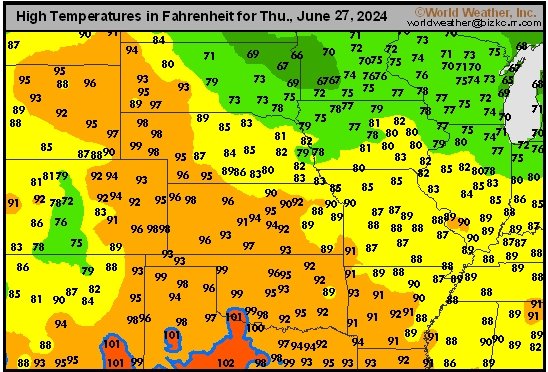
This content is for members only
Northeast Tmax
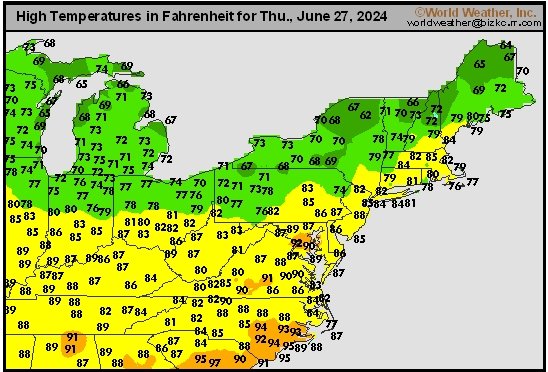
This content is for members only
Southwest Tmax
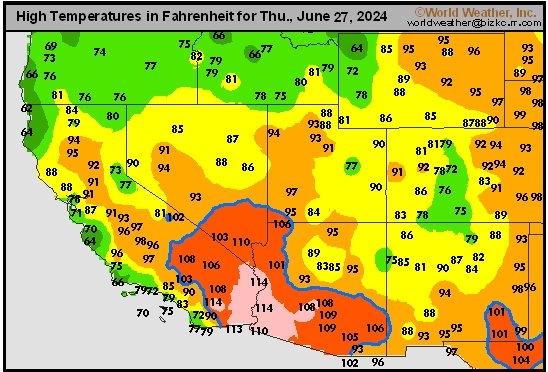
This content is for members only
Northwest Tmax
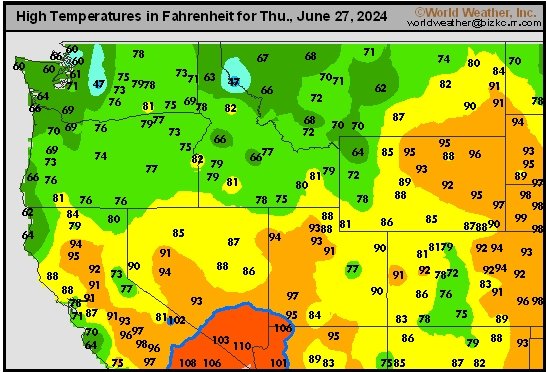
This content is for members only
South Plains Tmax
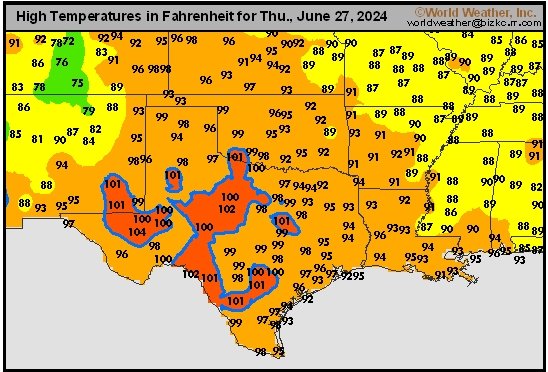
This content is for members only
Delta/SE U.S. Tmax
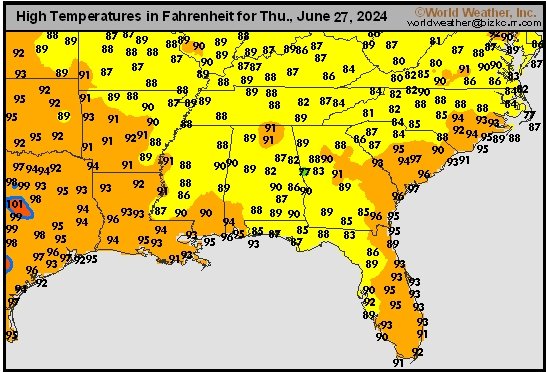
This content is for members only
Corn Belt Tmax
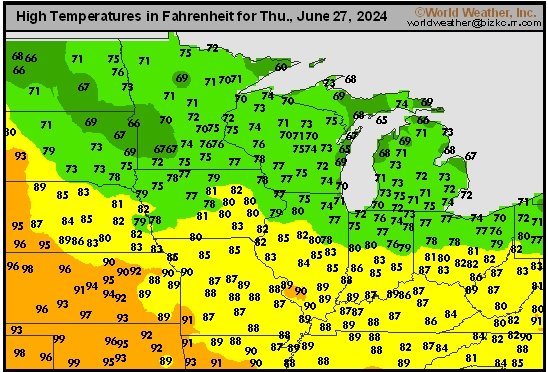
This content is for members only
North Plains Tmax
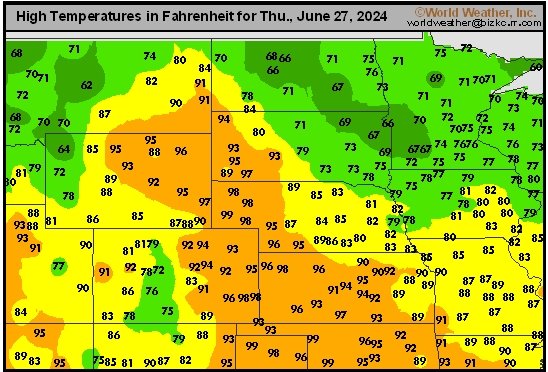
This content is for members only
US Max

This content is for members only
US Rain

This content is for members only
Northeast Daily Rain
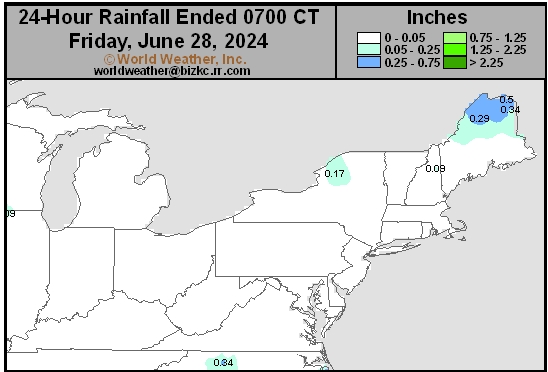
This content is for members only
Hard Red Wheat Daily Rain
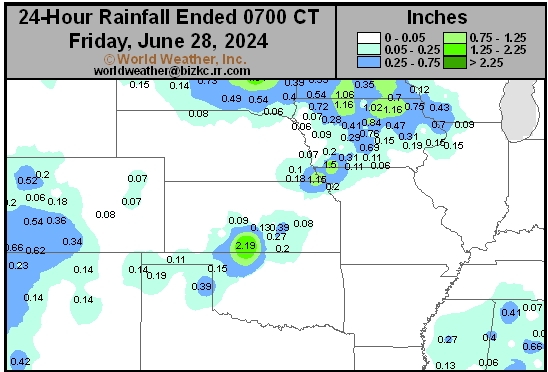
This content is for members only
Southwest Daily Rain
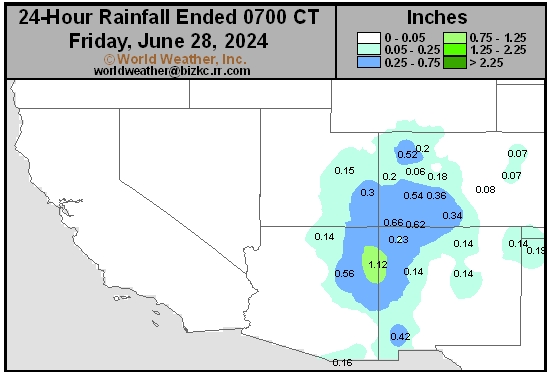
This content is for members only
Subsoil Moisture

This content is for members only
Topsoil Moisture

This content is for members only
Northwest Daily Rain
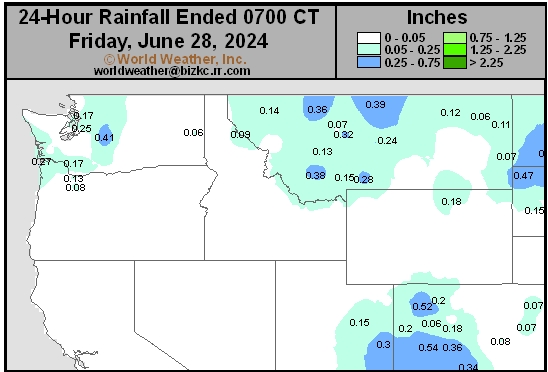
This content is for members only
Subsoil Moisture
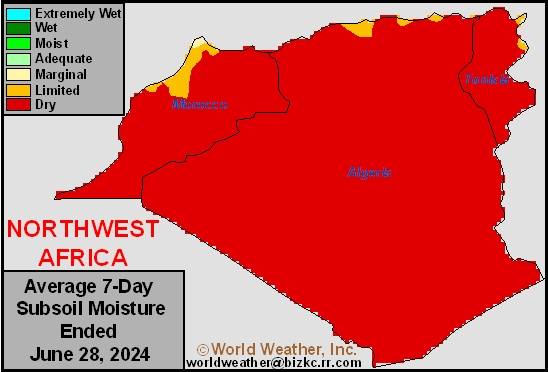
This content is for members only
Topsoil Moisture
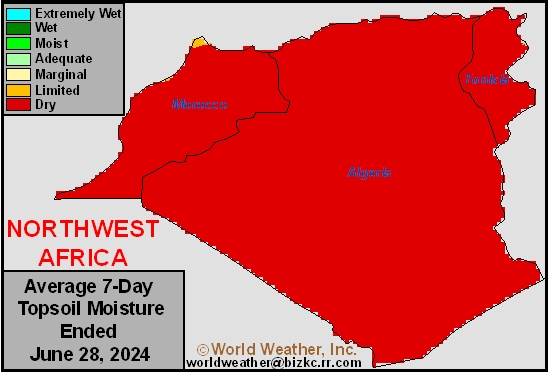
This content is for members only
Subsoil Moisture
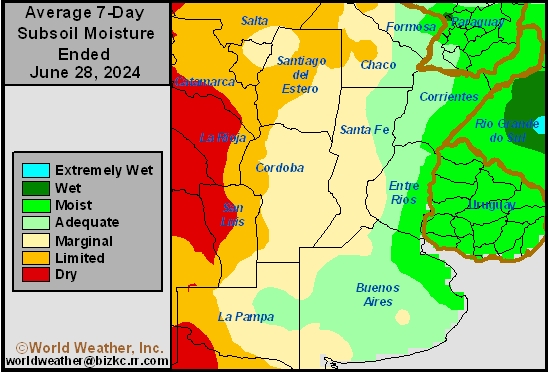
This content is for members only
Topsoil Moisture
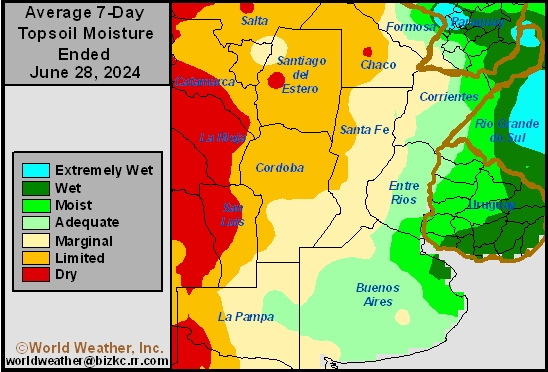
This content is for members only
South Plains Daily Rain
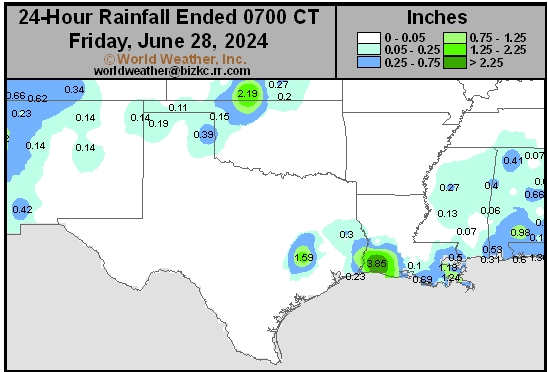
This content is for members only
Subsoil Moisture
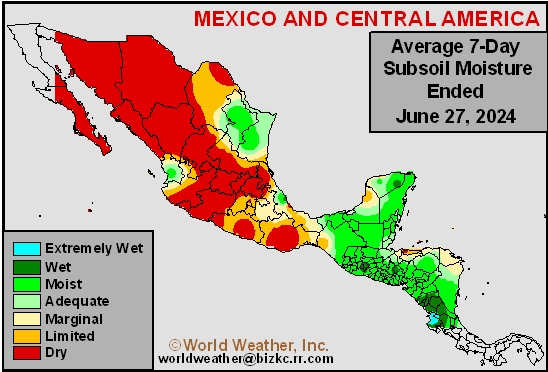
This content is for members only
Topsoil Moisture
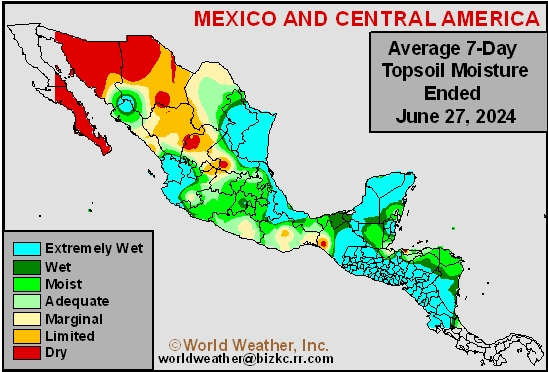
This content is for members only
Subsoil Moisture
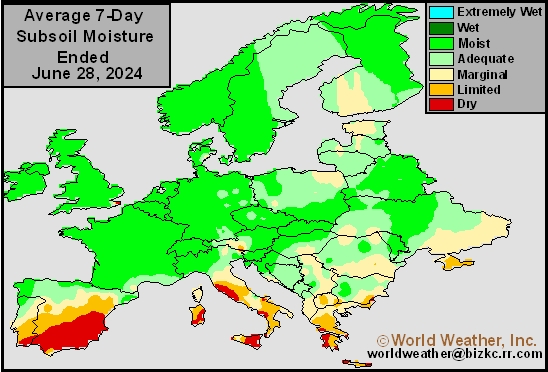
This content is for members only
Topsoil Moisture
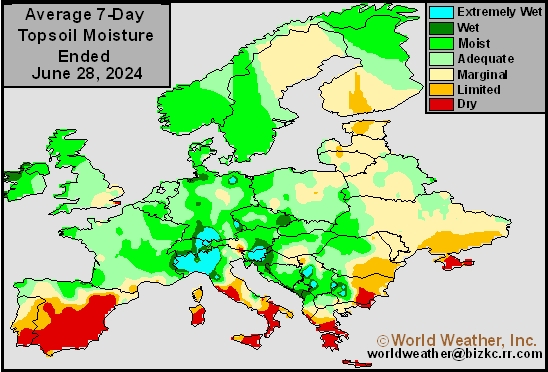
This content is for members only
Delta/SE U.S. Daily Rain
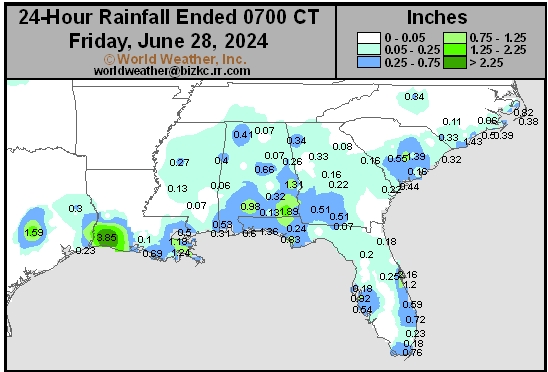
This content is for members only
Subsoil Moisture
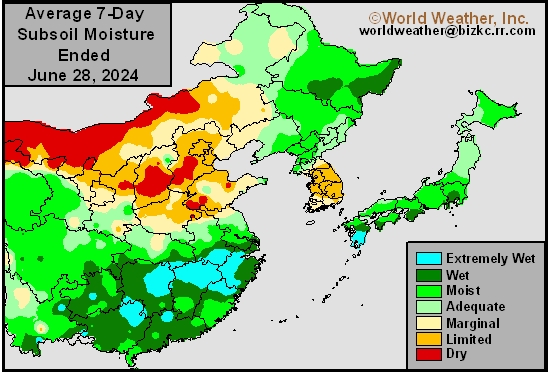
This content is for members only
Topsoil Moisture
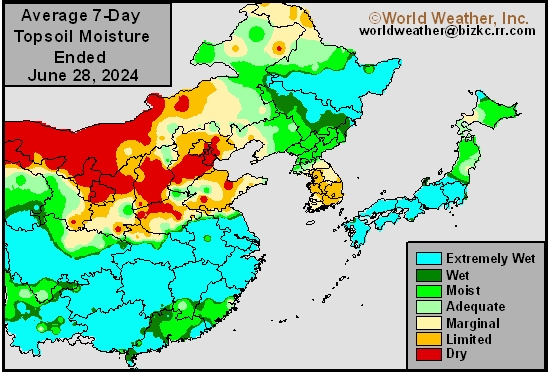
This content is for members only
Corn Belt Daily Rain
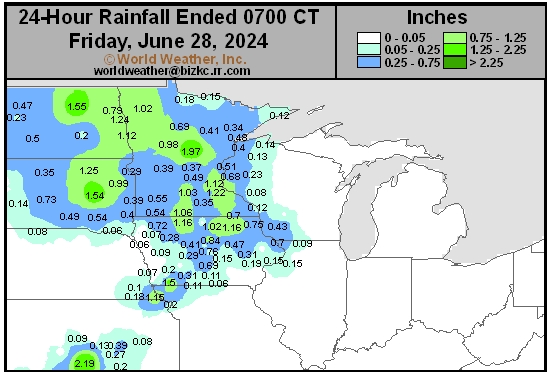
This content is for members only
Subsoil Moisture
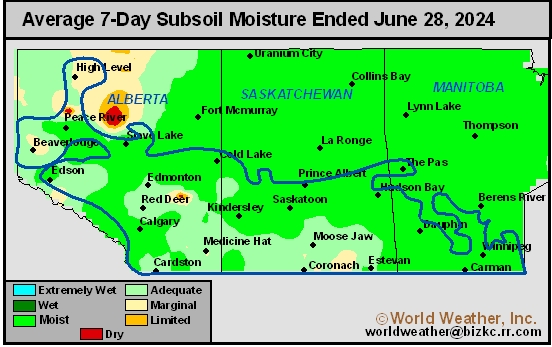
This content is for members only
Topsoil Moisture
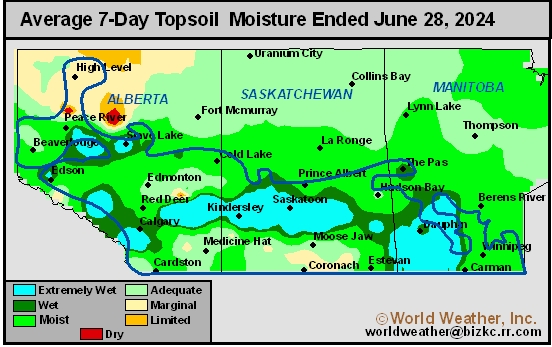
This content is for members only
North Plains Daily Rain
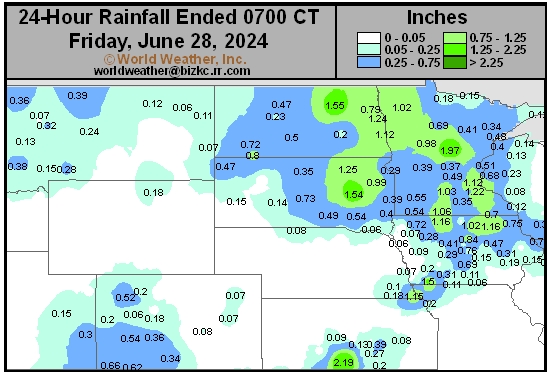
This content is for members only
Subsoil Moisture

This content is for members only
Topsoil Moisture

This content is for members only
Subsoil Moisture
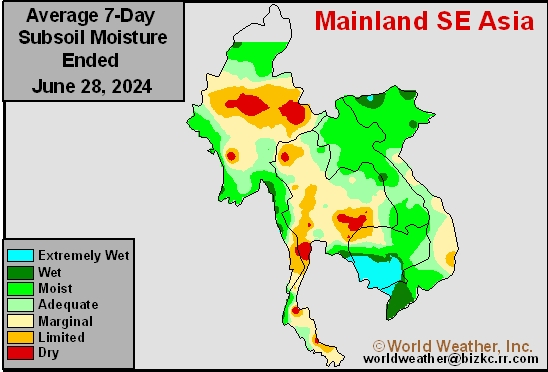
This content is for members only
Topsoil Moisture
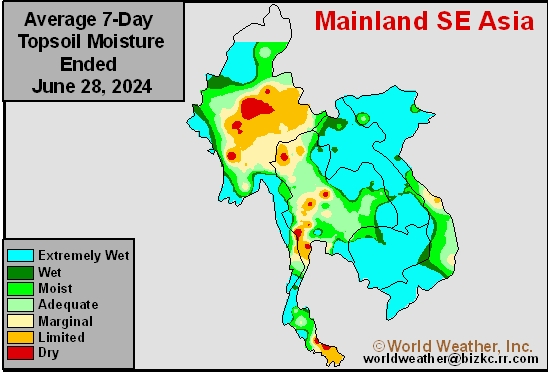
This content is for members only
Low Temperature
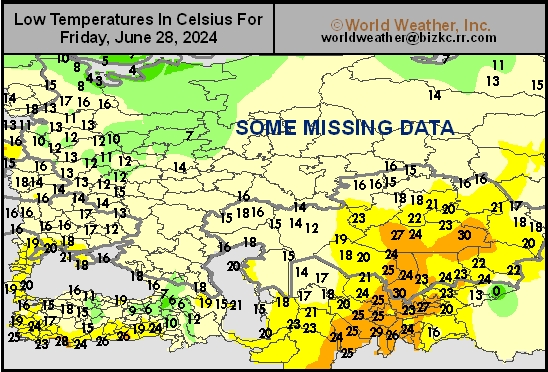
This content is for members only
Subsoil Moisture
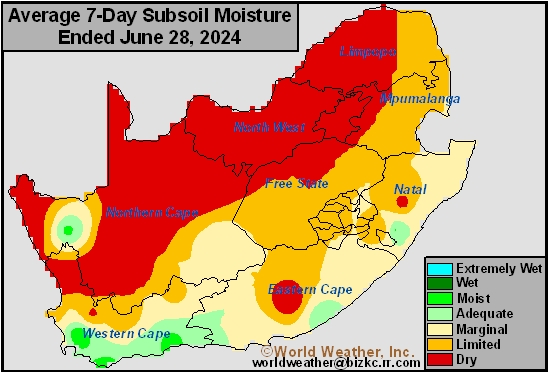
This content is for members only
Topsoil Moisture
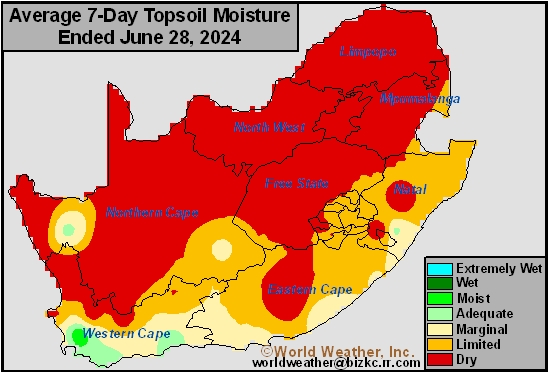
This content is for members only
High Temperature
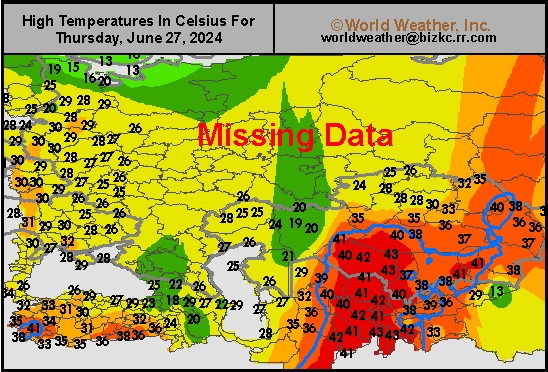
This content is for members only
Subsoil Moisture
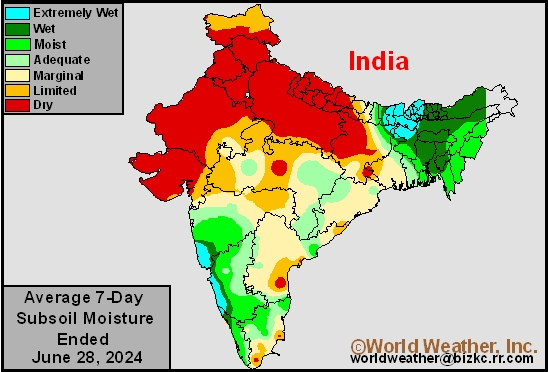
This content is for members only
Topsoil Moisture
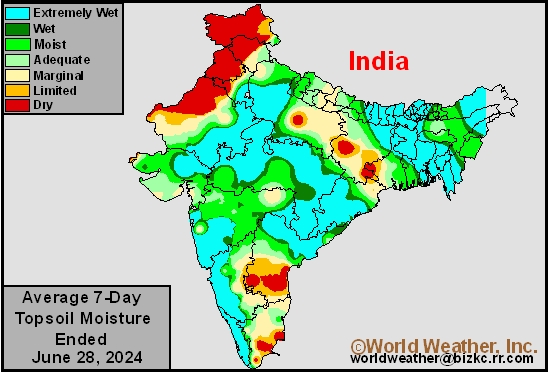
This content is for members only
CIS Rainfall
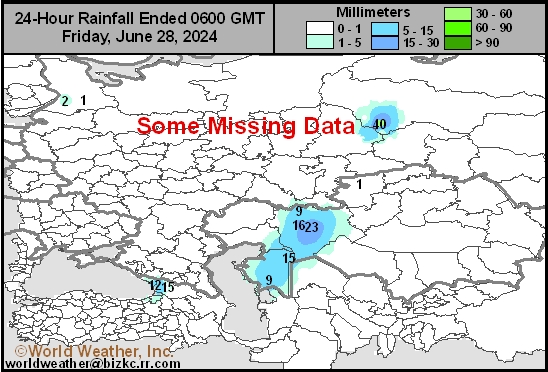
This content is for members only
Subsoil Moisture
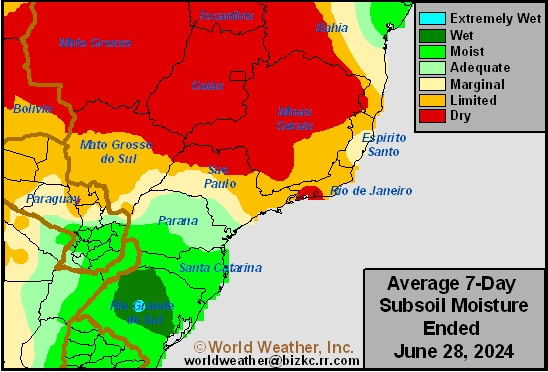
This content is for members only
Topsoil Moisture
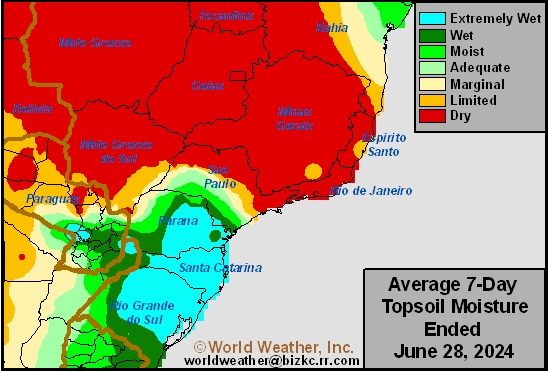
This content is for members only
Subsoil Moisture
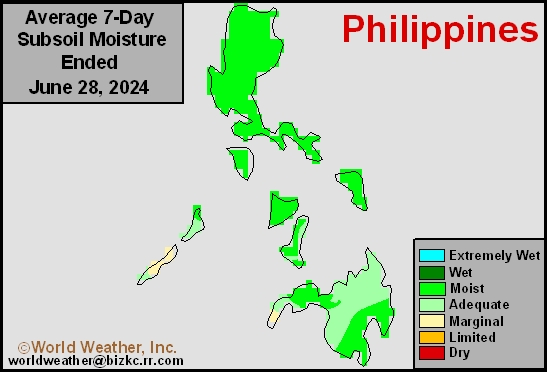
This content is for members only
Topsoil Moisture
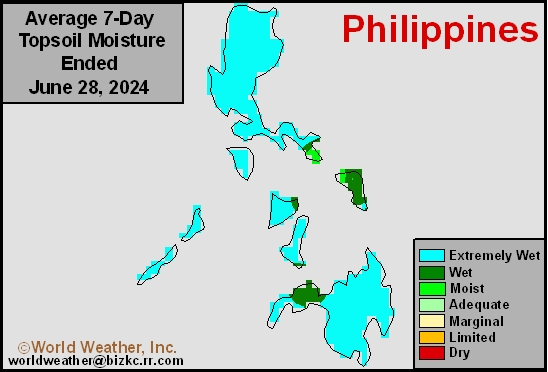
This content is for members only
Low Temperature
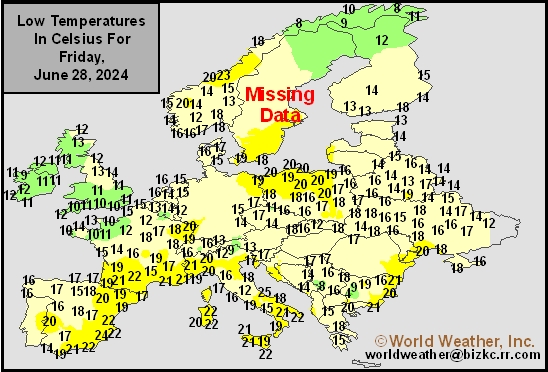
This content is for members only
Subsoil Moisture
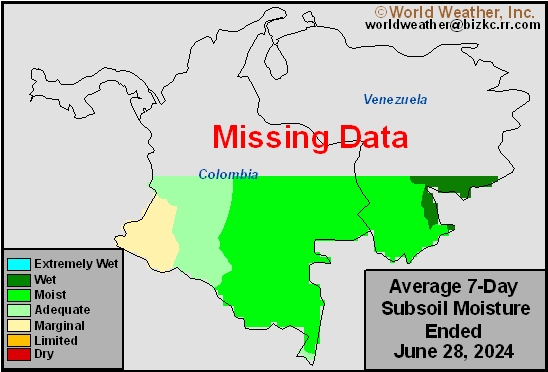
This content is for members only
Topsoil Moisture
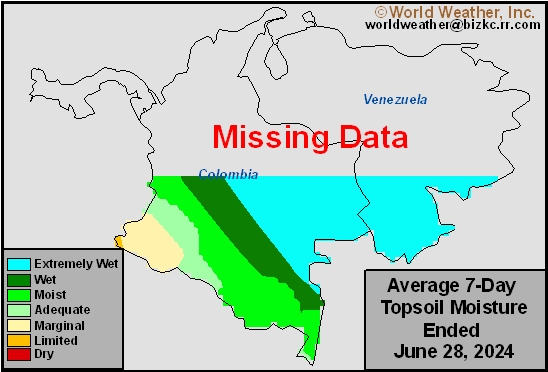
This content is for members only
High Temperature
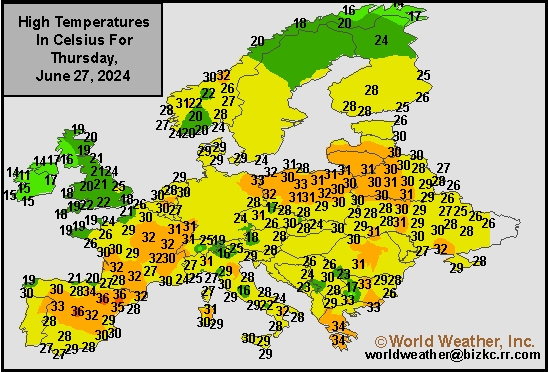
This content is for members only
Subsoil Moisture
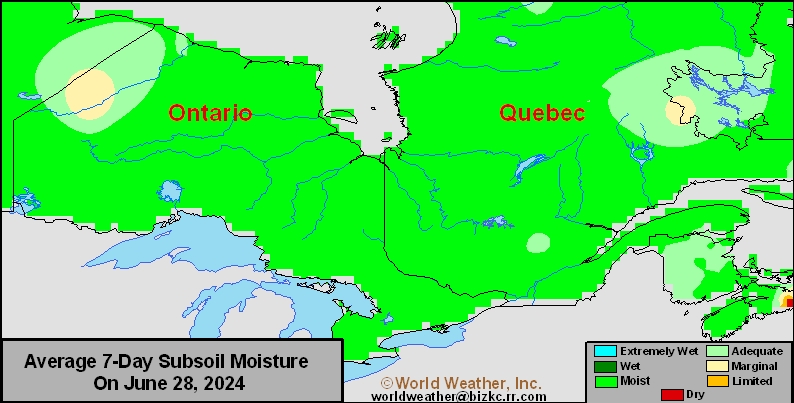
This content is for members only
Topsoil Moisture
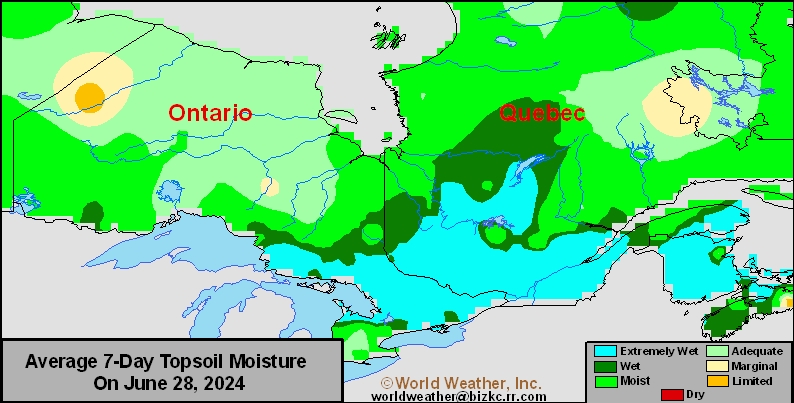
This content is for members only
Europe Rainfall
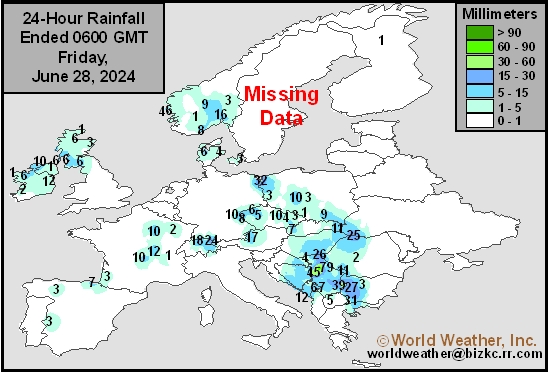
This content is for members only
Subsoil Moisture
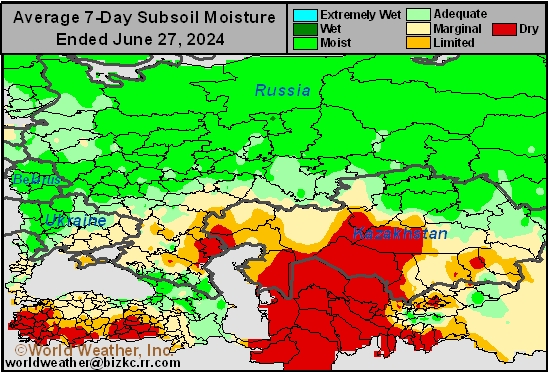
This content is for members only
Topsoil Moisture
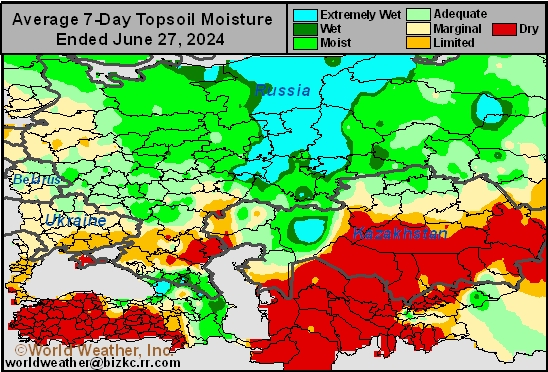
This content is for members only
Low Temperature
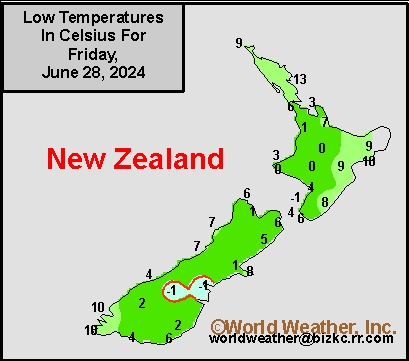
This content is for members only
Subsoil Moisture

This content is for members only
Topsoil Moisture

This content is for members only
Topsoil Moisture
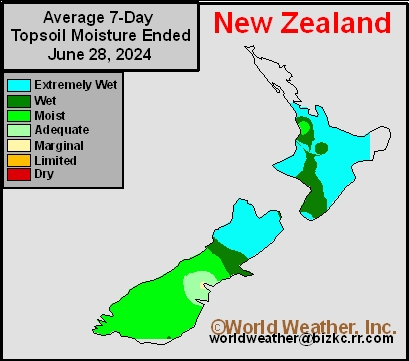
This content is for members only
Subsoil Moisture
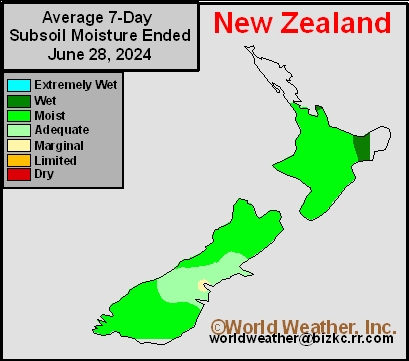
This content is for members only
High Temperature
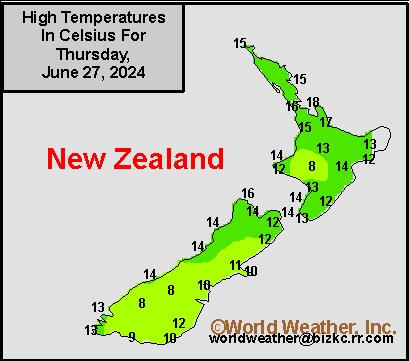
This content is for members only
Subsoil Moisture
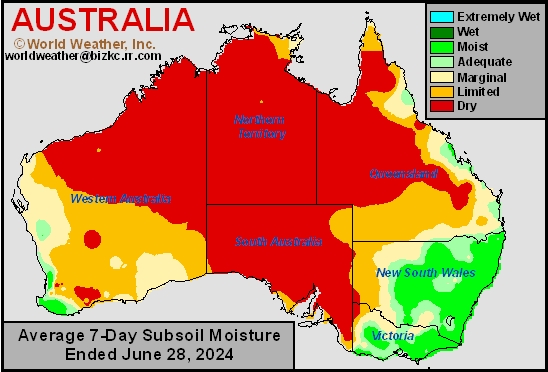
This content is for members only
Topsoil Moisture
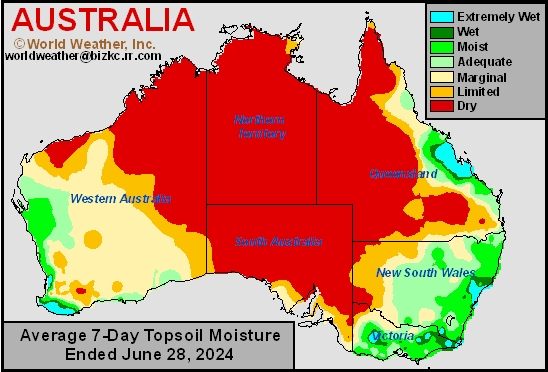
This content is for members only
New Zealand Rainfall
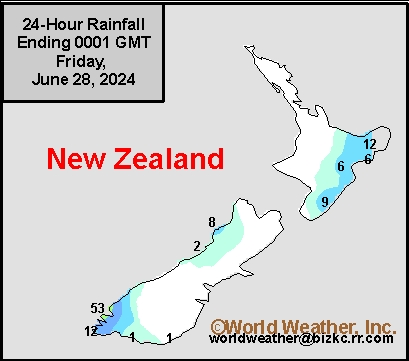
This content is for members only
Low Temperature
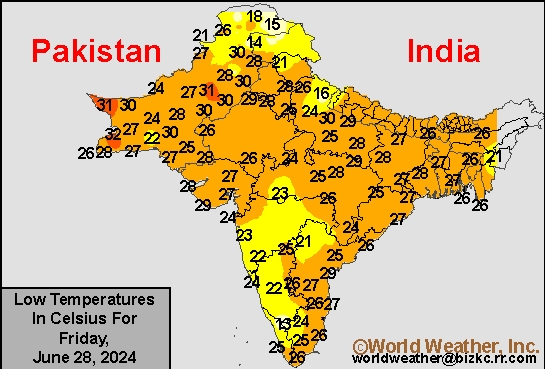
This content is for members only
High Temperature
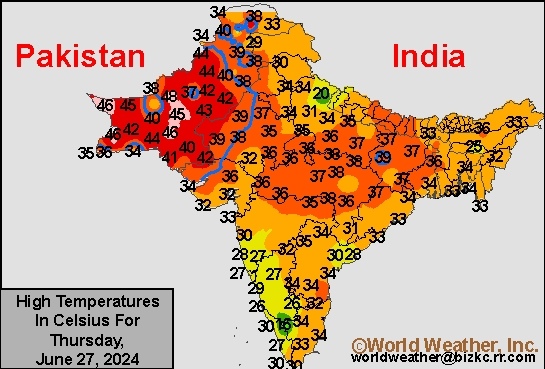
This content is for members only
India Rainfall
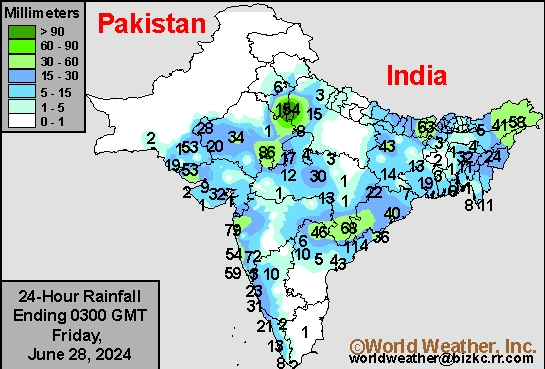
This content is for members only
Low Temperature
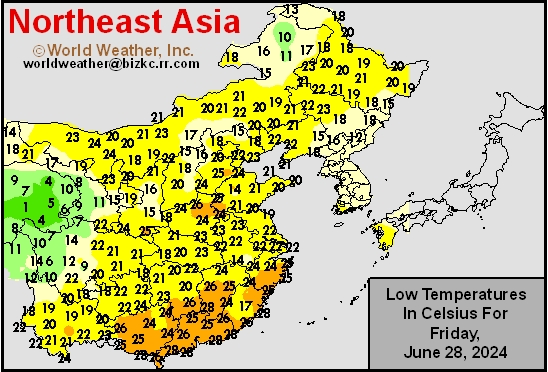
This content is for members only
Japan Rainfall
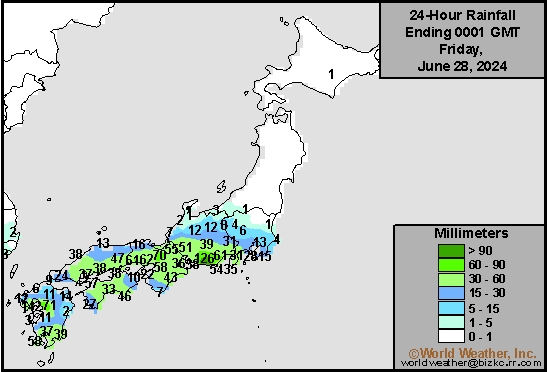
This content is for members only
Low Temperature
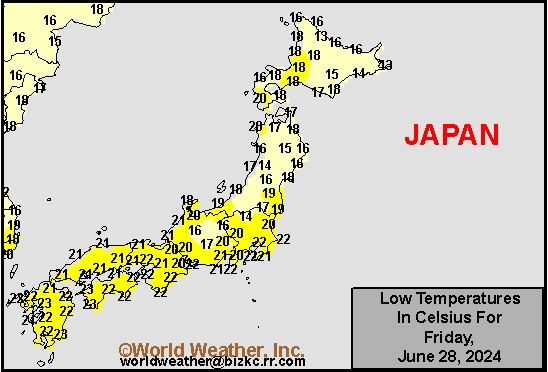
This content is for members only
High Temperature
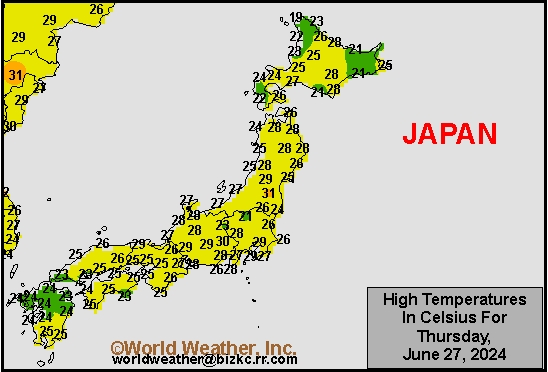
This content is for members only
High Temperature
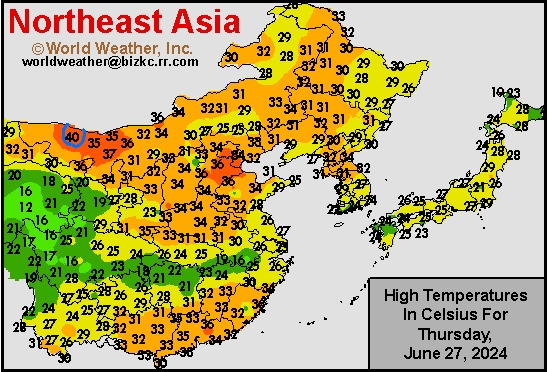
This content is for members only
China Rainfall
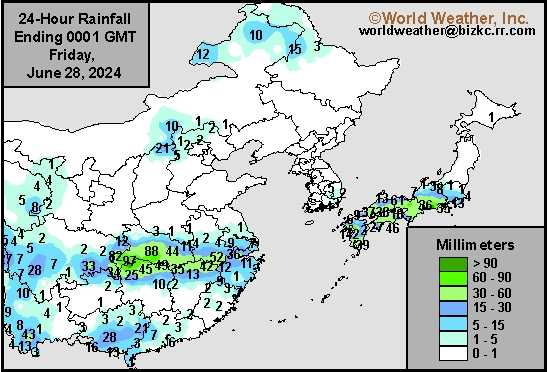
This content is for members only
Low Temperature
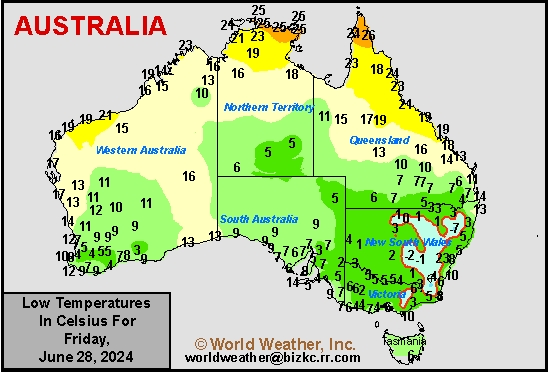
This content is for members only
High Temperature
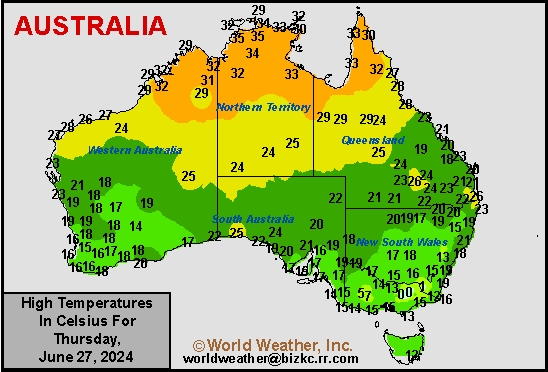
This content is for members only
Australia Rainfall
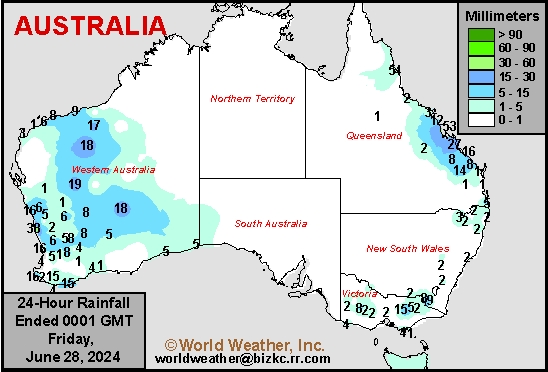
This content is for members only
U.S. Southeast Drying Reminiscent of 1983
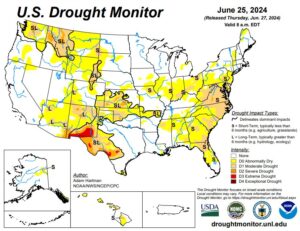
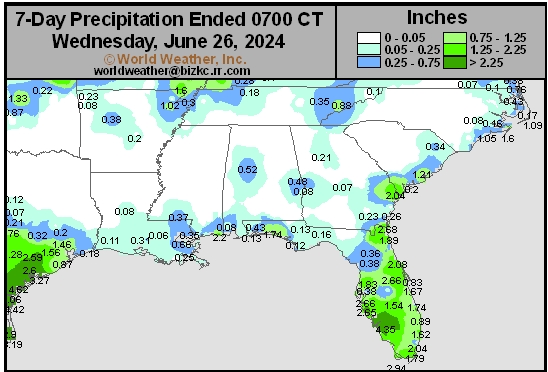
Kansas City, June 27 (World Weather Inc.) – Drier- and warmer-than-normal weather severely depleted soil moisture across the U.S. southeast and portions of the Delta this month. The pattern was reminiscent to that of 1983 when a wet spring was followed by a notably dry summer. Abnormally dry conditions or moderate drought recently evolved in the southeastern states as a high-pressure ridge diverted moisture away from the region. Although the ridge will be broad-based over the U.S. during the coming week, much of the southeastern states will see periods of rain that will attempt to chip away at the dryness. Resulting rainfall will be too light to completely fix the moisture deficits and additional rain will be needed in July to prevent a more serious bout of dryness from evolving that would hurt summer crop production. In the meantime, short-term soil conditions will improve for coarse grain, oilseed, cotton and other crops due to timely rainfall. Portions of the Delta and southeastern states may not get enough rain to seriously change drought status leaving the potential for further crop and soil deterioration during future periods of warm and dry weather.
U.S. Central, South Plains Weather Has Mixed Ag Impact
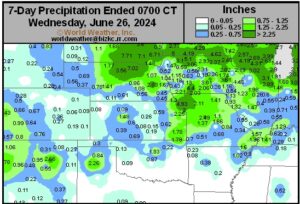
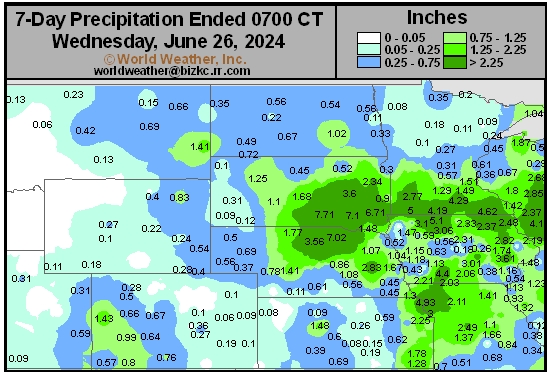
Kansas City, June 28 (World Weather Inc.) – A mix of very warm to hot temperatures and periodic rain in recent weeks has had a mixed impact on agriculture in the central and southern Plains. There has been some expansion of drought in Oklahoma while some reduction occurred in Kansas. The environment has been stressful for livestock at times while wheat maturation and harvest progress has advanced around periods of rain. These weather traits of late are expected to prevail through the first ten days of July with similar impacts. The heat and limited rainfall in Oklahoma and Texas may prove stressful for livestock and unirrigated summer crops while alternating periods of rain and sunshine along with some occasional heat will support wheat maturation and harvesting from Kansas northward to Nebraska. Some of the rain in Nebraska, Kansas and Colorado may prove to be temporarily disruptive to harvest progress, but very little threat to grain quality is likely
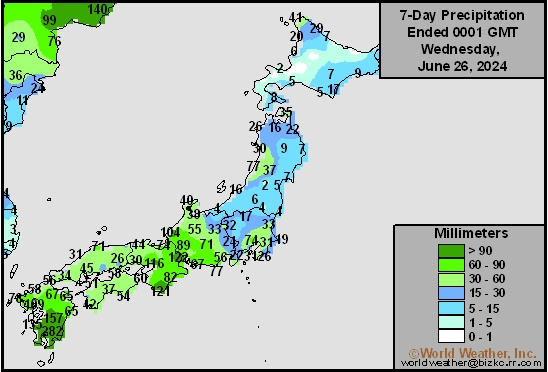
7-Day Rainfall
This content is for members only
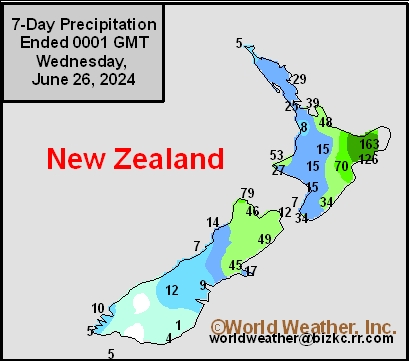
7-Day Rainfall
This content is for members only
7-Day Rainfall
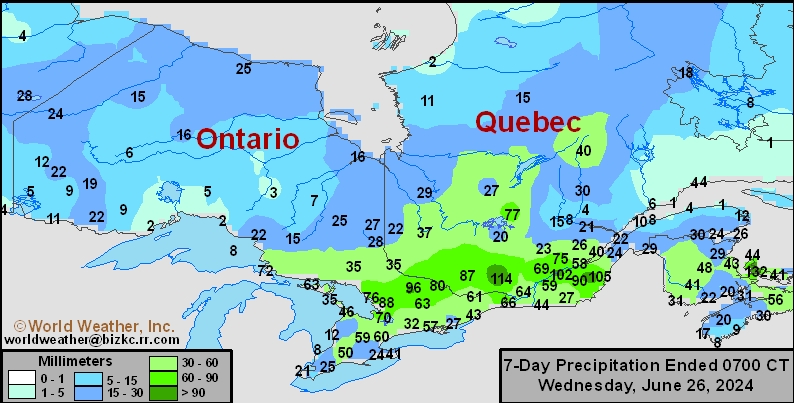
This content is for members only
7-Day Rainfall

This content is for members only
7-Day Rainfall

This content is for members only
7-Day Rainfall
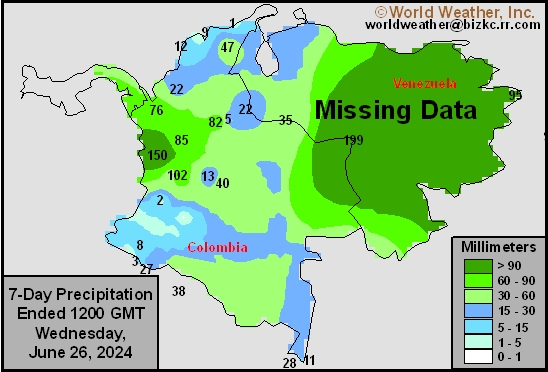
This content is for members only
7-Day Rainfall
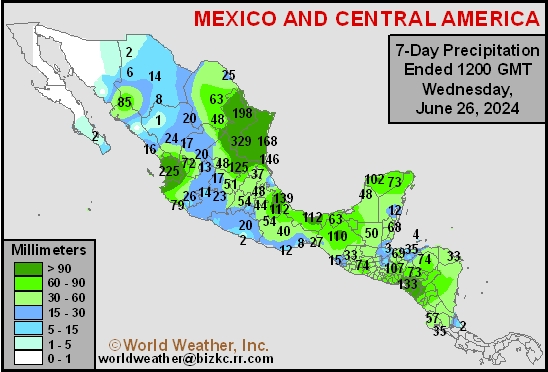
This content is for members only
Hard Red Wheat 7-Day Rain
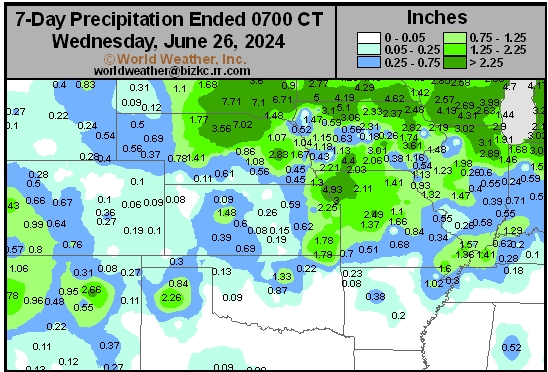
This content is for members only
Northeast 7-Day Rain
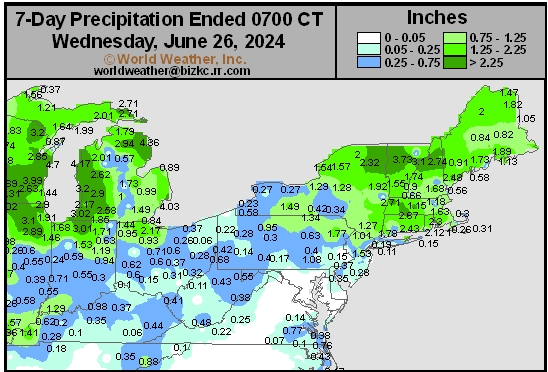
This content is for members only
Southwest 7-Day Rain
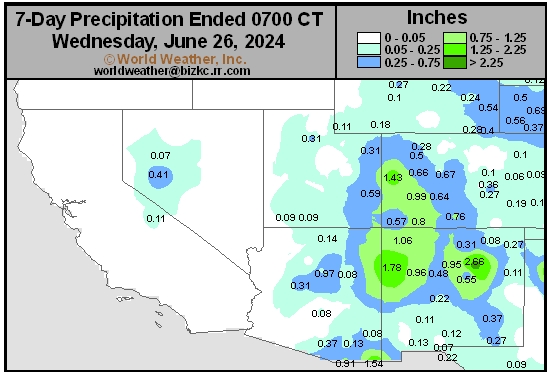
This content is for members only
Northwest 7-Day Rain
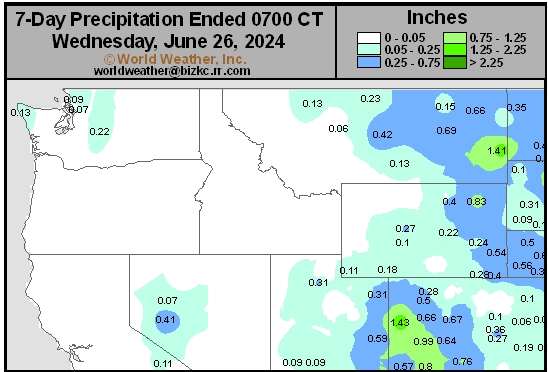
This content is for members only
South Plains 7-Day Rain
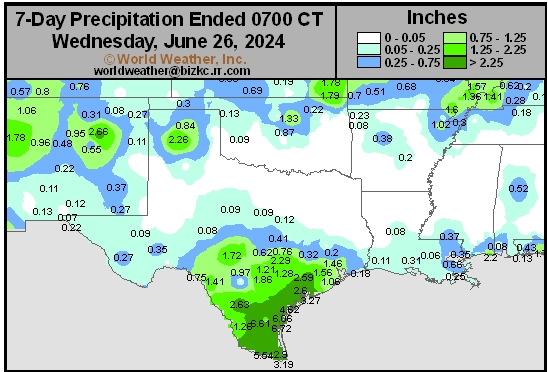
This content is for members only
Delta/SE U.S. 7-Day Rain
This content is for members only
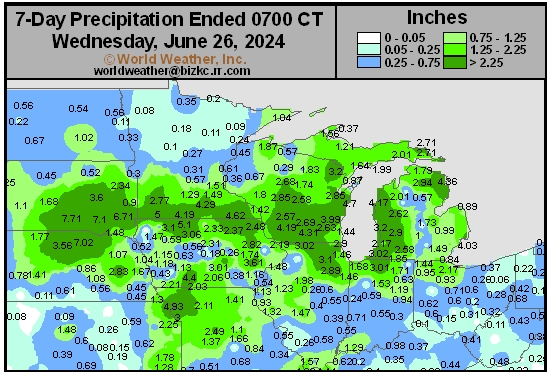
Corn Belt 7-Day Rain
This content is for members only
North Plains 7-Day Rain
This content is for members only
7-Day Rainfall

This content is for members only
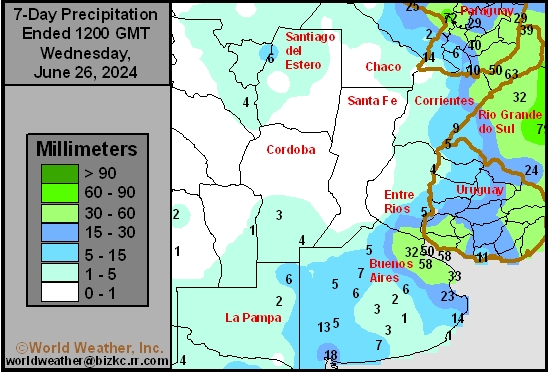
7-Day Rainfall
This content is for members only