
Topsoil Moisture

This content is for members only
Subsoil Moisture
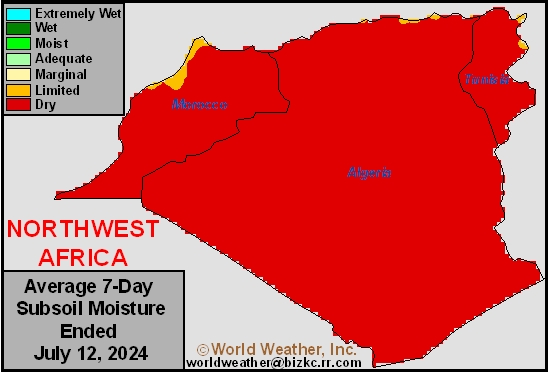
This content is for members only
Topsoil Moisture
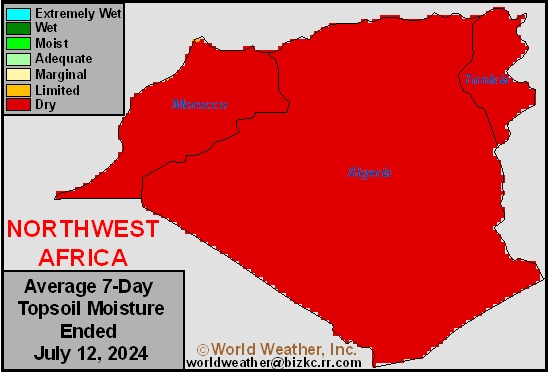
This content is for members only
Subsoil Moisture
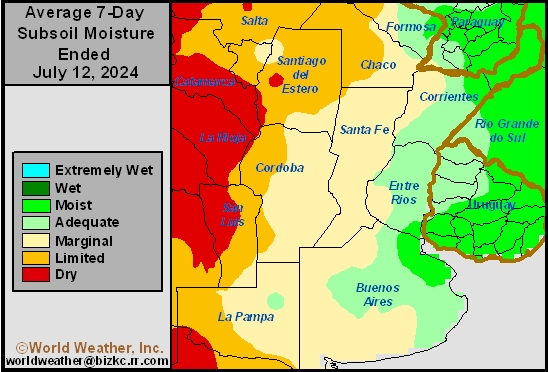
This content is for members only
Topsoil Moisture
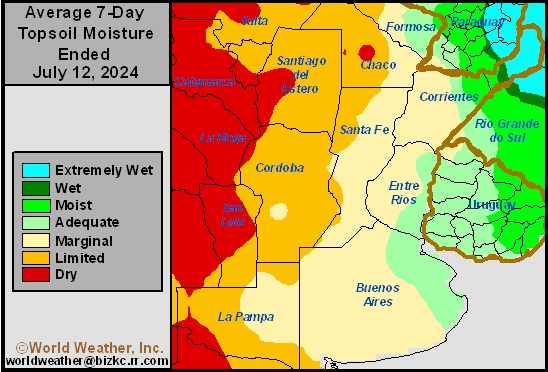
This content is for members only
Subsoil Moisture
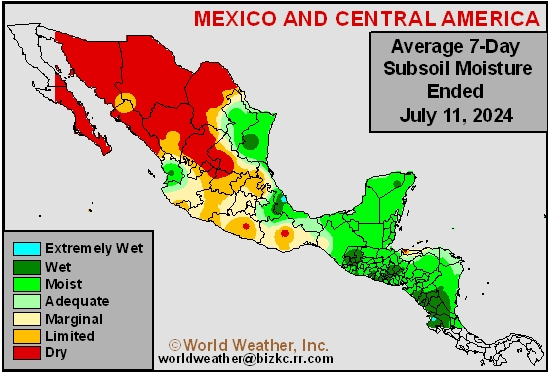
This content is for members only
Topsoil Moisture
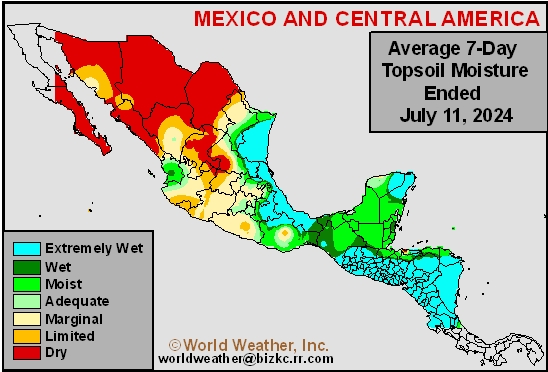
This content is for members only
Subsoil Moisture
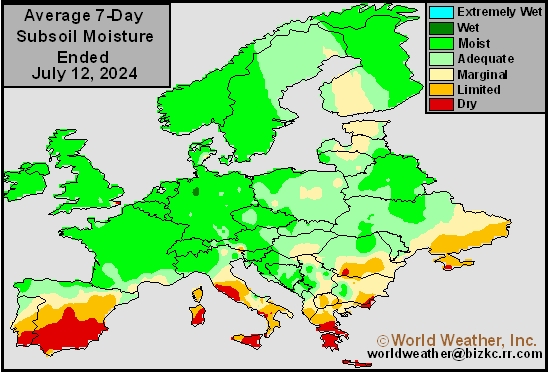
This content is for members only
Topsoil Moisture
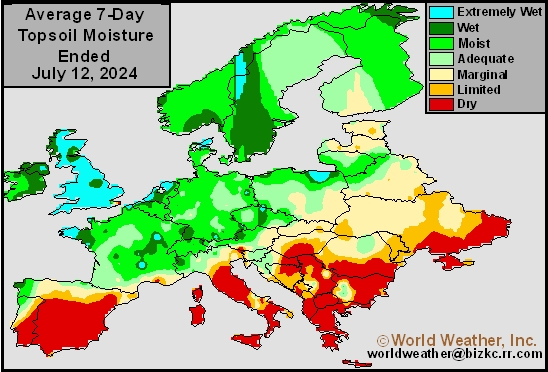
This content is for members only
Subsoil Moisture
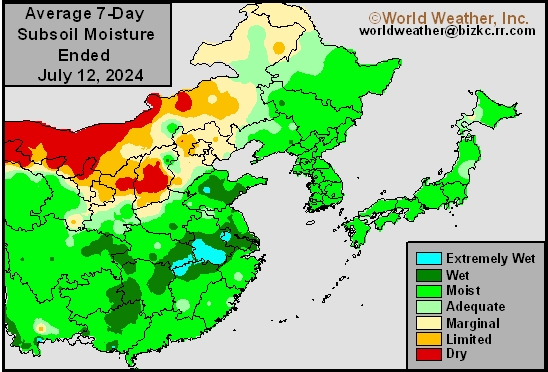
This content is for members only
Topsoil Moisture
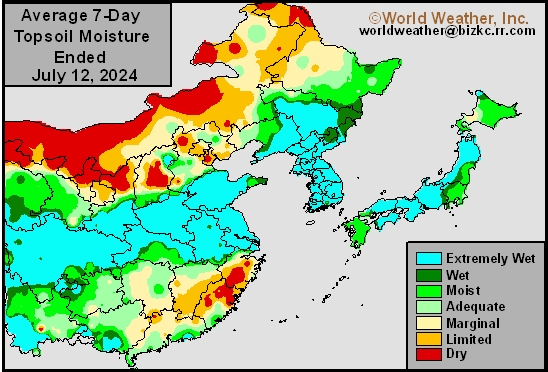
This content is for members only
Subsoil Moisture
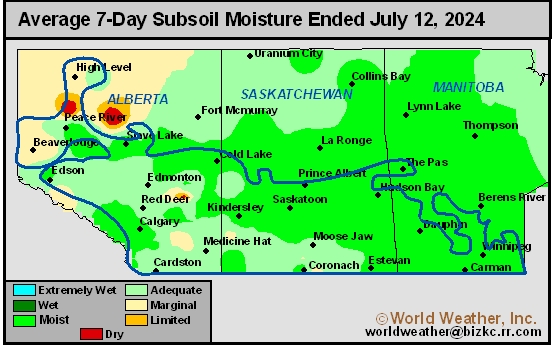
This content is for members only
Topsoil Moisture
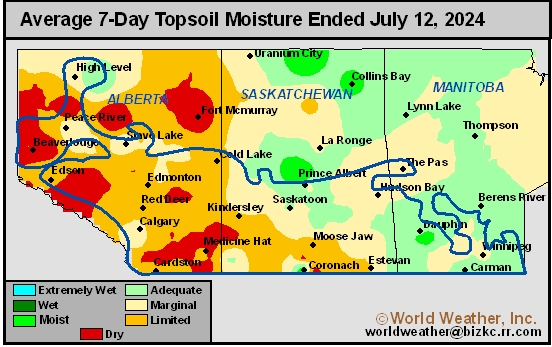
This content is for members only
Subsoil Moisture

This content is for members only
Topsoil Moisture

This content is for members only
Subsoil Moisture
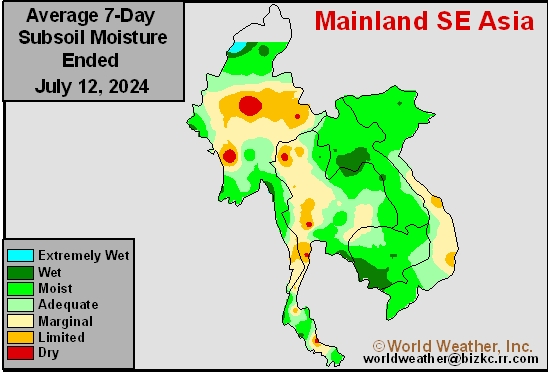
This content is for members only
Topsoil Moisture
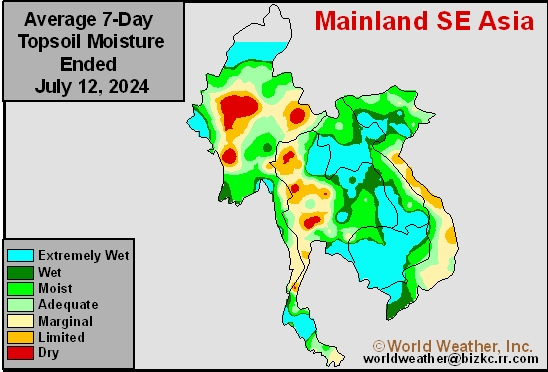
This content is for members only
Subsoil Moisture
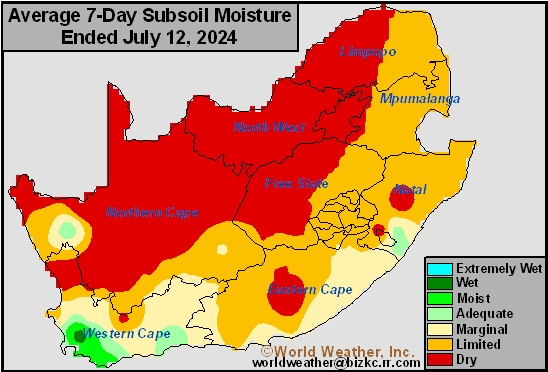
This content is for members only
Topsoil Moisture
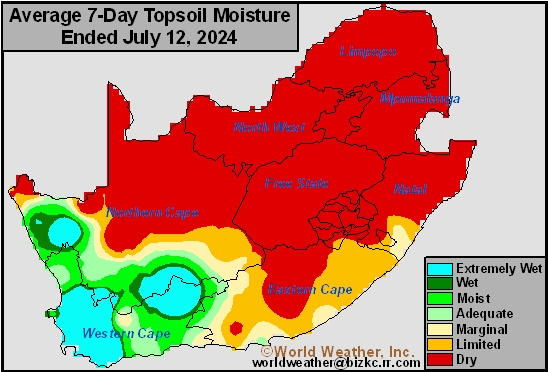
This content is for members only
Subsoil Moisture
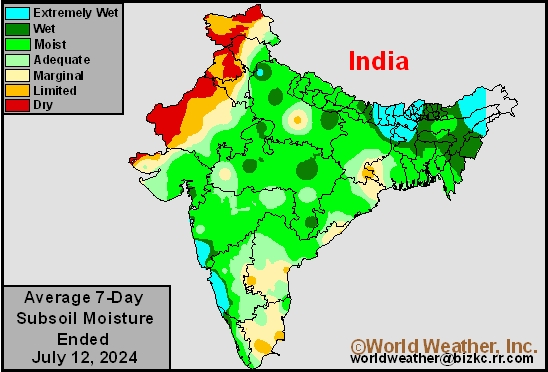
This content is for members only
Topsoil Moisture
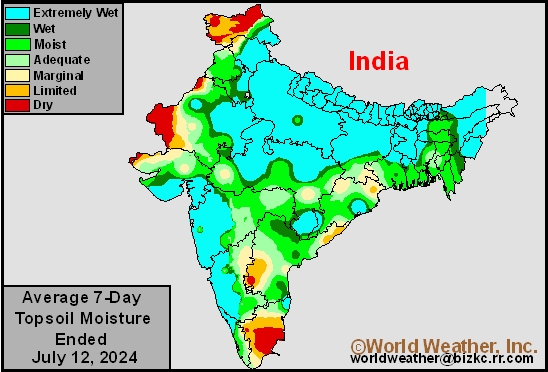
This content is for members only
Subsoil Moisture
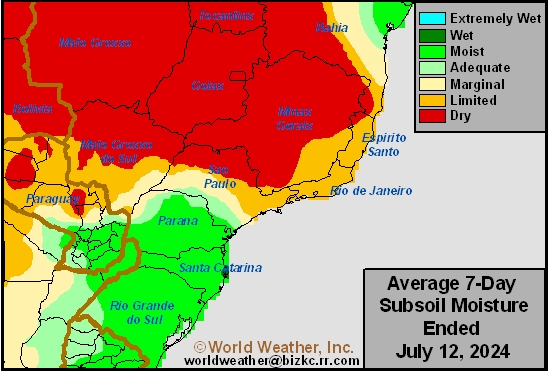
This content is for members only
Topsoil Moisture
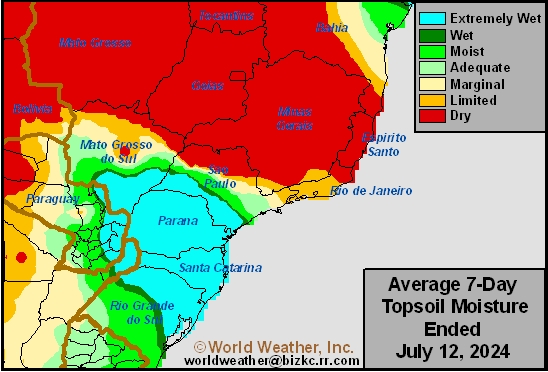
This content is for members only
Subsoil Moisture
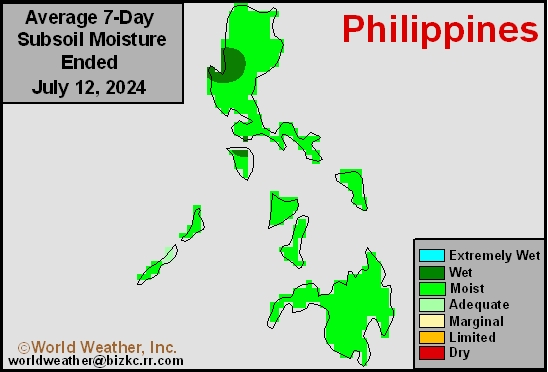
This content is for members only
Topsoil Moisture
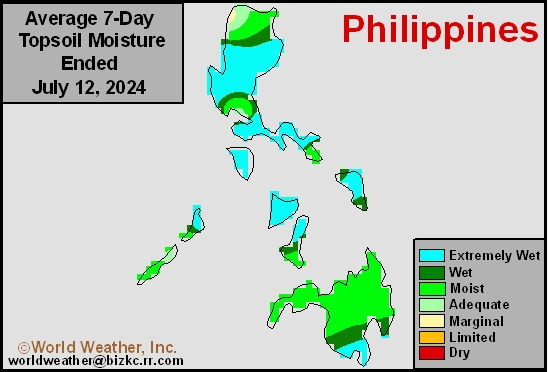
This content is for members only
Subsoil Moisture
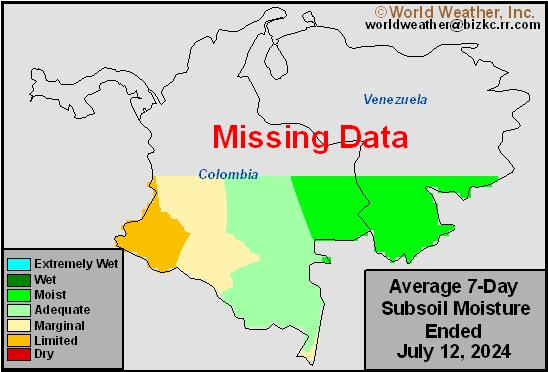
This content is for members only
Topsoil Moisture
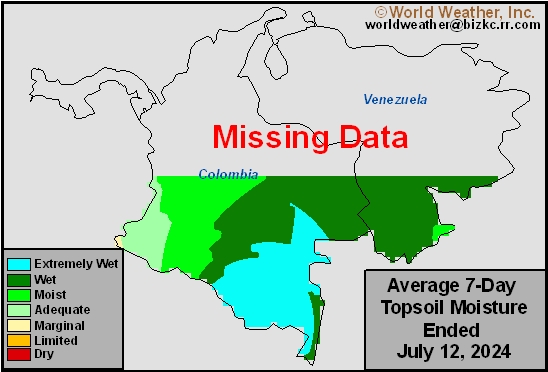
This content is for members only
Subsoil Moisture
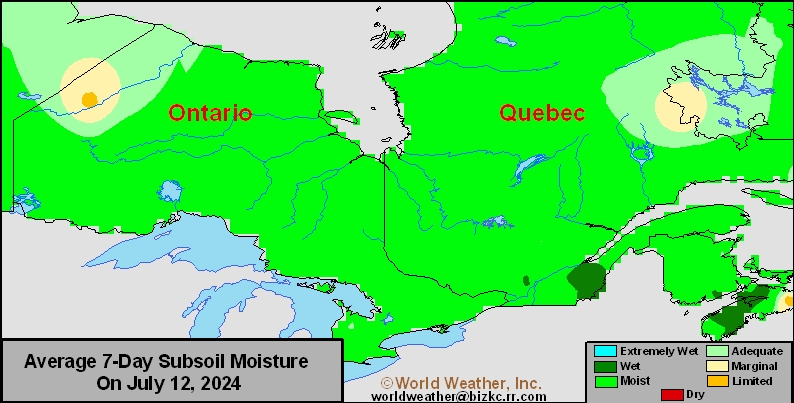
This content is for members only
Topsoil Moisture
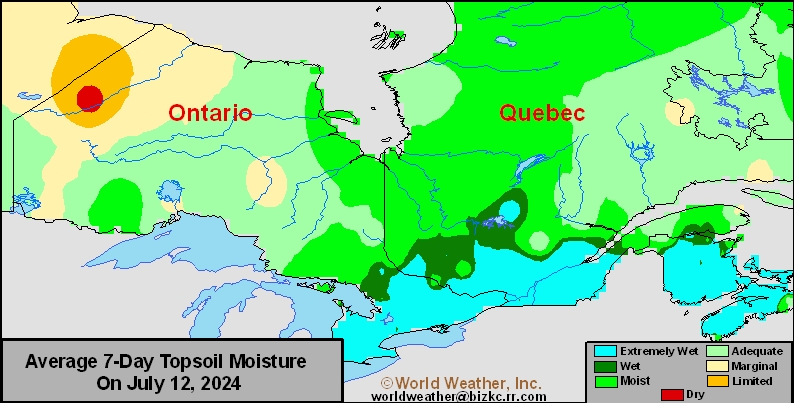
This content is for members only
Subsoil Moisture
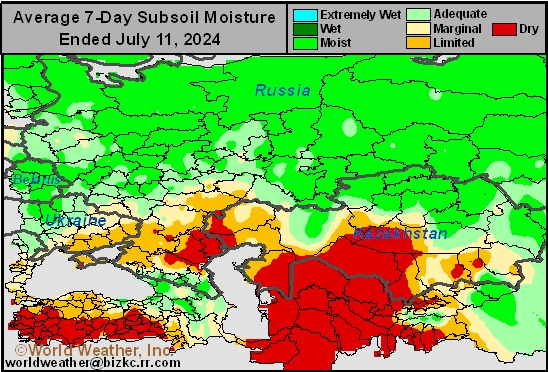
This content is for members only
Topsoil Moisture
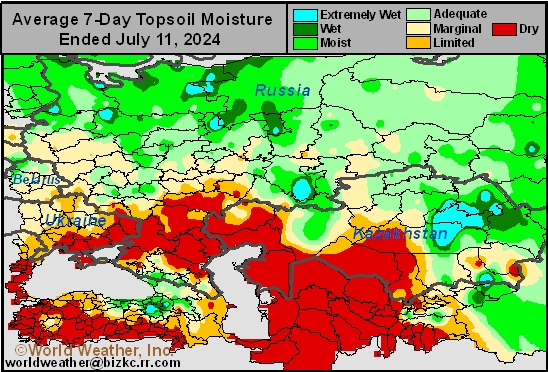
This content is for members only
Subsoil Moisture

This content is for members only
Topsoil Moisture

This content is for members only
Topsoil Moisture
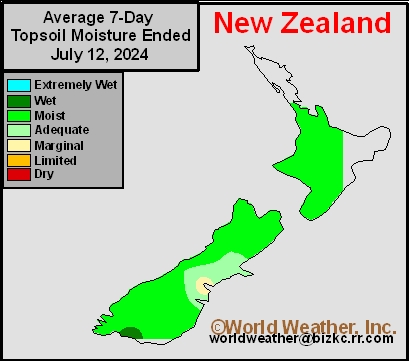
This content is for members only
Subsoil Moisture
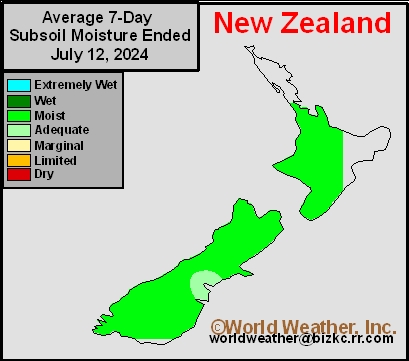
This content is for members only
Subsoil Moisture
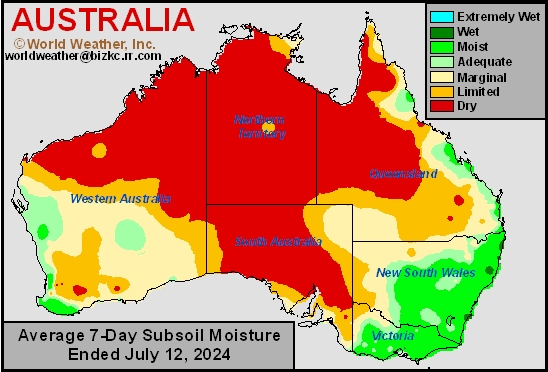
This content is for members only
Topsoil Moisture
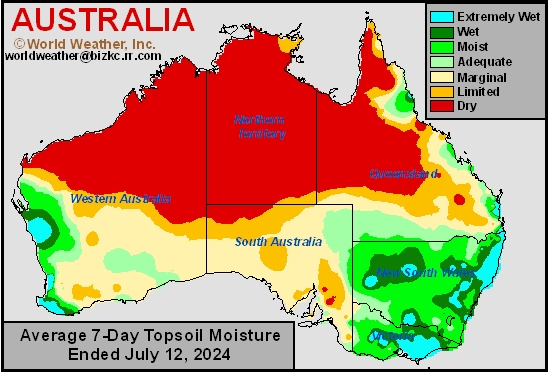
This content is for members only
Low Temperature
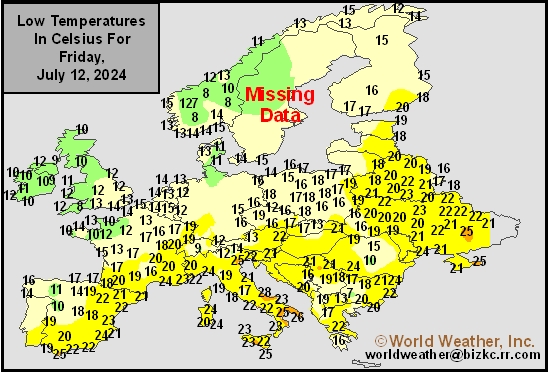
This content is for members only
High Temperature
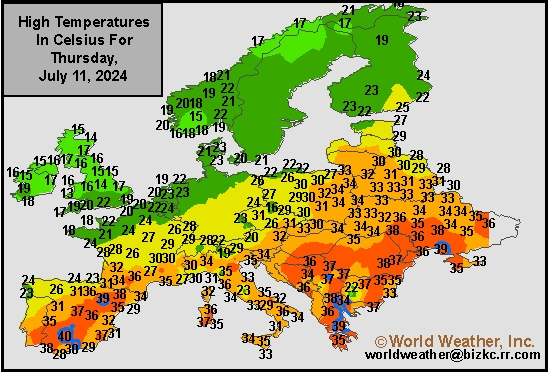
This content is for members only
Europe Rainfall
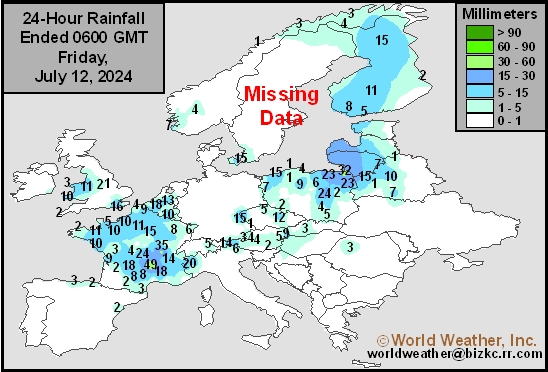
This content is for members only
Low Temperature
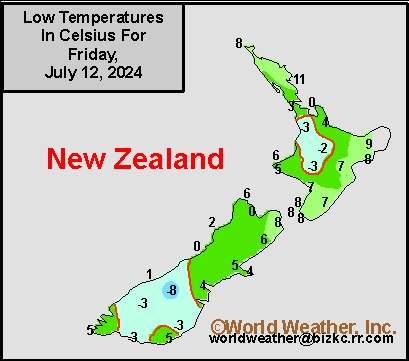
This content is for members only
High Temperature
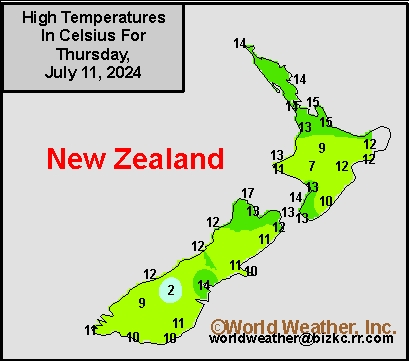
This content is for members only
New Zealand Rainfall
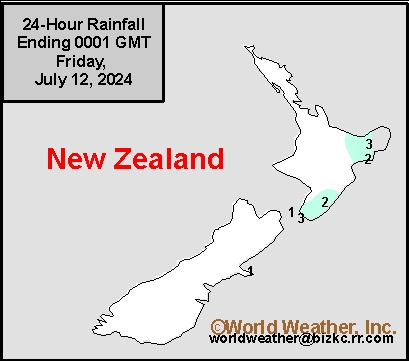
This content is for members only
Low Temperature
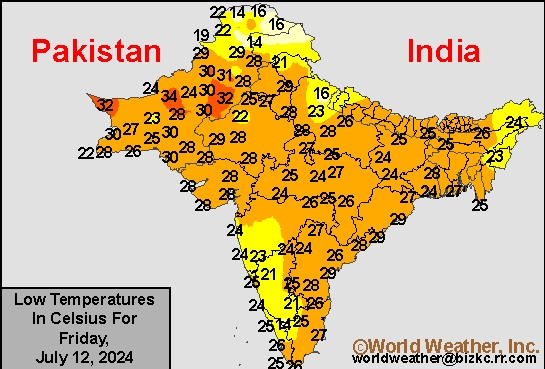
This content is for members only
High Temperature
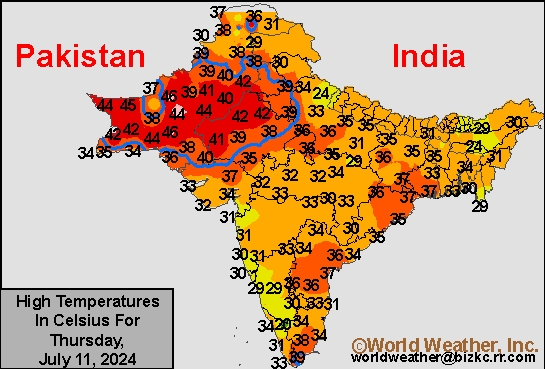
This content is for members only
India Rainfall
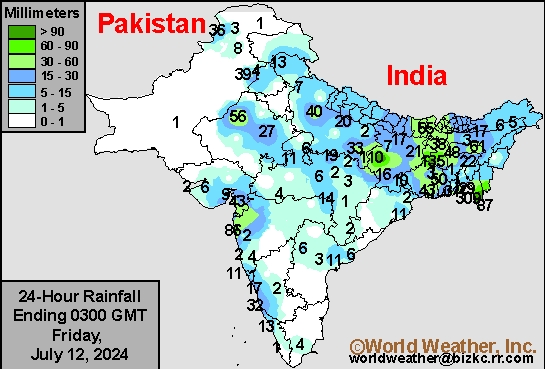
This content is for members only
Low Temperature
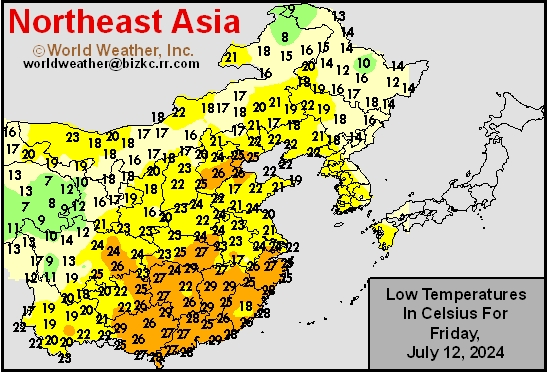
This content is for members only
Japan Rainfall
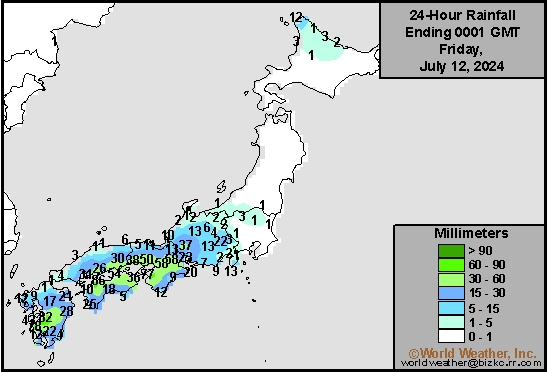
This content is for members only
Low Temperature
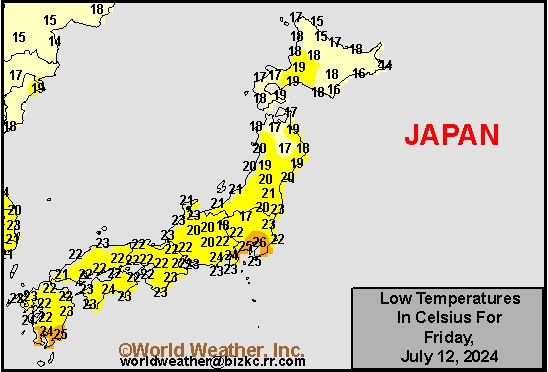
This content is for members only
High Temperature
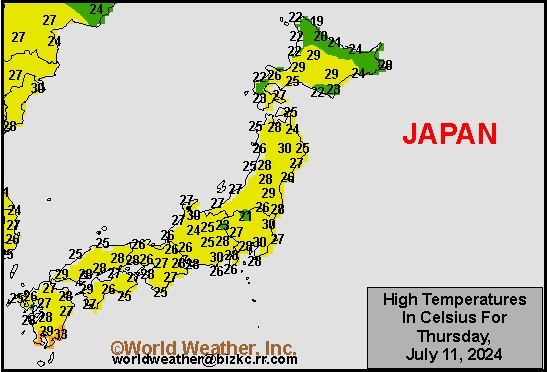
This content is for members only
High Temperature
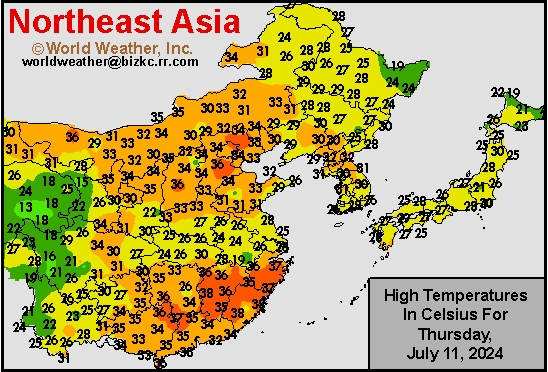
This content is for members only
China Rainfall
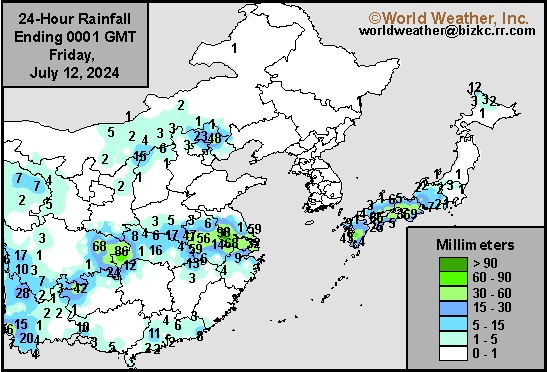
This content is for members only
Low Temperature
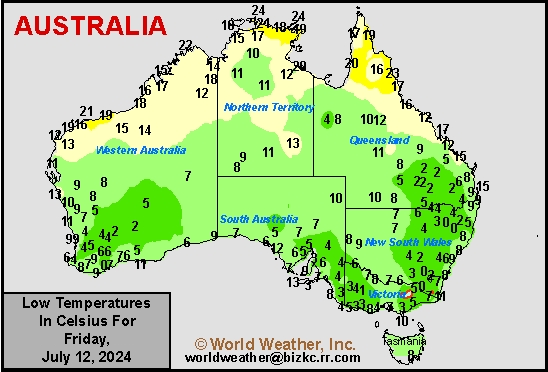
This content is for members only
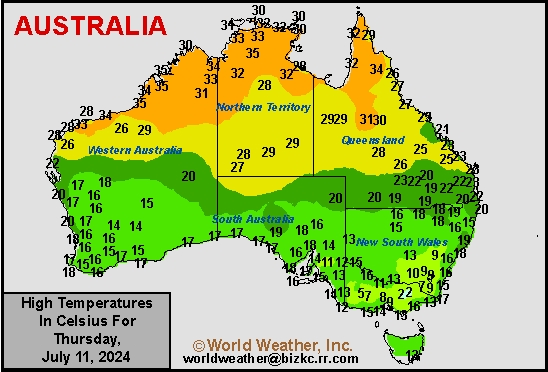
High Temperature
This content is for members only
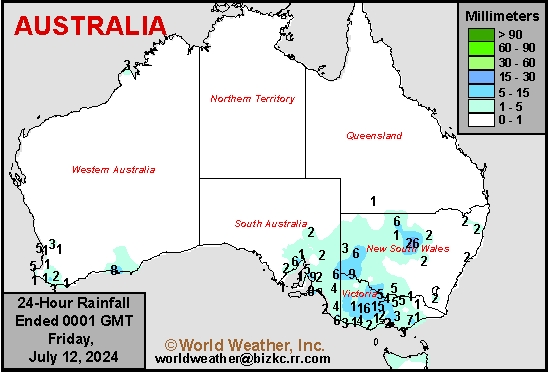
Austrailia Rainfall
This content is for members only
Australia To Dry Down After Recent Rainfall
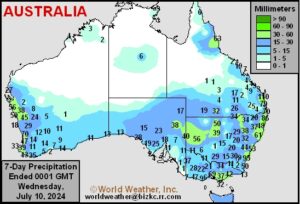
Kansas City, July 11 (World Weather Inc.) – Timely rain was noted across the main winter grain and oilseed areas in Australia during the past week. Many areas in Western Australia, South Australia, and Queensland still have a shortage of moisture despite the recent rain. However, production potentials are generally favorable across the country. Drier than normal weather is slated for most locations during the coming week and the ground will again dry down, although at a slow pace due to seasonably mild to cool temperatures. Western Australia, South Australia, Victoria, and portions of New South Wales will still have a few opportunities for spotty rain, though resulting amounts will be too light to significantly impact long-term soil conditions. The need for timely rain will increase later in the winter.
Southeast Europe To Dry Down Dramatically Due To Ridge
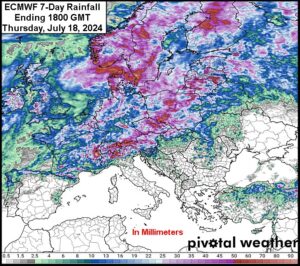
Kansas City, July 11 (World Weather Inc.) – A large section of southeastern Europe received little to no rain during the past week as a high-pressure ridge settled over the region. The ridge will remain in place during the next several days, limiting rain and promoting warmer than normal conditions. Aggressive drying is expected across the region. Coarse grain, oilseed, and other crop conditions may start to deteriorate as the ground firms and daytime highs often peak well into the 90s Fahrenheit. Meanwhile, an upper-level trough of low pressure will settle over northwestern Europe during same week inducing waves of rain for much of central and northern parts of the continent. The rain may help maintain favorable summer crop development potential, though it will disrupt some late season winter crop harvesting.
La Nina Unlikely To Influence Northern Hemisphere Summer
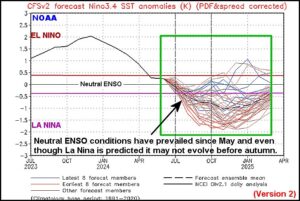
Kansas City, July 11 (World Weather Inc.) – La Nina is no longer expected to have an influence on Northern Hemisphere weather during the current summer season. The latest data clearly shows no advancement in the evolution of ENSO toward La Nina recently nor is there much reason to see significant progression toward that end in the next few weeks. The summer crop growing regions in the Northern Hemisphere are no longer expected to be influenced by La Nina due to its slow evolution and that leaves the door open for other weather patterns to dominate the atmosphere. So far, those “other” patterns do not look too anomalous in major agricultural areas implying a normal production year is at hand.
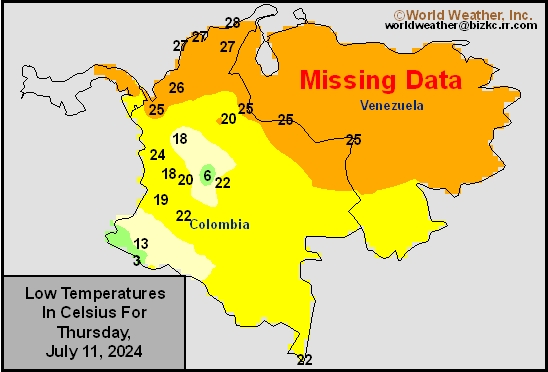
Venezuela/Colombia Min Temps
This content is for members only
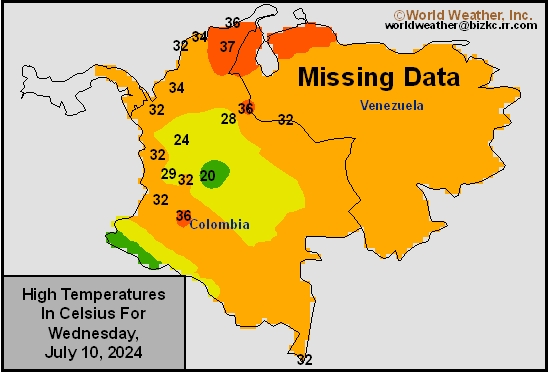
Venezuela/Colombia Max Temps
This content is for members only
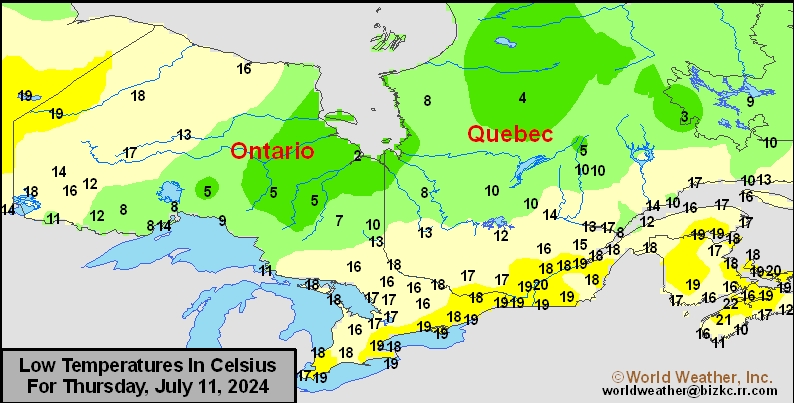
SE Canada Min
This content is for members only
SE Canada Max
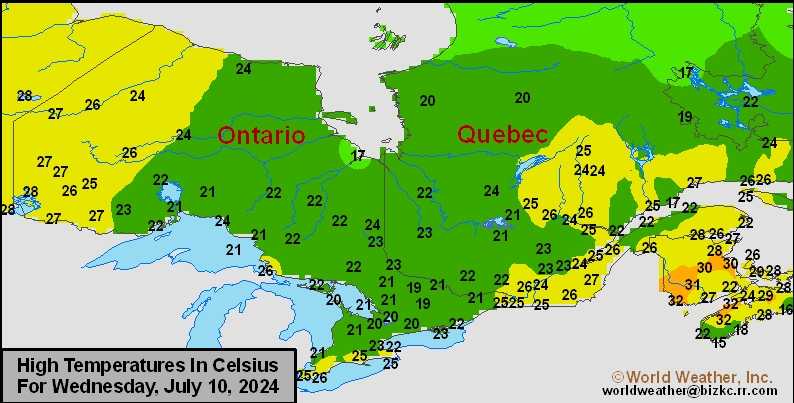
This content is for members only
SE Canada Rainfall
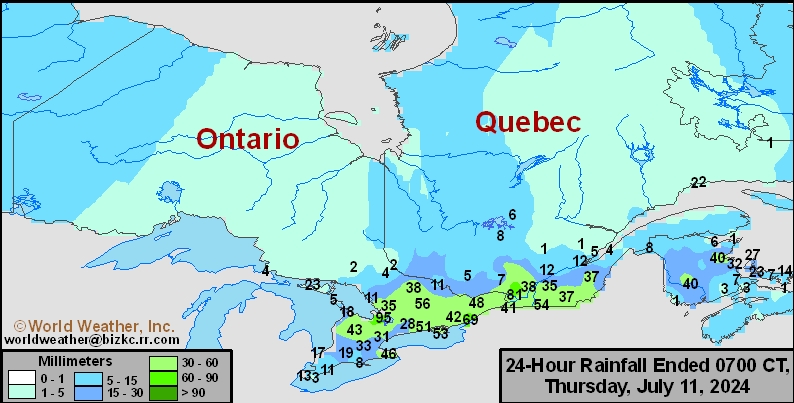
This content is for members only
Prairies Rainfall

This content is for members only
Prairies Max Temperature

This content is for members only
Prairies Min Temperature

This content is for members only
Canada Rainfall

This content is for members only
Venezuela Rainfall
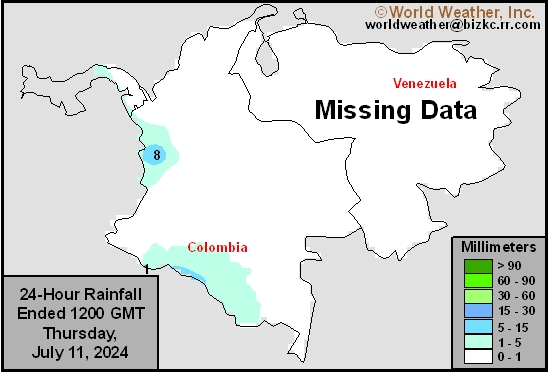
This content is for members only
Mexico Min Temperature
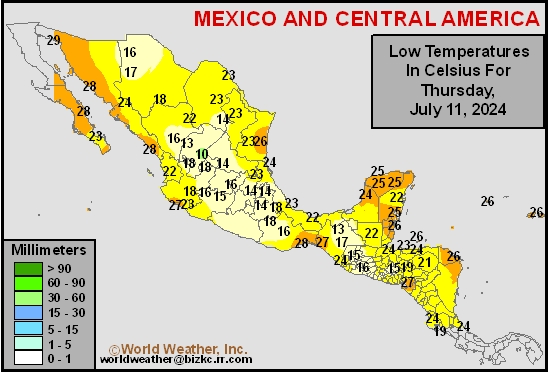
This content is for members only
Mexico Max Temperature
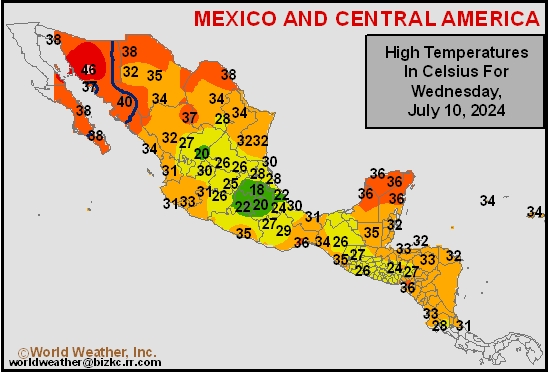
This content is for members only
Mexico Rainfall
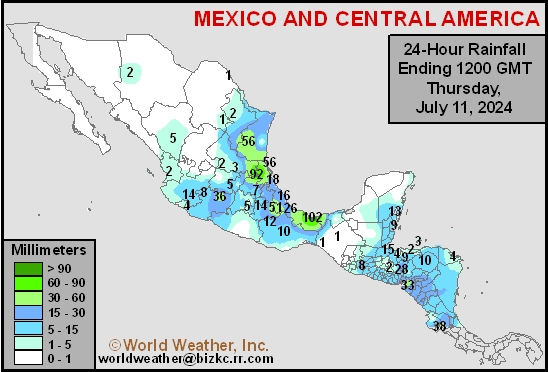
This content is for members only
Argentina Min Temperature
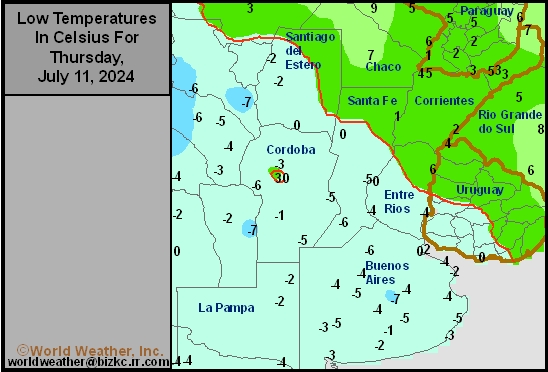
This content is for members only
Argentina Max Temperature
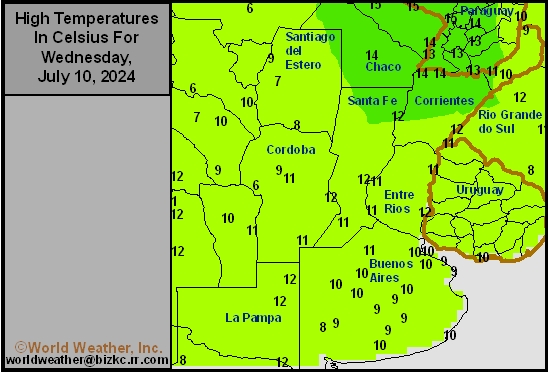
This content is for members only
Argentina Rainfall
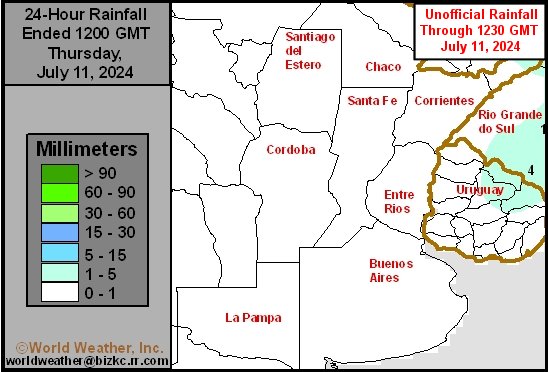
This content is for members only
Brazil Min Temperature
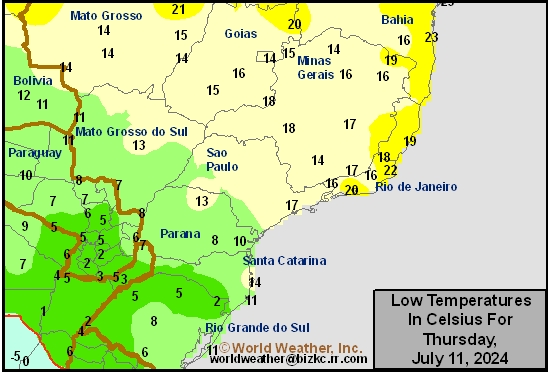
This content is for members only
Brazil Max Temperature
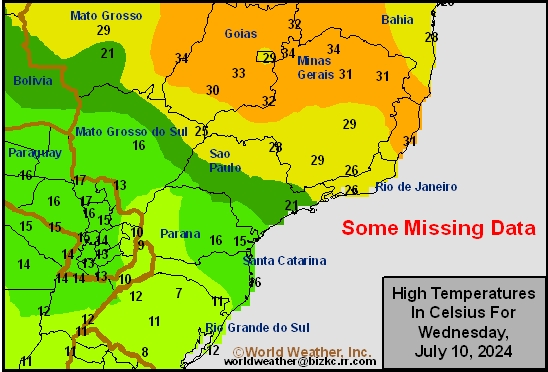
This content is for members only
Brazil Rainfall
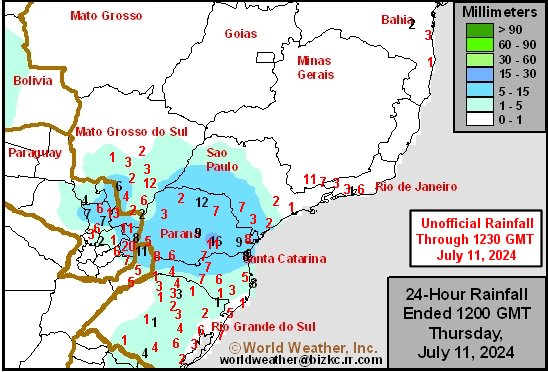
This content is for members only
Philippines Min
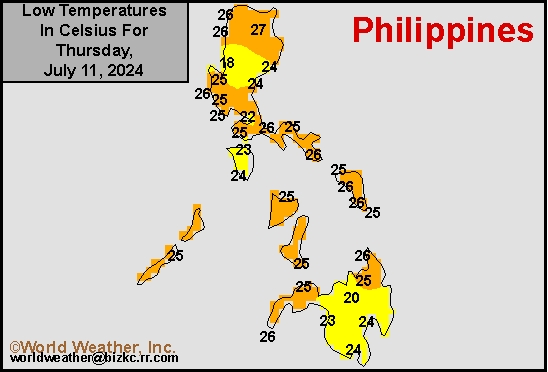
This content is for members only
Philippines Max
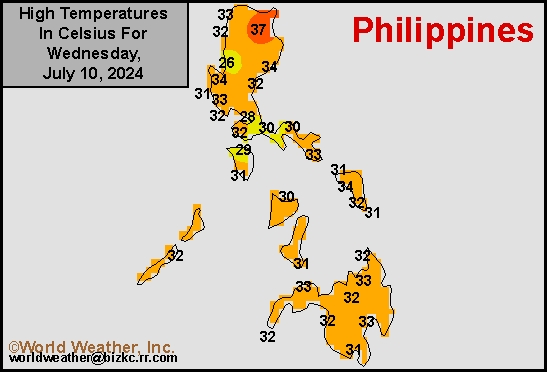
This content is for members only
Philippines Rain
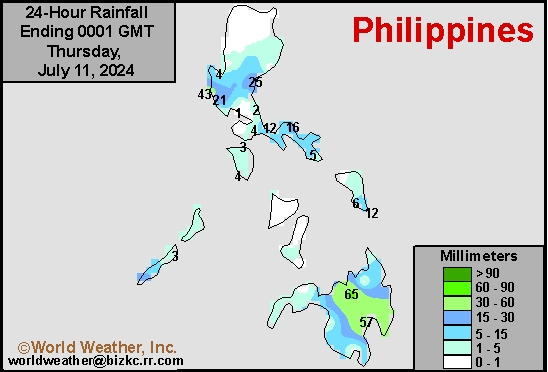
This content is for members only
Southeast North Rain
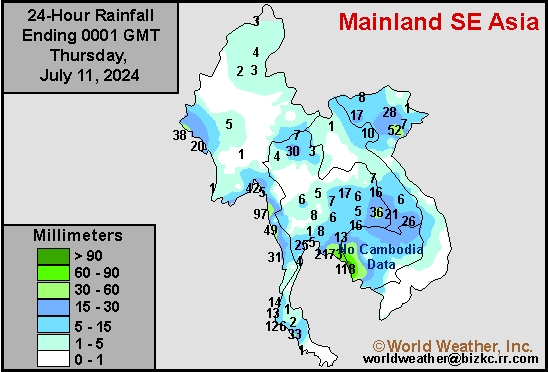
This content is for members only
Southeast North Min
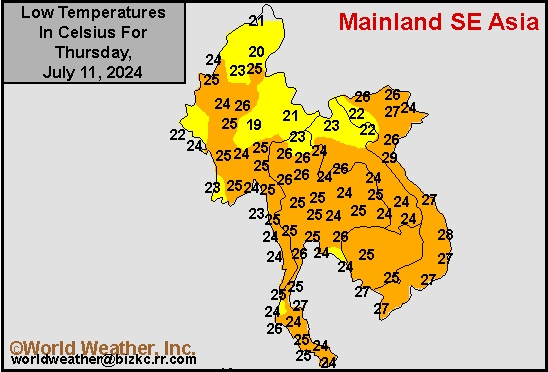
This content is for members only
Southeast North Max
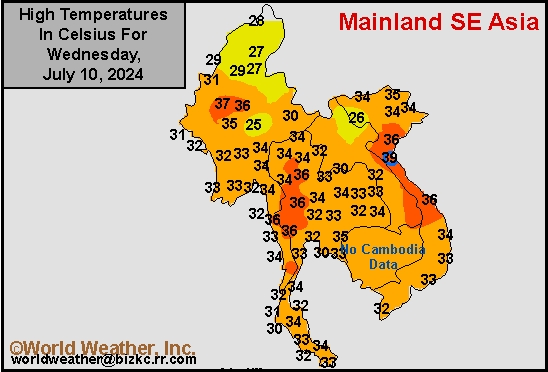
This content is for members only
Southeast Min
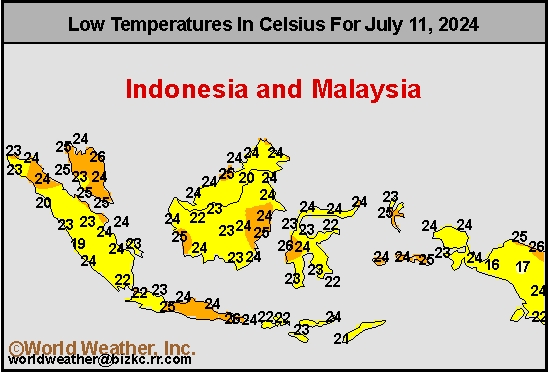
This content is for members only
Southeast Max
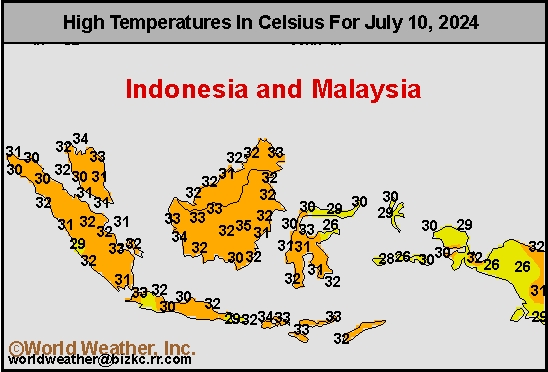
This content is for members only
Southeast Rain
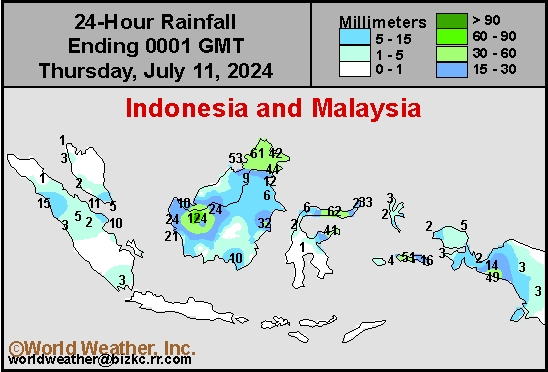
This content is for members only
West Africa Rain
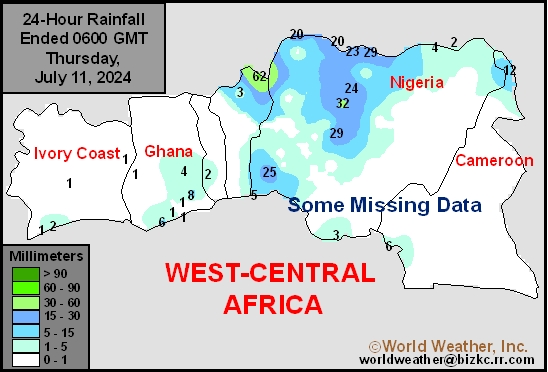
This content is for members only
Max Temperature
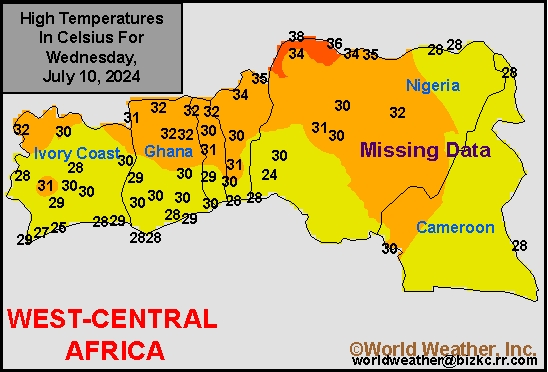
This content is for members only
Min Temperature
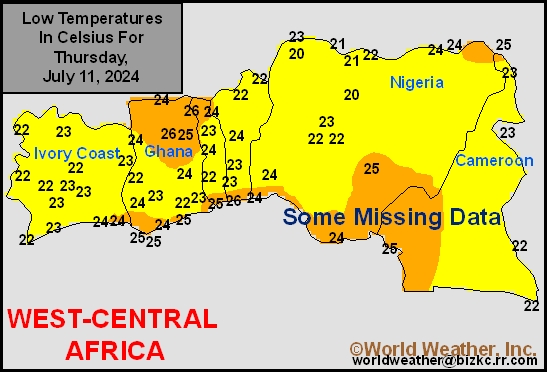
This content is for members only
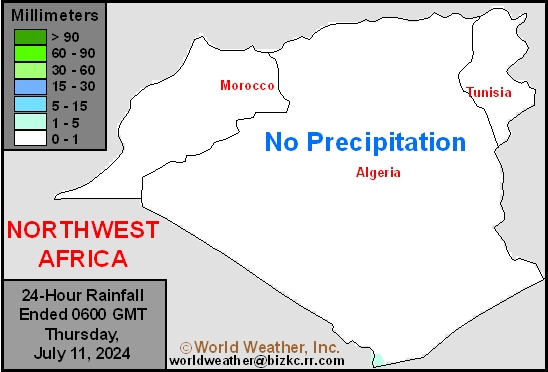
North Africa Rain
This content is for members only
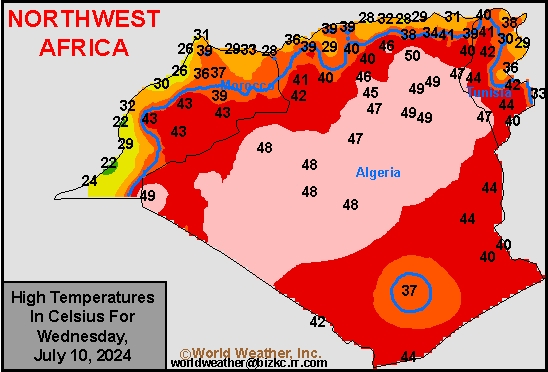
Max Temperature
This content is for members only
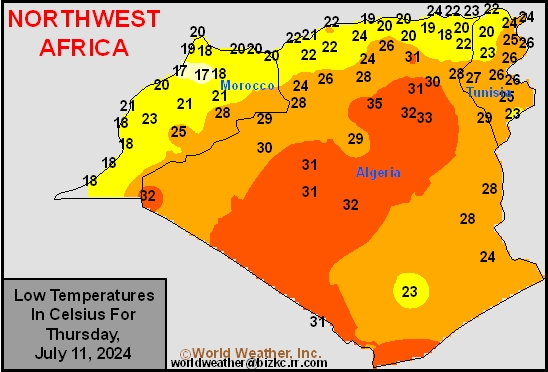
Min Temperature
This content is for members only
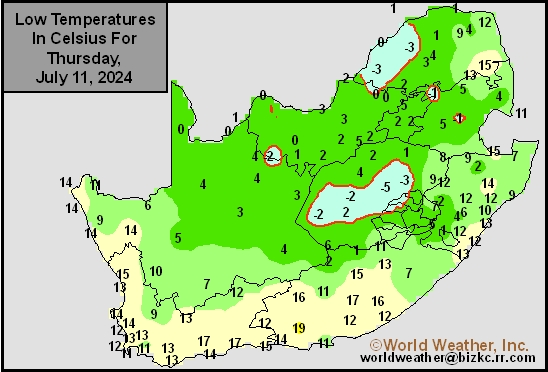
Min Temperature
This content is for members only
Max Temperature
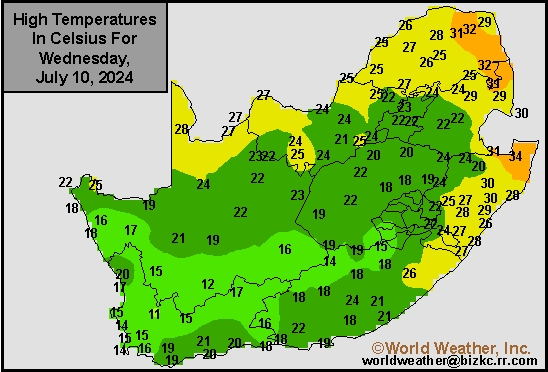
This content is for members only
South Africa Rain
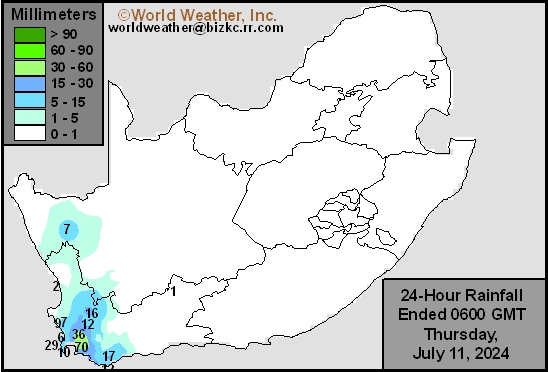
This content is for members only
Hard Red Wheat Tmin
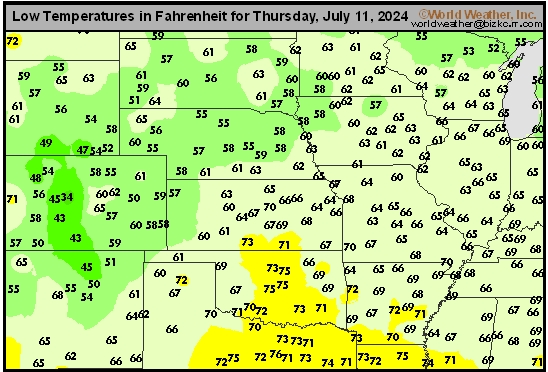
This content is for members only
Northeast Tmin
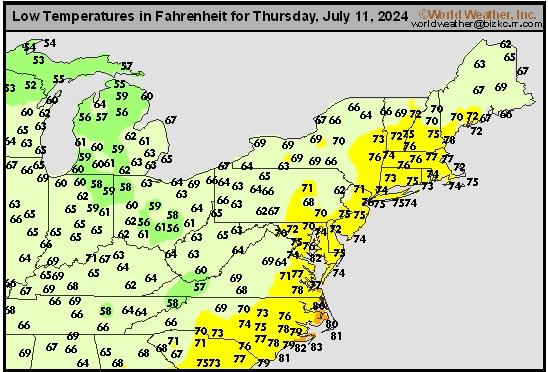
This content is for members only
Southwest Tmin
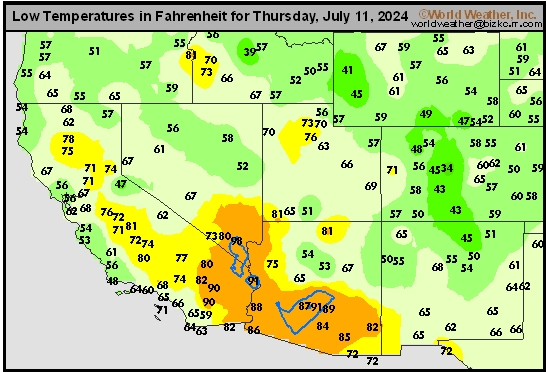
This content is for members only
Northwest Tmin
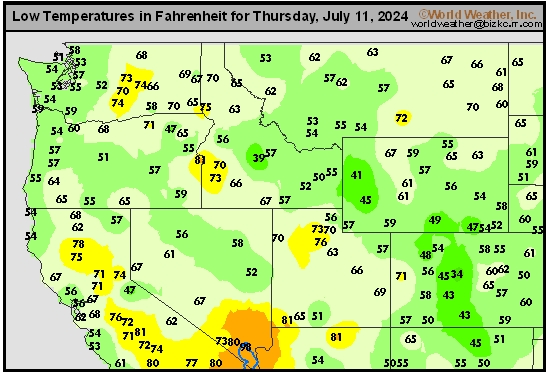
This content is for members only
South Plains Tmin
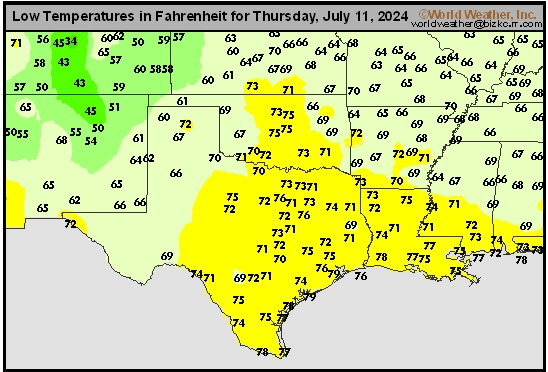
This content is for members only