
CIS Rainfall
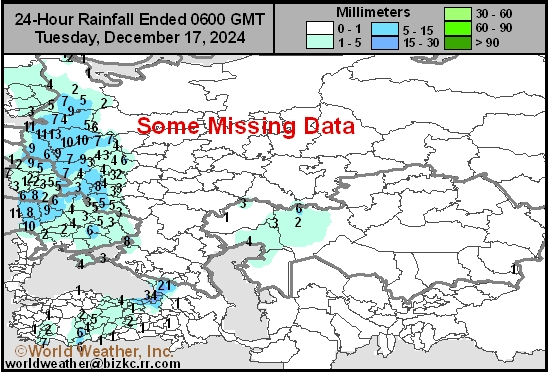
This content is for members only
Low Temperature
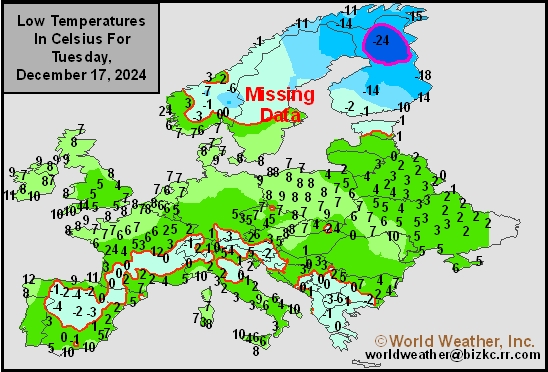
This content is for members only
High Temperature
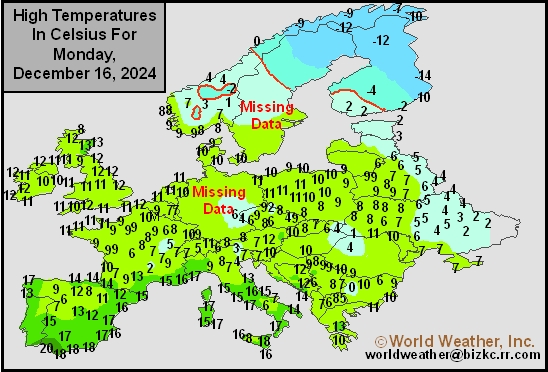
This content is for members only
Europe Rainfall
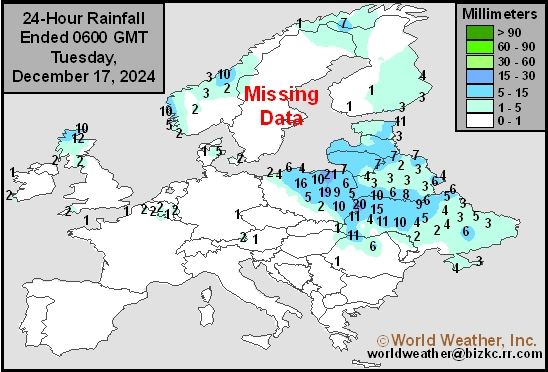
This content is for members only
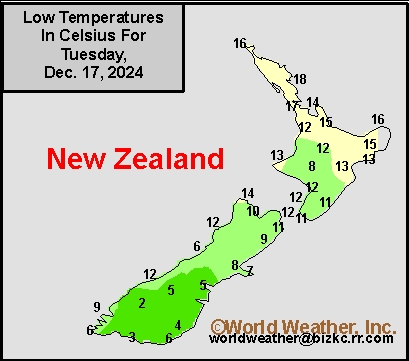
Low Temperature
This content is for members only
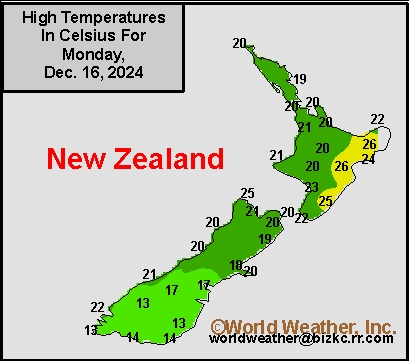
High Temperature
This content is for members only
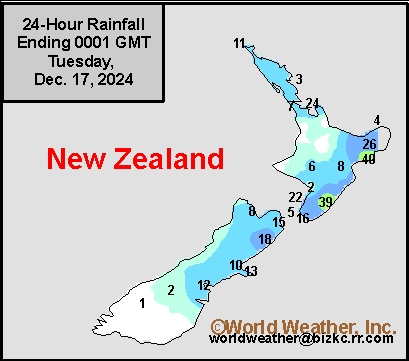
New Zealand Rainfall
This content is for members only
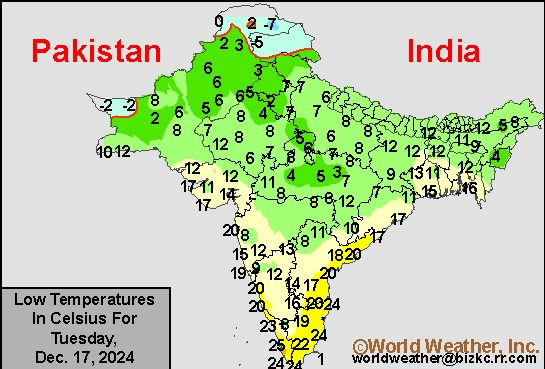
Low Temperature
This content is for members only
High Temperature
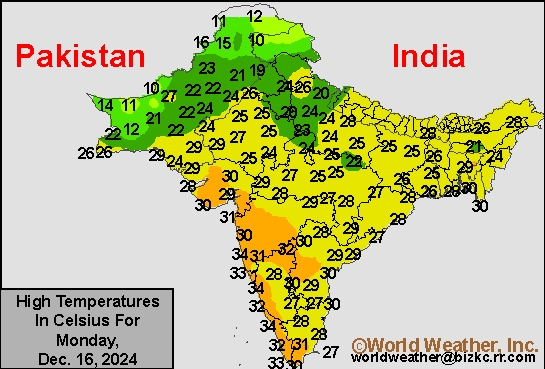
This content is for members only
India Rainfall
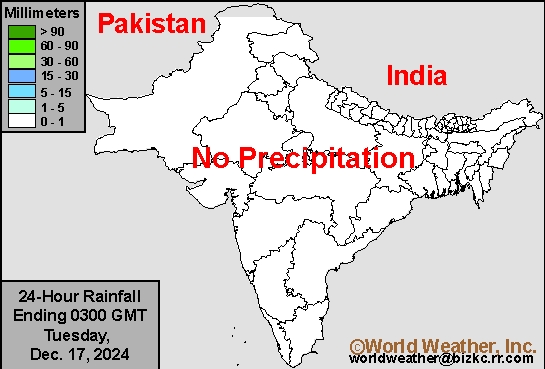
This content is for members only
Low Temperature
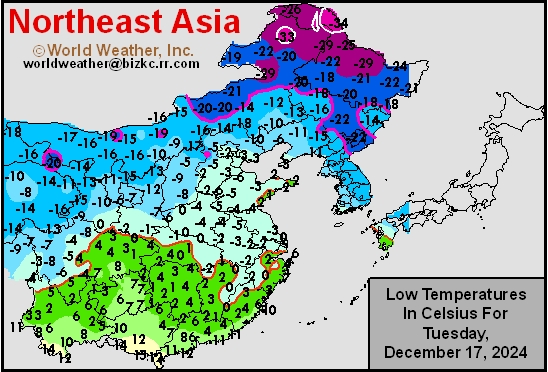
This content is for members only
Japan Rainfall
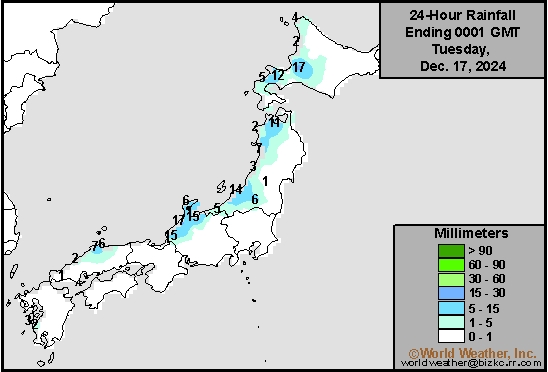
This content is for members only
Low Temperature
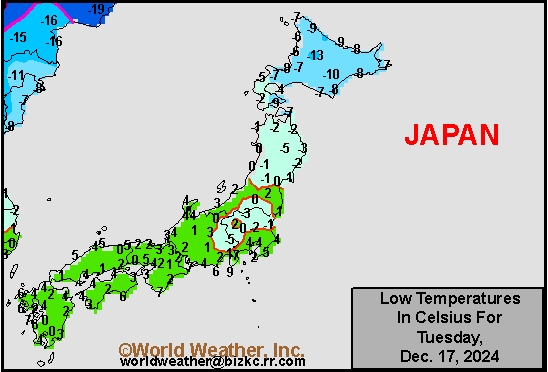
This content is for members only
High Temperature
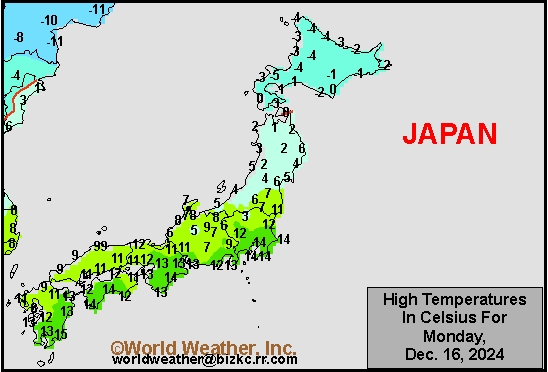
This content is for members only
High Temperature
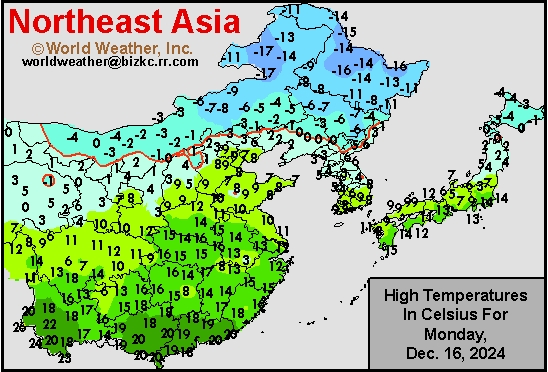
This content is for members only
China Rainfall
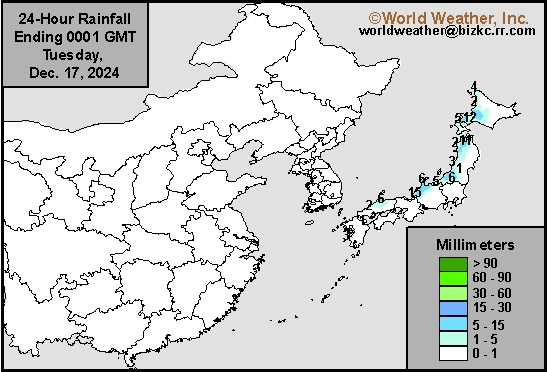
This content is for members only
Low Temperature
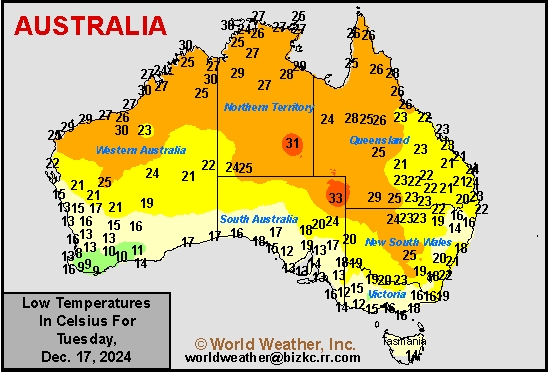
This content is for members only
High Temperature
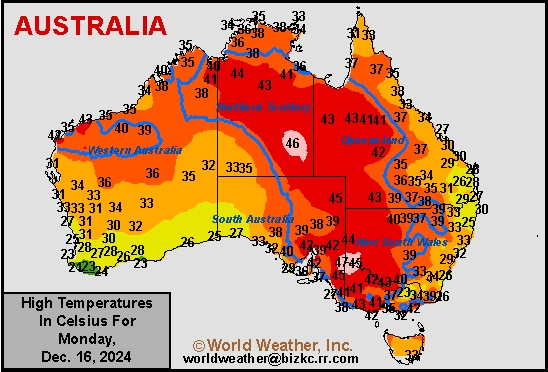
This content is for members only
Austrailia Rainfall
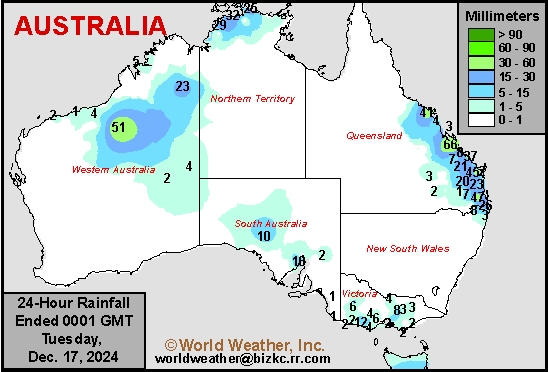
This content is for members only
Subsoil Moisture

This content is for members only
Topsoil Moisture

This content is for members only
Subsoil Moisture
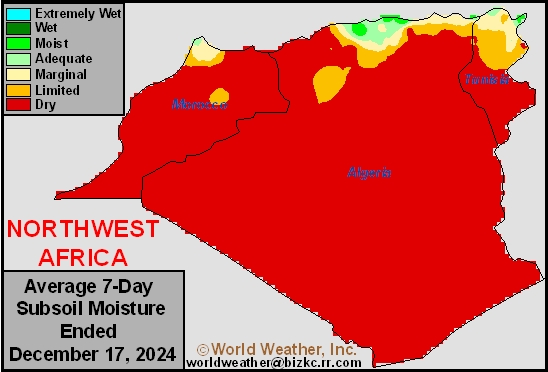
This content is for members only
Topsoil Moisture
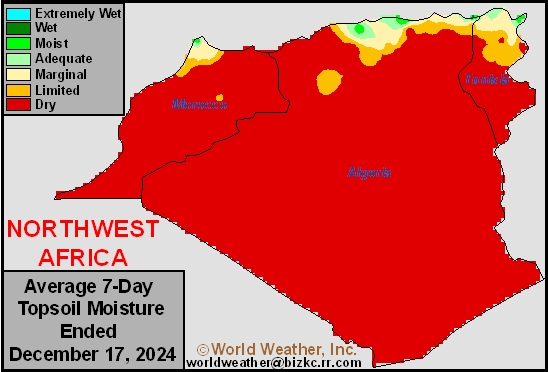
This content is for members only
Subsoil Moisture
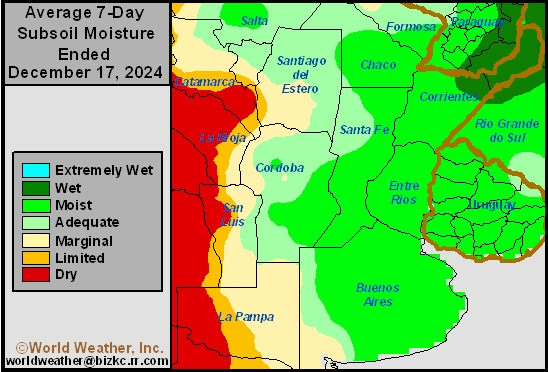
This content is for members only
Topsoil Moisture
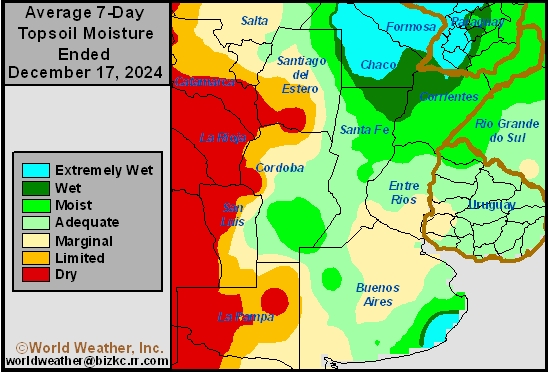
This content is for members only
Subsoil Moisture
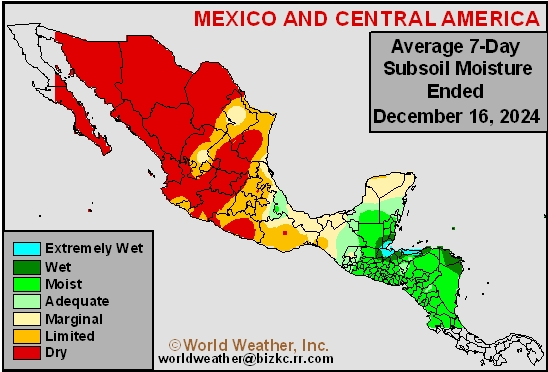
This content is for members only
Topsoil Moisture
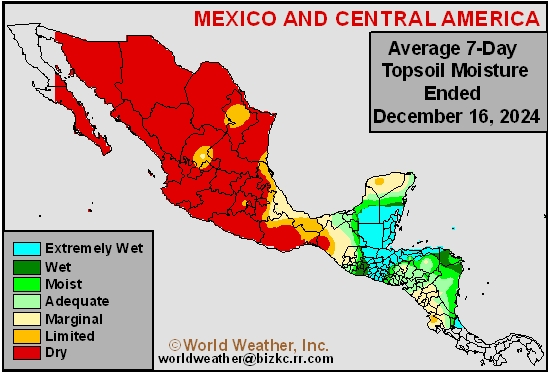
This content is for members only
Subsoil Moisture
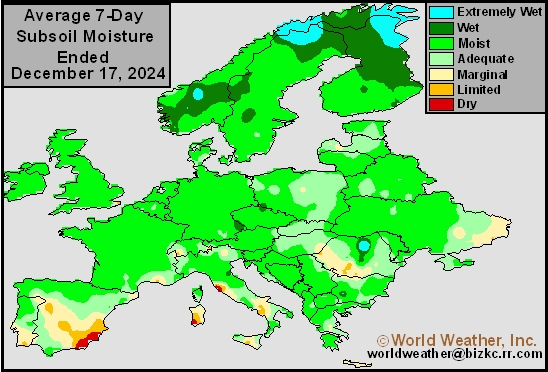
This content is for members only
Topsoil Moisture
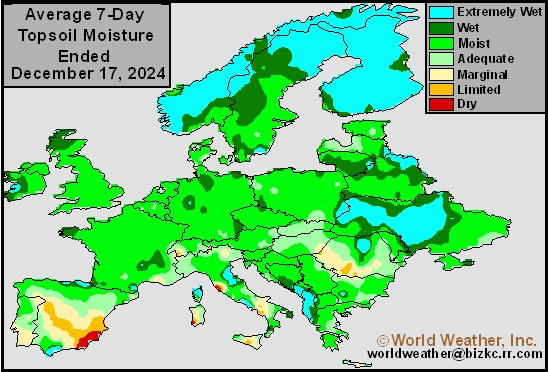
This content is for members only
Subsoil Moisture
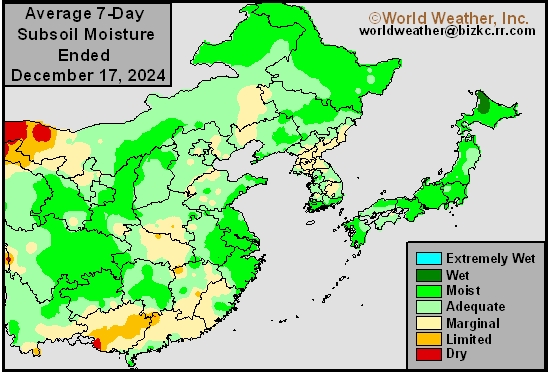
This content is for members only
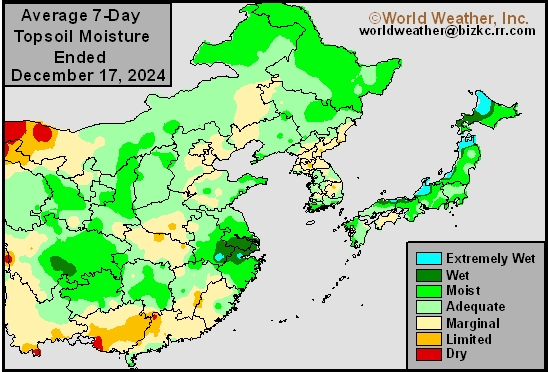
Topsoil Moisture
This content is for members only
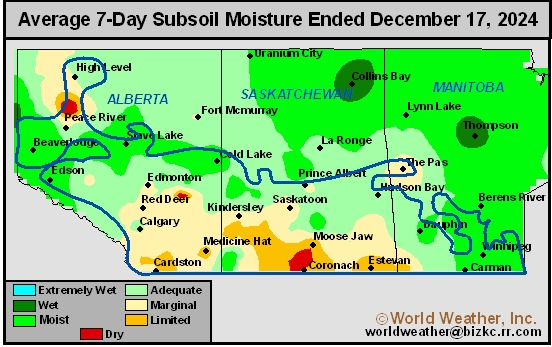
Subsoil Moisture
This content is for members only
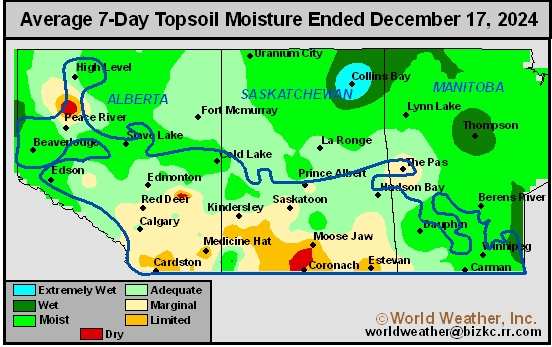
Topsoil Moisture
This content is for members only
Subsoil Moisture

This content is for members only
Topsoil Moisture

This content is for members only
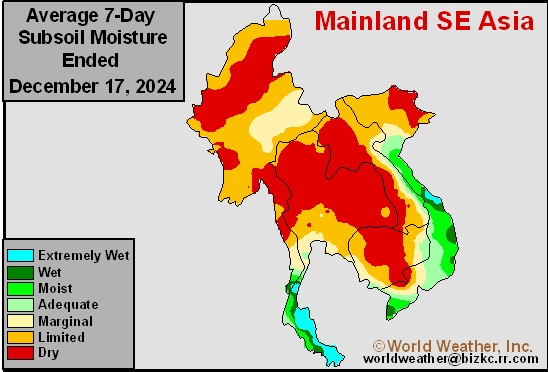
Subsoil Moisture
This content is for members only
Topsoil Moisture
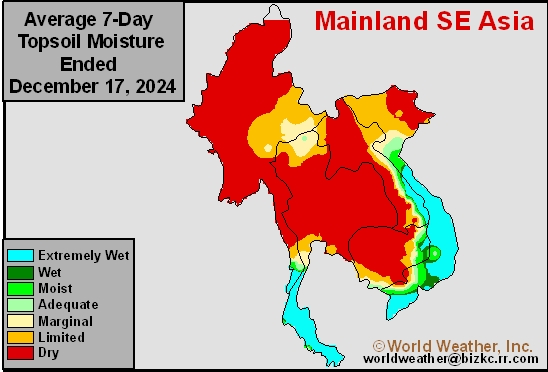
This content is for members only
Subsoil Moisture
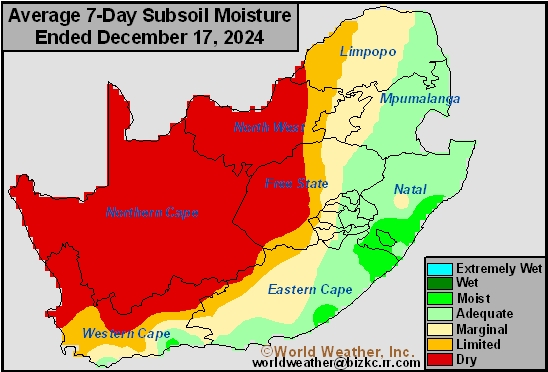
This content is for members only
Topsoil Moisture
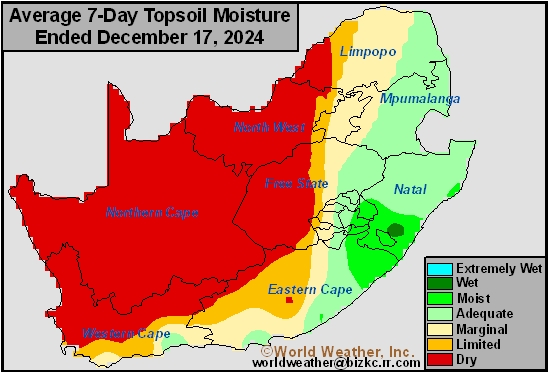
This content is for members only
Subsoil Moisture
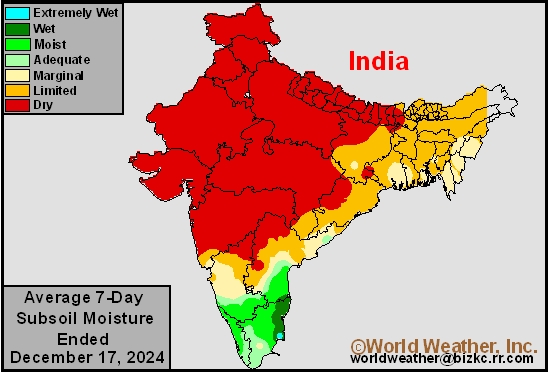
This content is for members only
Topsoil Moisture
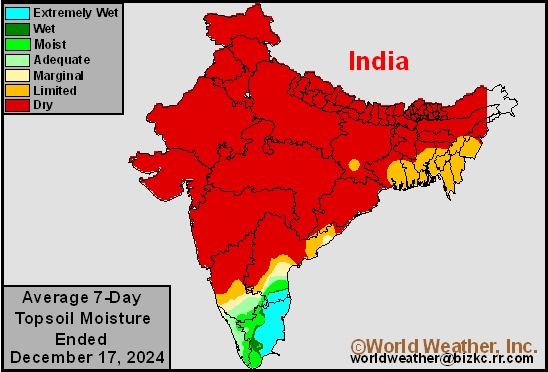
This content is for members only
Subsoil Moisture
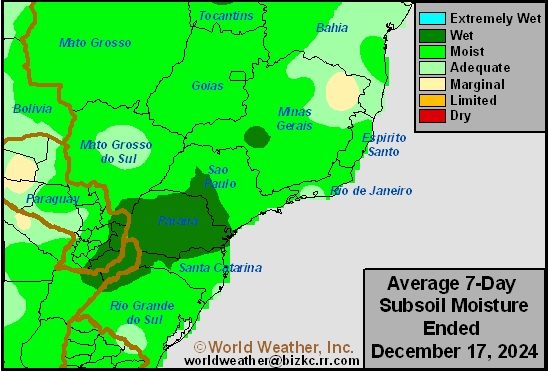
This content is for members only
Topsoil Moisture
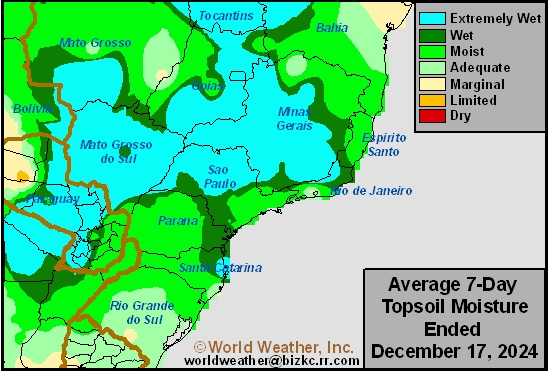
This content is for members only
Subsoil Moisture
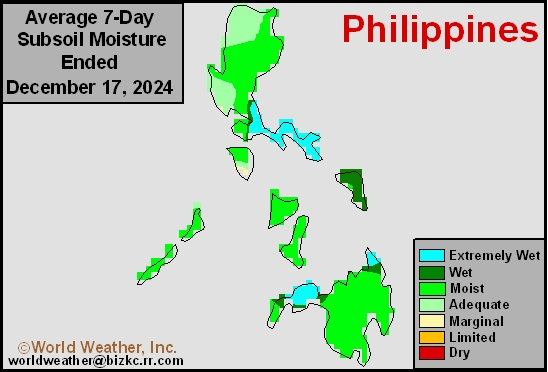
This content is for members only
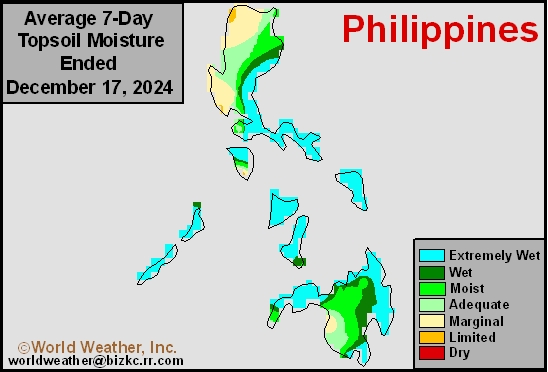
Topsoil Moisture
This content is for members only
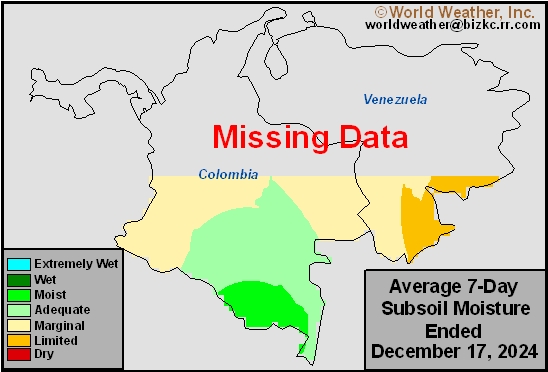
Subsoil Moisture
This content is for members only
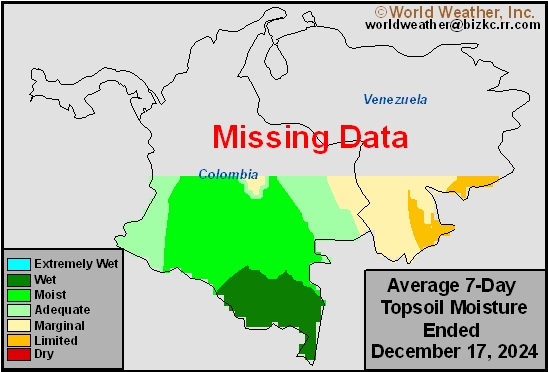
Topsoil Moisture
This content is for members only
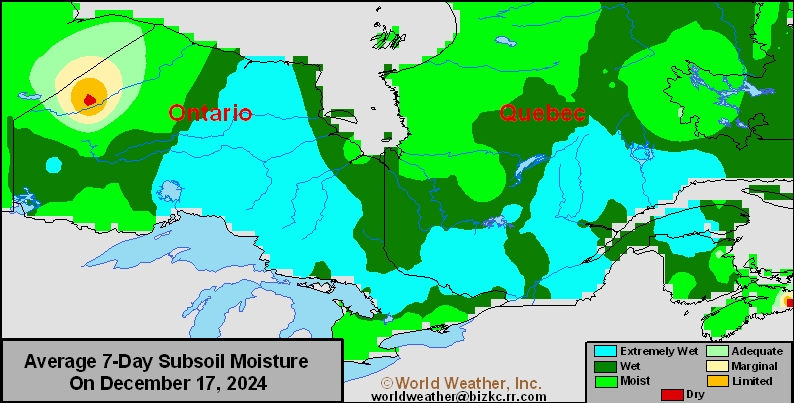
Subsoil Moisture
This content is for members only
Topsoil Moisture
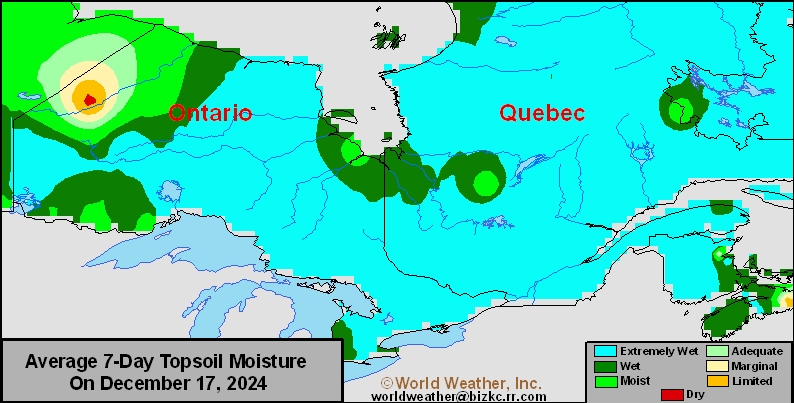
This content is for members only
Subsoil Moisture
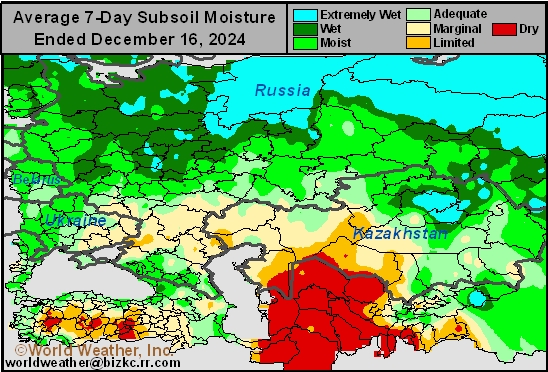
This content is for members only
Topsoil Moisture
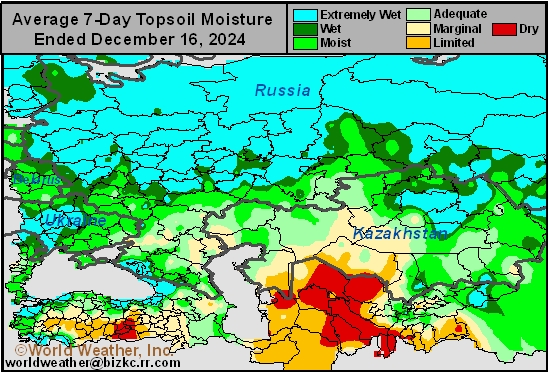
This content is for members only
Subsoil Moisture

This content is for members only
Topsoil Moisture

This content is for members only
Topsoil Moisture
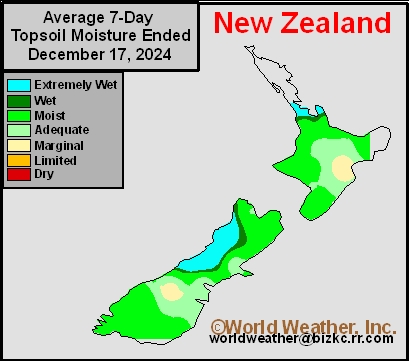
This content is for members only
Subsoil Moisture
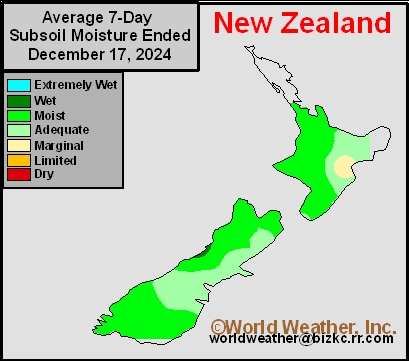
This content is for members only
Subsoil Moisture
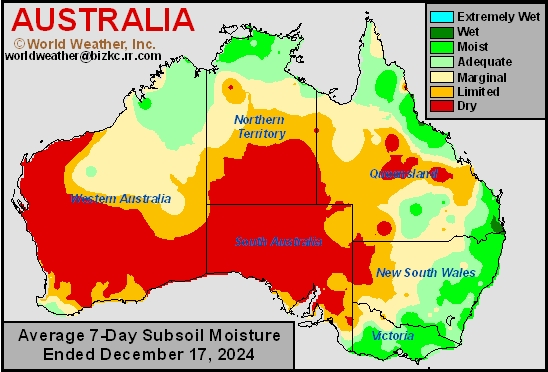
This content is for members only
Topsoil Moisture
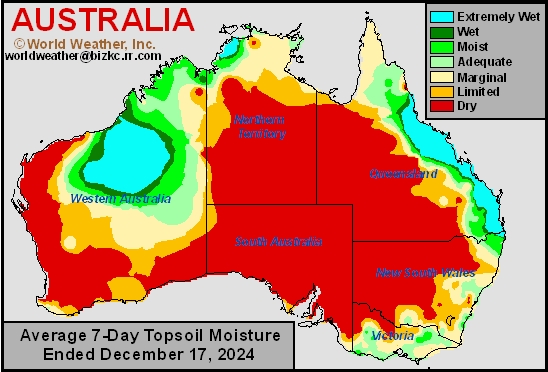
This content is for members only
Canadian Prairies Agricultural Weather Prognosticator For December 5, 2024
Inside this issue of the Canadian Prairies Agricultural Weather Prognosticator is an assessment of November weather and a discussion about whether November weather should or should not be an omen for the winter. Updated forecasts for the Prairies in December and January are included in this issue along with selected soil moisture assessments for around the world. Special reports on Brazil and Argentina were released for this issue as well as an assessment of winter and spring weather in Prairies and how it may have a wetter bias.
North America Temperatures To Finish December Quite Warm
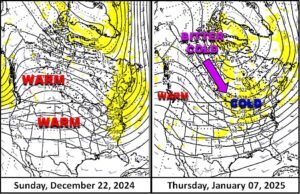
Kansas City, December 16 (World Weather Inc.) – Canada’s Prairies and the far northern U.S. Plains have been among the few regions of the world that have seen bitter cold so far this winter. The cold is expected to prevail this week and then abate leaving North America in a much warmer than usual temperature regime for the balance of December. The earliest that cold weather will return to Canada will be in early January, although there is some suggestion that the cold will eventually stream into the eastern parts of North America by the second week of January. Until then, heating fuel demand will be low and some of the snow cover present to day may melt away.
Brazil Weather Outlook Shows Little Change For A While
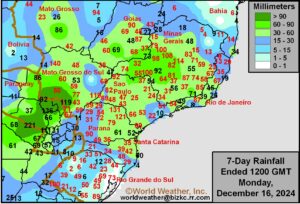
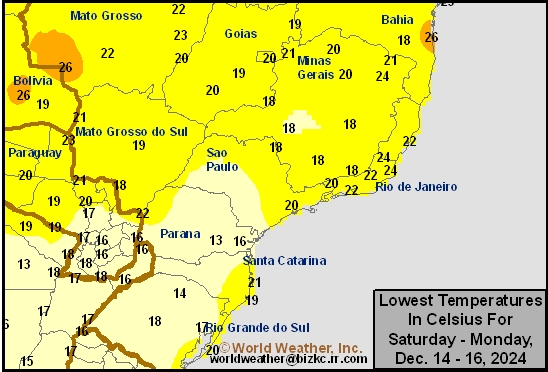
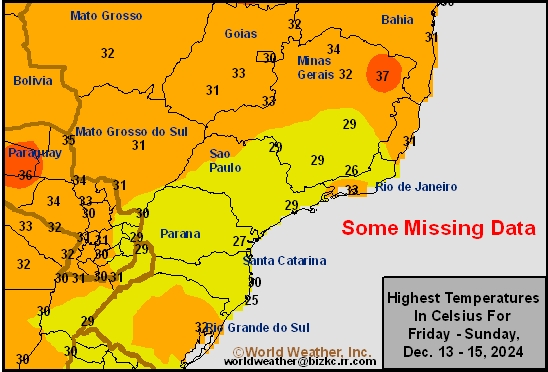
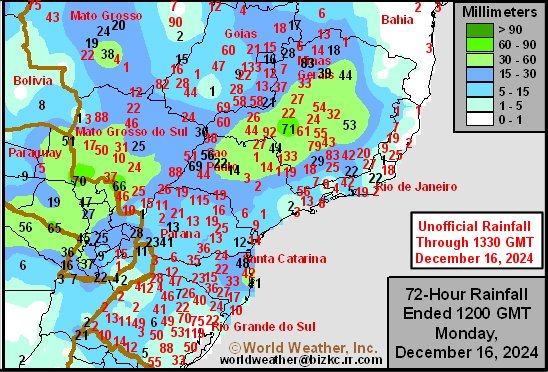
Kansas City, December 16 (World Weather Inc.) – Brazil continued to receive enough rain to support a good environment for soybeans, sugarcane, citrus, coffee, first-season corn, dry beans and other crops produced this time of year. Fieldwork and crop development are moving along swiftly, despite frequent precipitation and the outlook calls for more of the same through the next two weeks. Production potentials are still looking good for most crops, although citrus greening will likely hold back production for those crops.
Lack Of Heat To Help Argentina Deal With Drying Trend
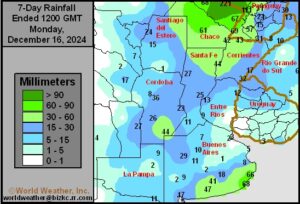
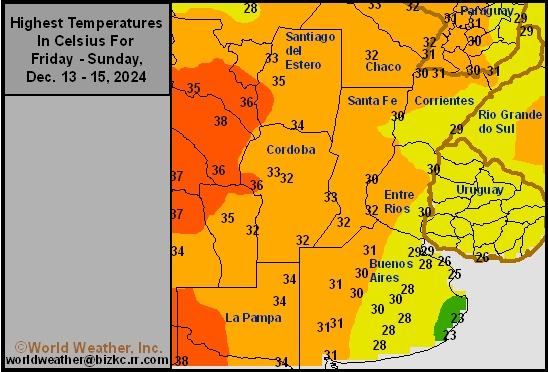
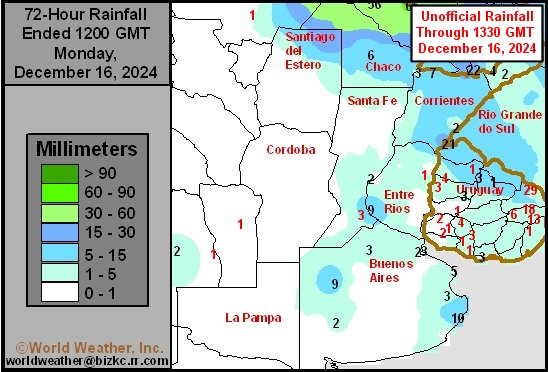
Kansas City, December 16 (World Weather Inc.) – Argentina weather has continued to be very supportive of both fieldwork and crop development in recent weeks. A trend change is about to occur that will restrict rain in southern and east-central parts of the nation during the next 10-12 days and possibly longer. The drying trend will catch the interest of both producers and traders, but unlike the drying trends in recent past years there is not much evidence for excessive heat. The lack of excessive heat should help conserve subsoil moisture which may stave off any potential for serious crop stress until late December or early January and it also provides more time for another trend change to occur improving rainfall before crop stress becomes a greater issue.
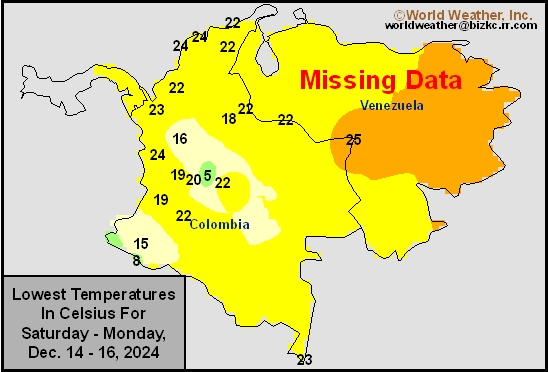
Venezuela/Colombia Min Temps
This content is for members only
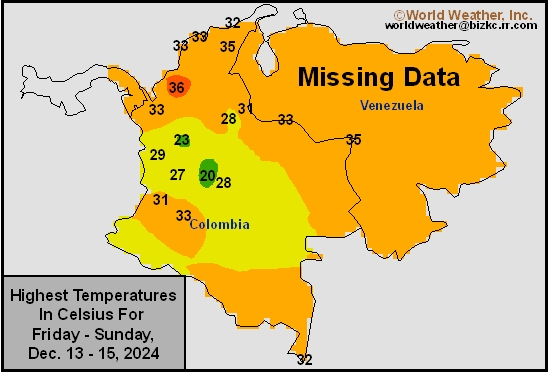
Venezuela/Colombia Max Temps
This content is for members only
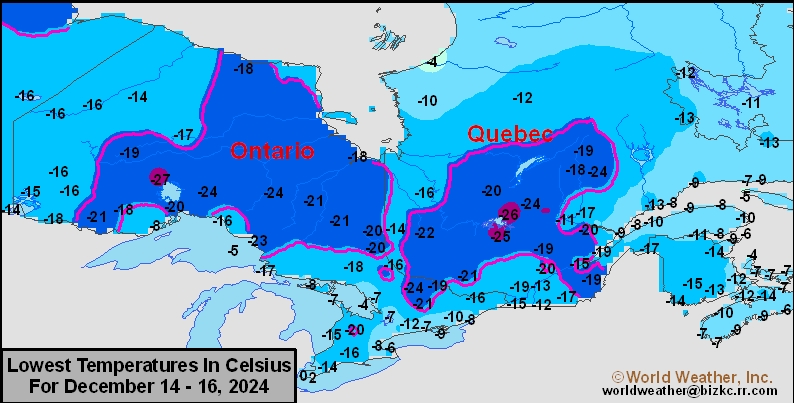
SE Canada Min
This content is for members only
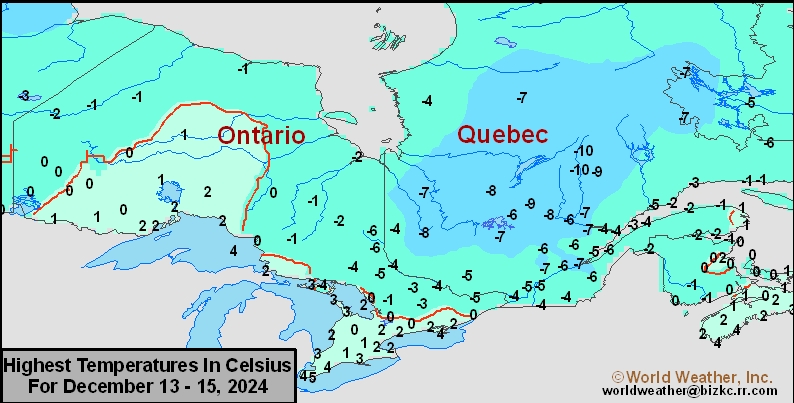
SE Canada Max
This content is for members only
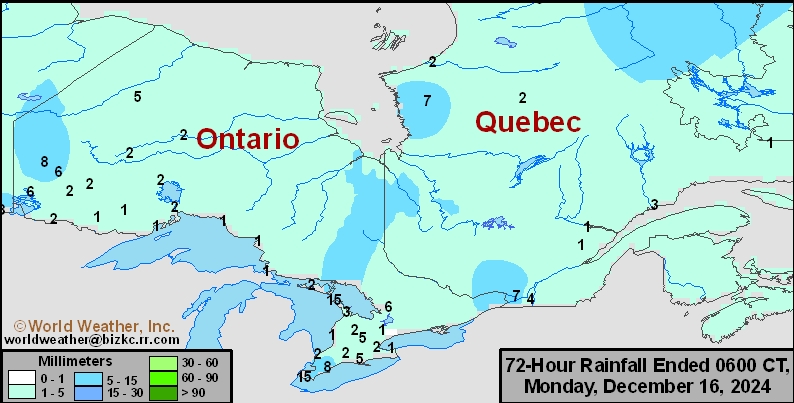
SE Canada Rainfall
This content is for members only
Prairies Rainfall

This content is for members only
Prairies Max Temperature

This content is for members only
Prairies Min Temperature

This content is for members only
Canada Rainfall

This content is for members only
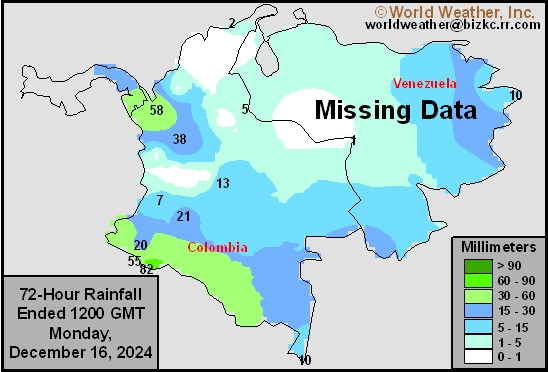
Venezuela Rainfall
This content is for members only
Mexico Min Temperature
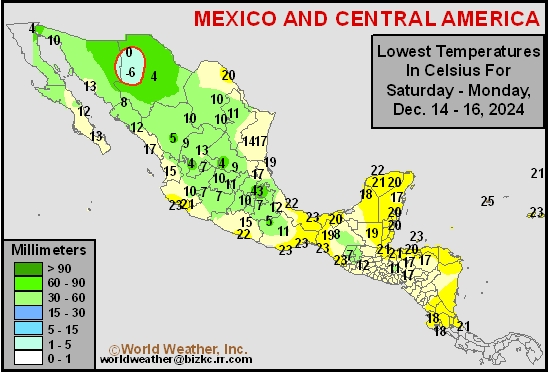
This content is for members only
Mexico Max Temperature
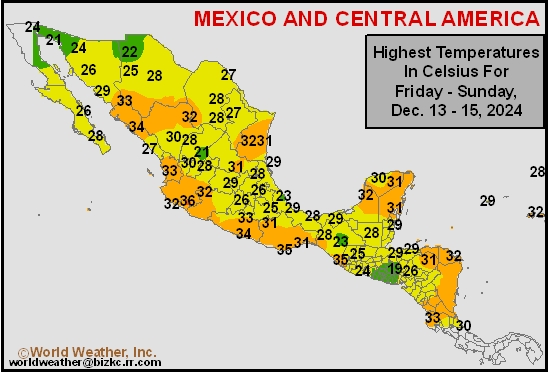
This content is for members only
Mexico Rainfall
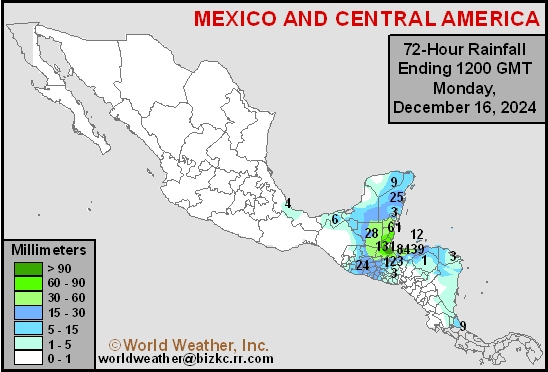
This content is for members only
Argentina Min Temperature
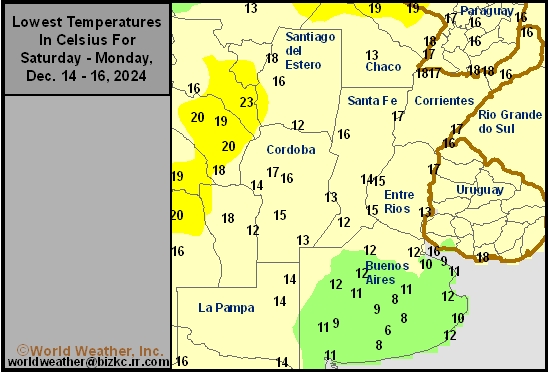
This content is for members only
Argentina Max Temperature
This content is for members only
Argentina Rainfall
This content is for members only
Brazil Min Temperature
This content is for members only
Brazil Max Temperature
This content is for members only
Brazil Rainfall
This content is for members only
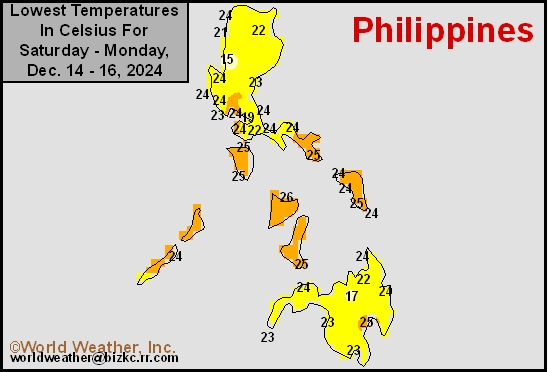
Philippines Min
This content is for members only
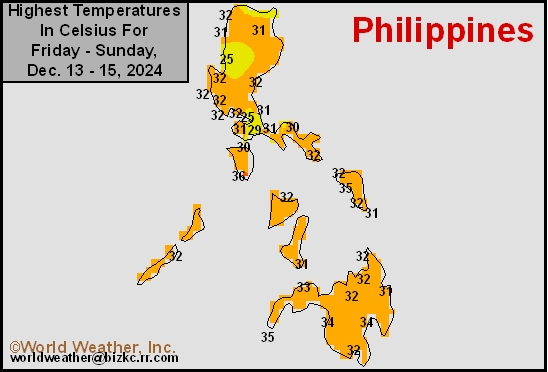
Philippines Max
This content is for members only
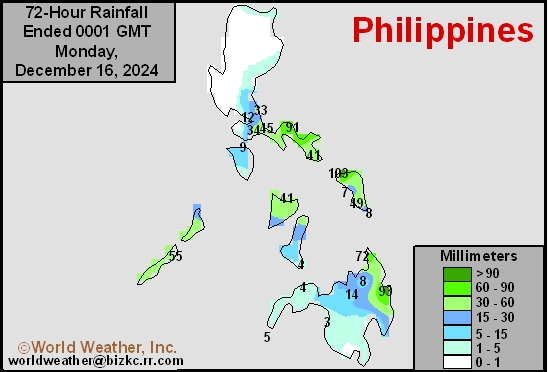
Philippines Rain
This content is for members only
Southeast North Rain
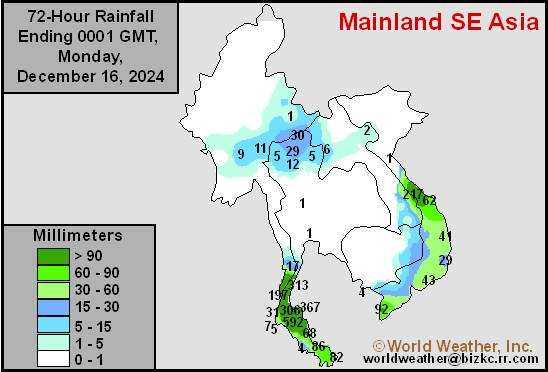
This content is for members only
Southeast North Min
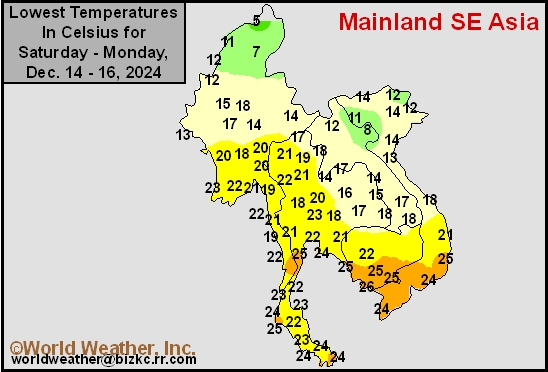
This content is for members only
Southeast North Max
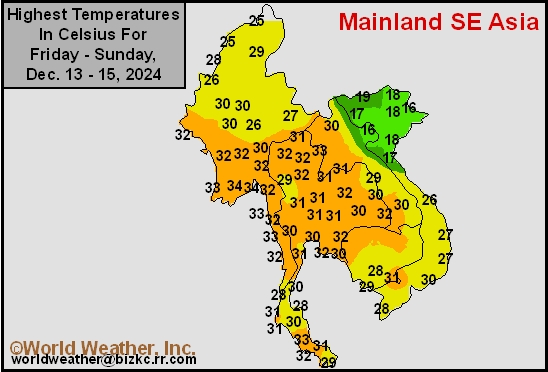
This content is for members only
Southeast Min
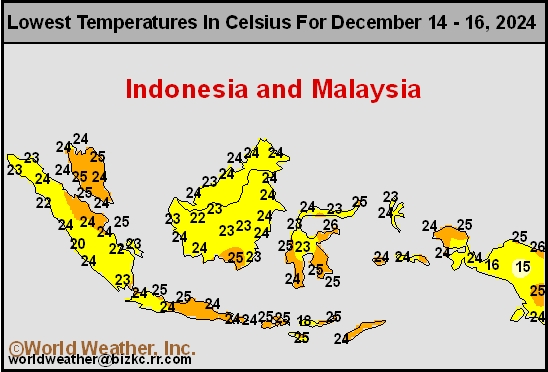
This content is for members only
Southeast Max
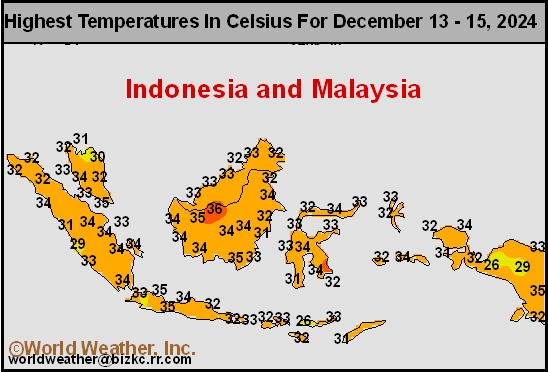
This content is for members only
Southeast Rain
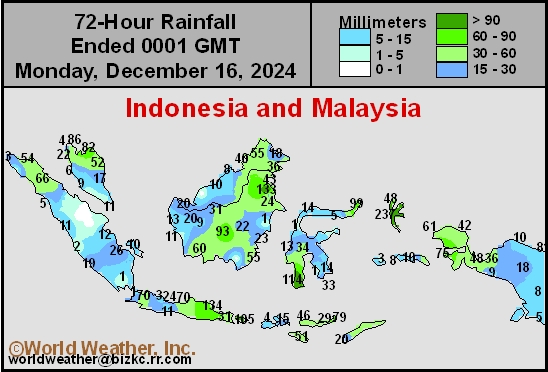
This content is for members only
West Africa Rain
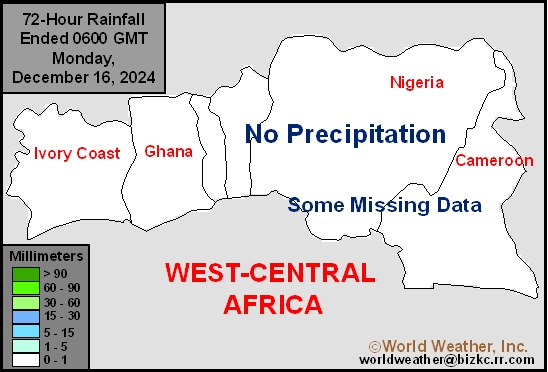
This content is for members only
Max Temperature
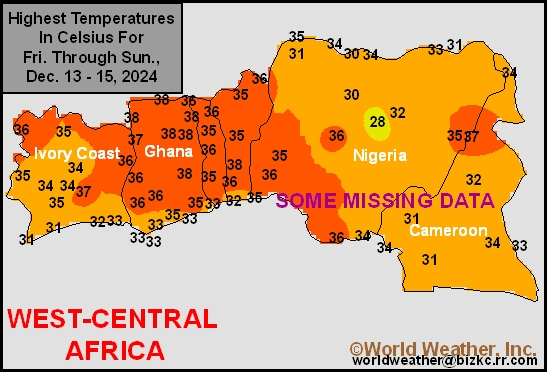
This content is for members only
Min Temperature
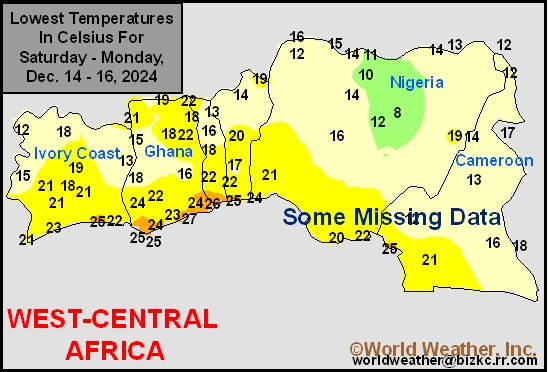
This content is for members only
North Africa Rain
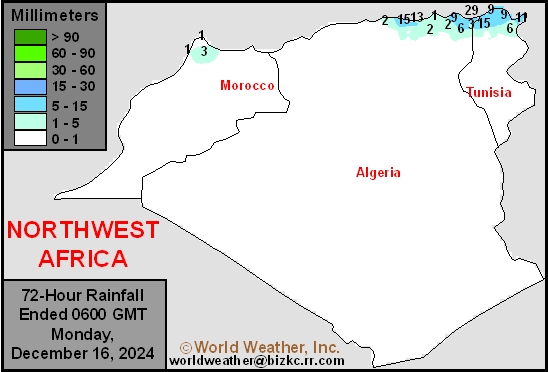
This content is for members only
Max Temperature
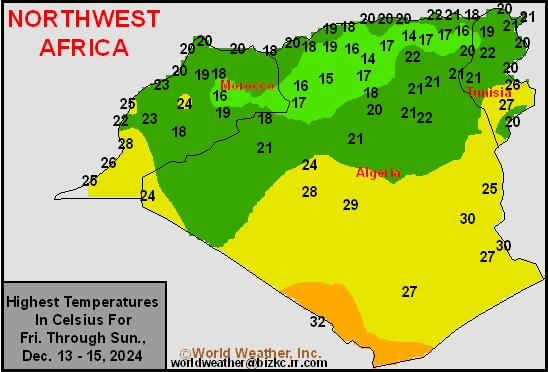
This content is for members only
Min Temperature
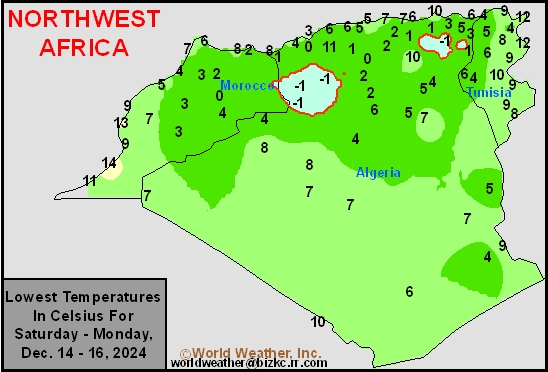
This content is for members only
Min Temperature
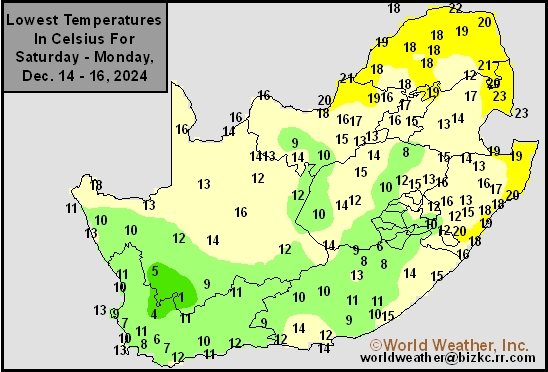
This content is for members only
Max Temperature
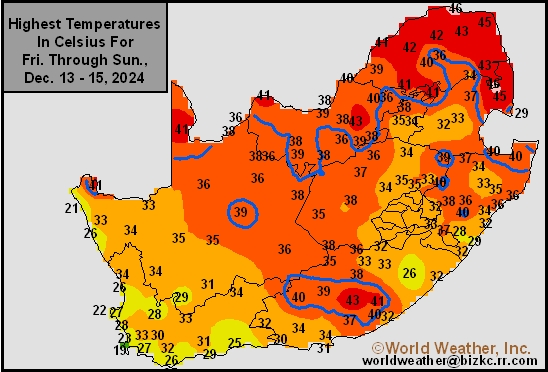
This content is for members only
South Africa Rain
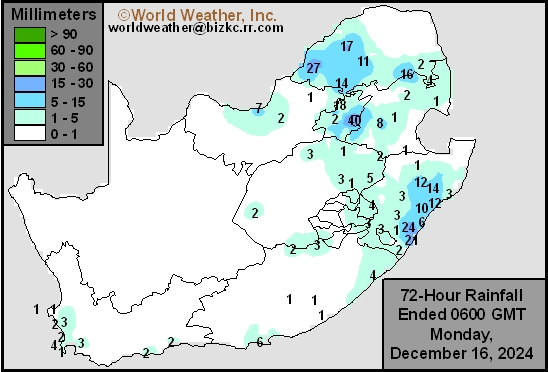
This content is for members only
Hard Red Wheat Tmin
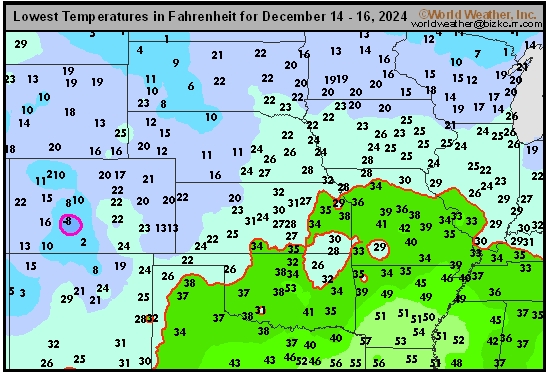
This content is for members only
Northeast Tmin
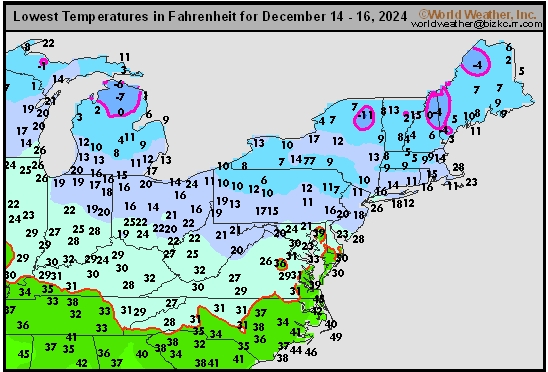
This content is for members only