
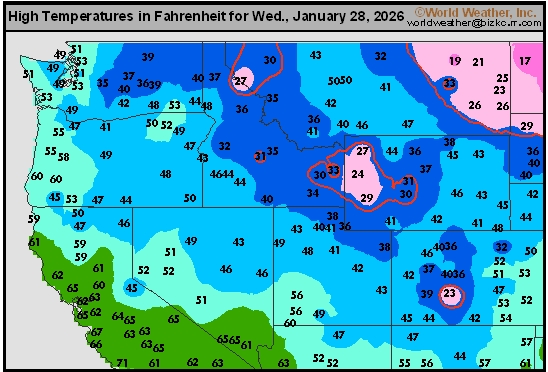
Northwest Tmax
This content is for members only
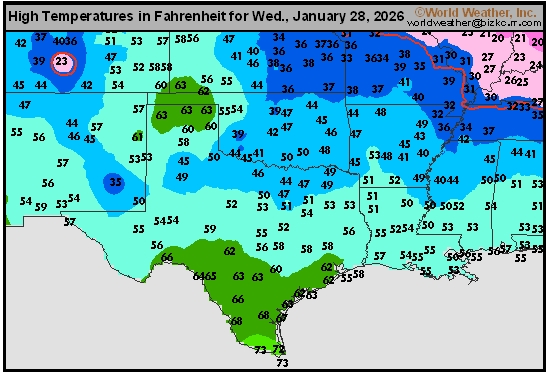
South Plains Tmax
This content is for members only
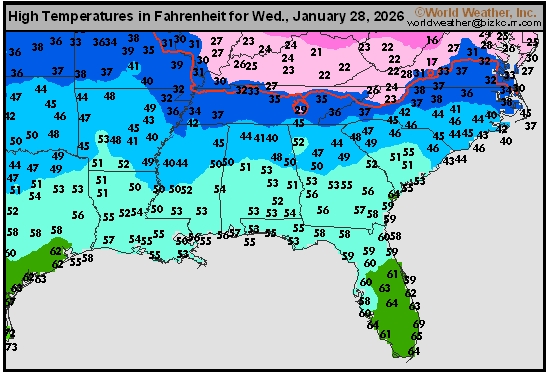
Delta/SE U.S. Tmax
This content is for members only
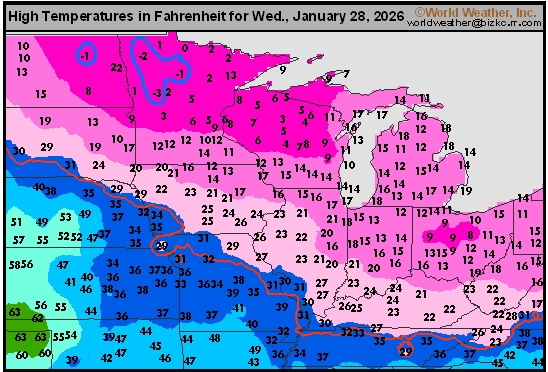
Corn Belt Tmax
This content is for members only
North Plains Tmax
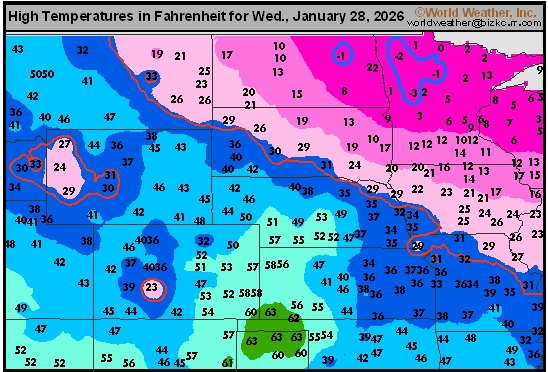
This content is for members only
US Max
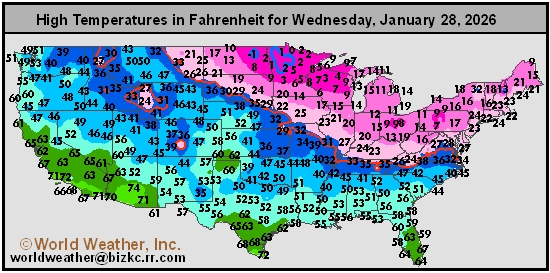
This content is for members only
US Rain
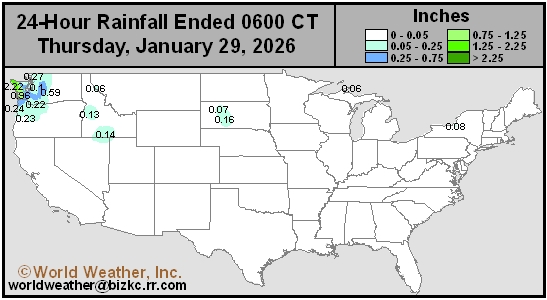
This content is for members only
Northeast Daily Rain
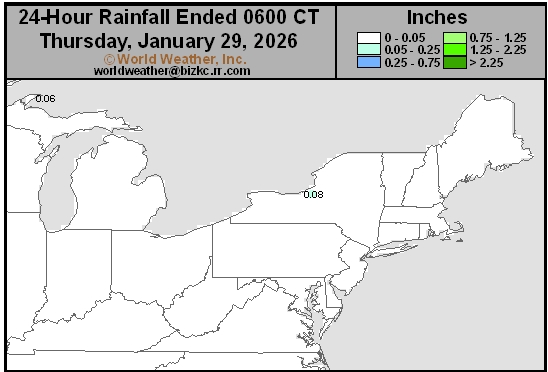
This content is for members only
Hard Red Wheat Daily Rain
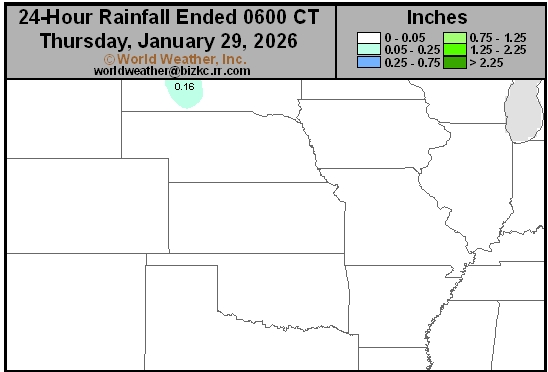
This content is for members only
Southwest Daily Rain
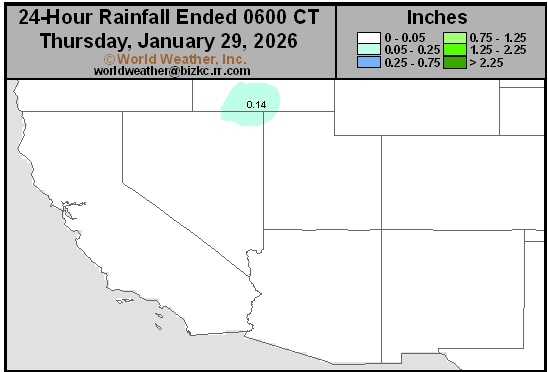
This content is for members only
Northwest Daily Rain
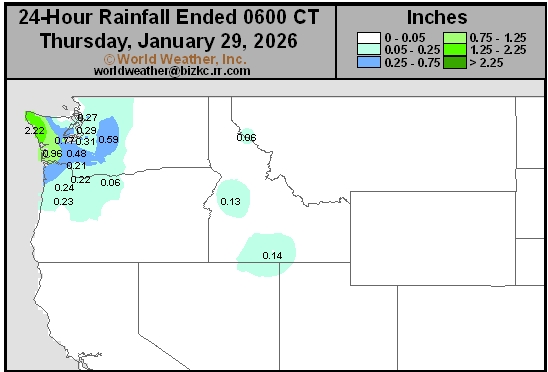
This content is for members only
South Plains Daily Rain
This content is for members only
Delta/SE U.S. Daily Rain
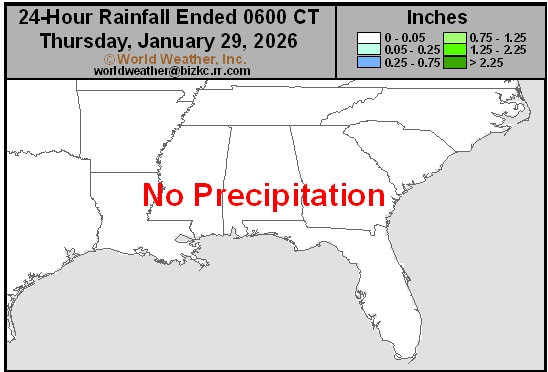
This content is for members only
Corn Belt Daily Rain
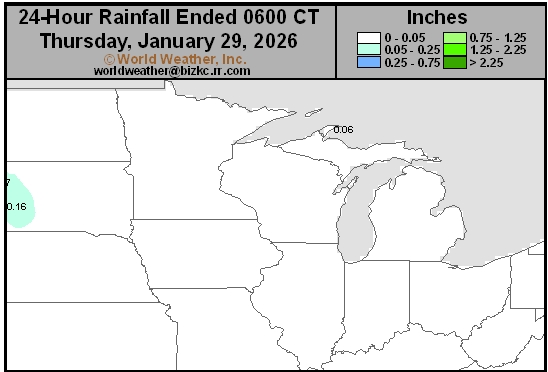
This content is for members only
North Plains Daily Rain
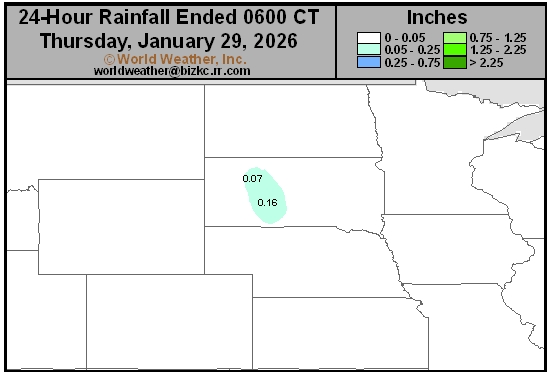
This content is for members only
Low Temperature
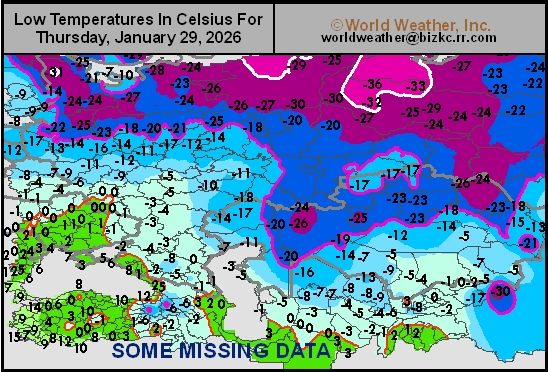
This content is for members only
High Temperature
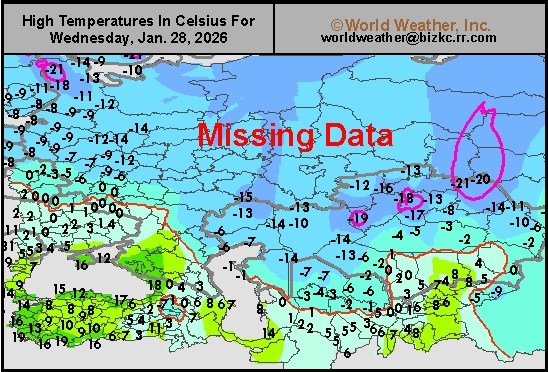
This content is for members only
CIS Rainfall
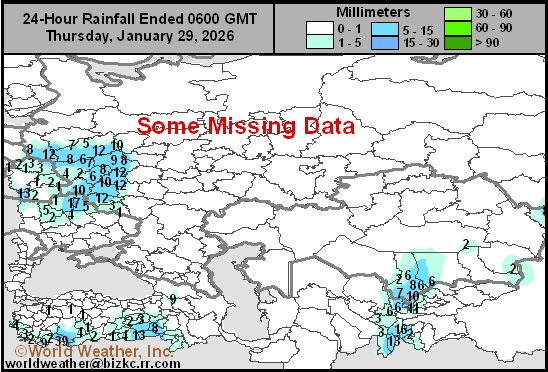
This content is for members only
Low Temperature
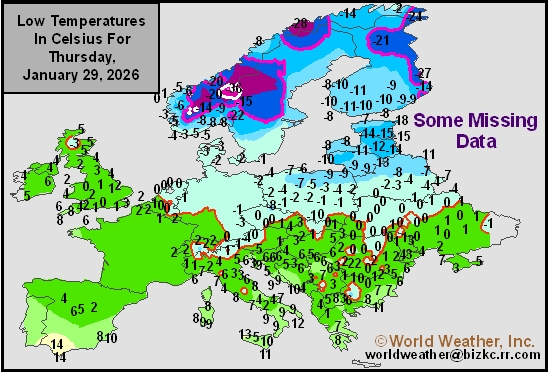
This content is for members only
High Temperature
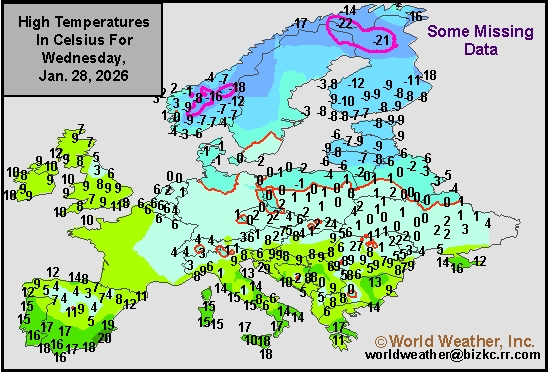
This content is for members only
Europe Rainfall
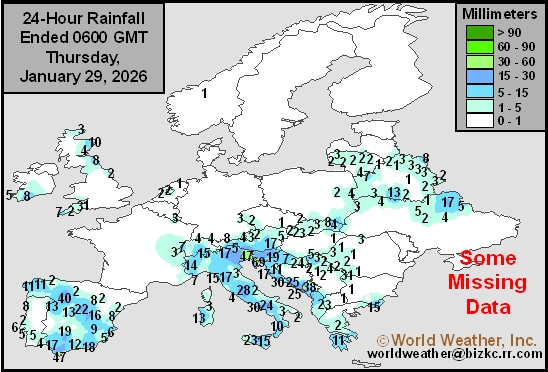
This content is for members only
Low Temperature
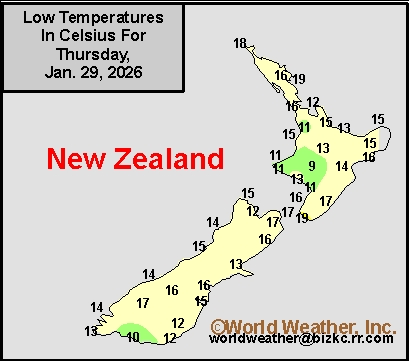
This content is for members only
High Temperature
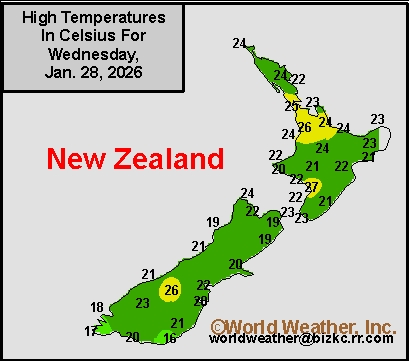
This content is for members only
New Zealand Rainfall
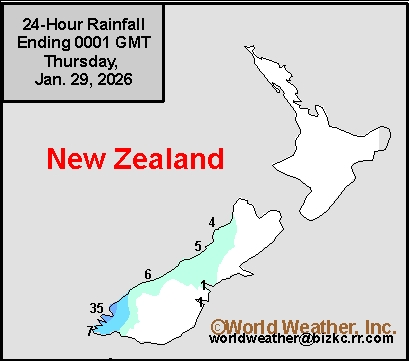
This content is for members only
Low Temperature
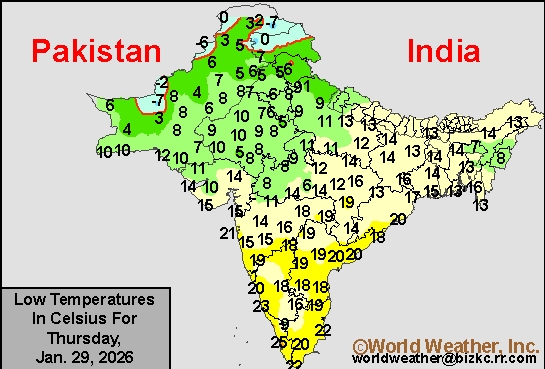
This content is for members only
High Temperature
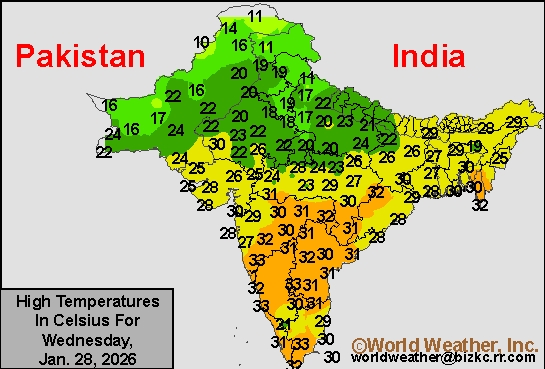
This content is for members only
India Rainfall
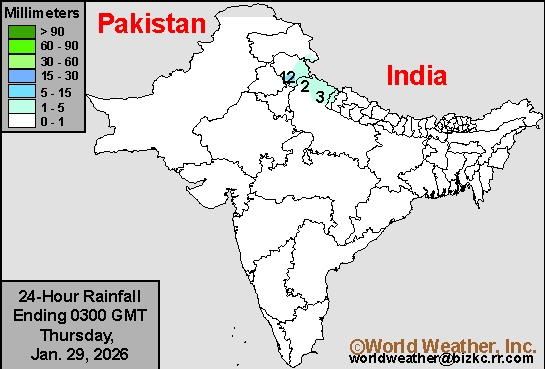
This content is for members only
Low Temperature
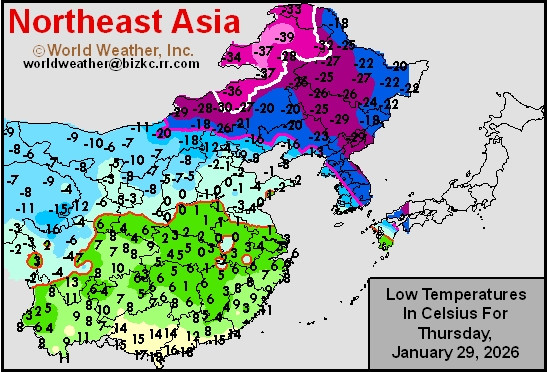
This content is for members only
Japan Rainfall
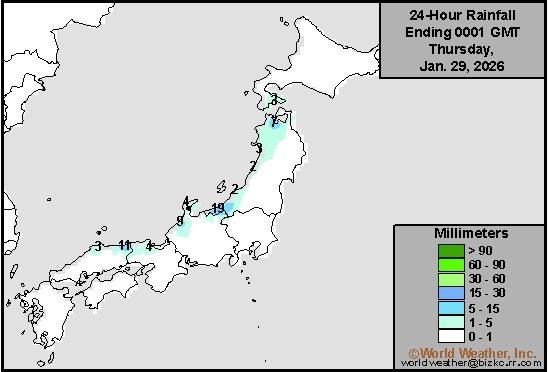
This content is for members only
Low Temperature
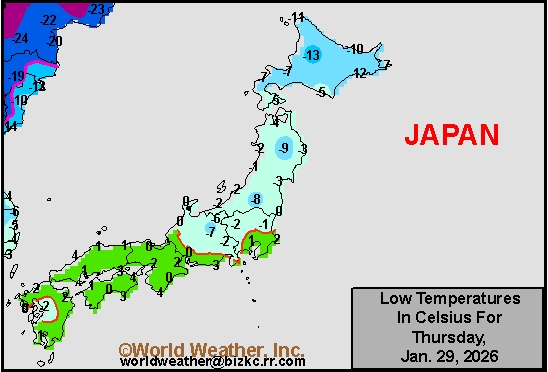
This content is for members only
High Temperature
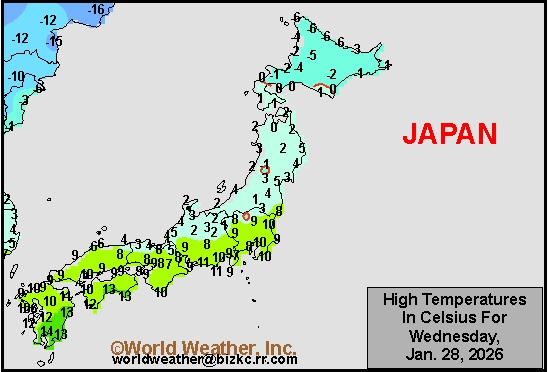
This content is for members only
High Temperature
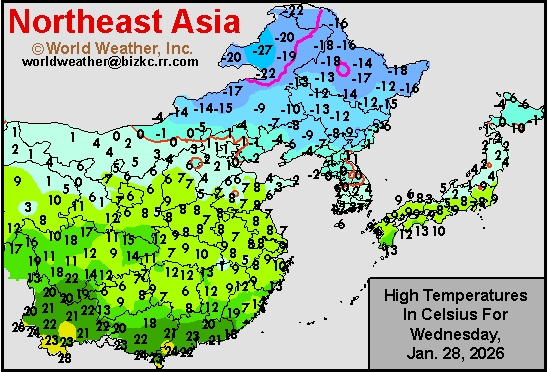
This content is for members only
China Rainfall
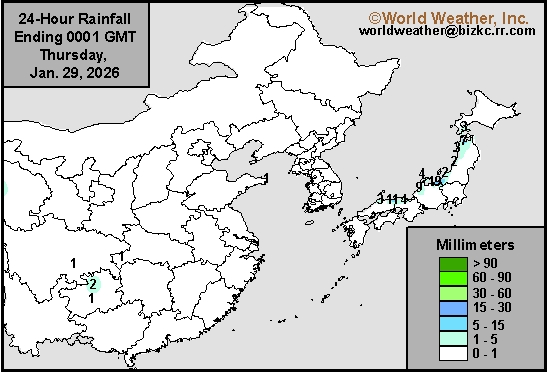
This content is for members only
Low Temperature
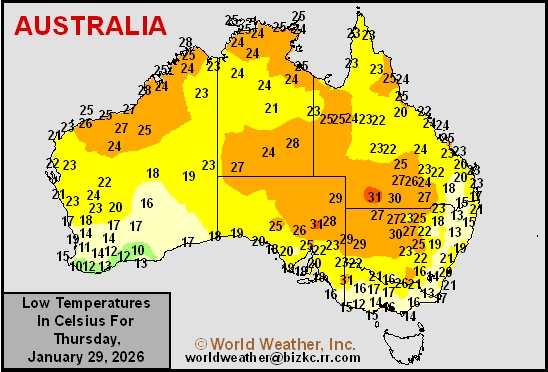
This content is for members only
High Temperature
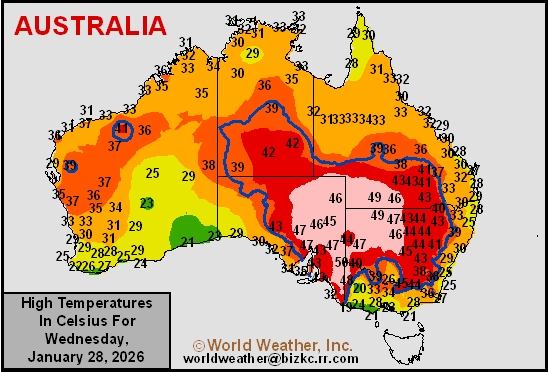
This content is for members only
Austrailia Rainfall
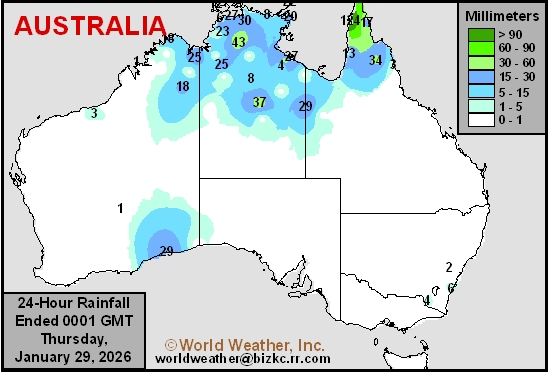
This content is for members only
Florida Citrus At Risk of Freeze Damage Sunday, Monday
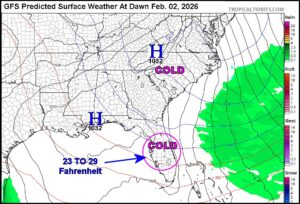
Kansas City, January 30 (World Weather Inc.) – Eastern portions of the United States have been beat up by winter weather in the past week and a final blow to the region is forthcoming this weekend as bitter cold settles in one more time. Unusually cold conditions have already dominated much of the past week, but a final push of arctic air into the eastern states this weekend may push some of the coldest temperatures seen in central Florida in many years. It is not the “perfect storm” for seeing epic cold and crop damage in the region, but temperatures will be low enough to raise the potential for some loss despite the protective steps many producers will take to save the crop. Sugarcane in both Louisiana and Florida will also be nipped.
Australia Still Suffering From Record-Breaking Heat
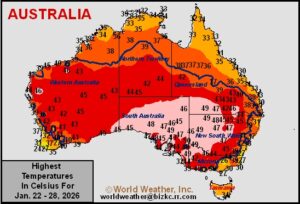
Kansas City, January 30 (World Weather Inc.) – An intense heat wave continued to bake a large section of Australia in recent days. Daytime highs peaked well above 100 degrees Fahrenheit for a week in portions of interior Victoria, New South Wales, Queensland, and South Australia with extreme highs of 115 to 122 common. The harsh environment has caused huge demands for cooling fuel and induced significant power outages and some brush fires. Coarse grain, oilseeds, and cotton have all suffered from the excessive heat and dryness with livestock in the hottest regions being severely stressed resulting in health issues and poor weight gains. The dangerous heat will persist today before gradually coming to an end over the weekend. Crops may continue to wither before rain slowly increases this weekend into the middle of next week. Despite the cooler conditions and spotty rain, production potentials for some crops may have dipped below normal due to the harsh environment.
South Africa Corn, Other Crop Prospects Still Favorable
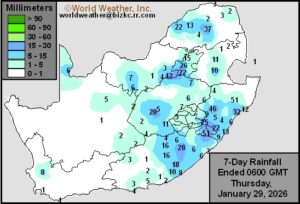
Kansas City, January 29 (World Weather Inc.) – The main production areas in South Africa once again saw a mix of erratic rainfall and sunshine during the past week. Conditions for the coarse grains, oilseeds, cotton, and other crops remain relatively favorable for much of the country. However, there is still a need for more significant rain in western fringes of Free State and North West, which continued to dry down despite some spotty rain. These areas not major production areas, though the crops that are grown here are in need of moisture to support ideal development. Eastern and central South Africa will continue to see a mix of erratic rain and sunshine for at least the next seven days. While crop conditions will remain good in a large section of crop country, dryness will prevail in western Free State and North West where unirrigated yields are likely slipping lower.
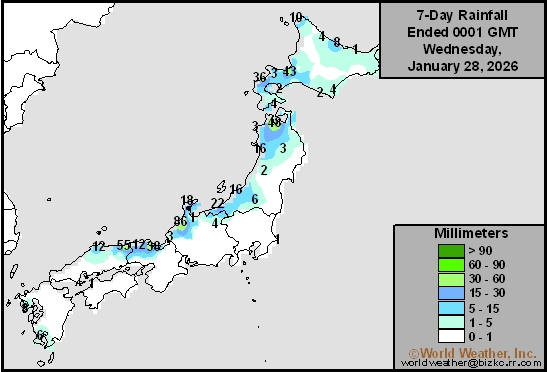
7-Day Rainfall
This content is for members only
7-Day Rainfall
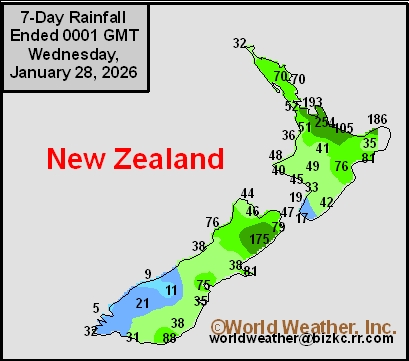
This content is for members only
7-Day Rainfall
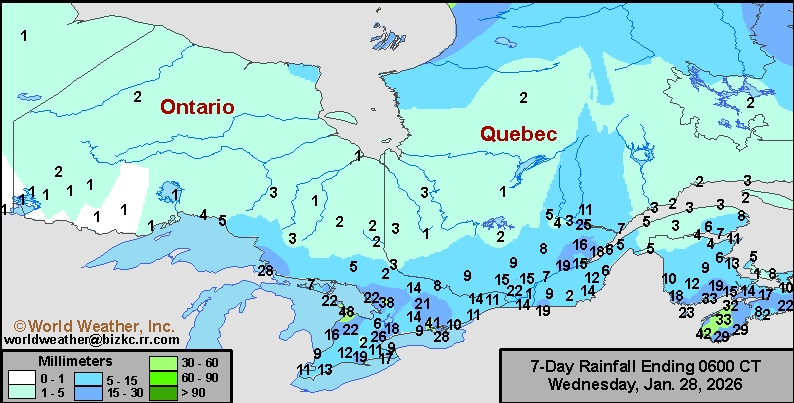
This content is for members only
7-Day Rainfall
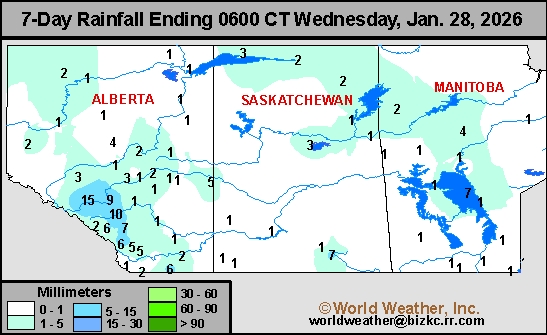
This content is for members only
7-Day Rainfall
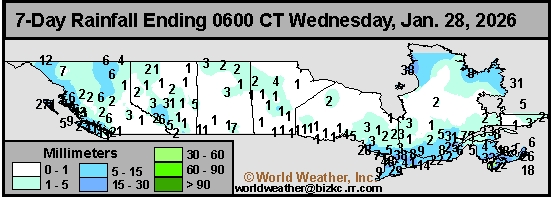
This content is for members only
7-Day Rainfall
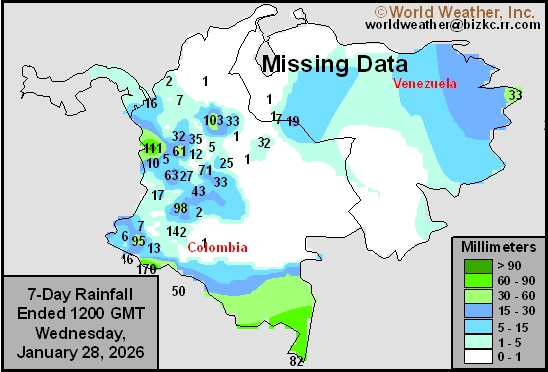
This content is for members only
7-Day Rainfall
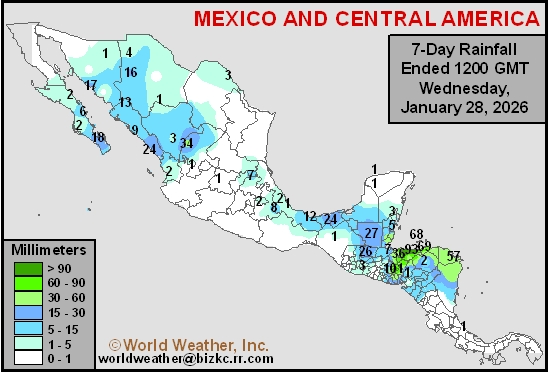
This content is for members only
Hard Red Wheat 7-Day Rain
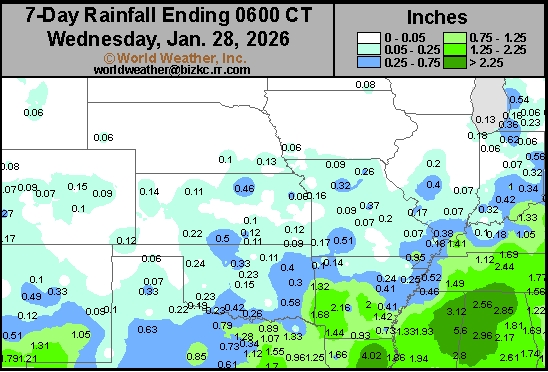
This content is for members only
Northeast 7-Day Rain
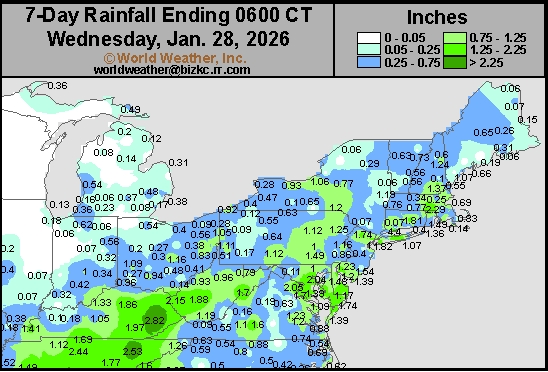
This content is for members only
Southwest 7-Day Rain
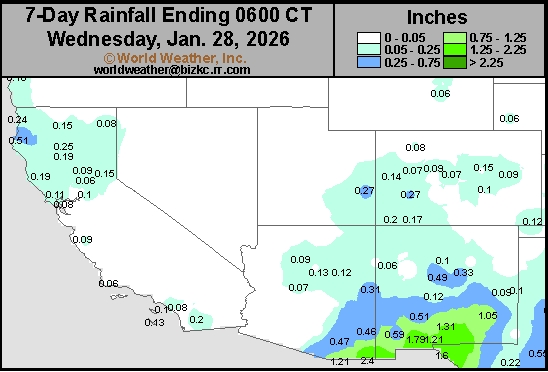
This content is for members only
Northwest 7-Day Rain
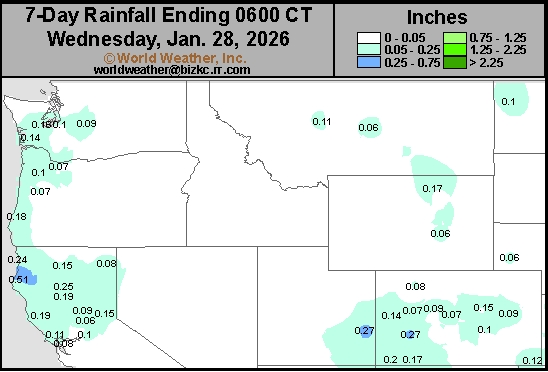
This content is for members only
South Plains 7-Day Rain
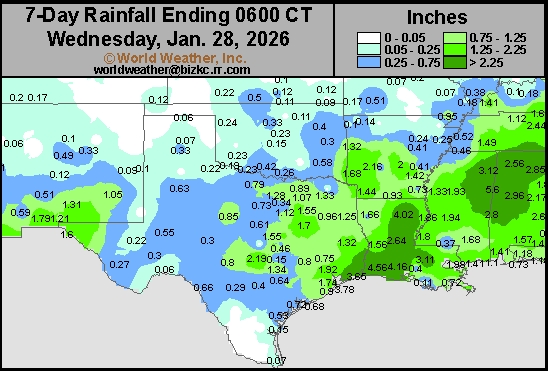
This content is for members only
Delta/SE U.S. 7-Day Rain
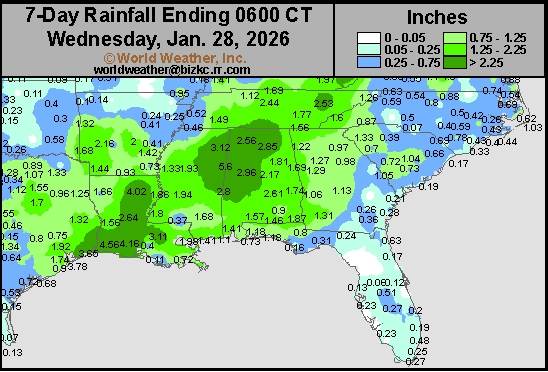
This content is for members only
Corn Belt 7-Day Rain
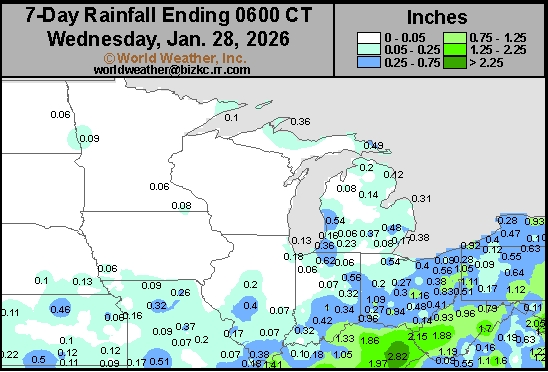
This content is for members only
North Plains 7-Day Rain
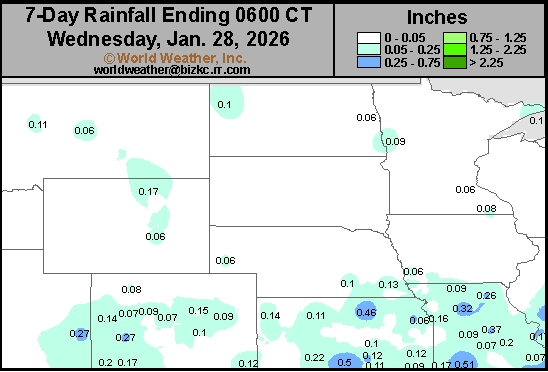
This content is for members only
7-Day Rainfall
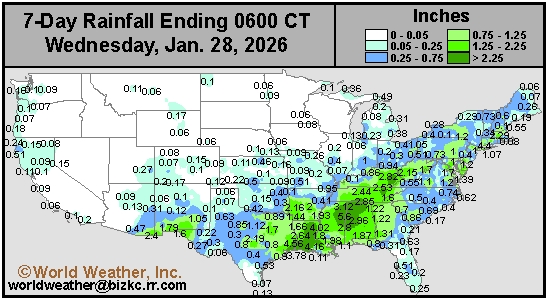
This content is for members only
7-Day Rainfall
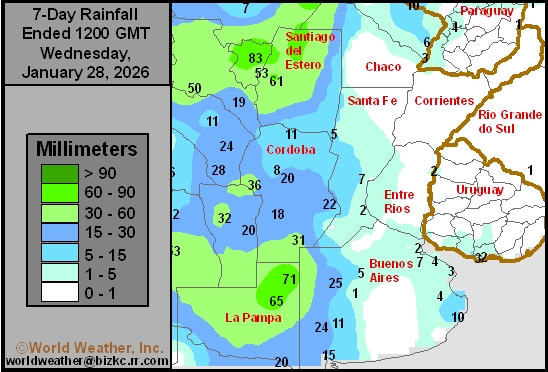
This content is for members only
7-Day Rainfall
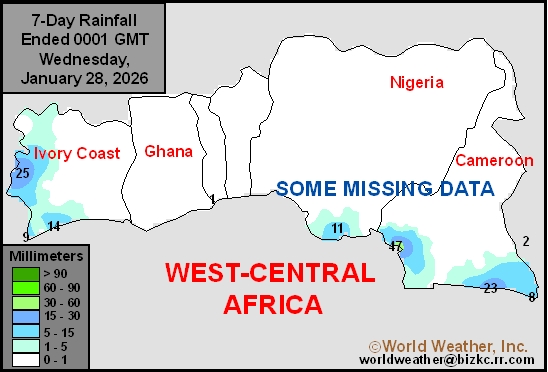
This content is for members only
7-Day Rainfall
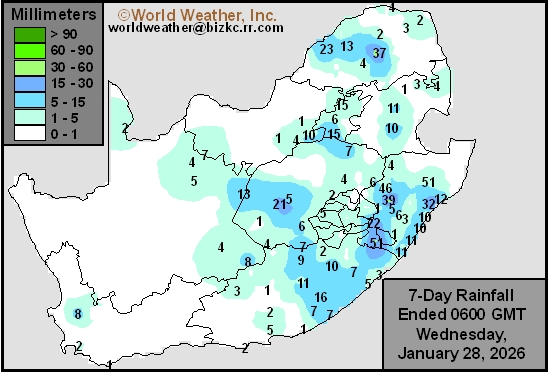
This content is for members only
7-Day Rainfall
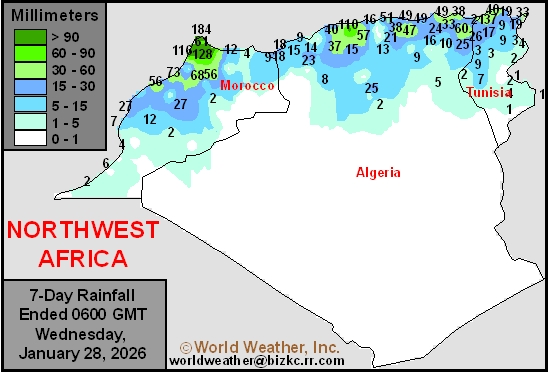
This content is for members only
7-Day Rainfall
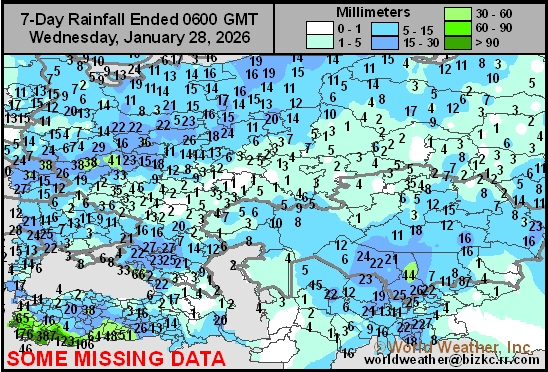
This content is for members only
7-Day Rainfall
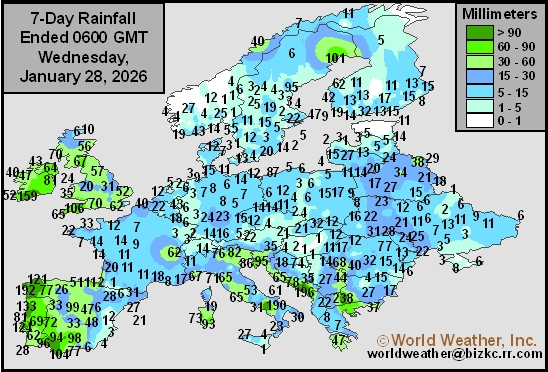
This content is for members only
7-Day Rainfall
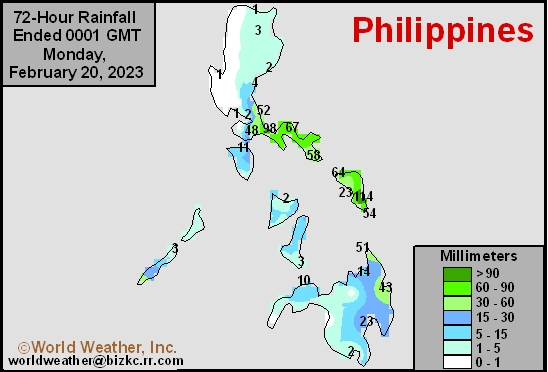
This content is for members only
7-Day Rainfall
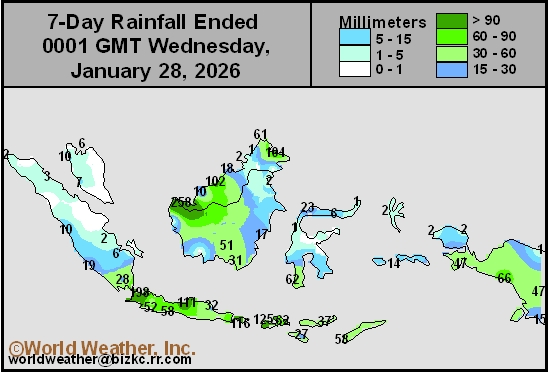
This content is for members only
7-Day Rainfall
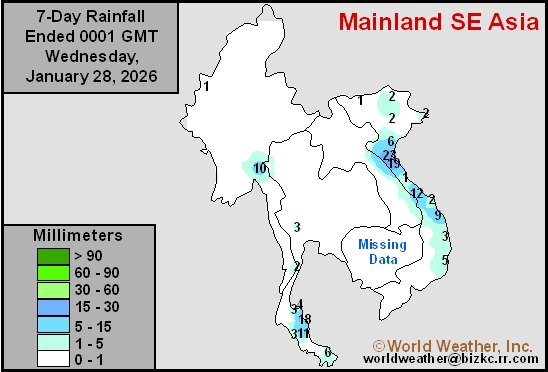
This content is for members only
7-Day Rainfall
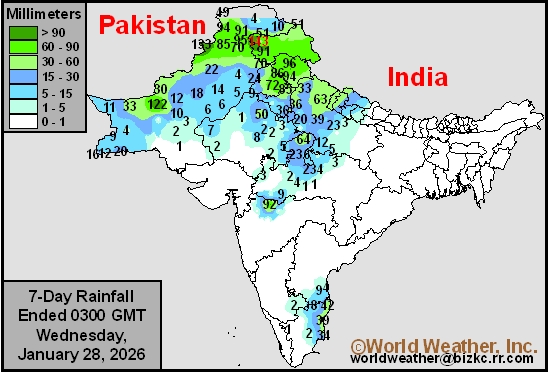
This content is for members only
7-Day Rainfall
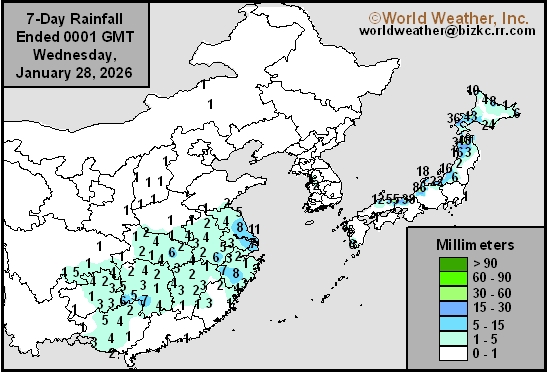
This content is for members only
7-Day Rainfall
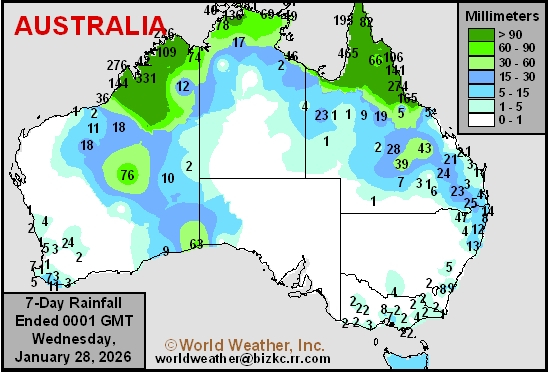
This content is for members only
Soil Temperature
This content is for members only
Soil Temperature
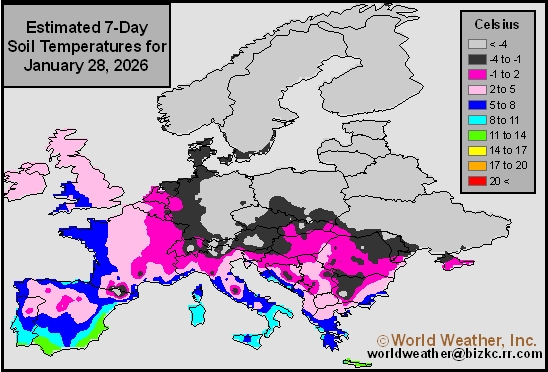
This content is for members only
Soil Temperature
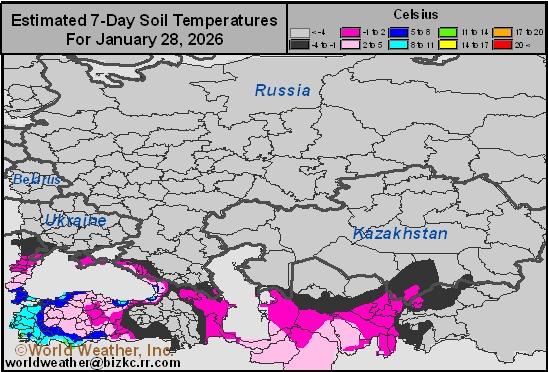
This content is for members only
Soil Temperature
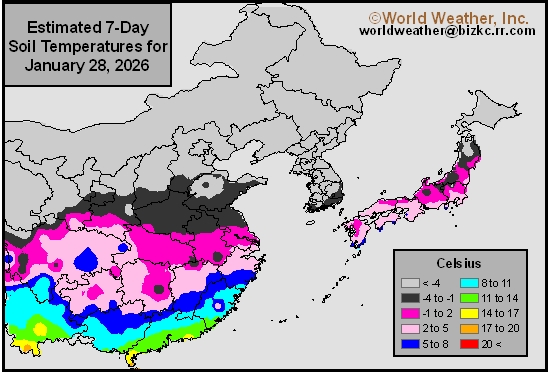
This content is for members only
Soil Temperature
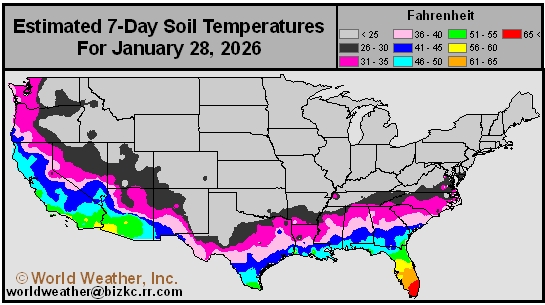
This content is for members only
Northwest Africa Production Potentials Remain Favorable
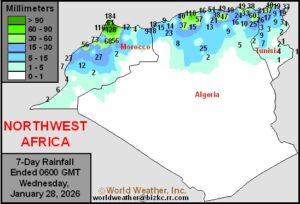
Kansas City, January 28 (World Weather Inc.) – Wetter-than-usual conditions continued to lift soil moisture and water storage levels across Morocco in recent weeks. The rain has improved or even erased the multi-year drought that plagued the country for the past several years. Production potentials remain much improved compared to recent years. Algeria and Tunisia also received timely rain in recent weeks that has been beneficial for the winter grains and oilseeds. Northwestern Africa will continue to have several opportunities for precipitation through the middle of next week. The moisture profile will further increase and overall production potentials will remain favorable.
China’s Winter Crops In Good Shape; Southeast In Drought
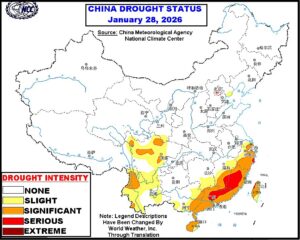
Kansas City, January 28 (World Weather Inc.) – The main winter wheat and rapeseed production areas in China still have adequate amounts of moisture despite several areas receiving little to no precipitation during the past week. Temperatures have been cold enough to limit drying without promoting significant winterkill so far this winter. The Yangtze River Basin and portions of the North China Plain will see a mix of precipitation and sunshine through the middle of next week and crop prospects will remain relatively favorable. In the meantime, southeastern China trended drier than usual in recent months. The region is in a drought and in need of more significant rain. Precipitation will be limited for at least the next week to ten days. The need for timely rain will be high later in February and March ahead of early season rice planting.
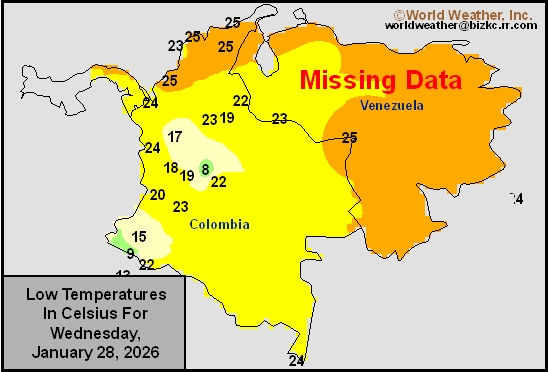
Venezuela/Colombia Min Temps
This content is for members only
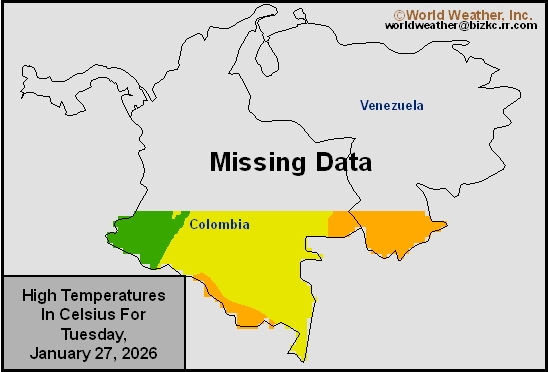
Venezuela/Colombia Max Temps
This content is for members only
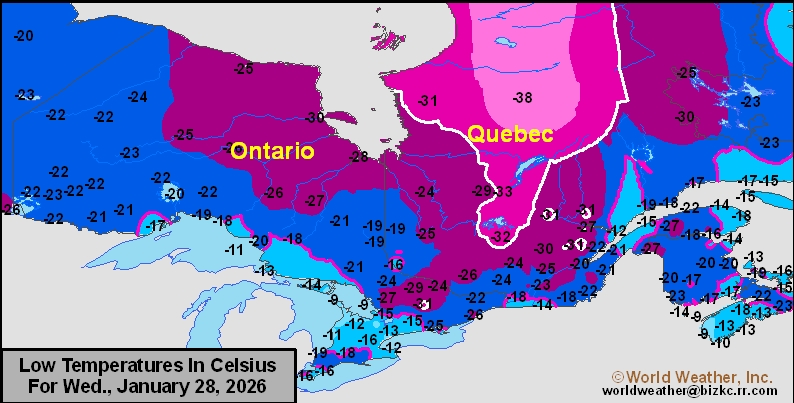
SE Canada Min
This content is for members only
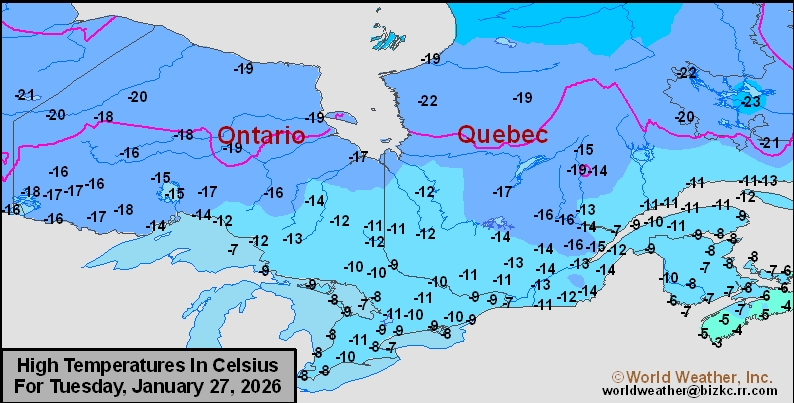
SE Canada Max
This content is for members only
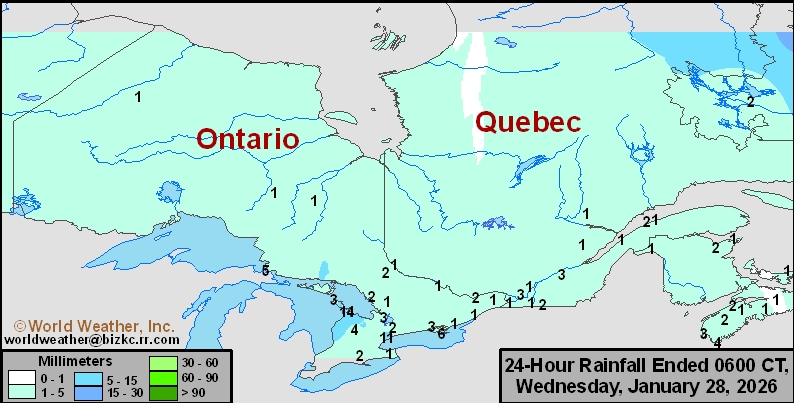
SE Canada Rainfall
This content is for members only
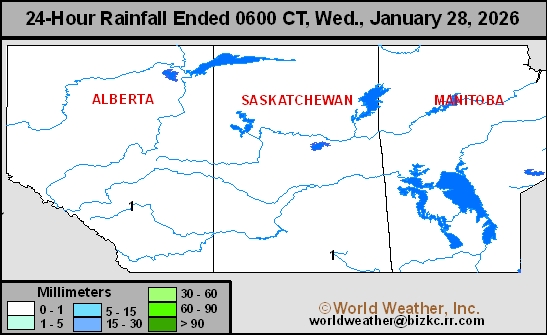
Prairies Rainfall
This content is for members only
Prairies Max Temperature
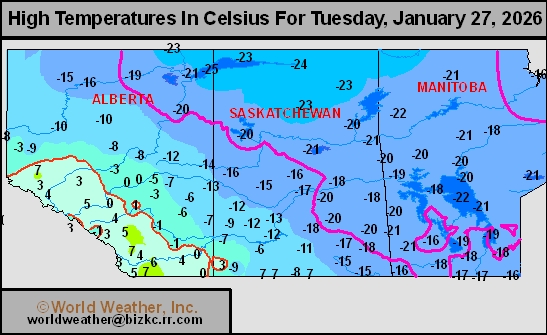
This content is for members only
Prairies Min Temperature
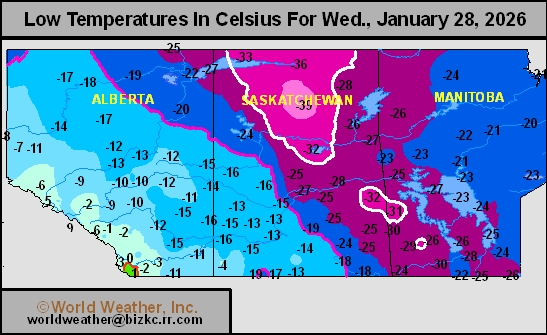
This content is for members only
Canada Rainfall
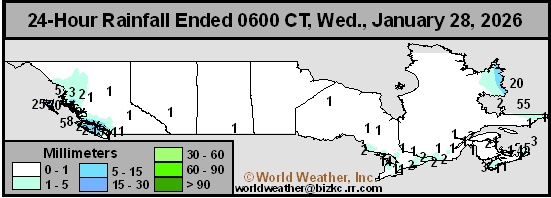
This content is for members only
Venezuela Rainfall
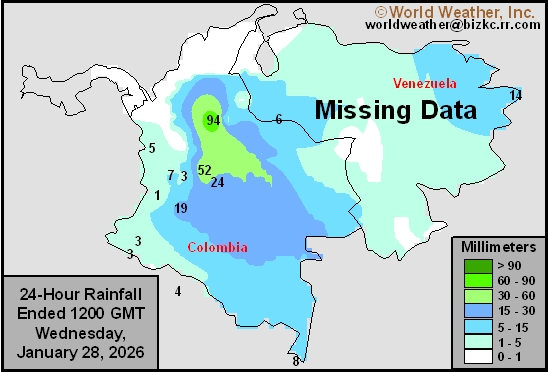
This content is for members only
Mexico Min Temperature
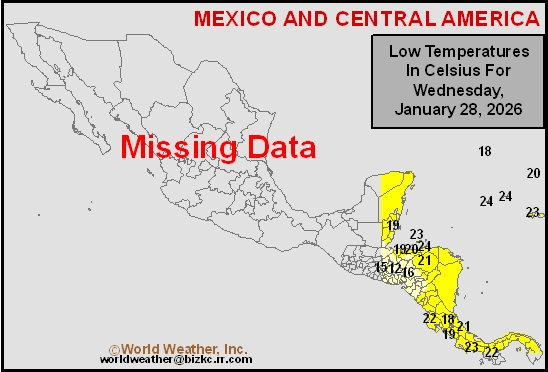
This content is for members only
Mexico Max Temperature
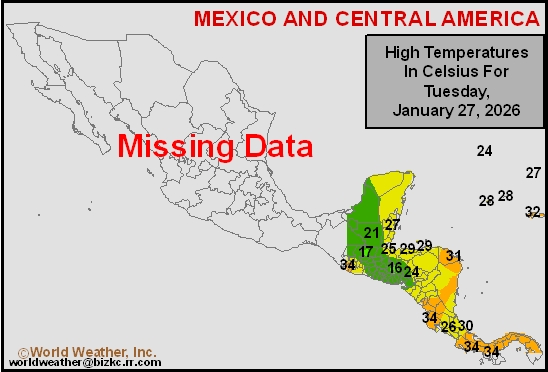
This content is for members only
Mexico Rainfall
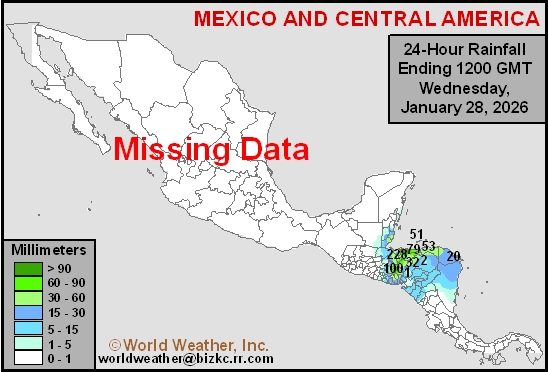
This content is for members only
Argentina Min Temperature
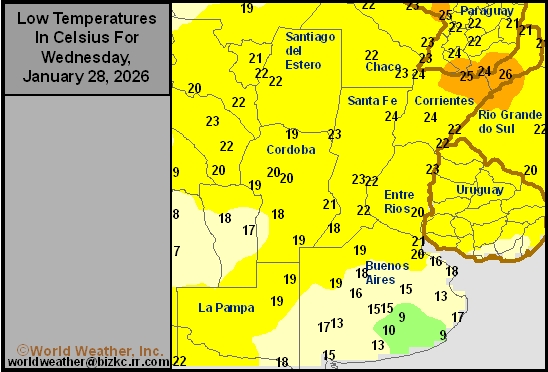
This content is for members only
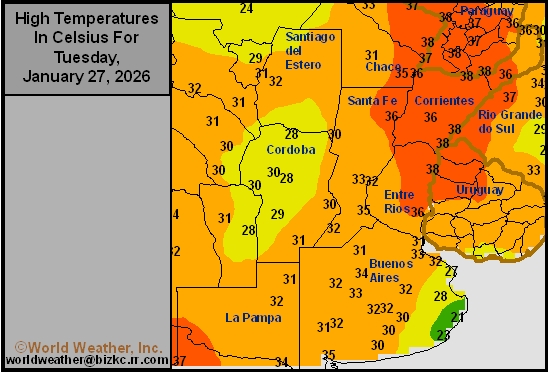
Argentina Max Temperature
This content is for members only
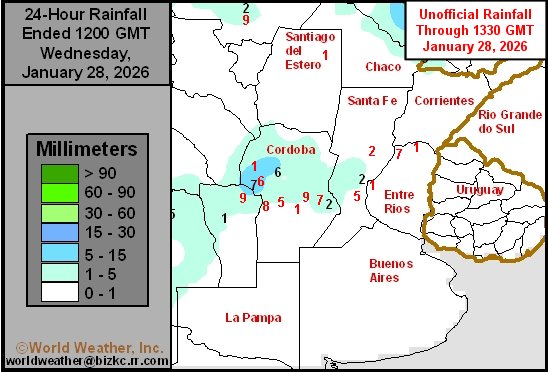
Argentina Rainfall
This content is for members only
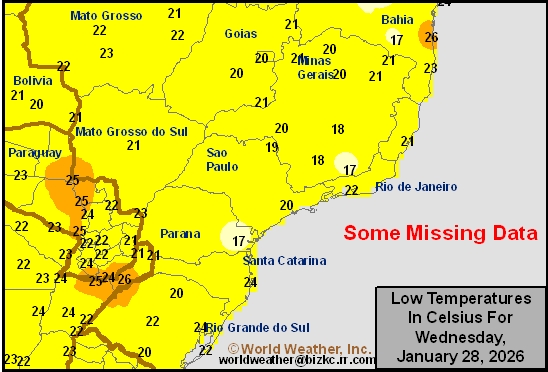
Brazil Min Temperature
This content is for members only
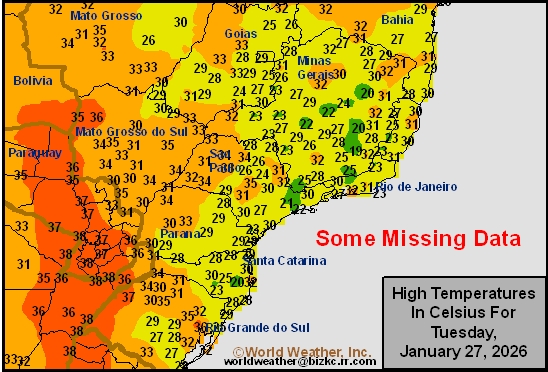
Brazil Max Temperature
This content is for members only
Brazil Rainfall
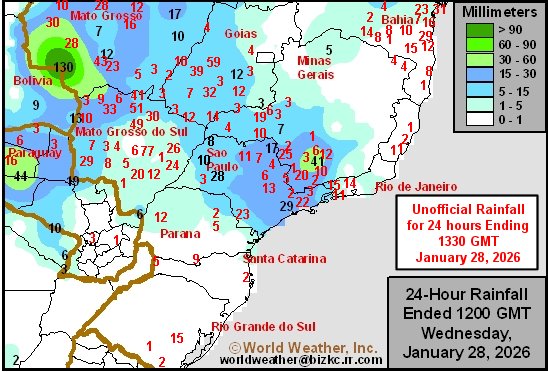
This content is for members only
Philippines Min
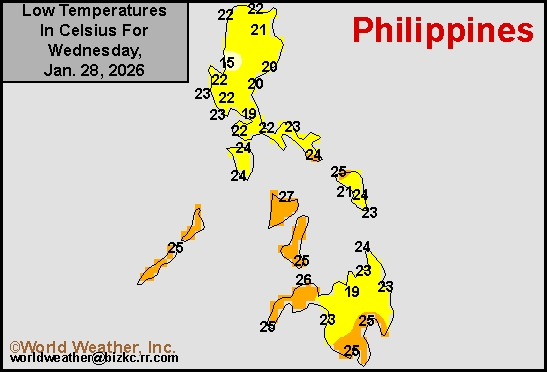
This content is for members only
Philippines Max
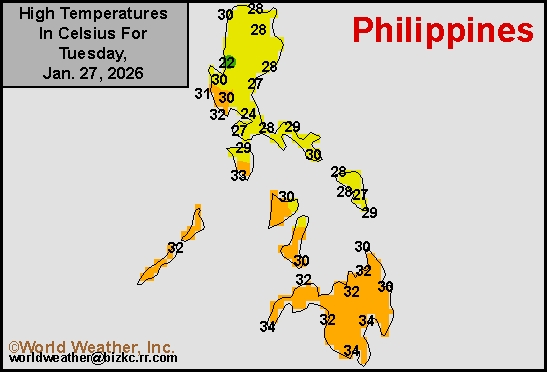
This content is for members only
Philippines Rain
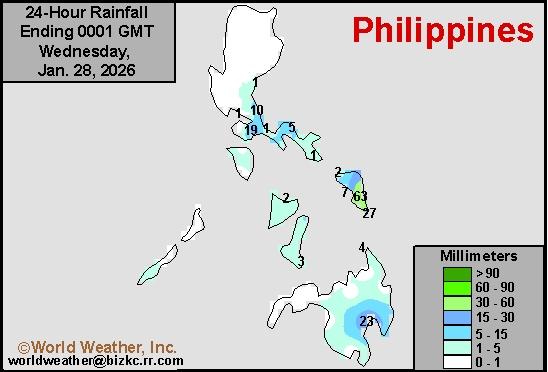
This content is for members only
Southeast North Rain
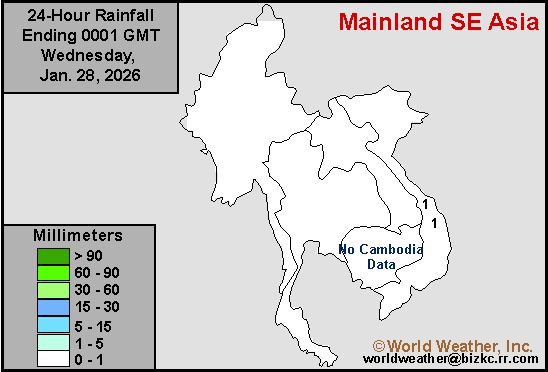
This content is for members only
Southeast North Min
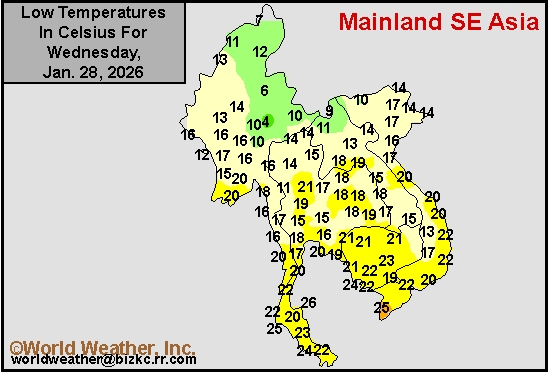
This content is for members only
Southeast North Max
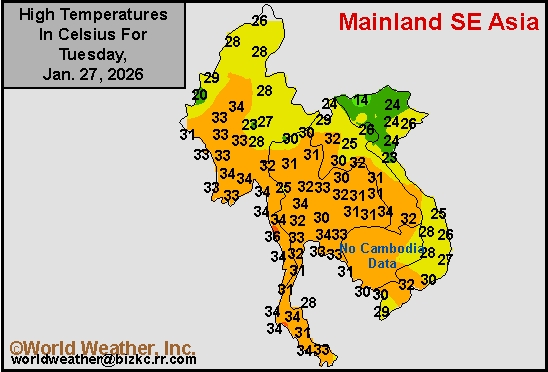
This content is for members only
Southeast Min
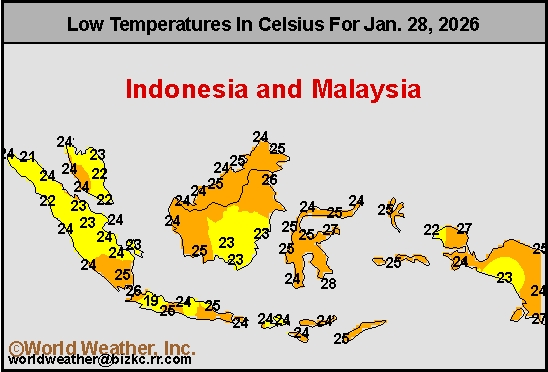
This content is for members only