
Min Temperature
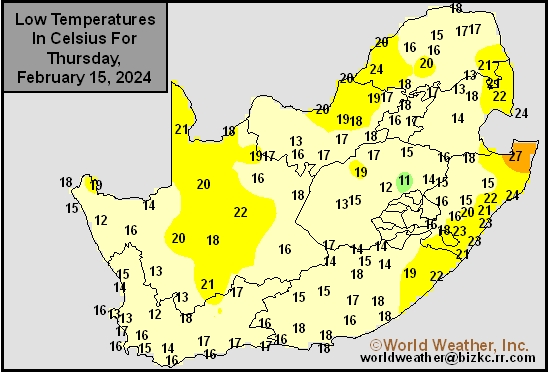
This content is for members only
Max Temperature
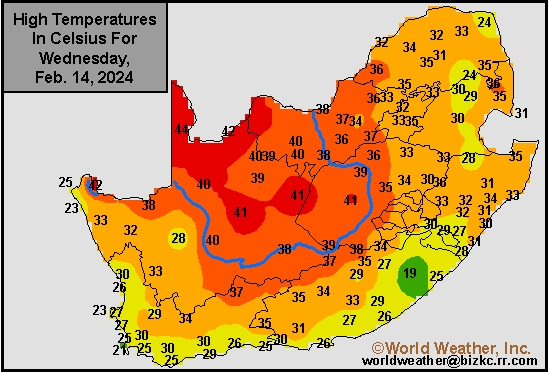
This content is for members only
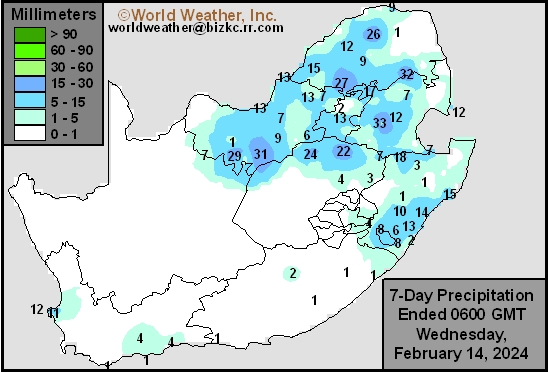
South Africa Rain
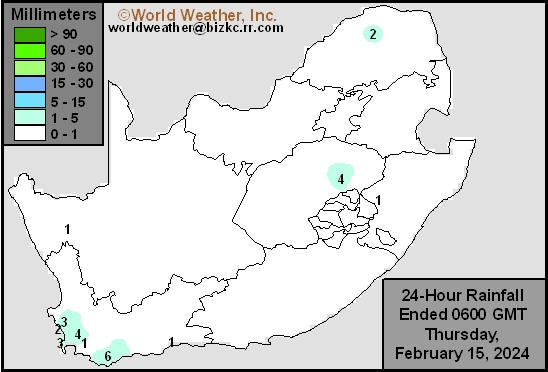
This content is for members only
Hard Red Wheat Tmin
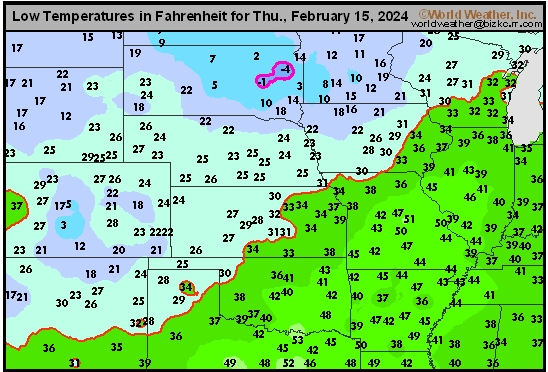
This content is for members only
Northeast Tmin
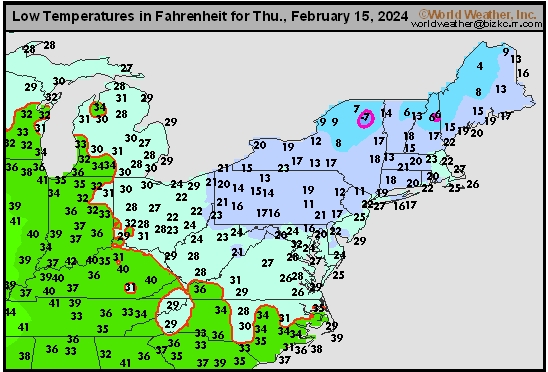
This content is for members only
Southwest Tmin
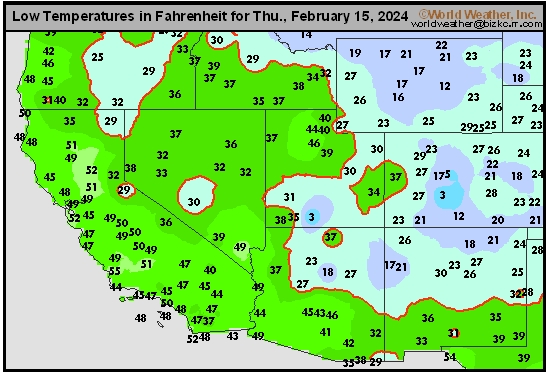
This content is for members only
Northwest Tmin
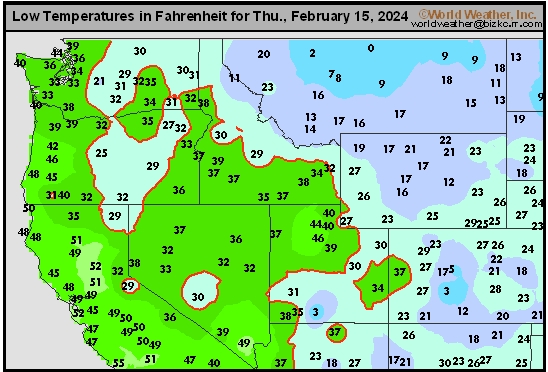
This content is for members only
South Plains Tmin
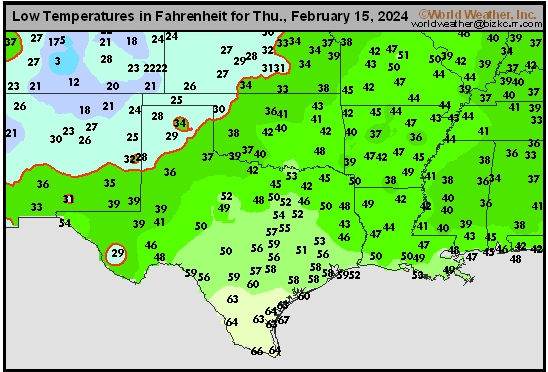
This content is for members only
Delta/SE U.S. Tmin
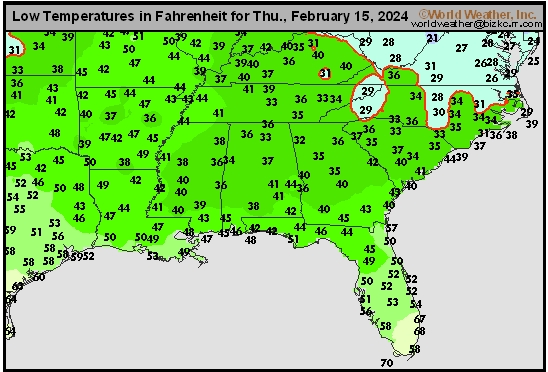
This content is for members only
Corn Belt Tmin
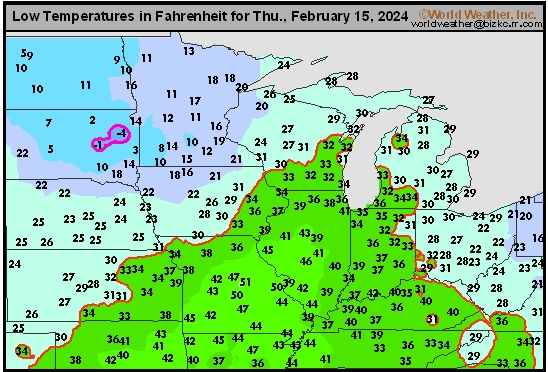
This content is for members only
US Min

This content is for members only
North Plains Tmin
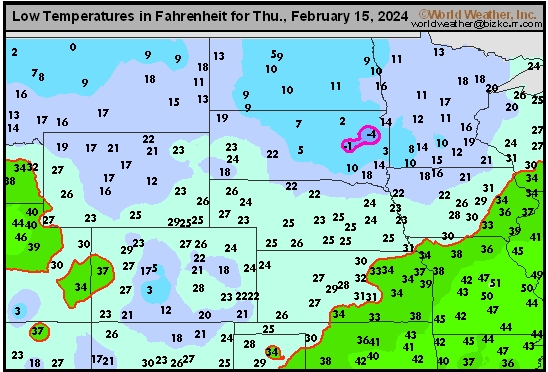
This content is for members only
Hard Red Wheat Tmax
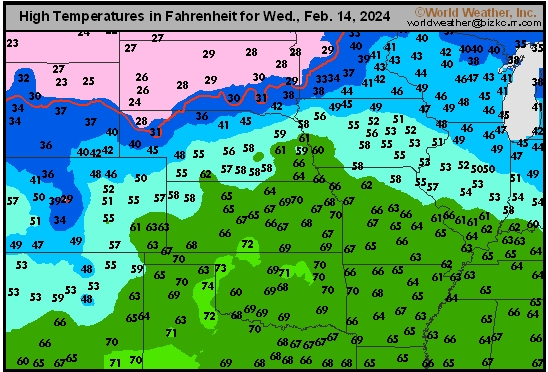
This content is for members only
Northeast Tmax
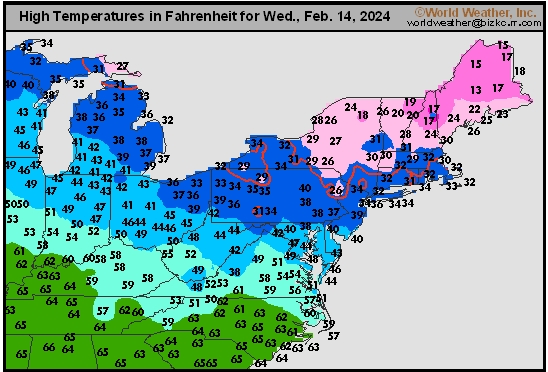
This content is for members only
Southwest Tmax
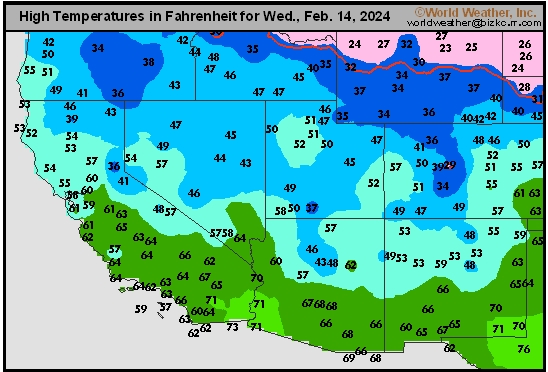
This content is for members only
Northwest Tmax
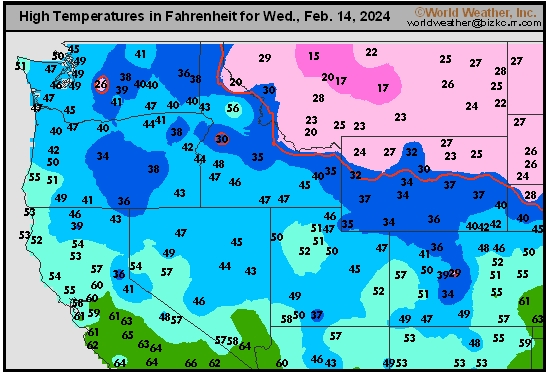
This content is for members only
South Plains Tmax
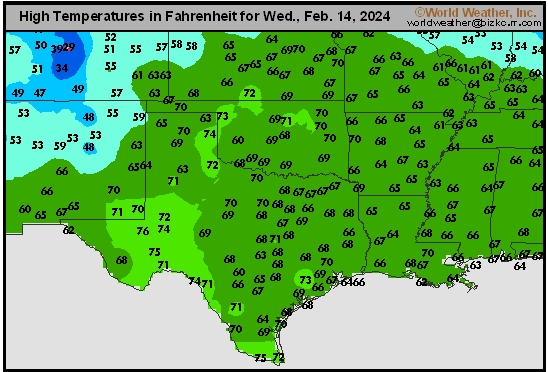
This content is for members only
Delta/SE U.S. Tmax
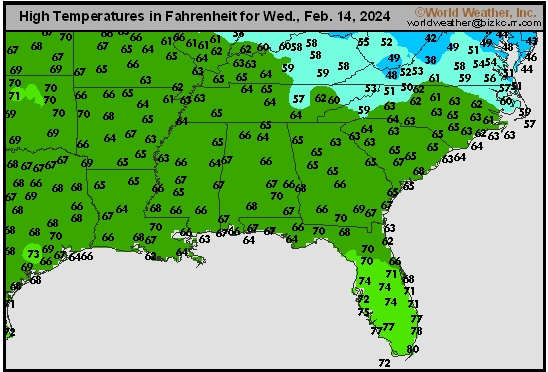
This content is for members only
Corn Belt Tmax
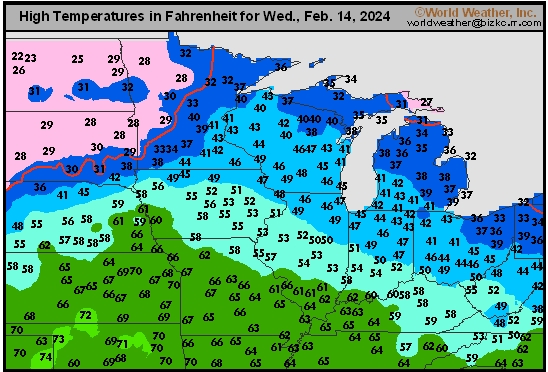
This content is for members only
North Plains Tmax
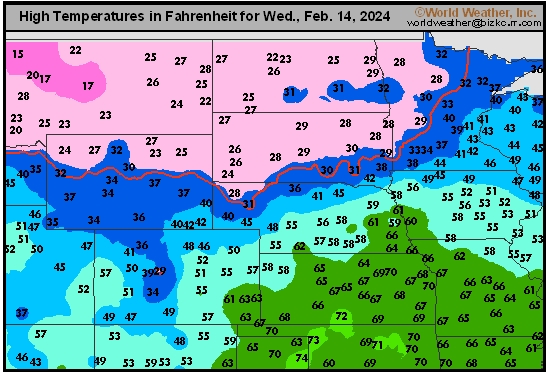
This content is for members only
US Max

This content is for members only
US Rain

This content is for members only
Northeast Daily Rain
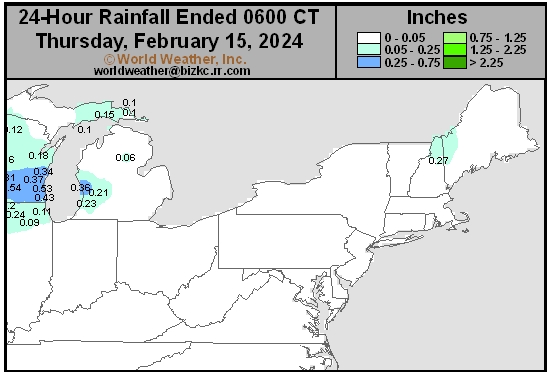
This content is for members only
Hard Red Wheat Daily Rain
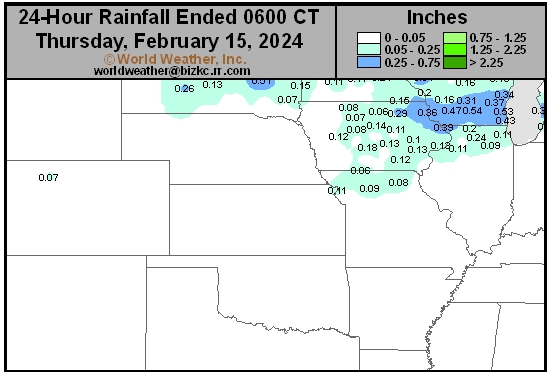
This content is for members only
Southwest Daily Rain
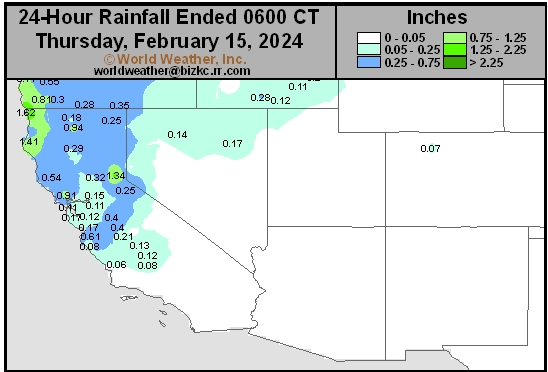
This content is for members only
Northwest Daily Rain
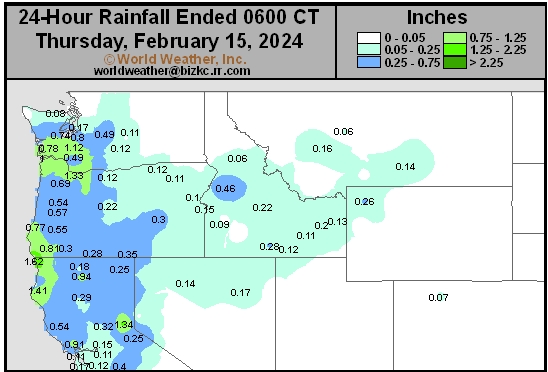
This content is for members only
South Plains Daily Rain
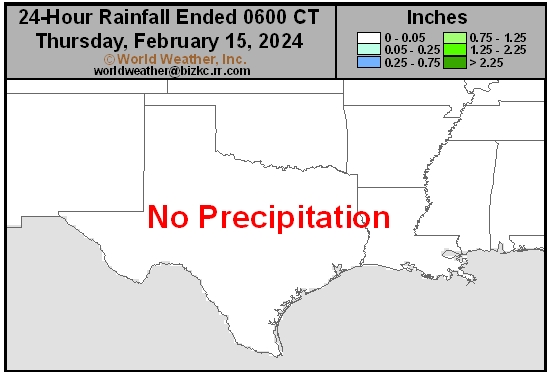
This content is for members only
Delta/SE U.S. Daily Rain
This content is for members only
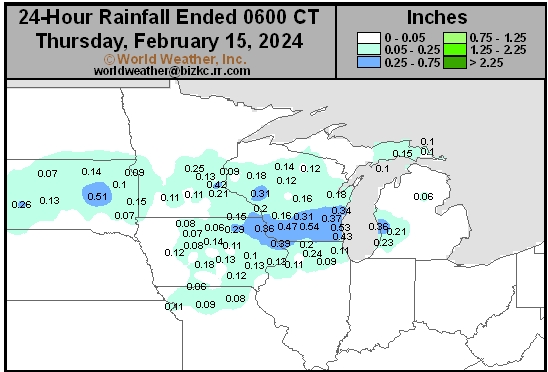
Corn Belt Daily Rain
This content is for members only
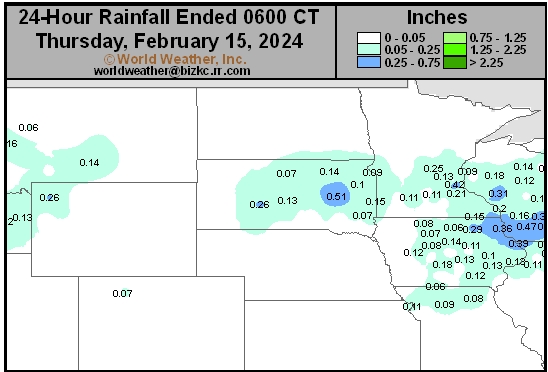
North Plains Daily Rain
This content is for members only
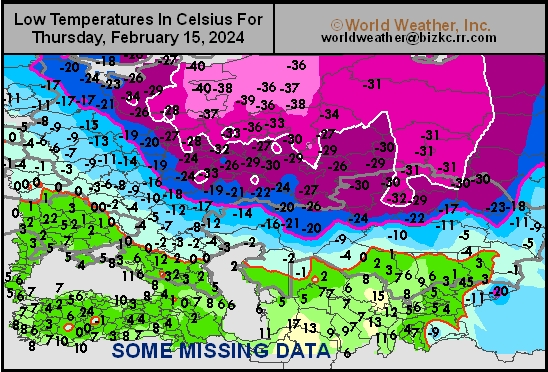
Low Temperature
This content is for members only
High Temperature
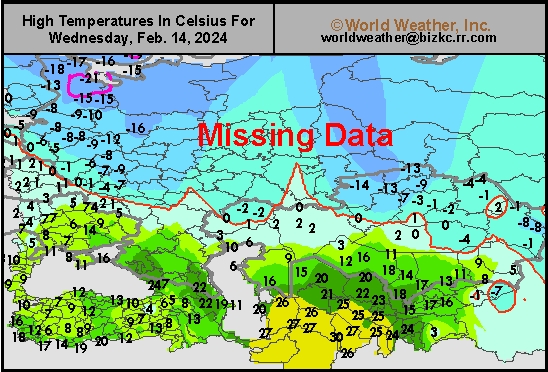
This content is for members only
CIS Rainfall
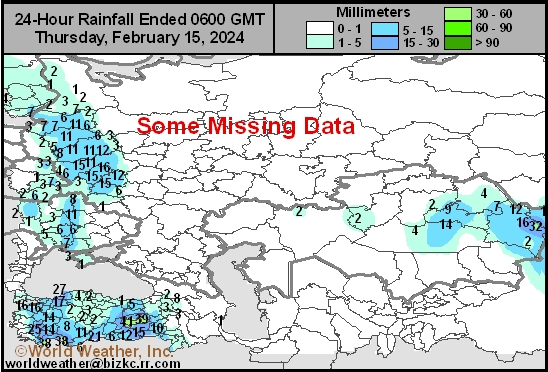
This content is for members only
Low Temperature
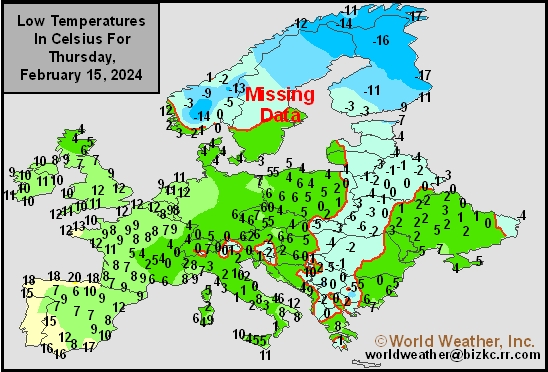
This content is for members only
High Temperature
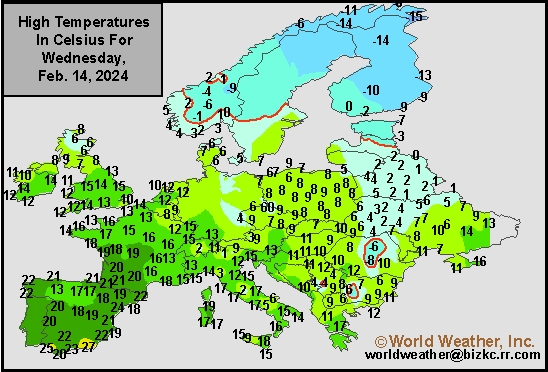
This content is for members only
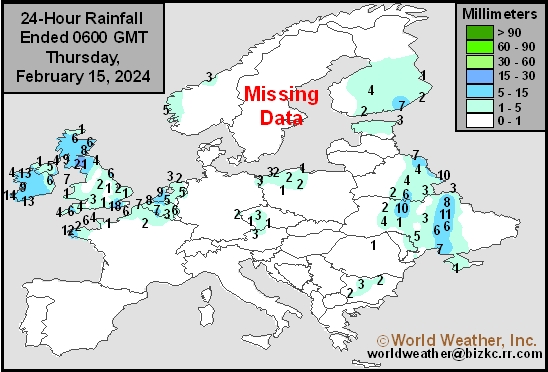
Europe Rainfall
This content is for members only
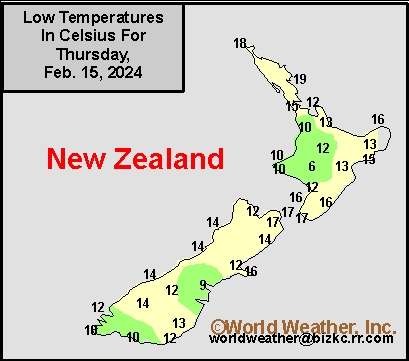
Low Temperature
This content is for members only
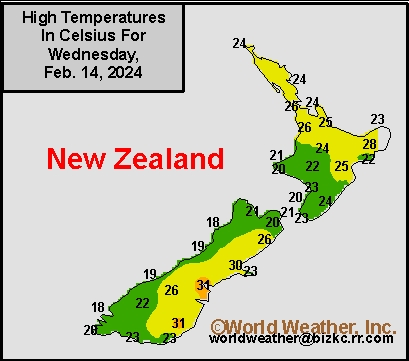
High Temperature
This content is for members only
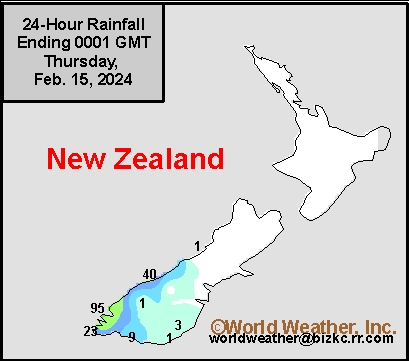
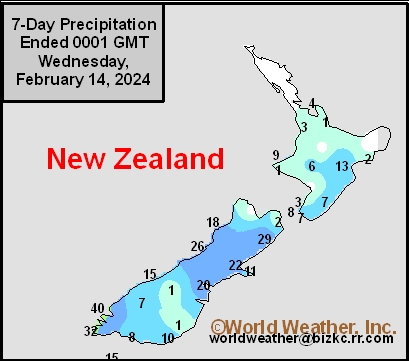
New Zealand Rainfall
This content is for members only
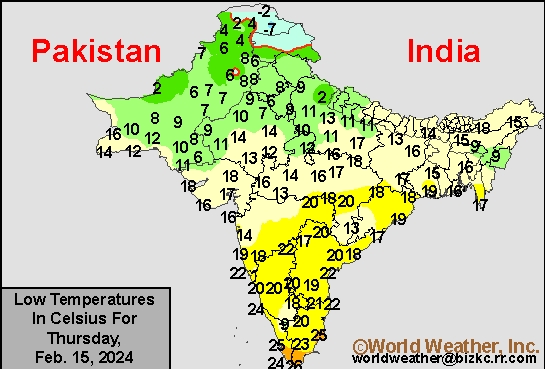
Low Temperature
This content is for members only
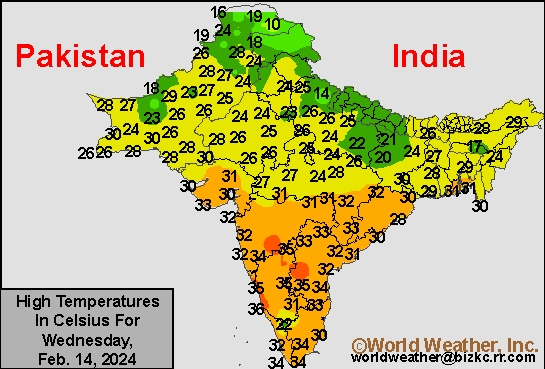
High Temperature
This content is for members only
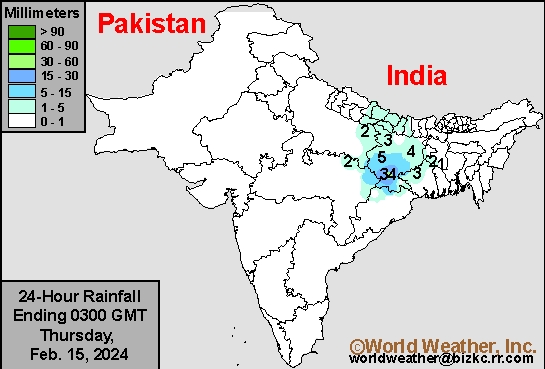
India Rainfall
This content is for members only
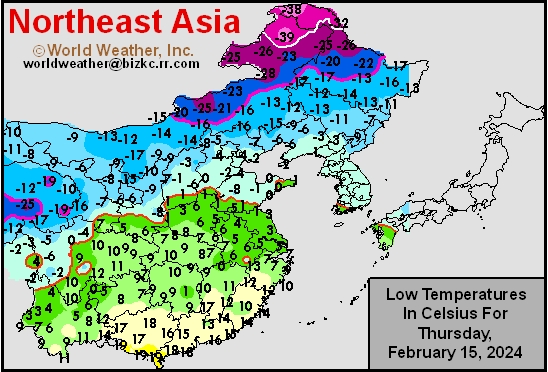
Low Temperature
This content is for members only
Japan Rainfall
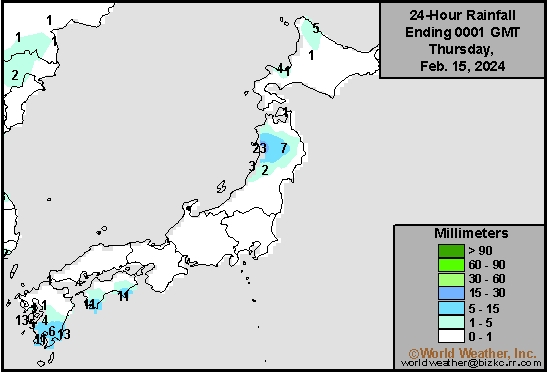
This content is for members only
Low Temperature
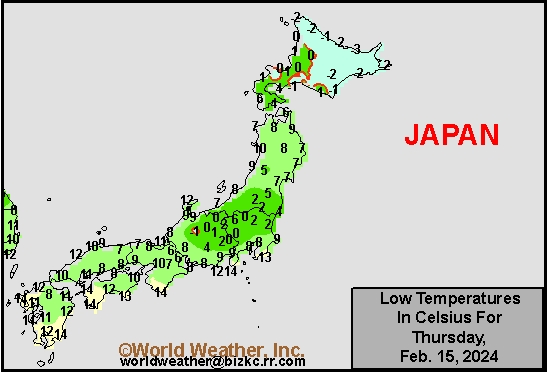
This content is for members only
High Temperature
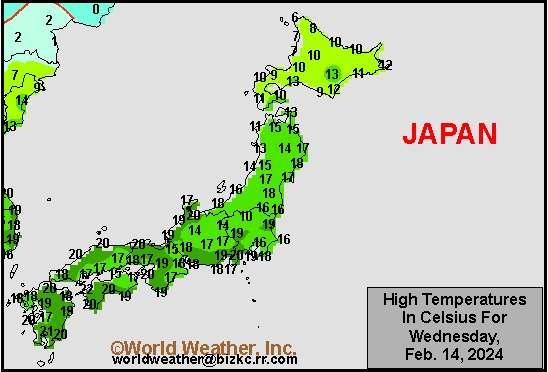
This content is for members only
High Temperature
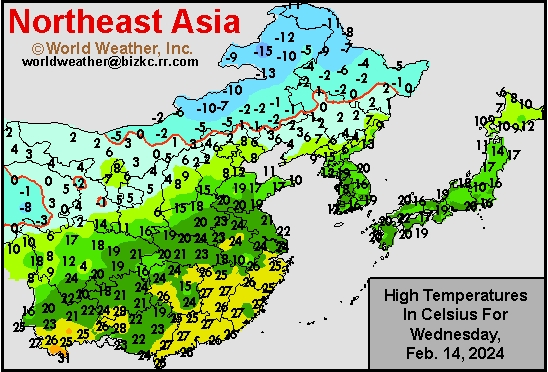
This content is for members only
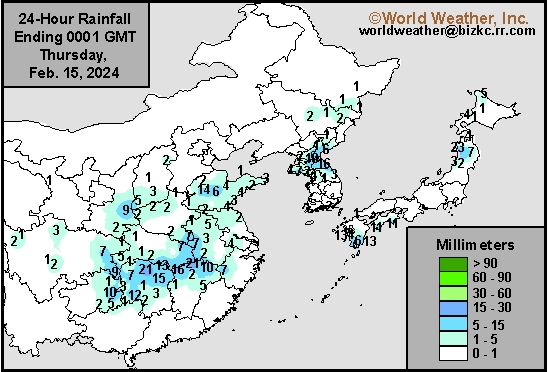
China Rainfall
This content is for members only
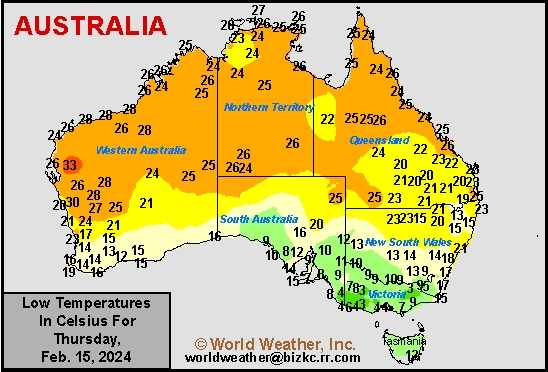
Low Temperature
This content is for members only
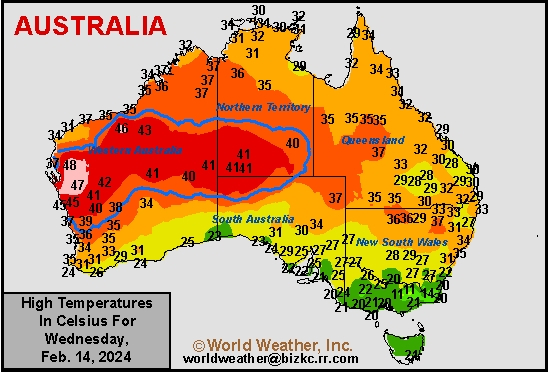
High Temperature
This content is for members only
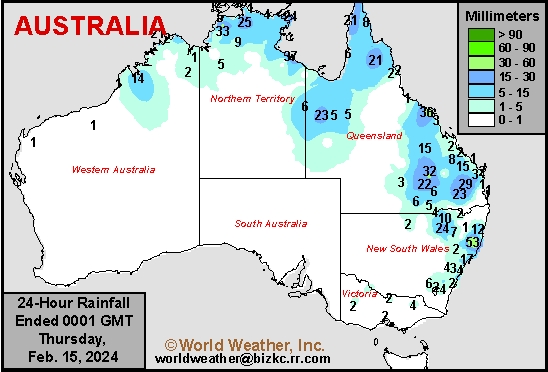
Australia Rainfall
This content is for members only
U.S. Spring, Summer Weather 2024 – A First Look
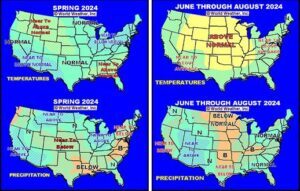
Kansas City, February 14 (World Weather Inc.) – Years of drought in North America may be drawing to a close, although conditions in the late spring and summer 2024 could turn out dry once again and warmer biased. There is potential for a final hurrah in this series of drought years that began in 2020. Some timely rain is expected during the spring, but a bout of heat and dryness may come around during the late spring and early summer that could quickly turn around a favorable moisture profile and create some stress. This pattern shows up in the lunar (18-year) cycle and could be enhanced by La Nina if it develops this year. There is still concern about the lingering effects of the Hunga Tonga Volcano to enhance a warmer temperature bias that is already expected this year.
Russia’s Winter Wheat Not Damaged By Bitter Cold
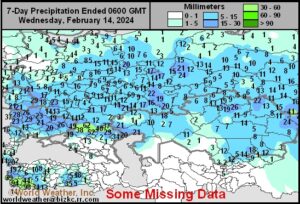
Kansas City, February 15 (World Weather Inc.) – Bitter cold temperatures impacted many western Russia locations in recent days. Winter grains and oilseeds were protected from the cold by ample snowpack and no winterkill was suspected. Overall production potentials remain favorable across the western Commonwealth of Independent States this year as most locations have adequate to excessive soil moisture. There is potential for spring flooding if warmer temperatures induce aggressive snow melt while a wet weather pattern prevails. Some damage to crops will be possible and early-season fieldwork may get off to a sluggish start if the wet pattern continues while snow is melting. A large section of the western CIS (including the most important wheat production region) will trend drier and warmer than normal through the middle of next week, but greater precipitation is expected once again in the following week.
Eastern Australia To Receive Rain; Heat Expected In The West
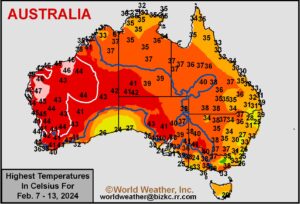
Kansas City, February 14 (World Weather Inc.) – Many areas in eastern Australia dried down significantly during the past week. Rain was generally light and erratically distributed, though pockets in Queensland received more significant rain. The outlook for most summer crops remains good despite recent drying. Early-planted crops are maturing or will be maturing in the near future with the harvest set to begin in March. Later-planted crops still need rain to support ideal late-season development. Eastern Australia will see a mix of rain and sunshine through the middle of next week that will maintain relatively good development conditions. In the meantime, Western and portions of South Australia will see excessive heat return soon causing stress to livestock.
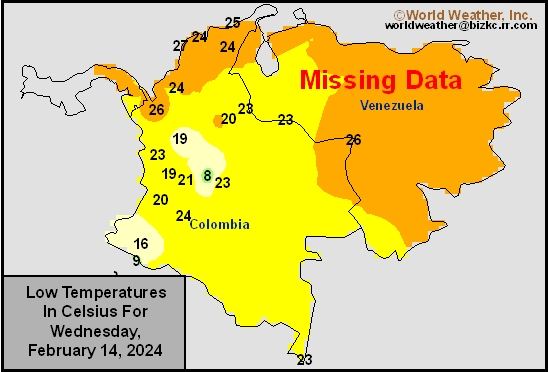
Venezuela/Colombia Min Temps
This content is for members only
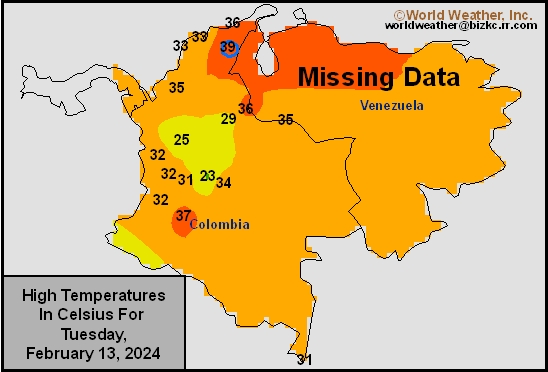
Venezuela/Colombia Max Temps
This content is for members only
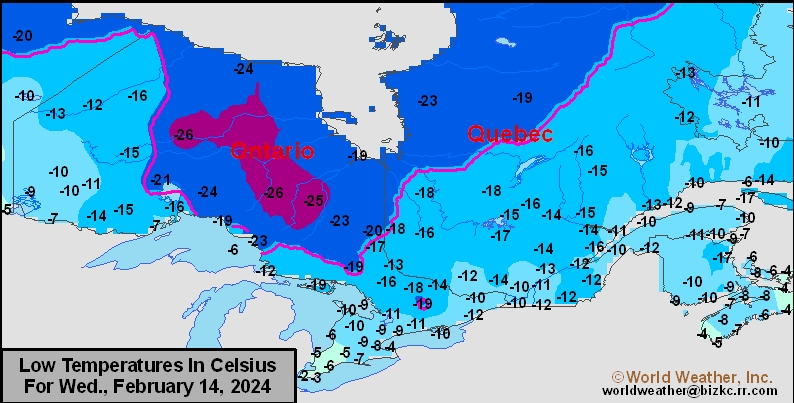
SE Canada Min
This content is for members only
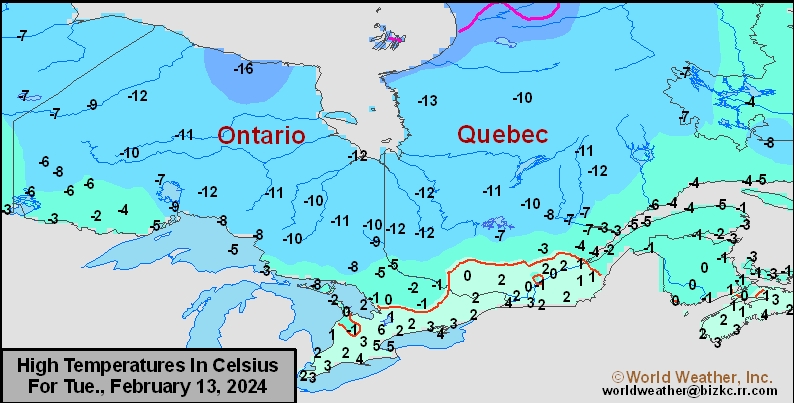
SE Canada Max
This content is for members only
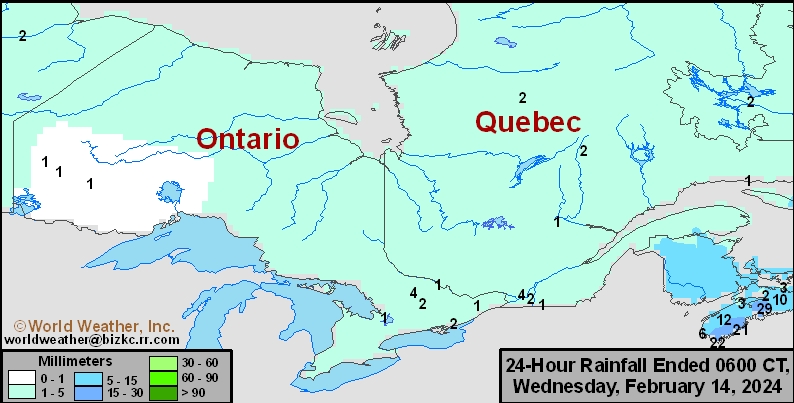
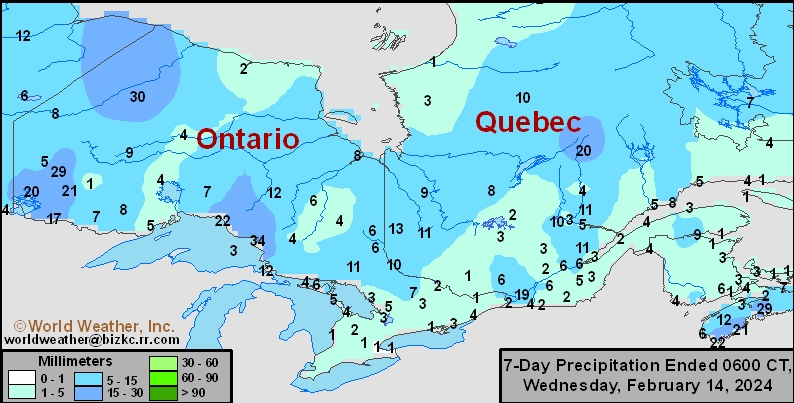
SE Canada Rainfall
This content is for members only
Prairies Rainfall

This content is for members only
Prairies Max Temperature

This content is for members only
Prairies Min Temperature

This content is for members only
Canada Rainfall

This content is for members only
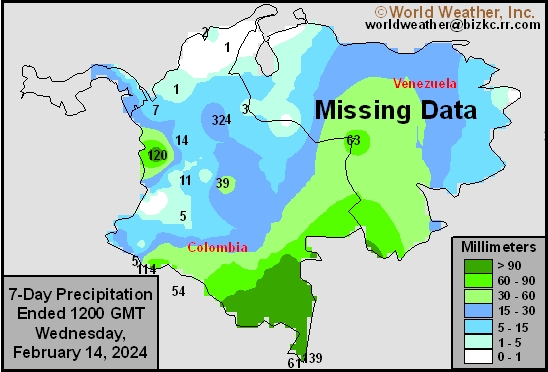
Venezuela Rainfall
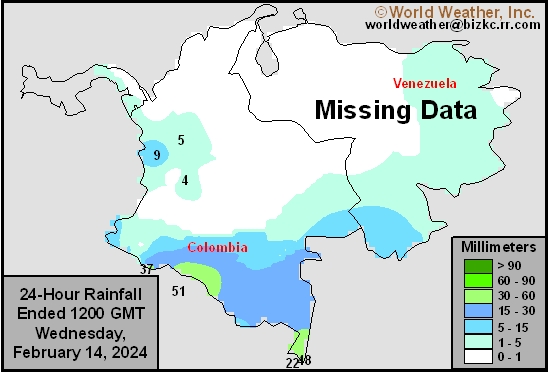
This content is for members only
Mexico Min Temperature
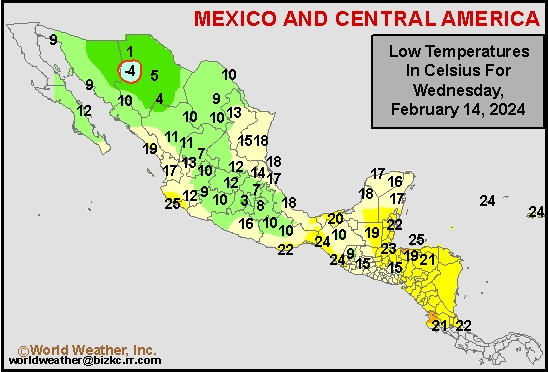
This content is for members only
Mexico Max Temperature
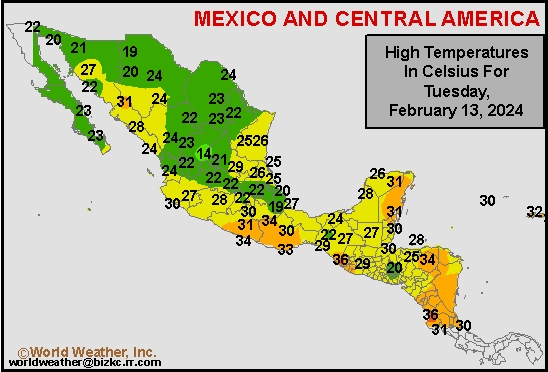
This content is for members only
Mexico Rainfall
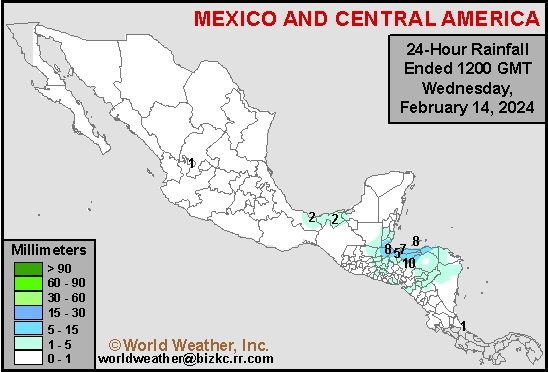
This content is for members only
Argentina Min Temperature
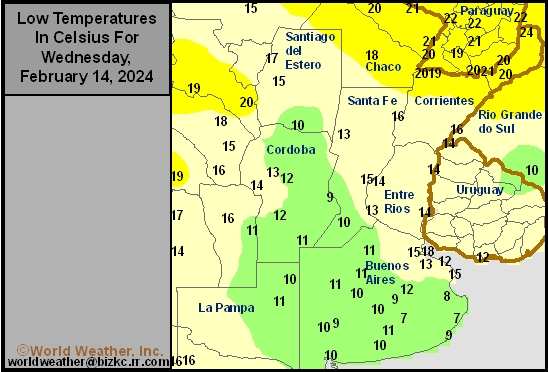
This content is for members only
Argentina Max Temperature
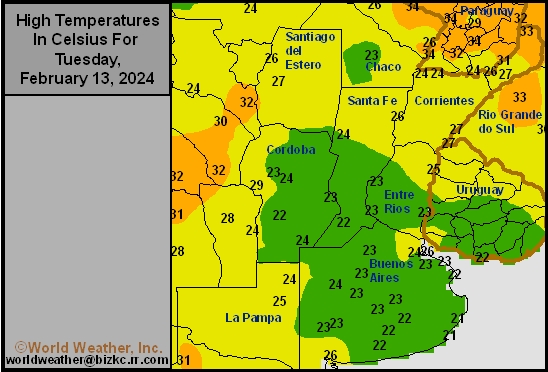
This content is for members only
Argentina Rainfall
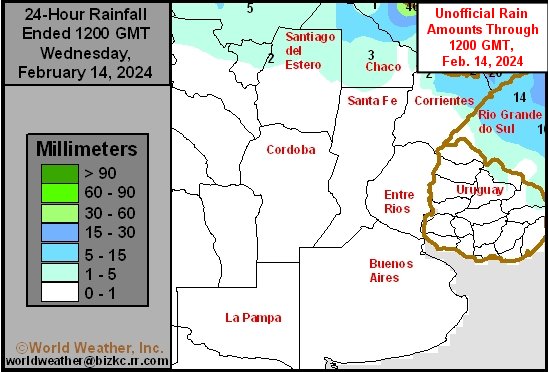
This content is for members only
Brazil Min Temperature
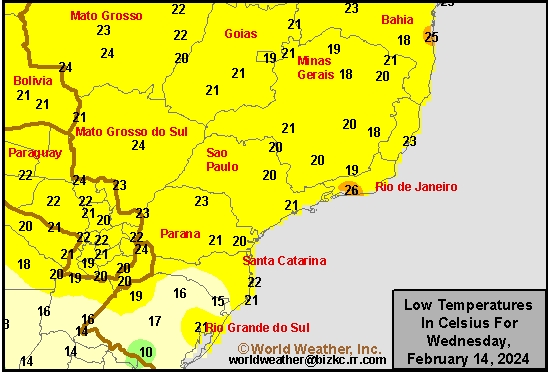
This content is for members only
Brazil Max Temperature
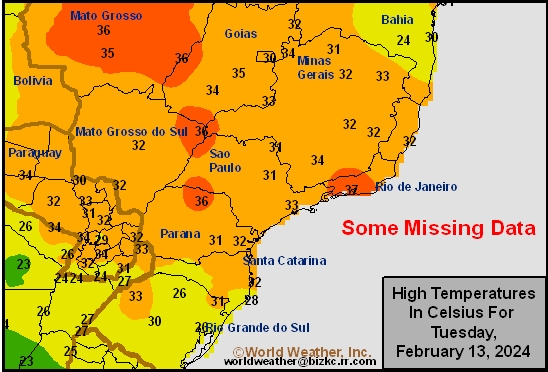
This content is for members only
Brazil Rainfall
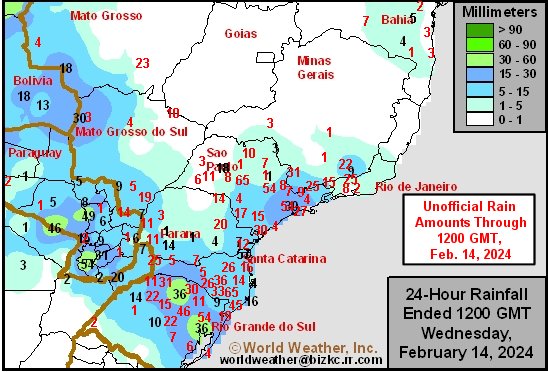
This content is for members only
7-Day Rainfall
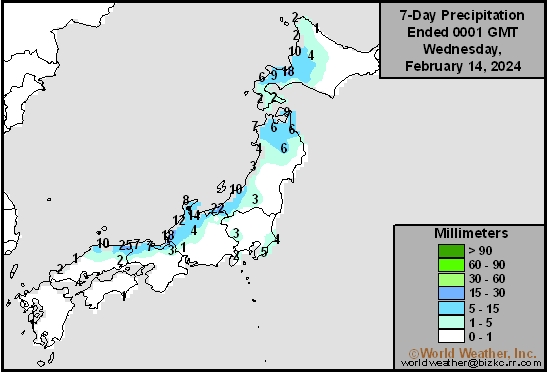
This content is for members only
Philippines Min
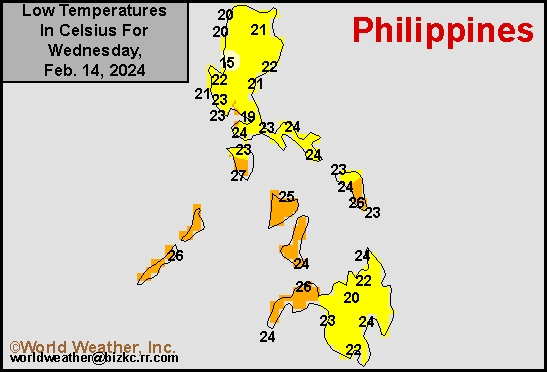
This content is for members only
7-Day Rainfall
This content is for members only
7-Day Rainfall
This content is for members only
7-Day Rainfall

This content is for members only
7-Day Rainfall

This content is for members only
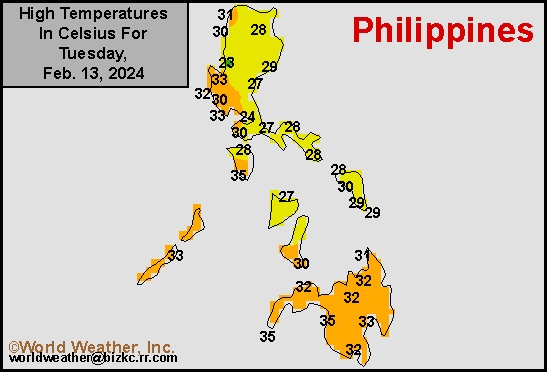
Philippines Max
This content is for members only
7-Day Rainfall
This content is for members only
7-Day Rainfall
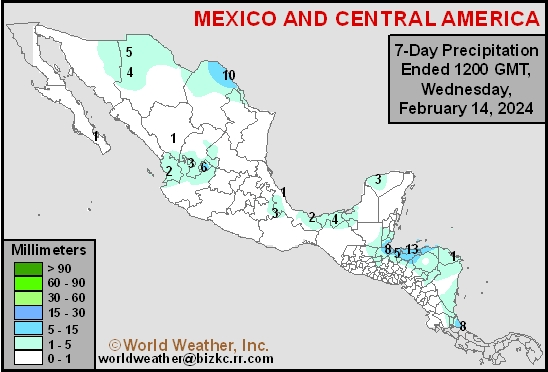
This content is for members only
Philippines Rain
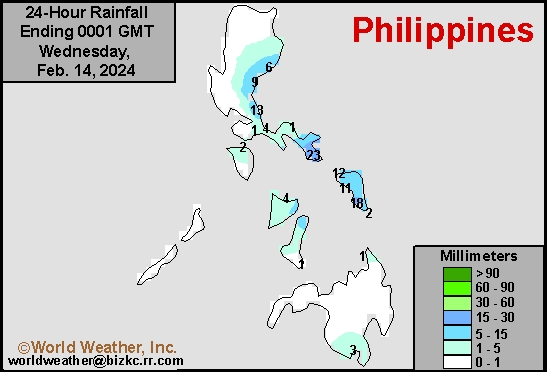
This content is for members only
Hard Red Wheat 7-Day Rain
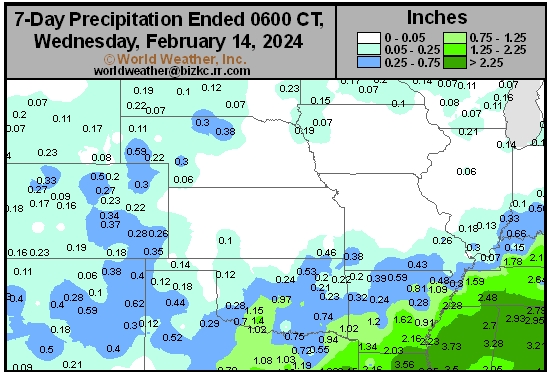
This content is for members only
Northeast 7-Day Rain
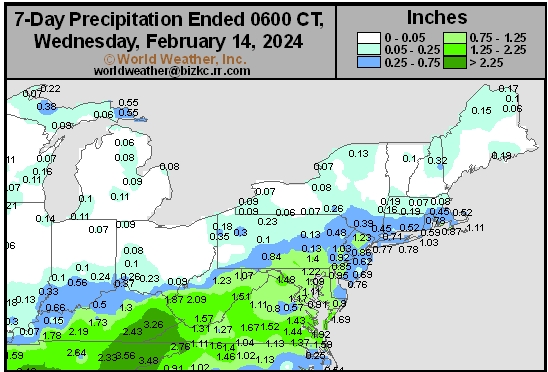
This content is for members only
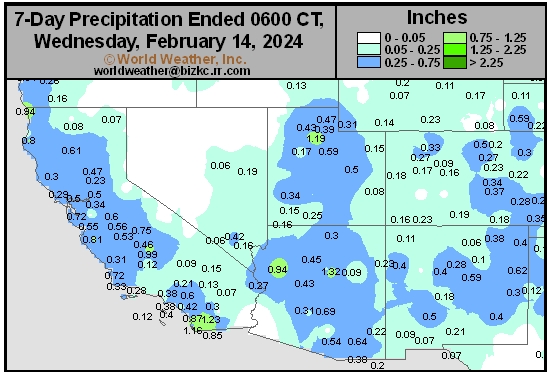
Southwest 7-Day Rain
This content is for members only
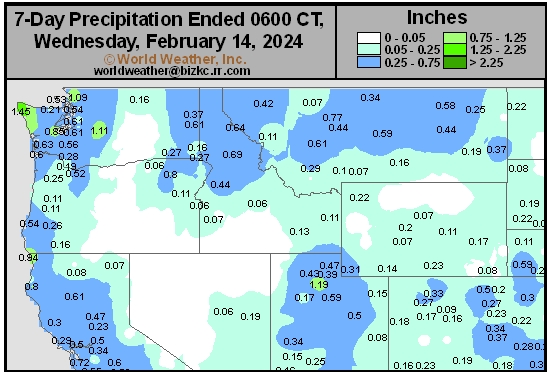
Northwest 7-Day Rain
This content is for members only
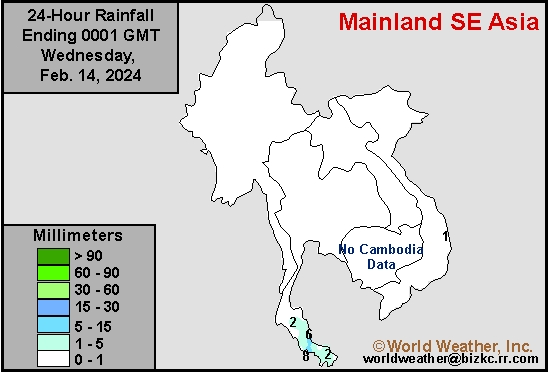
Southeast North Rain
This content is for members only
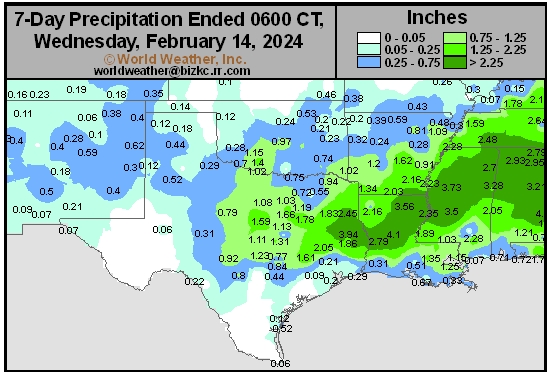
South Plains 7-Day Rain
This content is for members only
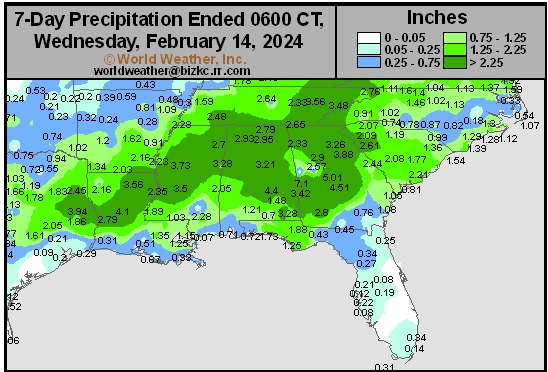
Delta/SE U.S. 7-Day Rain
This content is for members only
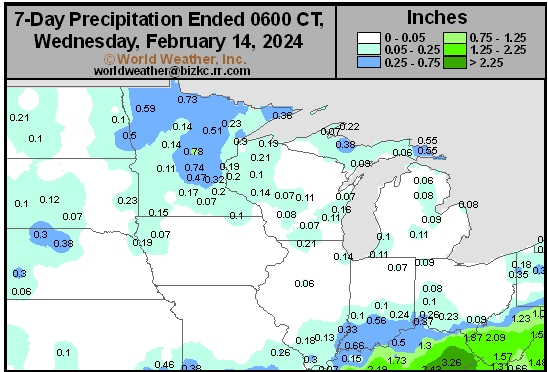
Corn Belt 7-Day Rain
This content is for members only
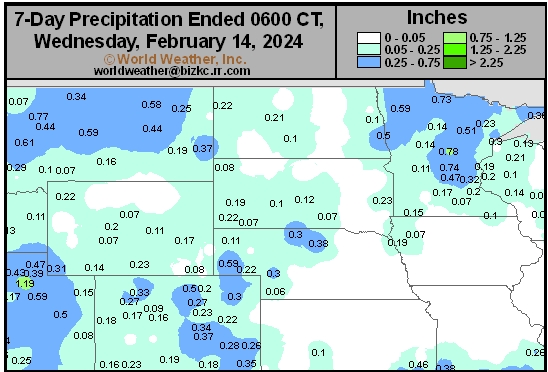
North Plains 7-Day Rain
This content is for members only
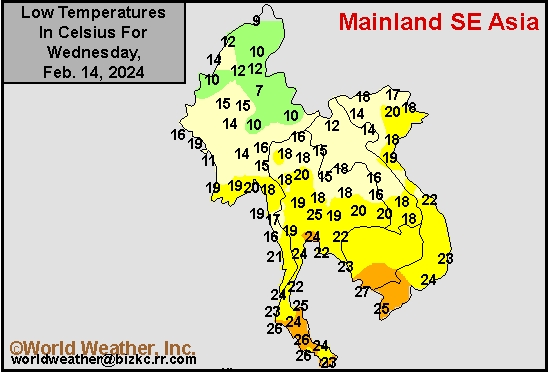
Southeast North Min
This content is for members only
Southeast North Max
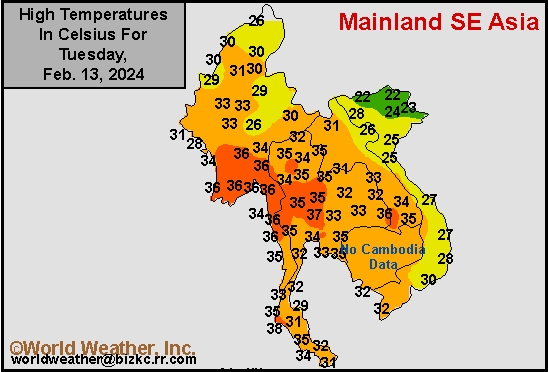
This content is for members only
7-Day Rainfall

This content is for members only
7-Day Rainfall
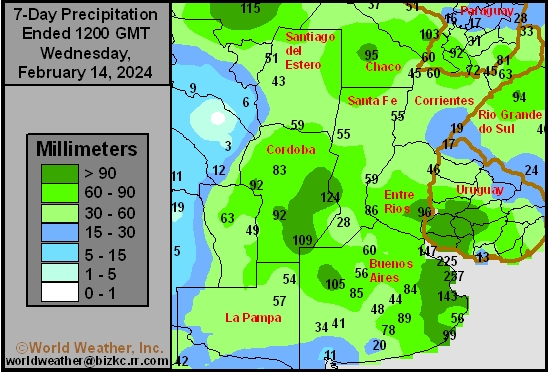
This content is for members only
7-Day Rainfall
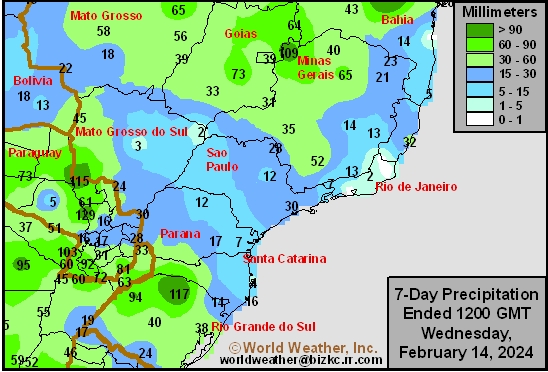
This content is for members only
7-Day Rainfall
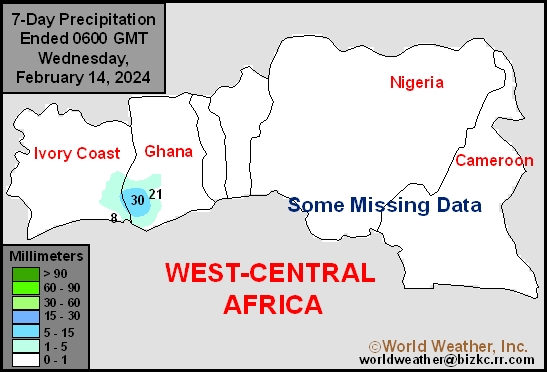
This content is for members only
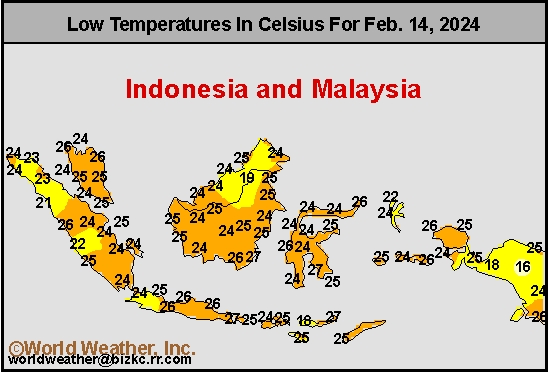
Southeast Min
This content is for members only
7-Day Rainfall
This content is for members only