
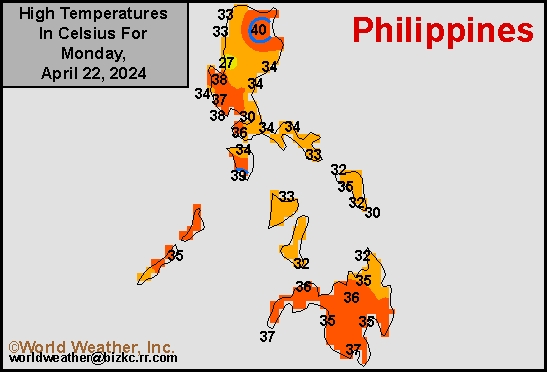
Philippines Max
This content is for members only
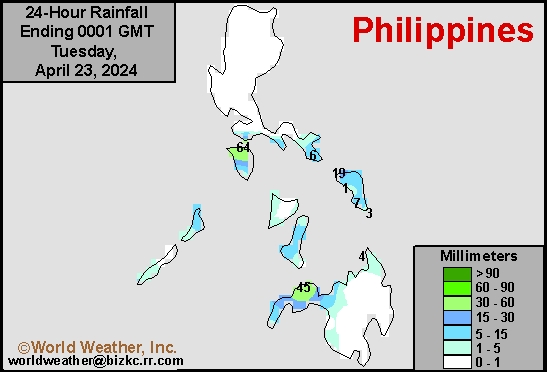
Philippines Rain
This content is for members only
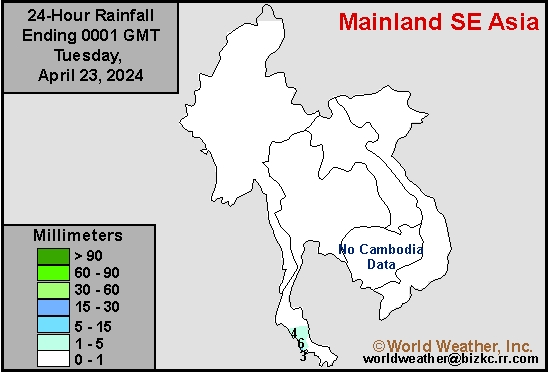
Southeast North Rain
This content is for members only
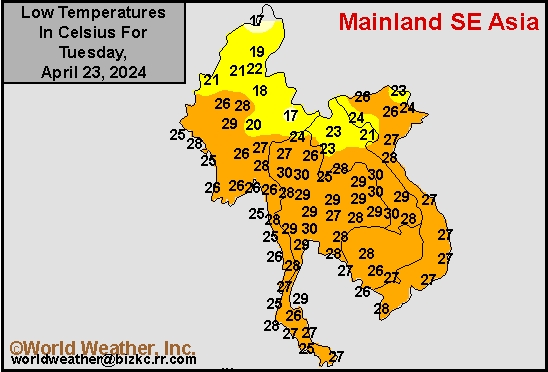
Southeast North Min
This content is for members only
Southeast North Max
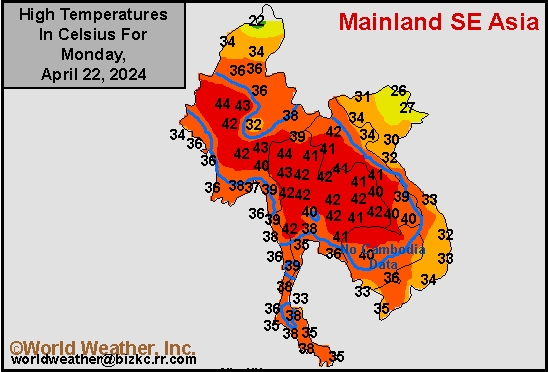
This content is for members only
Southeast Min
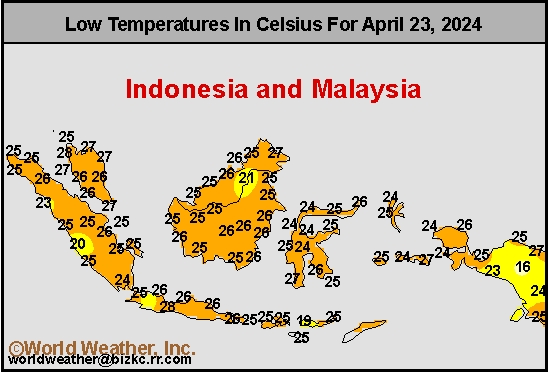
This content is for members only
Southeast Max
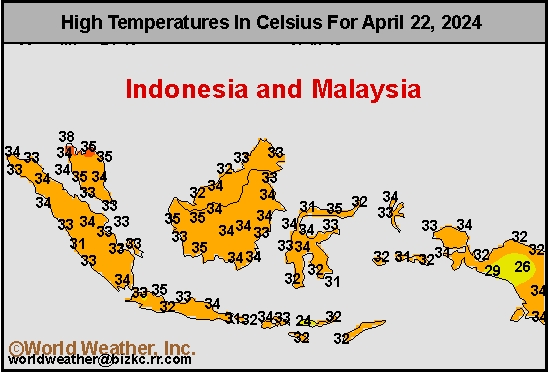
This content is for members only
Southeast Rain
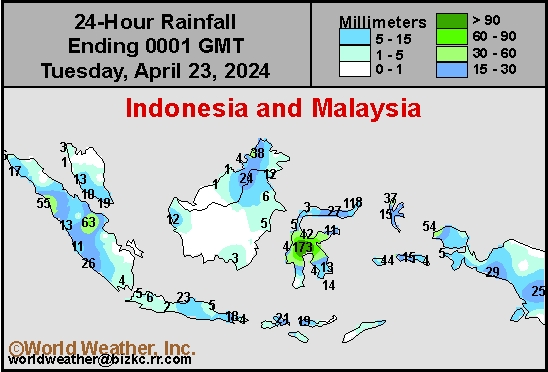
This content is for members only
West Africa Rain
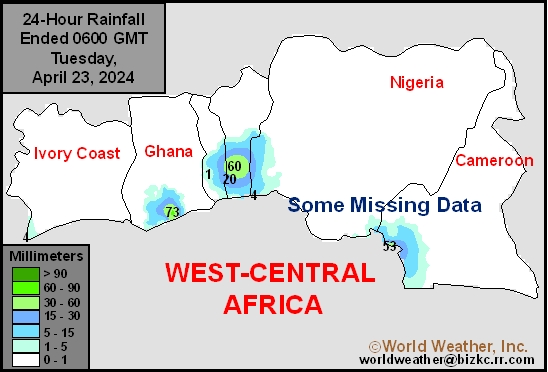
This content is for members only
Max Temperature
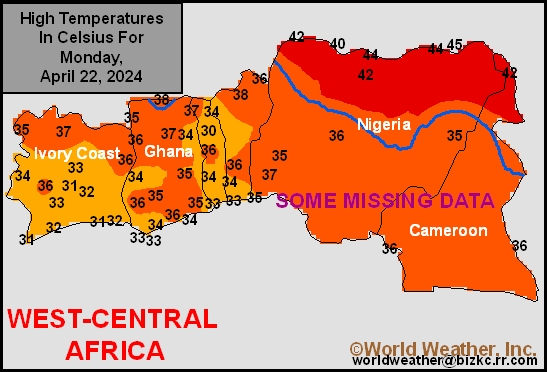
This content is for members only
Min Temperature
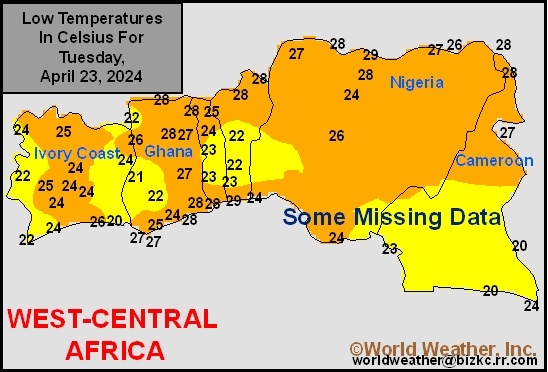
This content is for members only
North Africa Rain
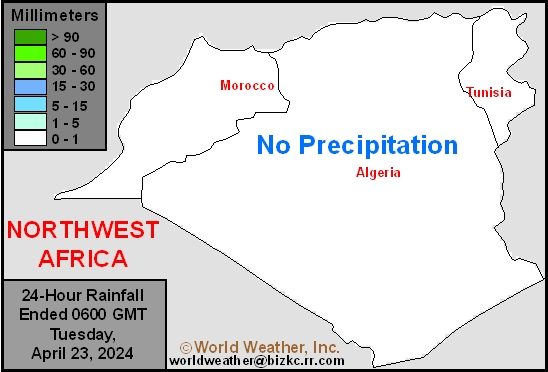
This content is for members only
Max Temperature
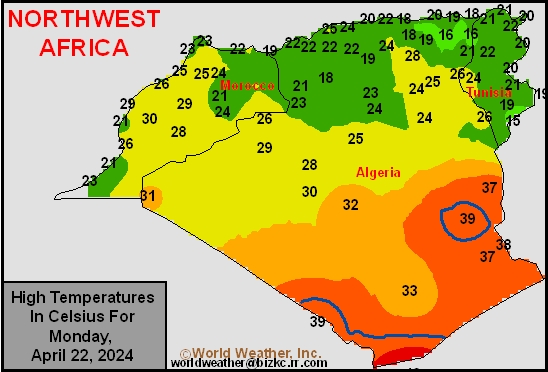
This content is for members only
Min Temperature
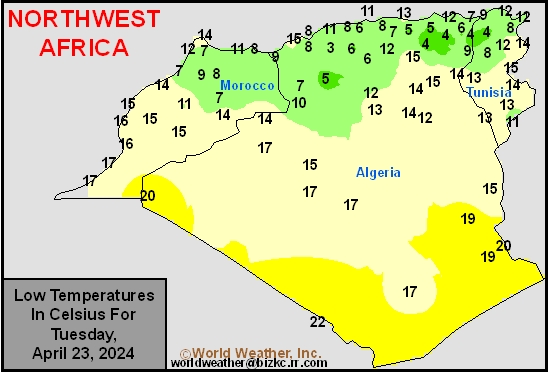
This content is for members only
Min Temperature
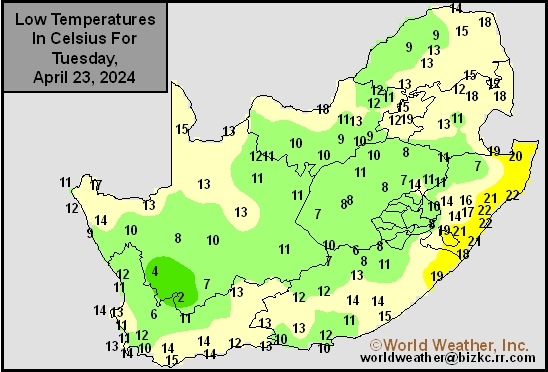
This content is for members only
Max Temperature
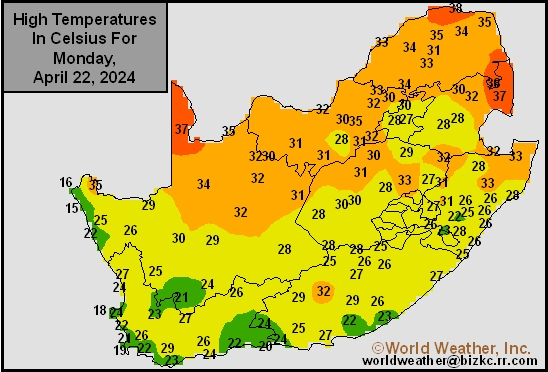
This content is for members only
South Africa Rain
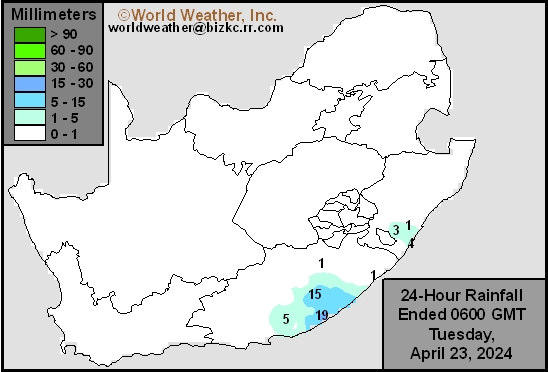
This content is for members only
Hard Red Wheat Tmin
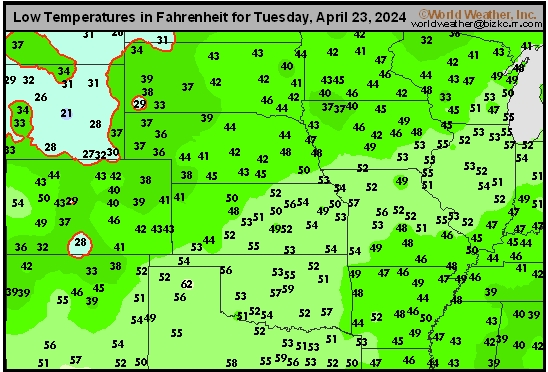
This content is for members only
Northeast Tmin
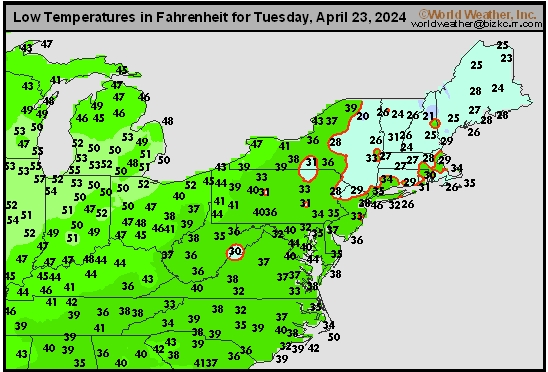
This content is for members only
Southwest Tmin
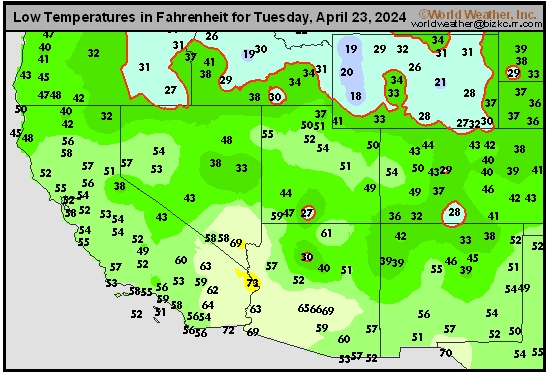
This content is for members only
Northwest Tmin
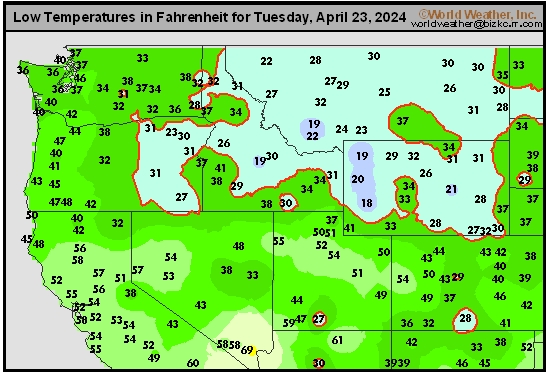
This content is for members only
South Plains Tmin
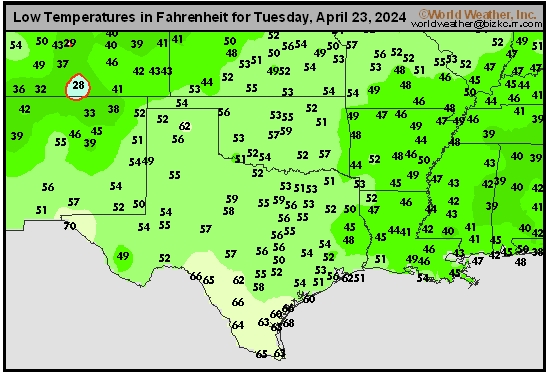
This content is for members only
Delta/SE U.S. Tmin
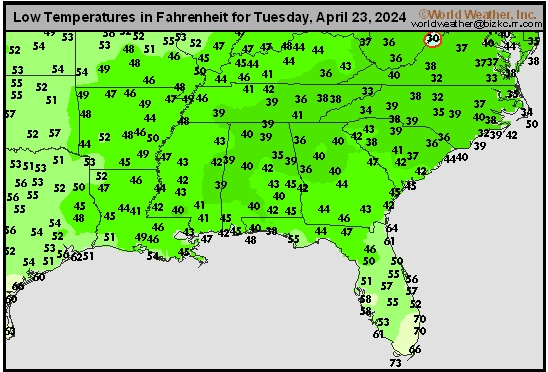
This content is for members only
Corn Belt Tmin
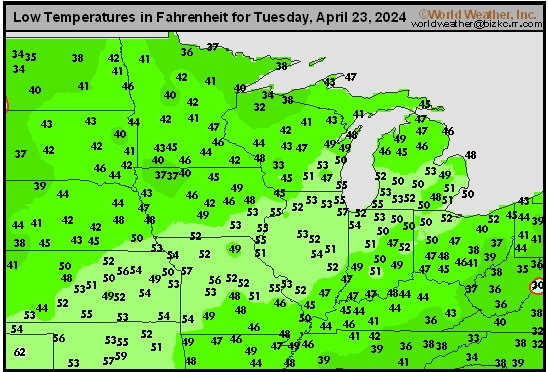
This content is for members only
US Min

This content is for members only
North Plains Tmin
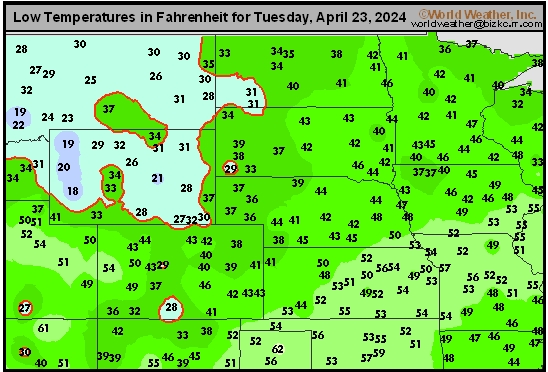
This content is for members only
Hard Red Wheat Tmax
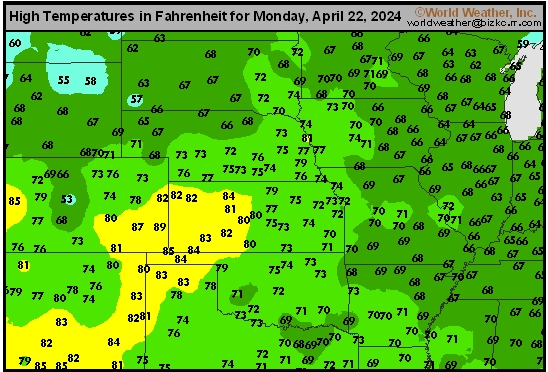
This content is for members only
Northeast Tmax
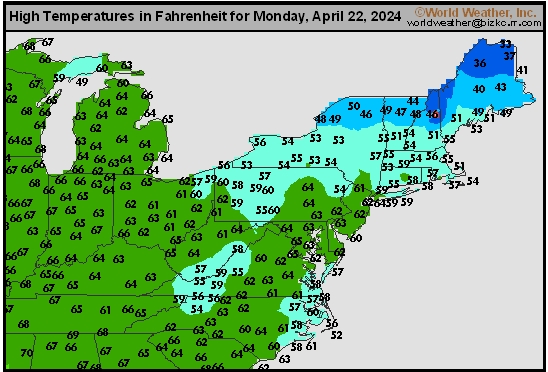
This content is for members only
Southwest Tmax
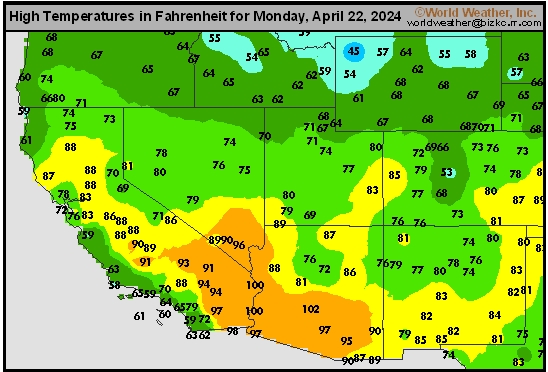
This content is for members only
Northwest Tmax
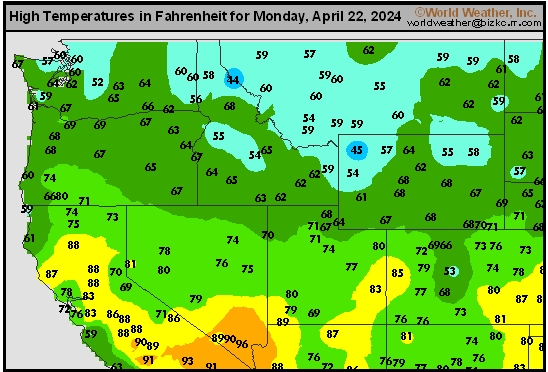
This content is for members only
South Plains Tmax
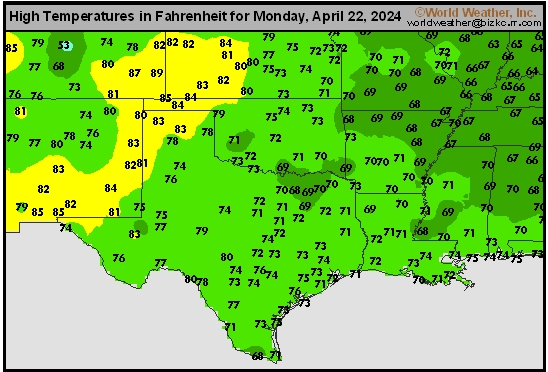
This content is for members only
Delta/SE U.S. Tmax
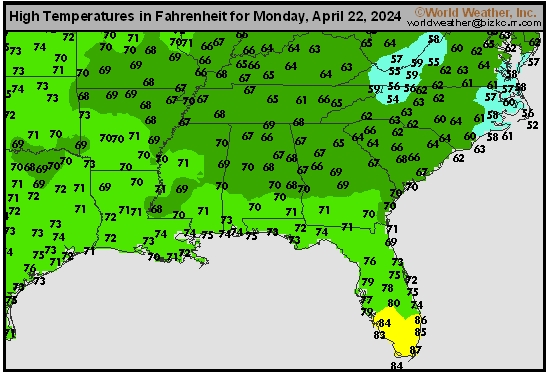
This content is for members only
Corn Belt Tmax
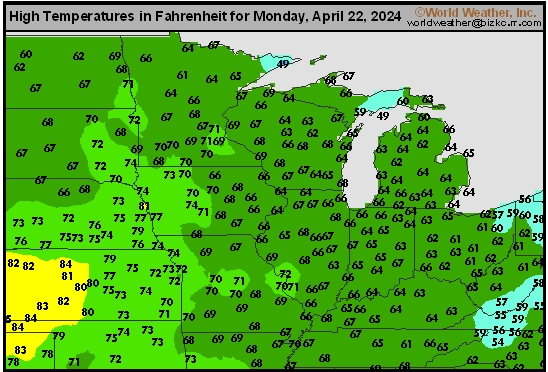
This content is for members only
North Plains Tmax
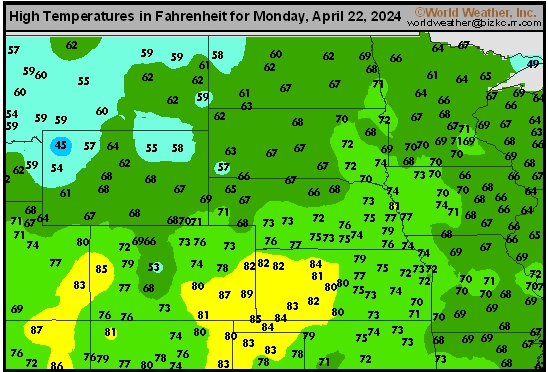
This content is for members only
US Max

This content is for members only
US Rain

This content is for members only
Northeast Daily Rain
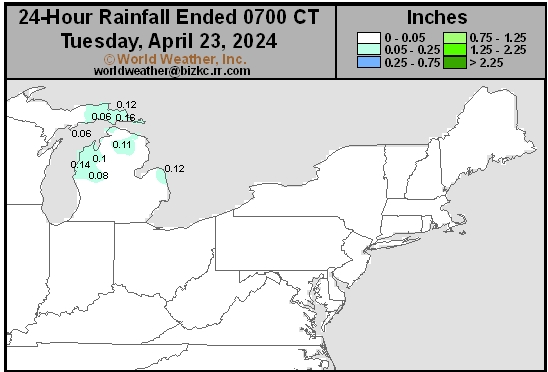
This content is for members only
Hard Red Wheat Daily Rain
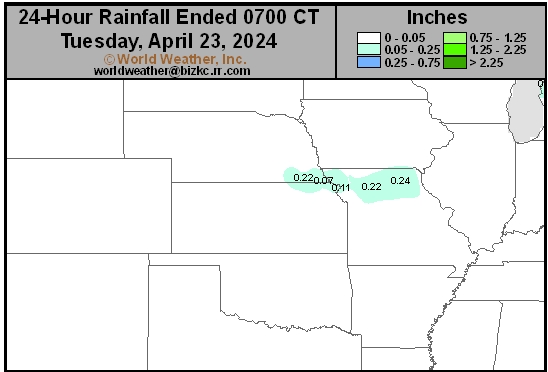
This content is for members only
Southwest Daily Rain
This content is for members only
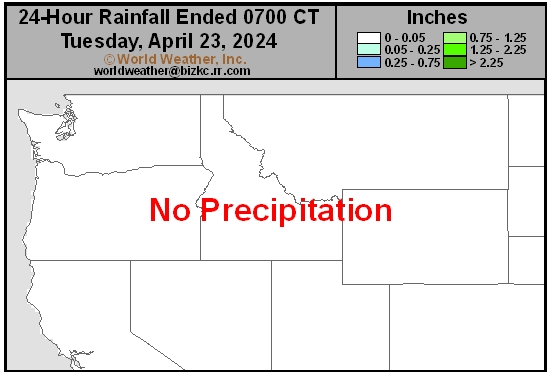
Northwest Daily Rain
This content is for members only
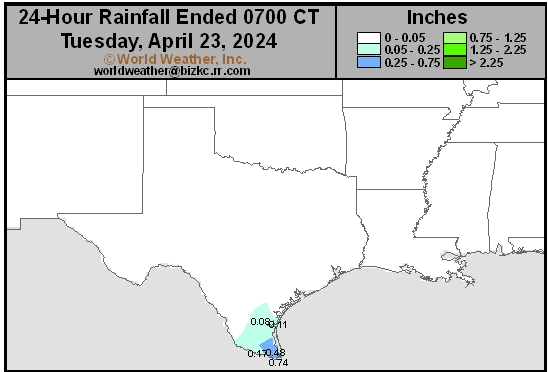
South Plains Daily Rain
This content is for members only
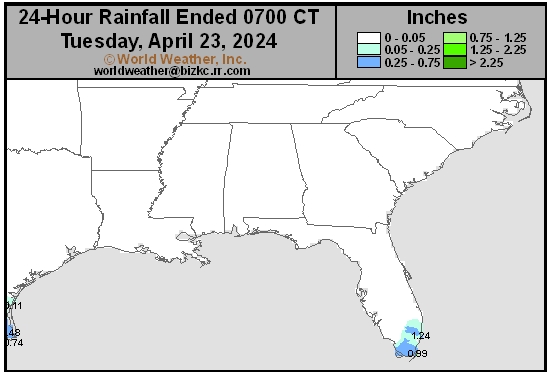
Delta/SE U.S. Daily Rain
This content is for members only
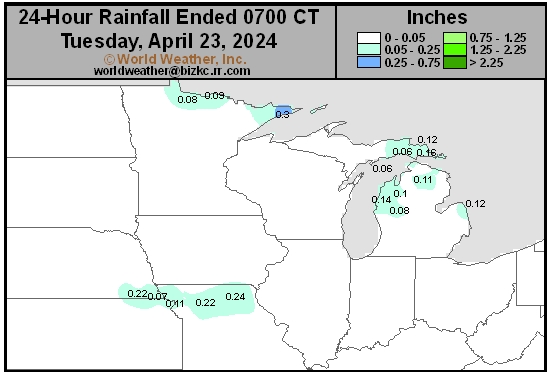
Corn Belt Daily Rain
This content is for members only
North Plains Daily Rain
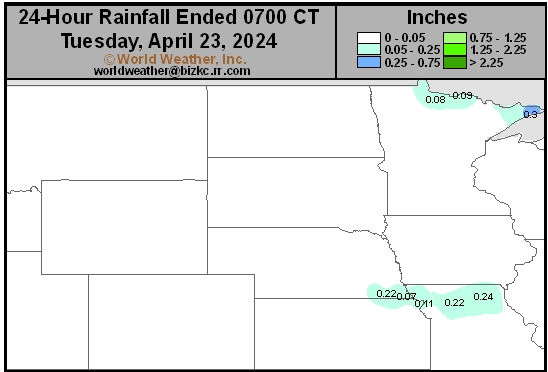
This content is for members only
Low Temperature
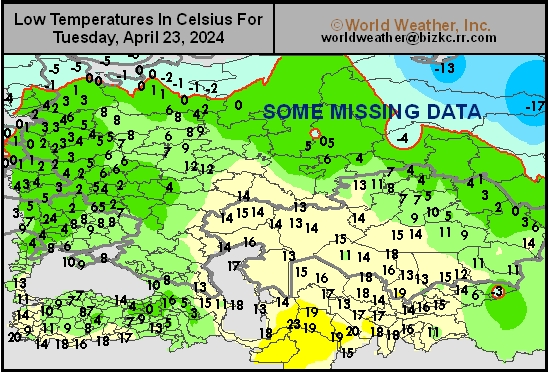
This content is for members only
High Temperature
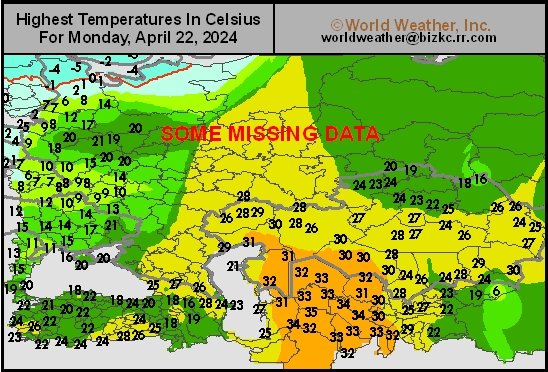
This content is for members only
CIS Rainfall
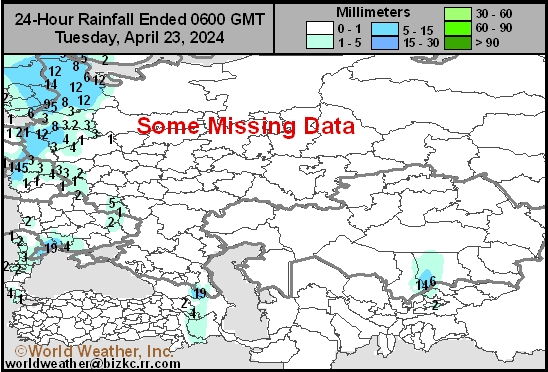
This content is for members only
Low Temperature
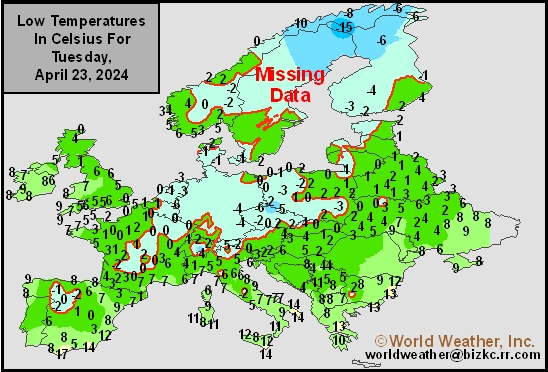
This content is for members only
High Temperature
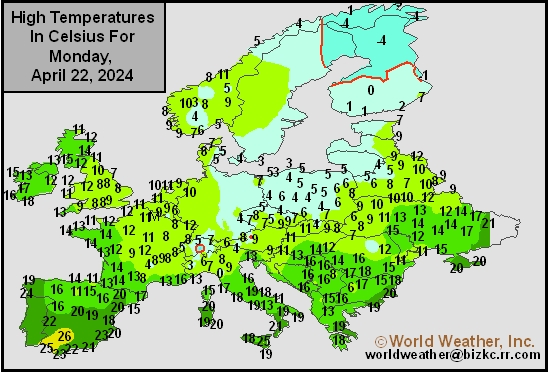
This content is for members only
Europe Rainfall
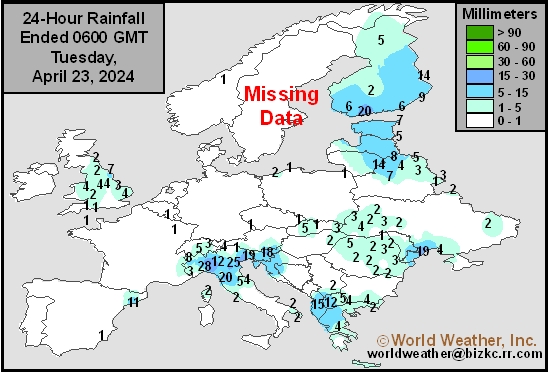
This content is for members only
Low Temperature
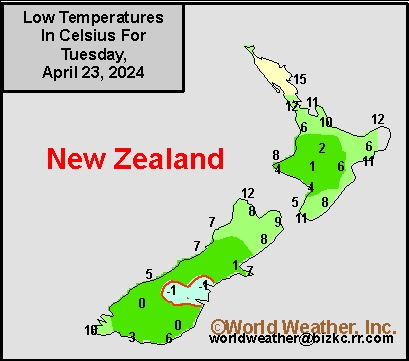
This content is for members only
High Temperature
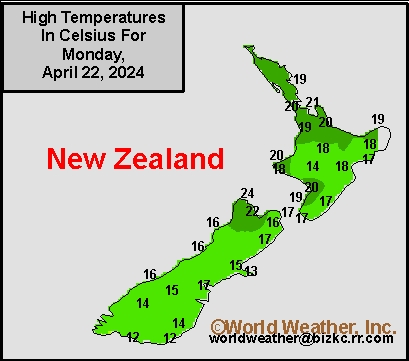
This content is for members only
New Zealand Rainfall
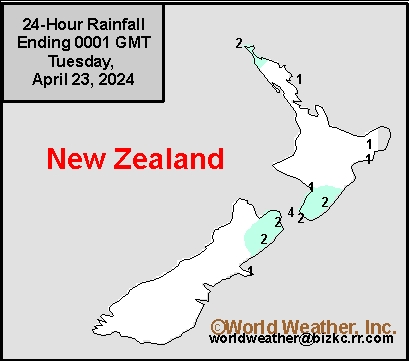
This content is for members only
Low Temperature
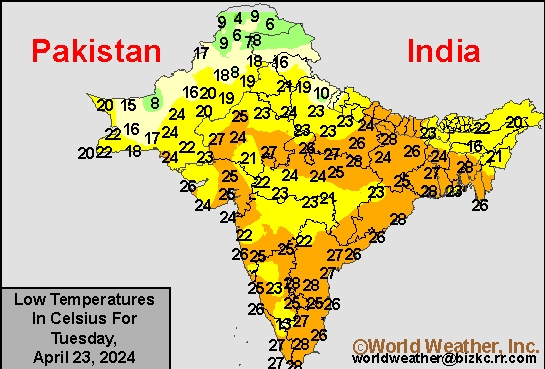
This content is for members only
High Temperature
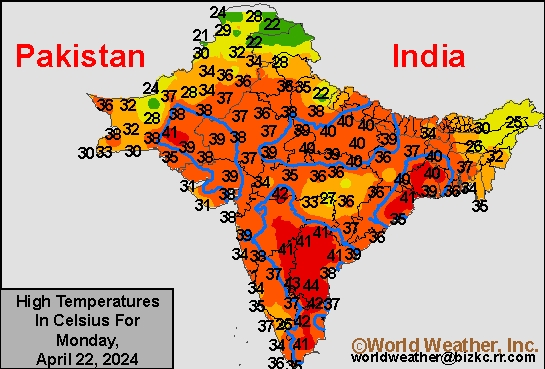
This content is for members only
India Rainfall
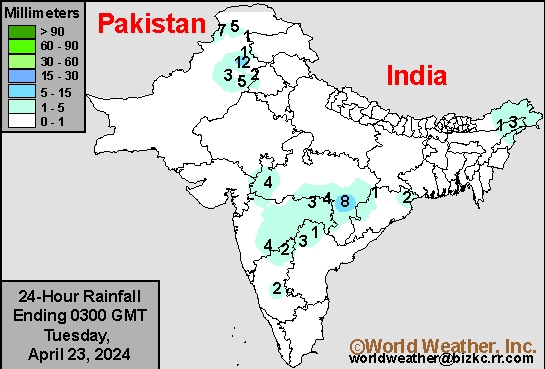
This content is for members only
Low Temperature
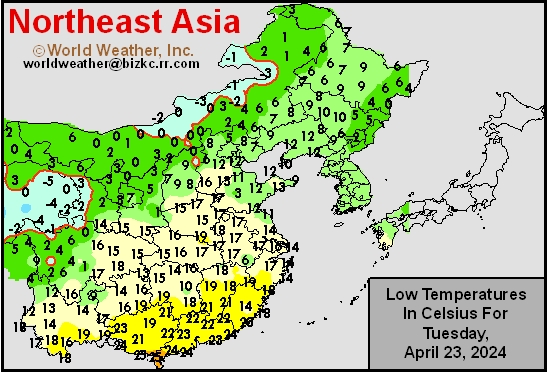
This content is for members only
Japan Rainfall
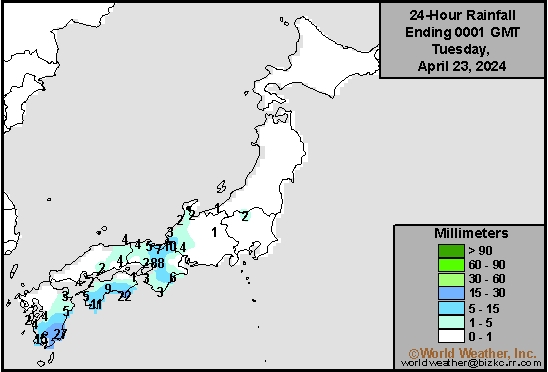
This content is for members only
Low Temperature
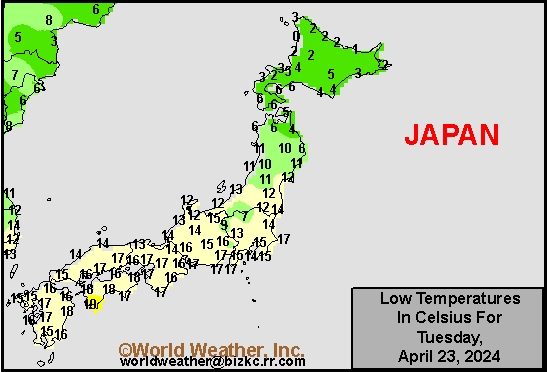
This content is for members only
High Temperature
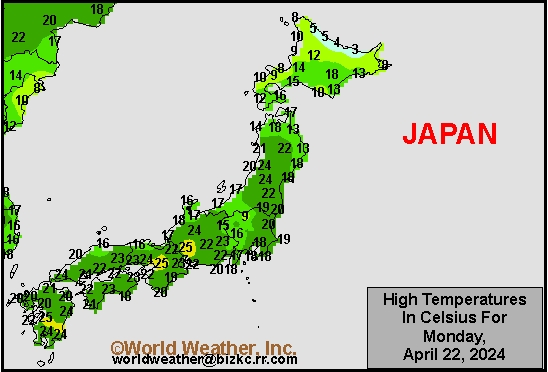
This content is for members only
High Temperature
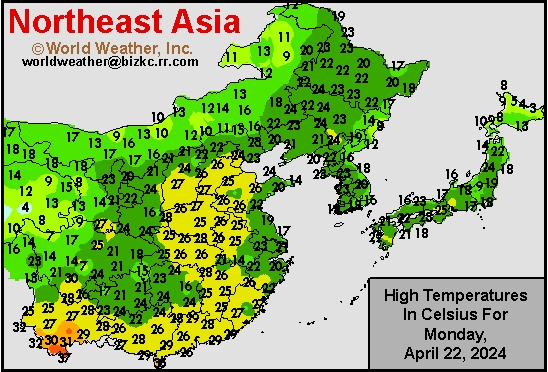
This content is for members only
China Rainfall
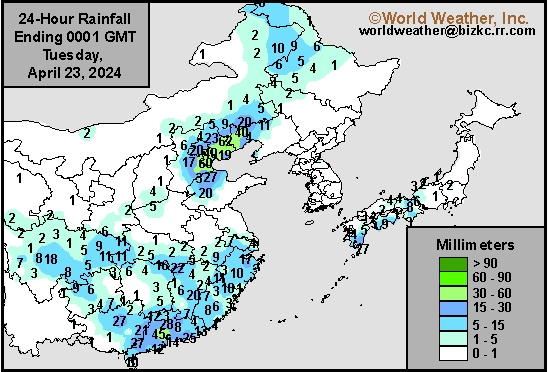
This content is for members only
Low Temperature
This content is for members only
High Temperature
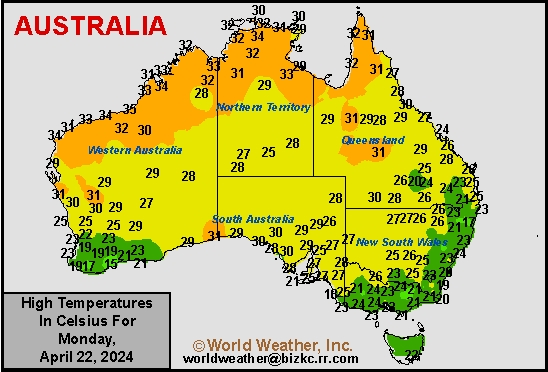
This content is for members only
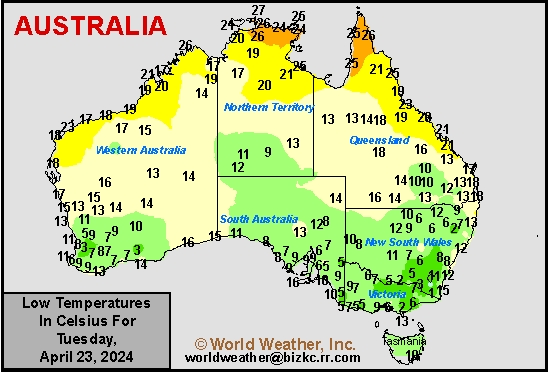
Australia Rainfall
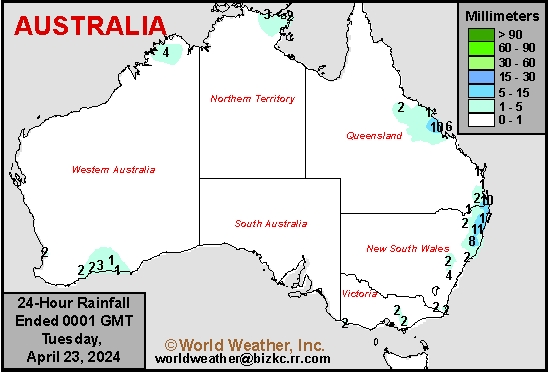
This content is for members only
Europe Rapeseed, Fruit And Vegetable Crops Freeze Damaged
Kansas City, April 23 (World Weather Inc.) – Unusually warm weather earlier this month across the European Continent was replaced by cooler weather last week. The cooling trend dominated much of the past week, but temperatures the past few days have bottomed out well below freezing. Concern about crop damage is rampant today and some damage has likely occurred. Fruit and vegetable crops were most seriously impacted since an extended period of warm weather from late March through early April induced flowering and aggressive new crop development. Wheat barley and rye should not have been seriously impacted, but there is concern over the rapeseed crop.
U.S. Midwest Rain Will Slow Corn, Soybean Planting Rates
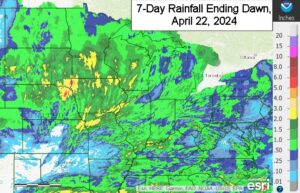
Kansas City, April 23 (World Weather Inc.) – Recent precipitation has been occurring often enough to slow some of the farming activity in the U.S. Midwest and this trend will continue this week before a more dramatic increase in rainfall takes place next week. Farmers will be taking a risk of having some fields washed out if they rush into planting this week ahead of the greater rain that may fall next week. Producers are already eying the second week of May for the big push in fieldwork after the slow start. The next ten days to two weeks of rain in the western Midwest is liable to further reduce drought in the western Corn and Soybean Belt and add moisture for feedback moisture into the atmosphere in late May when a high pressure ridge begins to influence the region.
Eastern Argentina Rain Will Disrupt Harvest
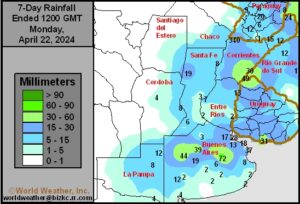
Kansas City, April 23 (World Weather Inc.) – Field conditions in eastern Argentina are still quite wet after recent past storm systems that produced abundant rainfall in the region. Less intensive rain occurred in this past week, though there is more heavy rain coming later this week that will restore excessive moisture and flooding. Most of the torrential rain, though, will stay east of the primary grain and oilseed production areas.
Venezuela/Colombia Min Temps
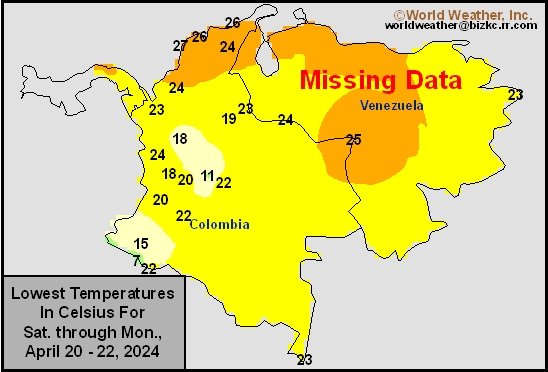
This content is for members only
Venezuela/Colombia Max Temps
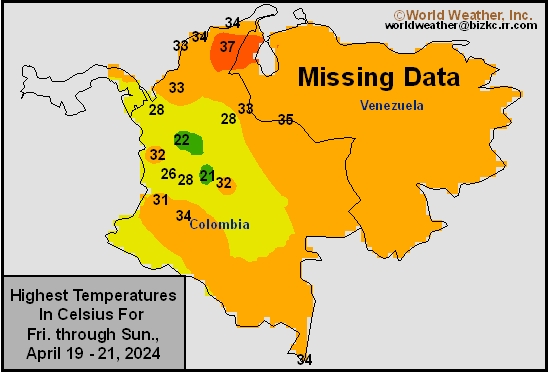
This content is for members only
SE Canada Min
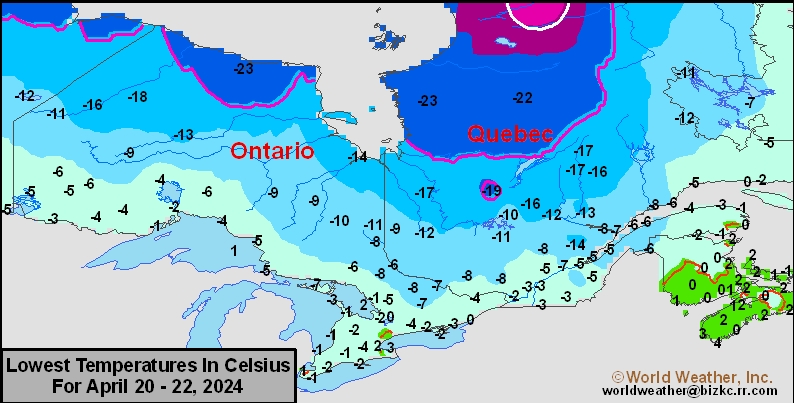
This content is for members only
SE Canada Max
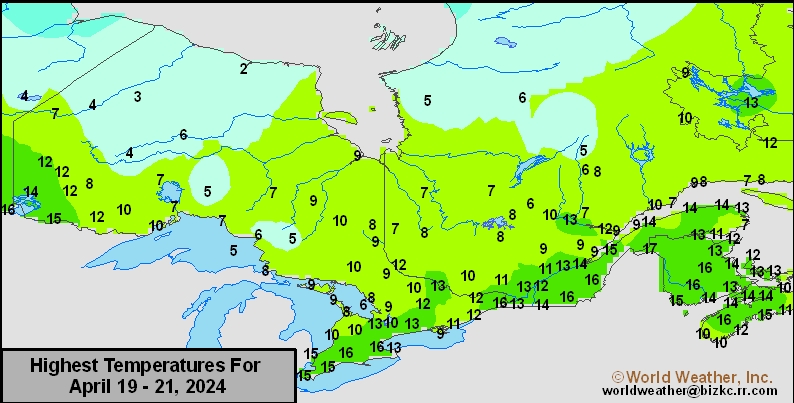
This content is for members only
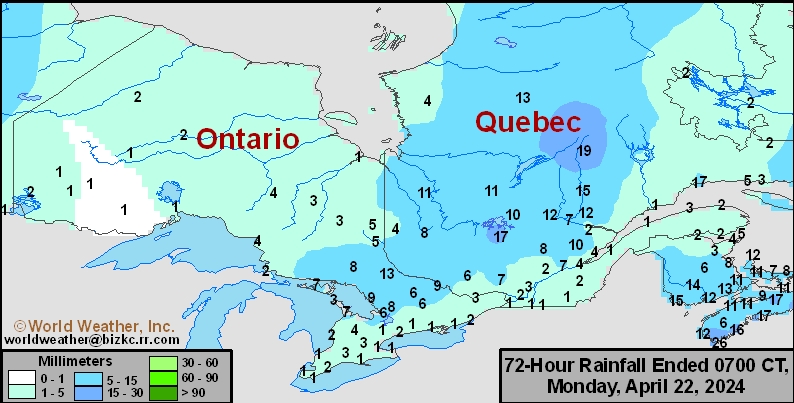
SE Canada Rainfall
This content is for members only
Prairies Rainfall

This content is for members only
Prairies Max Temperature

This content is for members only
Prairies Min Temperature

This content is for members only
Canada Rainfall

This content is for members only
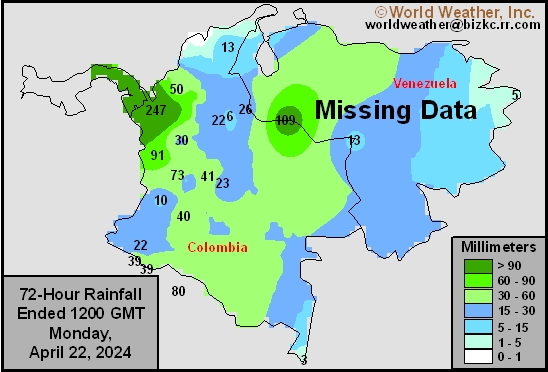
Venezuela Rainfall
This content is for members only
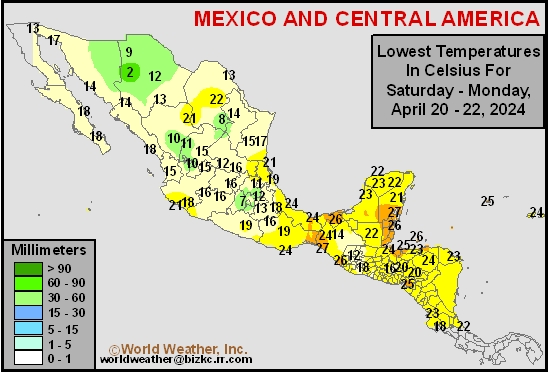
Mexico Min Temperature
This content is for members only
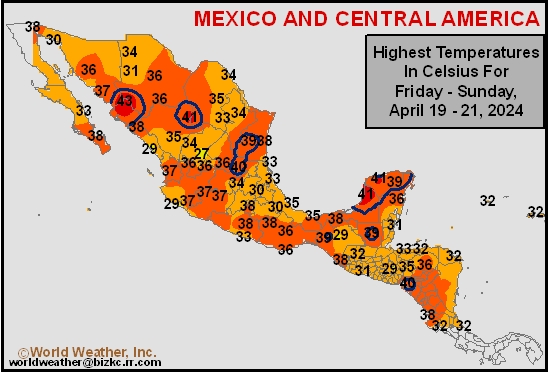
Mexico Max Temperature
This content is for members only
Mexico Rainfall
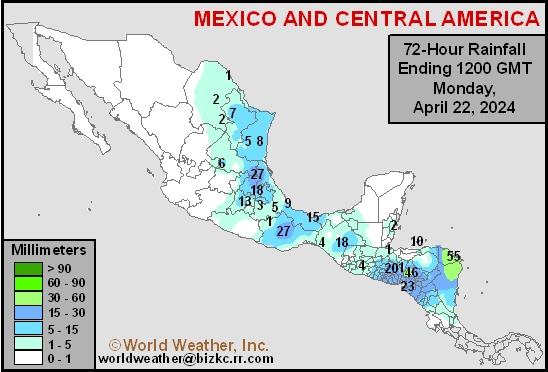
This content is for members only
Argentina Min Temperature
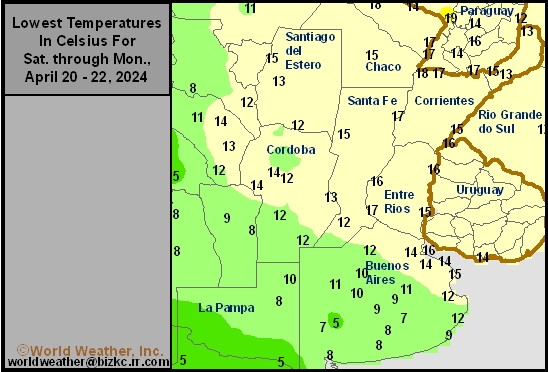
This content is for members only
Argentina Max Temperature
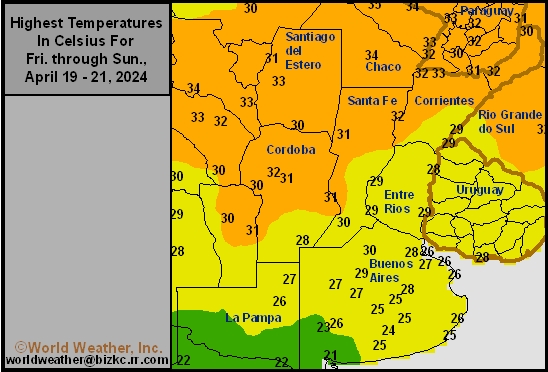
This content is for members only
Argentina Rainfall
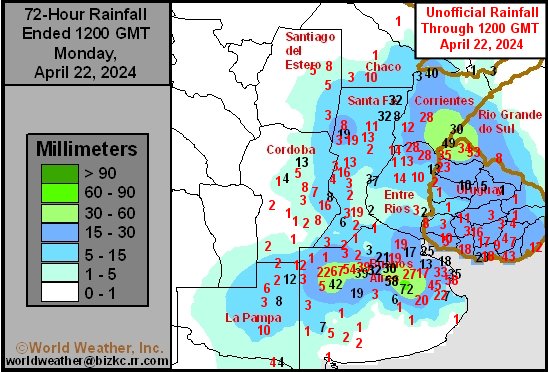
This content is for members only
Brazil Min Temperature
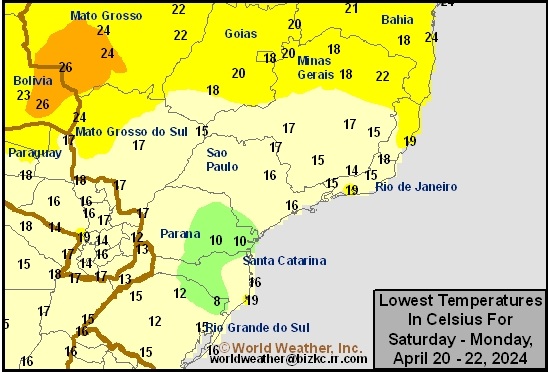
This content is for members only
Brazil Max Temperature
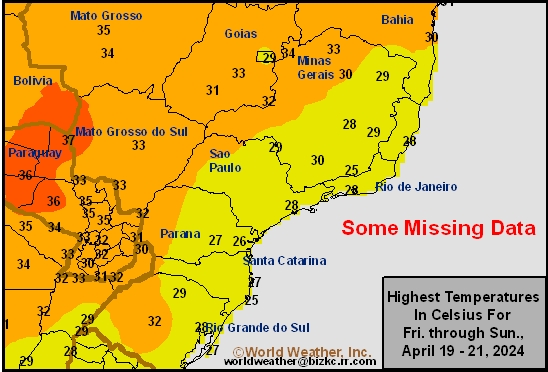
This content is for members only
Brazil Rainfall
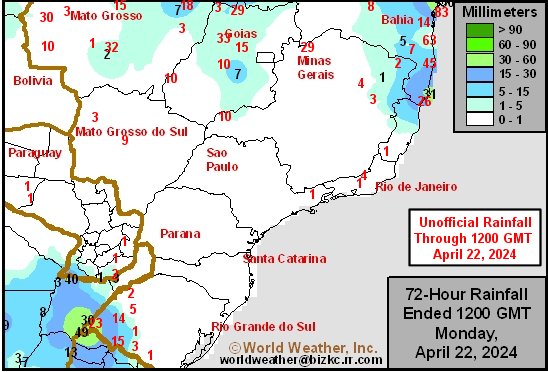
This content is for members only
Philippines Min
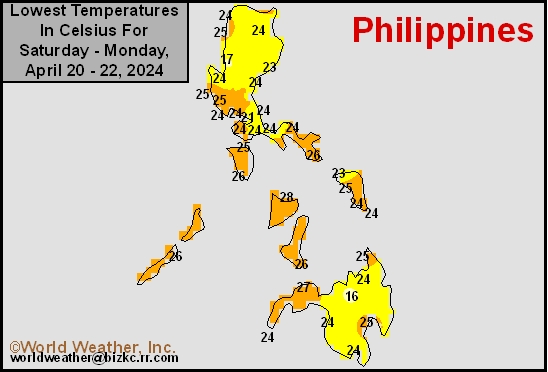
This content is for members only
Philippines Max
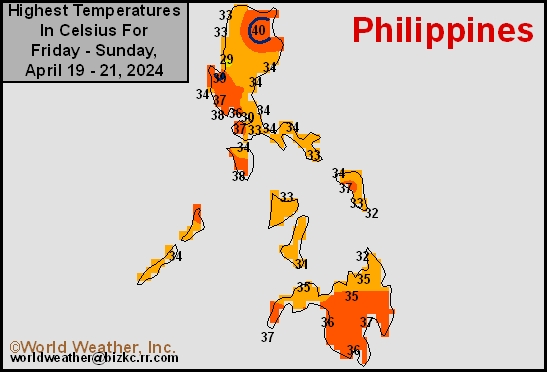
This content is for members only
Philippines Rain
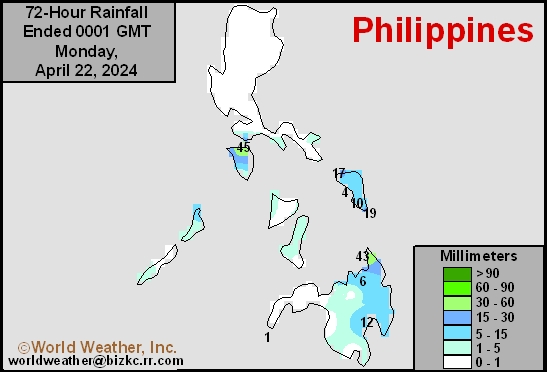
This content is for members only
Southeast North Rain
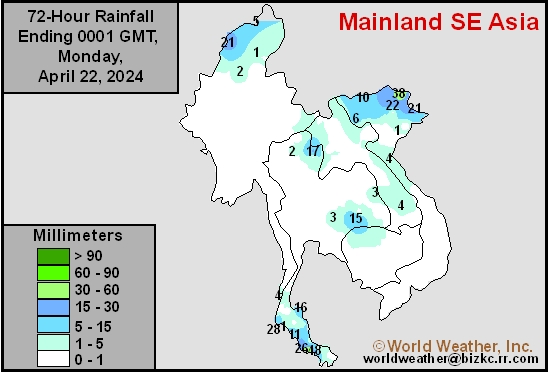
This content is for members only
Southeast North Min
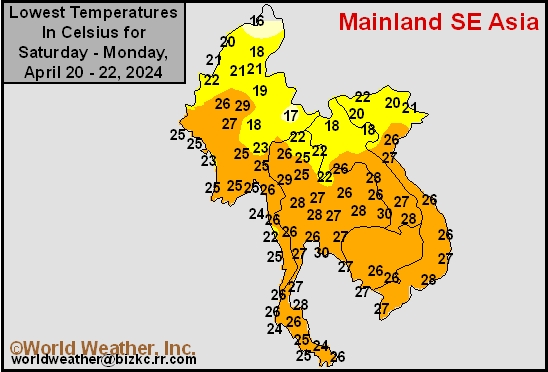
This content is for members only
Southeast North Max
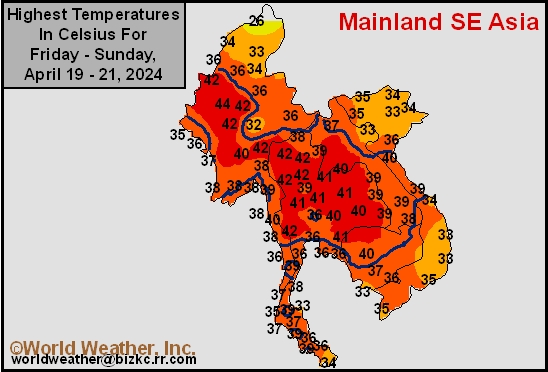
This content is for members only
Southeast Min
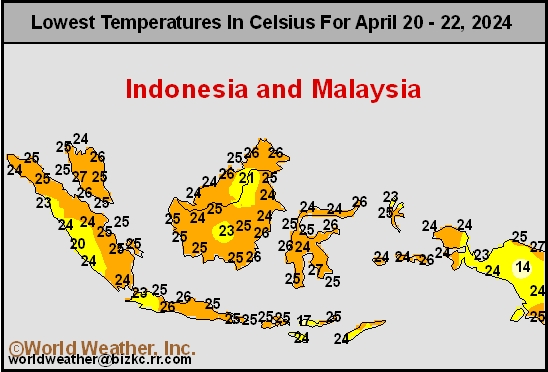
This content is for members only
Southeast Max
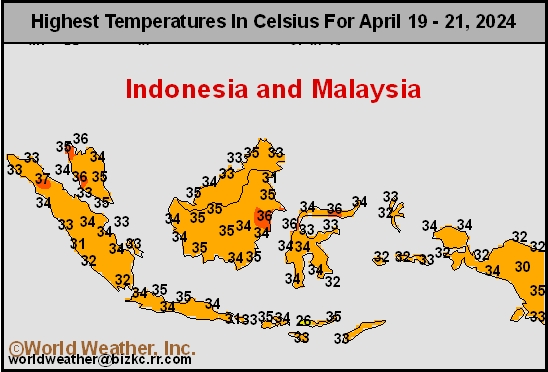
This content is for members only
Southeast Rain
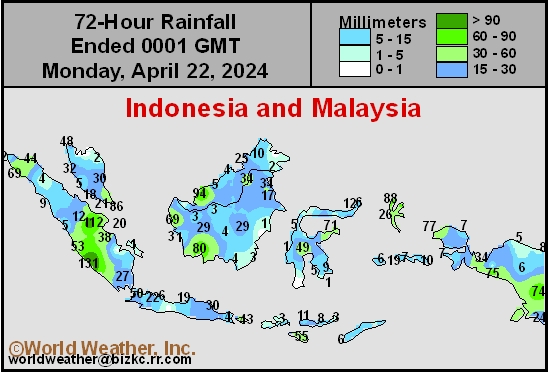
This content is for members only
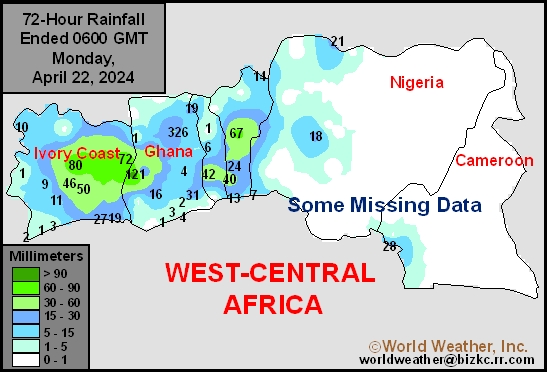
West Africa Rain
This content is for members only
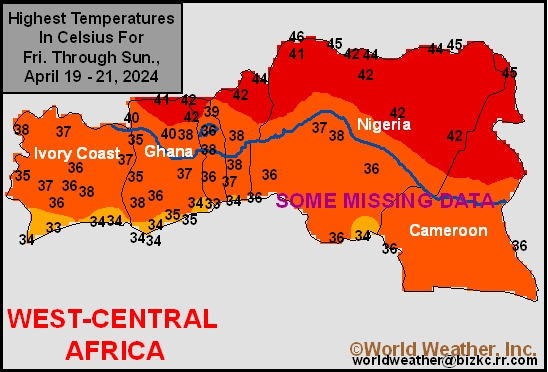
Max Temperature
This content is for members only
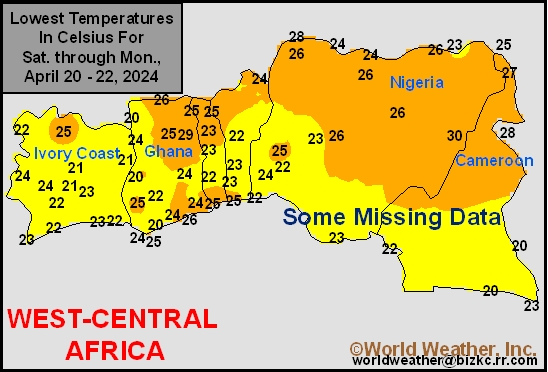
Min Temperature
This content is for members only
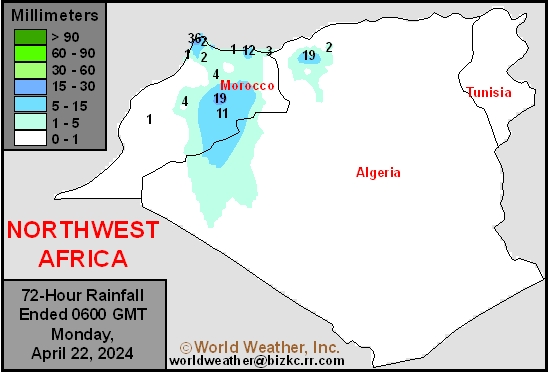
North Africa Rain
This content is for members only