
US Max

This content is for members only
US Rain

This content is for members only
Northeast Daily Rain
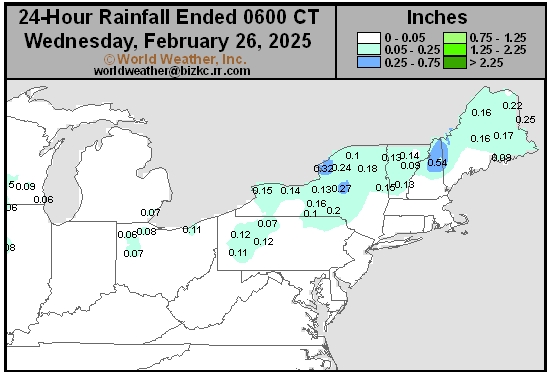
This content is for members only
Hard Red Wheat Daily Rain
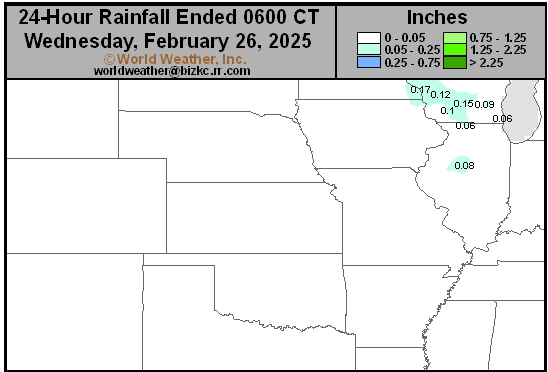
This content is for members only
Southwest Daily Rain
This content is for members only
Northwest Daily Rain
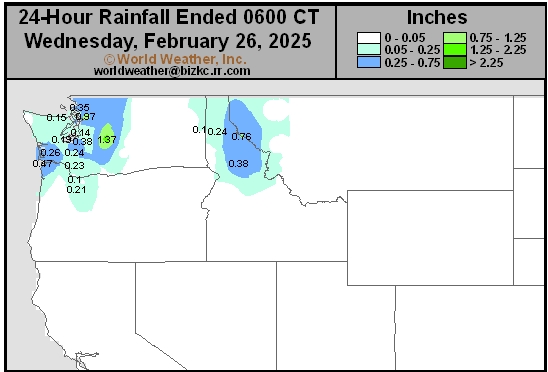
This content is for members only
South Plains Daily Rain
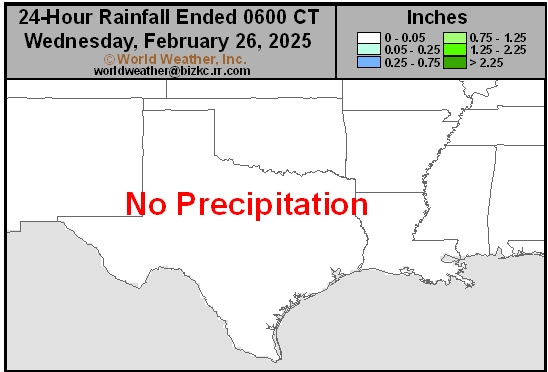
This content is for members only
Delta/SE U.S. Daily Rain
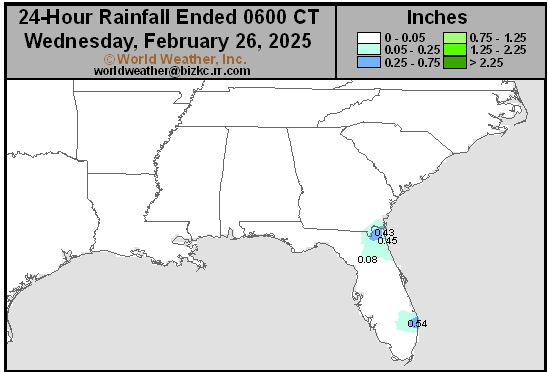
This content is for members only
Corn Belt Daily Rain
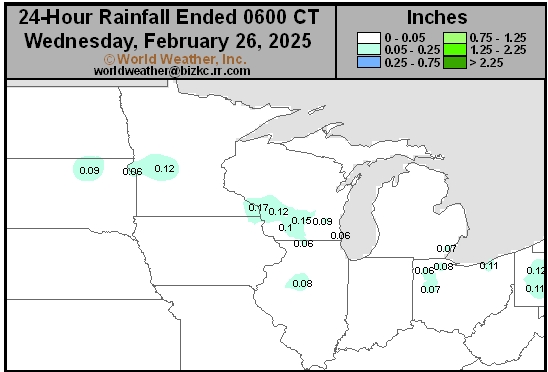
This content is for members only
North Plains Daily Rain
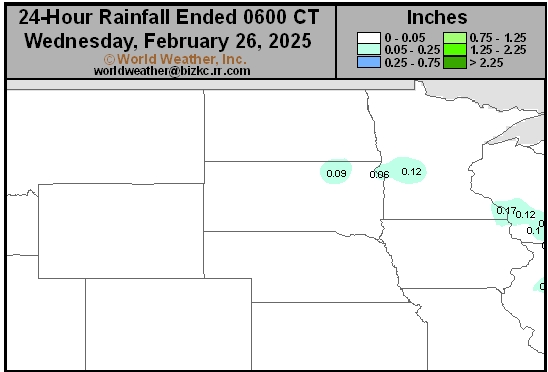
This content is for members only
Low Temperature
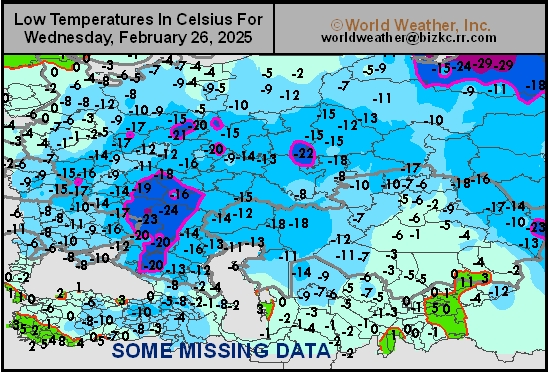
This content is for members only
High Temperature
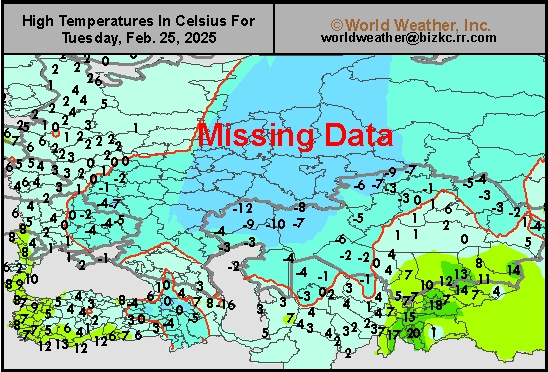
This content is for members only
CIS Rainfall
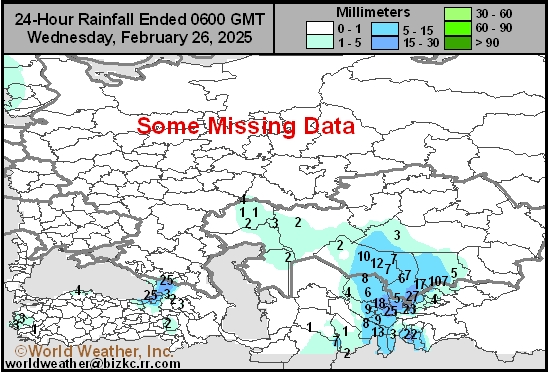
This content is for members only
Low Temperature
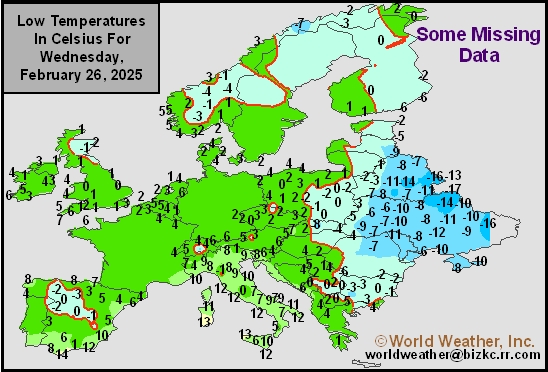
This content is for members only
High Temperature
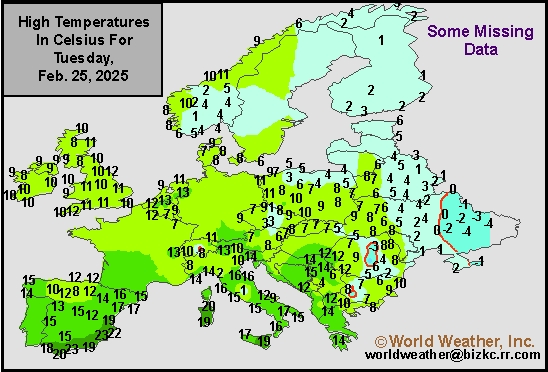
This content is for members only
Europe Rainfall
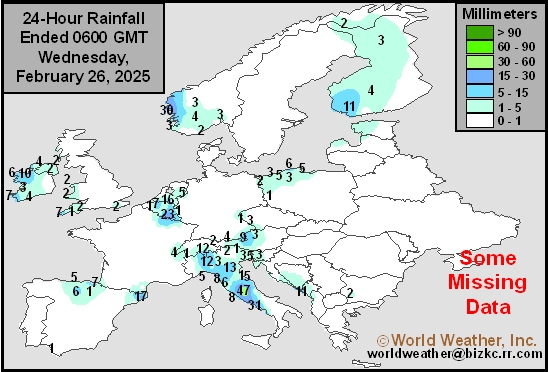
This content is for members only
Low Temperature
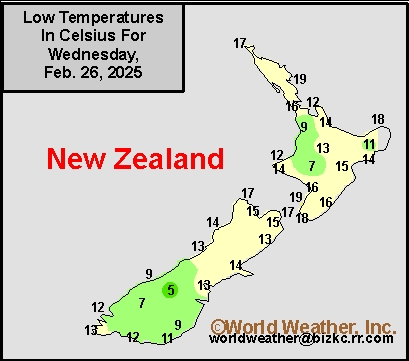
This content is for members only
High Temperature
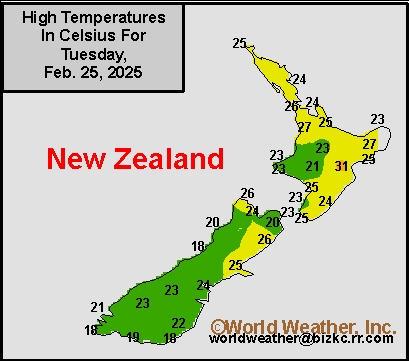
This content is for members only
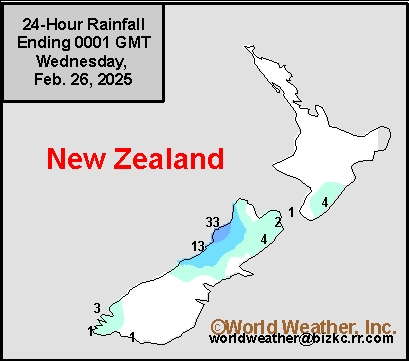
New Zealand Rainfall
This content is for members only
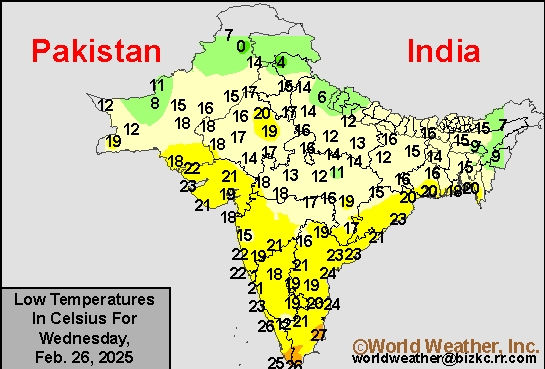
Low Temperature
This content is for members only
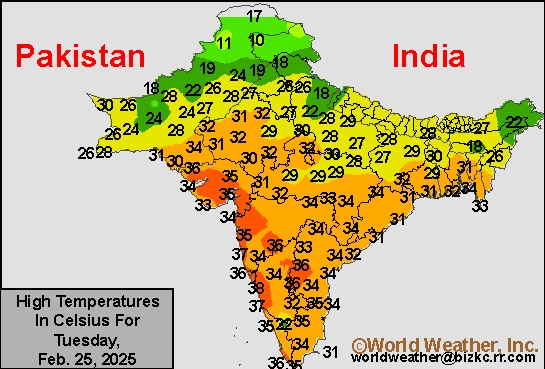
High Temperature
This content is for members only
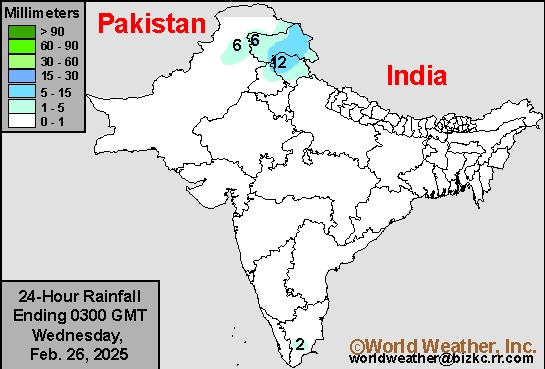
India Rainfall
This content is for members only
Low Temperature
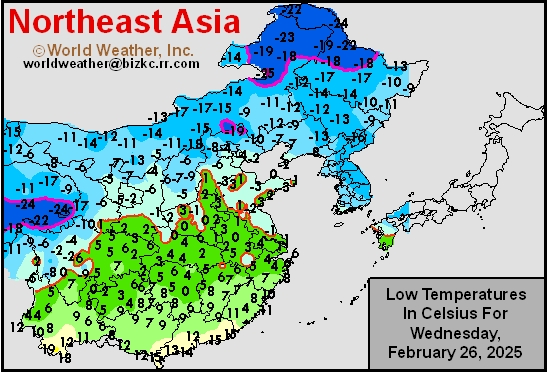
This content is for members only
Japan Rainfall
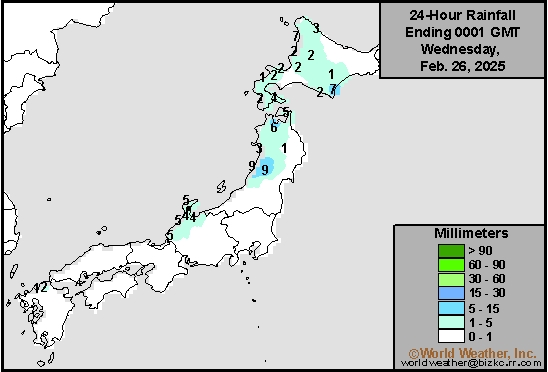
This content is for members only
Low Temperature
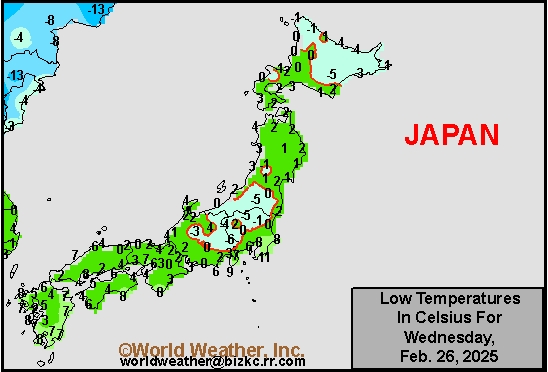
This content is for members only
High Temperature
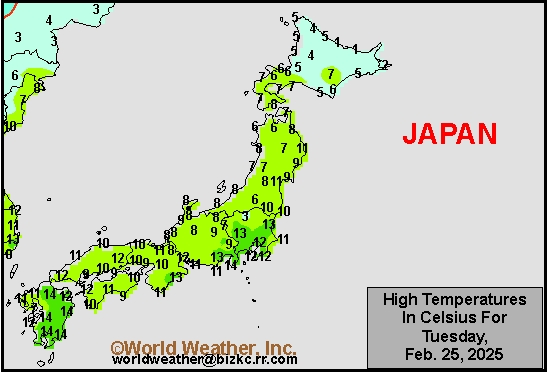
This content is for members only
High Temperature
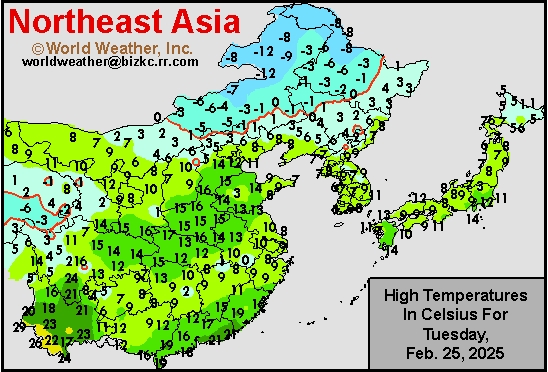
This content is for members only
China Rainfall
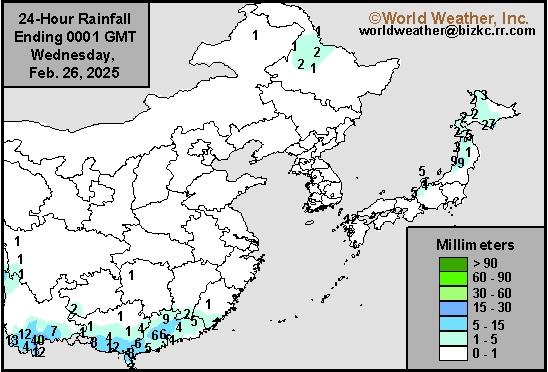
This content is for members only
Low Temperature
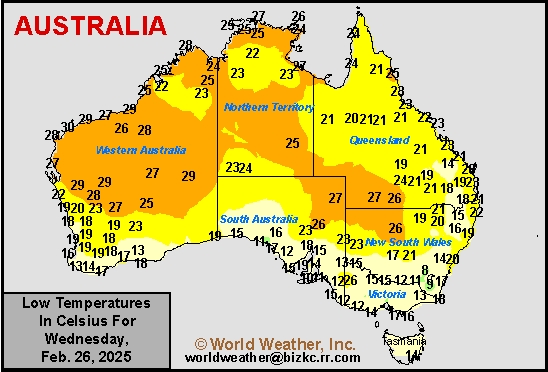
This content is for members only
High Temperature
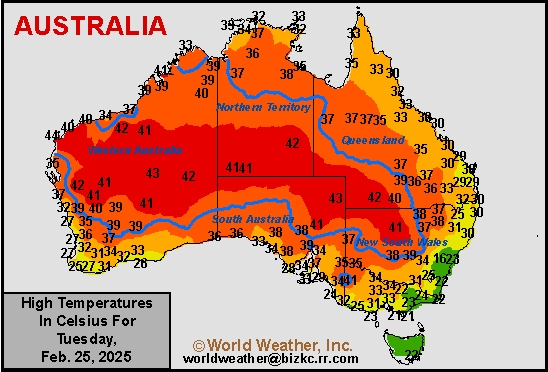
This content is for members only
Austrailia Rainfall
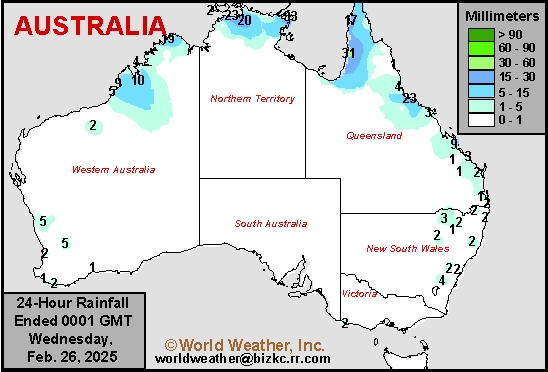
This content is for members only
7-Day Rainfall
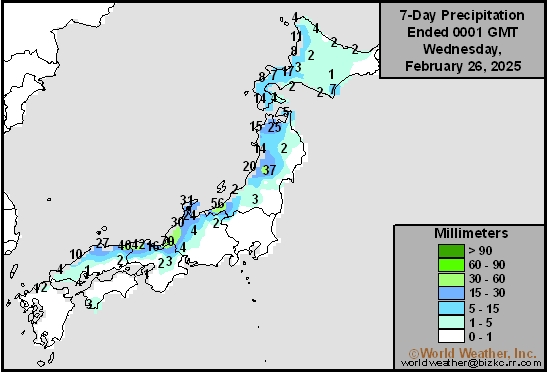
This content is for members only
7-Day Rainfall
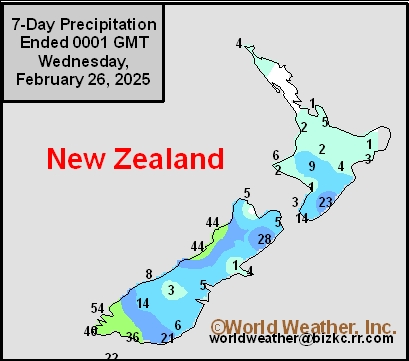
This content is for members only
7-Day Rainfall
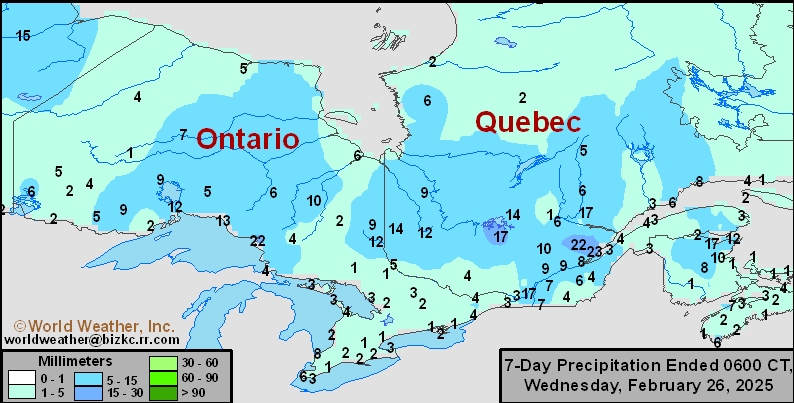
This content is for members only
7-Day Rainfall

This content is for members only
7-Day Rainfall

This content is for members only
7-Day Rainfall
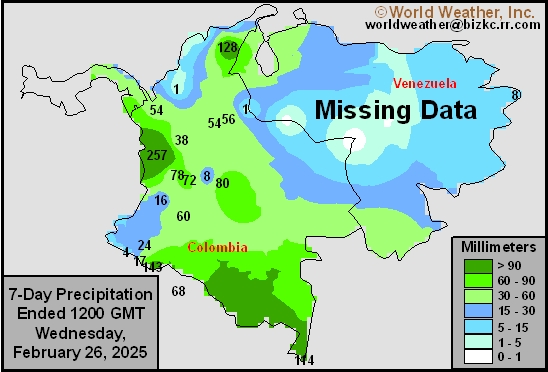
This content is for members only
7-Day Rainfall
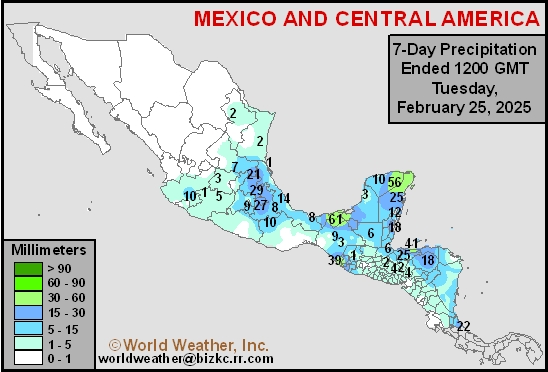
This content is for members only
Hard Red Wheat 7-Day Rain
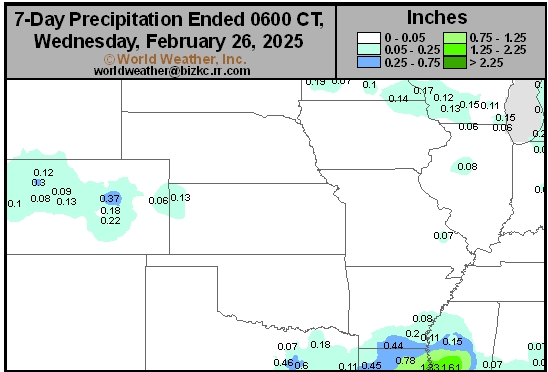
This content is for members only
Northeast 7-Day Rain
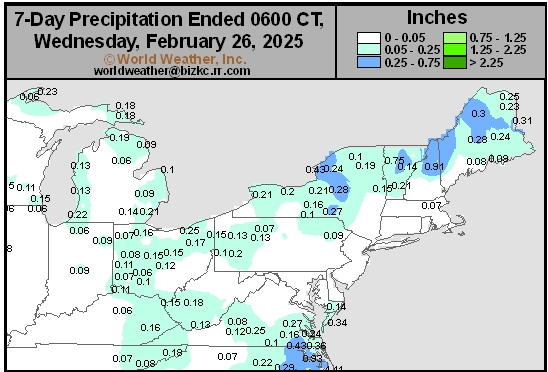
This content is for members only
Southwest 7-Day Rain
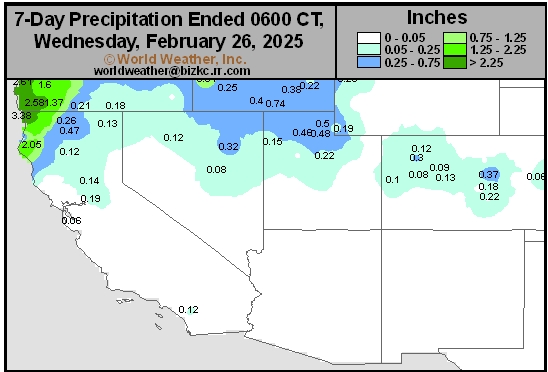
This content is for members only
Northwest 7-Day Rain
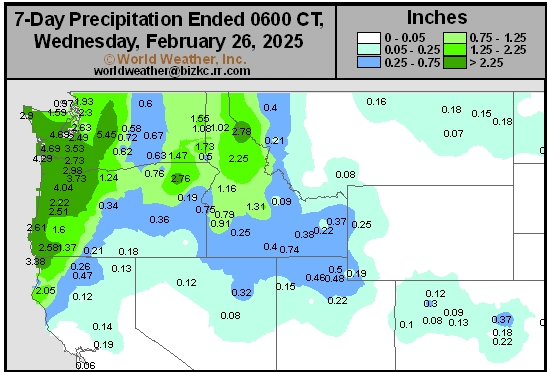
This content is for members only
South Plains 7-Day Rain
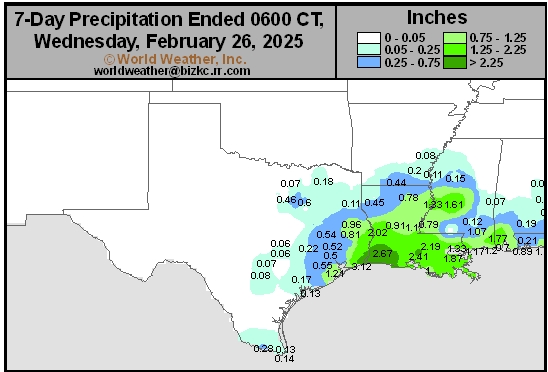
This content is for members only
Delta/SE U.S. 7-Day Rain
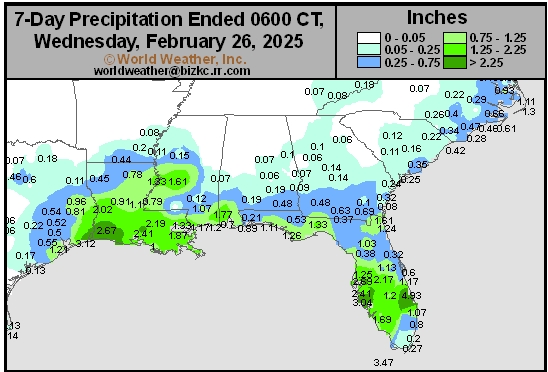
This content is for members only
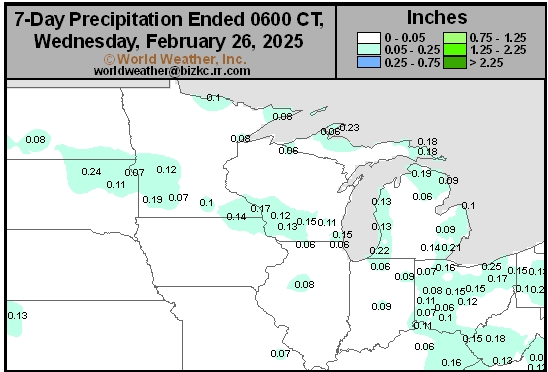
Corn Belt 7-Day Rain
This content is for members only
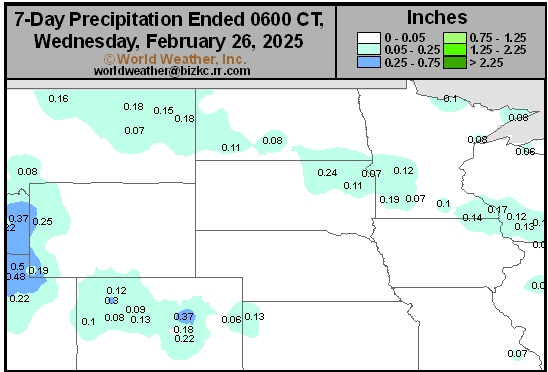
North Plains 7-Day Rain
This content is for members only
7-Day Rainfall

This content is for members only
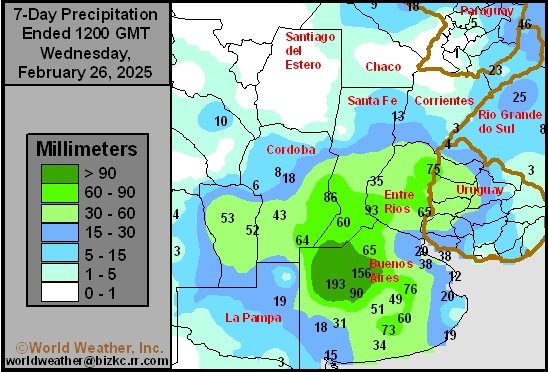
7-Day Rainfall
This content is for members only
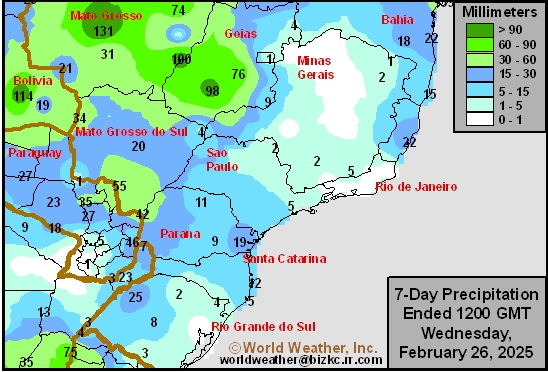
7-Day Rainfall
This content is for members only
7-Day Rainfall
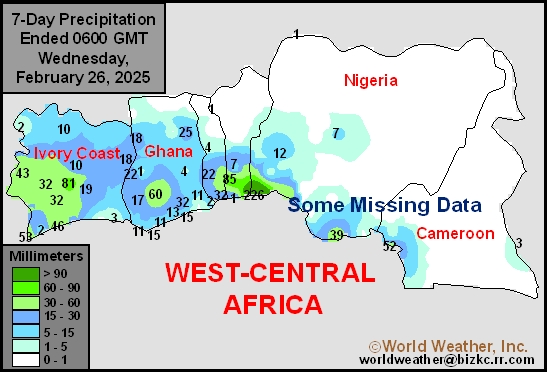
This content is for members only
7-Day Rainfall
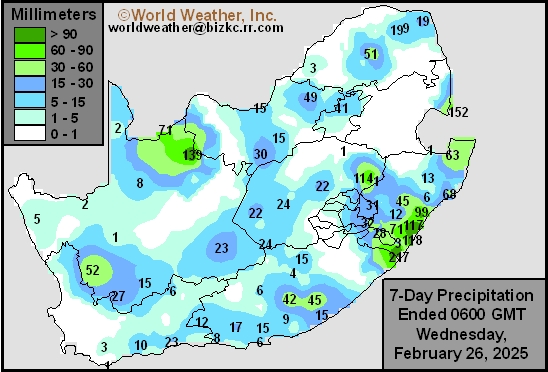
This content is for members only
7-Day Rainfall
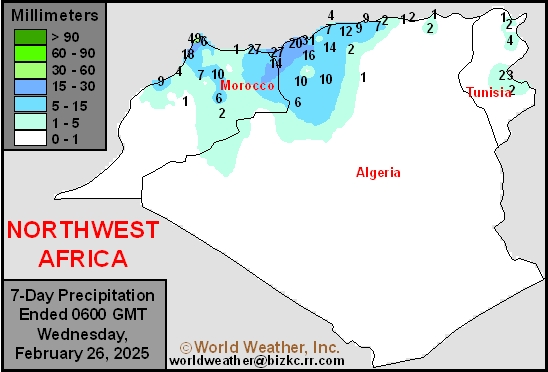
This content is for members only
7-Day Rainfall
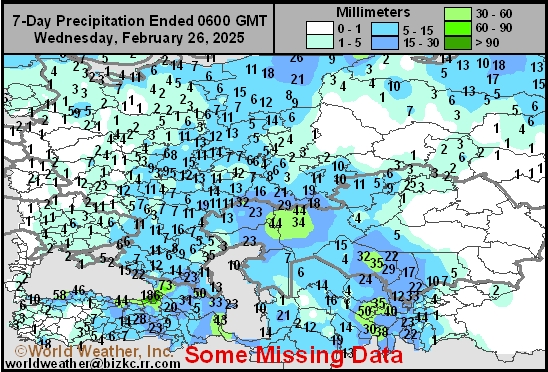
This content is for members only
7-Day Rainfall
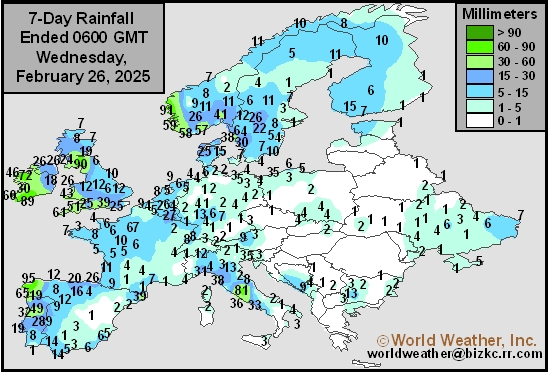
This content is for members only
7-Day Rainfall
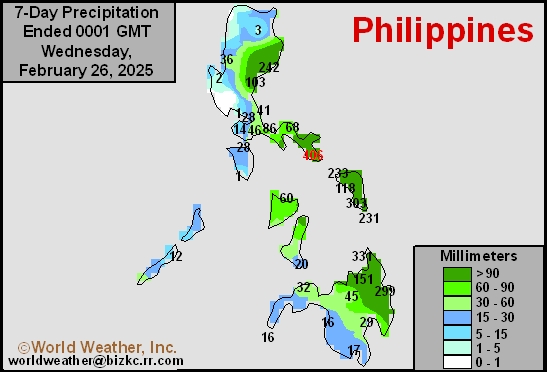
This content is for members only
7-Day Rainfall
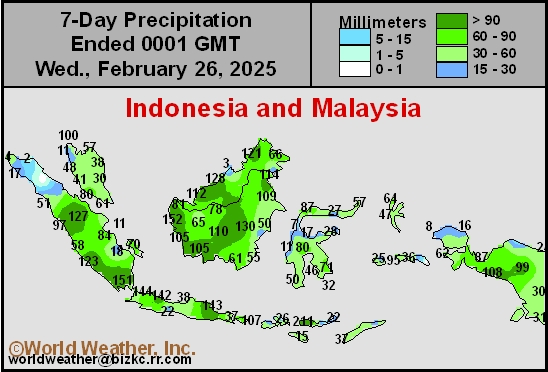
This content is for members only
7-Day Rainfall
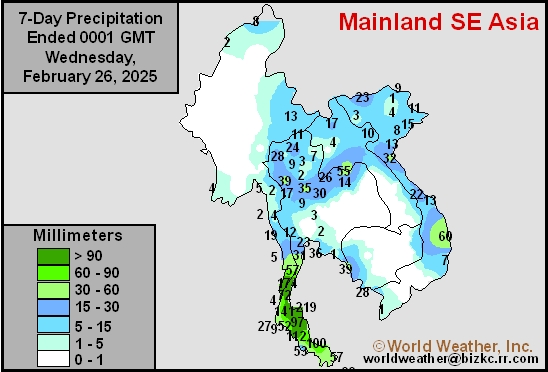
This content is for members only
7-Day Rainfall
This content is for members only
7-Day Rainfall
This content is for members only
7-Day Rainfall
This content is for members only
Tropical Cyclone Honde Impact On Madagascar To Be Minimal
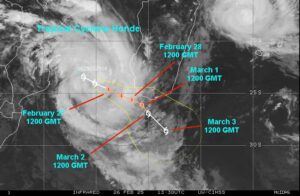
Kansas City, February 26 (World Weather Inc.) – Tropical Cyclone Honde was located over the Mozambique Channel between Mozambique and Madagascar earlier this morning. The disturbance will slowly track toward southeastern Madagascar today and Thursday before settling off the coast Friday and this weekend. Flooding and damaging winds are expected for southwestern Madagascar with some localized flooding also possible in west-central and northwestern Madagascar. The southwest corner of the island is not a major crop producer and overall damage should be minimal. Localized flooding may otherwise damage a minor amount of crops produced this time of year in west-central and northwestern Madagascar.
Soil Temperature

This content is for members only
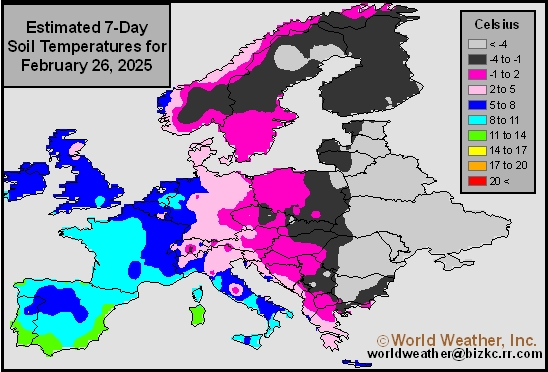
Soil Temperature
This content is for members only
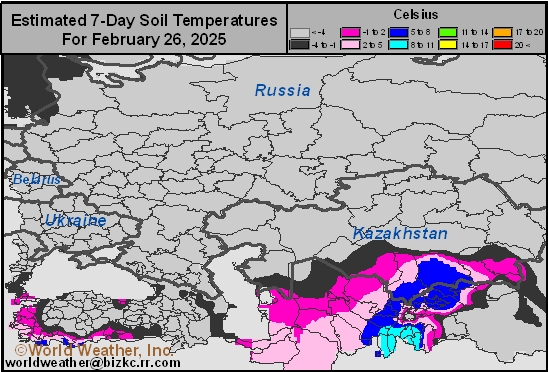
Soil Temperature
This content is for members only
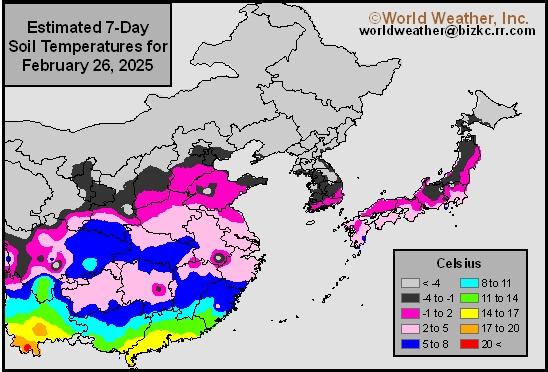
Soil Temperature
This content is for members only
Soil Temperature

This content is for members only
Far Northern India Rainfall To Impact A Few Winter Crops
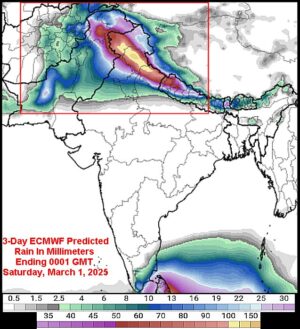
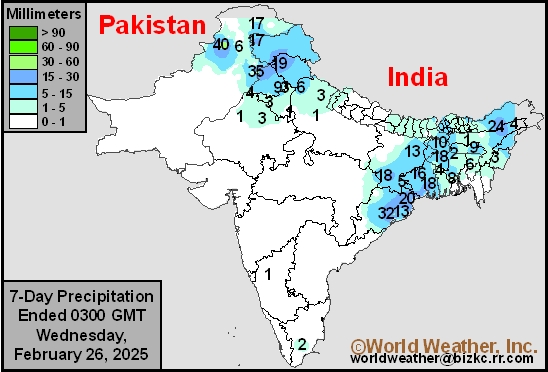
Kansas City, February 26 (World Weather Inc.) – India’s winter crops have not received much rain this season and that may be pressuring yield potentials lower for unirrigated wheat, barley, millet, rapeseed, mustard and a number of pulse crops. Worry had been rising over hot weather during reproduction, although that has not evolved in a very detrimental manner, so far, this season. A strong cold front moving into India from the Middle East will bring significant rain to the far north of the nation over the balance of this week and temperatures will briefly fall lower than usual behind the event. The moisture will prove beneficial to some winter crops; although, some of the more important production areas will miss out on this precipitation event.
Argentina Flood Event May Be Serious For A Few Areas
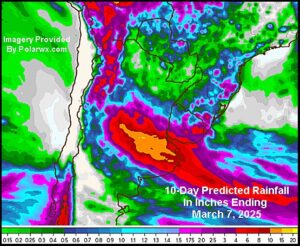
Kansas City, February 25 (World Weather Inc.) – Argentina has dealt with excessive heat and drought-like conditions at times during the spring and summer this year. Some of the early season crops were damaged by such conditions and yields are down from those
originally anticipated this year. Rain began to improve the moisture profile early this month
and the improvement for some central areas may have put back some of the lost production
potential; however, now the nation’s key production areas are bracing for heavy rain that
will create a new problem with flooding.
Weekly Citrus Weather for Tuesday, February 25, 2025
Kansas City, February 25 (World Weather Inc.) – A disturbance brought much-needed rain to Florida during the past 24 hours. Drought or abnormally dry conditions slowly evolved in recent weeks and the rain will help improve the moisture profile. Drier biased conditions will return during the coming week and net drying is again expected. The combination of irrigation and recent rainfall will still support a good environment for citrus. In Brazil, precipitation was limited in several locations during the past week. Drier-than-normal weather will persist during the coming week and the need for rain will increase later in March. Spotty rain was noted in Mexico’s production areas during the past week. The main citrus areas will trend drier than normal during the coming week and timely rain would be welcome later in March.
Center-South, Northeastern Brazil Dryness Threatens Crops
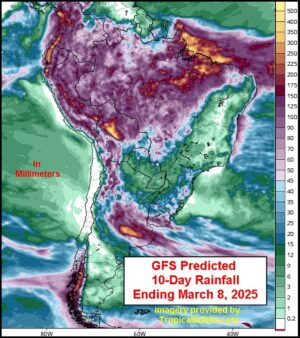
Kansas City, February 25 (World Weather Inc.) – Brazil soybean and first-season corn harvesting remains a little behind last year’s pace despite significant gains in the past week. Rainfall varied significantly across the main production areas with many areas in the far south and northeast receiving little or no rain. In addition to the lag in soybean harvesting, Safrinha corn planting remains a little behind last year’s pace as well. While the lack of rain was welcome to support more aggressive harvesting, several fields that missed out on rain in recent weeks are in growing need of moisture. A large section of Brazil will trend drier than usual during the coming week, though Mato Grosso and neighboring locations will receive enough rain to maintain relatively good Safrinha corn development prospects while slowing fieldwork periodically. Heat and dryness may also have a negative impact on coffee and sugarcane production.
Subsoil Moisture

This content is for members only
Topsoil Moisture

This content is for members only
Subsoil Moisture
This content is for members only
Topsoil Moisture
This content is for members only
Subsoil Moisture
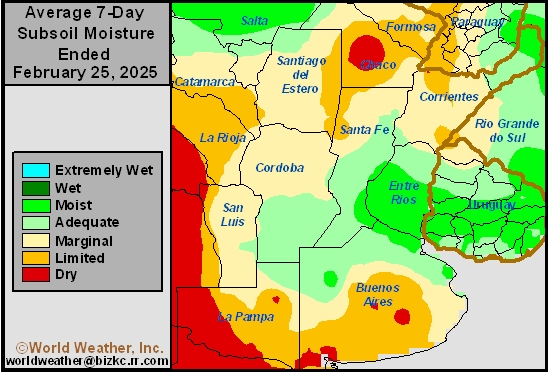
This content is for members only
Topsoil Moisture
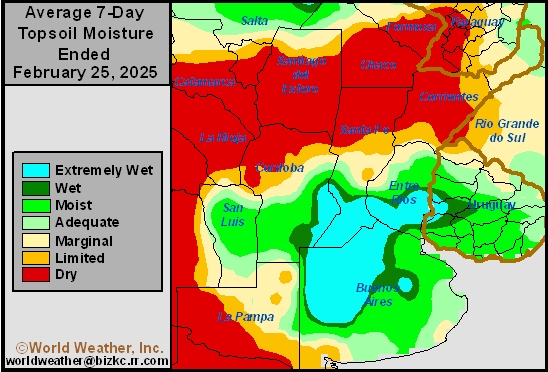
This content is for members only
Subsoil Moisture
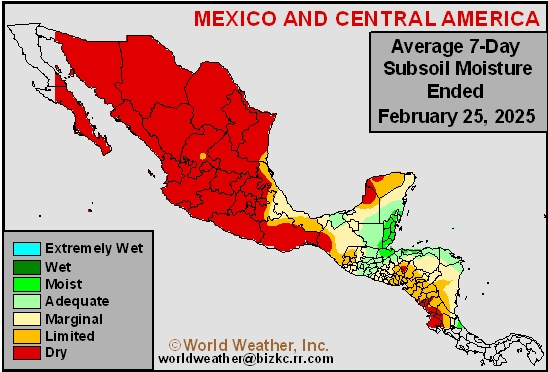
This content is for members only
Topsoil Moisture
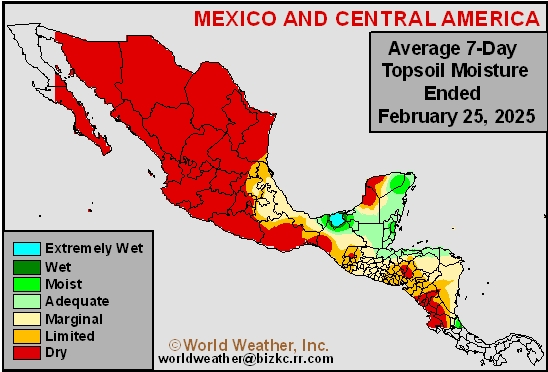
This content is for members only
Subsoil Moisture
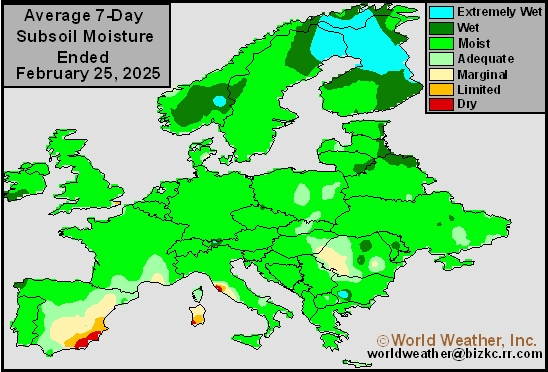
This content is for members only
Topsoil Moisture
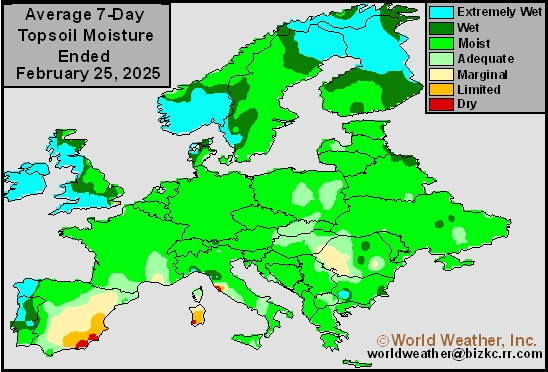
This content is for members only
Subsoil Moisture
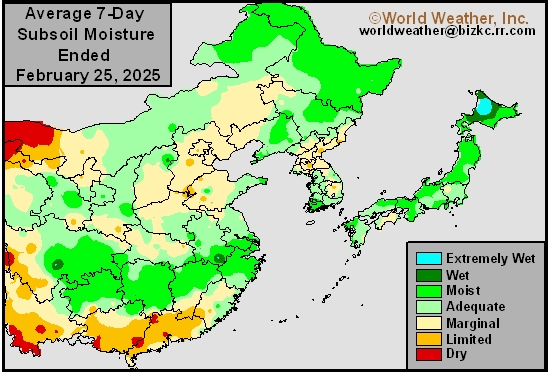
This content is for members only
Topsoil Moisture
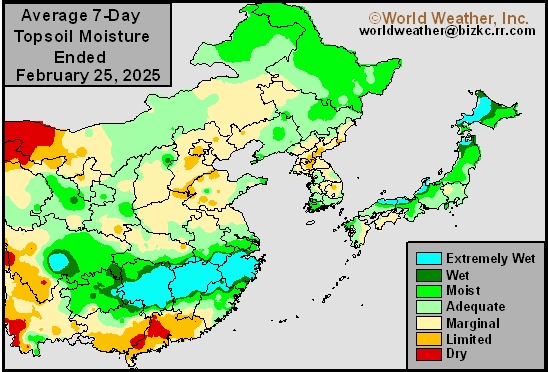
This content is for members only
Subsoil Moisture
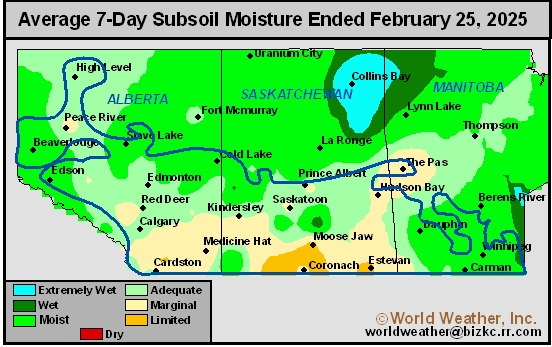
This content is for members only
Topsoil Moisture
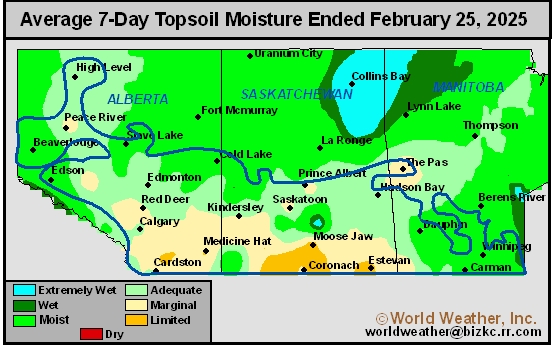
This content is for members only
Subsoil Moisture

This content is for members only
Topsoil Moisture

This content is for members only
Subsoil Moisture
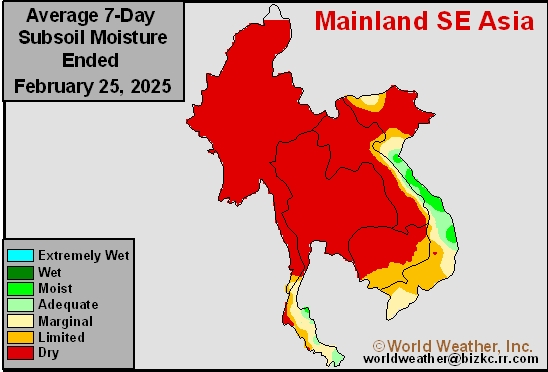
This content is for members only
Topsoil Moisture
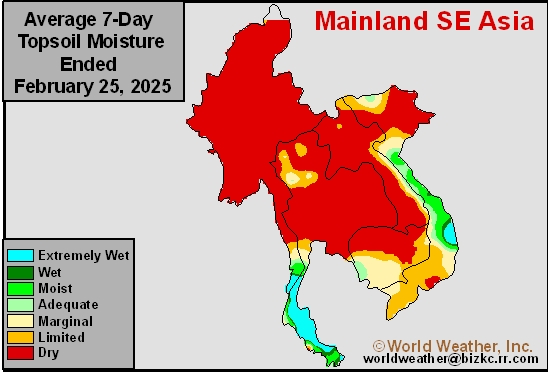
This content is for members only
Subsoil Moisture
This content is for members only
Topsoil Moisture
This content is for members only
Subsoil Moisture
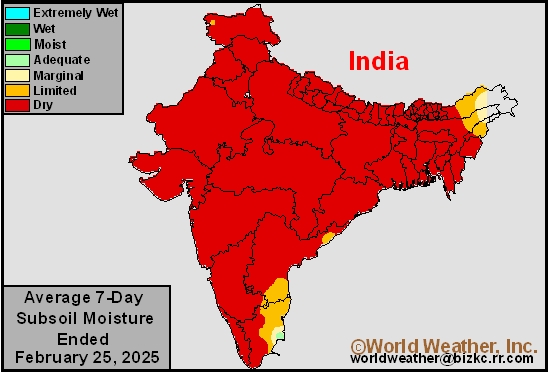
This content is for members only
Topsoil Moisture
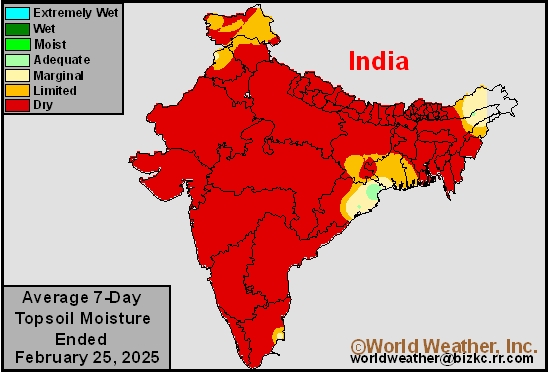
This content is for members only
Subsoil Moisture
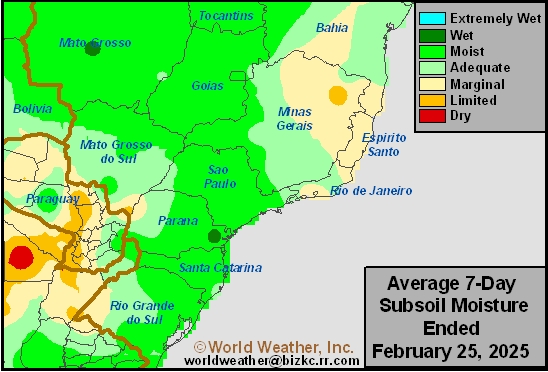
This content is for members only
Topsoil Moisture
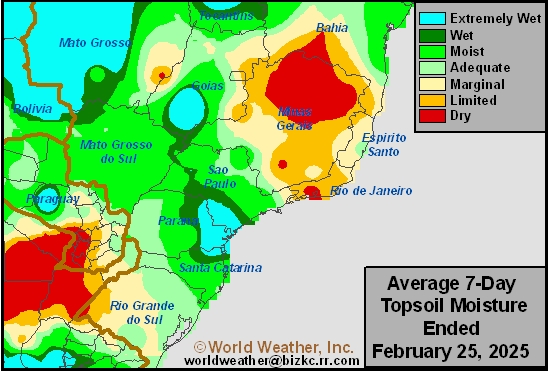
This content is for members only
Subsoil Moisture
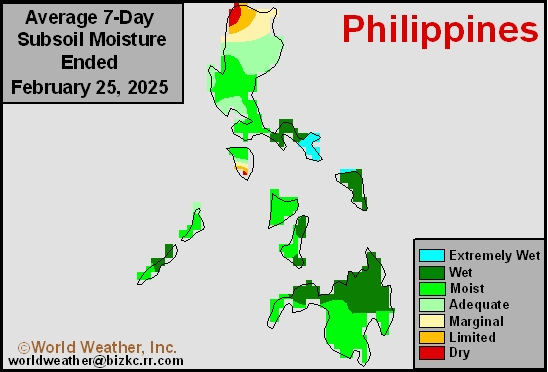
This content is for members only
Topsoil Moisture
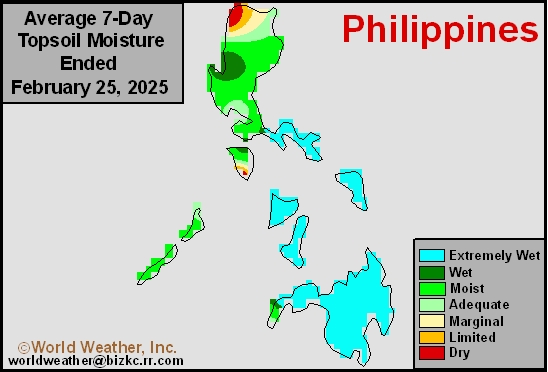
This content is for members only
Subsoil Moisture
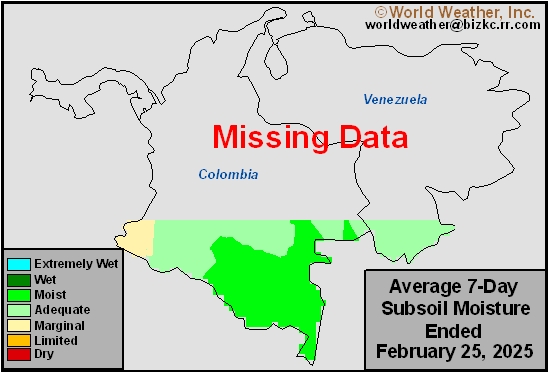
This content is for members only
Topsoil Moisture
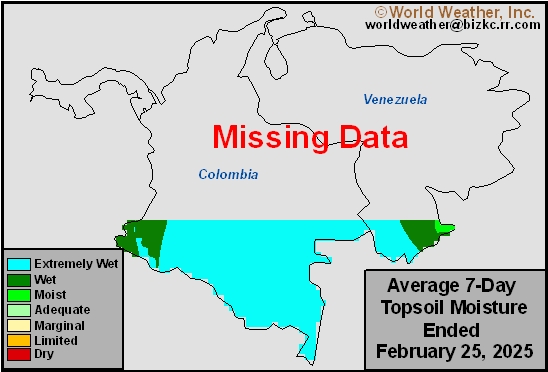
This content is for members only
Subsoil Moisture
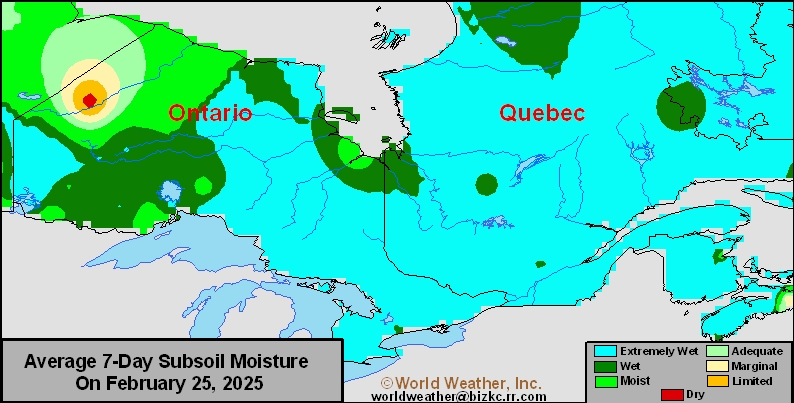
This content is for members only
Topsoil Moisture
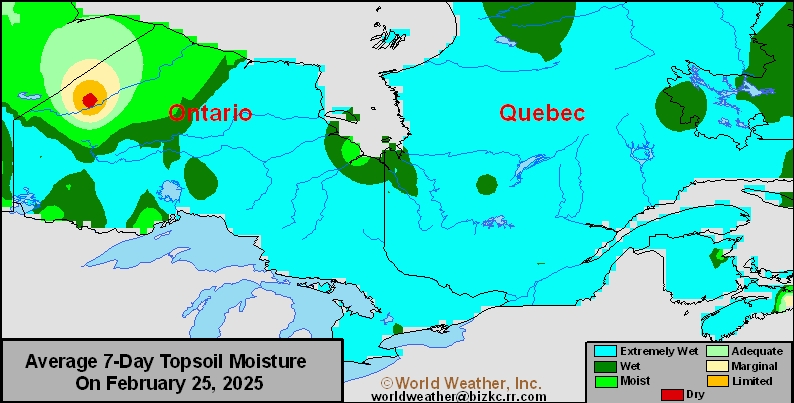
This content is for members only