
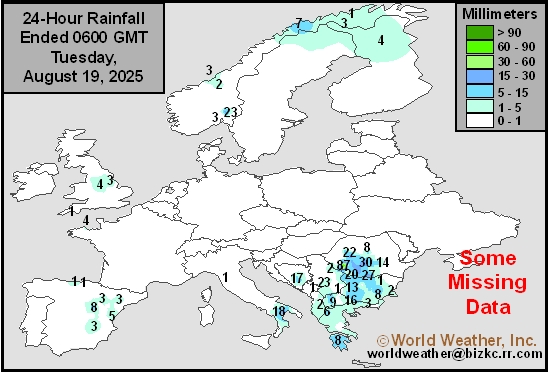
Europe Rainfall
This content is for members only
Low Temperature
This content is for members only
High Temperature
This content is for members only
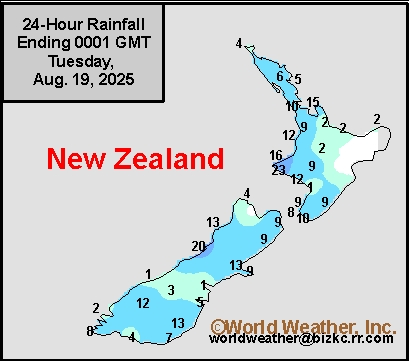
New Zealand Rainfall
This content is for members only
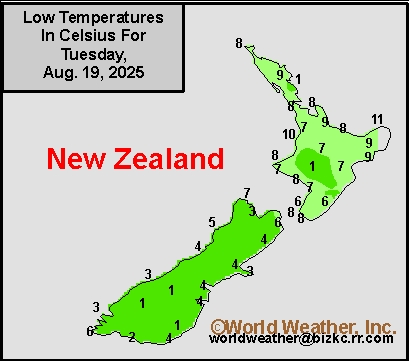
Low Temperature
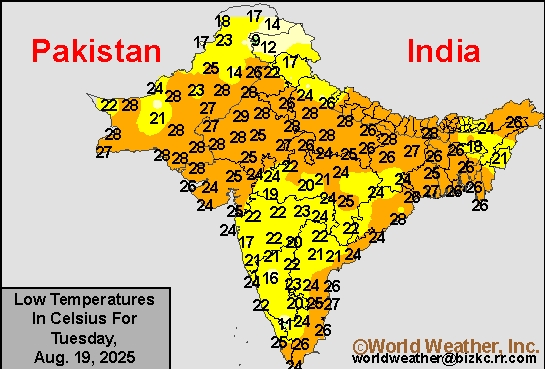
This content is for members only
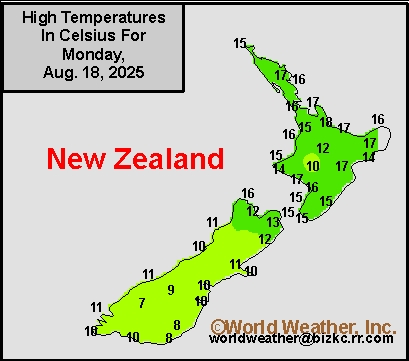
High Temperature
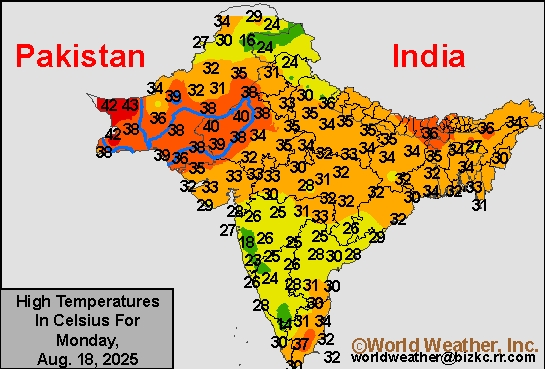
This content is for members only
India Rainfall
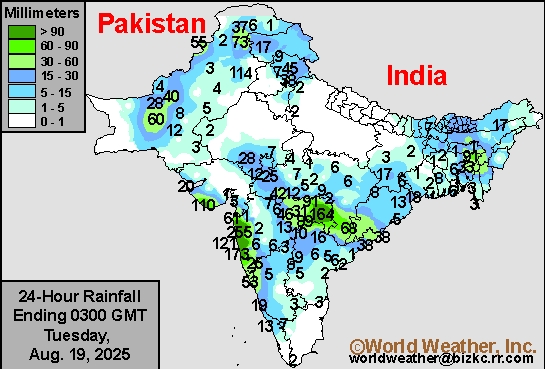
This content is for members only
Low Temperature
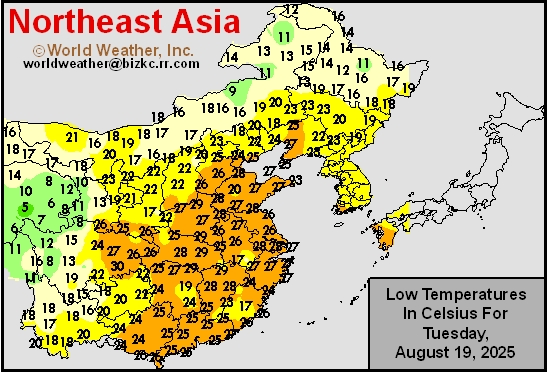
This content is for members only
Japan Rainfall
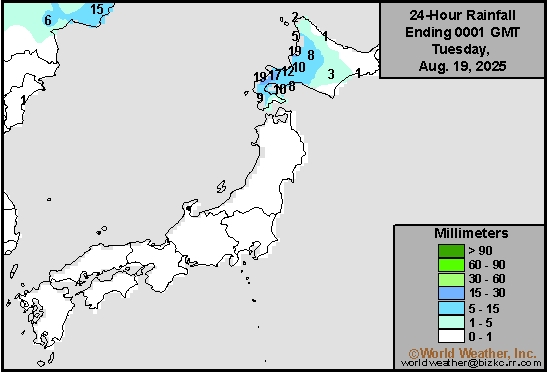
This content is for members only
Low Temperature
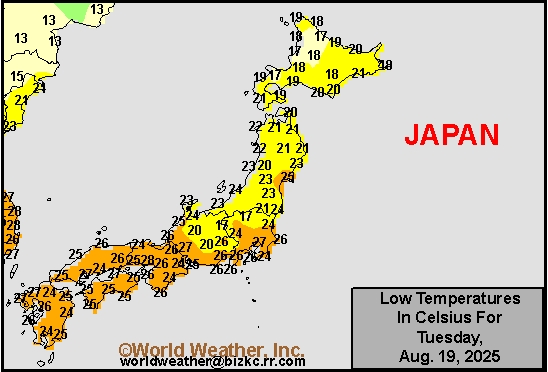
This content is for members only
High Temperature
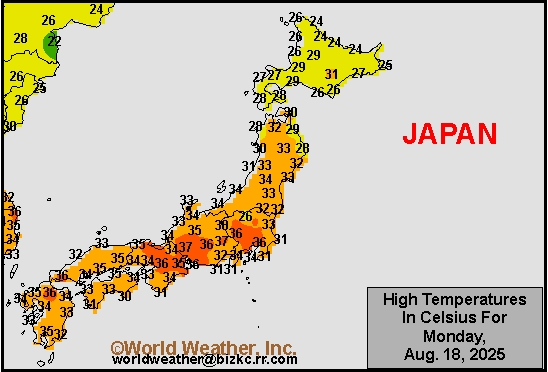
This content is for members only
High Temperature
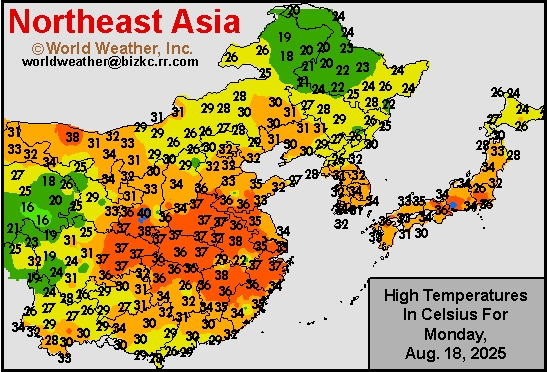
This content is for members only
China Rainfall
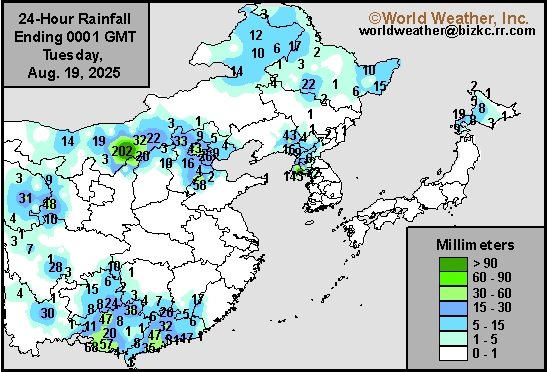
This content is for members only
Low Temperature
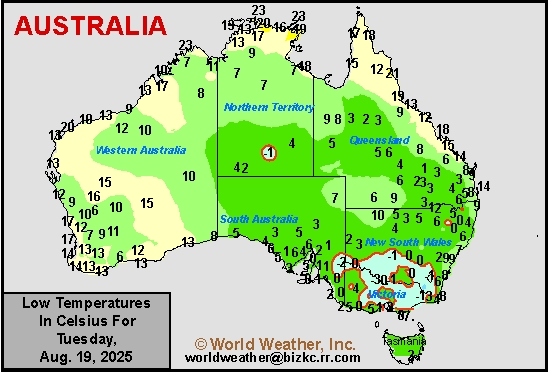
This content is for members only
High Temperature
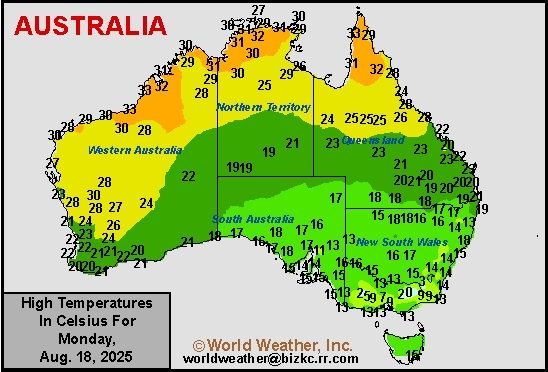
This content is for members only
Austrailia Rainfall
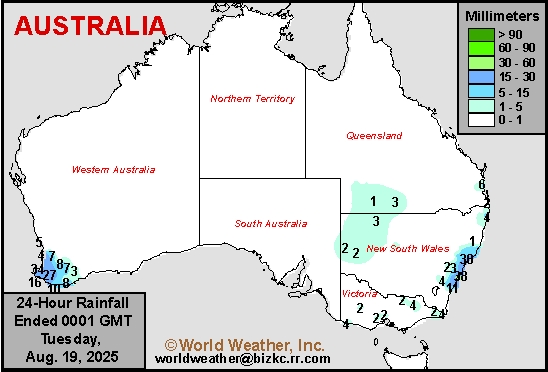
This content is for members only
North Plains Daily Rain
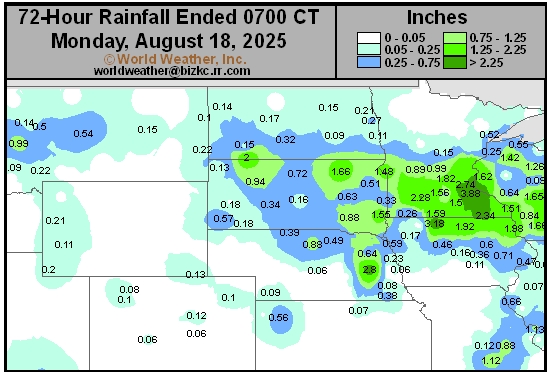
This content is for members only
Low Temperature
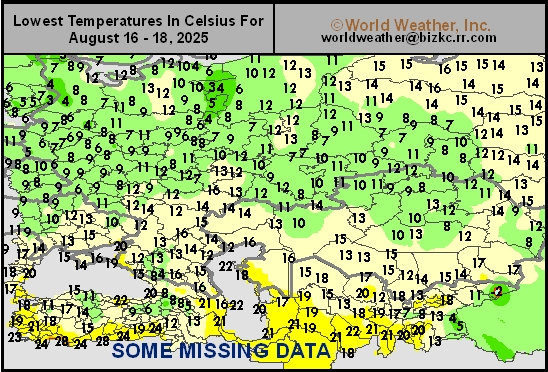
This content is for members only
High Temperature
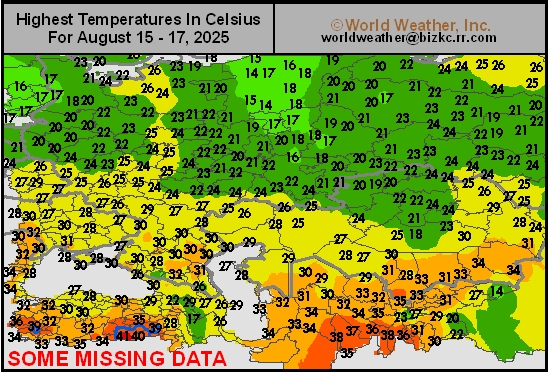
This content is for members only
CIS Rainfall
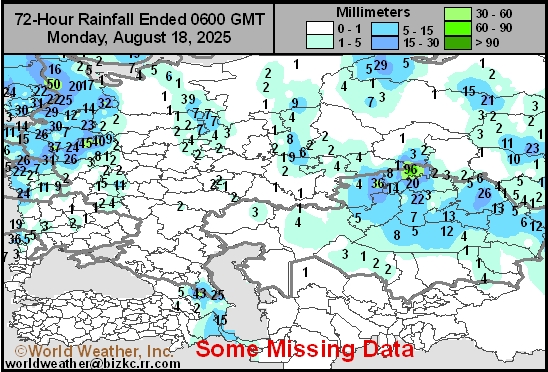
This content is for members only
Low Temperature
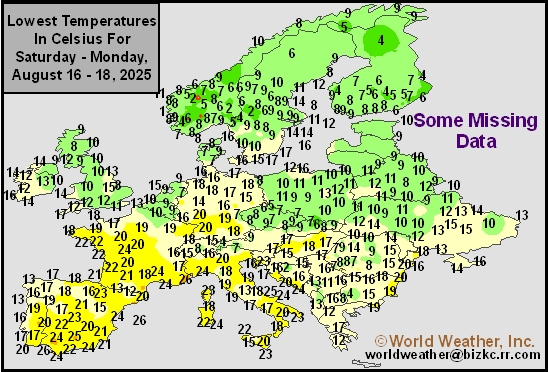
This content is for members only
High Temperature
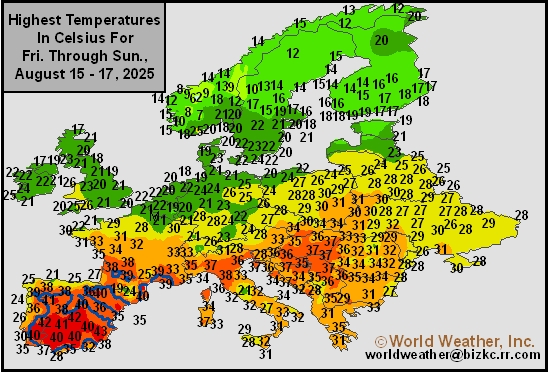
This content is for members only
Europe Rainfall
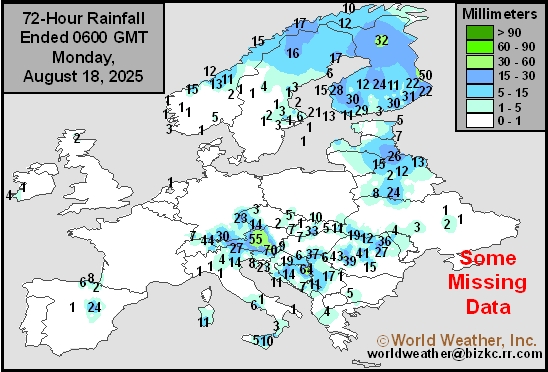
This content is for members only
Low Temperature
This content is for members only
High Temperature
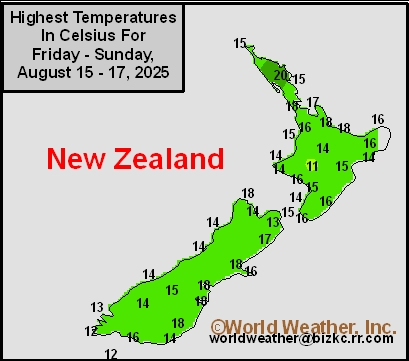
This content is for members only
New Zealand Rainfall
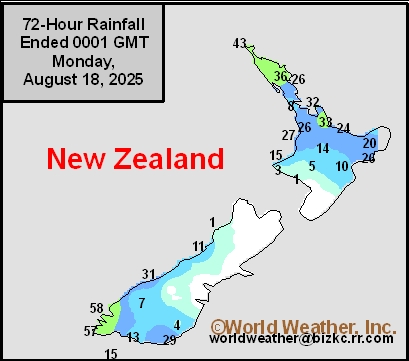
This content is for members only
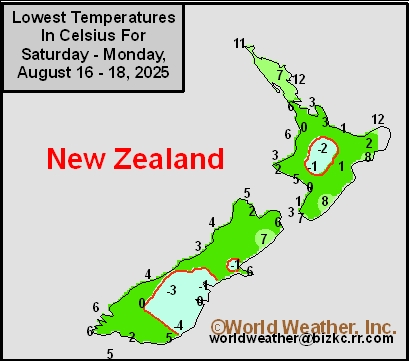
Low Temperature
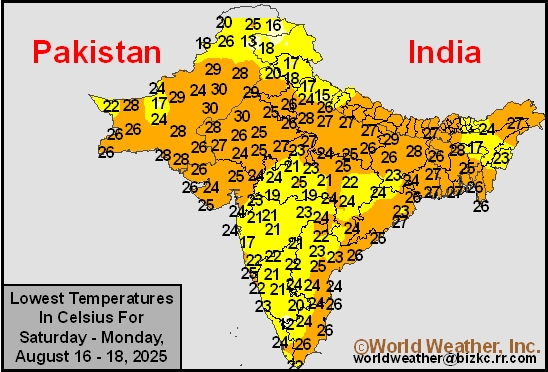
This content is for members only
High Temperature
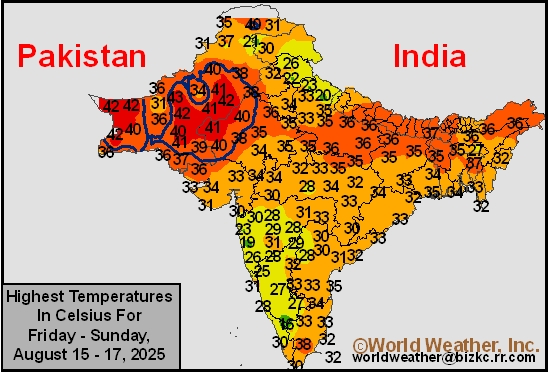
This content is for members only
India Rainfall
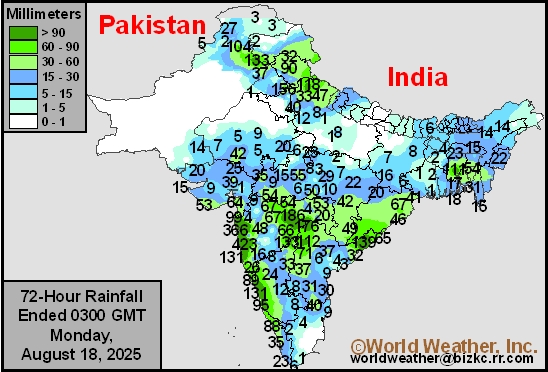
This content is for members only
Low Temperature
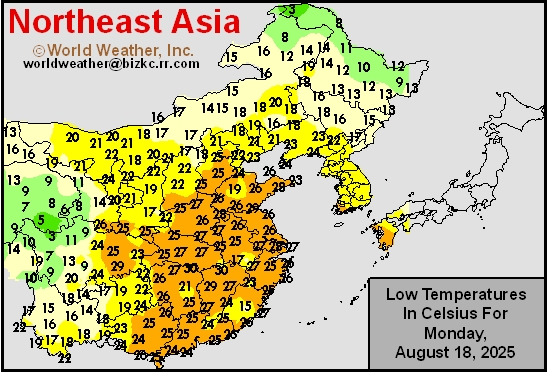
This content is for members only
Japan Rainfall
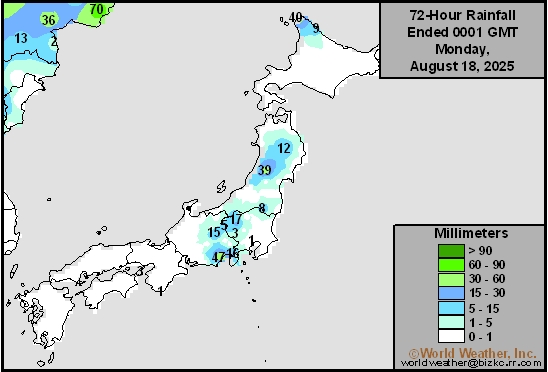
This content is for members only
Low Temperature
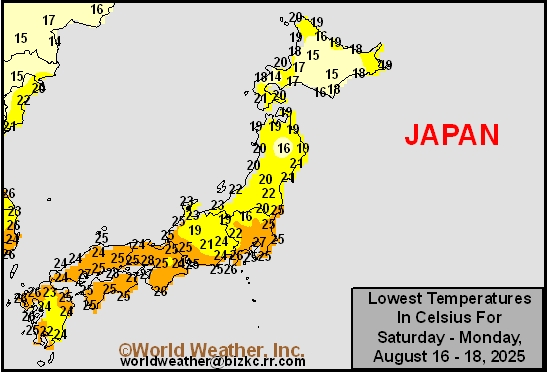
This content is for members only
High Temperature
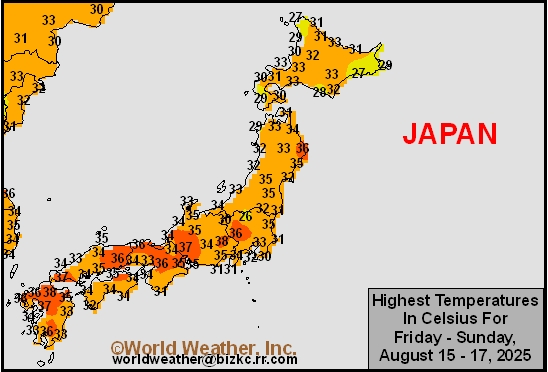
This content is for members only
High Temperature
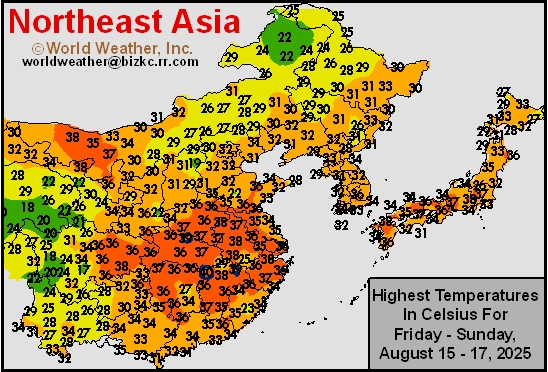
This content is for members only
China Rainfall
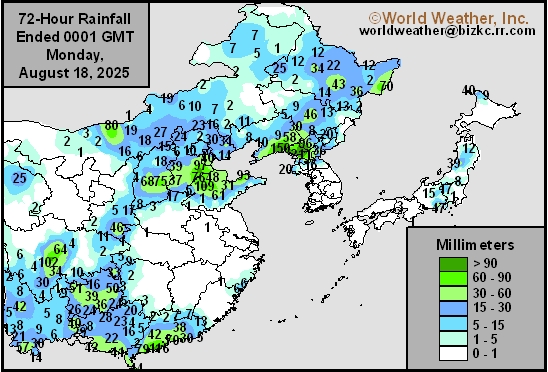
This content is for members only
Low Temperature
This content is for members only
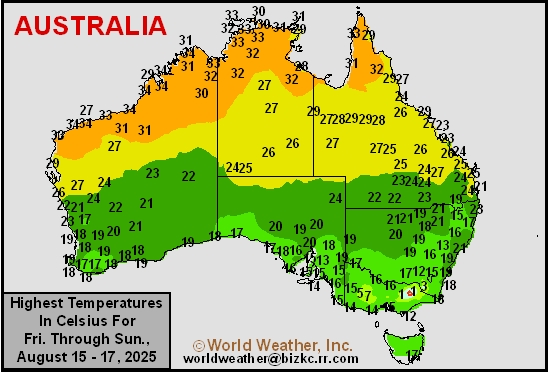
High Temperature
This content is for members only
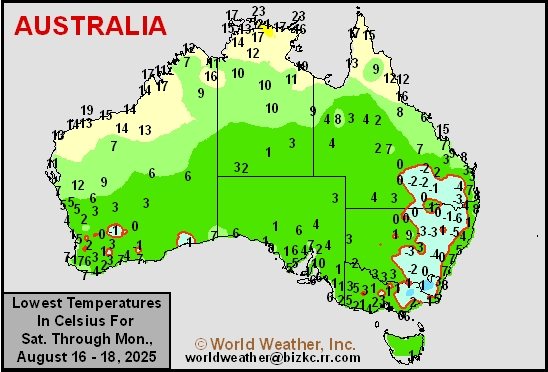
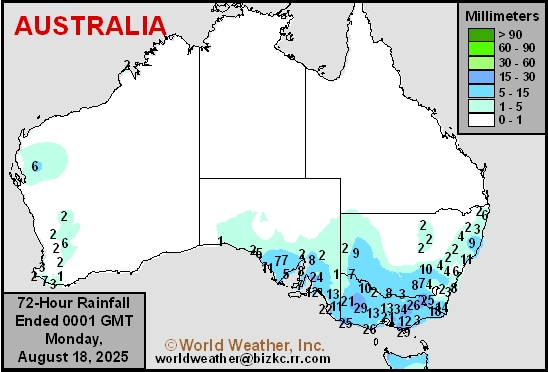
Austrailia Rainfall
This content is for members only
Tropical Depressions 17W and 18W Have Low Impact On Asia
Kansas City, August 19 (World Weather Inc.) – Tropical Depression 17W moved into northeastern Vietnam Monday and will dissipate over southwestern China today without having much impact on agriculture. Another tropical depression, 18W, was 95 miles north northwest of Okinawa, Japan moving northward. This latter depression may reach tropical storm intensity briefly tonight or Wednesday before dissipating between Japan and the Korean Peninsula late this week. This system is also unlikely to have much impact on agriculture.
SE Asia Soil Moisture Either Improves Or Will Soon Improve
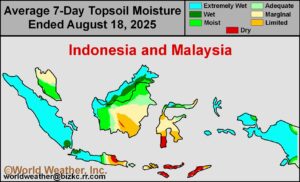
Kansas City, August 18 (World Weather Inc.) – Some improvement in Southeast Asia weather has occurred recently, although there is still need for some additional precipitation in parts of the region. A notable period of drying occurred in late July and lingered into early August in parts of Indonesia and Malaysia while central Thailand dealt with some erratic rainfall and lighter than usual soil moisture. None of the dryness seems to have had a big impact on production potentials. Parts of Sumatra will trend a little drier than usual this week and may start to dry down once again. Other production areas in Southeast Asia will see a good mix of rain and sunshine that will bolster or keep soil moisture at adequate to excessive levels. A tropical disturbance may also impact Luzon Island, Philippines late this week with flash flooding possible.
2005 U.S. Summer Weather Still Parallels 1948, 1969 and 2002
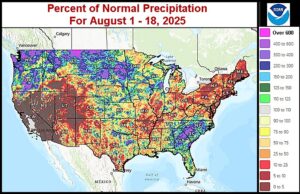
Kansas City, August 18 (World Weather Inc.) – Cyclical weather continues to dominate North America this year and we have seen this illustrated multiple times in the past few years as well. The parallels have been nothing short of amazing. Earlier this year, our weather was following that of 1968, a neutral ENSO year that had a La Nina-like winter similar to that of 2025. In more recent weeks, another parallel has evolved in which three post solar maximum sunspot years were identified as being very similar to July 2025. Those three years were 1948, 1969 and 2002 each of which were similarly identified in the solar cycle without significant influence from ENSO or other large scale weather phenomena. World Weather, Inc. took the parallel from July and applied it to August and used that as a forecasting tool. August is not over, but notice the parallel that is continuing in the images below. This parallel may hint at September weather as well.
Venezuela/Colombia Min Temps
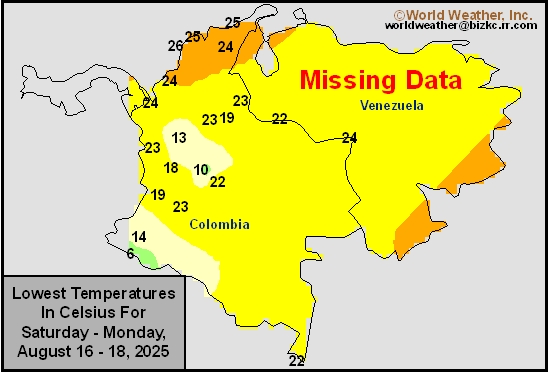
This content is for members only
Venezuela/Colombia Max Temps
This content is for members only
SE Canada Min
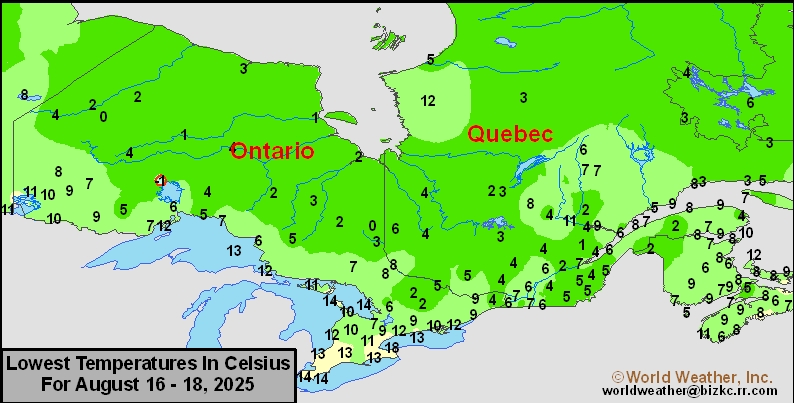
This content is for members only
SE Canada Max
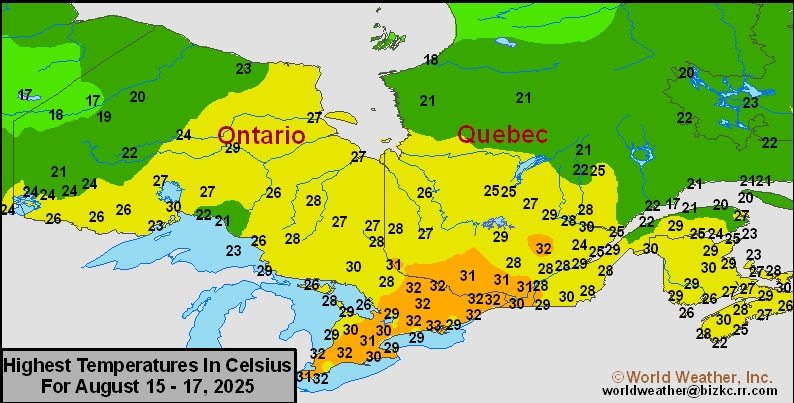
This content is for members only
SE Canada Rainfall
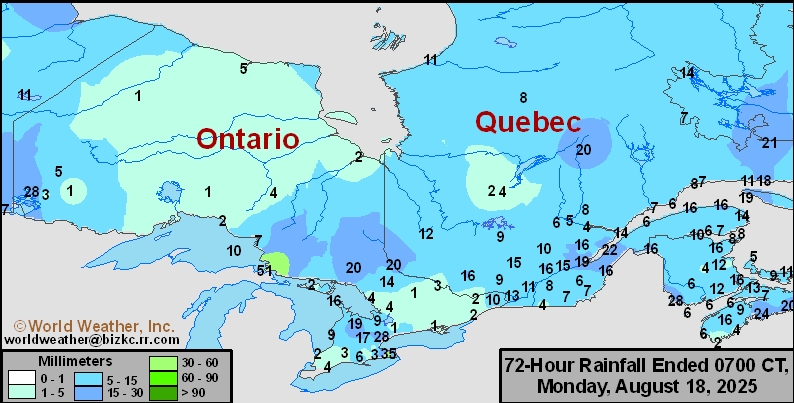
This content is for members only
Prairies Rainfall
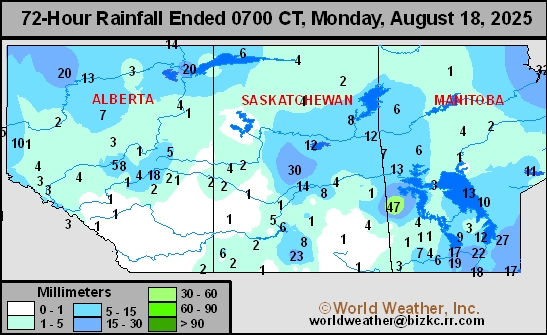
This content is for members only
Prairies Max Temperature
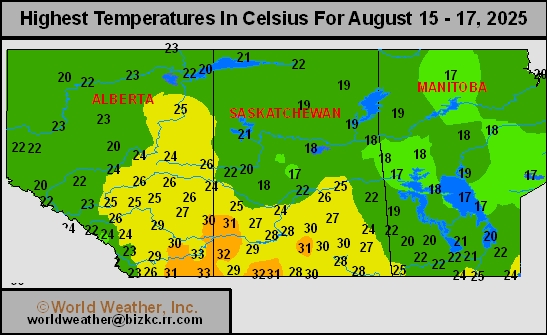
This content is for members only
Prairies Min Temperature
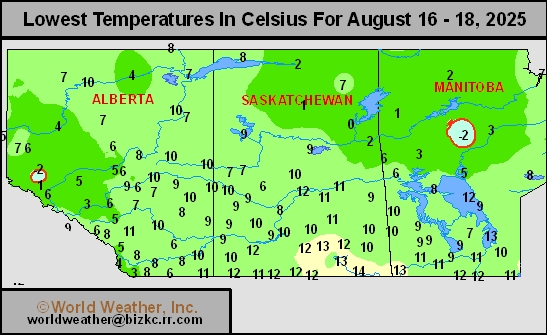
This content is for members only
Canada Rainfall
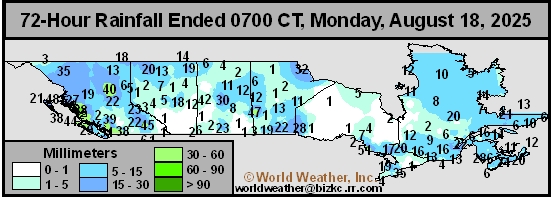
This content is for members only
Venezuela Rainfall
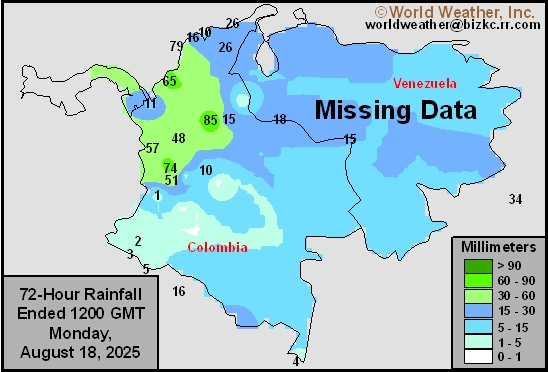
This content is for members only
Mexico Min Temperature
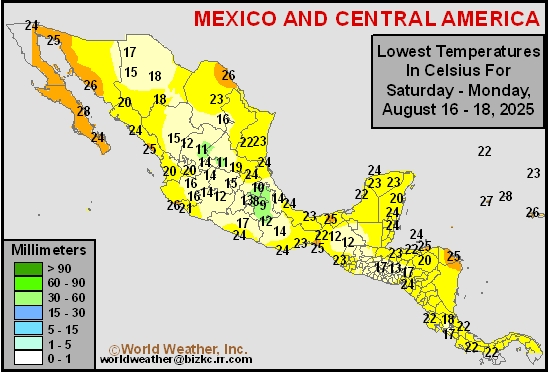
This content is for members only
Mexico Max Temperature
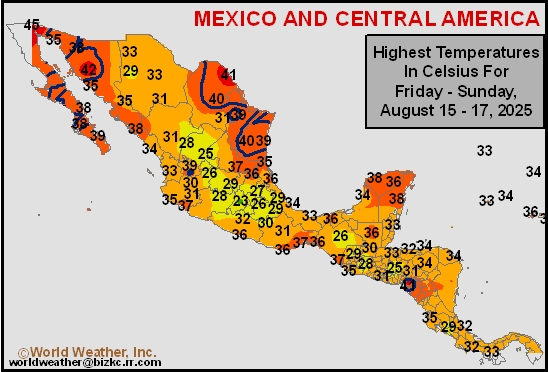
This content is for members only
Mexico Rainfall
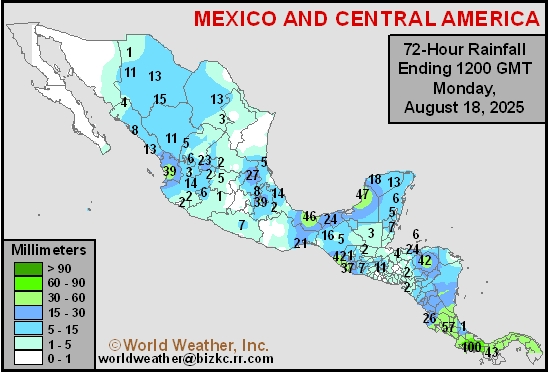
This content is for members only
Argentina Min Temperature
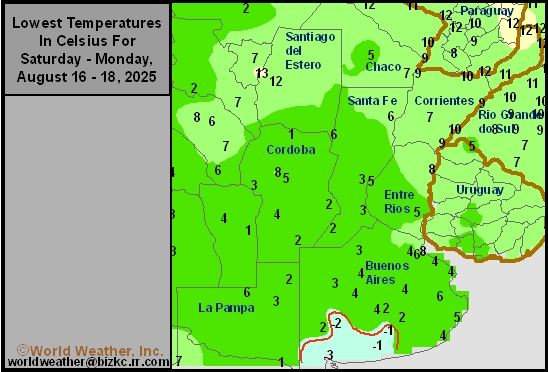
This content is for members only
Argentina Max Temperature
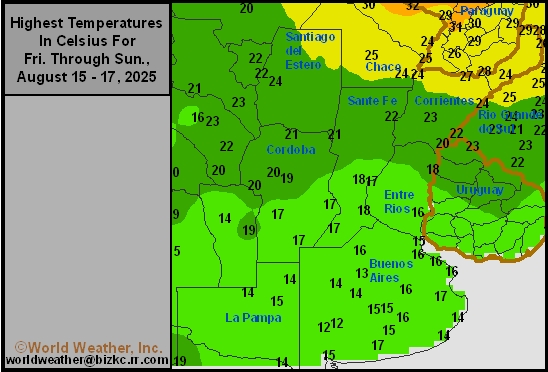
This content is for members only
Argentina Rainfall
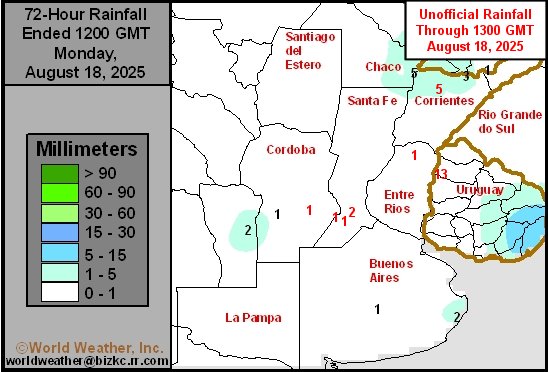
This content is for members only
Brazil Min Temperature
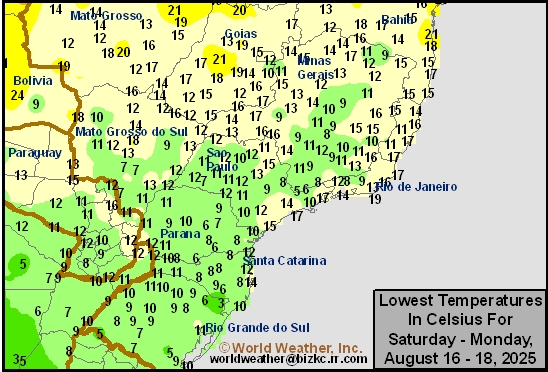
This content is for members only
Brazil Max Temperature
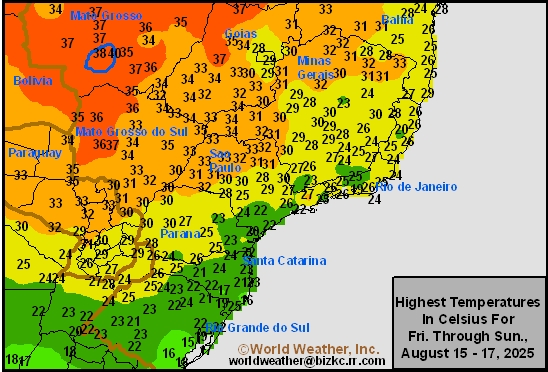
This content is for members only
Brazil Rainfall
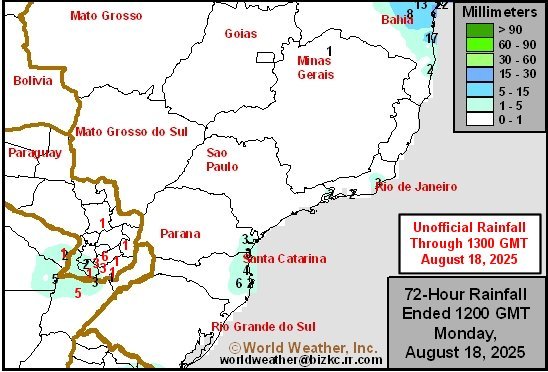
This content is for members only
Philippines Min
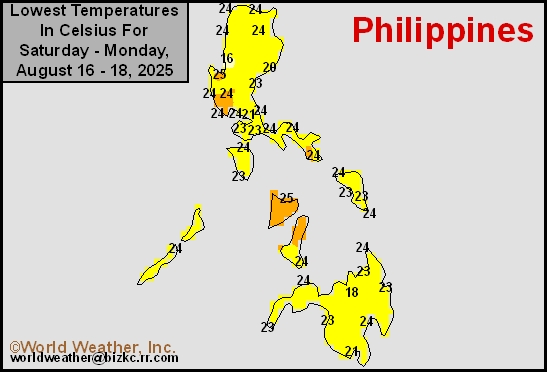
This content is for members only
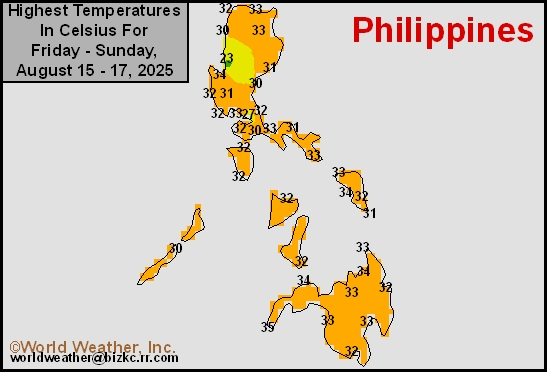
Philippines Max
This content is for members only
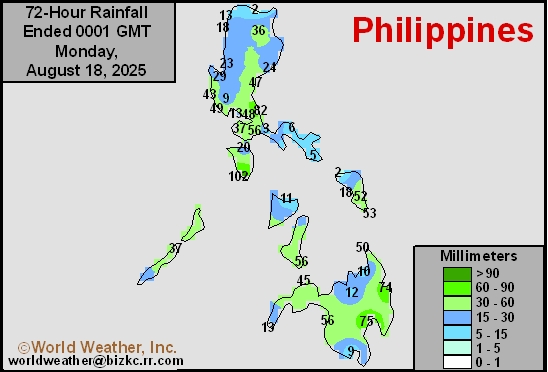
Philippines Rain
This content is for members only
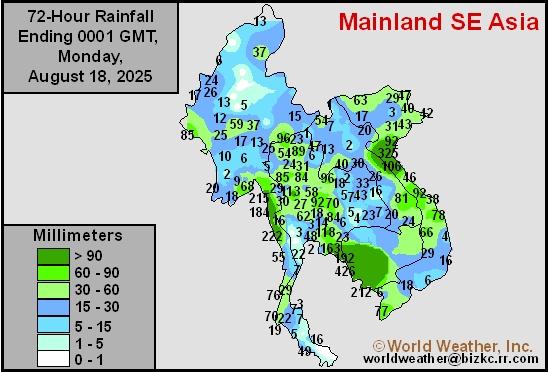
Southeast North Rain
This content is for members only
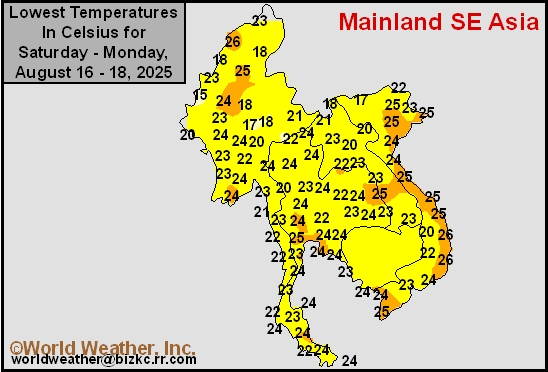
Southeast North Min
This content is for members only
Southeast North Max
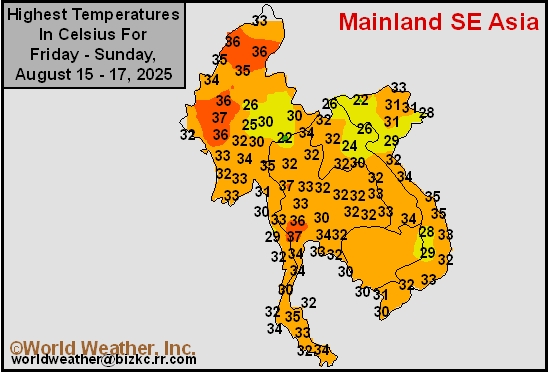
This content is for members only
Southeast Min
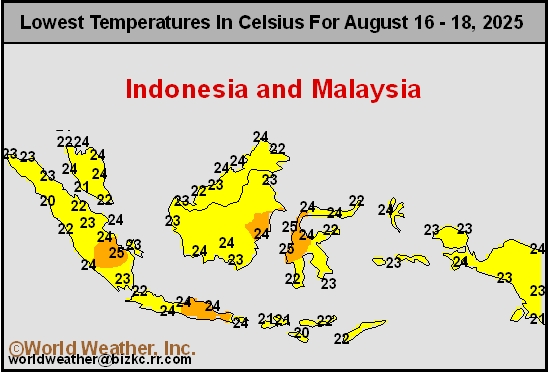
This content is for members only
Southeast Max
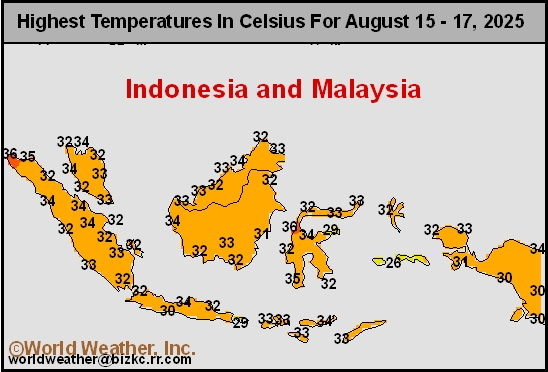
This content is for members only
Southeast Rain
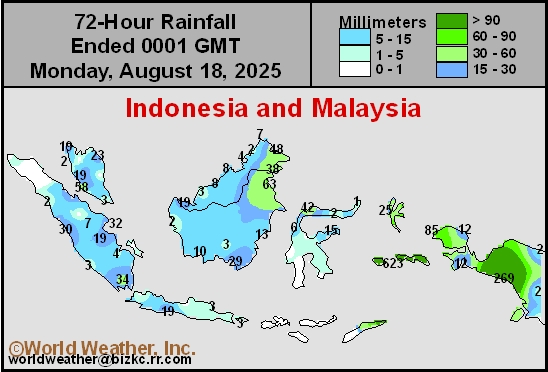
This content is for members only
West Africa Rain
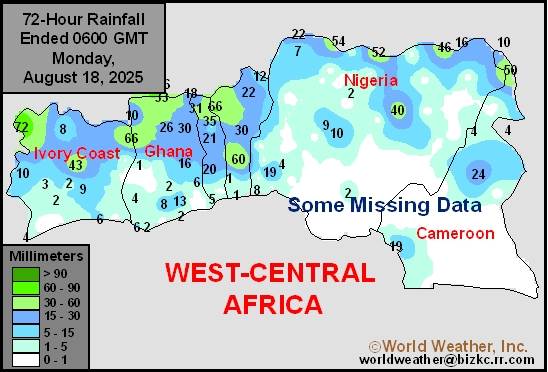
This content is for members only
Max Temperature
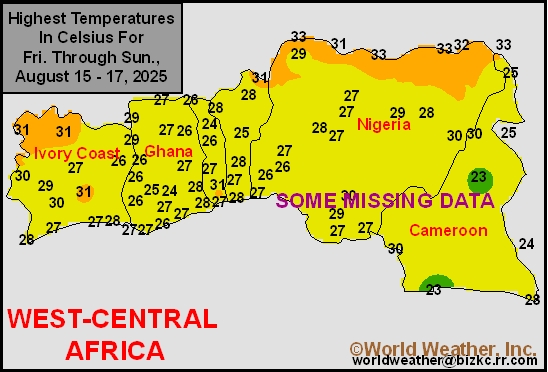
This content is for members only
Min Temperature
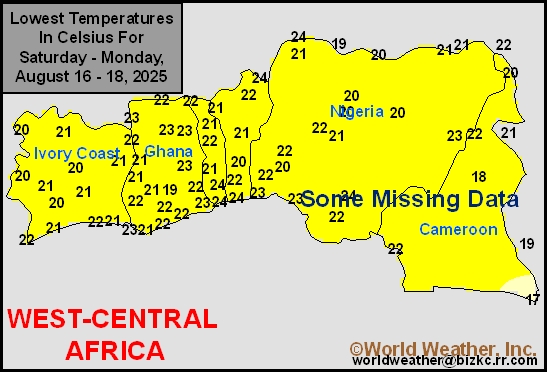
This content is for members only
North Africa Rain
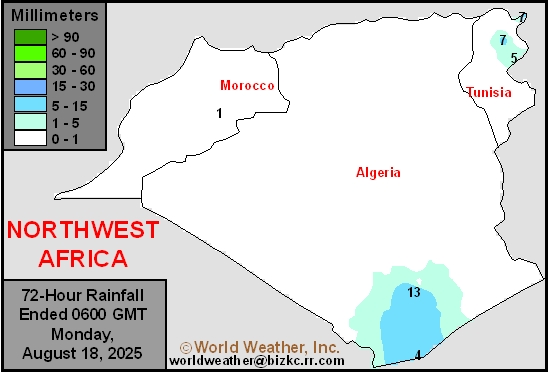
This content is for members only
Max Temperature
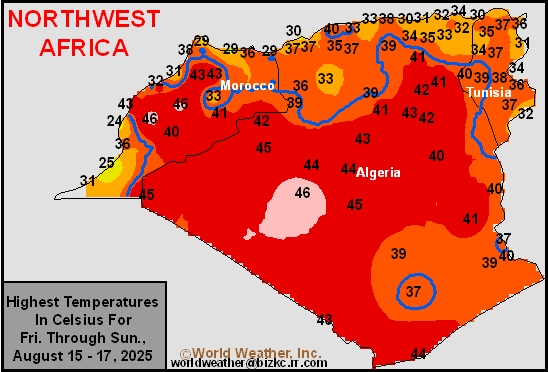
This content is for members only
Min Temperature
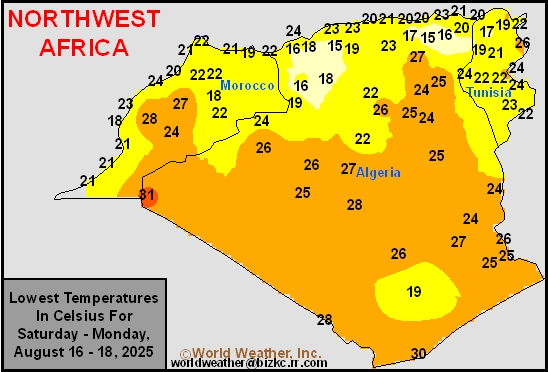
This content is for members only
Min Temperature
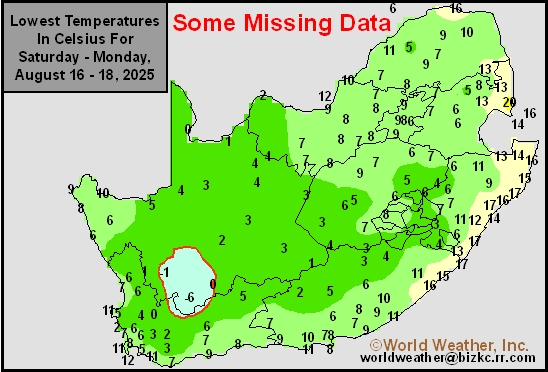
This content is for members only
Max Temperature
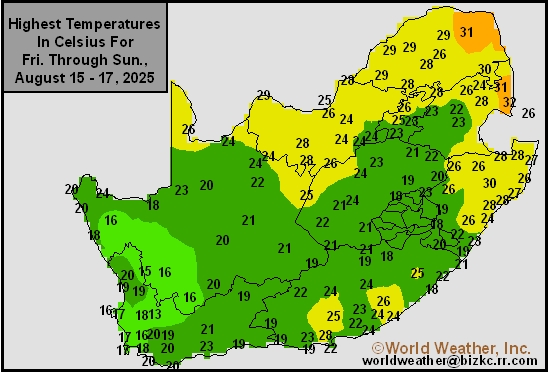
This content is for members only
South Africa Rain
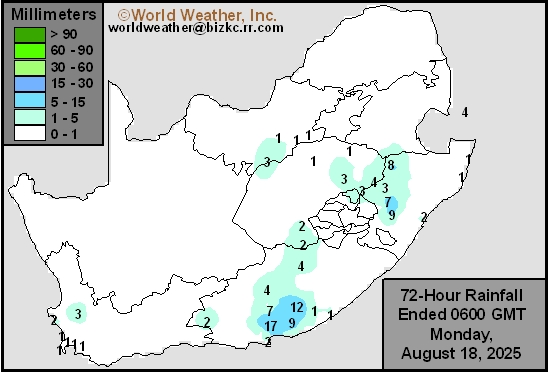
This content is for members only
Hard Red Wheat Tmin
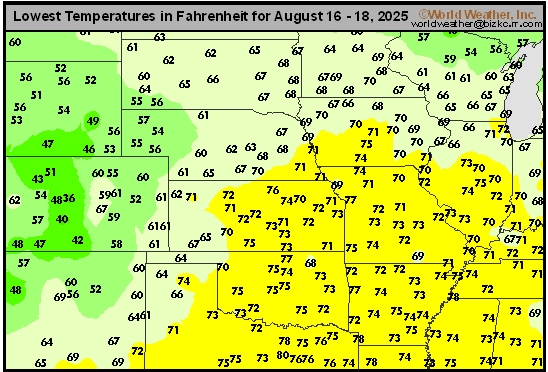
This content is for members only
Northeast Tmin
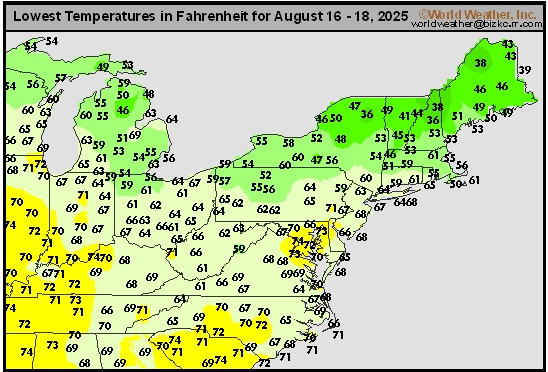
This content is for members only
Southwest Tmin
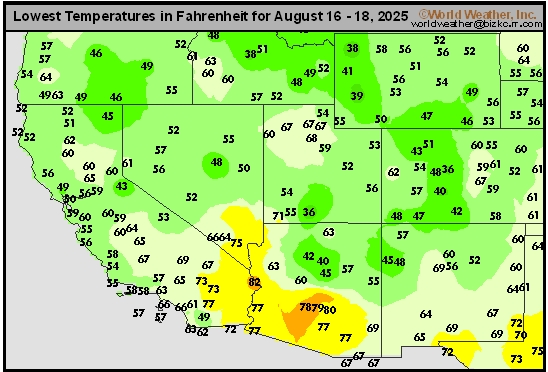
This content is for members only
Northwest Tmin
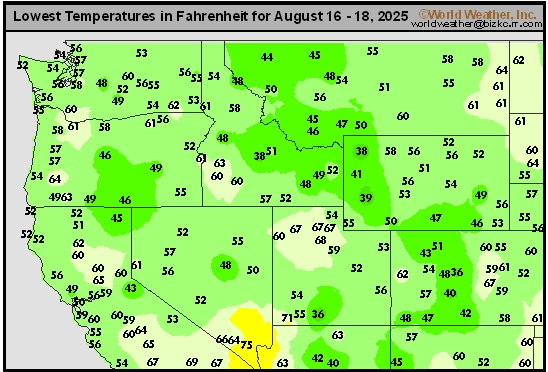
This content is for members only
South Plains Tmin
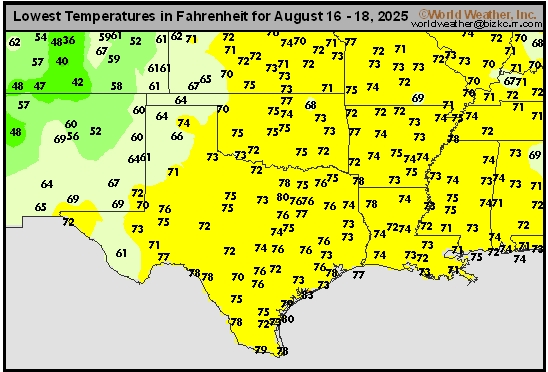
This content is for members only
Delta/SE U.S. Tmin
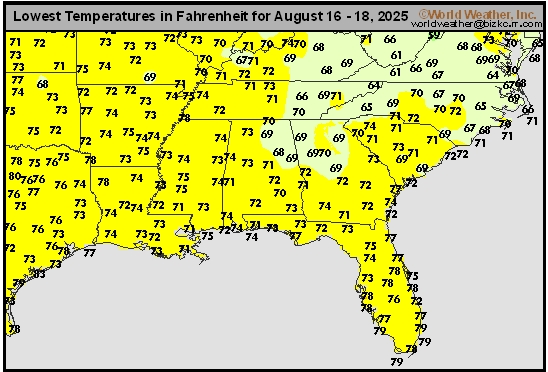
This content is for members only
Corn Belt Tmin
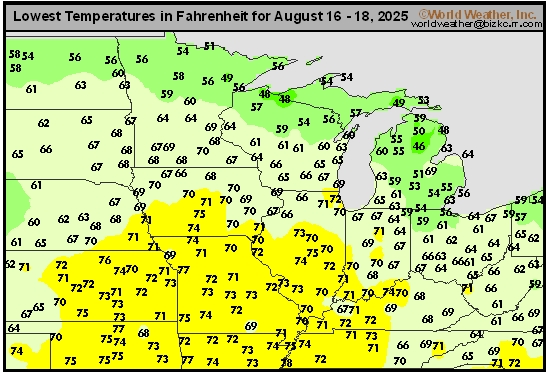
This content is for members only
US Min
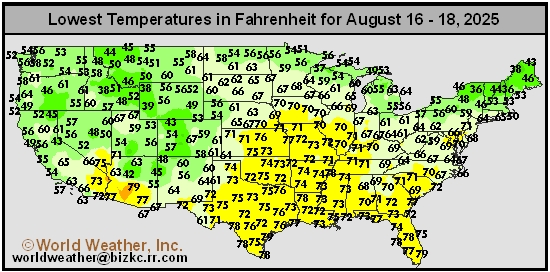
This content is for members only
North Plains Tmin
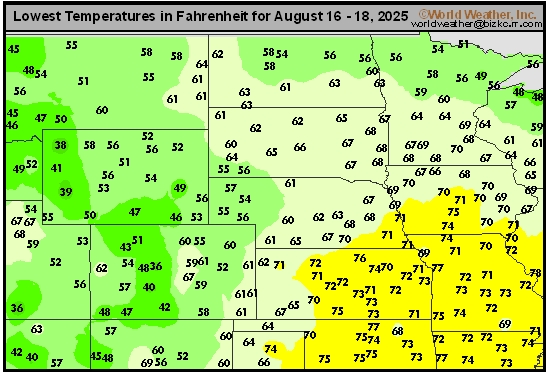
This content is for members only
Hard Red Wheat Tmax
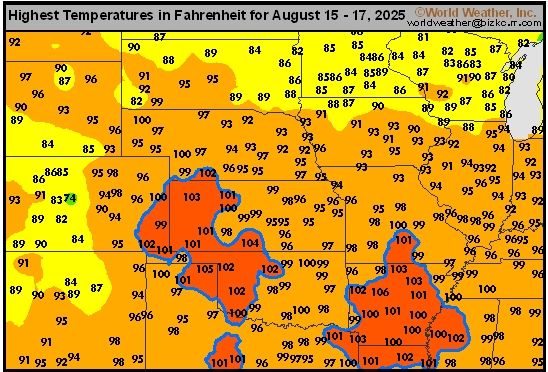
This content is for members only
Northeast Tmax
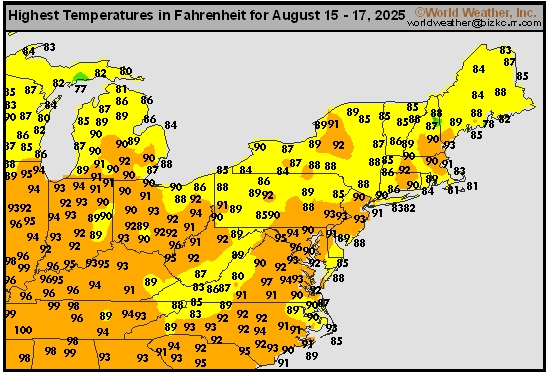
This content is for members only
Southwest Tmax
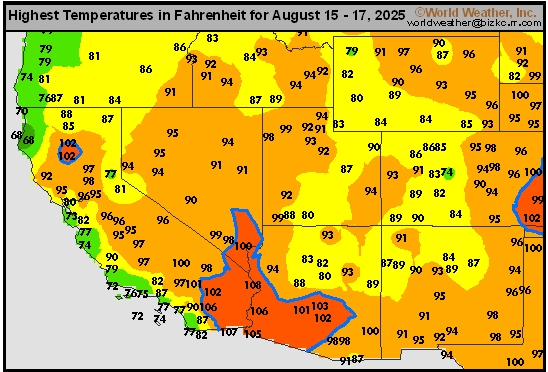
This content is for members only
Northwest Tmax
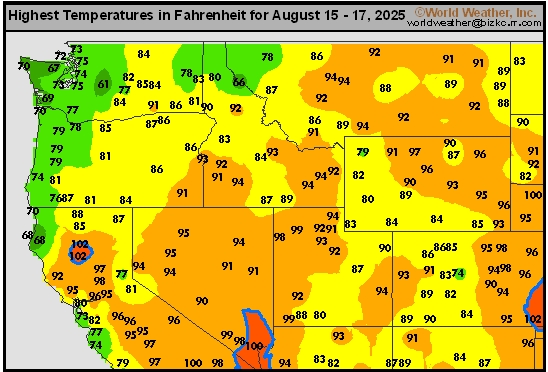
This content is for members only
South Plains Tmax
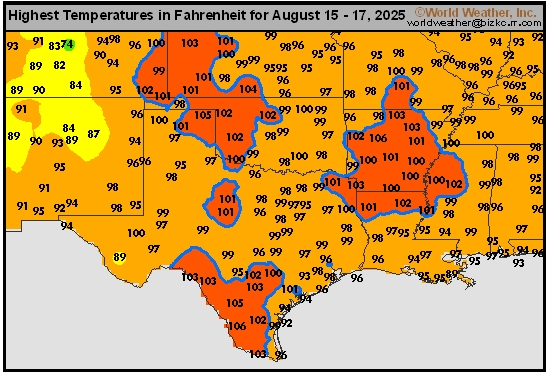
This content is for members only
Delta/SE U.S. Tmax
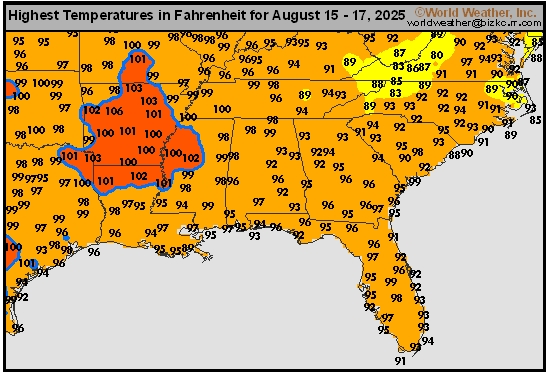
This content is for members only
Corn Belt Tmax
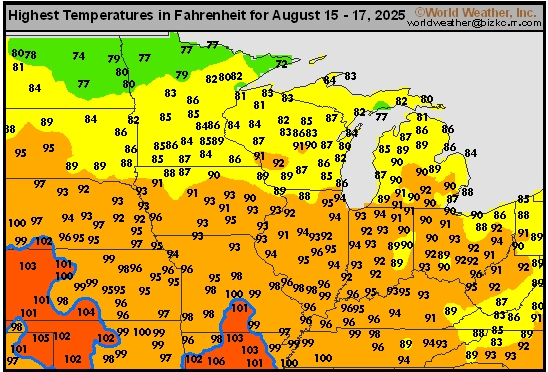
This content is for members only
North Plains Tmax
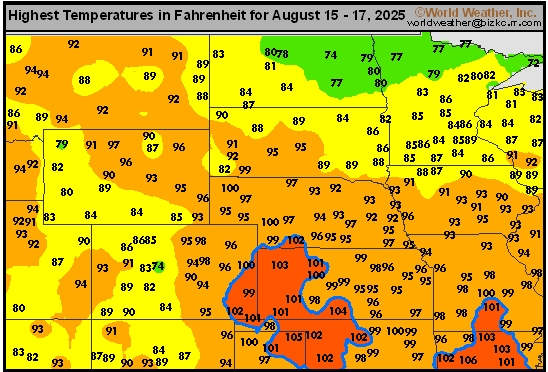
This content is for members only
US Max
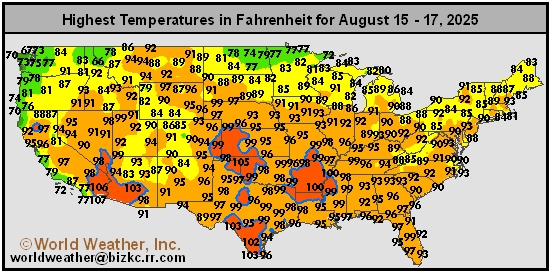
This content is for members only
US Rain
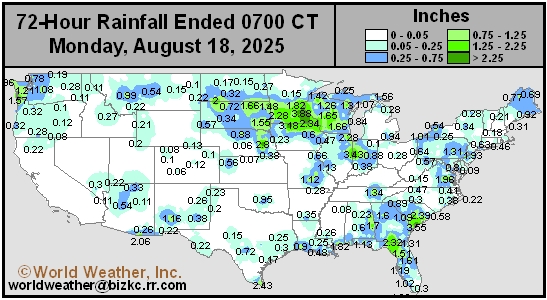
This content is for members only
Northeast Daily Rain
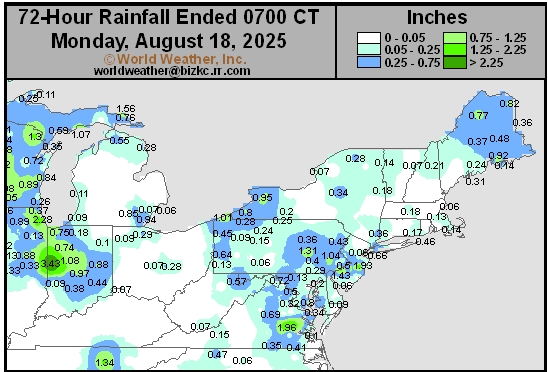
This content is for members only
Hard Red Wheat Daily Rain
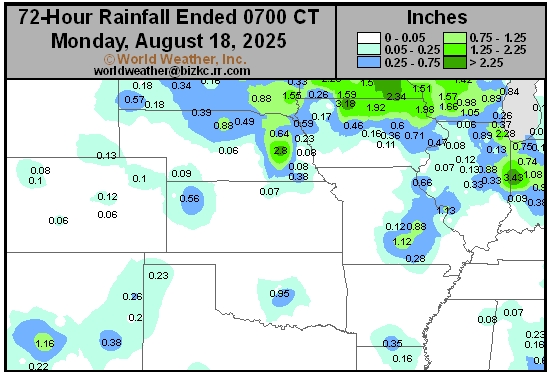
This content is for members only
Southwest Daily Rain
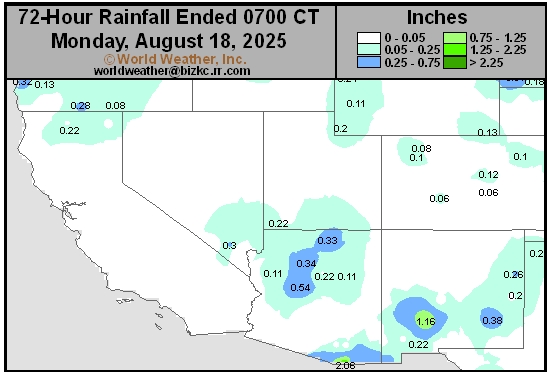
This content is for members only