
West Africa Rain
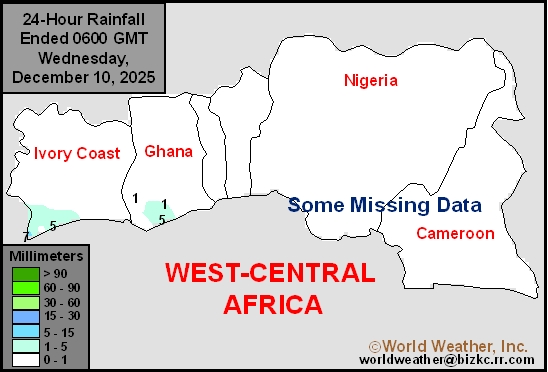
This content is for members only
Max Temperature
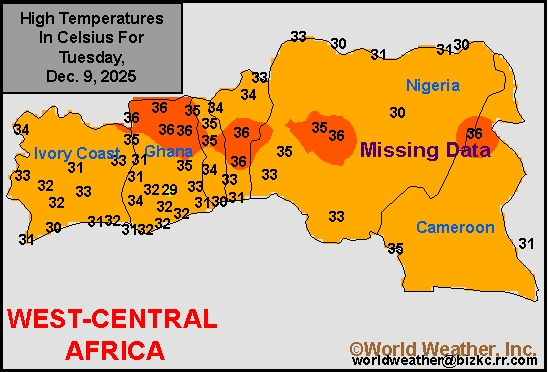
This content is for members only
Min Temperature
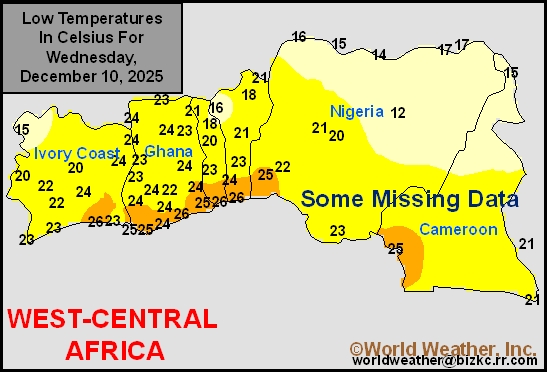
This content is for members only
North Africa Rain
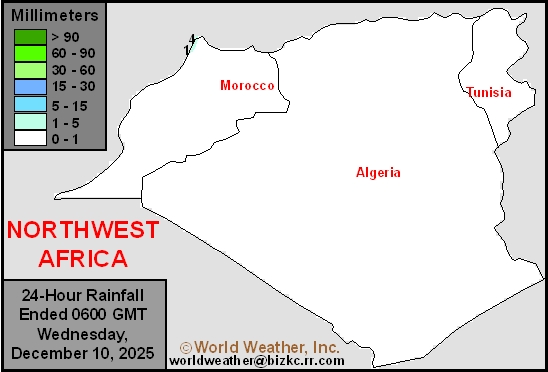
This content is for members only
Max Temperature
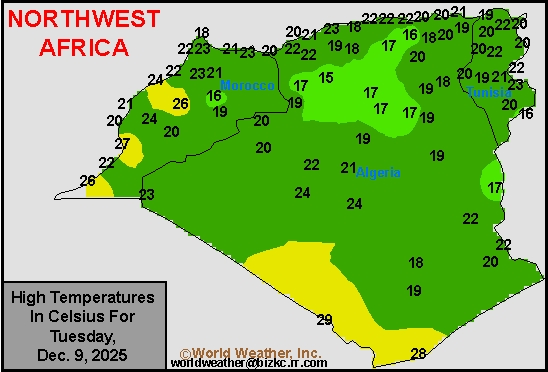
This content is for members only
Min Temperature
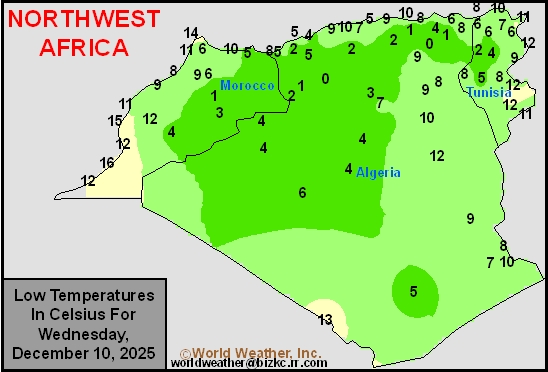
This content is for members only
Min Temperature
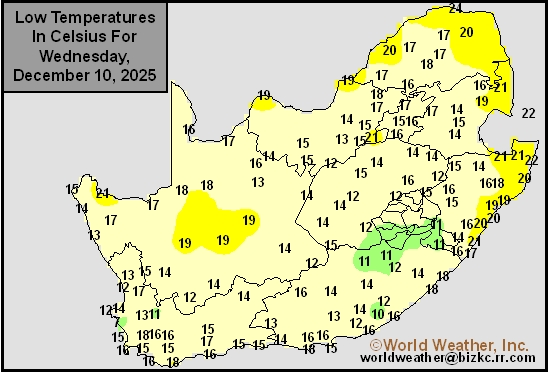
This content is for members only
Max Temperature
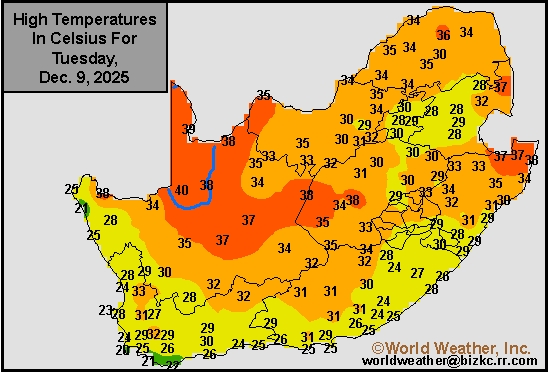
This content is for members only
South Africa Rain
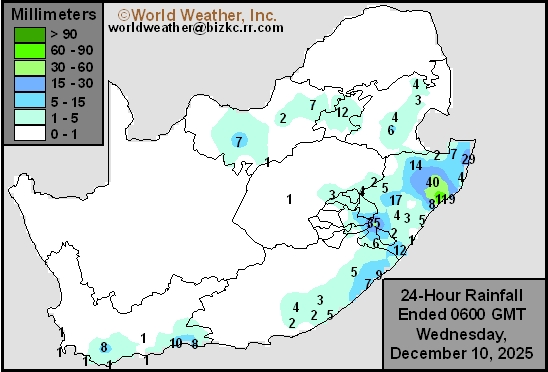
This content is for members only
Hard Red Wheat Tmin
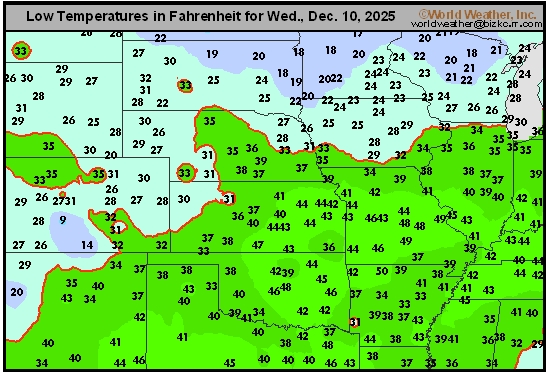
This content is for members only
Northeast Tmin
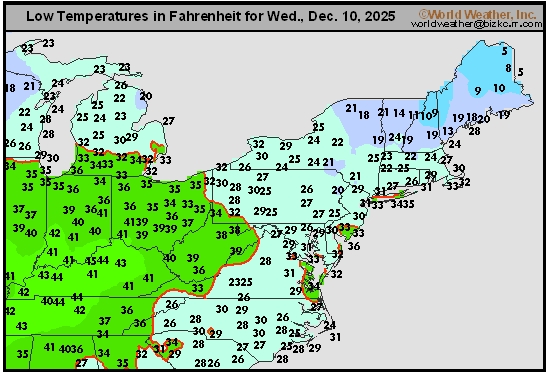
This content is for members only
Southwest Tmin
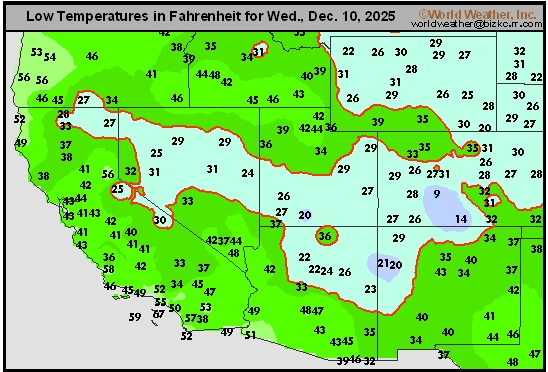
This content is for members only
Northwest Tmin
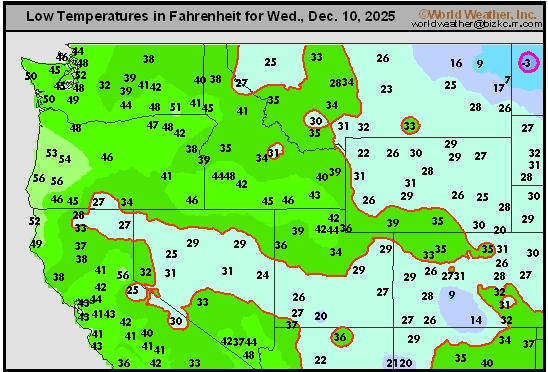
This content is for members only
South Plains Tmin
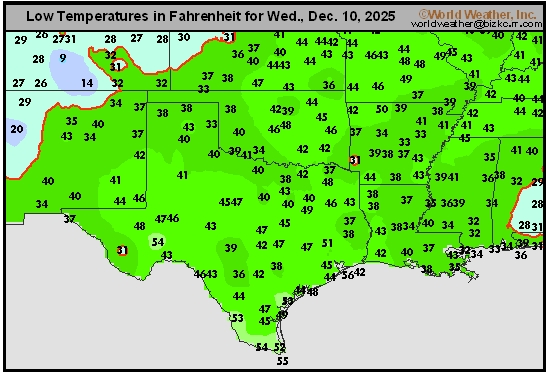
This content is for members only
Delta/SE U.S. Tmin
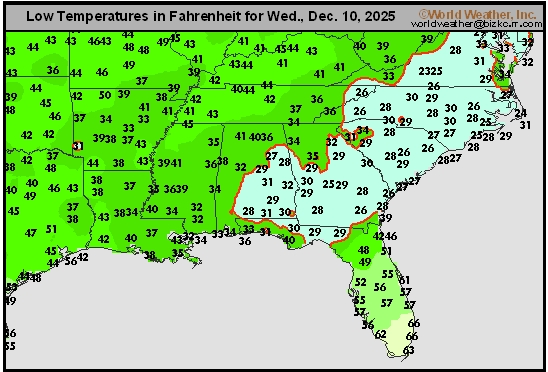
This content is for members only
Corn Belt Tmin
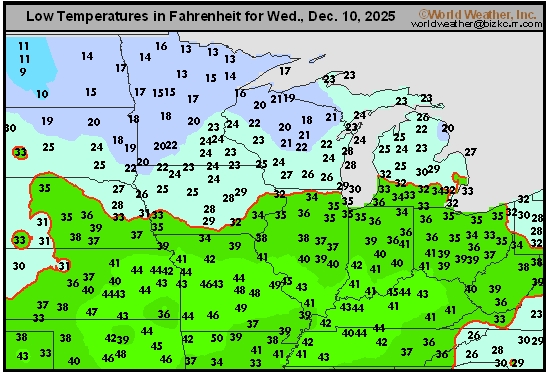
This content is for members only
US Min
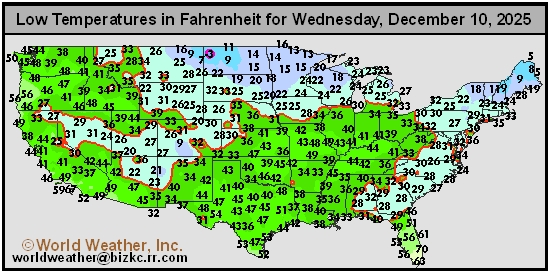
This content is for members only
North Plains Tmin
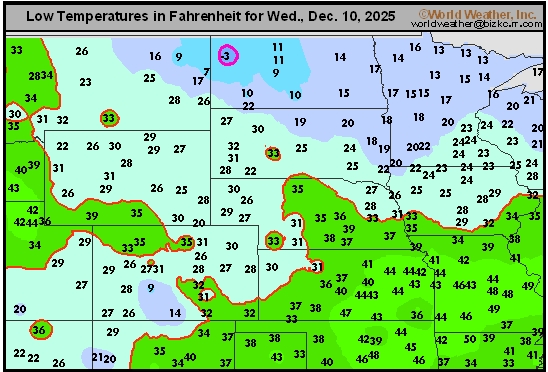
This content is for members only
Hard Red Wheat Tmax
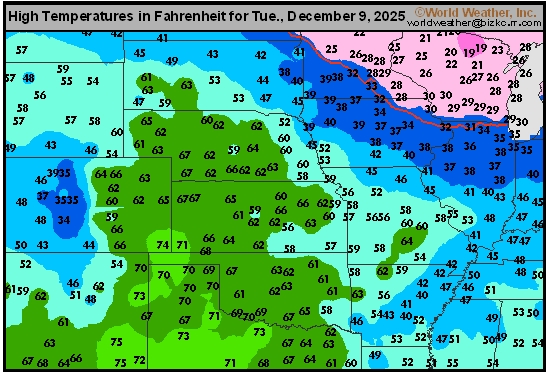
This content is for members only
Northeast Tmax
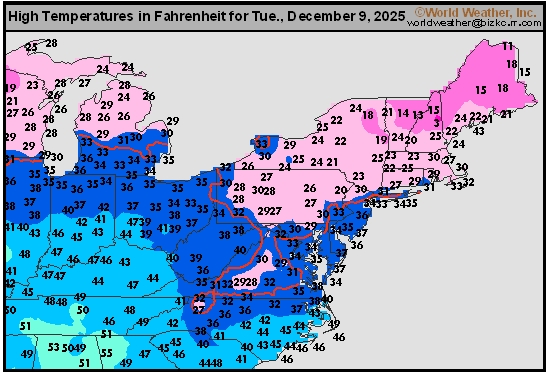
This content is for members only
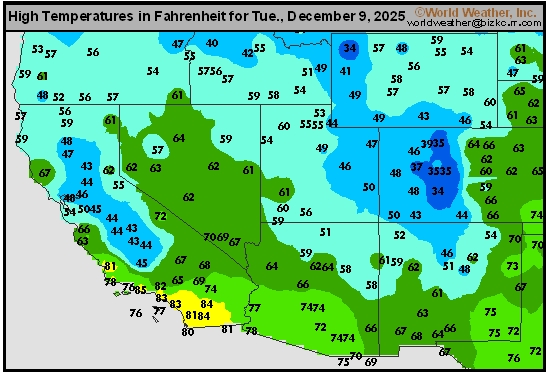
Southwest Tmax
This content is for members only
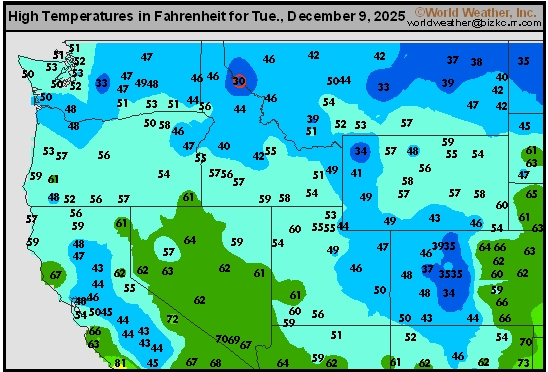
Northwest Tmax
This content is for members only
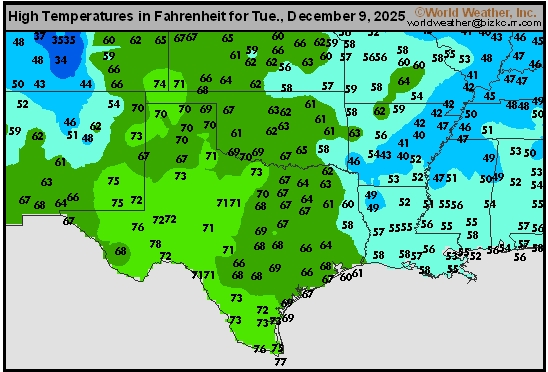
South Plains Tmax
This content is for members only
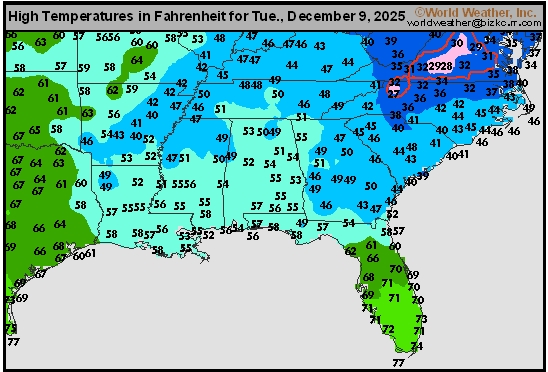
Delta/SE U.S. Tmax
This content is for members only
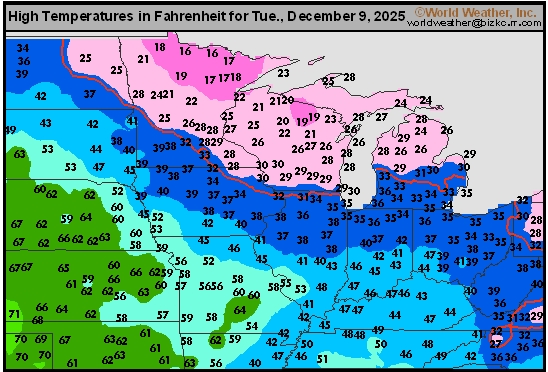
Corn Belt Tmax
This content is for members only
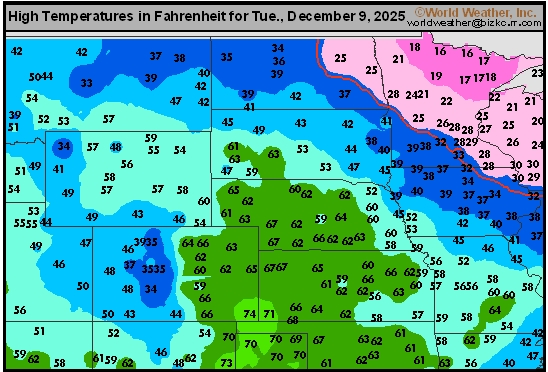
North Plains Tmax
This content is for members only
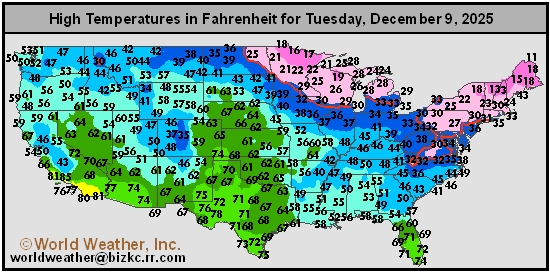
US Max
This content is for members only
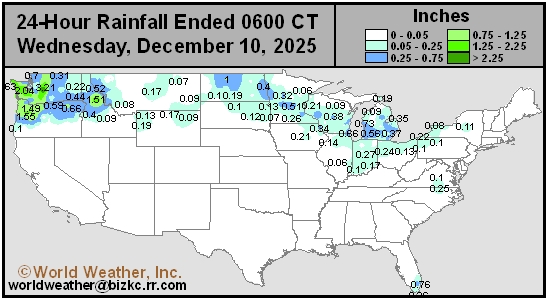
US Rain
This content is for members only
Northeast Daily Rain
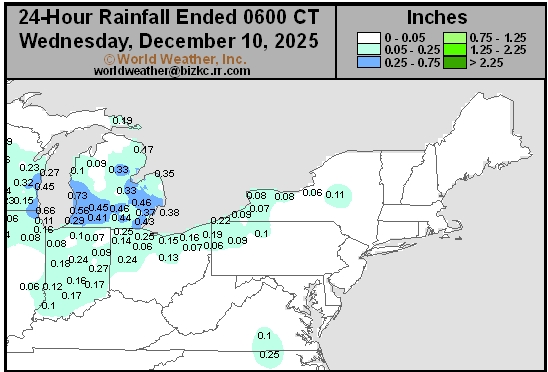
This content is for members only
Hard Red Wheat Daily Rain
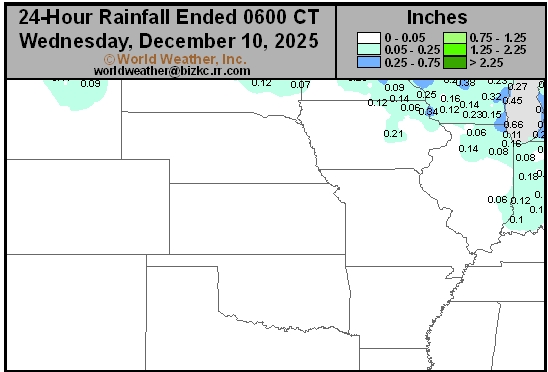
This content is for members only
Southwest Daily Rain
This content is for members only
Northwest Daily Rain
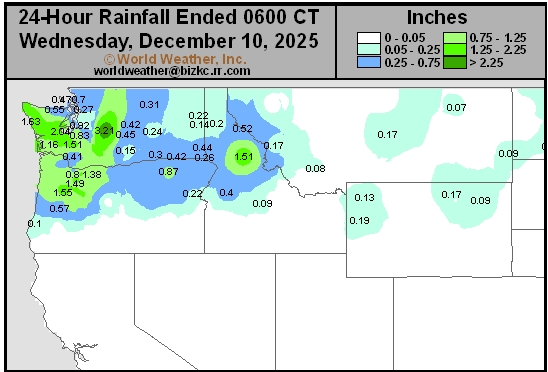
This content is for members only
South Plains Daily Rain
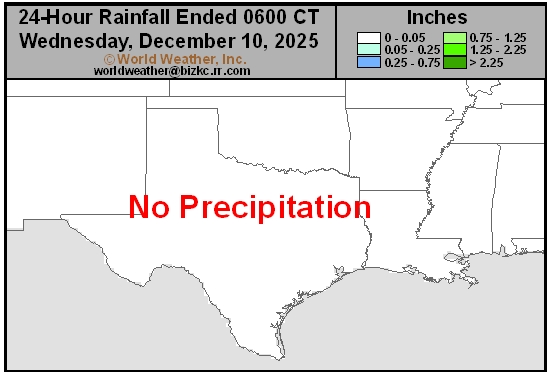
This content is for members only
Delta/SE U.S. Daily Rain
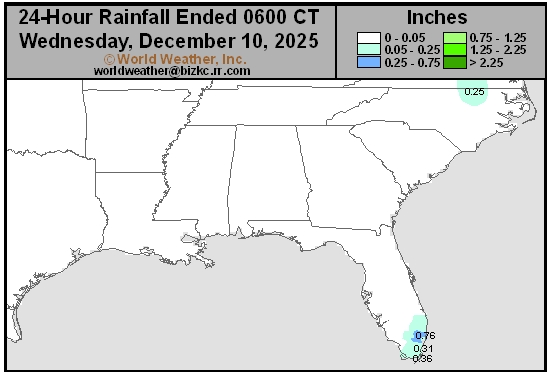
This content is for members only
Corn Belt Daily Rain
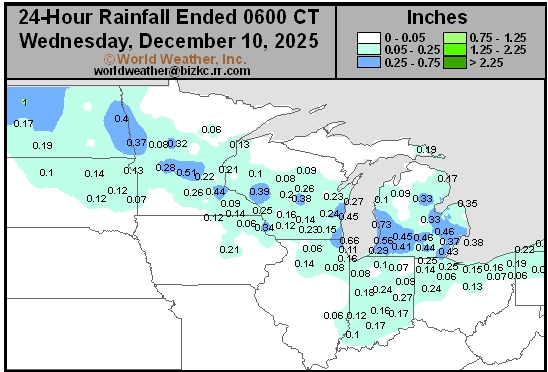
This content is for members only
North Plains Daily Rain
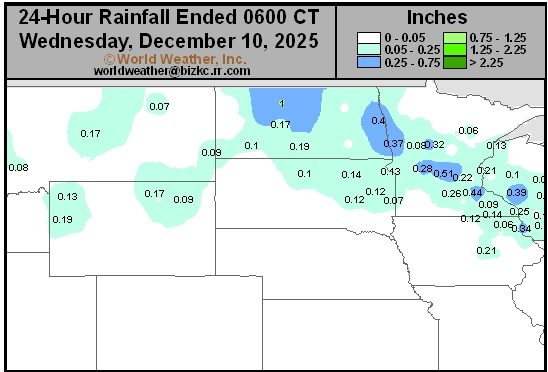
This content is for members only
Low Temperature
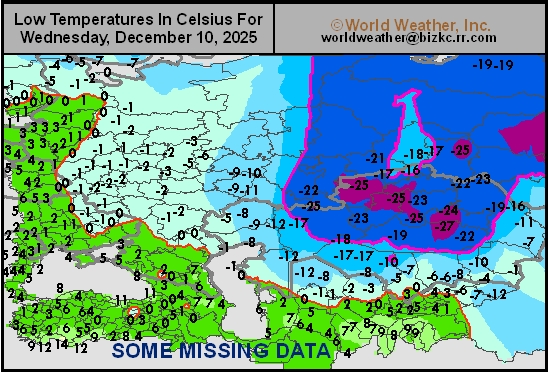
This content is for members only
High Temperature
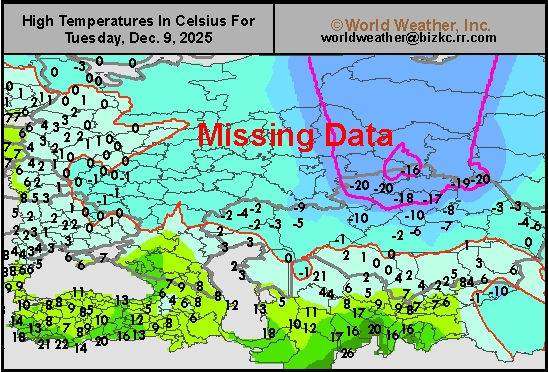
This content is for members only
CIS Rainfall
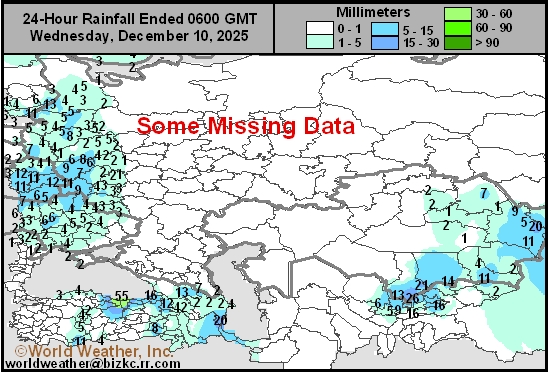
This content is for members only
Low Temperature
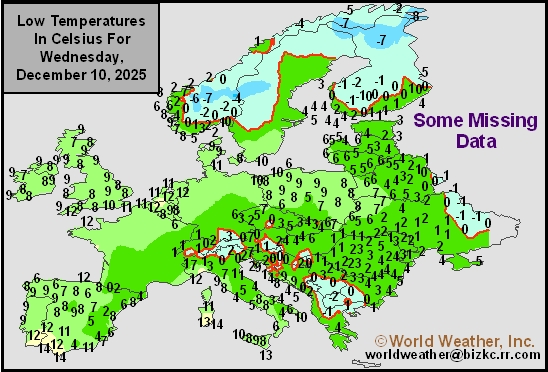
This content is for members only
High Temperature
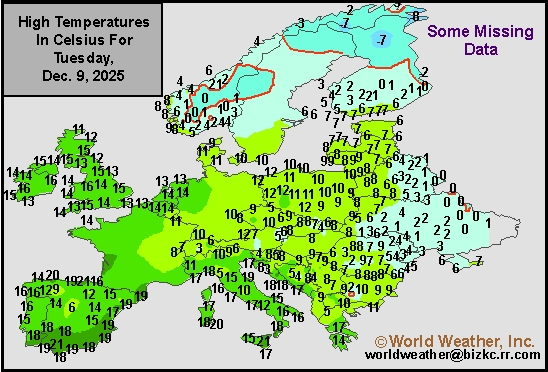
This content is for members only
Europe Rainfall
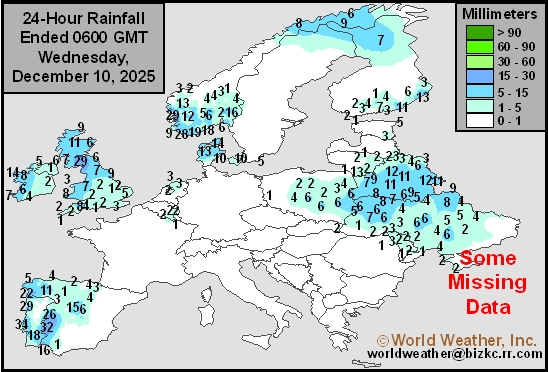
This content is for members only
Low Temperature
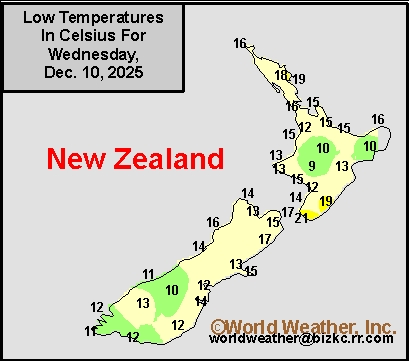
This content is for members only
High Temperature
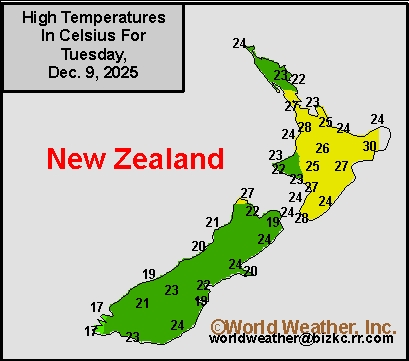
This content is for members only
New Zealand Rainfall
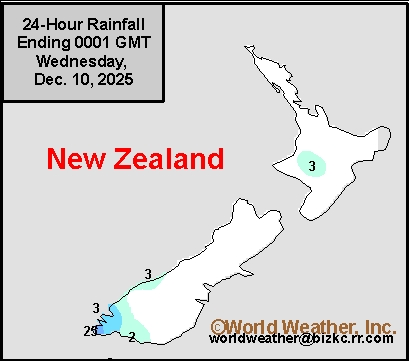
This content is for members only
Low Temperature
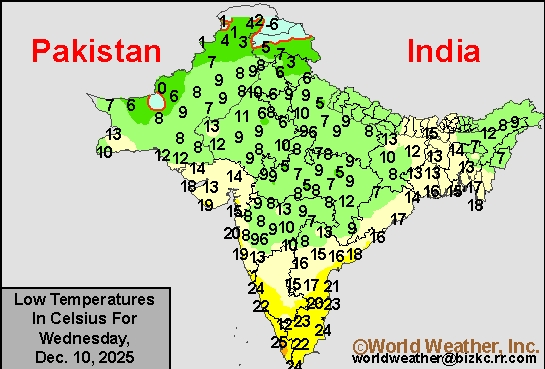
This content is for members only
High Temperature
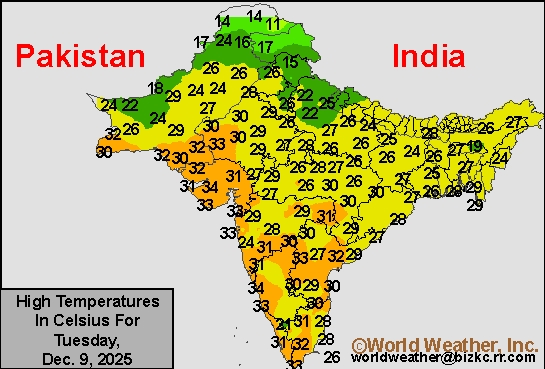
This content is for members only
India Rainfall
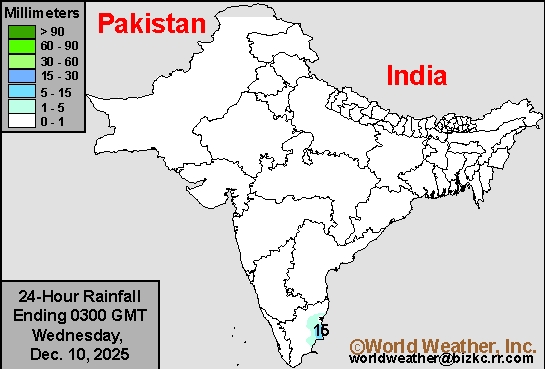
This content is for members only
Low Temperature
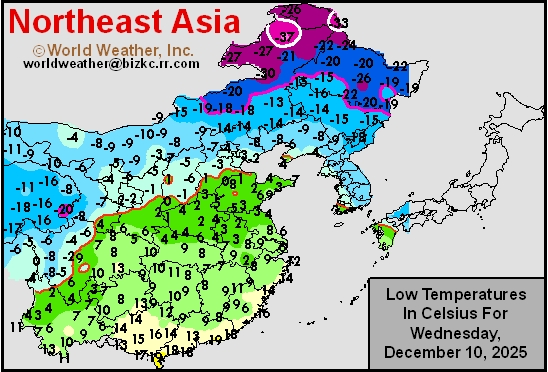
This content is for members only
Japan Rainfall
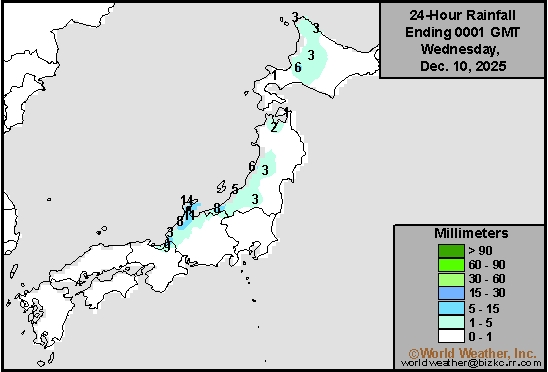
This content is for members only
Low Temperature
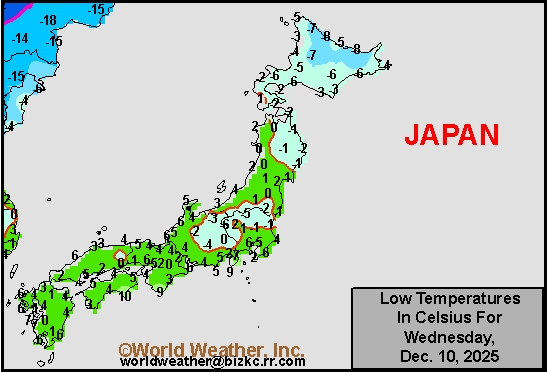
This content is for members only
High Temperature
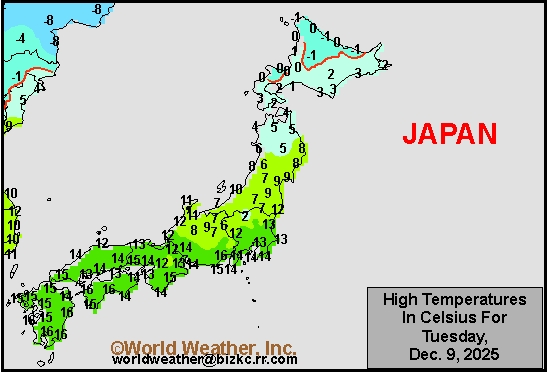
This content is for members only
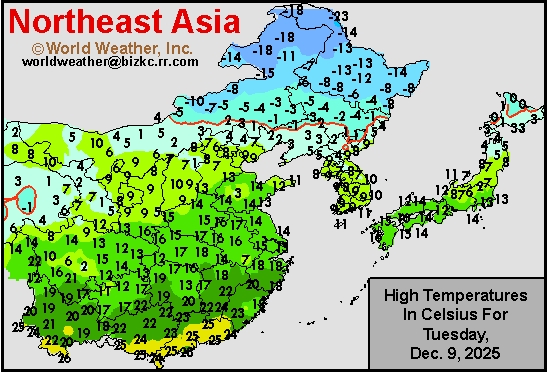
High Temperature
This content is for members only
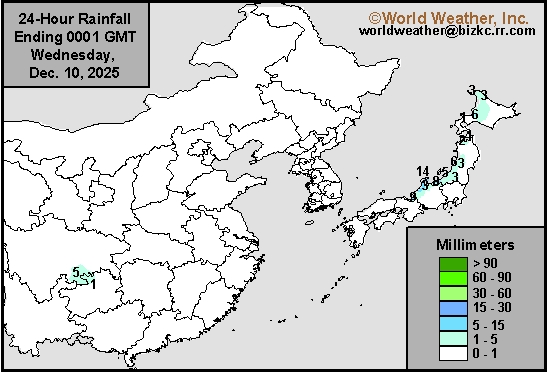
China Rainfall
This content is for members only
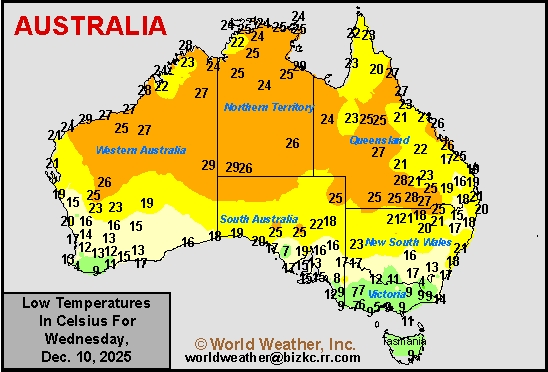
Low Temperature
This content is for members only
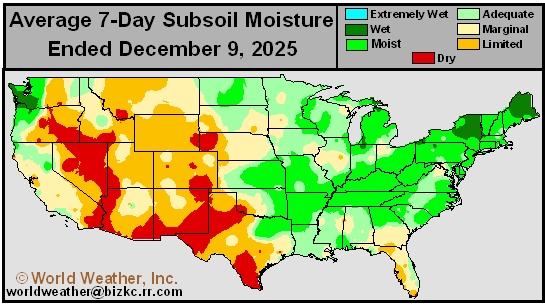
Subsoil Moisture
This content is for members only
Topsoil Moisture
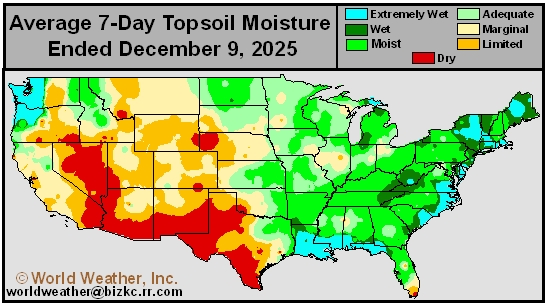
This content is for members only
Subsoil Moisture
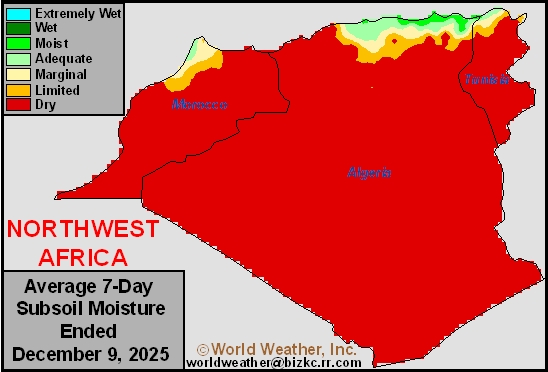
This content is for members only
Topsoil Moisture
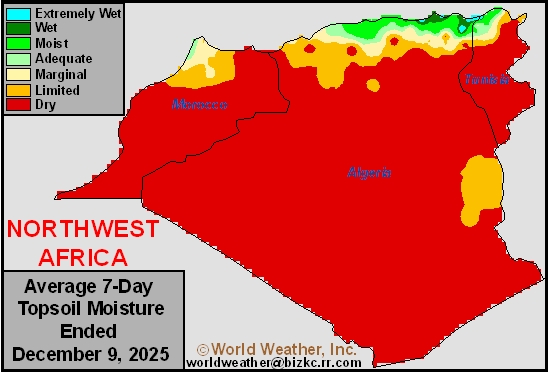
This content is for members only
Subsoil Moisture
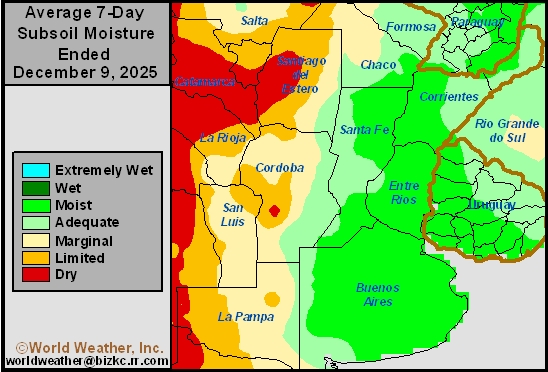
This content is for members only
Topsoil Moisture
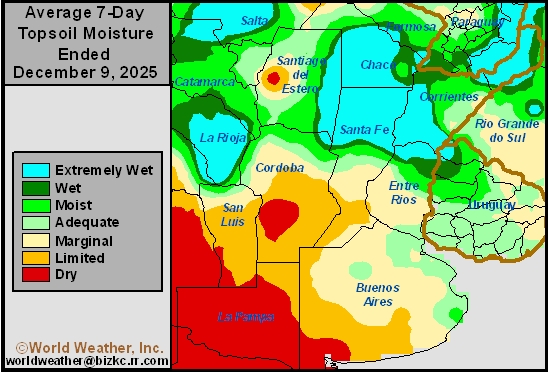
This content is for members only
Subsoil Moisture
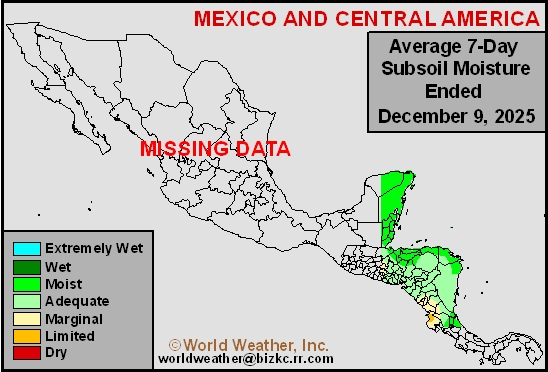
This content is for members only
Topsoil Moisture
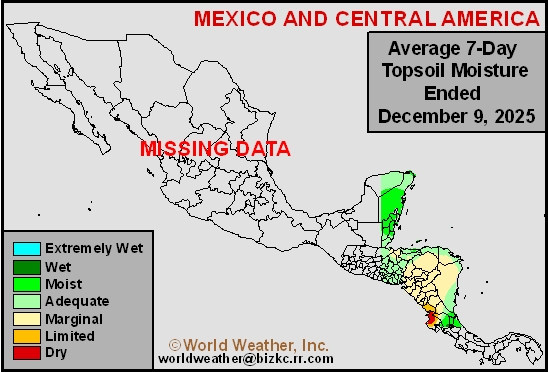
This content is for members only
Subsoil Moisture
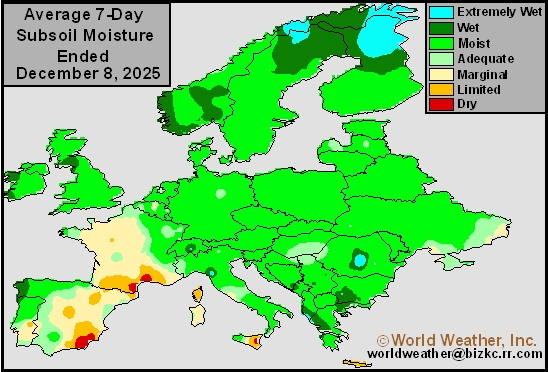
This content is for members only
Topsoil Moisture
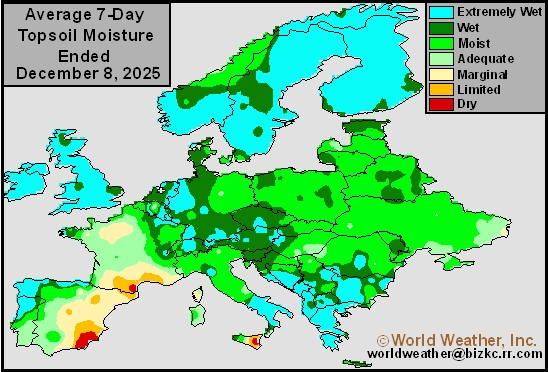
This content is for members only
Subsoil Moisture
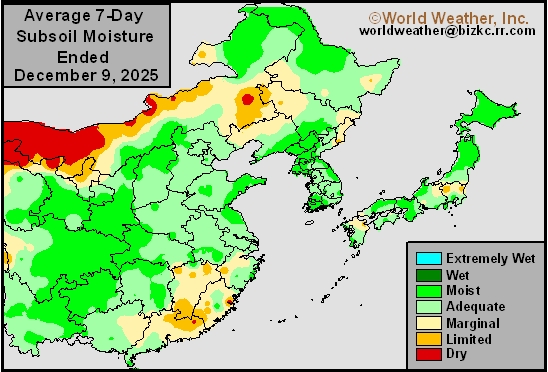
This content is for members only
Topsoil Moisture
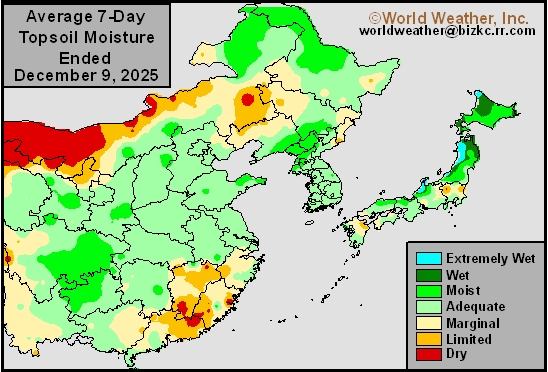
This content is for members only
Subsoil Moisture
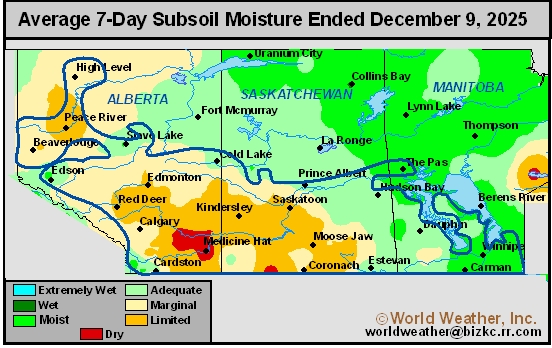
This content is for members only
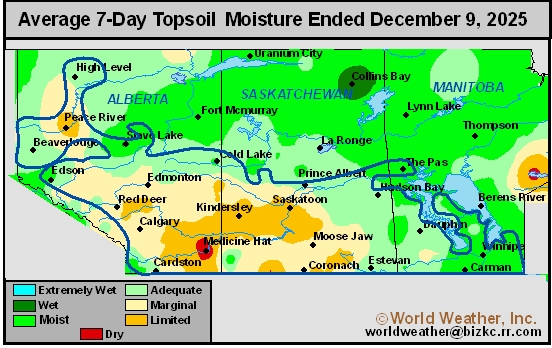
Topsoil Moisture
This content is for members only
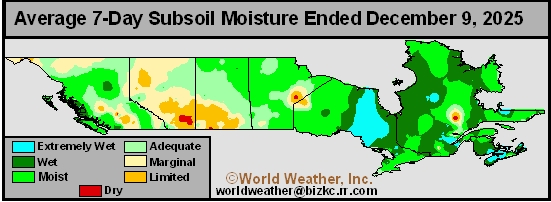
Subsoil Moisture
This content is for members only
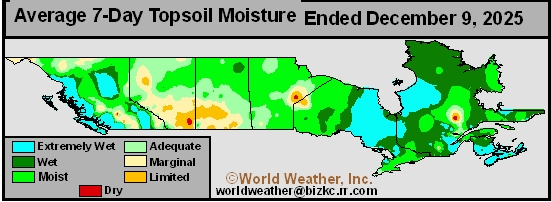
Topsoil Moisture
This content is for members only
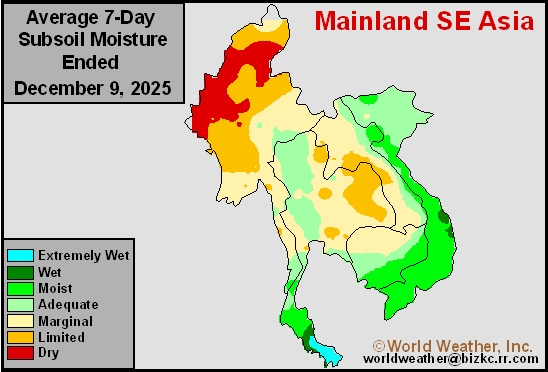
Subsoil Moisture
This content is for members only
Topsoil Moisture
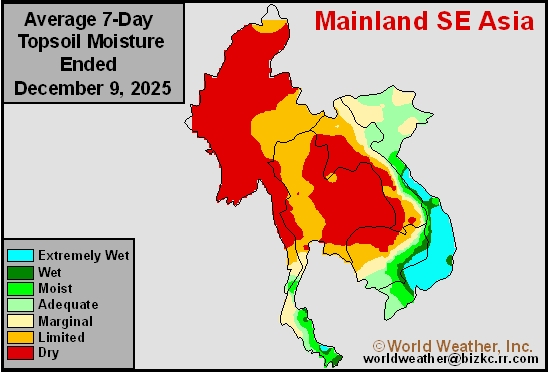
This content is for members only
Subsoil Moisture
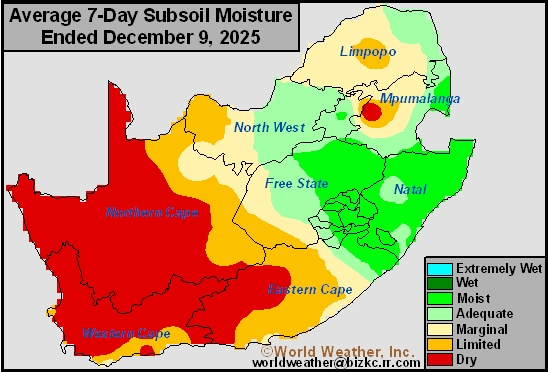
This content is for members only
Topsoil Moisture
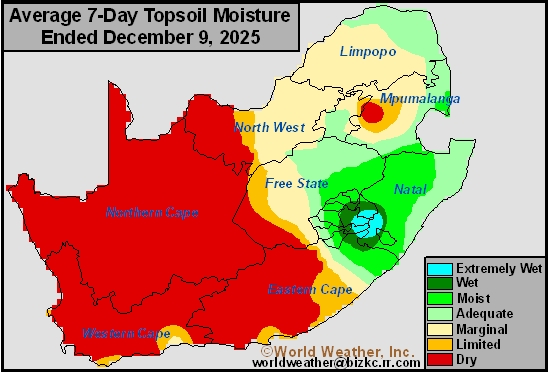
This content is for members only
Subsoil Moisture
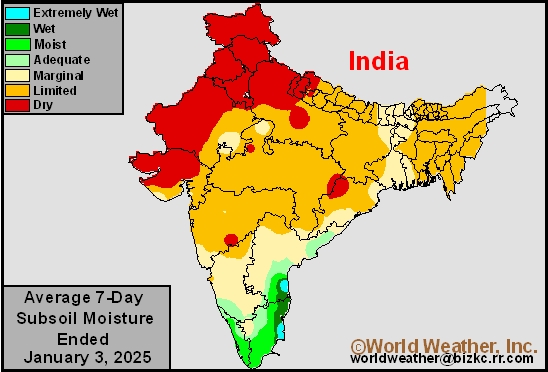
This content is for members only
Topsoil Moisture
This content is for members only
Subsoil Moisture
This content is for members only
Topsoil Moisture
This content is for members only
Subsoil Moisture
This content is for members only
Topsoil Moisture
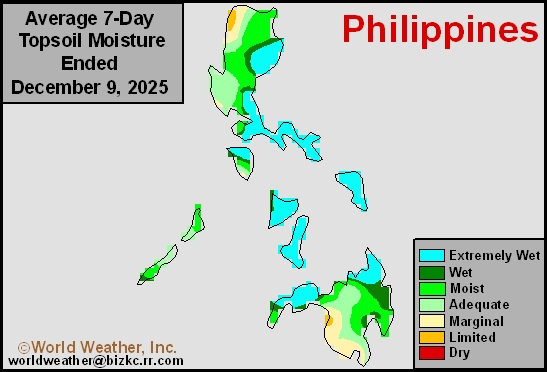
This content is for members only
Subsoil Moisture
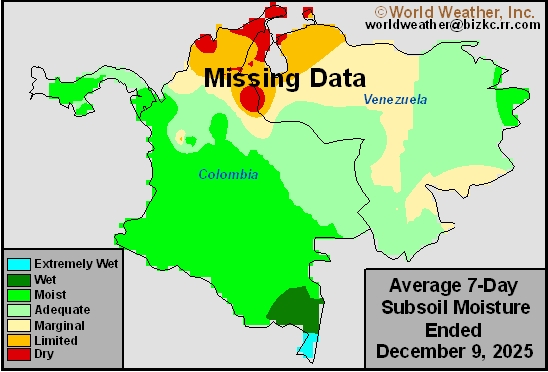
This content is for members only
Topsoil Moisture
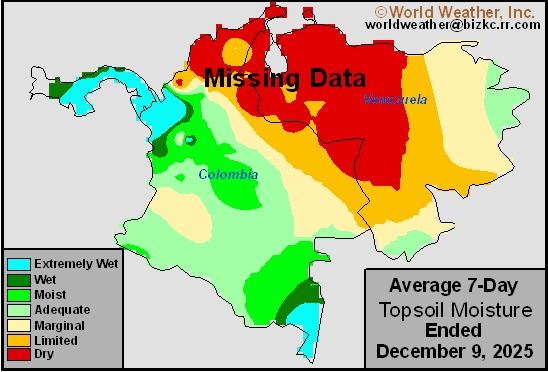
This content is for members only
Subsoil Moisture
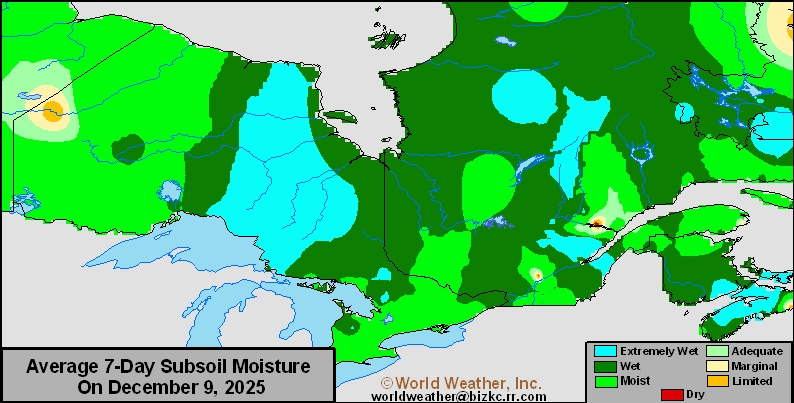
This content is for members only
Topsoil Moisture
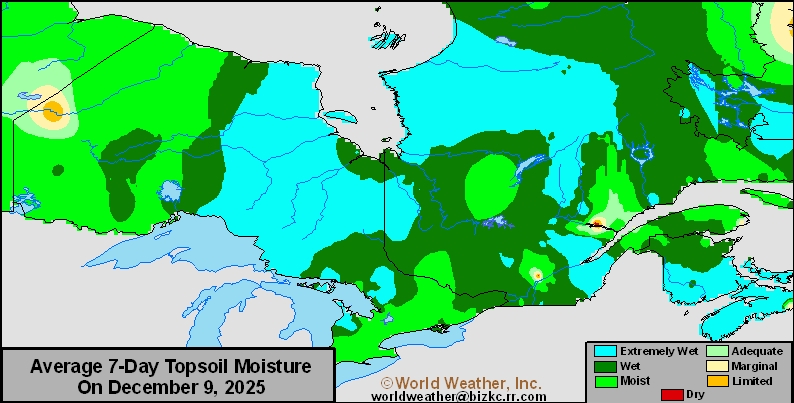
This content is for members only
Subsoil Moisture
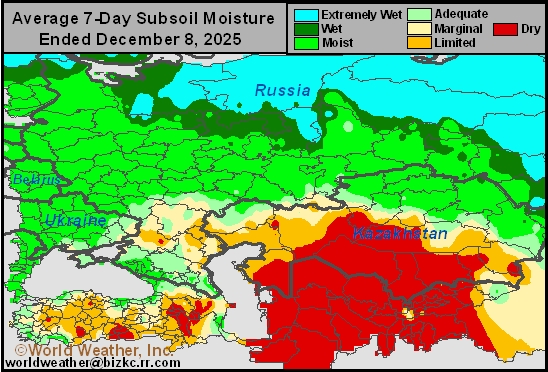
This content is for members only
Topsoil Moisture
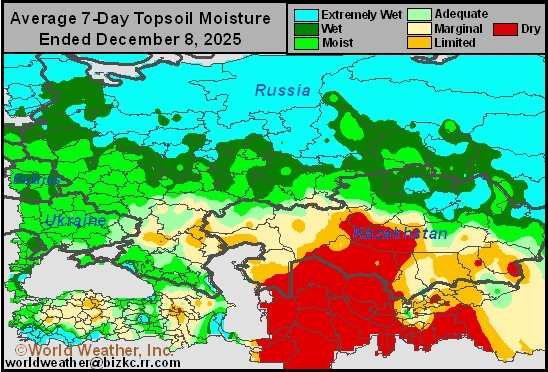
This content is for members only
Subsoil Moisture
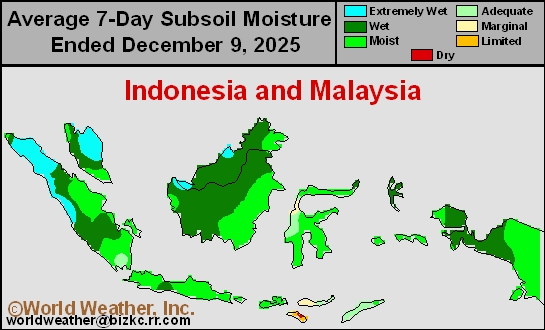
This content is for members only
Topsoil Moisture
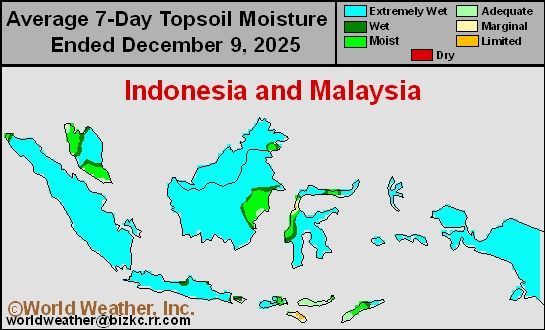
This content is for members only
Topsoil Moisture
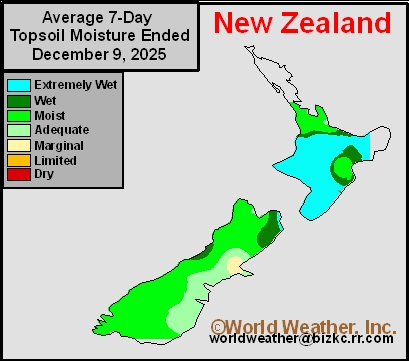
This content is for members only
Subsoil Moisture
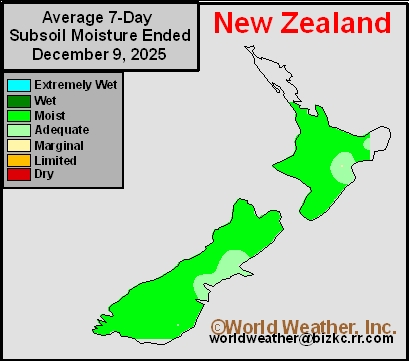
This content is for members only
Subsoil Moisture
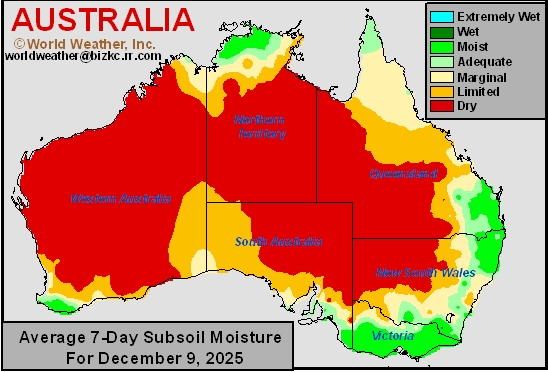
This content is for members only
Topsoil Moisture
This content is for members only
Excessive Rainfall in US Pacific Northwest Induces Flooding
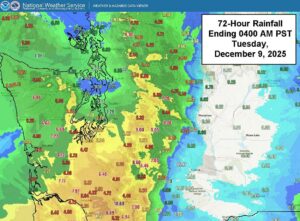
Recent heavy rainfall in the U.S. Pacific Northwest has created a significant flood and landslide risk across the Cascades. Between 3.00 and 10.00 inches of rain has occurred in western Washington and northwestern Oregon since Saturday, with an additional 4.00 to 12.00 inches expected in the next 7 days. Shipping delays and impacts to commerce in the Puget Sound are expected until flooding subsides. Minimal rainfall has occurred on the eastern slopes of the Cascades; however, runoff from this excessive rain is expected to cause moderate flooding along various rivers in central Washington, including the Yakima River Basin. Crops in low lying areas near the flood plane of the Yakima River may see damage, though overall crop impacts caused by flooding are expected to be minimal.
Weekly Citrus Weather For Tuesday, December 9, 2025
Kansas City, December 9 (World Weather Inc.) – Florida’s citrus areas saw periods of rain during the past week. Minor harvest delays were possible, though most producers had opportunities to harvest between rain events. The region will receive limited rainfall during the coming week and the harvest should advance swiftly. Many areas in Brazil’s citrus areas dried down significantly earlier this month before timely rain occurred in recent days. The region will see a period of wet weather through early next week that will bolster soil moisture and maintain good citrus conditions. Mexico’s citrus areas will also see periods of erratic rain during the coming week. The harvest may be disrupted in the wettest locations.
South America: Where Is The Drought?
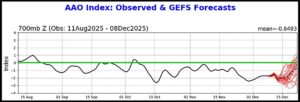
Kansas City, December 9 (World Weather Inc.) – There is a general misnomer about ENSO events, like La Nina and El Nino, that when they are in place there is no other weather pattern influence. A mistake many forecasters make is that when La Nina and El Nino are in place, as great as these influences can be, they still must interact with other prevailing weather patterns. The general consensus is that La Nina events (such as the one playing out now) induce drought in South America and especially in Argentina and sometimes in far southern Brazil. Forecasters are learning in 2025 that drought is not always the result especially when other weather patterns are taken into account.
Eastern Australia Summer Crops Need Rain; Too Hot
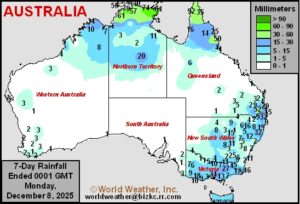
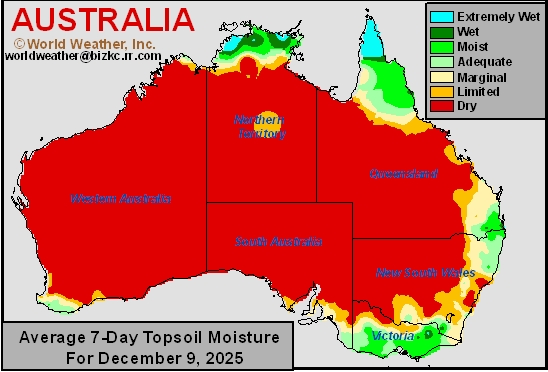
Kansas City, December 8 (World Weather Inc.) – Queensland and New South Wales were drier or much drier than usual during the past month. The lack of rain was beneficial for winter grain and oilseed harvesting; however, the environment deteriorated for summer coarse grain, oilseed, and cotton planting and establishment. These areas need significant rainfall to support better long-term production potentials, most notably in rain-fed areas. Winter wheat, barley, and canola harvesting otherwise advanced swiftly in a large section of Australia during the past week. Alternating periods of erratic rain and sunshine are slated for Queensland and New South Wales this week while Victoria, South Australia, and Western Australia receive little to no rain. Harvesting of the winter crops will advance swiftly while the main concern will be over dryland summer crop development due to expanding dryness. Temperatures have been hot at times this spring and less heat is needed as well.
Brazil Will Receive Much-Needed Rain This Week
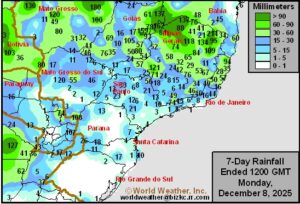
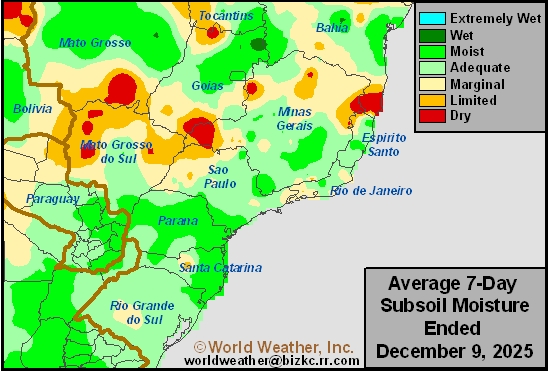
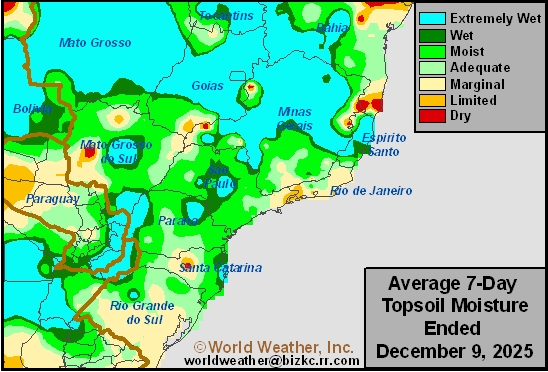
Kansas City, December 8 (World Weather Inc.) – Center-west and northeastern Brazil received significant rain during the past week and the moisture profile improved for Mato Grosso and Goias into Minas Gerais and Bahia, though these areas still need more rain. Rainfall prior to the weekend was still erratic and often too light for a serious improvement in soil moisture in very many areas. The biggest change that occurred in the past week was the drying of soil in southern parts of the nation raising the need for widespread rain to restore favorable topsoil moisture. Not only will rain fall in southern parts of the nation in the next week to ten days, but most of the north will also get some additional moisture to further ease long term dryness and get crop development back on an aggressive track supporting the best possible yield potentials. The increased precipitation may slow fieldwork, but the benefits to long term development will outweigh to the slower field progress.
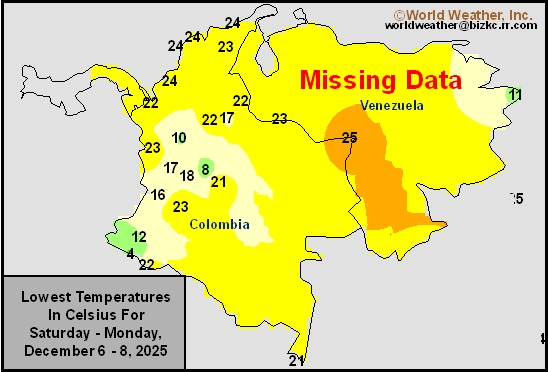
Venezuela/Colombia Min Temps
This content is for members only
Venezuela/Colombia Max Temps
This content is for members only