
Topsoil Moisture

This content is for members only
Subsoil Moisture
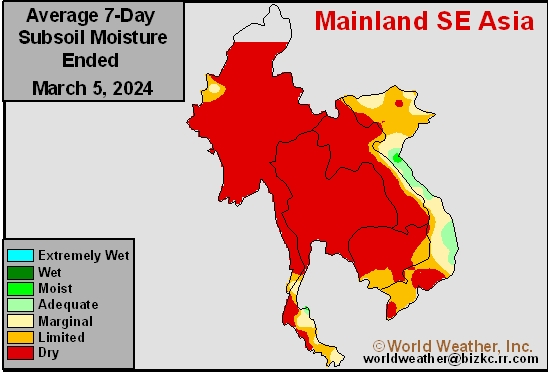
This content is for members only
Topsoil Moisture
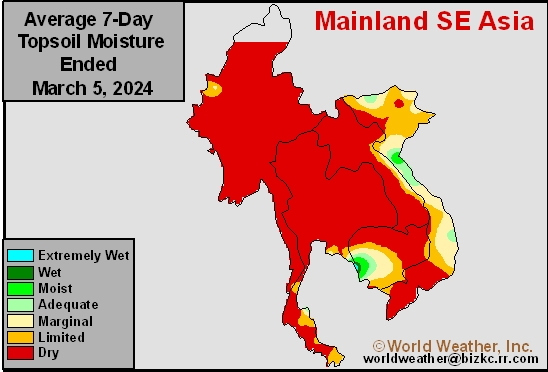
This content is for members only
Subsoil Moisture
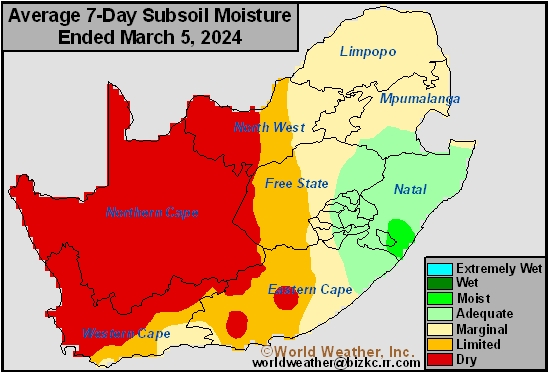
This content is for members only
Topsoil Moisture
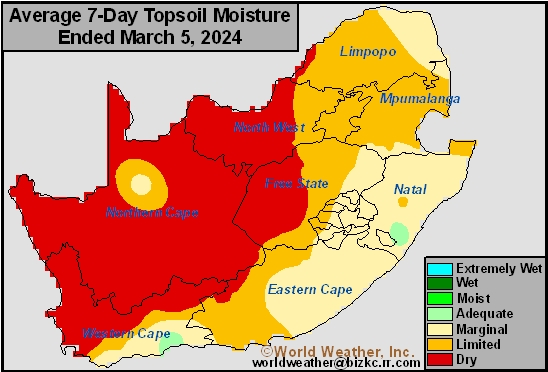
This content is for members only
Subsoil Moisture
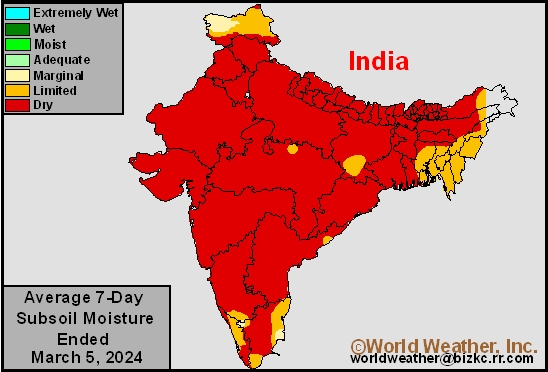
This content is for members only
Topsoil Moisture
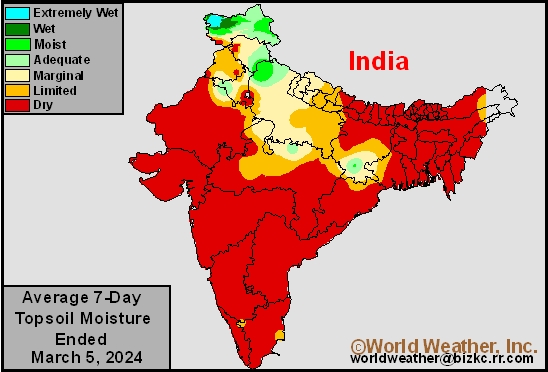
This content is for members only
Subsoil Moisture
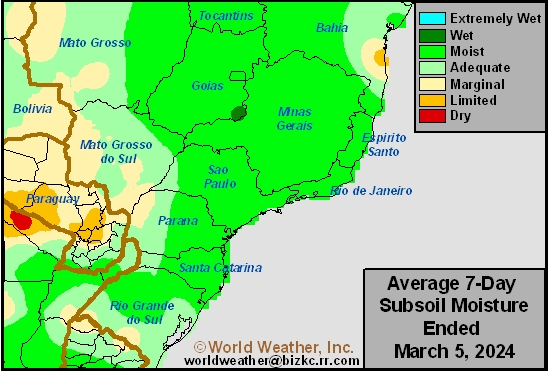
This content is for members only
Topsoil Moisture
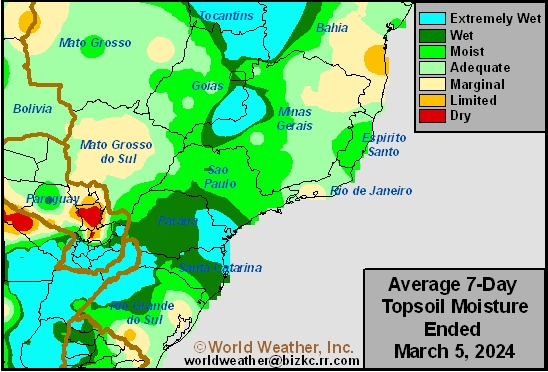
This content is for members only
Subsoil Moisture
This content is for members only
Topsoil Moisture
This content is for members only
Subsoil Moisture
This content is for members only
Topsoil Moisture
This content is for members only
Subsoil Moisture
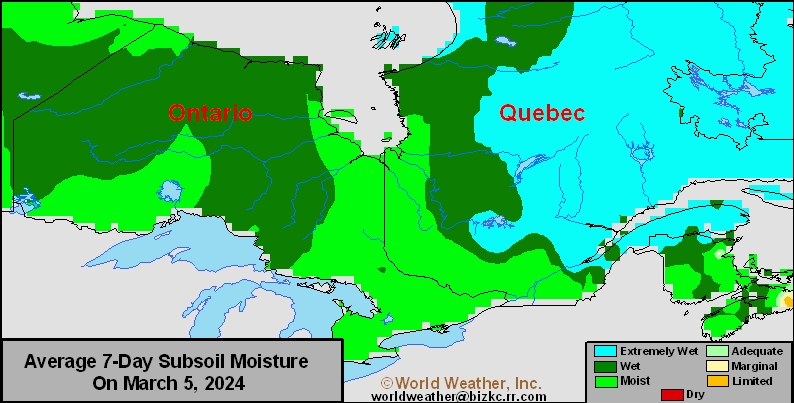
This content is for members only
Topsoil Moisture
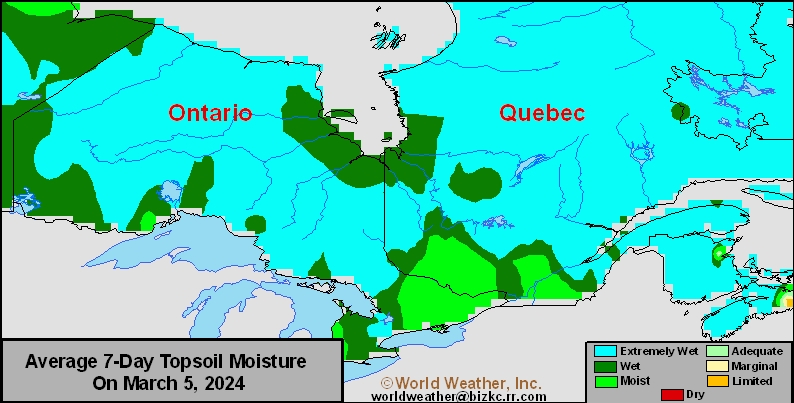
This content is for members only
Subsoil Moisture
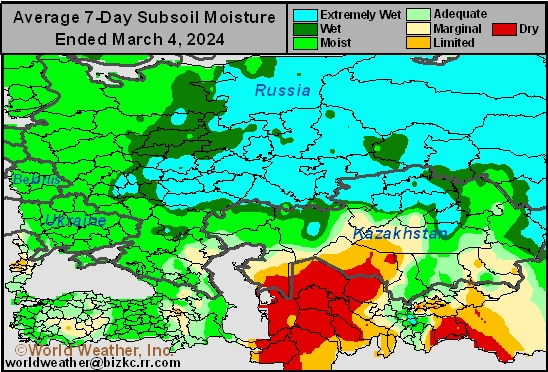
This content is for members only
Topsoil Moisture
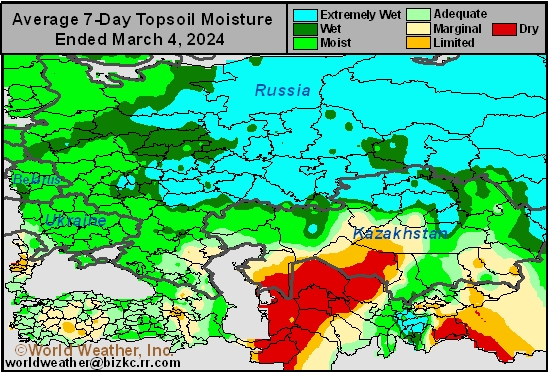
This content is for members only
Subsoil Moisture

This content is for members only
Topsoil Moisture

This content is for members only
Topsoil Moisture
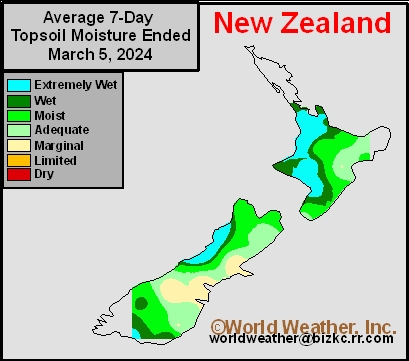
This content is for members only
Subsoil Moisture
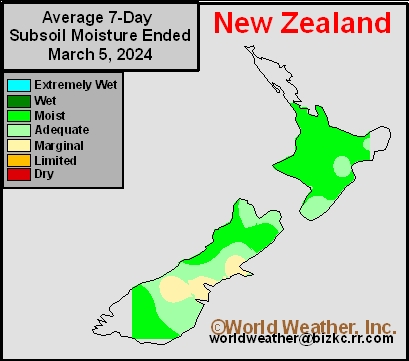
This content is for members only
Subsoil Moisture
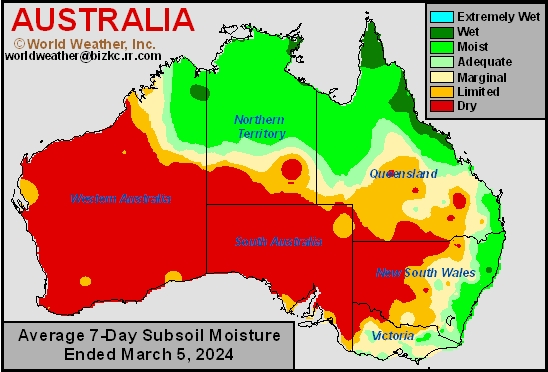
This content is for members only
Topsoil Moisture
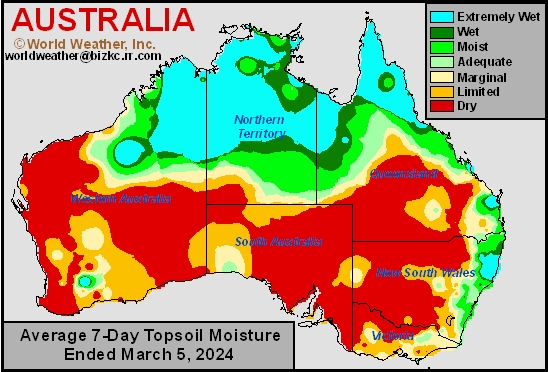
This content is for members only
Argentina Rain Will Maintain Good Outlook For Grains, Oilseeds
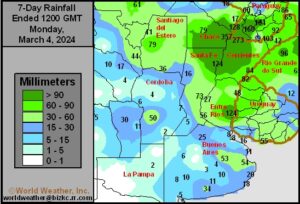
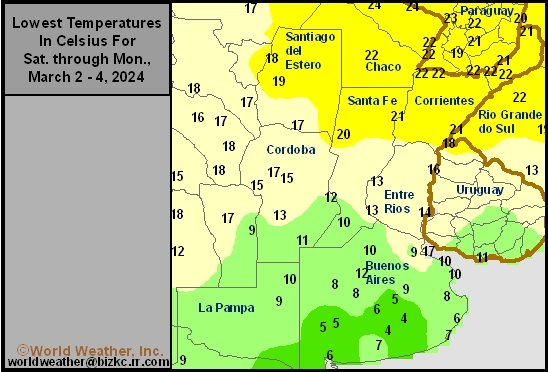
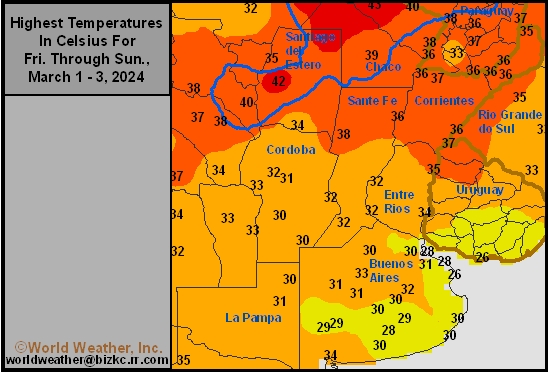
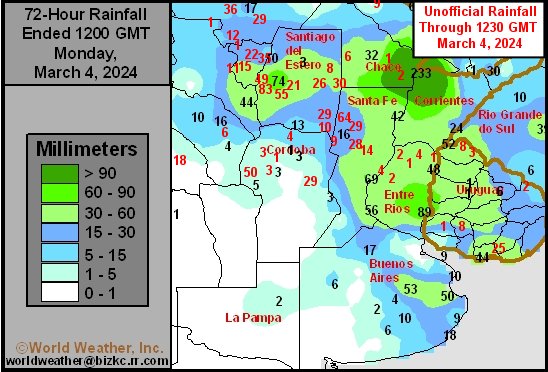
Kansas City, March 4 (World Weather Inc.) – The southwest corner of Argentina’s Pampas farming region dried down during the past week due to a lack of rain and warm weather. Development may have slowed for the shorter-rooted crops, though no significant production impacts were suspected. Other production areas in Argentina received enough rain to maintain aggressive growth. Portions of Chaco, northeastern Santa Fe, and Corrientes received abundant rain that may have caused localized flooding. Minor damage was possible in areas that received the greatest amount of rain. However, no major crop losses were suspected. Argentina will see a good mix of rain and sunshine this week that will help keep soil moisture near current levels. The environment will remain favorable for aggressive crop growth.
Brazil Will Receive Rain; More Needed For Safrinha Corn
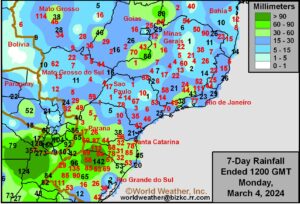
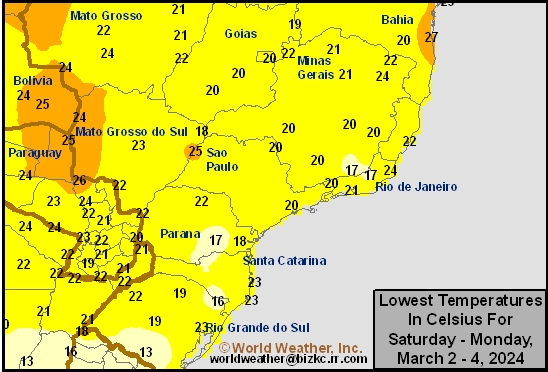
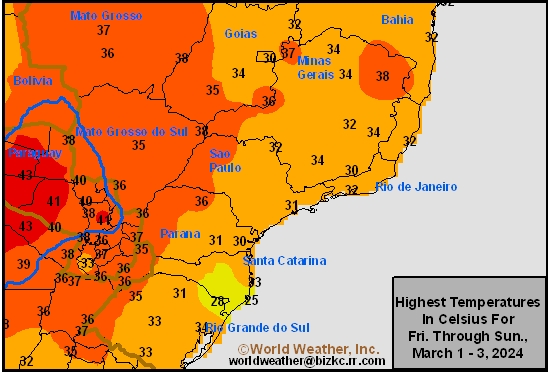
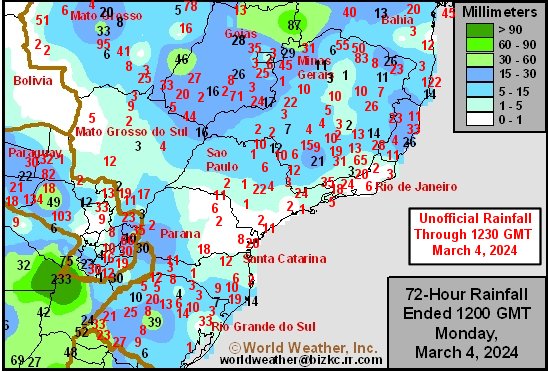
Kansas City, March 4 (World Weather Inc.) – Rainfall during the past week was highly variable across Brazil with many areas in center-west and center-south only receiving light amounts of moisture. The lack of rain and warm daytime temperatures promoted net drying. The need for rain is high or increasing for the main Safrinha corn areas to ensure ample moisture needed for much of the growing season. Many areas in Mato Grosso and Mato Grosso do Sul are deficient in moisture needed to support ideal growing conditions. Most other areas in Brazil will see a good mix of rain and sunshine this week and next week. Rainfall will help keep soil moisture near current levels or improve it while promoting mostly good establishment and early-season growth for Safrinha corn. Additional rain will still be needed to support ideal long-term crop conditions. Harvesting of soybeans and other early-season crops should advance swiftly around periodic rain.
Philippines Will Remain Drier Biased; Need For Rain Is High
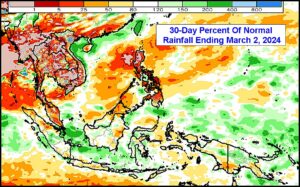
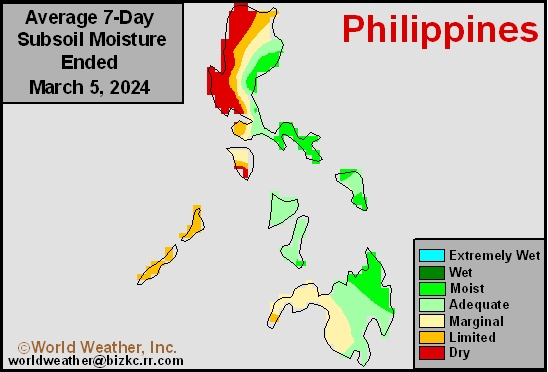
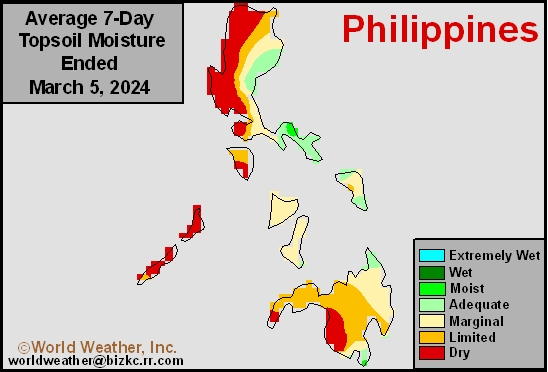
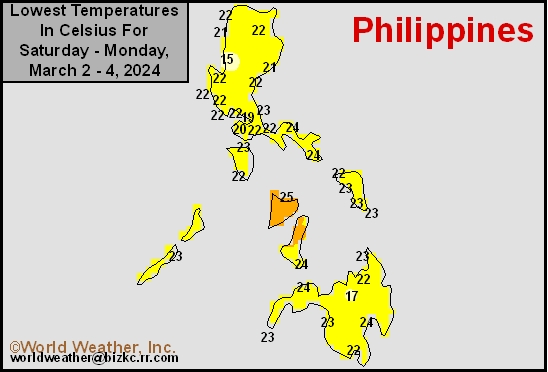
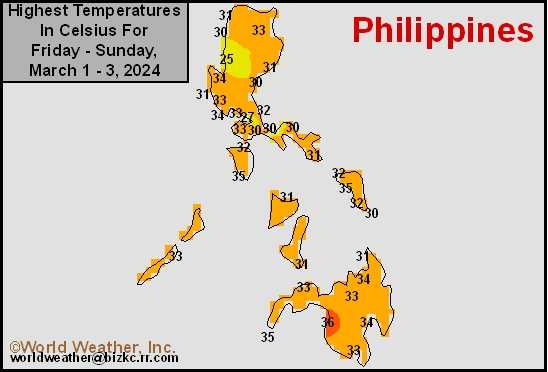
Kansas City, March 4 (World Weather Inc.) – Unlike portions of Indonesia and Malaysia, the Philippines have trended drier than normal for an extended period of time. The country tends to experience drier biased conditions during El Nino, which has caused gradual drying in recent months. Moisture deficits are most significant in western Luzon Island and portions of the Visayan Islands as well as Palawan. Second season corn and rice harvesting is ongoing in the Philippines and production may be lower than usual due to the drier than normal environment (especially in northwestern Luzon’s rice bowl) for much of the growing season. With the main-season rice planting beginning in March and the main-season corn planting in April, the need for abundant rain is high. Drier-than-normal weather will persist for at least the next two weeks, even as El Nino continues to weaken. A switch to La Nina will be possible this summer, which could gradually increase rain potentials later in the growing season.
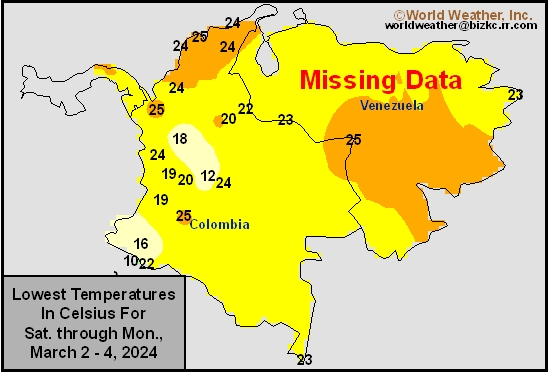
Venezuela/Colombia Min Temps
This content is for members only
Venezuela/Colombia Max Temps
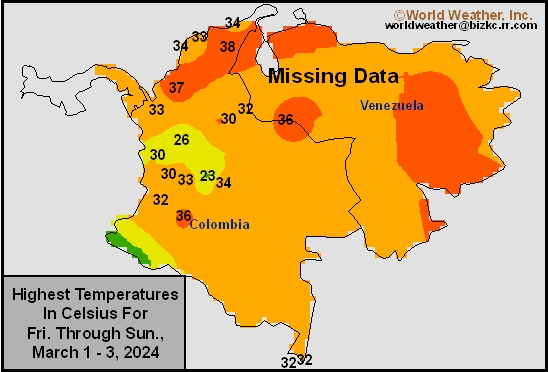
This content is for members only
SE Canada Min
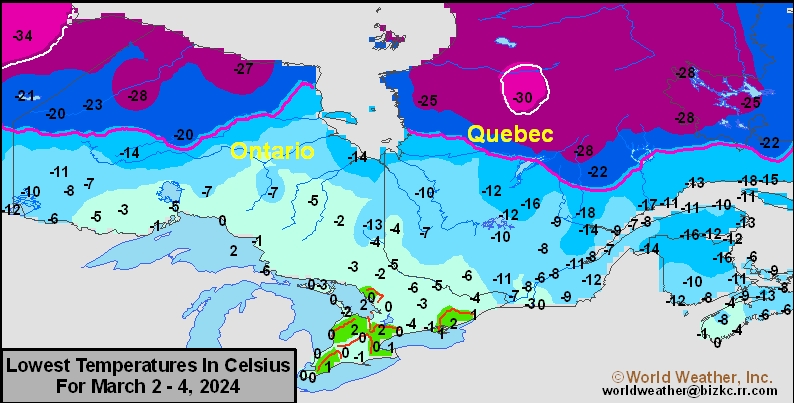
This content is for members only
SE Canada Max
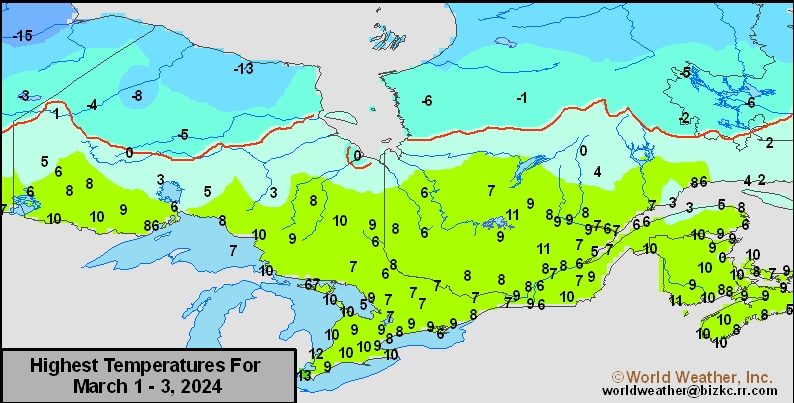
This content is for members only
SE Canada Rainfall
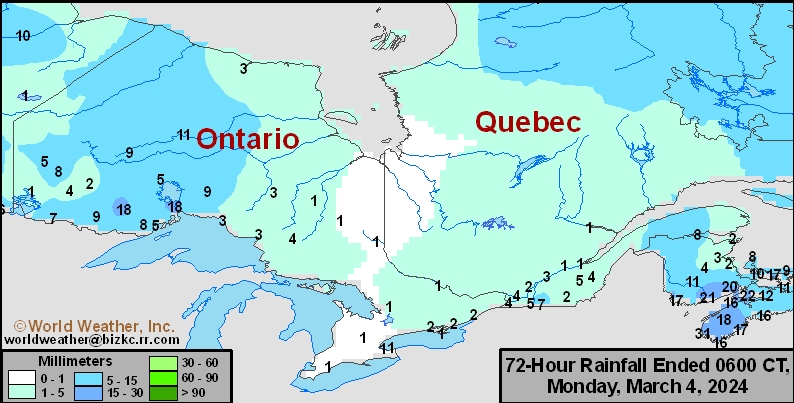
This content is for members only
Prairies Rainfall

This content is for members only
Prairies Max Temperature

This content is for members only
Prairies Min Temperature

This content is for members only
Canada Rainfall

This content is for members only
Venezuela Rainfall
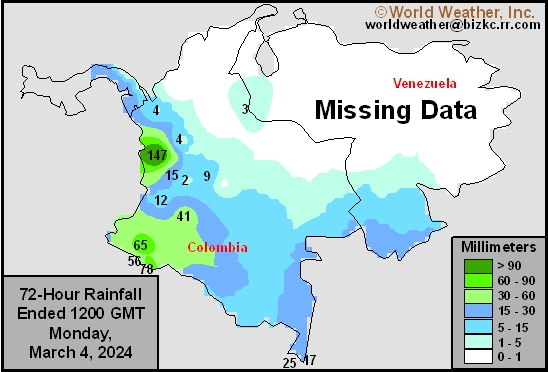
This content is for members only
Mexico Min Temperature
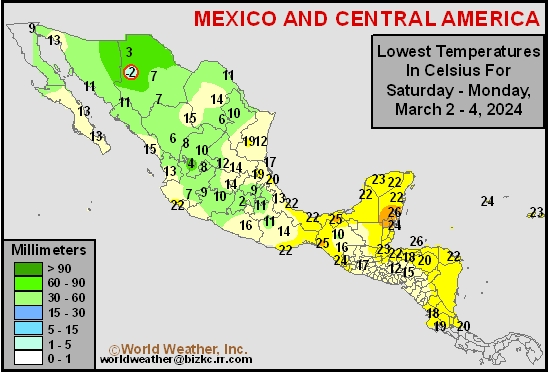
This content is for members only
Mexico Max Temperature
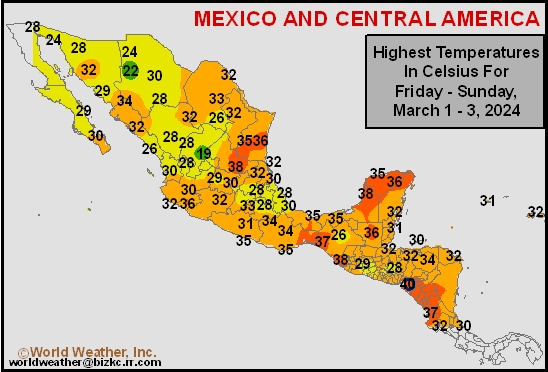
This content is for members only
Mexico Rainfall
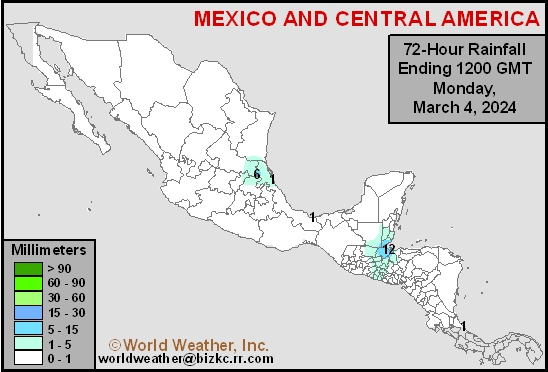
This content is for members only
Argentina Min Temperature
This content is for members only
Argentina Max Temperature
This content is for members only
Argentina Rainfall
This content is for members only
Brazil Min Temperature
This content is for members only
Brazil Max Temperature
This content is for members only
Brazil Rainfall
This content is for members only
Philippines Min
This content is for members only
Philippines Max
This content is for members only
Philippines Rain
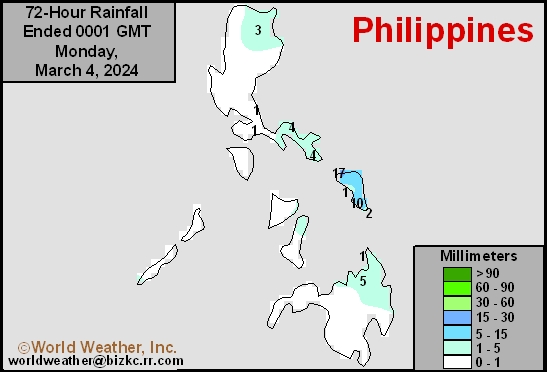
This content is for members only
Southeast North Rain
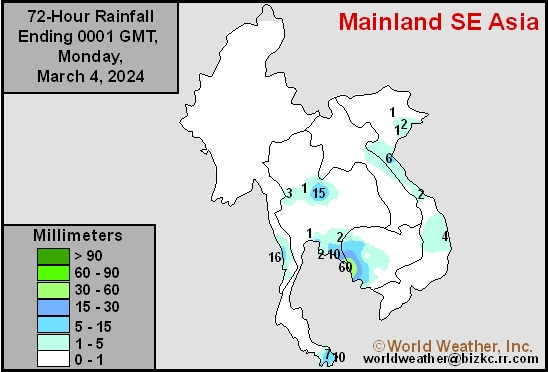
This content is for members only
Southeast North Min
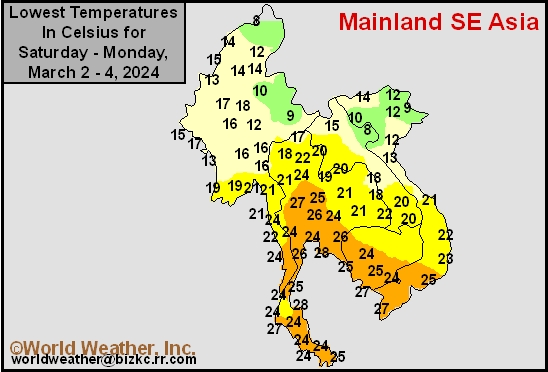
This content is for members only
Southeast North Max
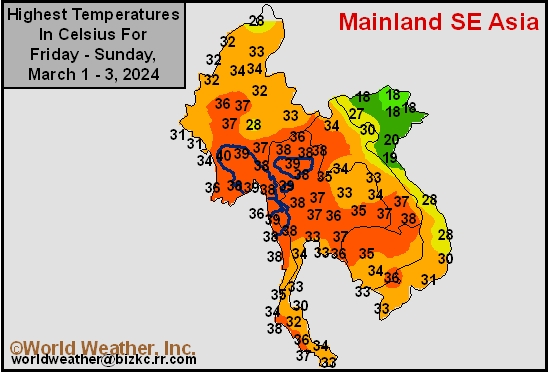
This content is for members only
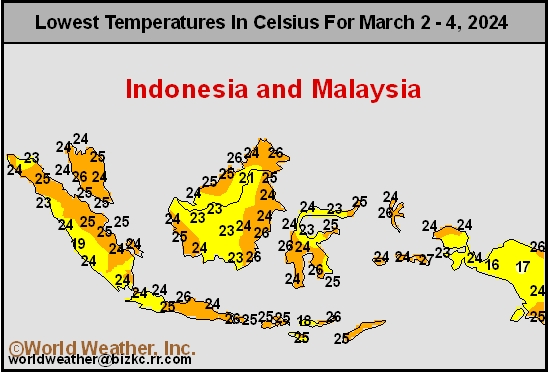
Southeast Min
This content is for members only
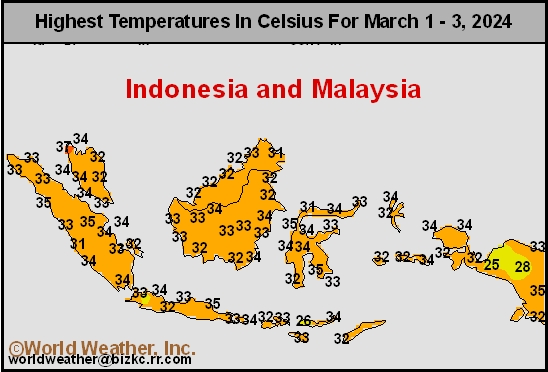
Southeast Max
This content is for members only
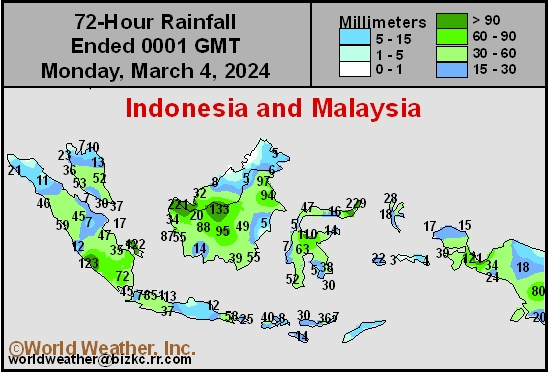
Southeast Rain
This content is for members only
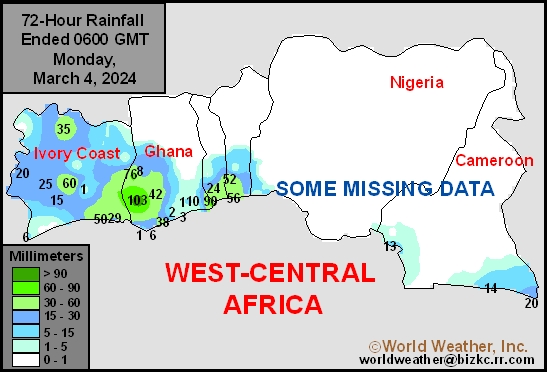
West Africa Rain
This content is for members only
Max Temperature
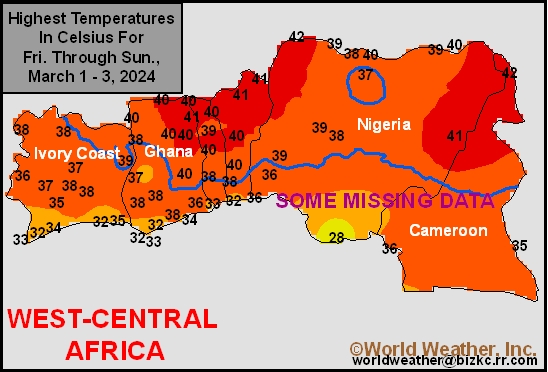
This content is for members only
Min Temperature
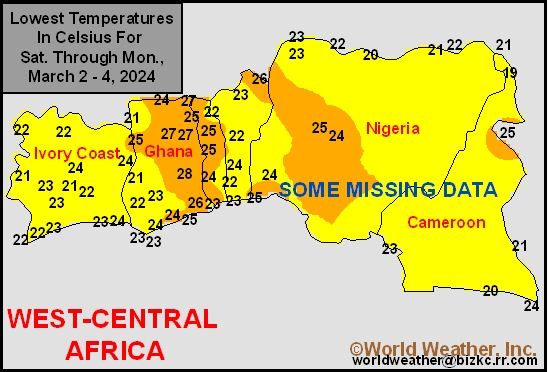
This content is for members only
North Africa Rain
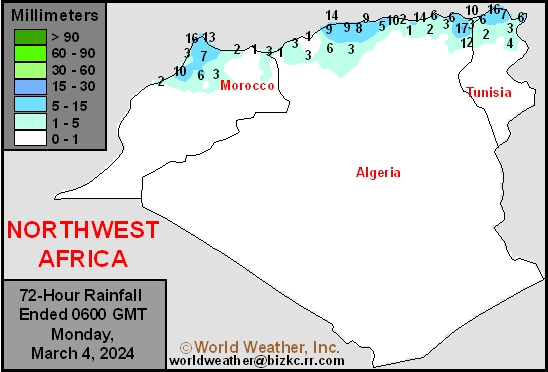
This content is for members only
Max Temperature
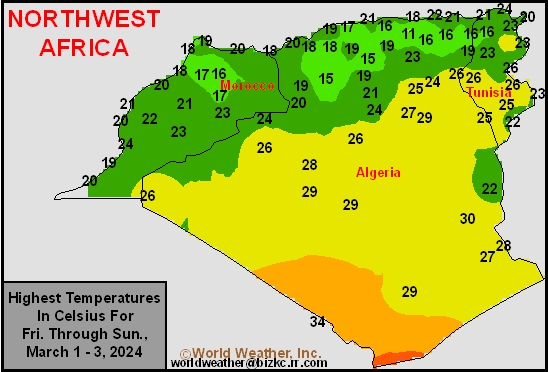
This content is for members only
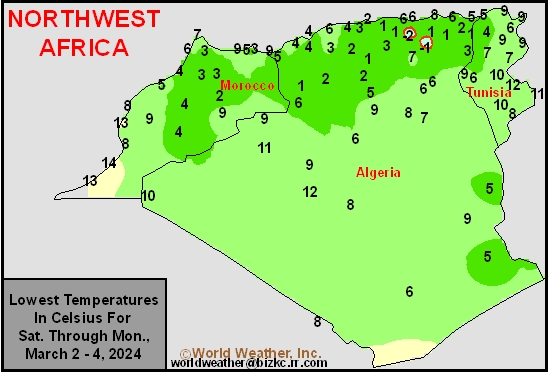
Min Temperature
This content is for members only
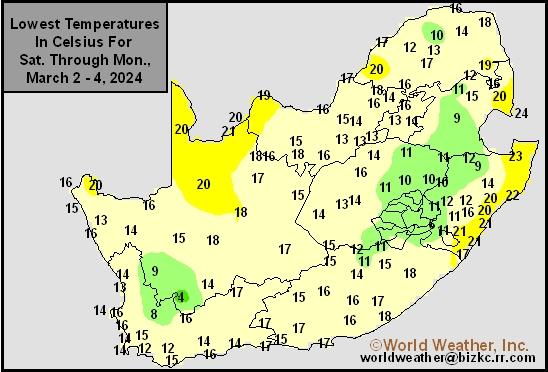
Min Temperature
This content is for members only
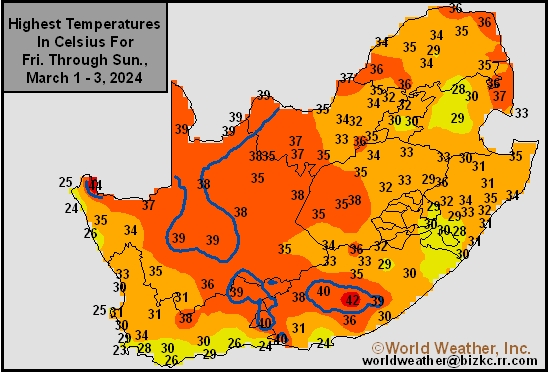
Max Temperature
This content is for members only
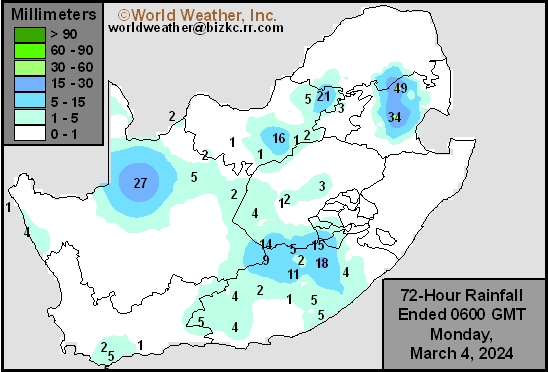
South Africa Rain
This content is for members only
Hard Red Wheat Tmin
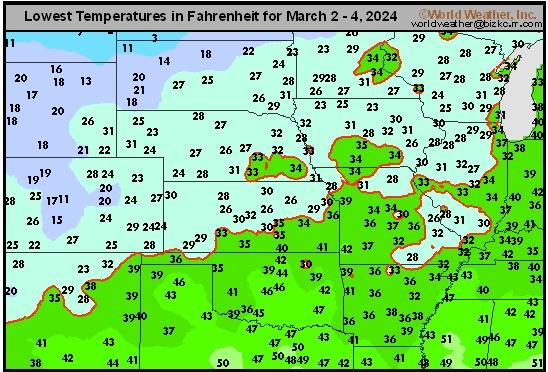
This content is for members only
Northeast Tmin
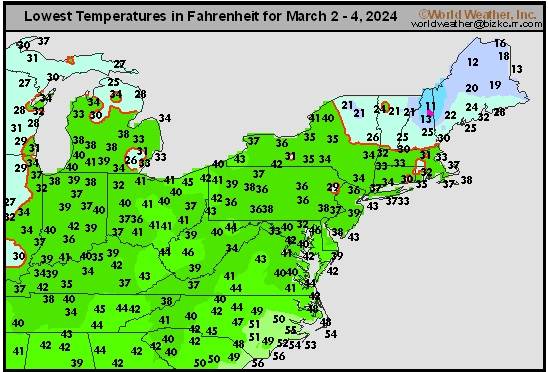
This content is for members only
Southwest Tmin
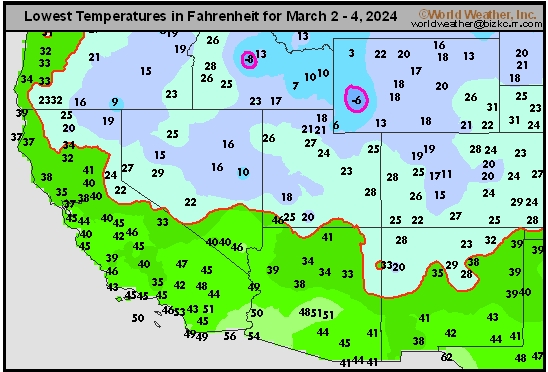
This content is for members only
Northwest Tmin
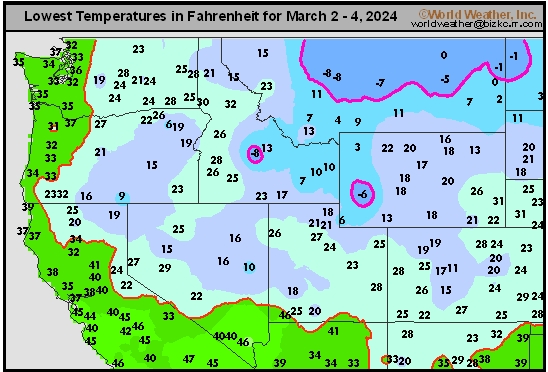
This content is for members only
South Plains Tmin
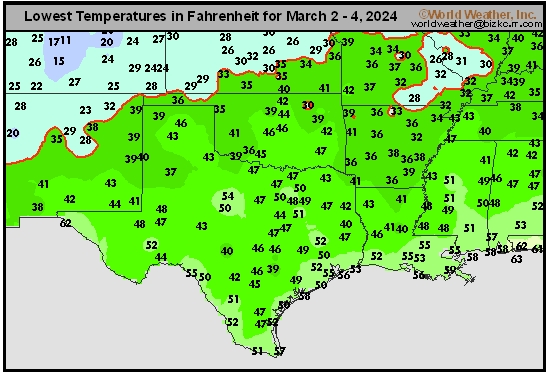
This content is for members only
Delta/SE U.S. Tmin
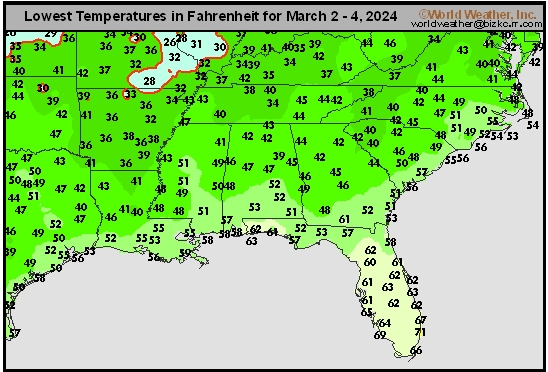
This content is for members only
Corn Belt Tmin
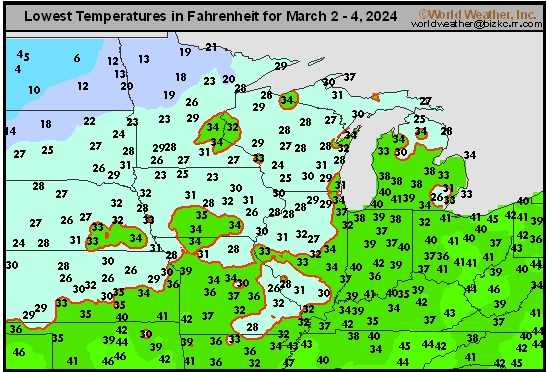
This content is for members only
US Min

This content is for members only
North Plains Tmin
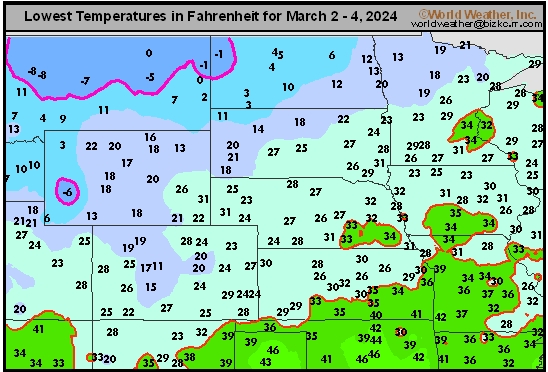
This content is for members only
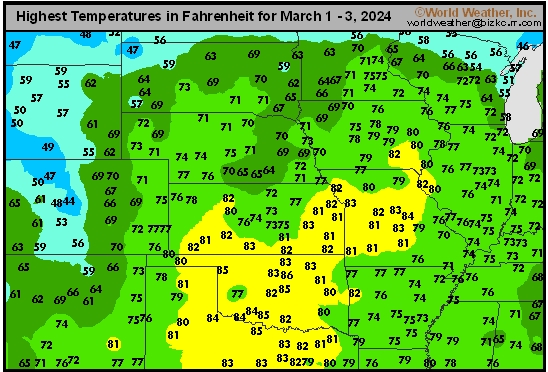
Hard Red Wheat Tmax
This content is for members only
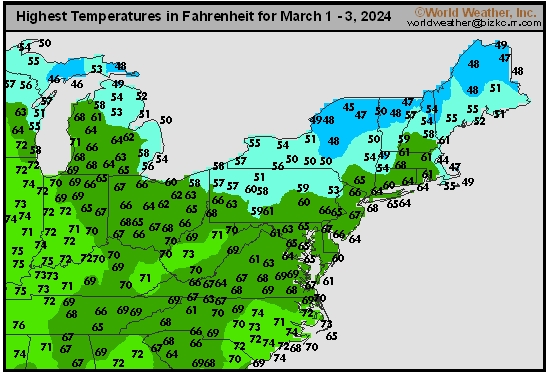
Northeast Tmax
This content is for members only
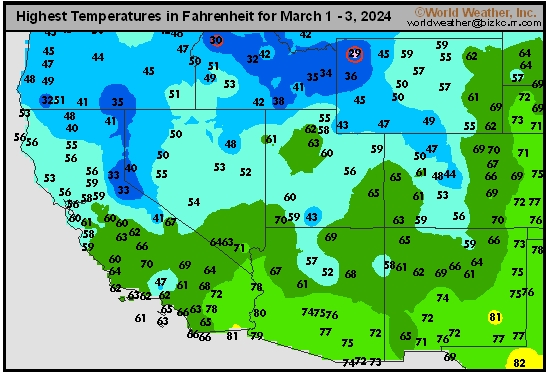
Southwest Tmax
This content is for members only
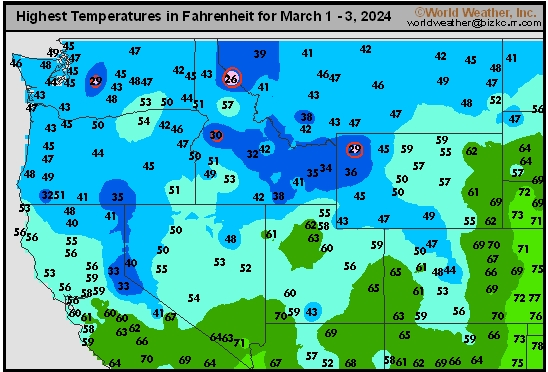
Northwest Tmax
This content is for members only
South Plains Tmax
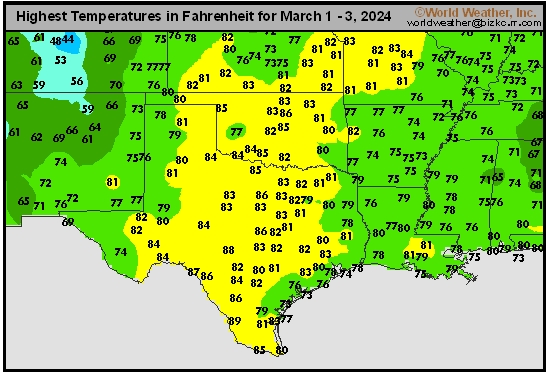
This content is for members only
Delta/SE U.S. Tmax
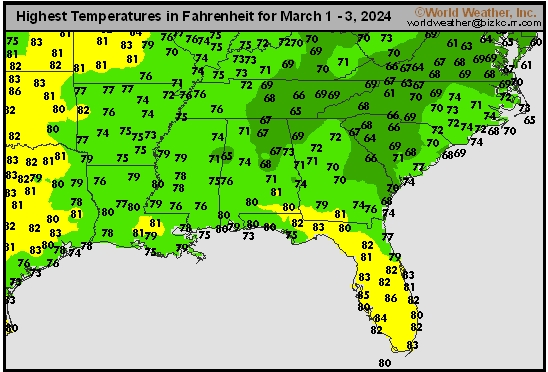
This content is for members only
Corn Belt Tmax
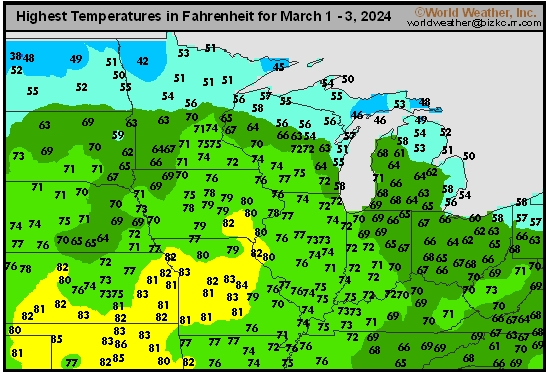
This content is for members only
North Plains Tmax
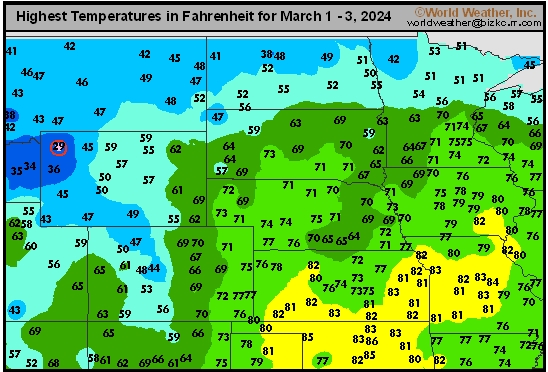
This content is for members only
US Max

This content is for members only
US Rain

This content is for members only
Northeast Daily Rain
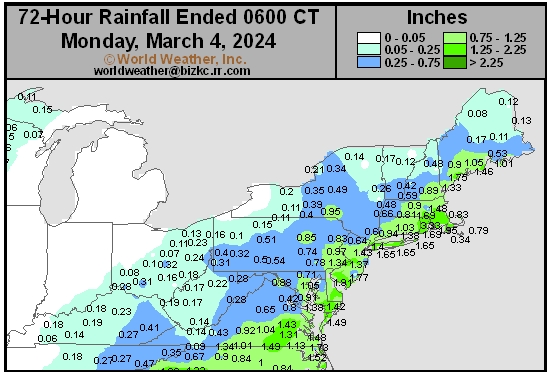
This content is for members only
Hard Red Wheat Daily Rain
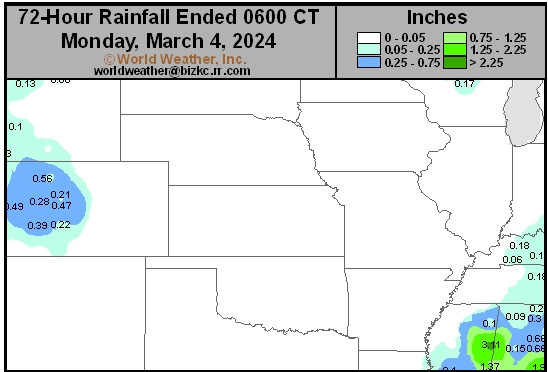
This content is for members only
Southwest Daily Rain
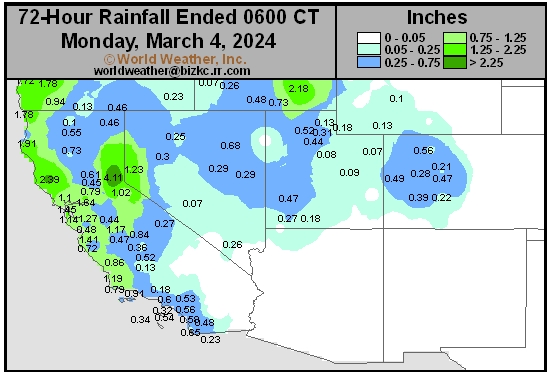
This content is for members only
Northwest Daily Rain
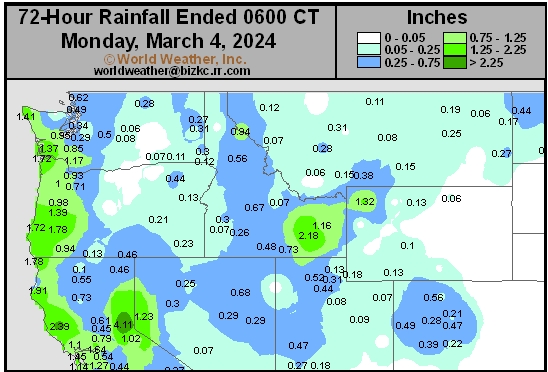
This content is for members only
South Plains Daily Rain
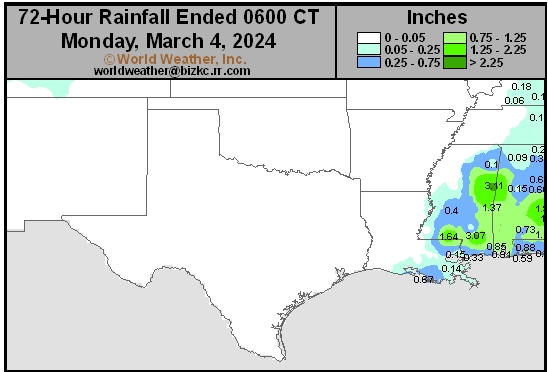
This content is for members only
Delta/SE U.S. Daily Rain
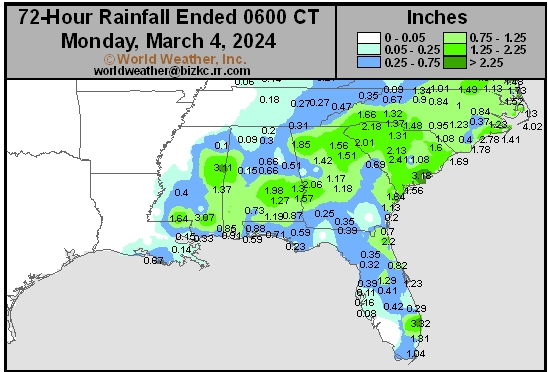
This content is for members only
Corn Belt Daily Rain
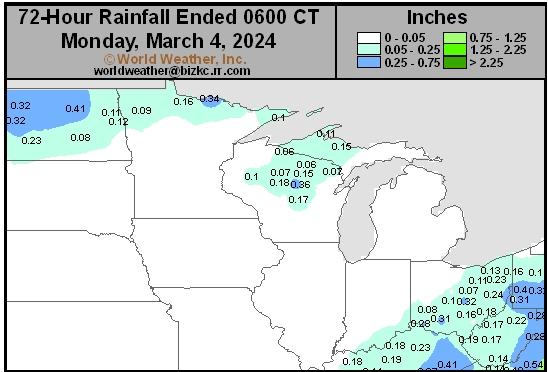
This content is for members only
North Plains Daily Rain
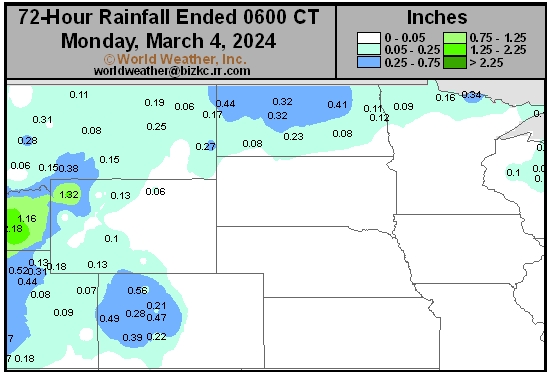
This content is for members only
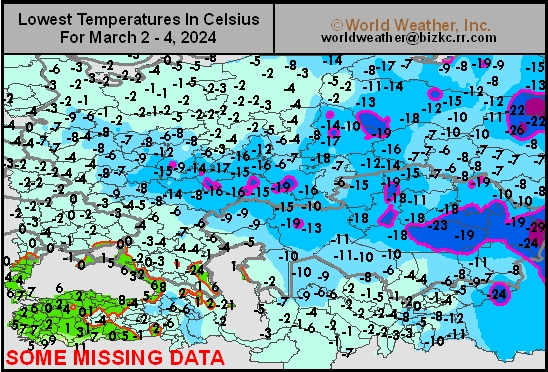
Low Temperature
This content is for members only
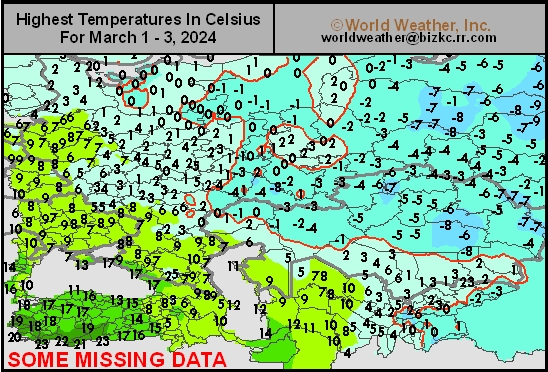
High Temperature
This content is for members only
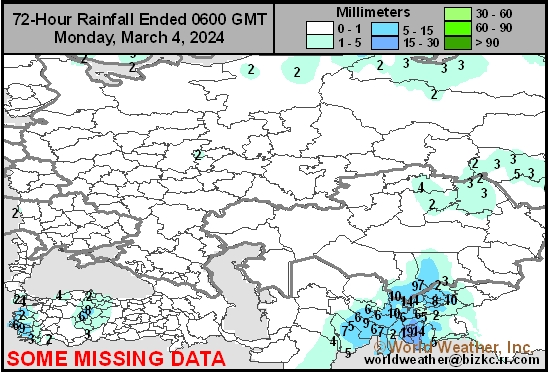
CIS Rainfall
This content is for members only
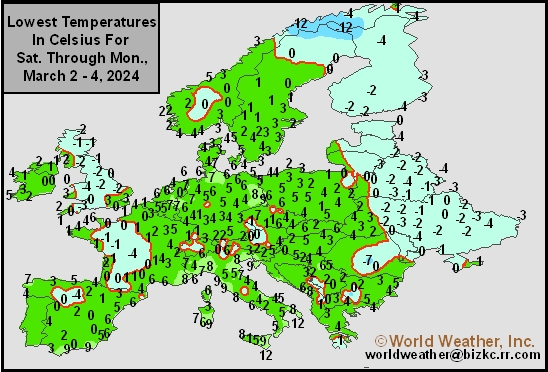
Low Temperature
This content is for members only
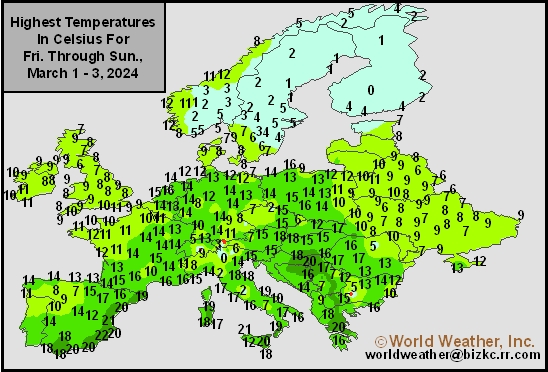
High Temperature
This content is for members only
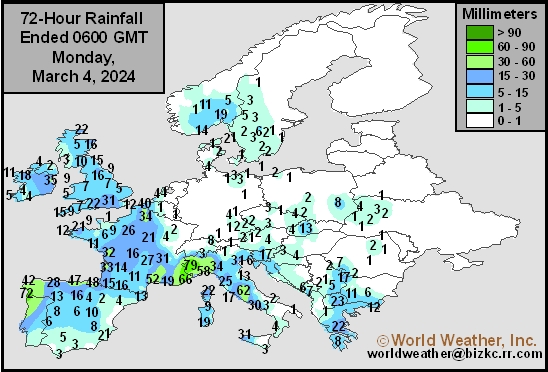
Europe Rainfall
This content is for members only
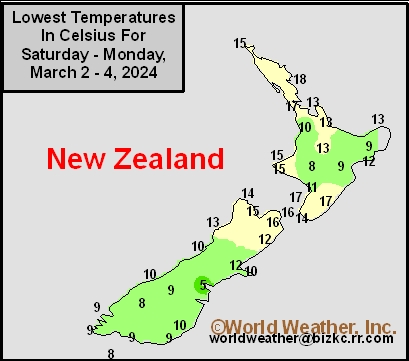
Low Temperature
This content is for members only
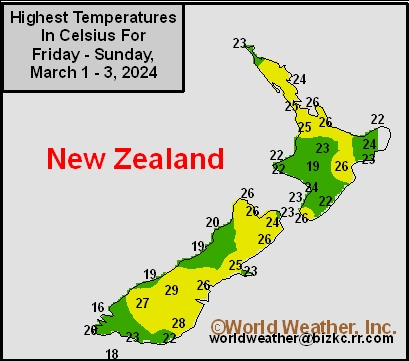
High Temperature
This content is for members only
New Zealand Rainfall
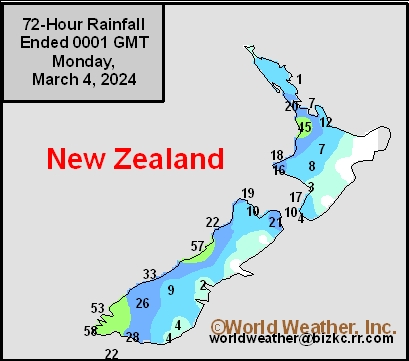
This content is for members only
Low Temperature
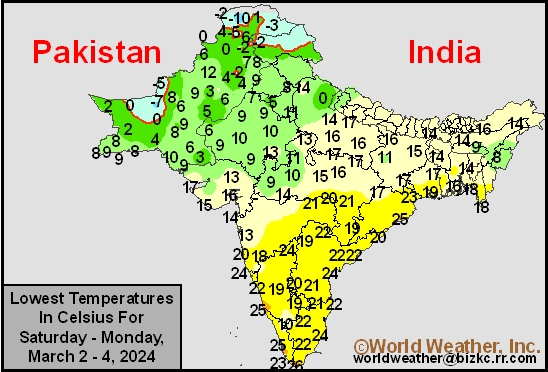
This content is for members only