
High Temperature
This content is for members only
China Rainfall
This content is for members only
Low Temperature
This content is for members only
High Temperature
This content is for members only
Austrailia Rainfall
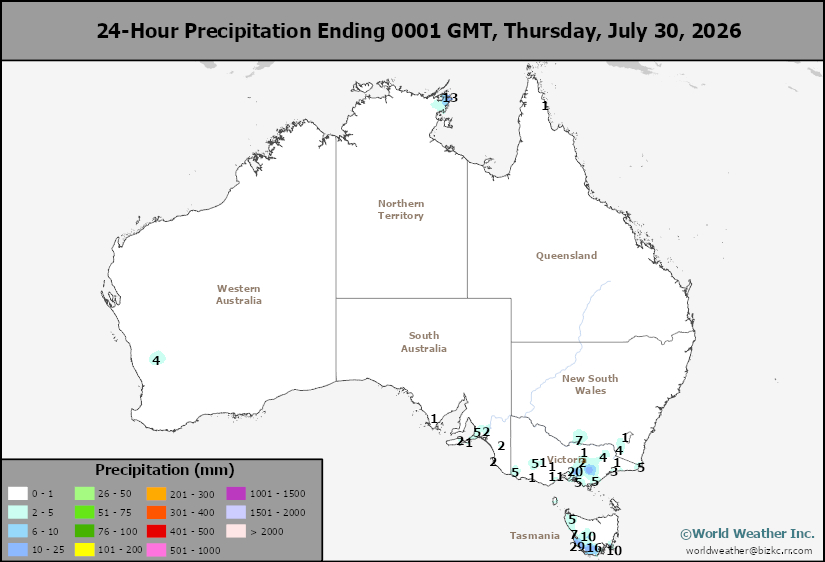
This content is for members only
Hot and Dry Conditions Persist in U.S. Pacific Northwest
Kansas City, July 30 (World Weather Inc.) – Drought in the western United States has expanded and intensified impacting crop areas from Wyoming and Idaho into Washington, Oregon and some northern California locations. All crops have been stressed at times with the irrigated fields producing most favorably. There is concern about long term water supply especially in Oregon where water shortages are most significant. Weather conditions in August are unlikely to change much and that will likely perpetuate some occasional heat and moisture stress for crops and livestock throughout the region.
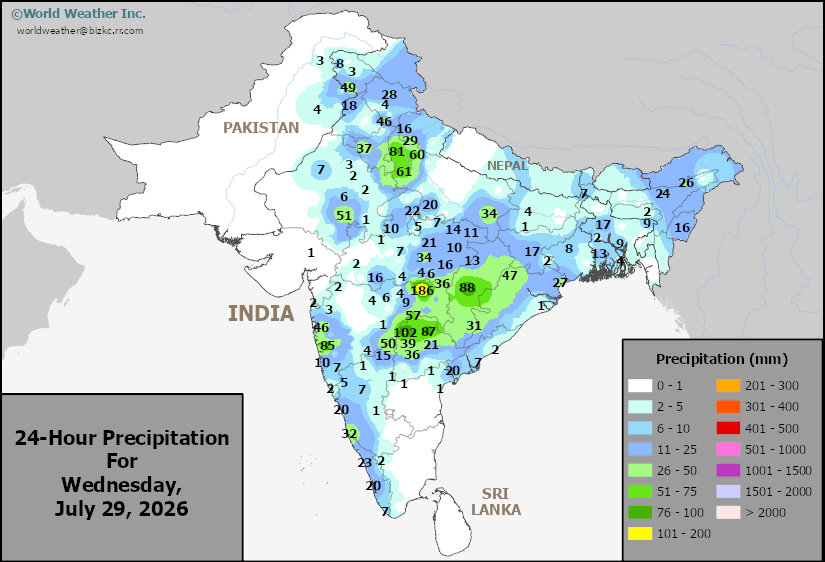
India Will Continue To See Rain; Flooding A Concern In West
Kansas City, July 30 (World Weather Inc.) – Varying amounts of rain were noted in India during the past week as a monsoonal disturbance advanced over the country. Severe flooding was again noted in western Maharashtra while several other areas in western India received much-needed precipitation. Waves of rain this month helped improve the moisture profile after drier than usual weather was noted in much of the country in June. Rainfall is still deficient overall and additional precipitation is needed in August. Flood threats will remain high in Maharashtra and neighboring areas of Madhya Pradesh and Gujarat during the next few days as the monsoonal disturbance advances farther over the country. Additional crop damage will be possible. Monsoonal rain will otherwise continue on a frequent basis outside southern India during the coming week. The rain will further bolster soil moisture and improve long-term production potentials.
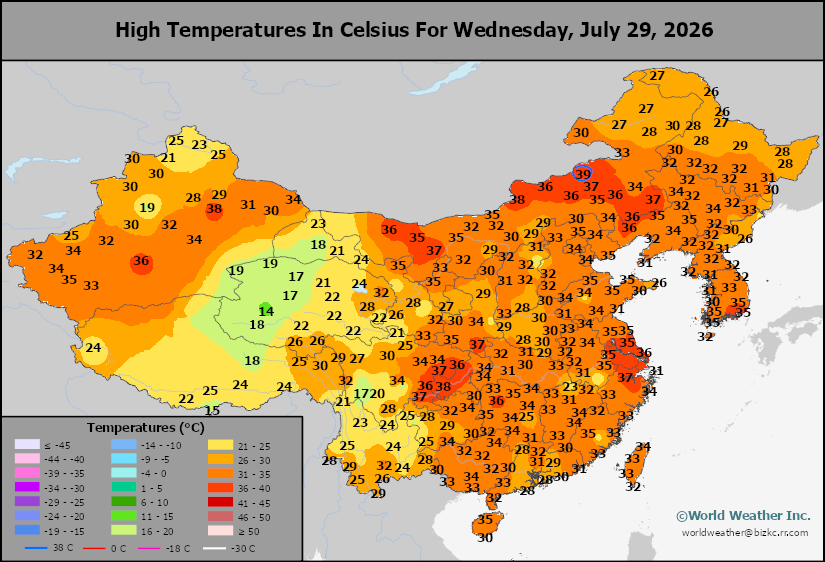
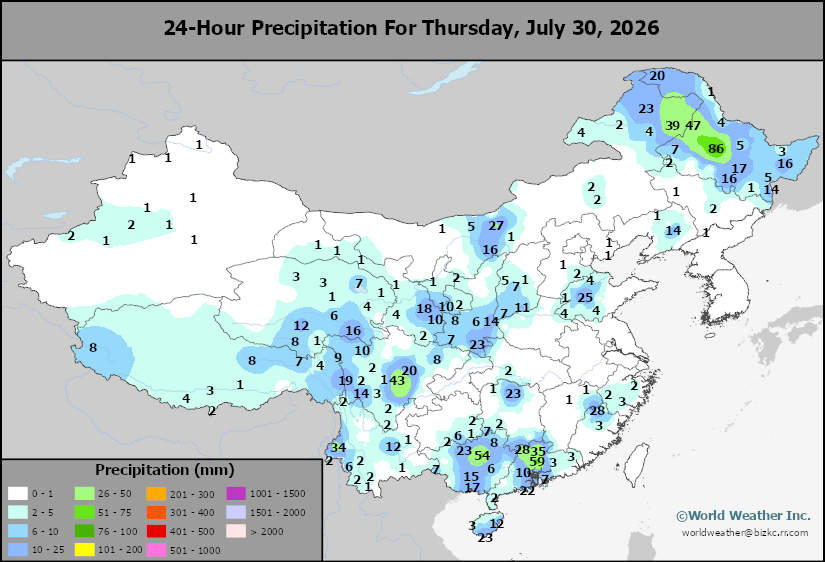
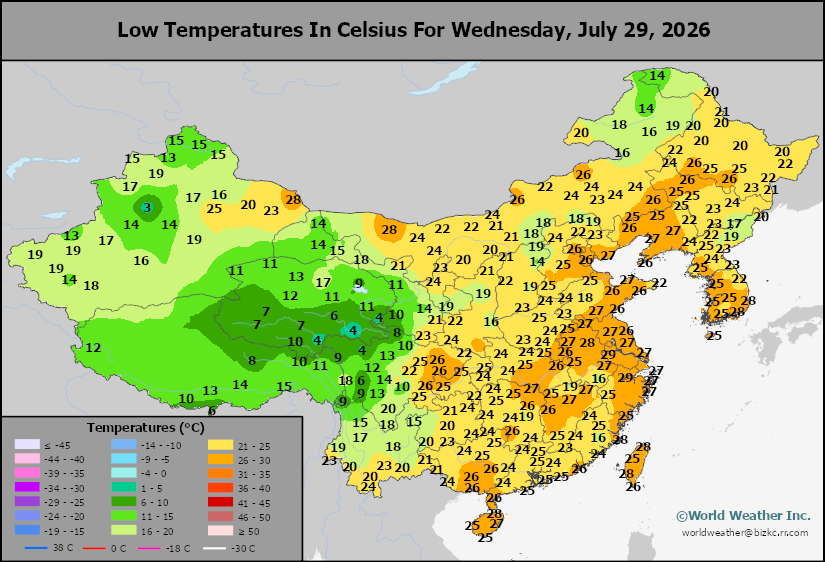
Eastern China To Dry Down; Flood Concerns Elsewhere
Kansas City, July 30 (World Weather Inc.) – High pressure will limit rainfall for a large section of southeastern and east-central China through the end of the weekend with additional drying likely occurring through the middle of next week. The ground will firm rapidly due to the lack of significant rain and warm daytime temperatures. Most locations will have enough moisture to support new growth in the short-term while the need for timely rain will increase later in August. Other production areas in China will see several waves of rain during the coming week. Localized flooding will be a concern from southwestern China and Sichuan into the central Yellow River Basin, which may damage a minor number of crops. The environment will remain favorable for aggressive growth in areas that are not excessively wet.
Venezuela/Colombia Min Temps
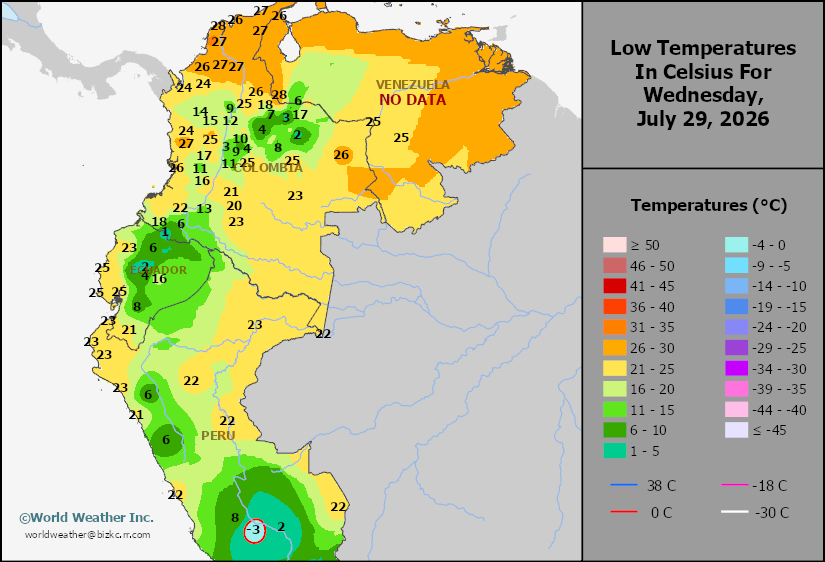
This content is for members only
Venezuela/Colombia Max Temps
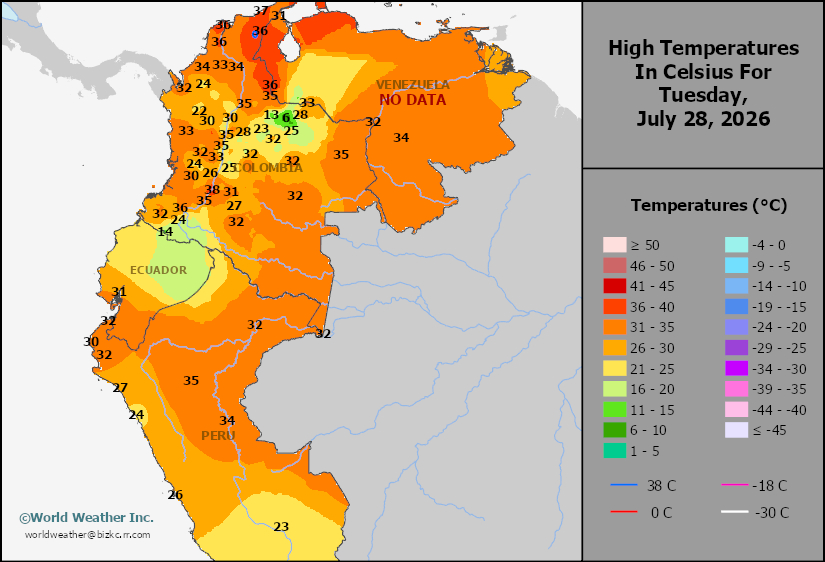
This content is for members only
SE Canada Min
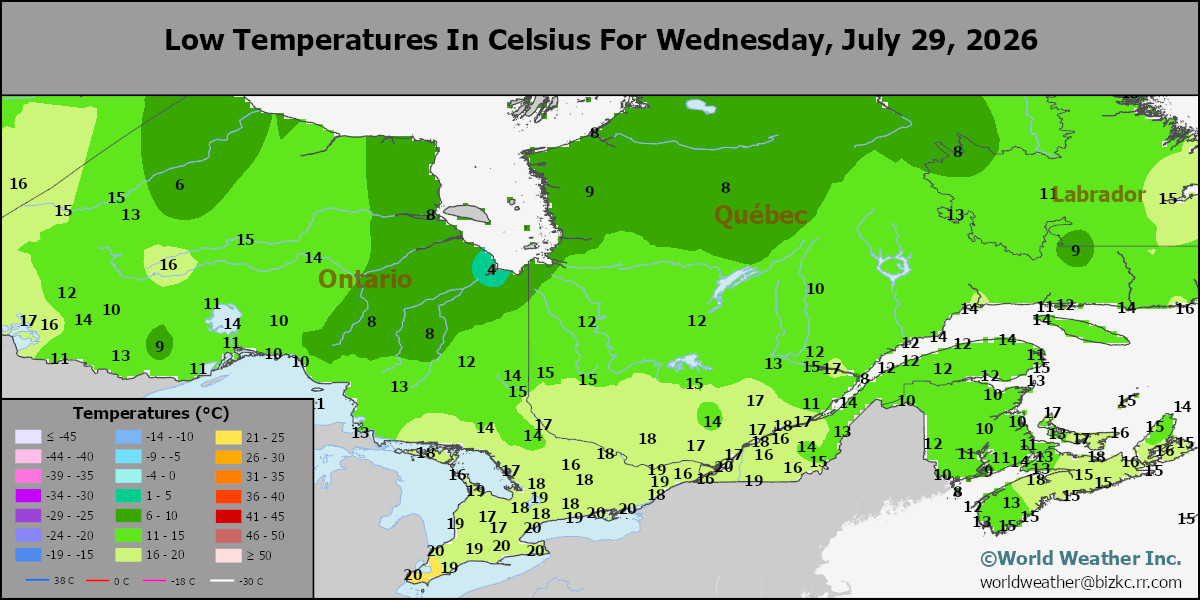
This content is for members only
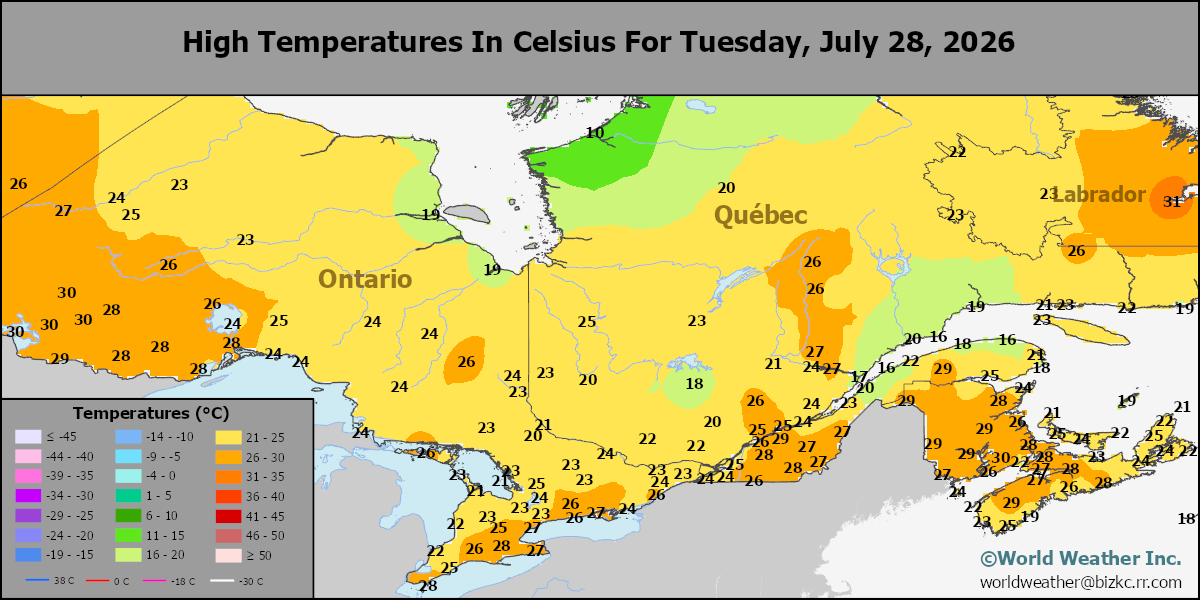
SE Canada Max
This content is for members only
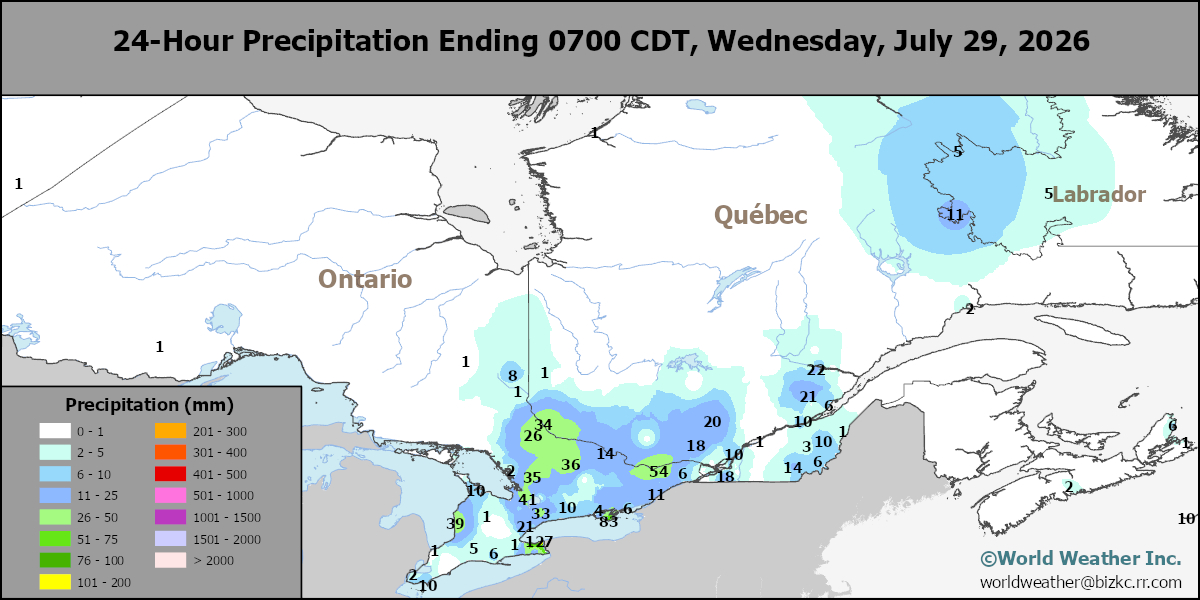
SE Canada Rainfall
This content is for members only
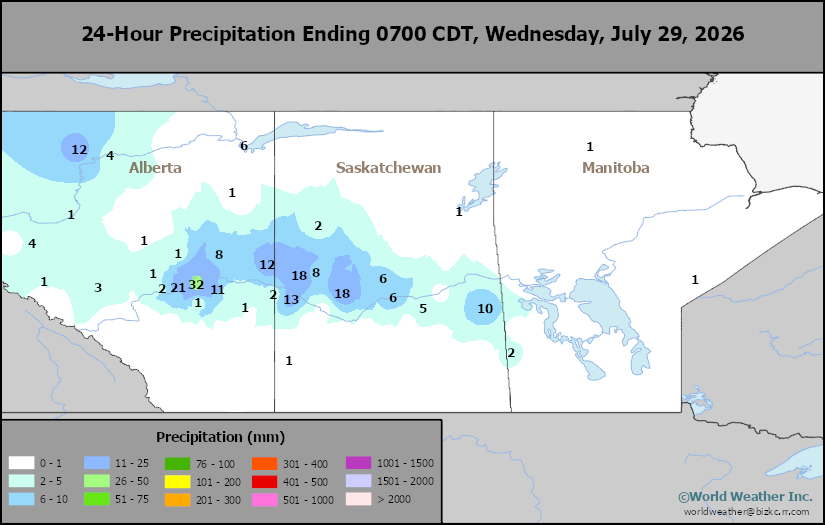
Prairies Rainfall
This content is for members only
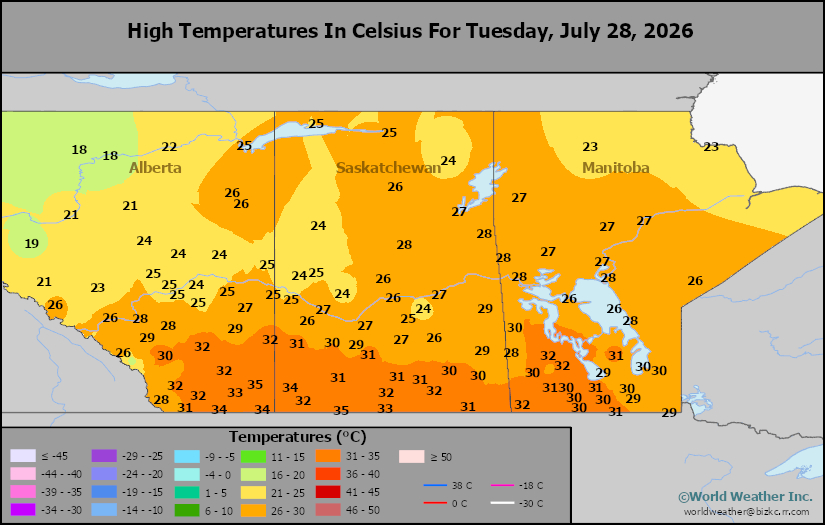
Prairies Max Temperature
This content is for members only
Prairies Min Temperature
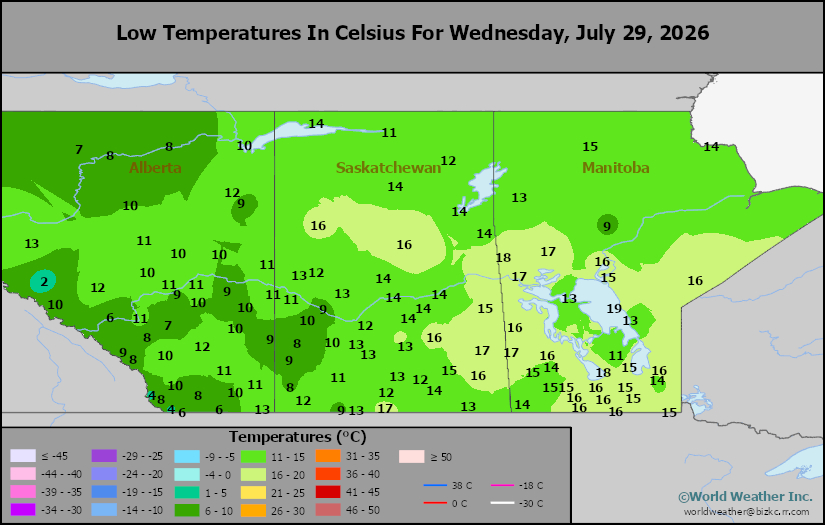
This content is for members only
Canada Rainfall
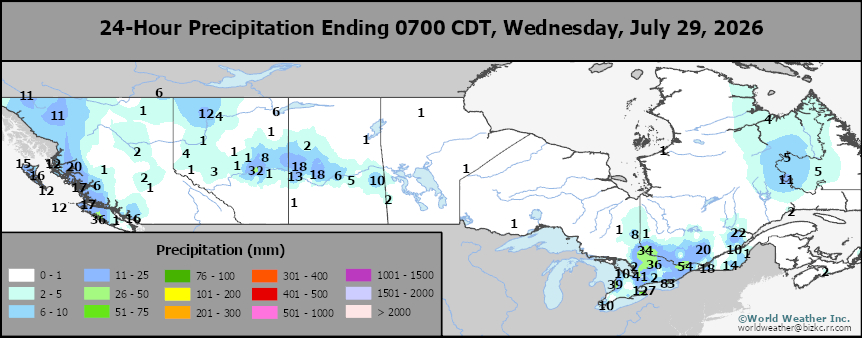
This content is for members only
Venezuela Rainfall
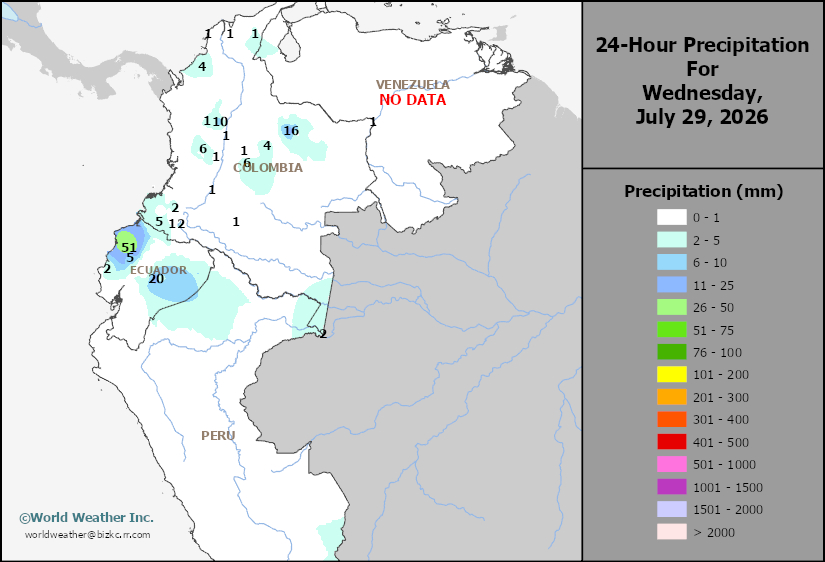
This content is for members only
Mexico Min Temperature
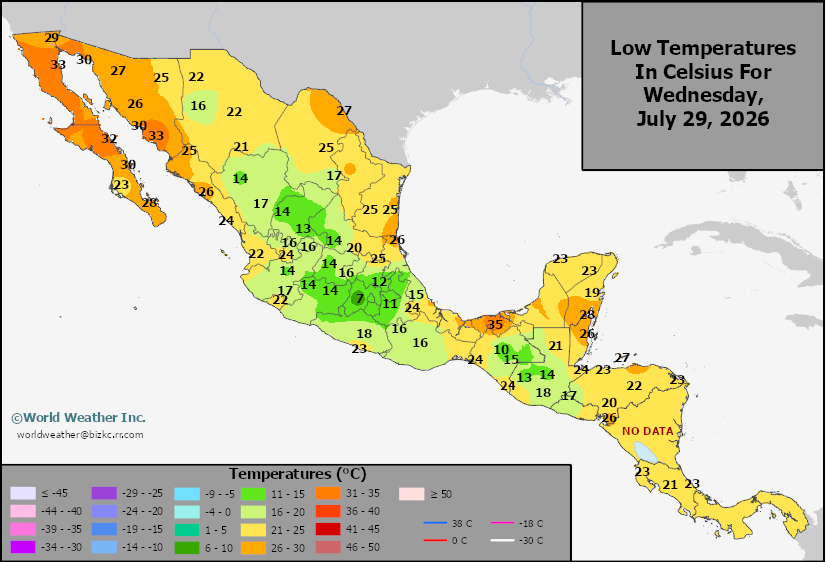
This content is for members only
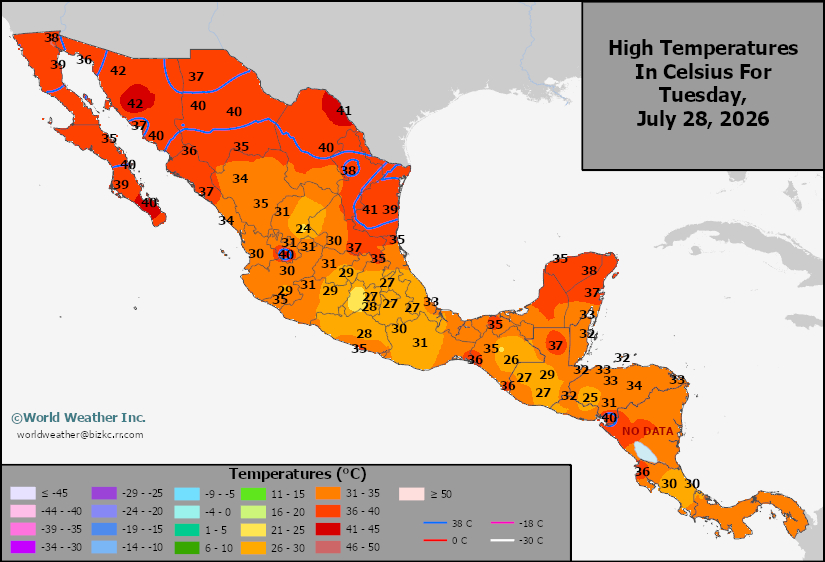
Mexico Max Temperature
This content is for members only
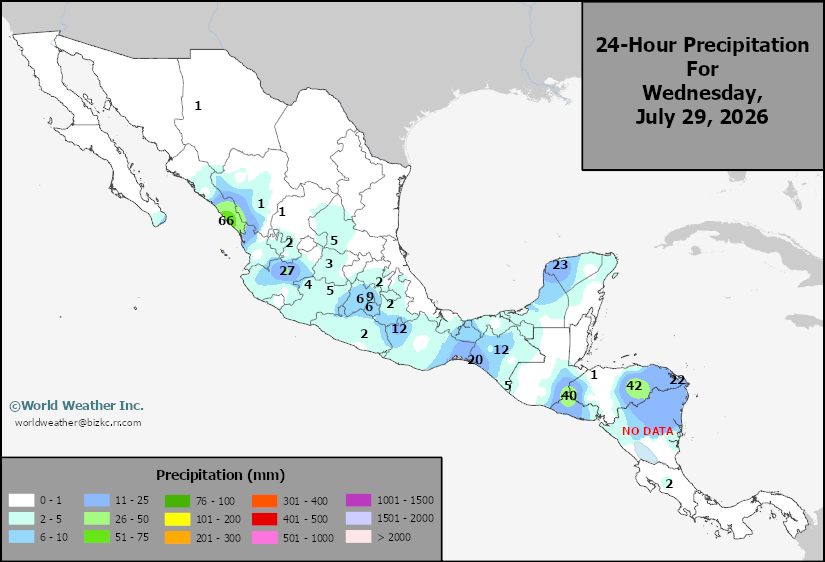
Mexico Rainfall
This content is for members only
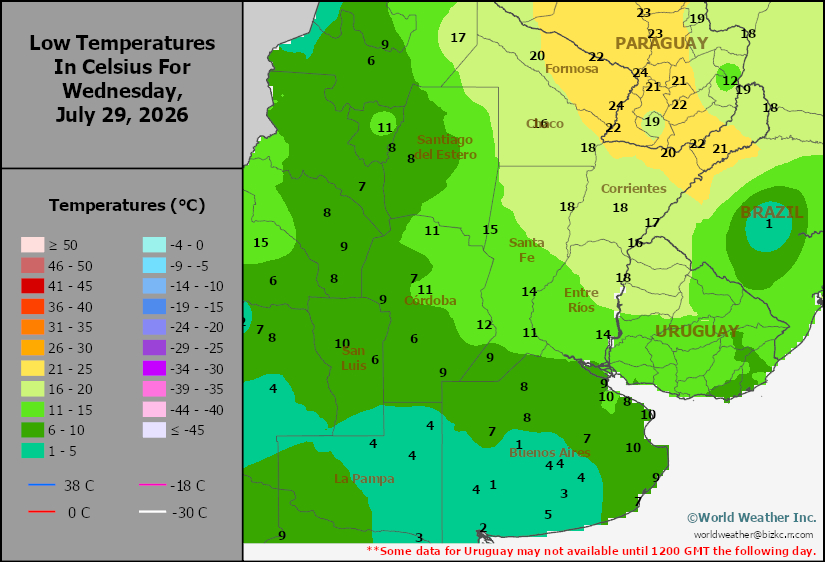
Argentina Min Temperature
This content is for members only
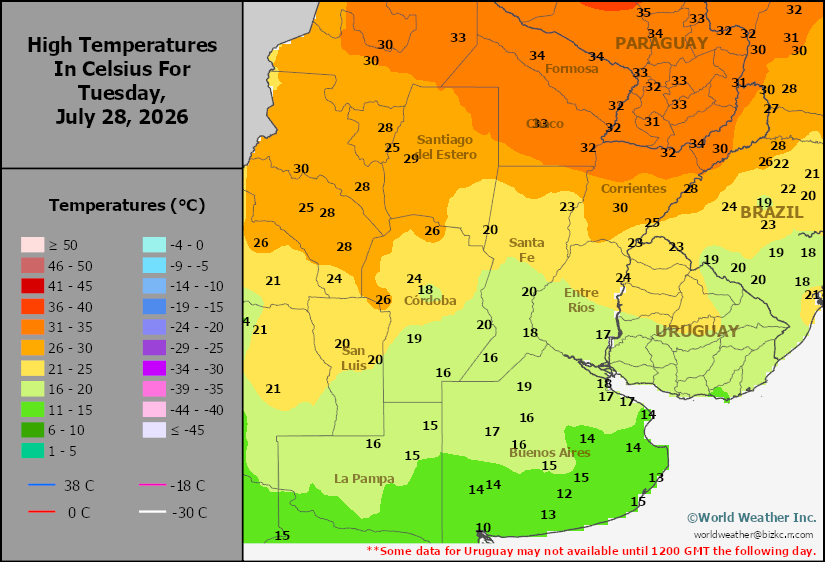
Argentina Max Temperature
This content is for members only
Argentina Rainfall
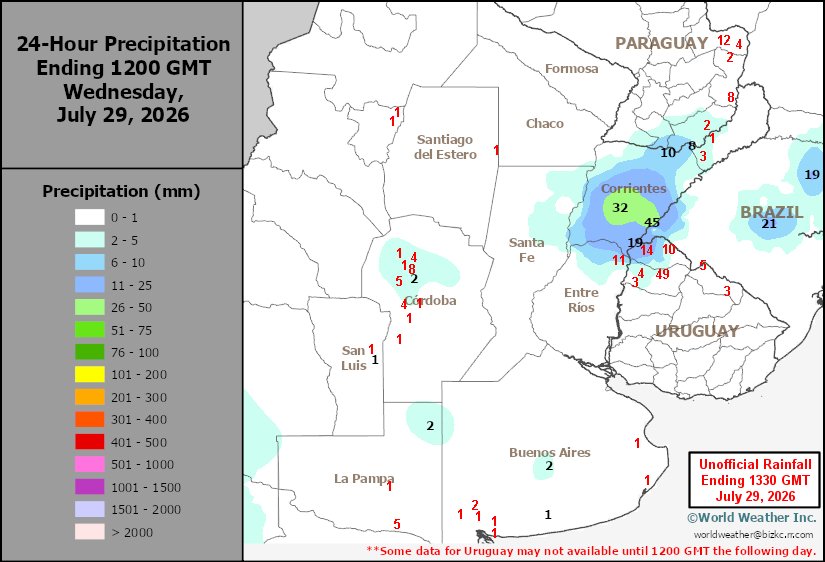
This content is for members only
Brazil Min Temperature
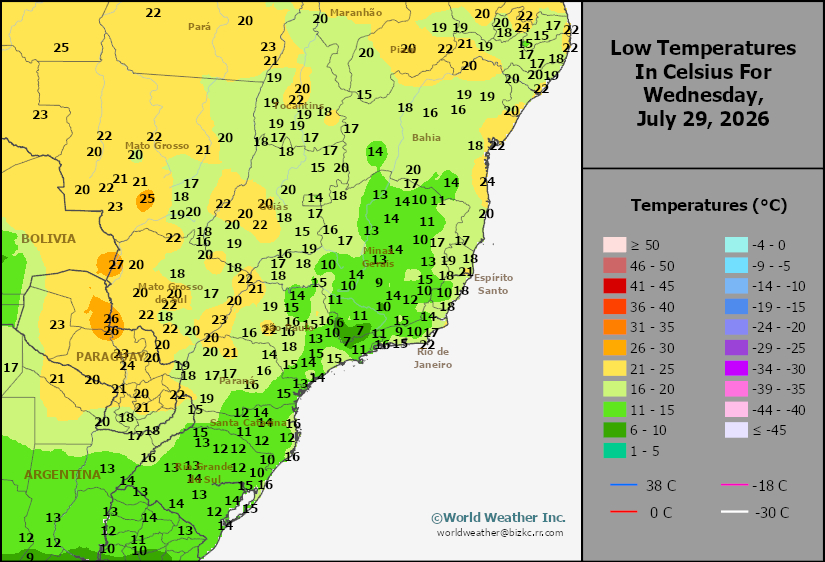
This content is for members only
Brazil Max Temperature
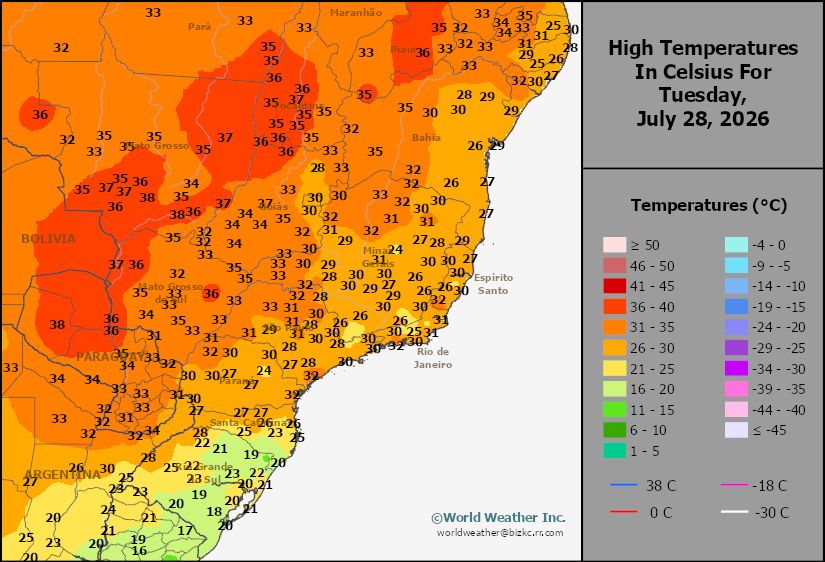
This content is for members only
Brazil Rainfall
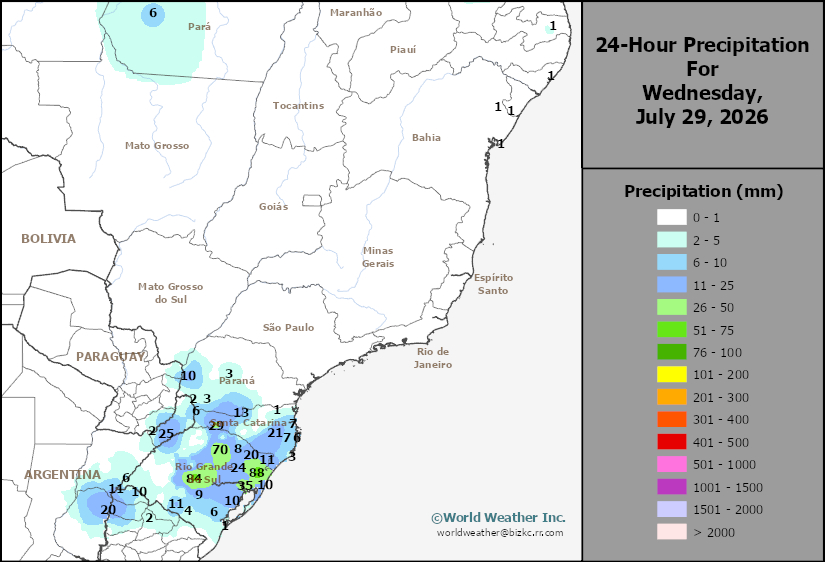
This content is for members only
Philippines Min
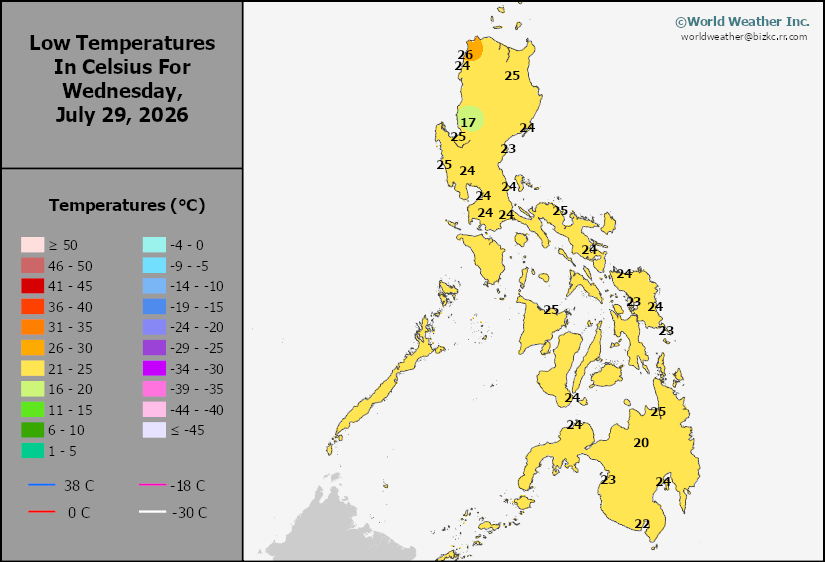
This content is for members only
Philippines Max
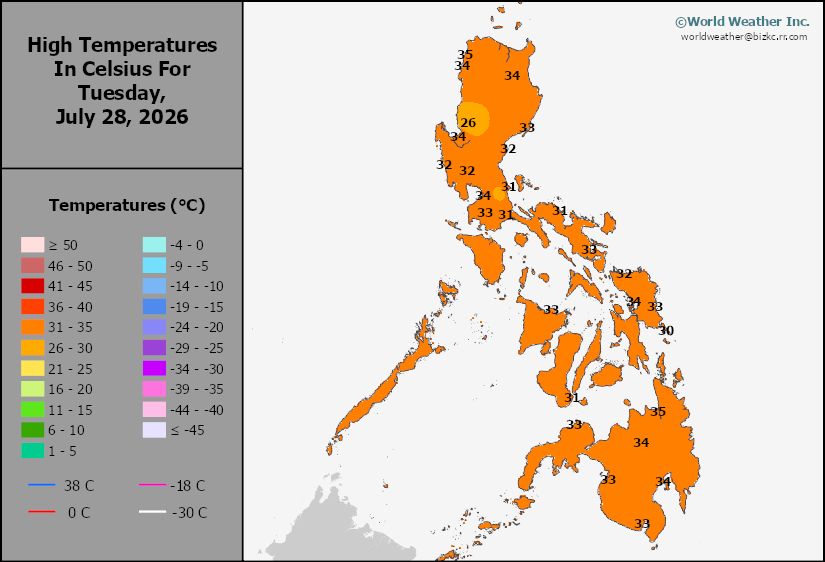
This content is for members only
Philippines Rain
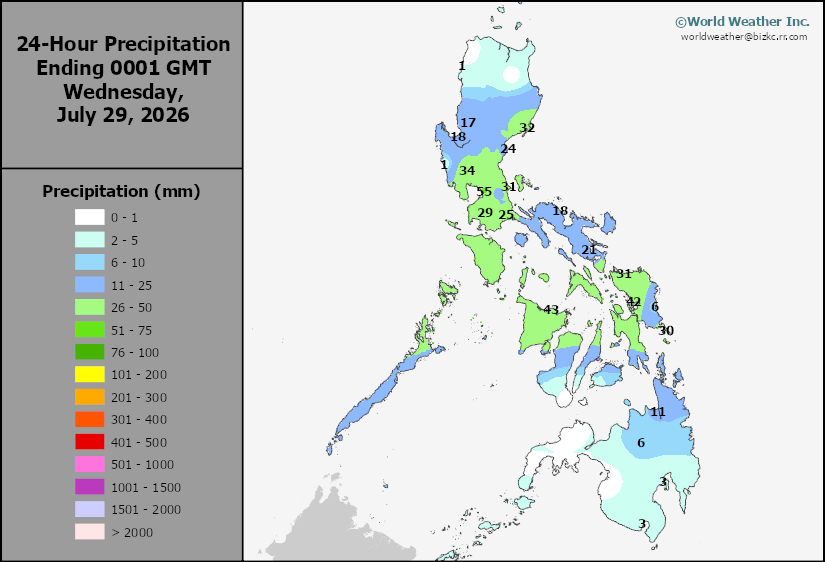
This content is for members only
Southeast North Rain
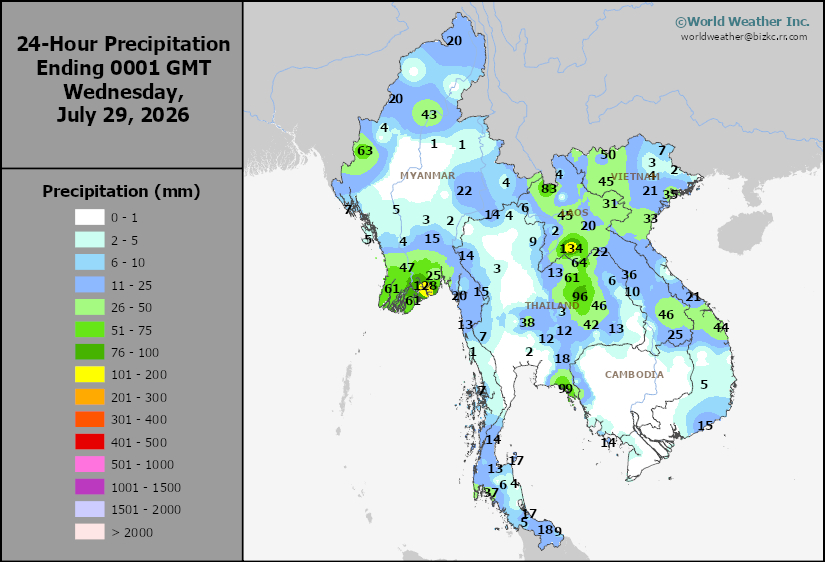
This content is for members only
Southeast North Min
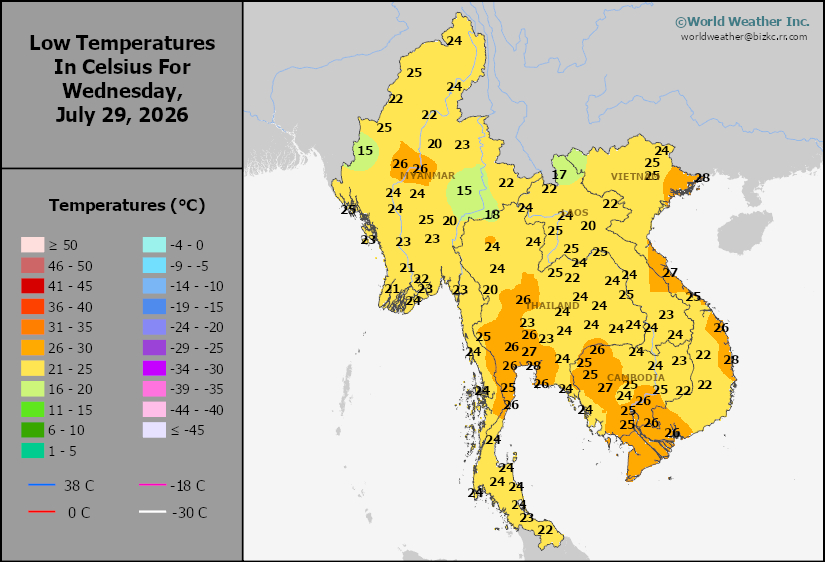
This content is for members only
Southeast North Max
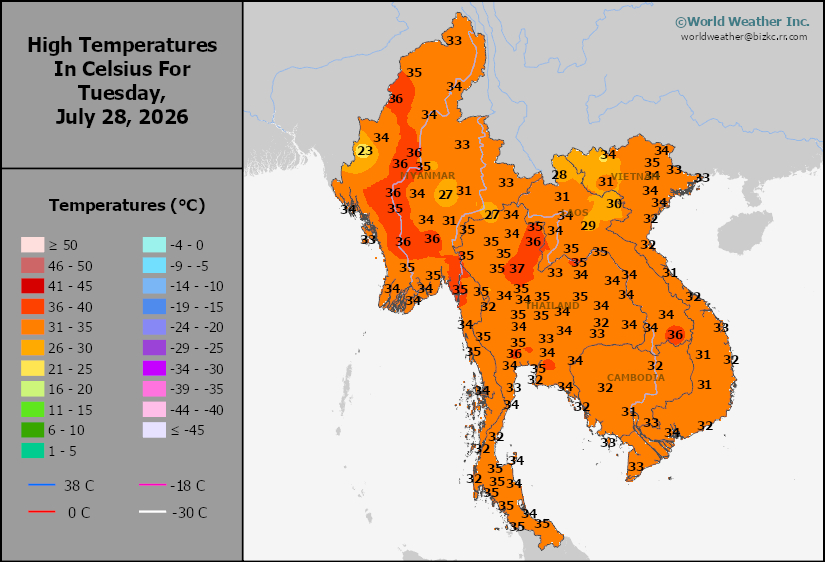
This content is for members only
Southeast Min
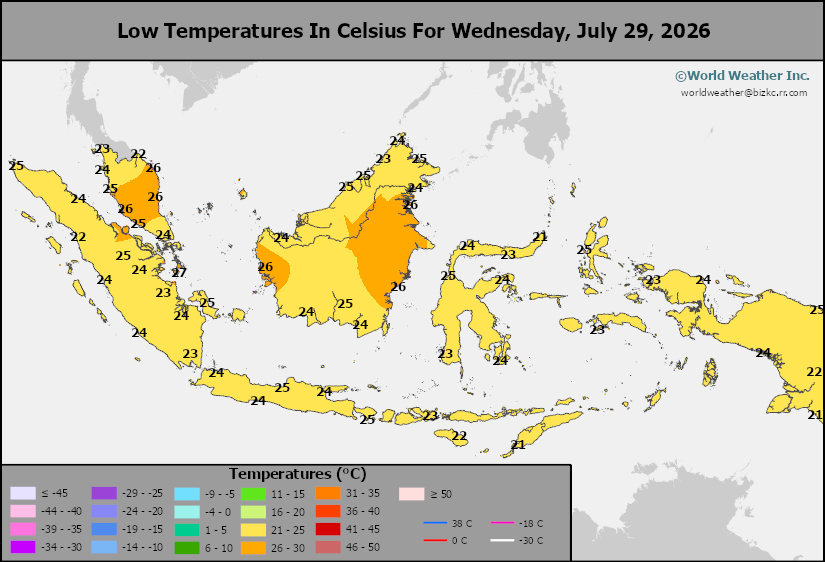
This content is for members only
Southeast Max
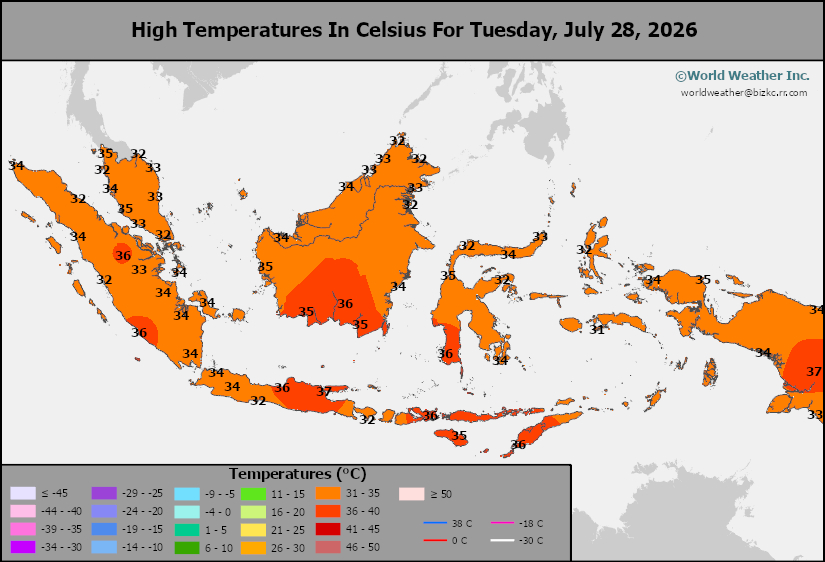
This content is for members only
Southeast Rain
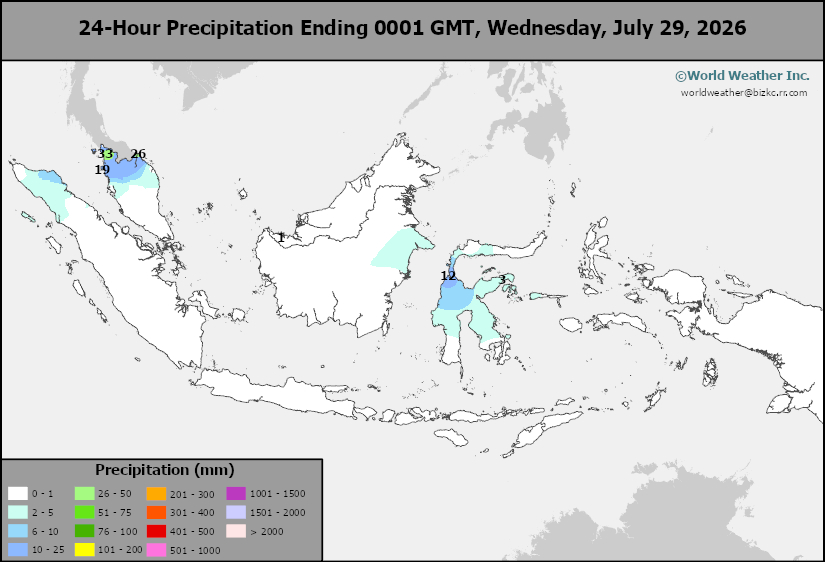
This content is for members only
West Africa Rain
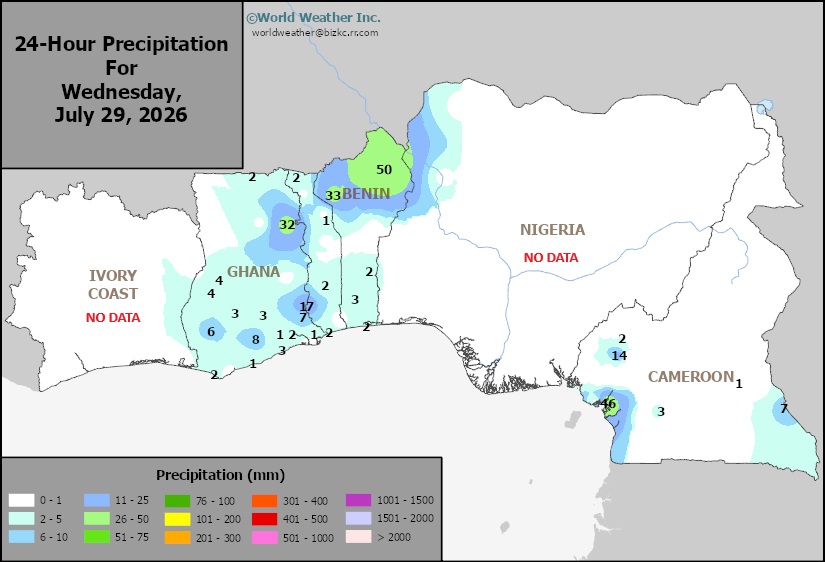
This content is for members only
Max Temperature
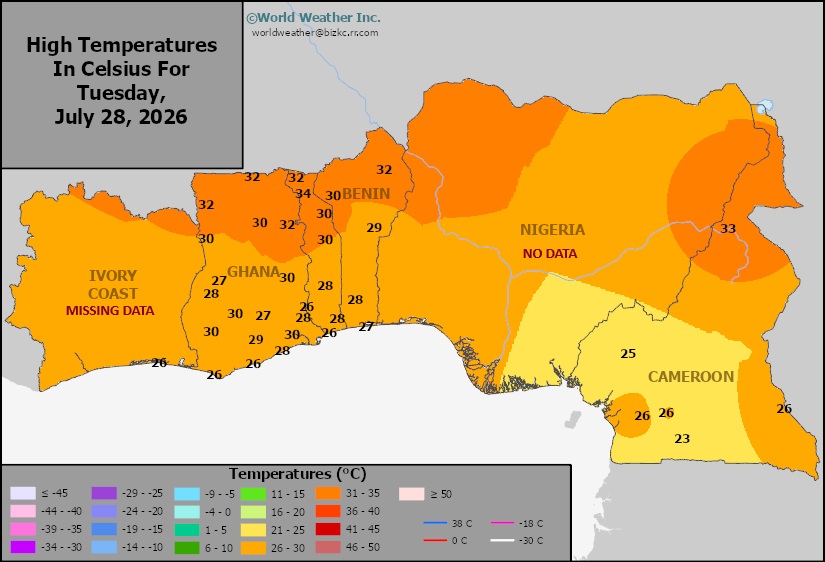
This content is for members only
Min Temperature
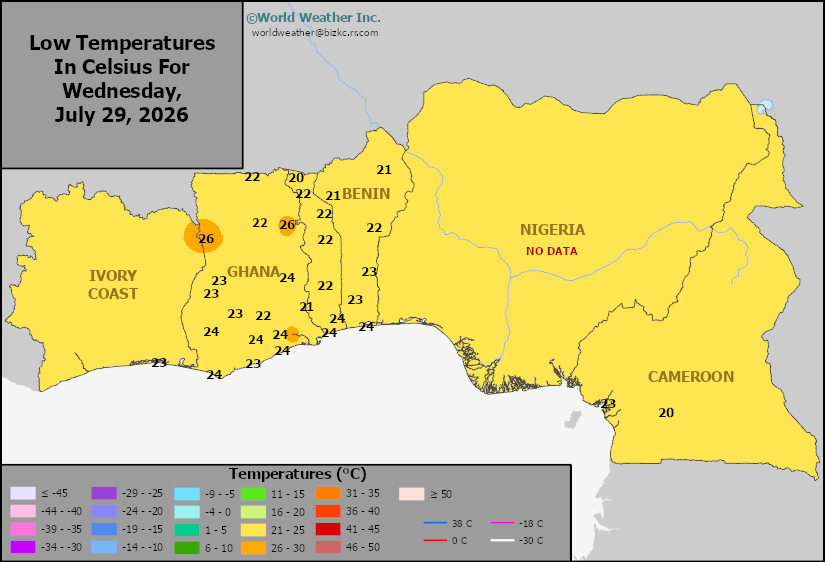
This content is for members only
North Africa Rain
This content is for members only
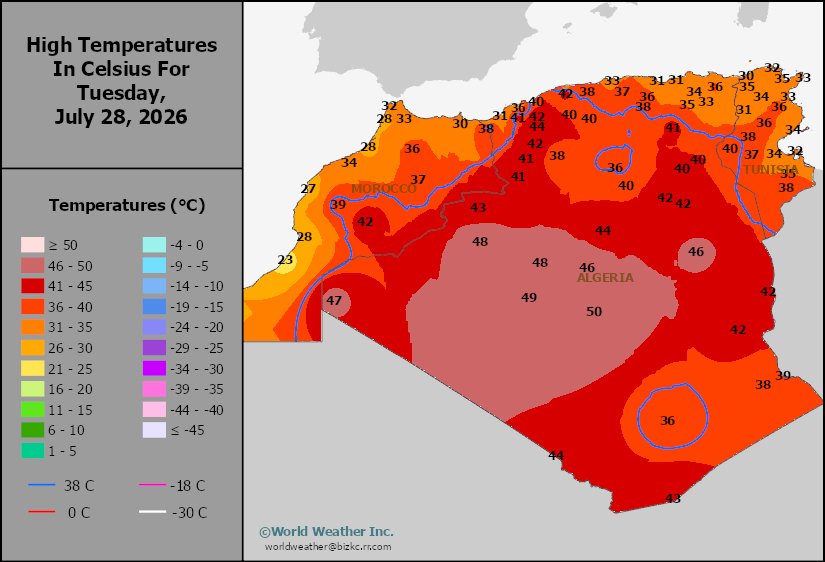
Max Temperature
This content is for members only
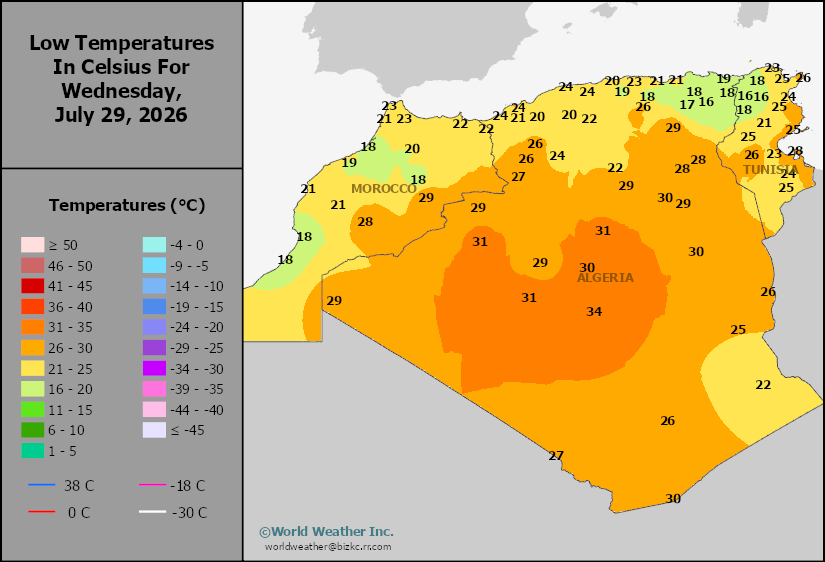
Min Temperature
This content is for members only
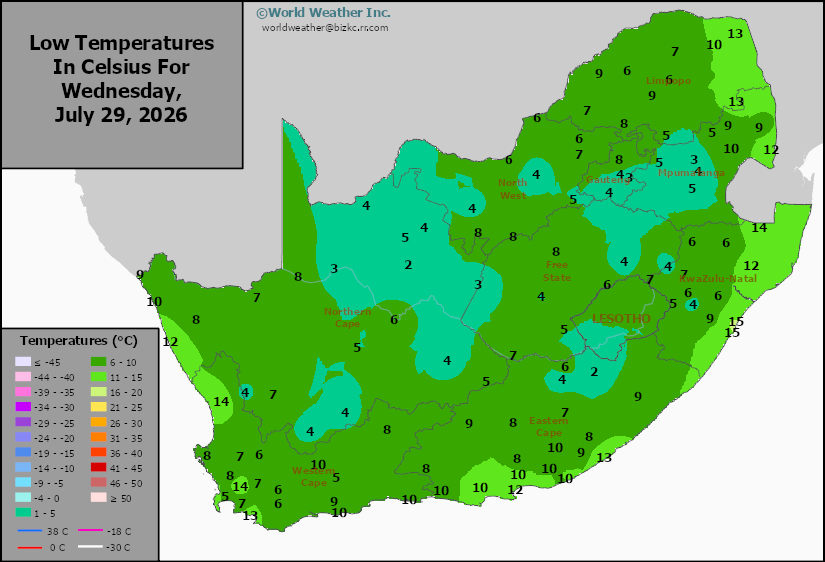
Min Temperature
This content is for members only
Max Temperature
This content is for members only
South Africa Rain
This content is for members only
Hard Red Wheat Tmin
This content is for members only
Northeast Tmin
This content is for members only
Southwest Tmin
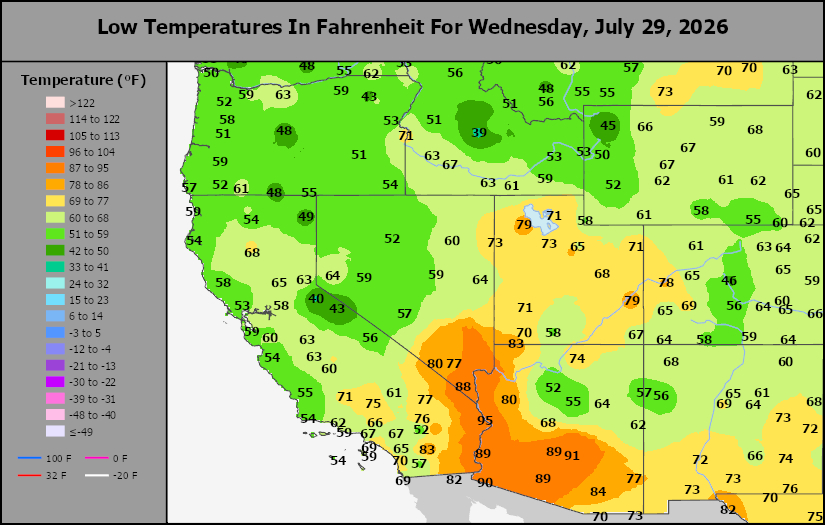
This content is for members only
Northwest Tmin
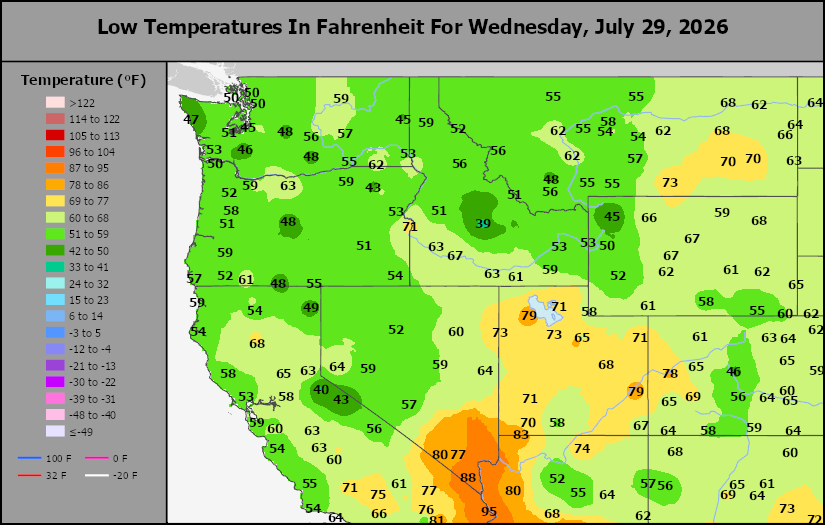
This content is for members only
South Plains Tmin
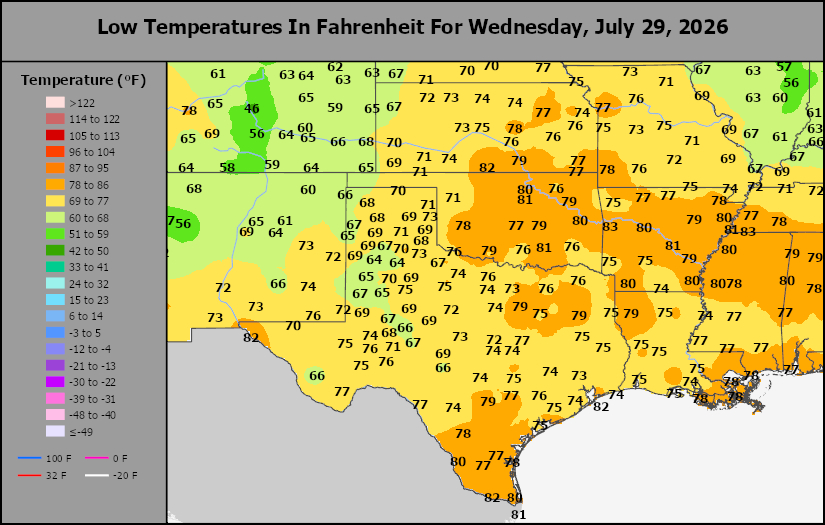
This content is for members only
Delta/SE U.S. Tmin
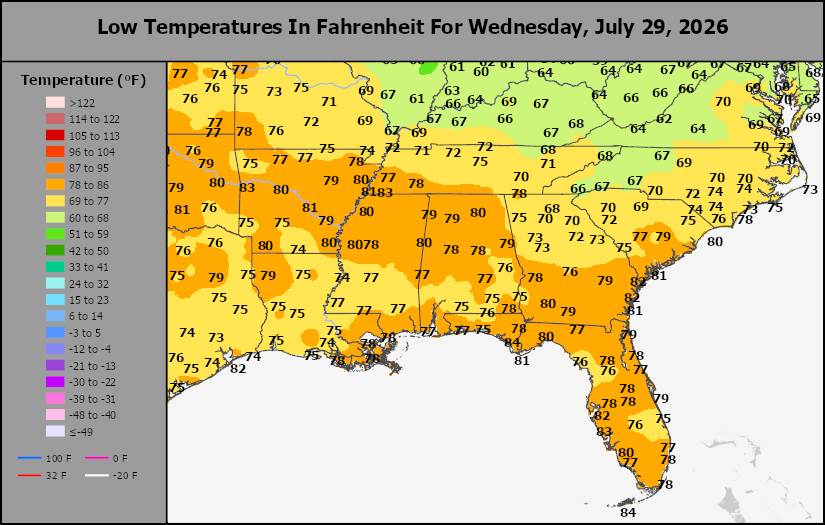
This content is for members only
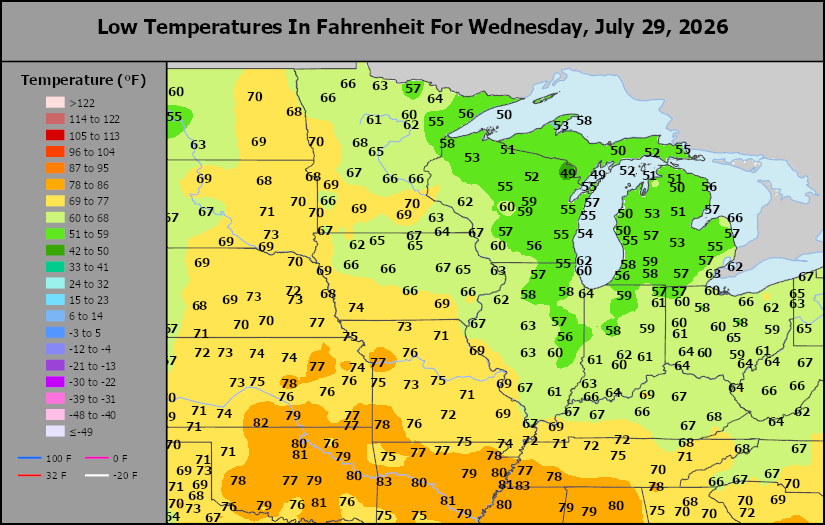
Corn Belt Tmin
This content is for members only
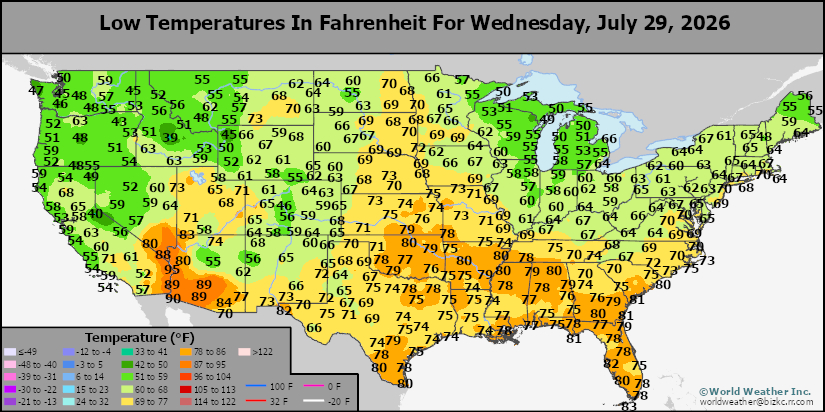
US Min
This content is for members only
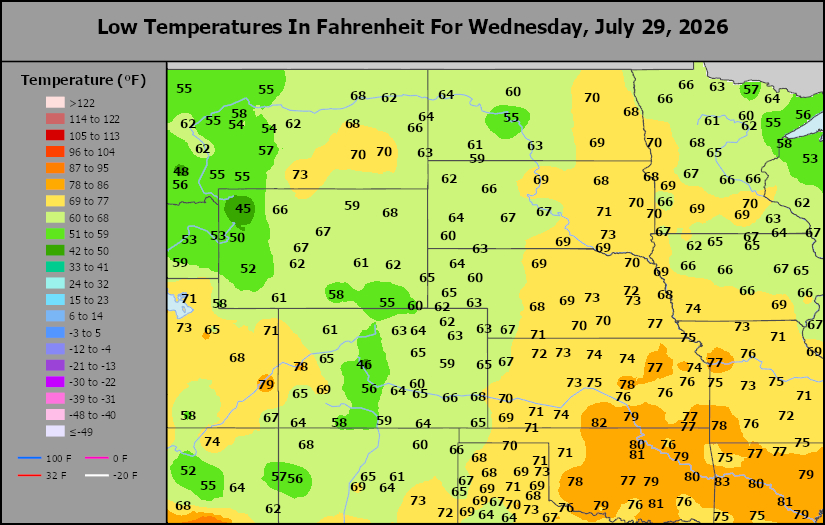
North Plains Tmin
This content is for members only
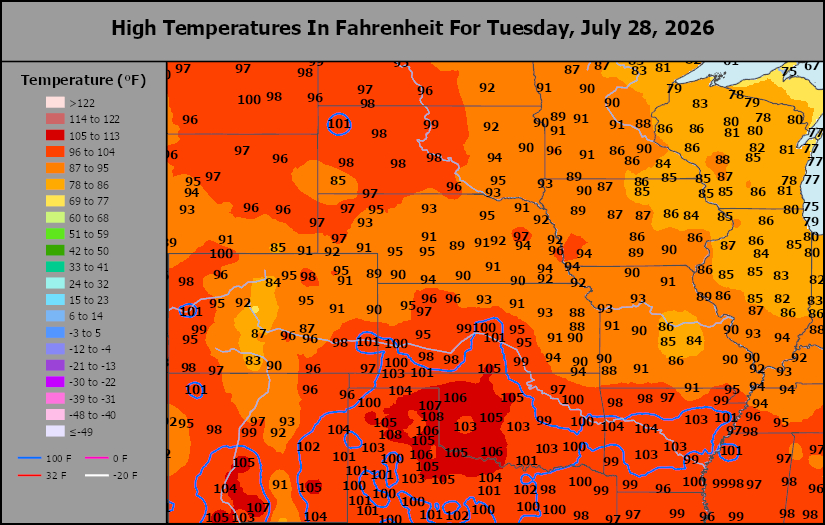
Hard Red Wheat Tmax
This content is for members only
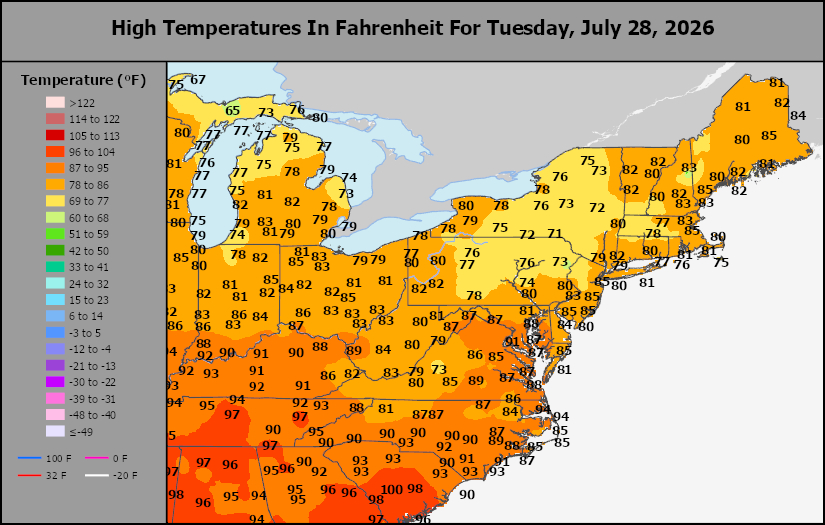
Northeast Tmax
This content is for members only
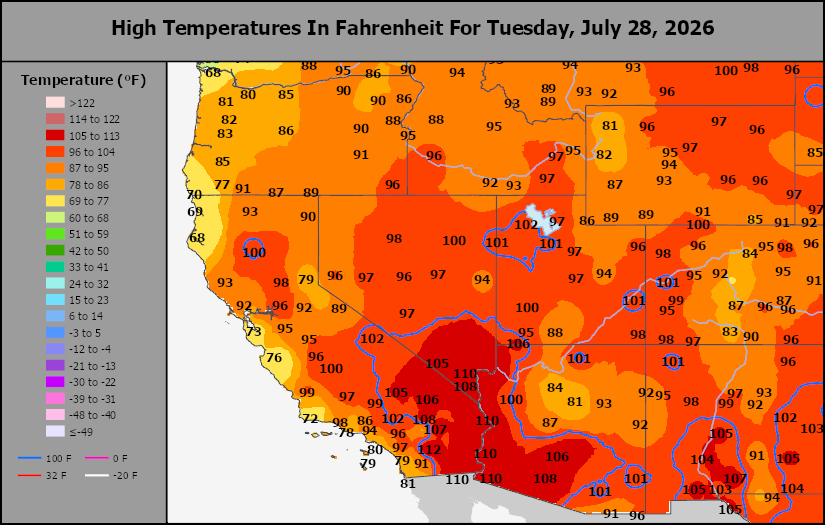
Southwest Tmax
This content is for members only
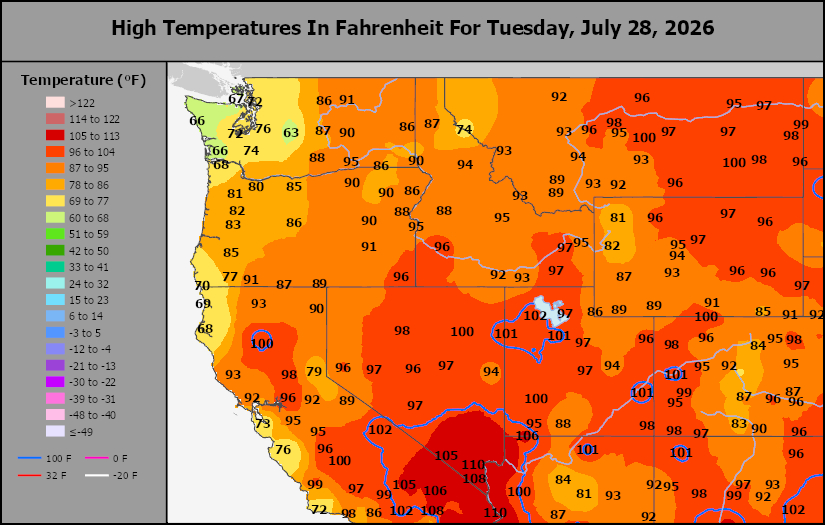
Northwest Tmax
This content is for members only
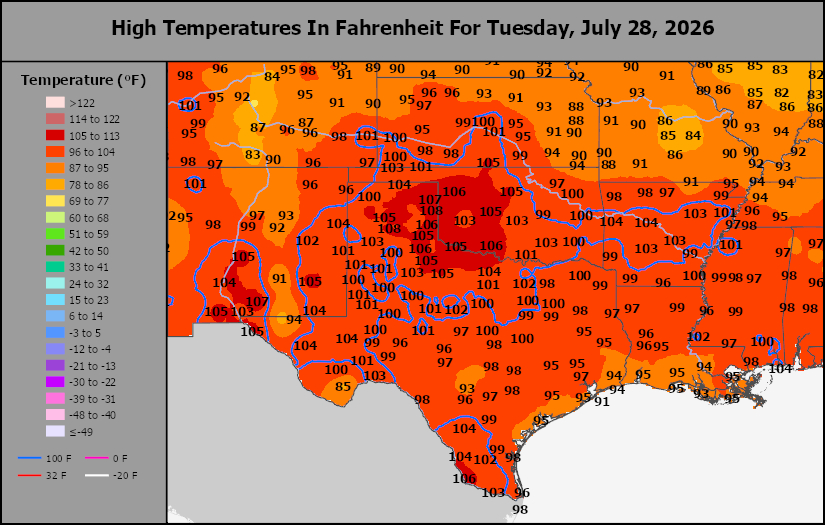
South Plains Tmax
This content is for members only
Delta/SE U.S. Tmax
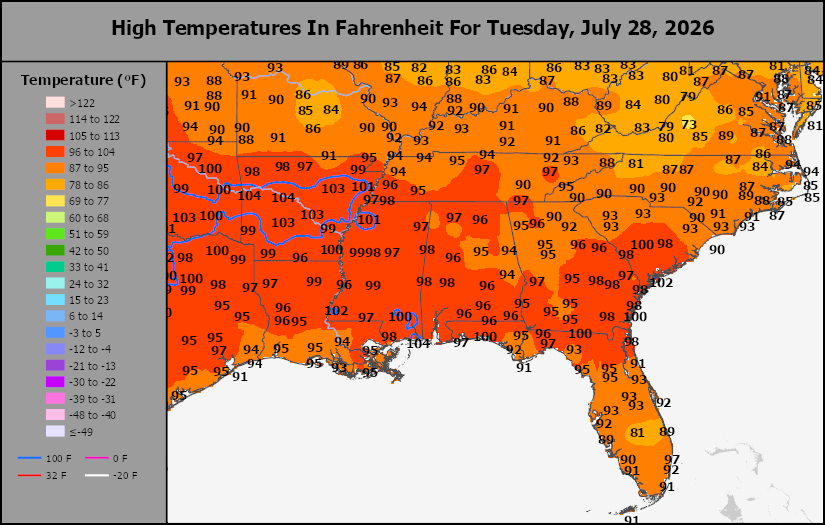
This content is for members only
Corn Belt Tmax
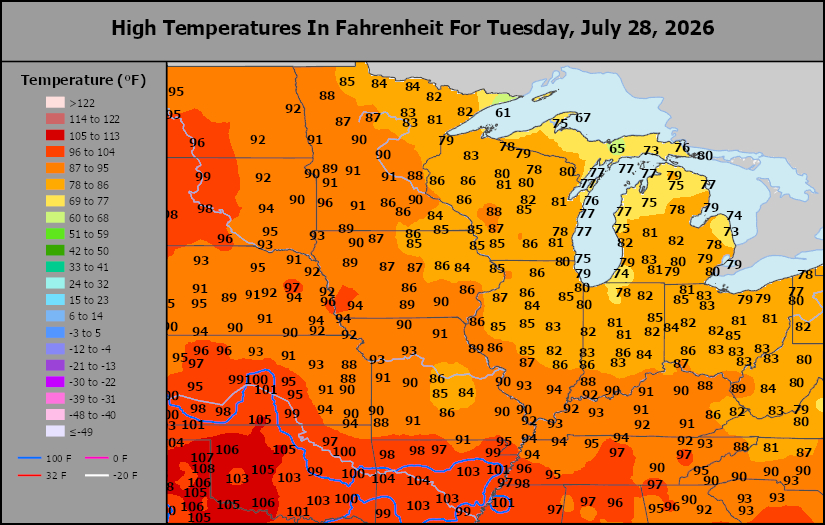
This content is for members only
North Plains Tmax
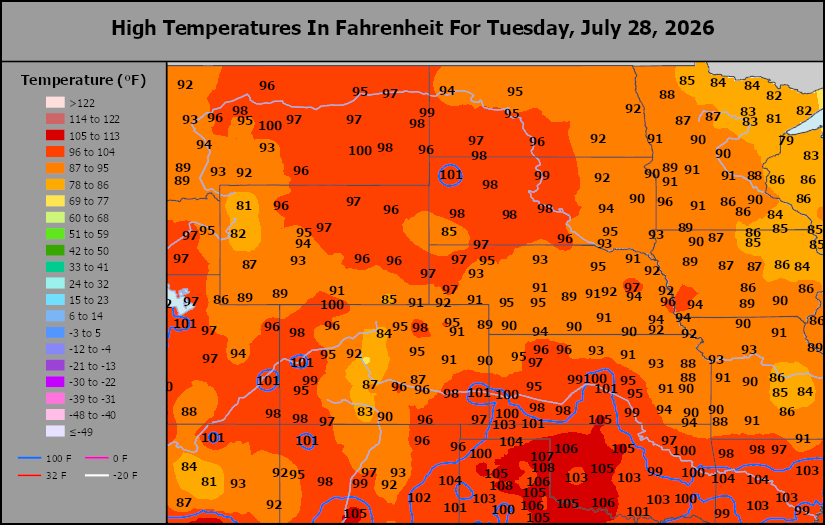
This content is for members only
US Max
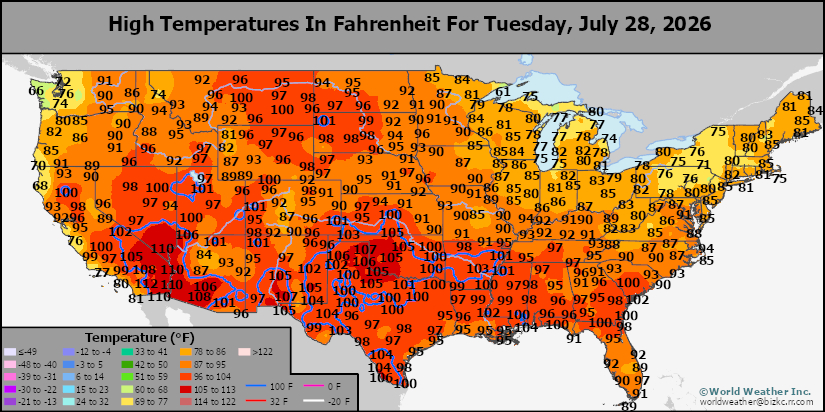
This content is for members only
US Rain
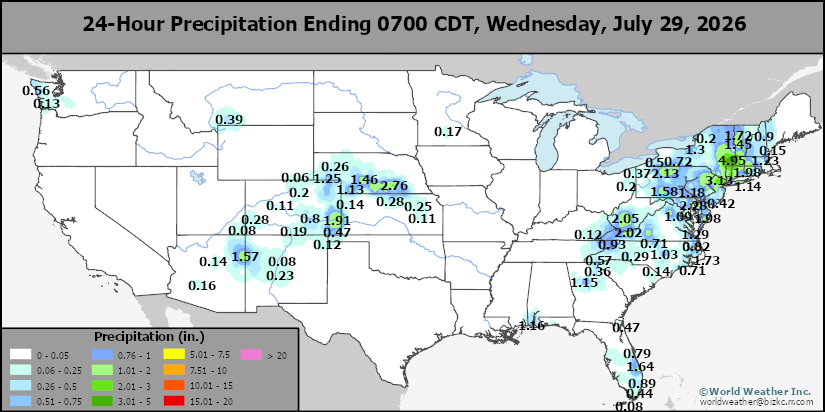
This content is for members only
Northeast Daily Rain
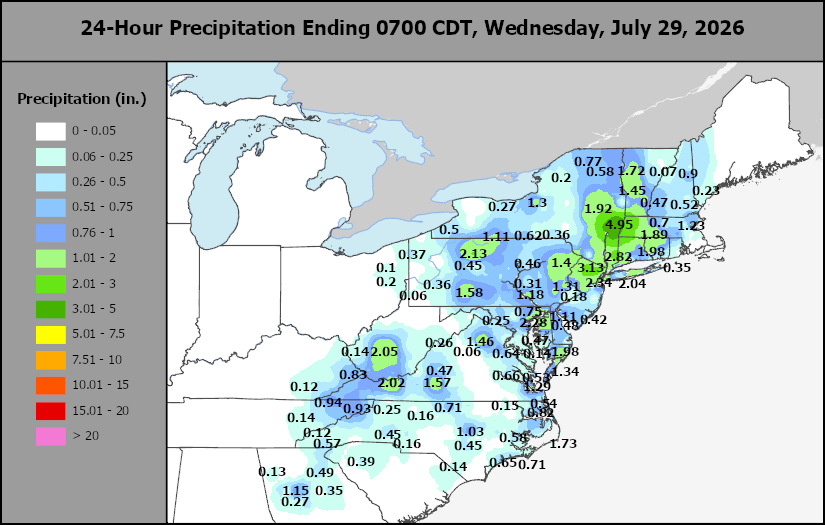
This content is for members only
Hard Red Wheat Daily Rain
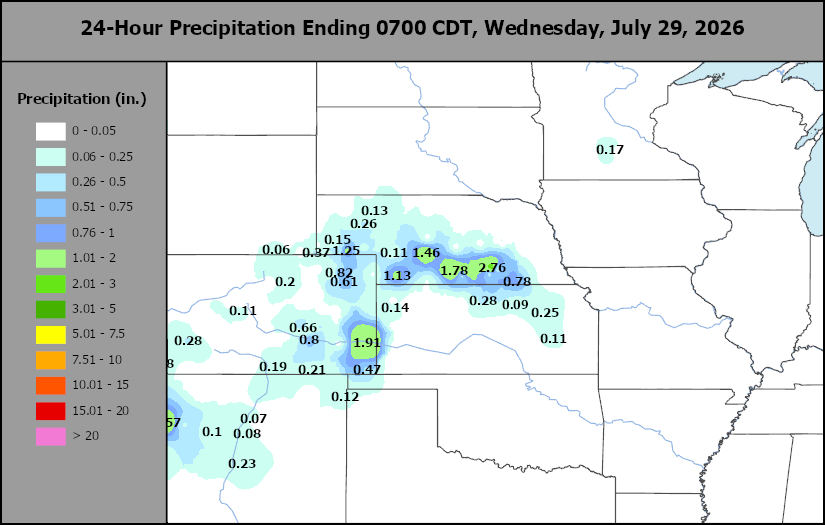
This content is for members only
Southwest Daily Rain
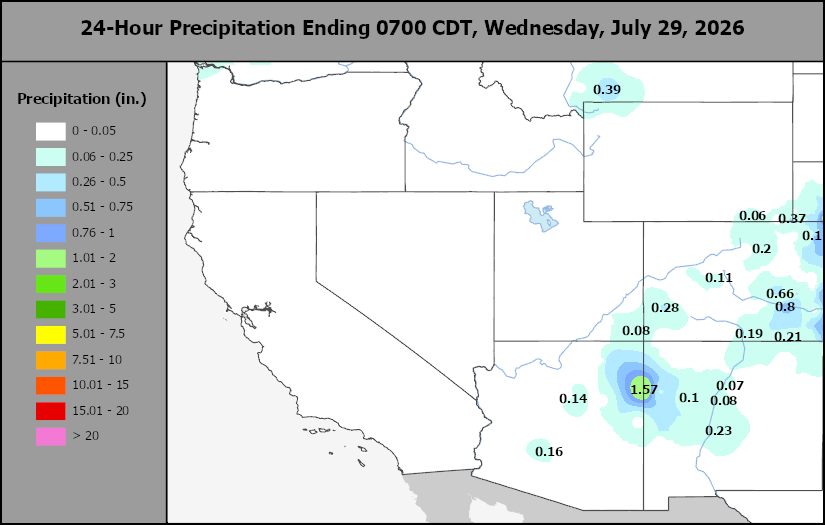
This content is for members only
Northwest Daily Rain
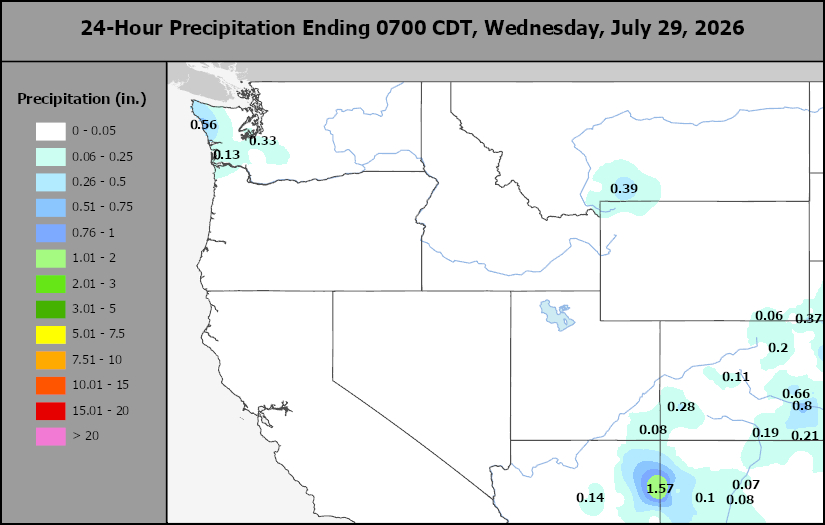
This content is for members only
South Plains Daily Rain
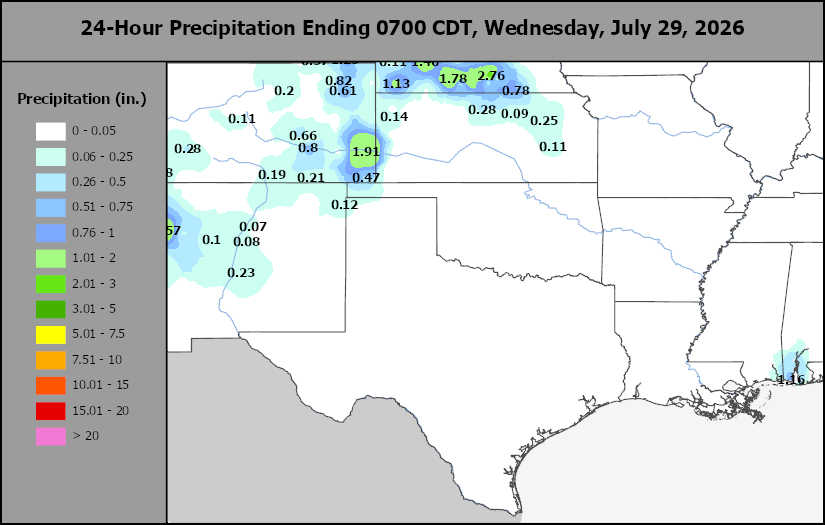
This content is for members only
Delta/SE U.S. Daily Rain
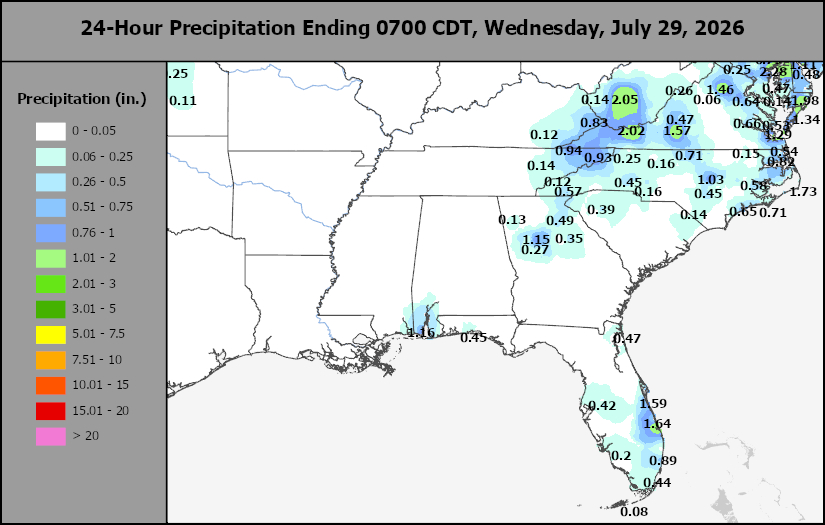
This content is for members only
Corn Belt Daily Rain
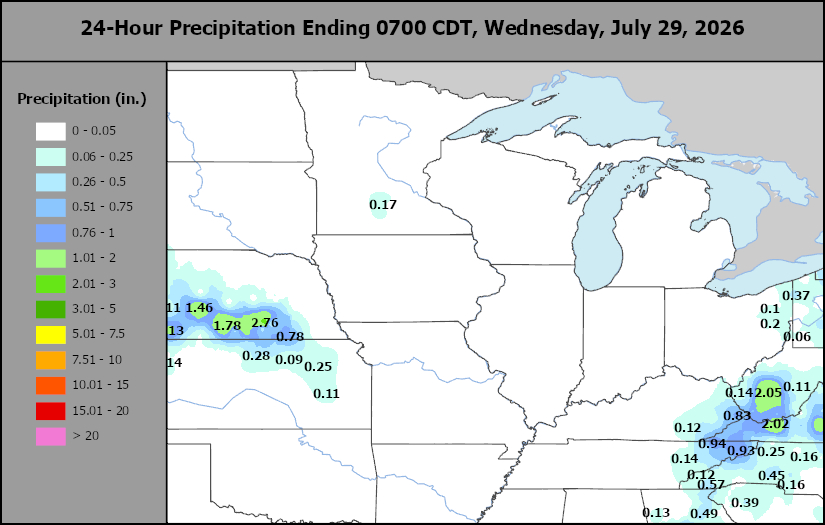
This content is for members only
North Plains Daily Rain
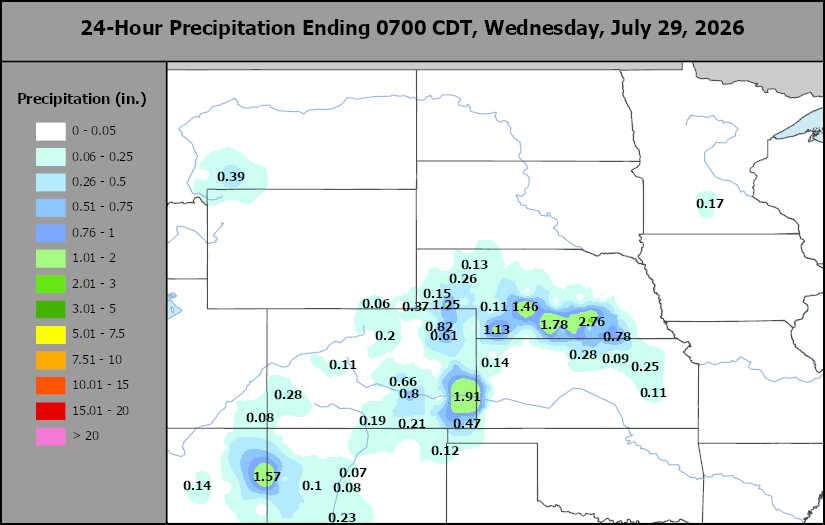
This content is for members only
Low Temperature
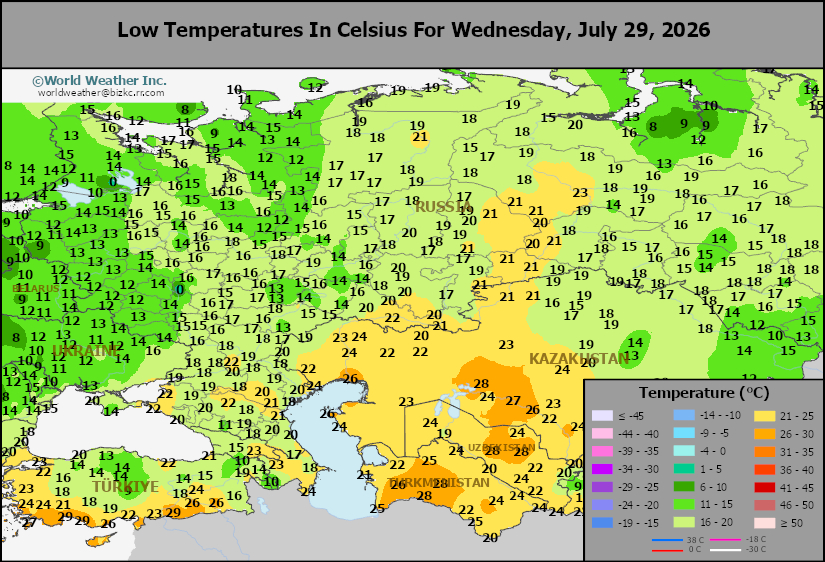
This content is for members only
High Temperature
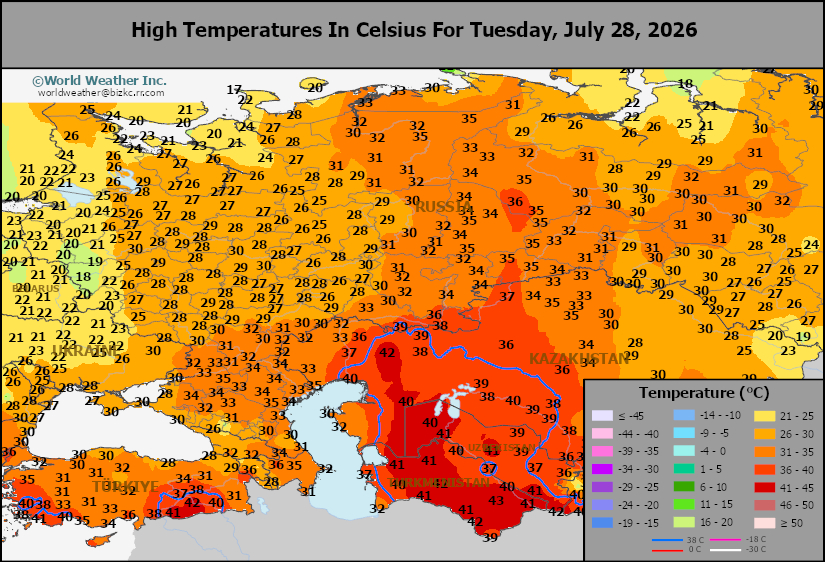
This content is for members only
CIS Rainfall
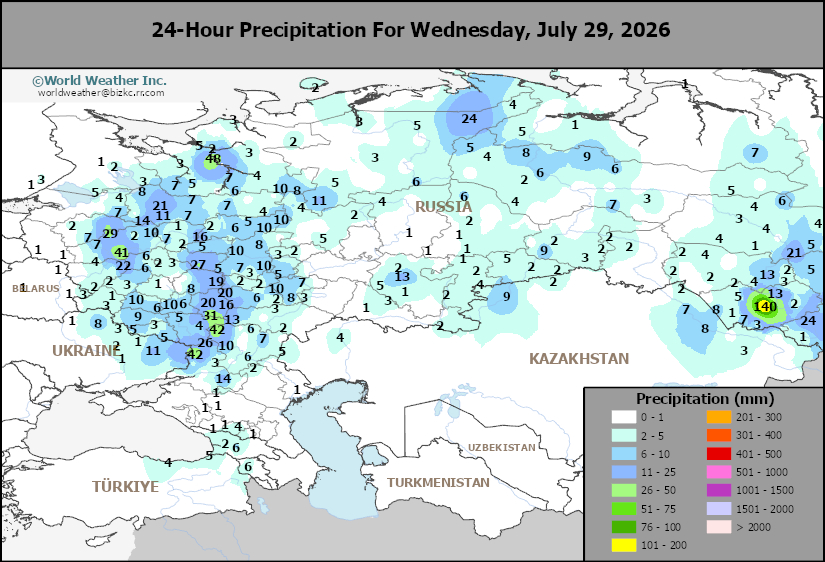
This content is for members only
Low Temperature
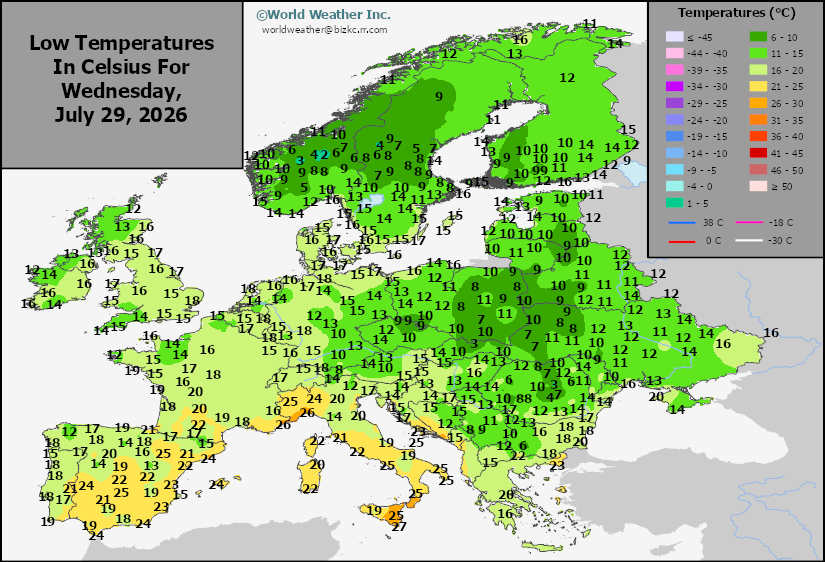
This content is for members only
High Temperature
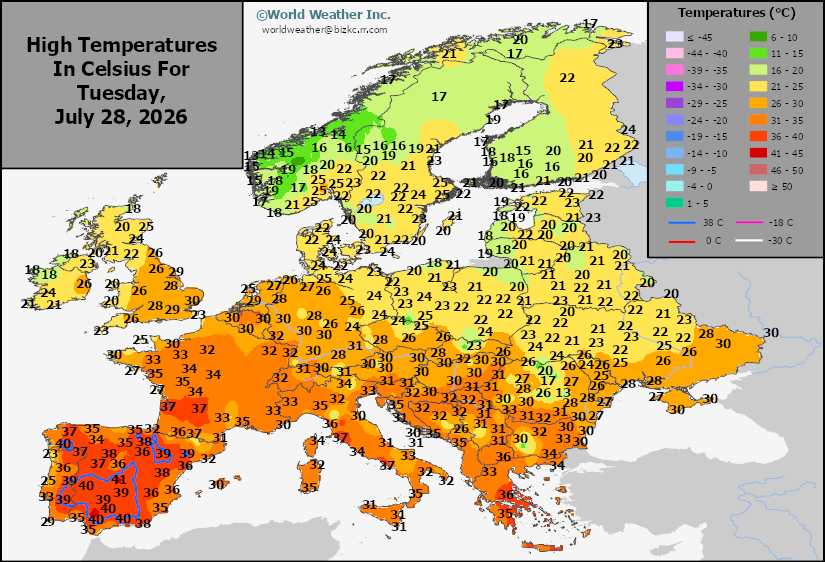
This content is for members only
Europe Rainfall
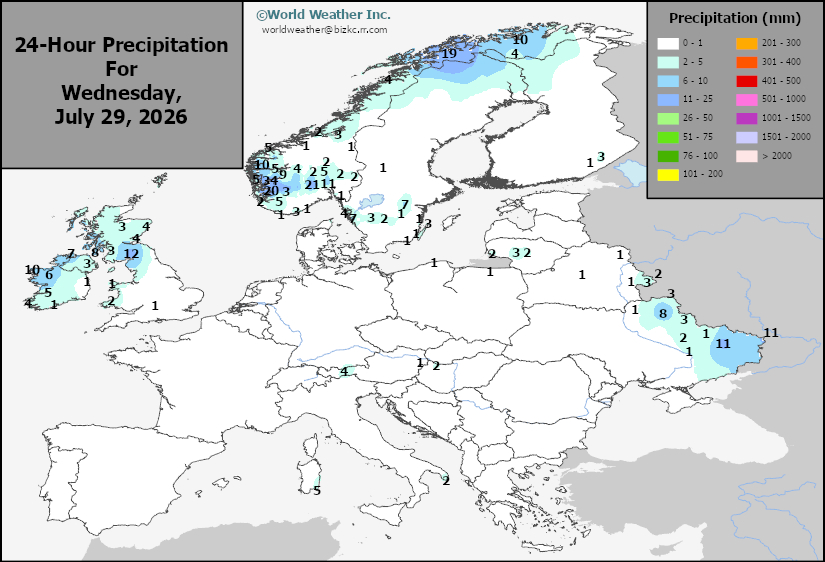
This content is for members only
Low Temperature
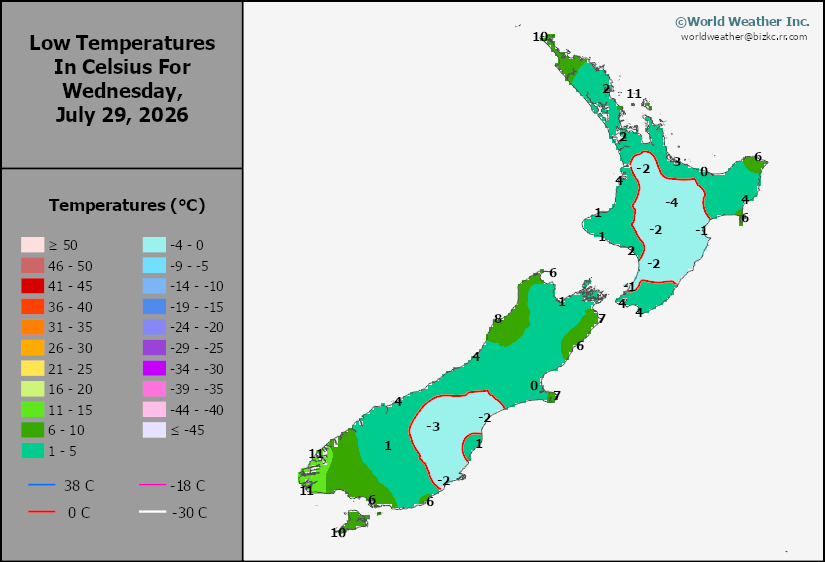
This content is for members only
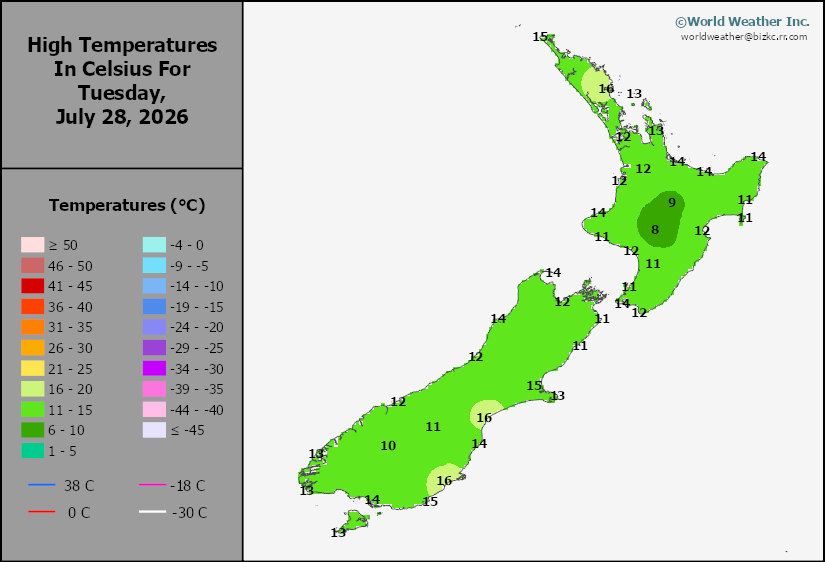
High Temperature
This content is for members only
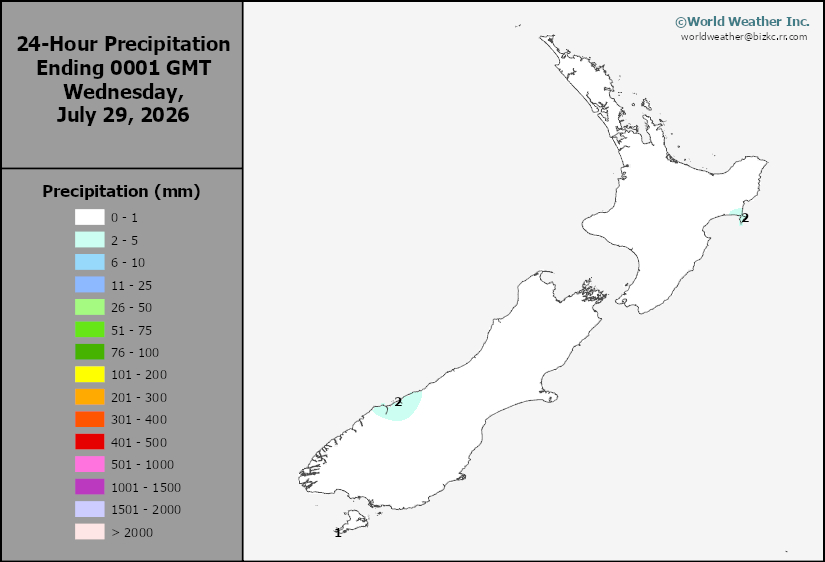
New Zealand Rainfall
This content is for members only
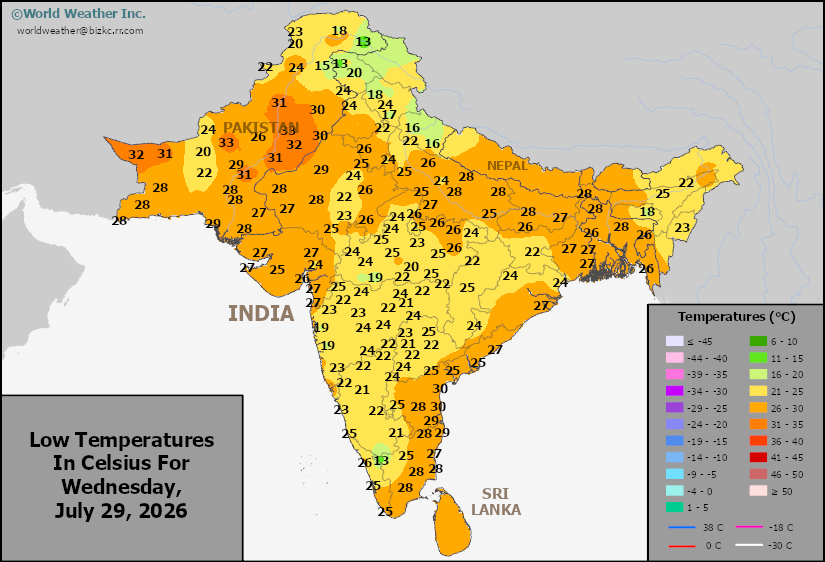
Low Temperature
This content is for members only
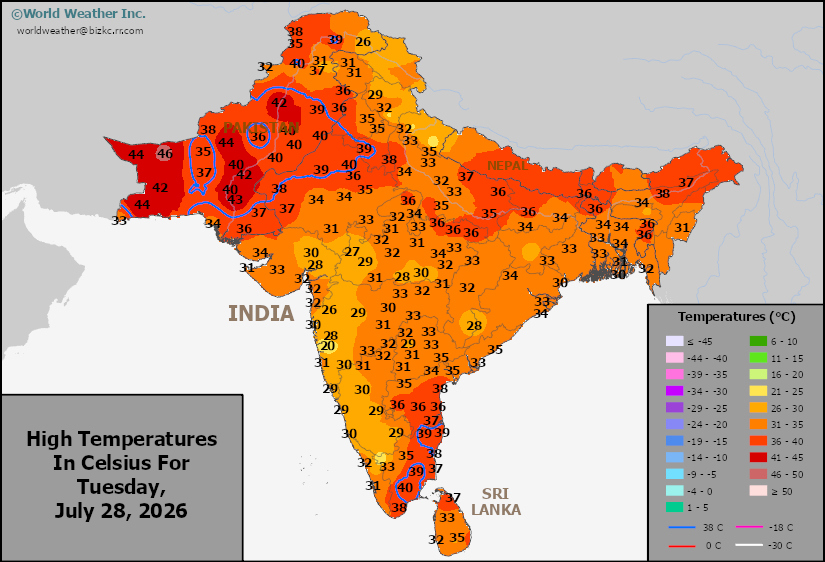
High Temperature
This content is for members only
India Rainfall
This content is for members only
Low Temperature
This content is for members only
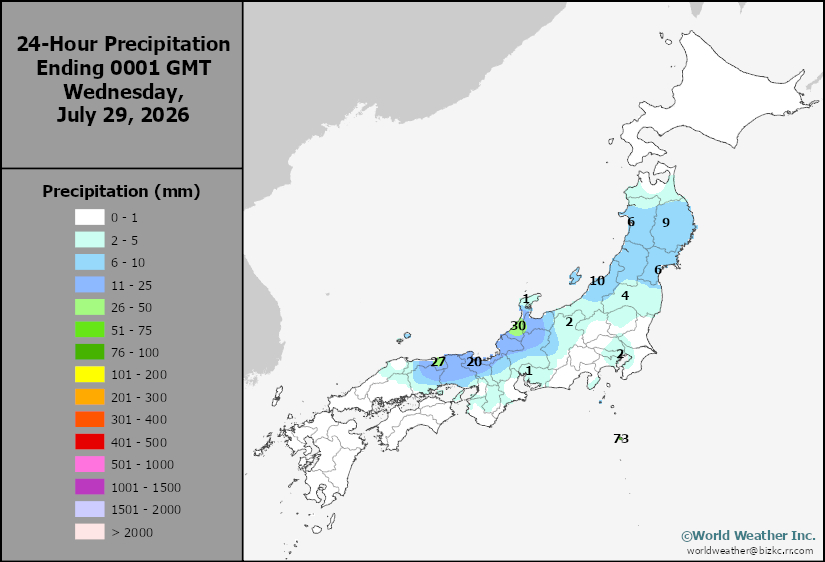
Japan Rainfall
This content is for members only
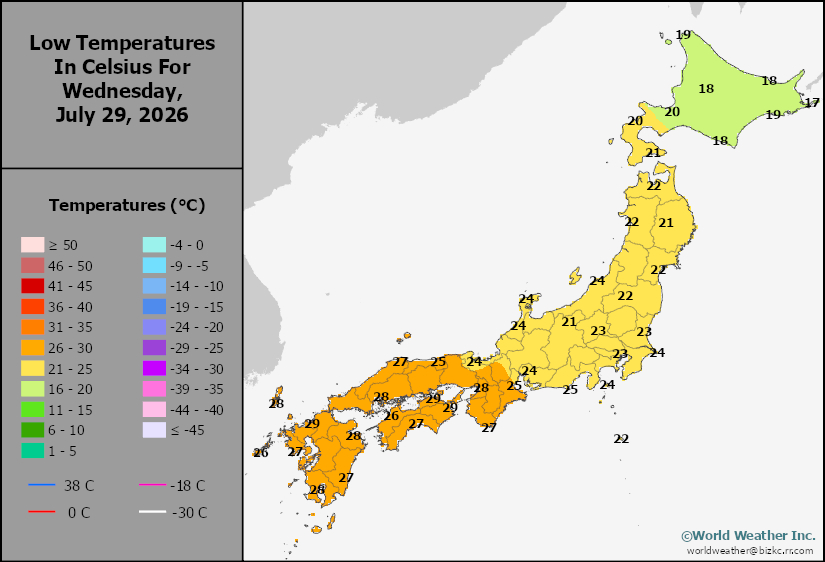
Low Temperature
This content is for members only
High Temperature
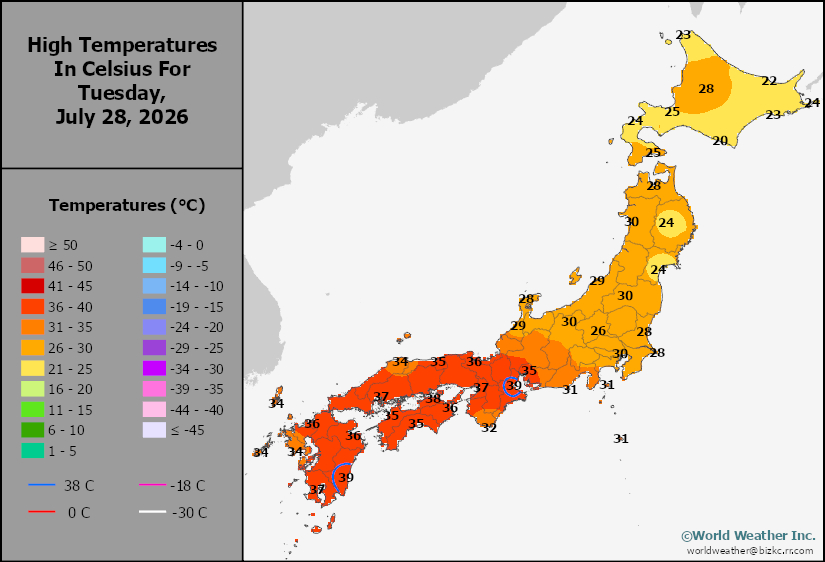
This content is for members only
High Temperature
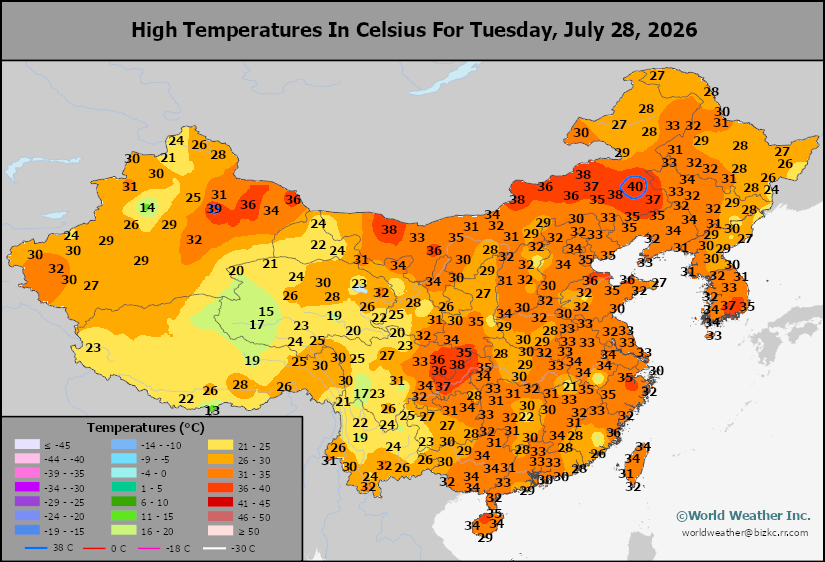
This content is for members only
China Rainfall
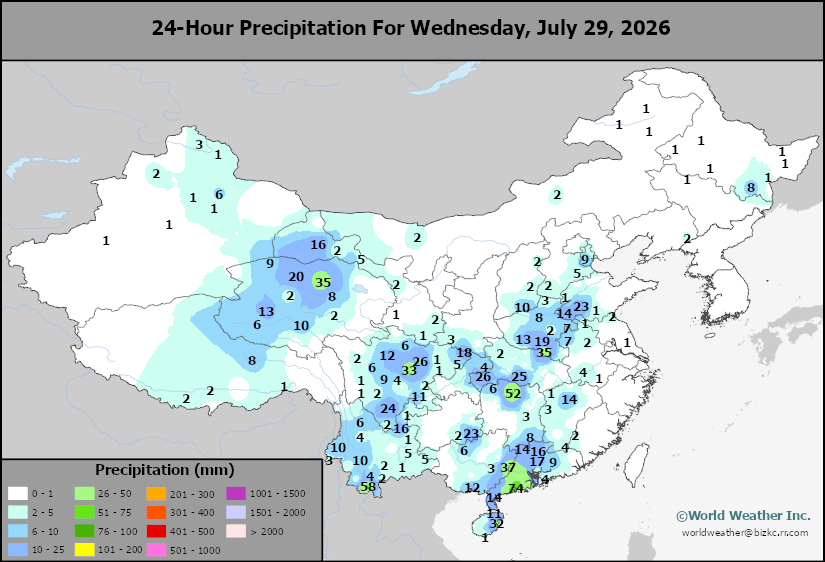
This content is for members only
Low Temperature
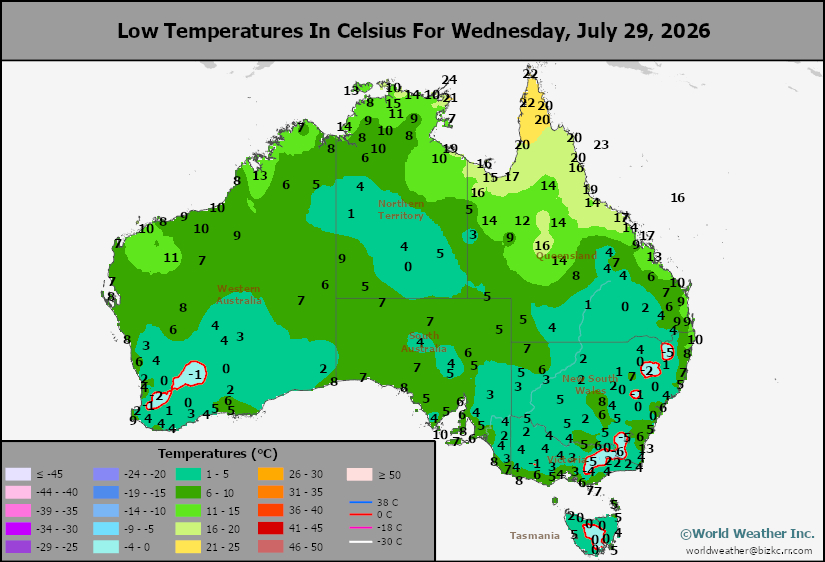
This content is for members only
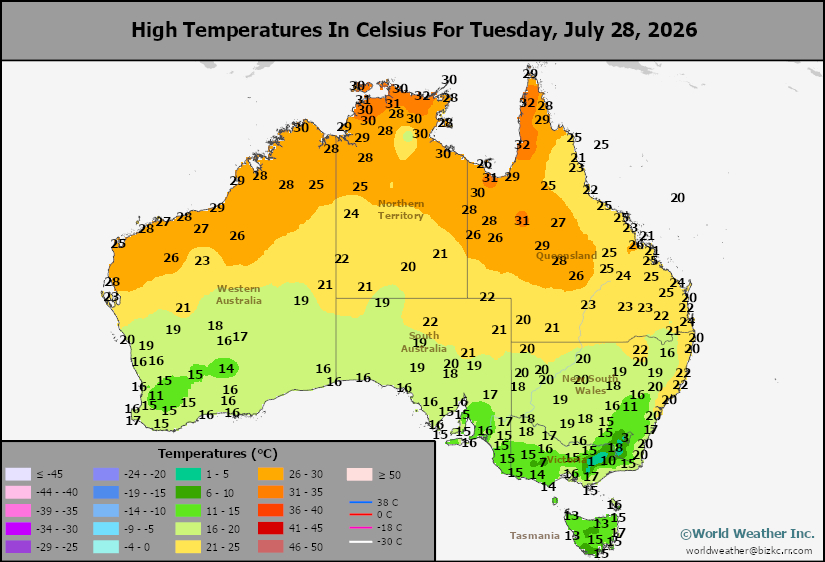
High Temperature
This content is for members only
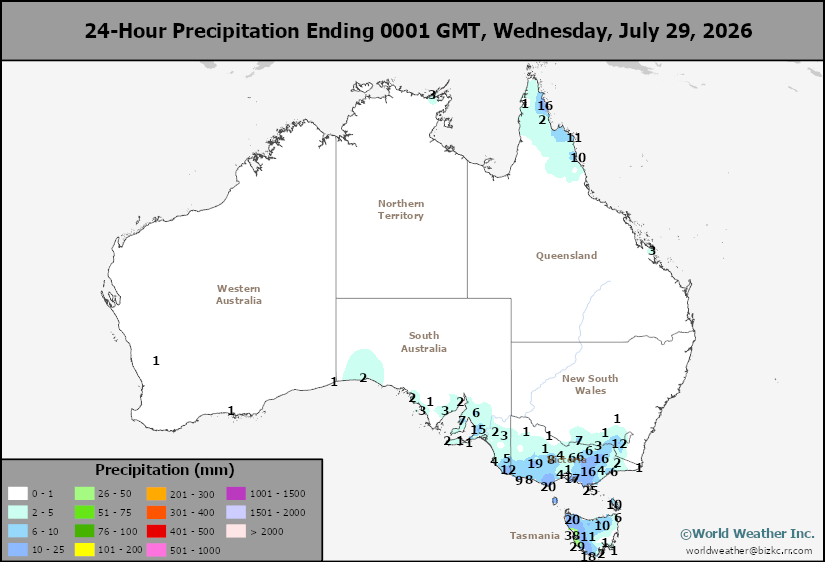
Austrailia Rainfall
This content is for members only
Central, SW Canada Prairies And NW U.S. Plains Still Drying
Kansas City, July 30 (World Weather Inc.) – Canada’s Prairies has been a land of contrast this summer with portions of northern Alberta canola and wheat country much too wet along with a few areas in western Manitoba and east-central and far northern Saskatchewan. In contrast, the central and southwestern Prairies have been steadily drying recently. Crop production losses have occurred because of drowning in some of the wettest areas and now there is fear of some yield loss for crops in central through southwestern parts of the region as well as in parts of Montana and portions of the Dakotas. These areas will see another two weeks of similar conditions raising a little more concern about this year’s production.
SE Europe Drying Down While The West Is Still Too Dry
Kansas City, July 29 (World Weather Inc.) – Europe weather has continued to be a big focal point in the agricultural world this summer with France, the United Kingdom, western Germany and Belgium experiencing months of dryness and some occasional excessive heat. More recently, while western Europe continues to deal with drought, there has been some dryness evolving in southeastern Europe. Dryness has been most significant recently in parts of Slovakia, Hungary, northern Serbia and northwestern Romania, but it is expanding both to the southeast and northwest enlarging the overall area of dryness in the continent. Most of the production losses this year have been concentrated on western Europe, but if today’s trend continues in August there may be some potential for additional cuts in dryland corn, soybeans, sunseed and other late season crops.
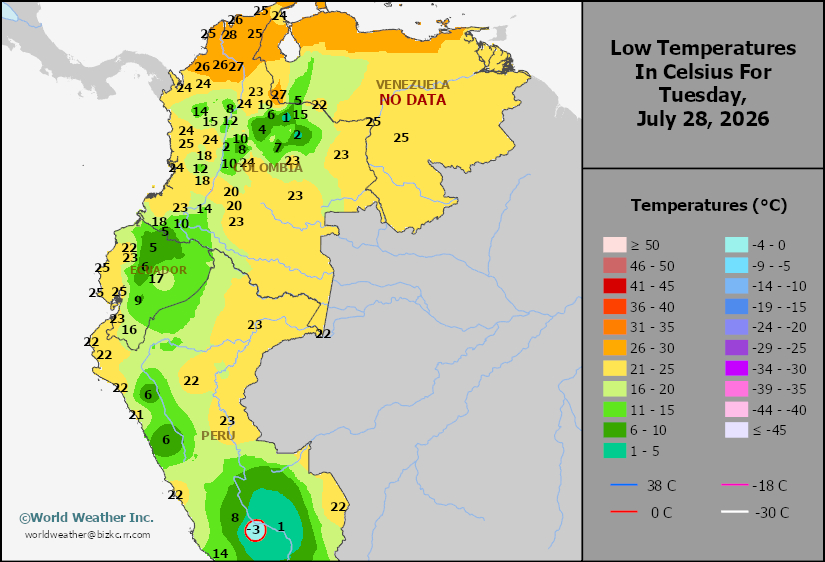
Venezuela/Colombia Min Temps
This content is for members only
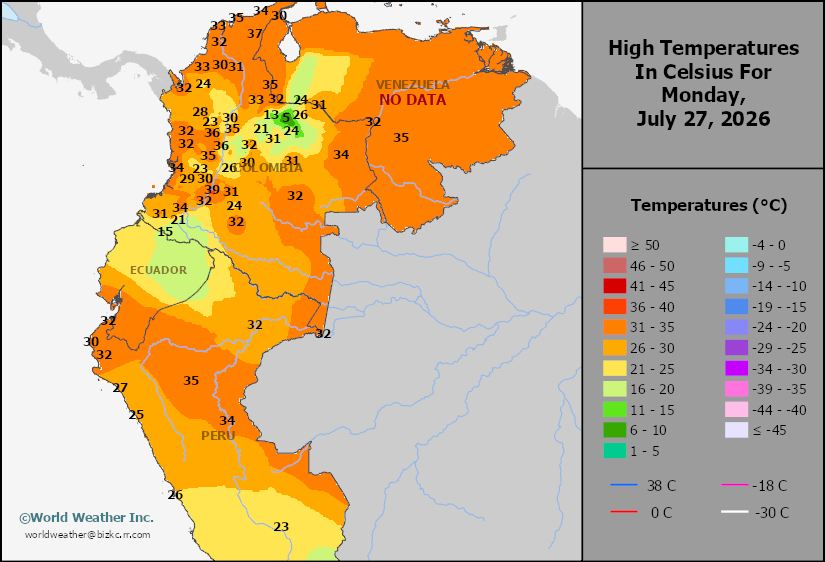
Venezuela/Colombia Max Temps
This content is for members only
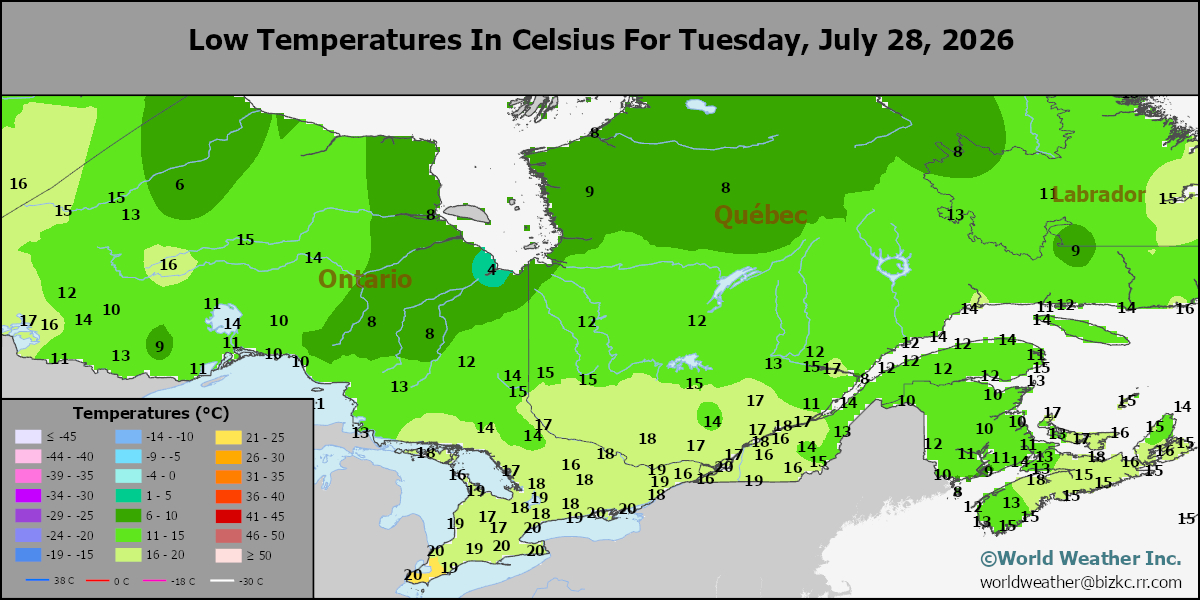
SE Canada Min
This content is for members only
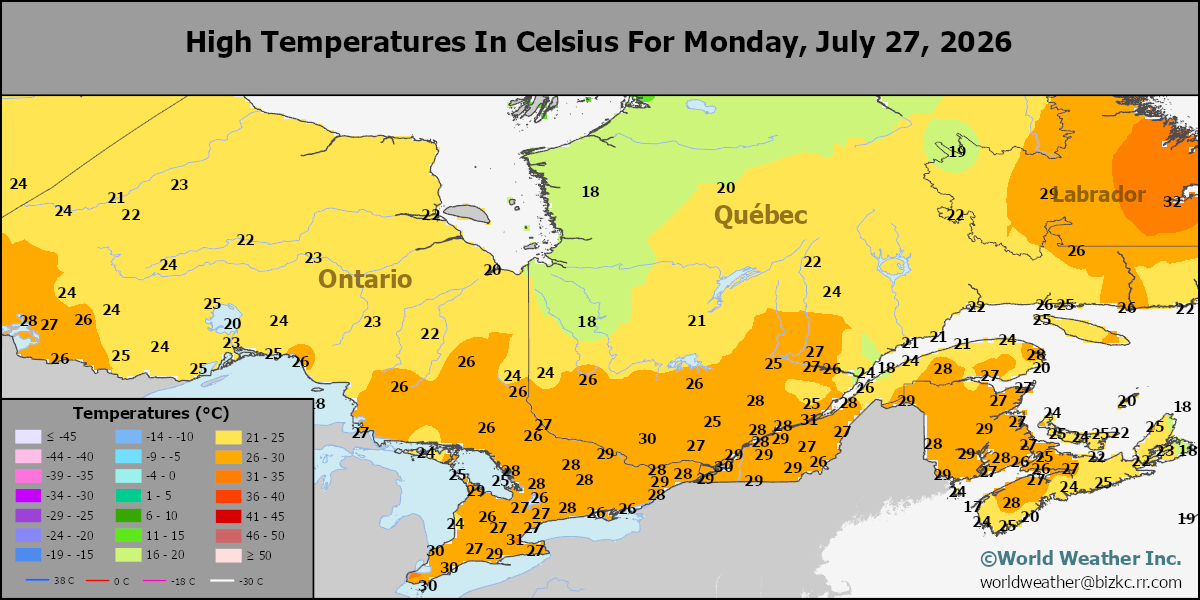
SE Canada Max
This content is for members only
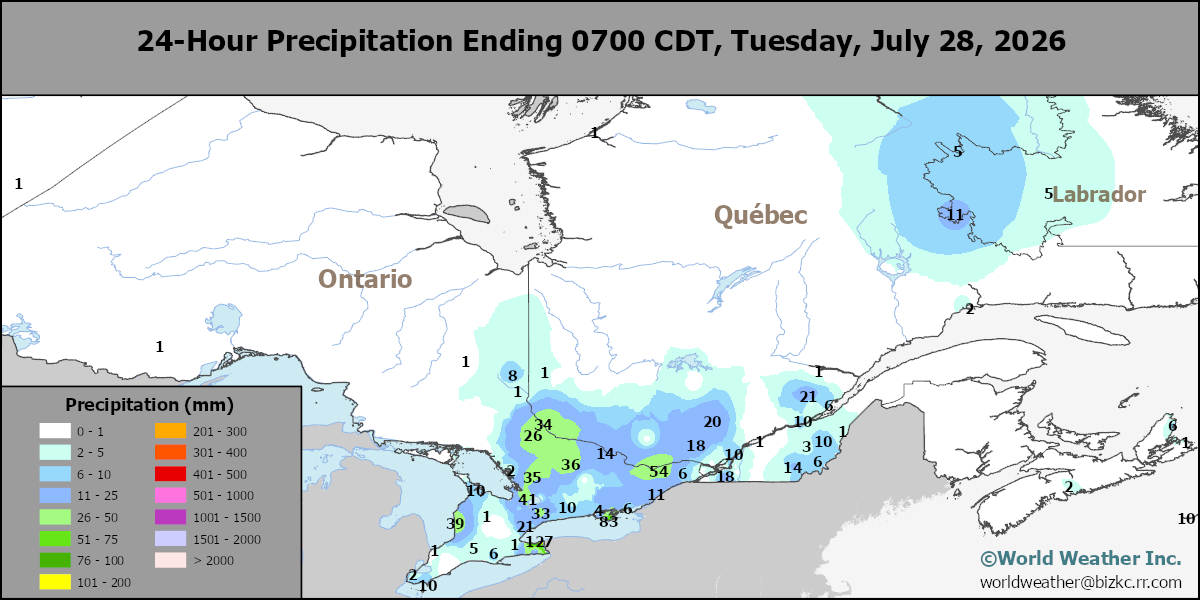
SE Canada Rainfall
This content is for members only