
Topsoil Moisture
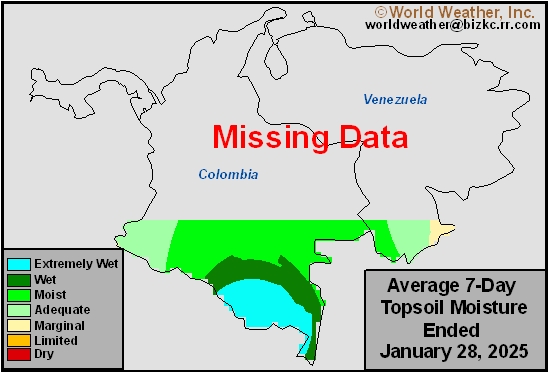
This content is for members only
Subsoil Moisture
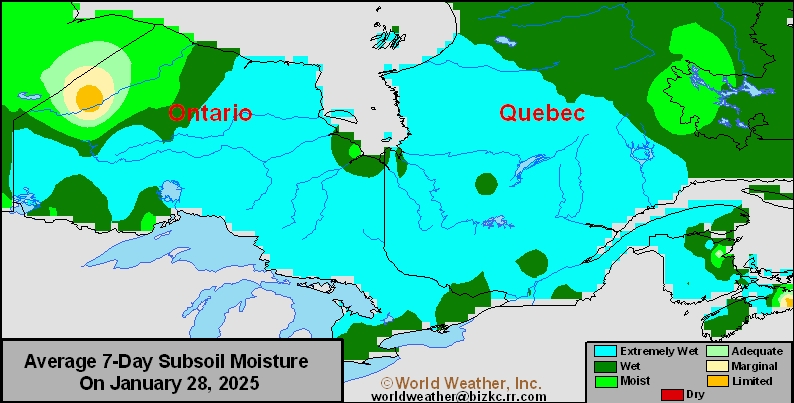
This content is for members only
Topsoil Moisture
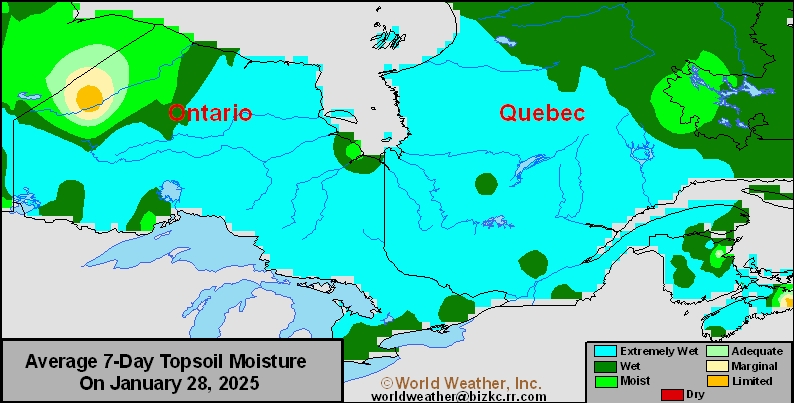
This content is for members only
Subsoil Moisture
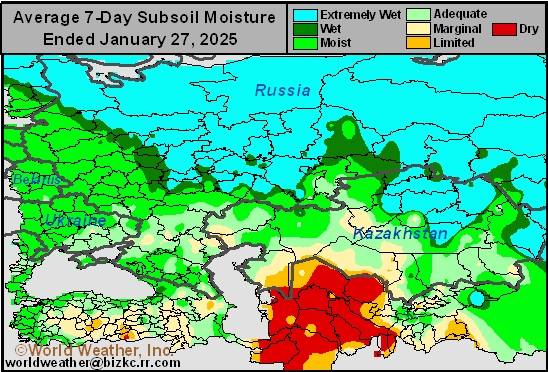
This content is for members only
Topsoil Moisture
This content is for members only
Subsoil Moisture

This content is for members only
Topsoil Moisture

This content is for members only
Topsoil Moisture
This content is for members only
Subsoil Moisture
This content is for members only
Subsoil Moisture
This content is for members only
Topsoil Moisture
This content is for members only
U.S. Crop Moisture For January 31, 2025: February Outlook
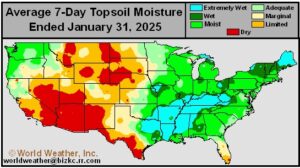
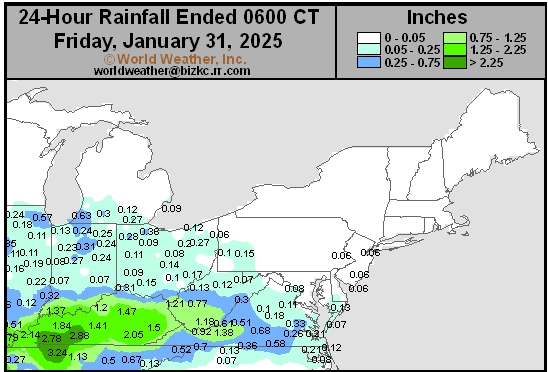
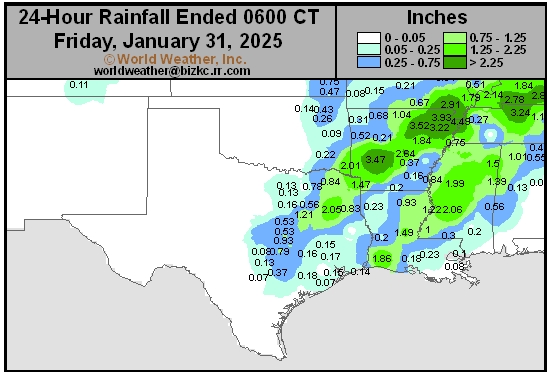
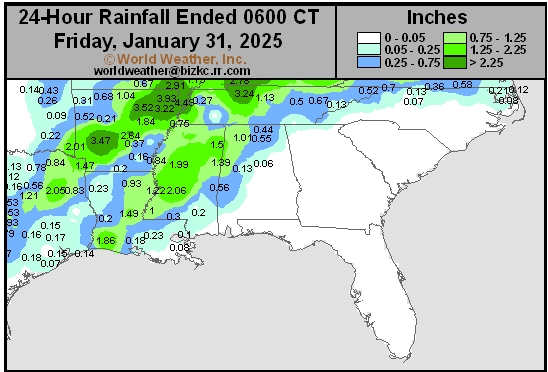
Kansas City, January 31 (World Weather Inc.) – The first month of 2025 is already over…..Amazing! At the end of the month soil moisture was rated well in the Midwest while conditions may be a little too wet in parts of the lower Ohio River Valley, Tennessee River Valley and Delta into northeastern Texas. This latter region of wet biased conditions just received 2.00 to 5.00 inches of rain in the past couple of days and more weather systems like this are expected later in coming days and weeks. In the meantime, soil moisture remains limited in the northwestern, west, central and southwestern Plains as well as the upper Midwest. Changes in these drier biased areas are unlikely to occur anytime soon, despite some light precipitation.
U.S. Hard Red Wheat Needs Cool, Moist Weather To Recover
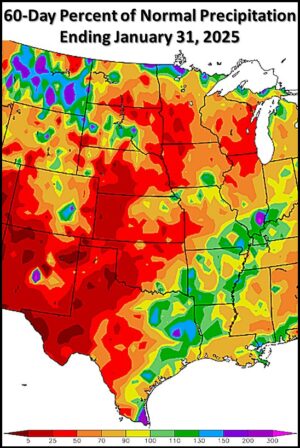
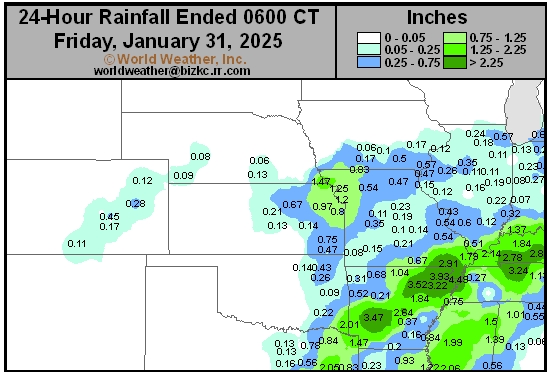
Kansas City, January 31 (World Weather Inc.) – Strongly negative Pacific Decadal Oscillation and La Nina like conditions do not usually provide a good environment for serious precipitation in the central or southwestern Plains during the winter months and that has certainly been the case this winter. However, it is extremely important to note that hard red winter wheat areas received significant rain during November that bolstered soil moisture down deep into the ground and led most crops to good establishment. Drying since that time has created some apprehension, but crops have no moisture demand at this time of year. Another concern is extreme cold that occurred earlier this month, though if the wheat plant did not die it will have a chance to recover in the spring “if” sufficient rain and mild temperatures are prevalent prior to the warmer days of spring.
Venezuela/Colombia Min Temps
This content is for members only
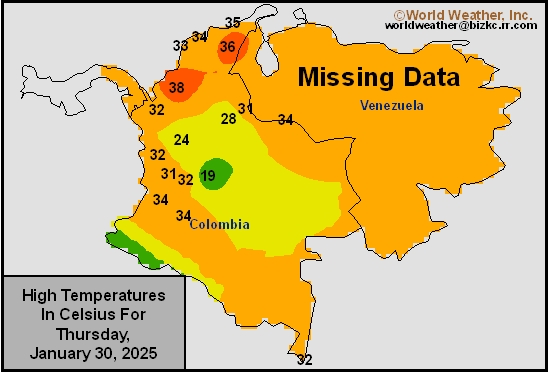
Venezuela/Colombia Max Temps
This content is for members only
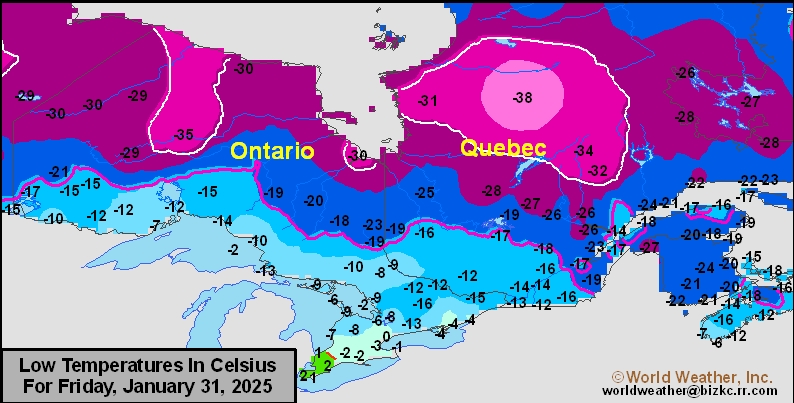
SE Canada Min
This content is for members only
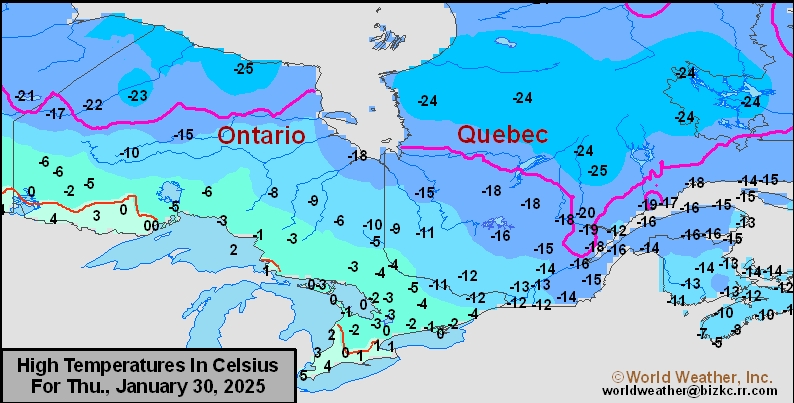
SE Canada Max
This content is for members only
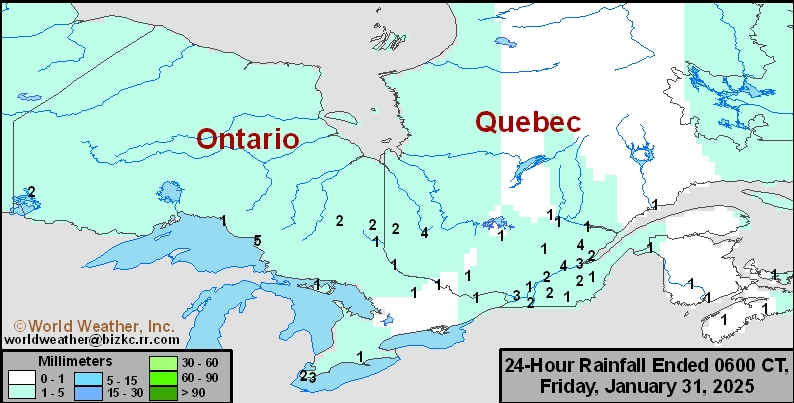
SE Canada Rainfall
This content is for members only
Prairies Rainfall

This content is for members only
Prairies Max Temperature

This content is for members only
Prairies Min Temperature

This content is for members only
Canada Rainfall

This content is for members only
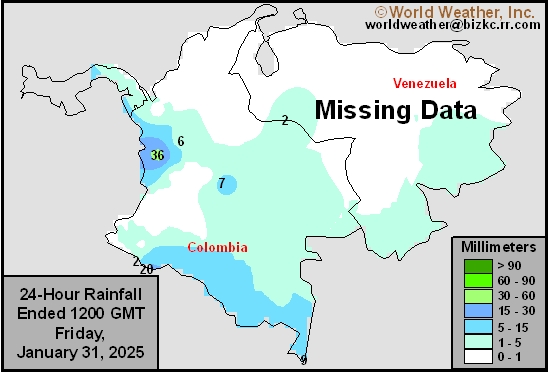
Venezuela Rainfall
This content is for members only
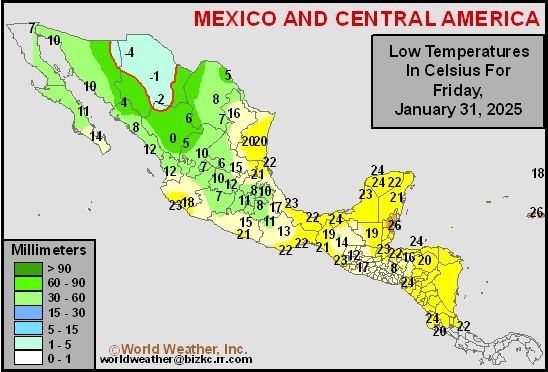
Mexico Min Temperature
This content is for members only
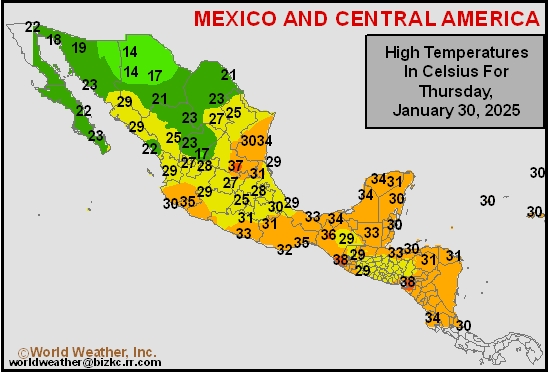
Mexico Max Temperature
This content is for members only
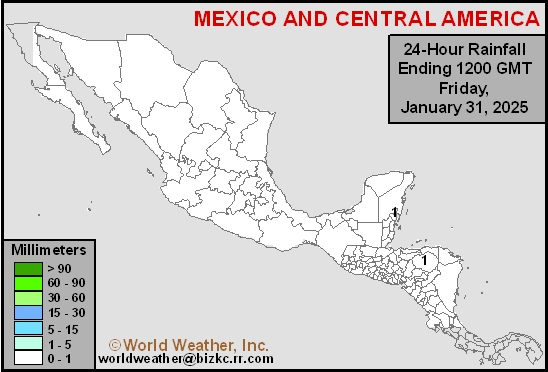
Mexico Rainfall
This content is for members only
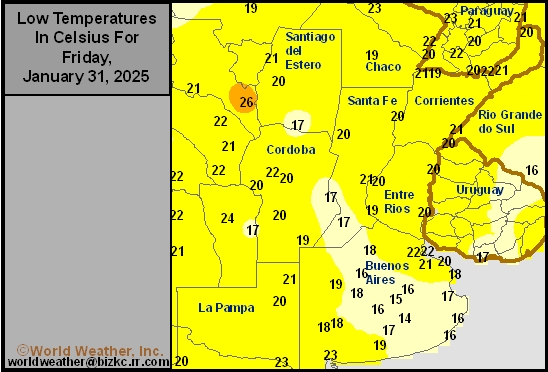
Argentina Min Temperature
This content is for members only
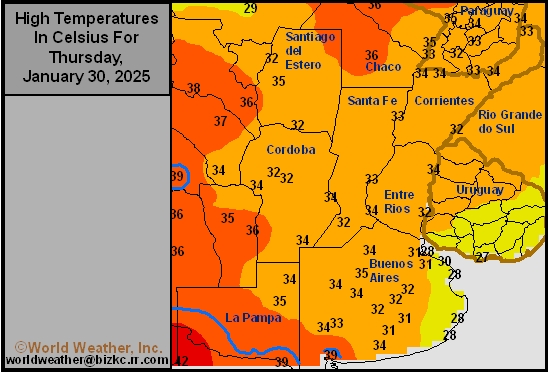
Argentina Max Temperature
This content is for members only
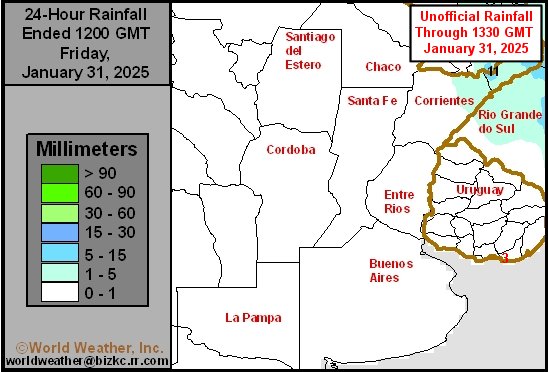
Argentina Rainfall
This content is for members only
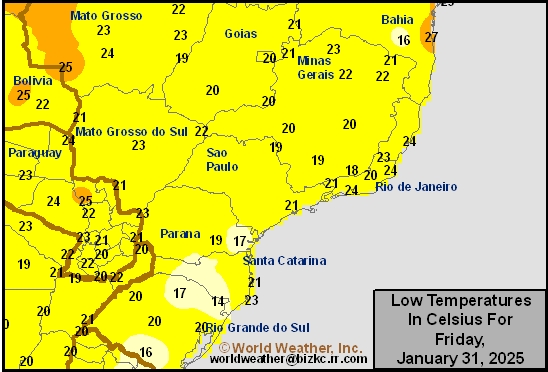
Brazil Min Temperature
This content is for members only
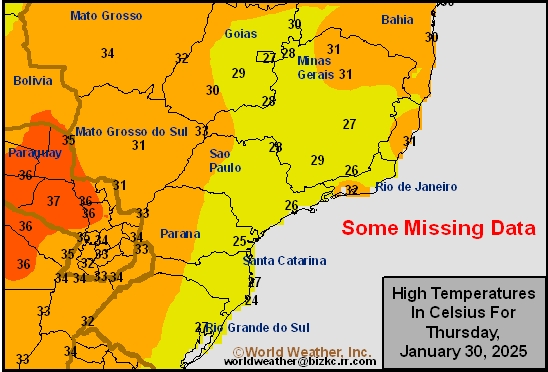
Brazil Max Temperature
This content is for members only
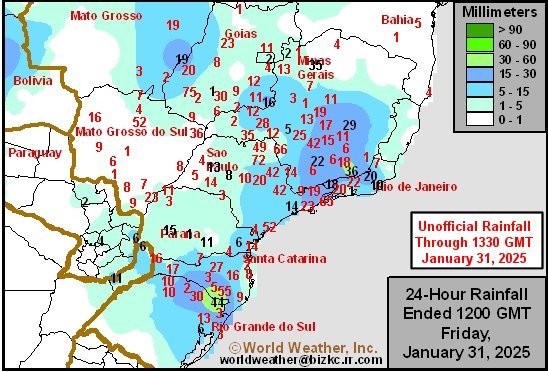
Brazil Rainfall
This content is for members only
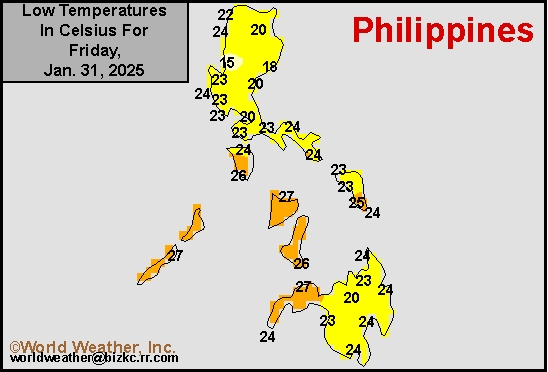
Philippines Min
This content is for members only
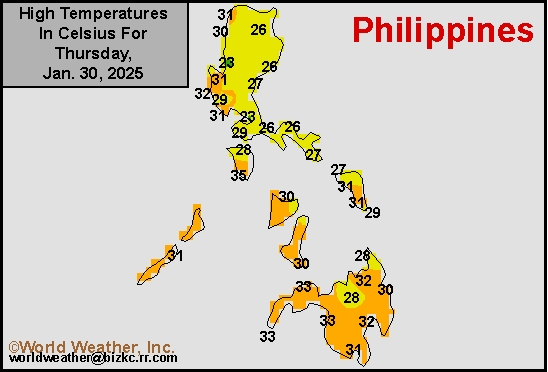
Philippines Max
This content is for members only
Philippines Rain
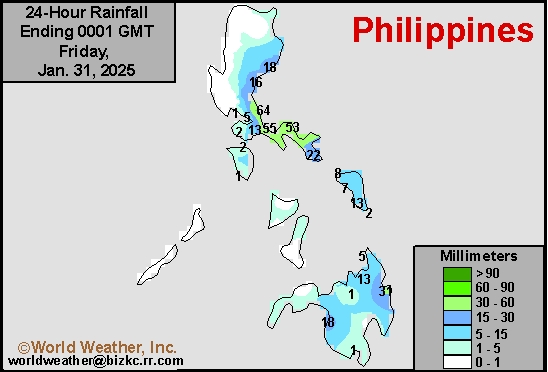
This content is for members only
Southeast North Rain
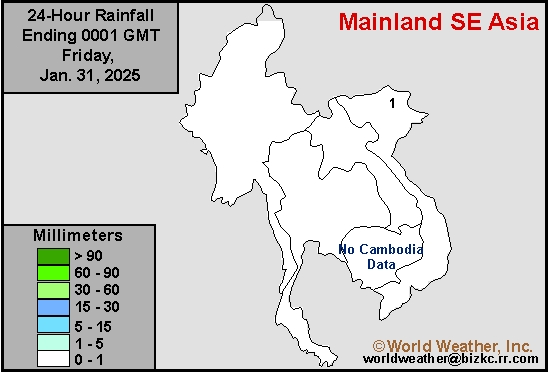
This content is for members only
Southeast North Min
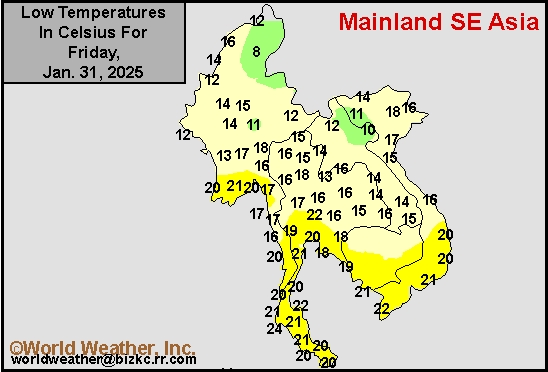
This content is for members only
Southeast North Max
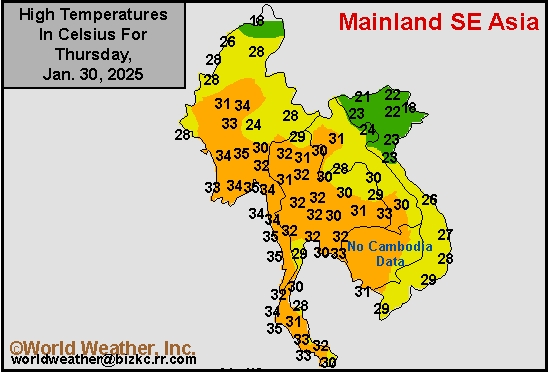
This content is for members only
Southeast Min
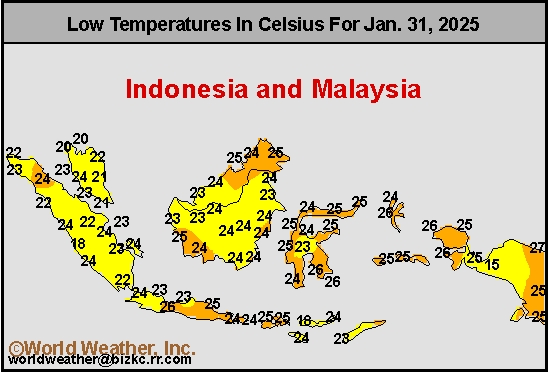
This content is for members only
Southeast Max
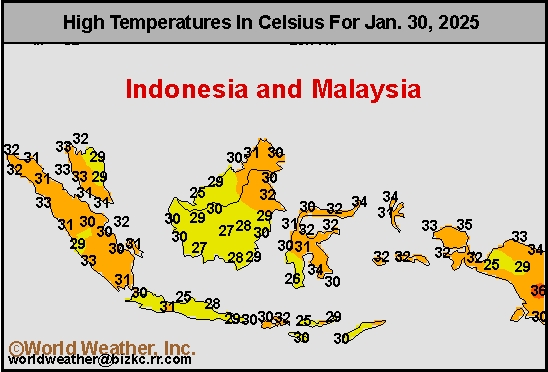
This content is for members only
Southeast Rain
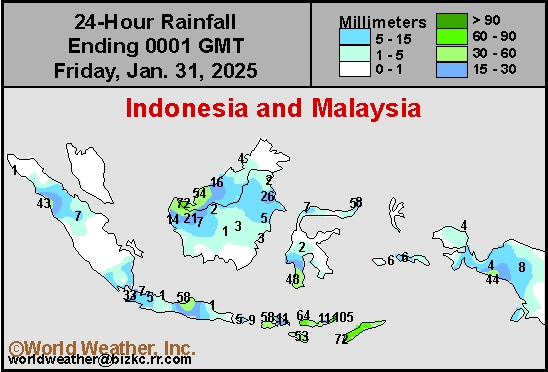
This content is for members only
West Africa Rain
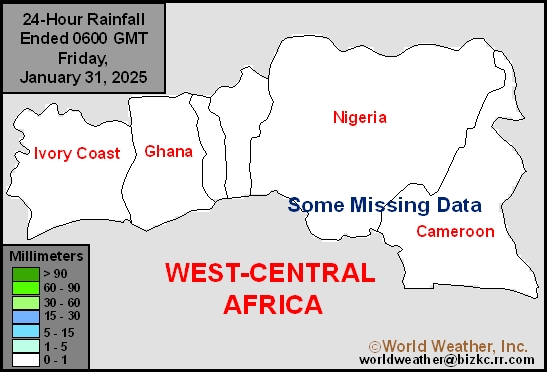
This content is for members only
Max Temperature
This content is for members only
Min Temperature
This content is for members only
North Africa Rain
This content is for members only
Max Temperature
This content is for members only
Min Temperature
This content is for members only
Min Temperature
This content is for members only
Max Temperature
This content is for members only
South Africa Rain
This content is for members only
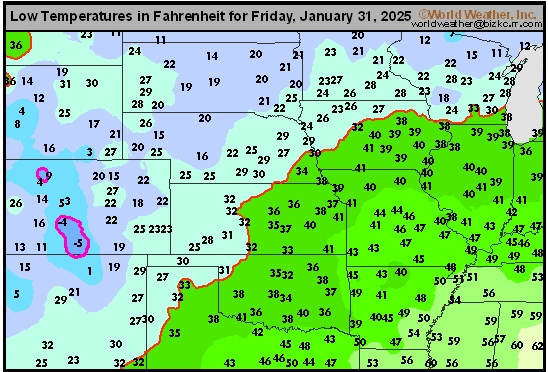
Hard Red Wheat Tmin
This content is for members only
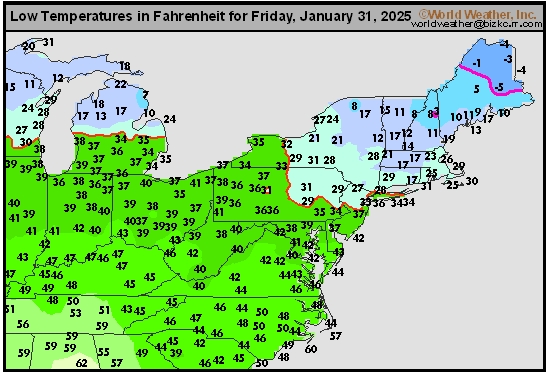
Northeast Tmin
This content is for members only
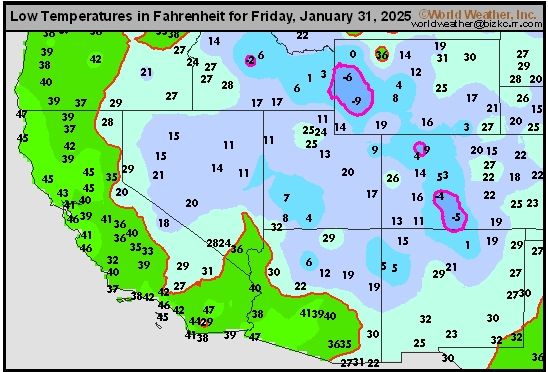
Southwest Tmin
This content is for members only
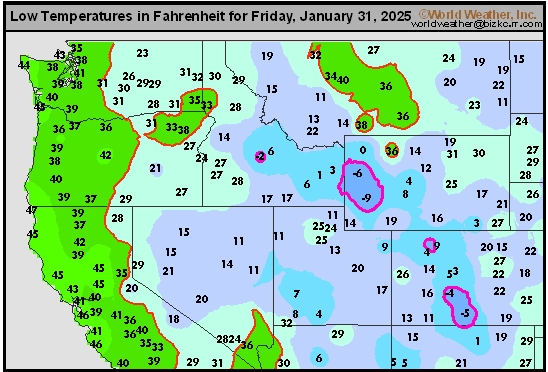
Northwest Tmin
This content is for members only
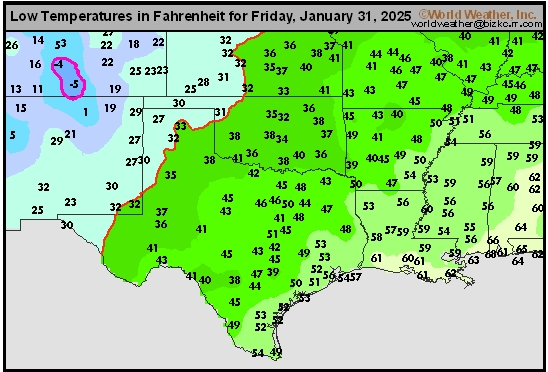
South Plains Tmin
This content is for members only
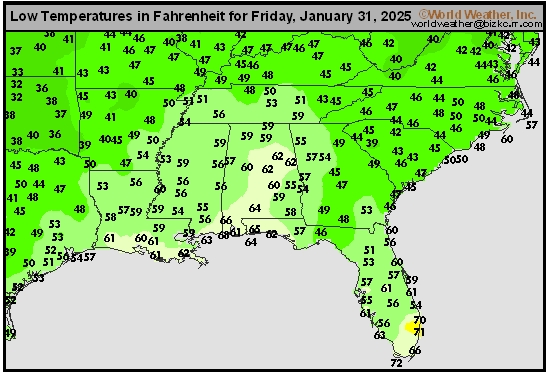
Delta/SE U.S. Tmin
This content is for members only
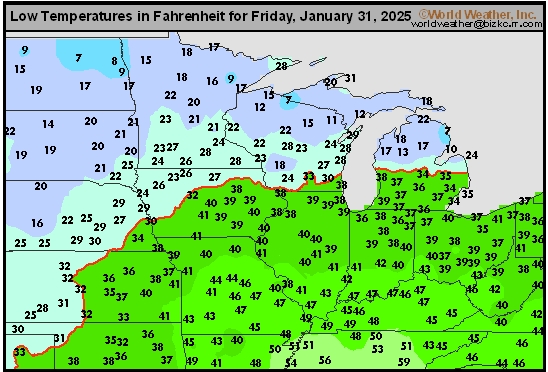
Corn Belt Tmin
This content is for members only
US Min

This content is for members only
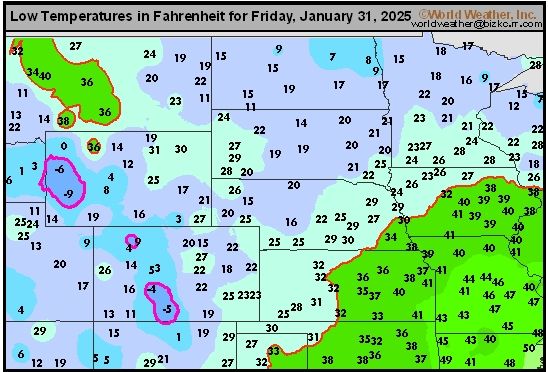
North Plains Tmin
This content is for members only
Hard Red Wheat Tmax
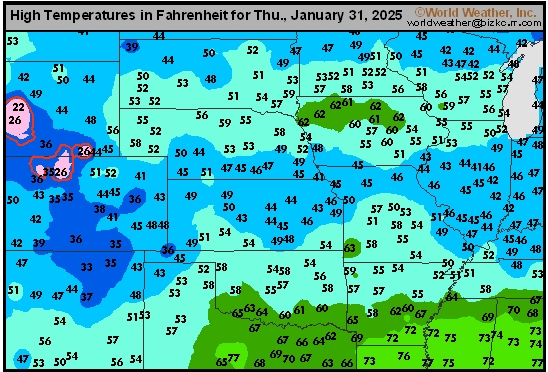
This content is for members only
Northeast Tmax
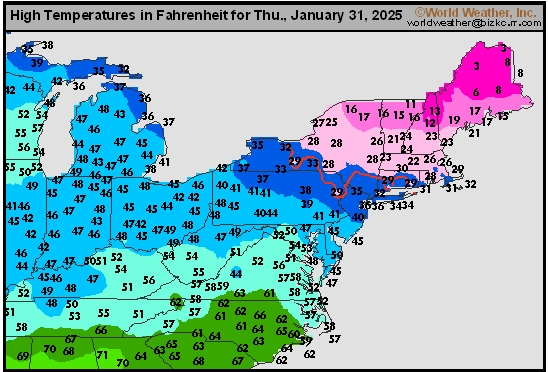
This content is for members only
Southwest Tmax
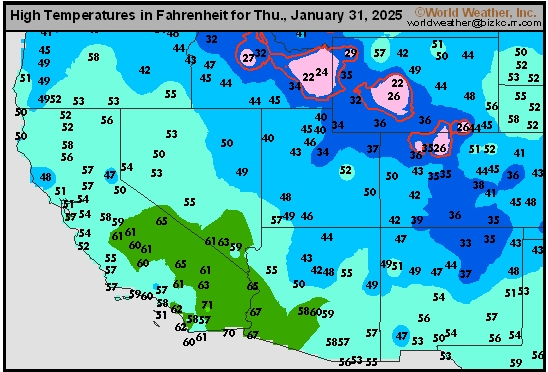
This content is for members only
Northwest Tmax
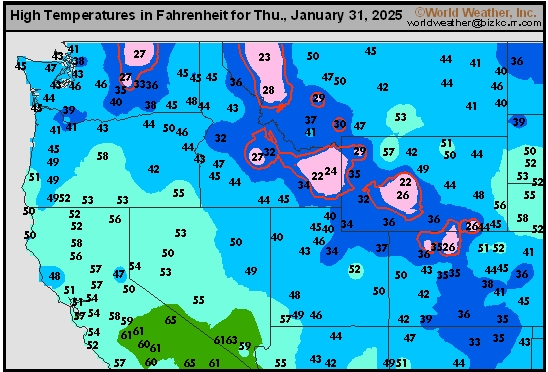
This content is for members only
South Plains Tmax
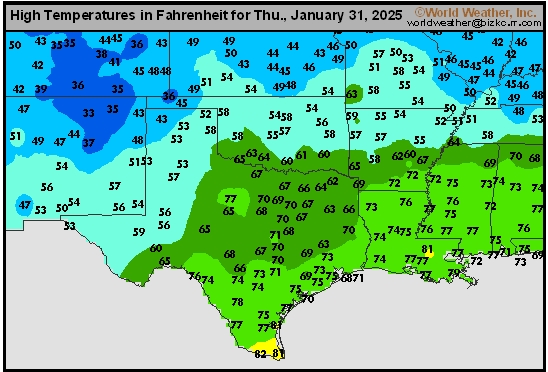
This content is for members only
Delta/SE U.S. Tmax
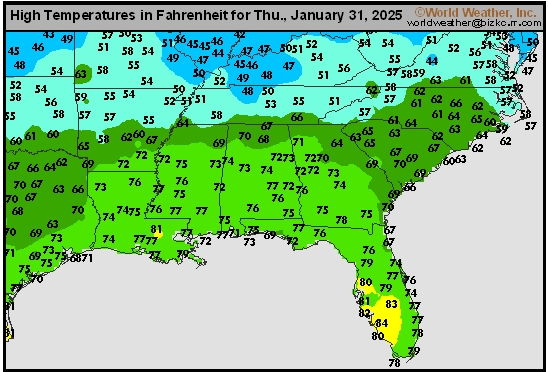
This content is for members only
Corn Belt Tmax
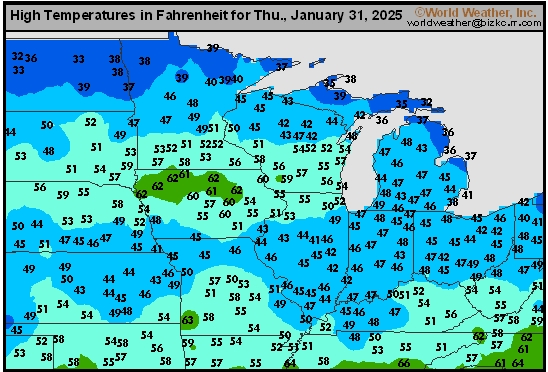
This content is for members only
North Plains Tmax
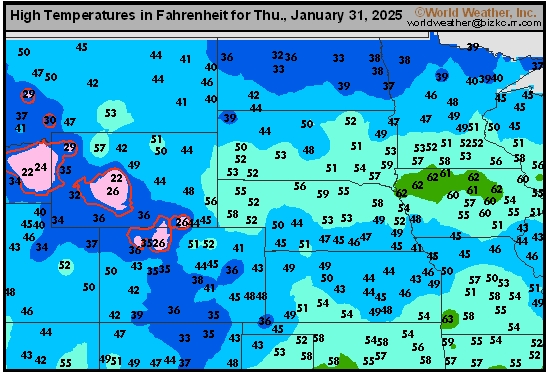
This content is for members only
US Max

This content is for members only
US Rain

This content is for members only
Northeast Daily Rain
This content is for members only
Hard Red Wheat Daily Rain
This content is for members only
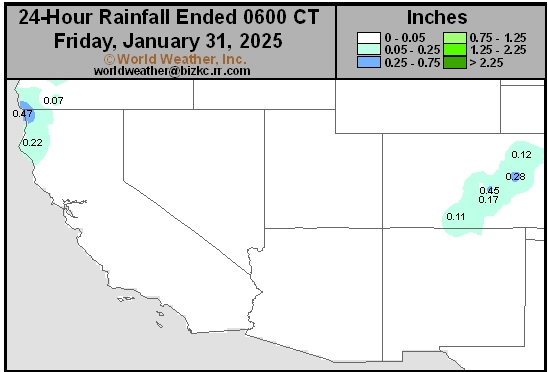
Southwest Daily Rain
This content is for members only
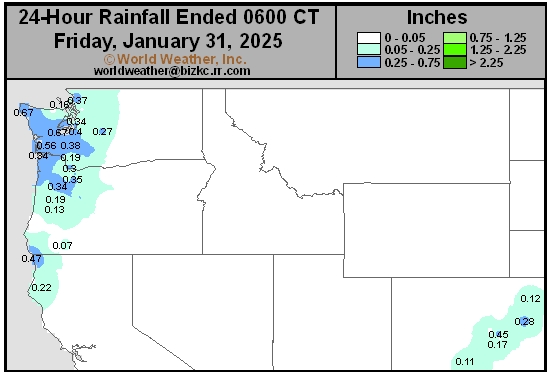
Northwest Daily Rain
This content is for members only
South Plains Daily Rain
This content is for members only
Delta/SE U.S. Daily Rain
This content is for members only
Corn Belt Daily Rain
This content is for members only
North Plains Daily Rain
This content is for members only
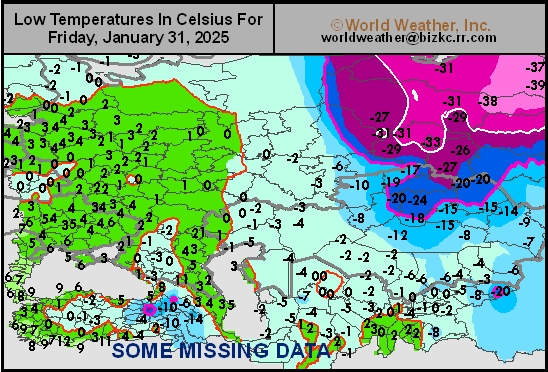
Low Temperature
This content is for members only
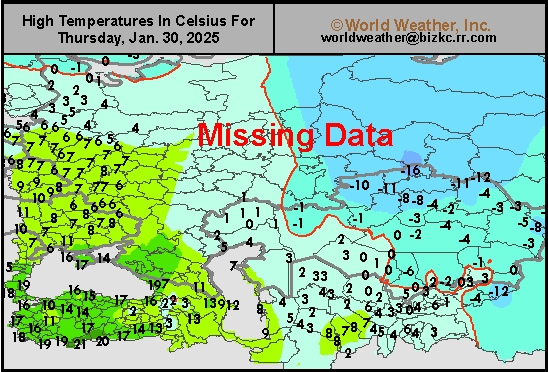
High Temperature
This content is for members only
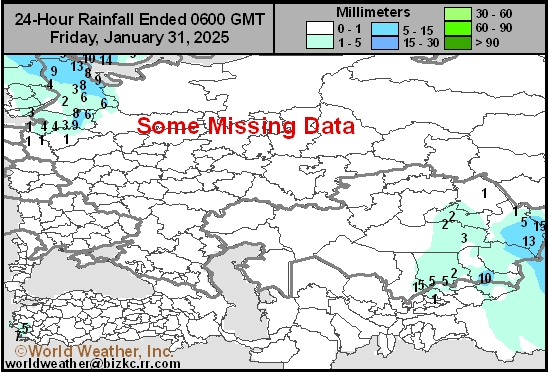
CIS Rainfall
This content is for members only
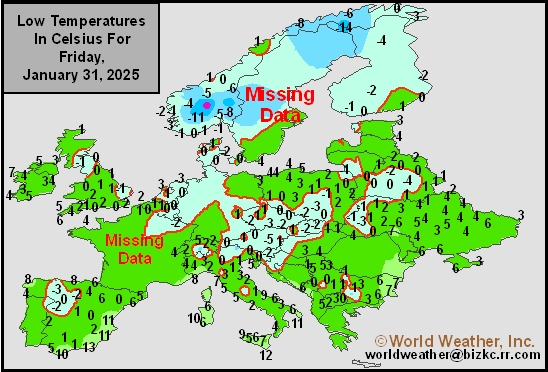
Low Temperature
This content is for members only
High Temperature
This content is for members only
Europe Rainfall
This content is for members only
Low Temperature
This content is for members only
High Temperature
This content is for members only
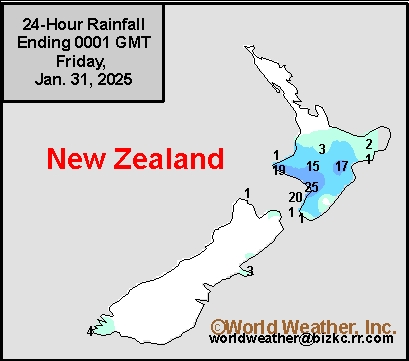
New Zealand Rainfall
This content is for members only
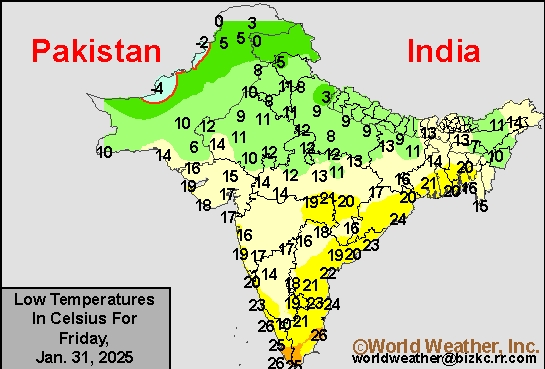
Low Temperature
This content is for members only
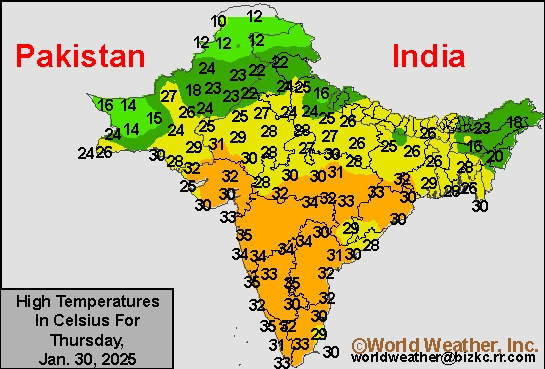
High Temperature
This content is for members only
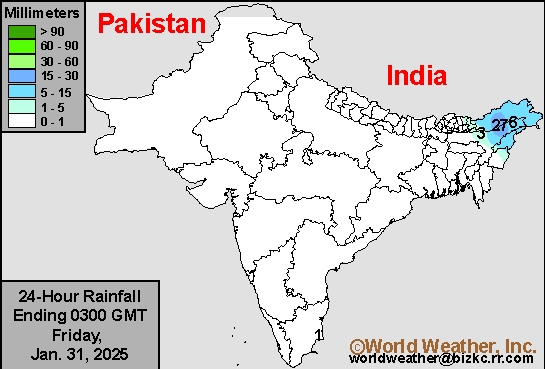
India Rainfall
This content is for members only
Low Temperature
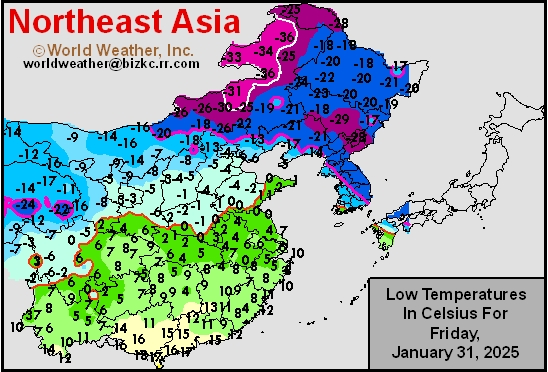
This content is for members only
Japan Rainfall
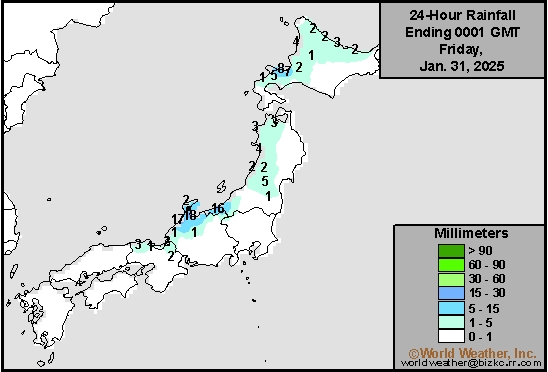
This content is for members only
Low Temperature
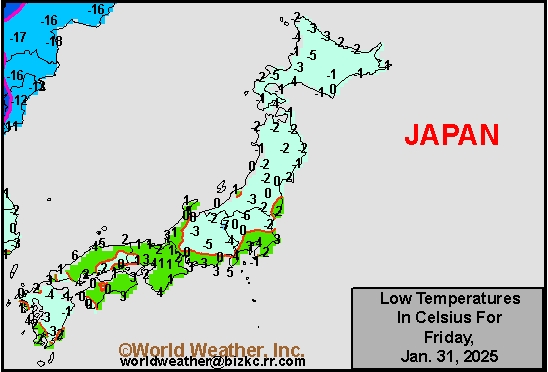
This content is for members only
High Temperature
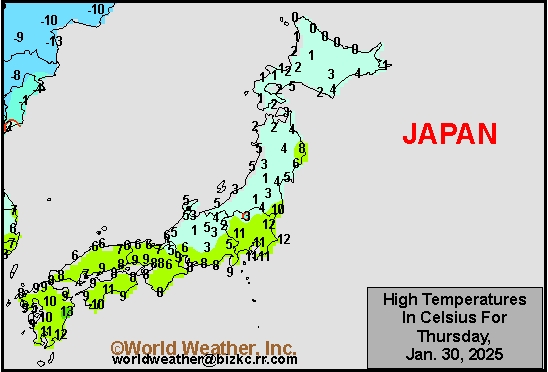
This content is for members only
High Temperature
This content is for members only
China Rainfall
This content is for members only
Low Temperature
This content is for members only
High Temperature
This content is for members only
Austrailia Rainfall
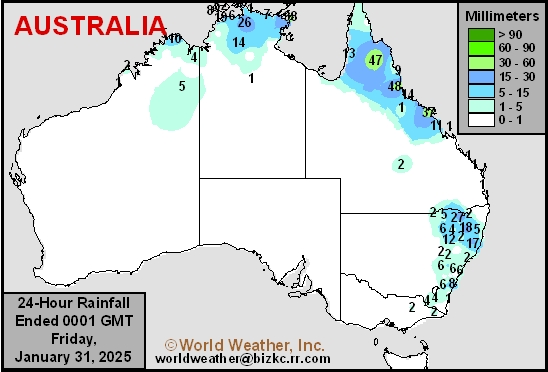
This content is for members only
Eastern Australia Summer Crops Stressed By Heat, Dryness
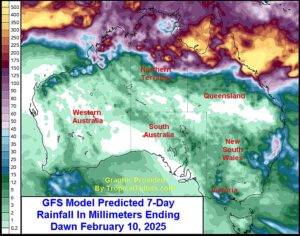
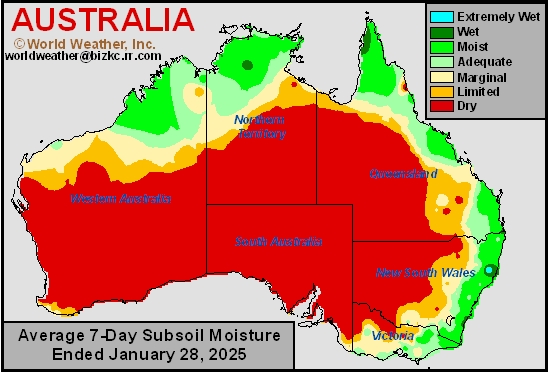
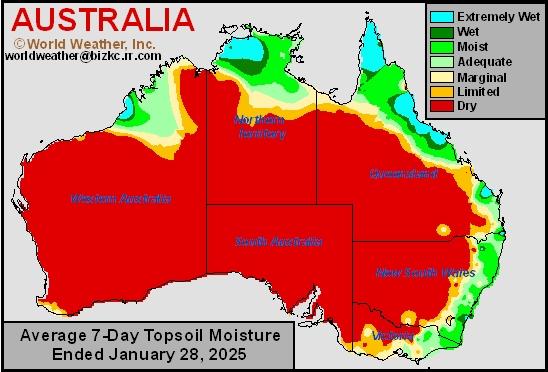
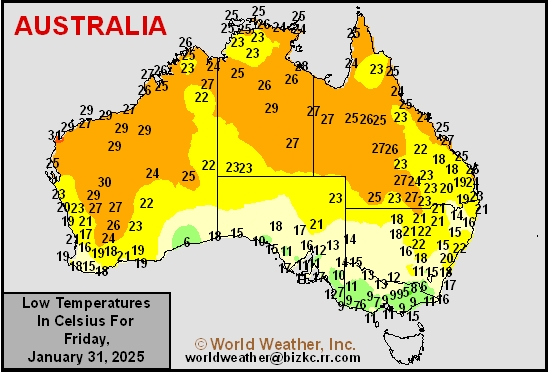
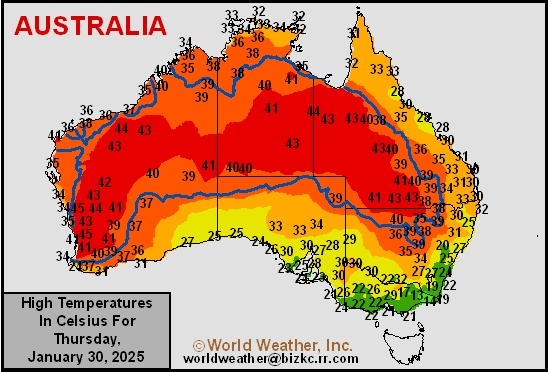
Kansas City, January 30 (World Weather Inc.) – Hot and dry weather severely depleted soil moisture across Australia during the past week. The harsh conditions likely slowed development of summer grain, oilseeds, cotton, and other crop production in eastern Australia. All crops and livestock have been stressed and unirrigated crops will continue stressed until significant rain and cooler weather evolves. Dryland crops have been most seriously impacted and may experience a notable decline in yield potential without change soon. Irrigated summer crops have only been subjected to excessive heat for a few days at a time and are likely dealing with the situation far better than other crops. Another week of similar conditions is slated for most agricultural areas.
Eastern South Africa To See Rain Return In Coming Days
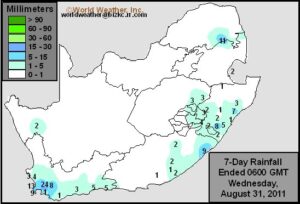
Kansas City, January 30 (World Weather Inc.) – A period of drier than usual weather was noted for much of South Africa earlier this month. Net drying was noted in a large section of crop country, though most locations still had enough moisture to support new growth. The only areas that were too dry for ideal crop conditions were in unirrigated western sections of Free State and North West as well as eastern portions of Northern Cape. Production potentials remain generally good for South Africa as a whole despite recent dryness, although unirrigated areas in the west continue to suffer from poor rainfall and low soil moisture. Eastern South Africa will see frequent rainfall return during the coming week. The rain will restore soil moisture and maintain a good outlook for the crops. Free State and North West will remain drier than normal and will continue too dry down.