
Brazil Safrinha Corn Prospects Improve; More Rain Needed
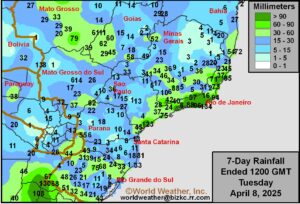
Kansas City, April 8 (World Weather Inc.) – Rain scattered across a large part of Brazil’s summer crop areas during the past week, although the precipitation was not evenly distributed. Some areas failed to get enough moisture for a serious lift in topsoil moisture which is needed to support the 20-25% of late planted Safrinha corn through reproduction. The past week’s weather was ideally mixed for near term crop development, but greater rain is needed so that the soil is saturated on the last day of the monsoon. Any shortage of moisture present when the monsoon ends could raise some concern over the late planted Safrinha corn yields. In the meantime, harvesting of soybeans, first-season corn, and other crops will continue around the periods of rain.
Weekly Citrus Weather For Tuesday, April 8, 2025
Kansas City, April 8 (World Weather Inc.) – Drought or abnormally dry conditions persist in Florida’s citrus country. The region will only have a few opportunities for light rain during the coming week that will be unable to significantly improve the moisture profile. Irrigation will continue to be used on a daily basis. Brazil’s citrus areas saw a mix of spotty rain and sunshine during the past week. Periods of erratic rainfall will continue in the coming days and will maintain relatively good citrus conditions. Mexico’s citrus areas received little to no rain during the past week. Mostly dry weather will persist through early next week and the need for more significant rain will increase.
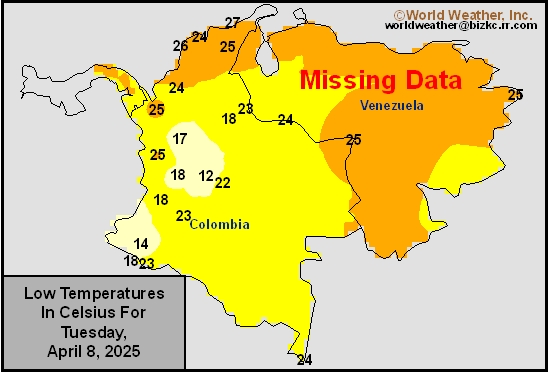
Venezuela/Colombia Min Temps
This content is for members only
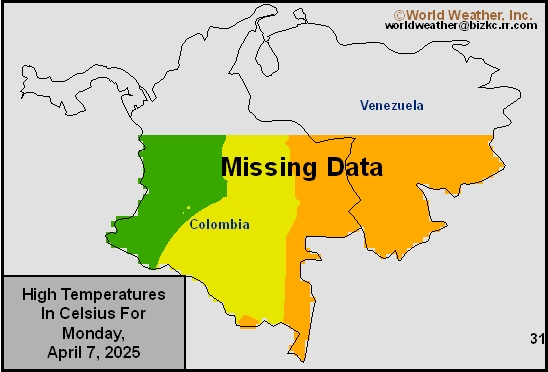
Venezuela/Colombia Max Temps
This content is for members only
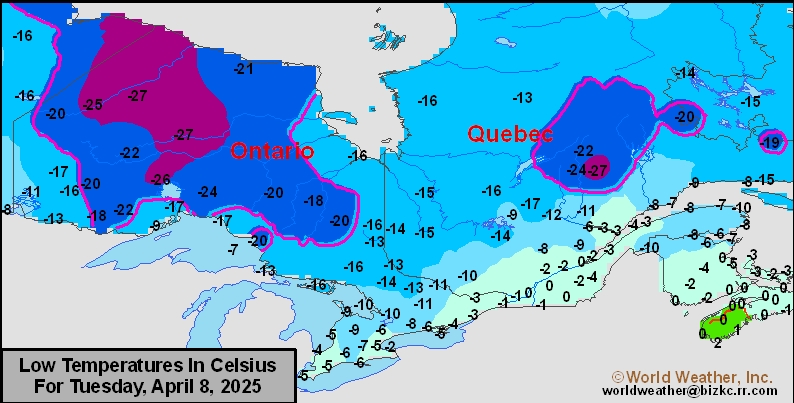
SE Canada Min
This content is for members only
SE Canada Max
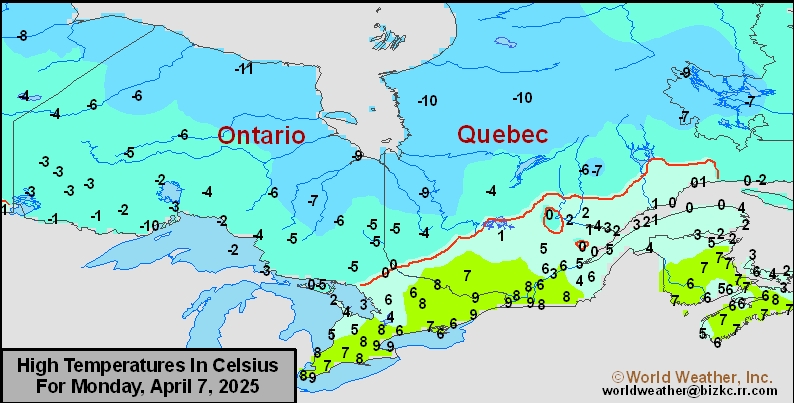
This content is for members only
SE Canada Rainfall
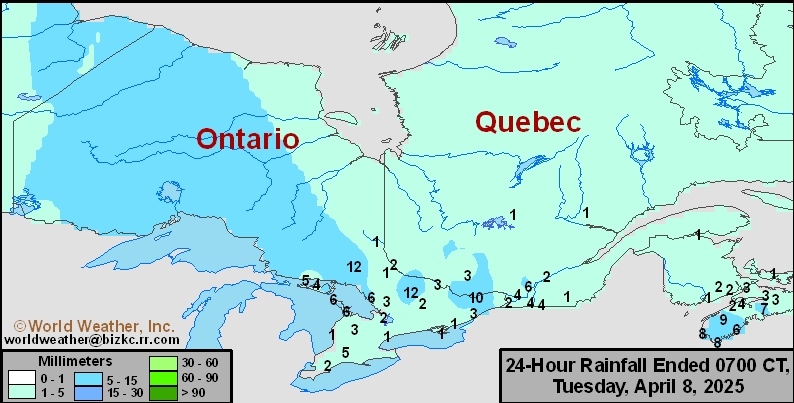
This content is for members only
Prairies Rainfall

This content is for members only
Prairies Max Temperature

This content is for members only
Prairies Min Temperature

This content is for members only
Canada Rainfall

This content is for members only
Venezuela Rainfall
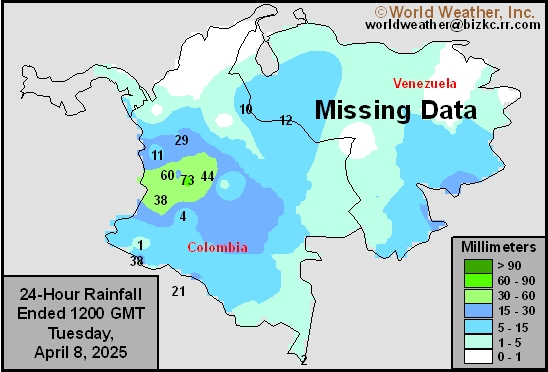
This content is for members only
Mexico Min Temperature
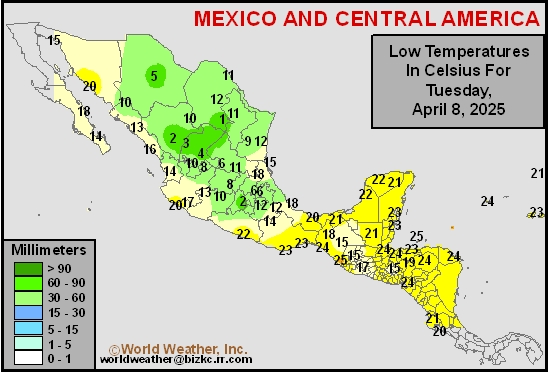
This content is for members only
Mexico Max Temperature
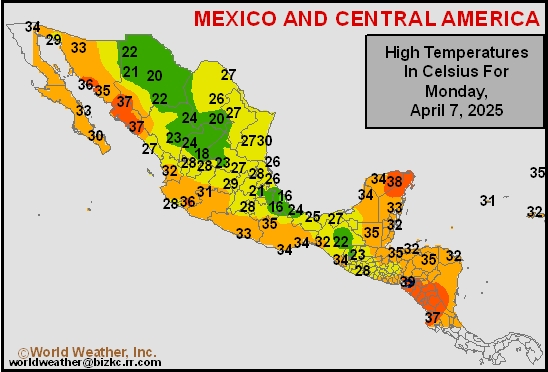
This content is for members only
Mexico Rainfall
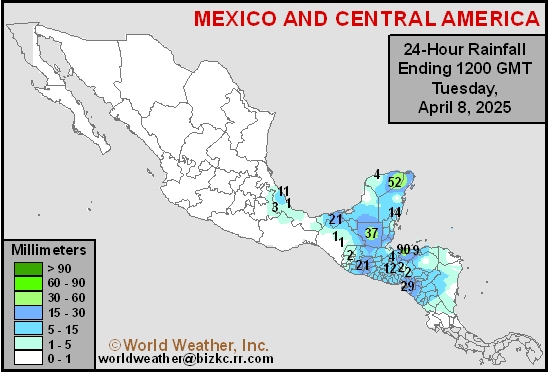
This content is for members only
Argentina Min Temperature
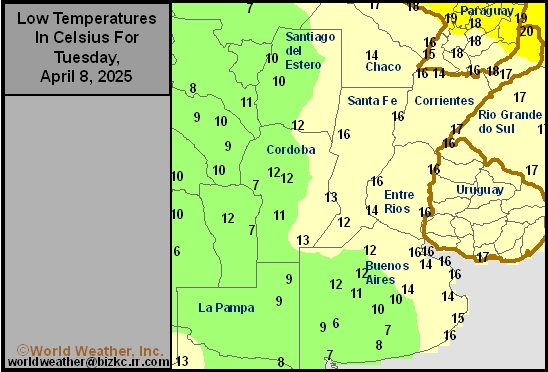
This content is for members only
Argentina Max Temperature
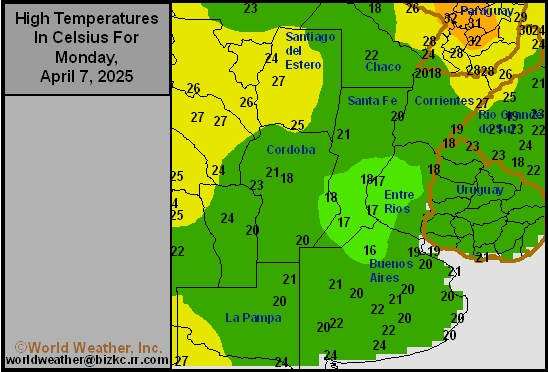
This content is for members only
Argentina Rainfall
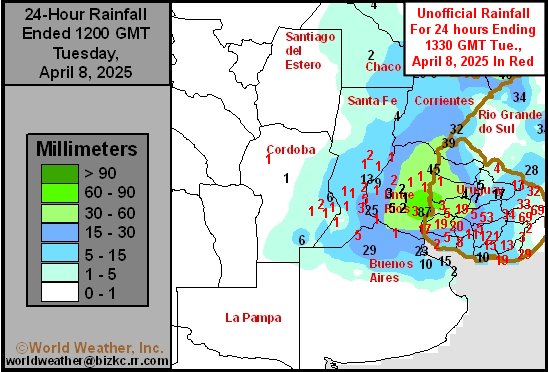
This content is for members only
Brazil Min Temperature
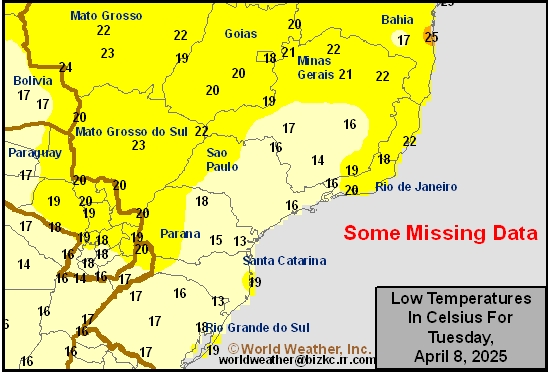
This content is for members only
Brazil Max Temperature
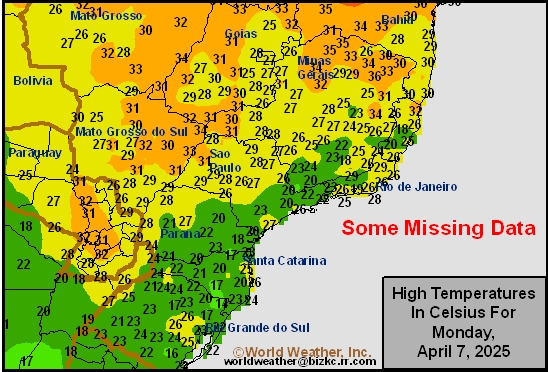
This content is for members only
Brazil Rainfall
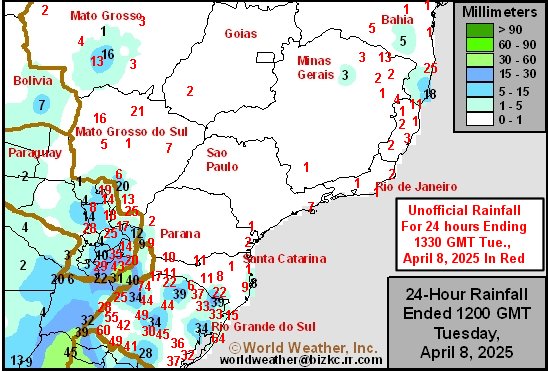
This content is for members only
Philippines Min
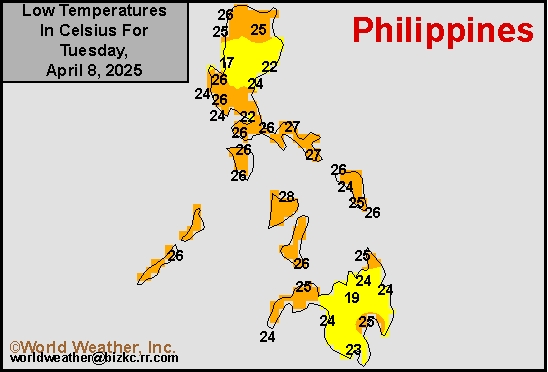
This content is for members only
Philippines Max
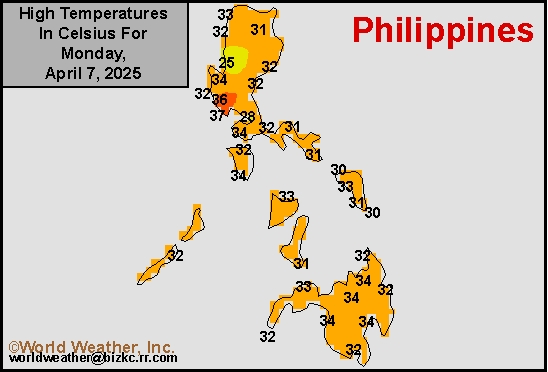
This content is for members only
Philippines Rain
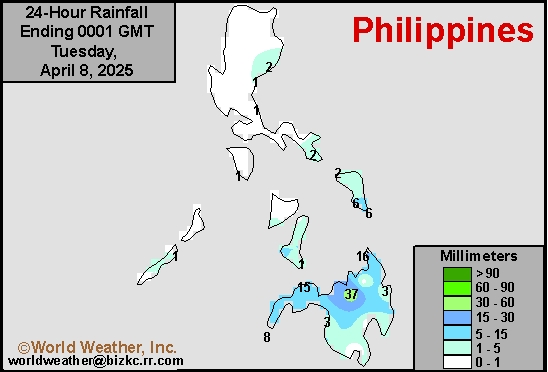
This content is for members only
Southeast North Rain
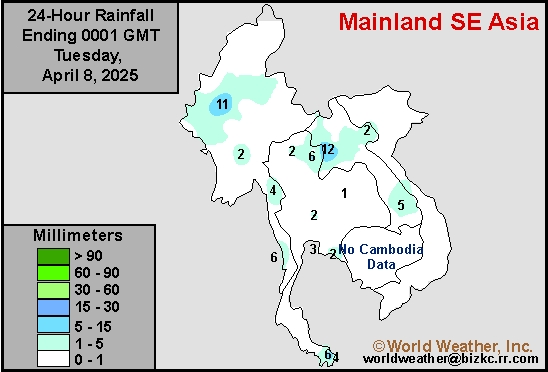
This content is for members only
Southeast North Min
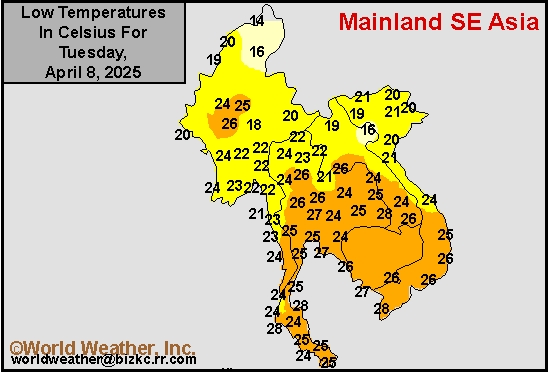
This content is for members only
Southeast North Max
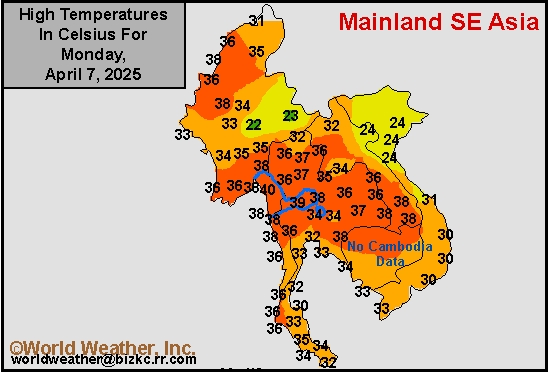
This content is for members only
Southeast Min
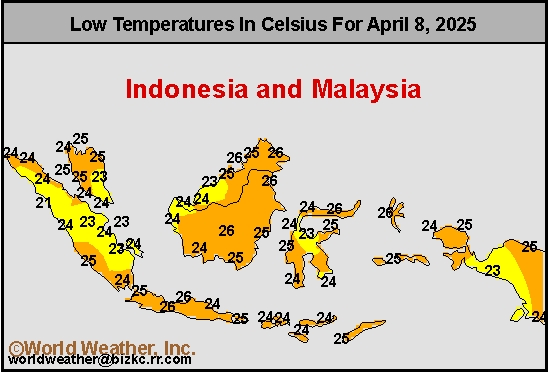
This content is for members only
Southeast Max
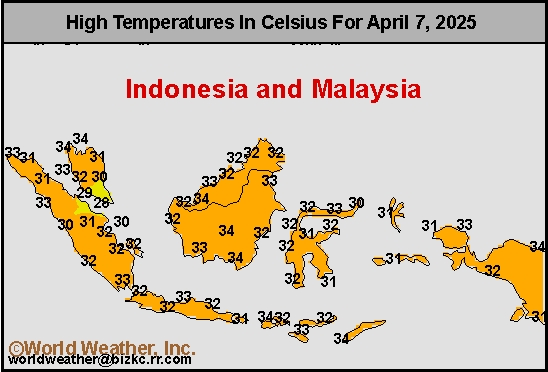
This content is for members only
Southeast Rain
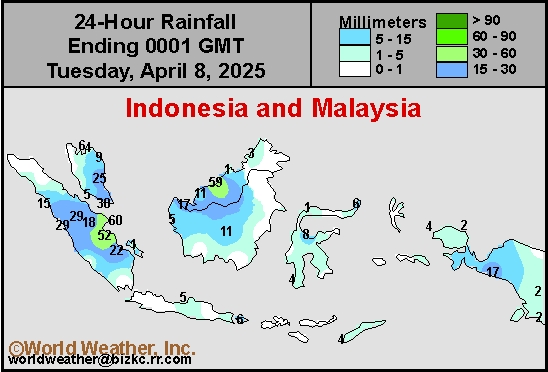
This content is for members only
West Africa Rain
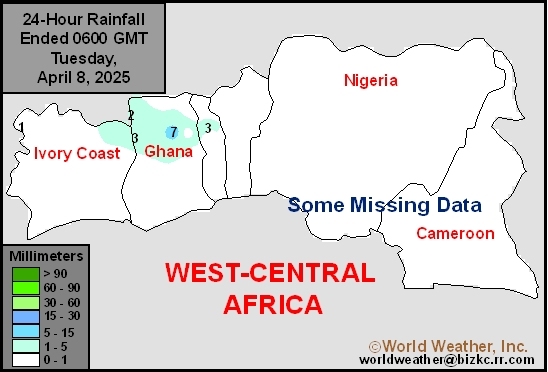
This content is for members only
Max Temperature
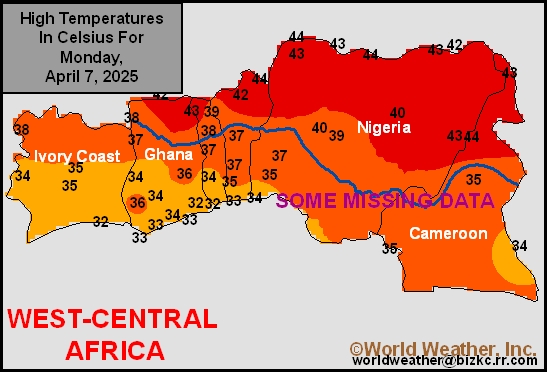
This content is for members only
Min Temperature
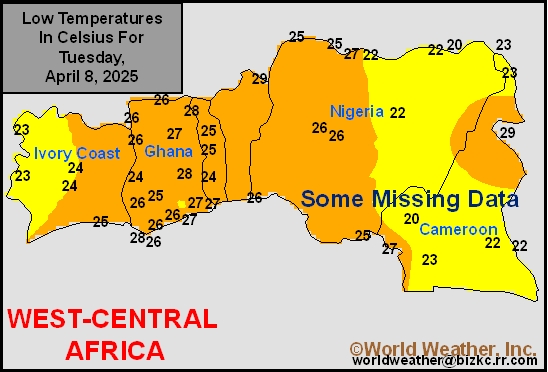
This content is for members only
North Africa Rain
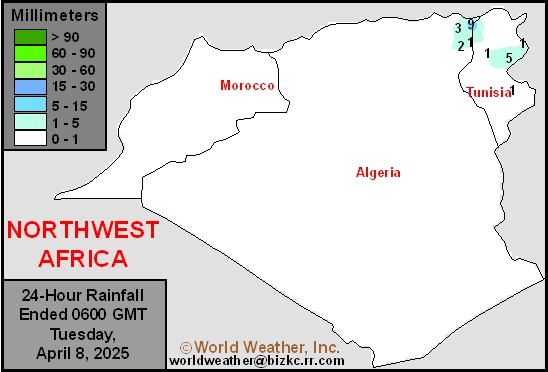
This content is for members only
Max Temperature
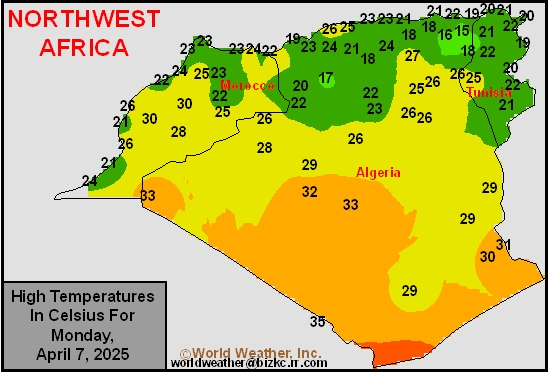
This content is for members only
Min Temperature
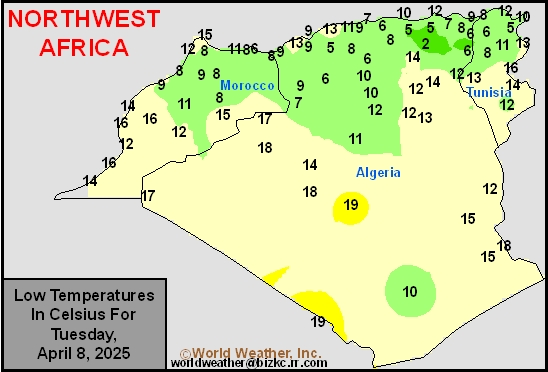
This content is for members only
Min Temperature
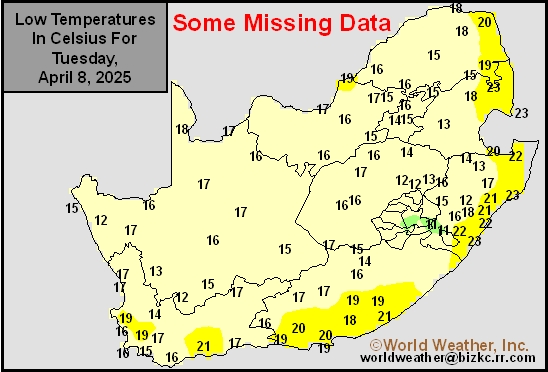
This content is for members only
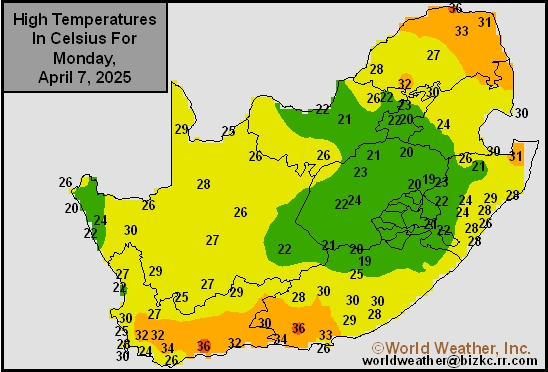
Max Temperature
This content is for members only
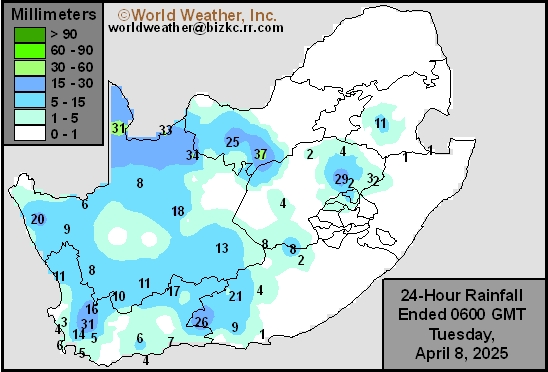
South Africa Rain
This content is for members only
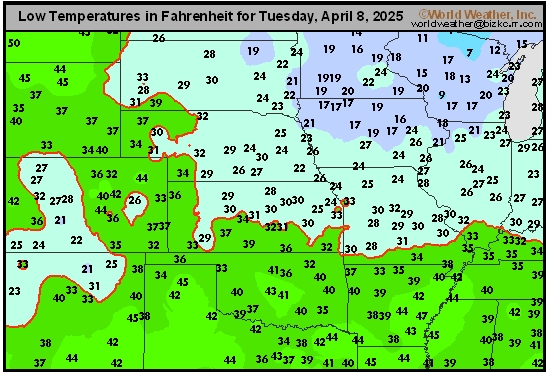
Hard Red Wheat Tmin
This content is for members only
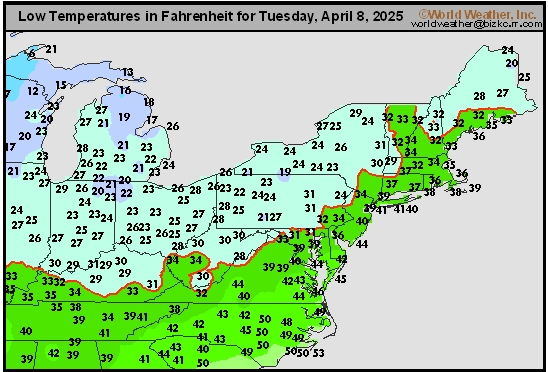
Northeast Tmin
This content is for members only
Southwest Tmin
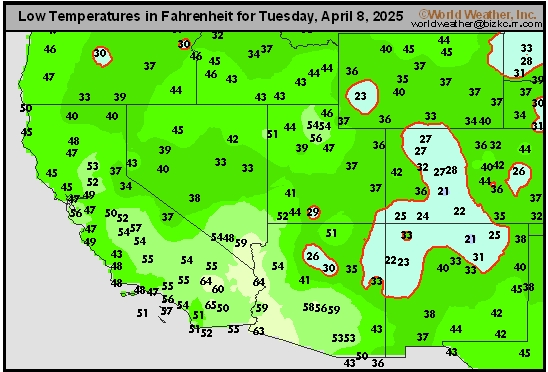
This content is for members only
Northwest Tmin
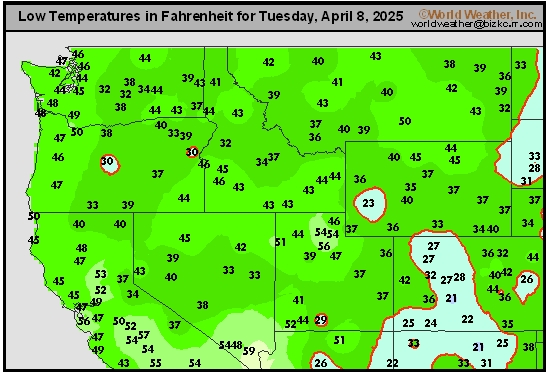
This content is for members only
South Plains Tmin
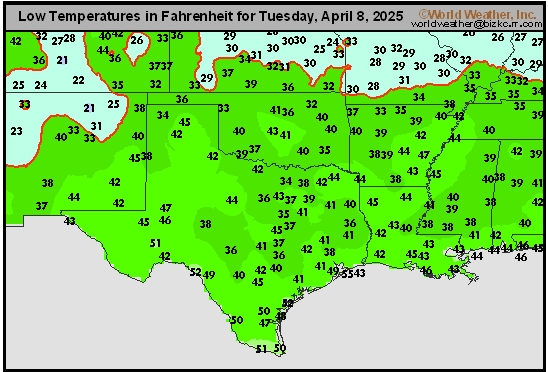
This content is for members only
Delta/SE U.S. Tmin
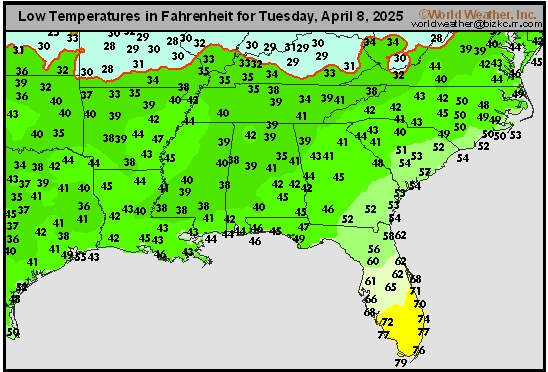
This content is for members only
Corn Belt Tmin
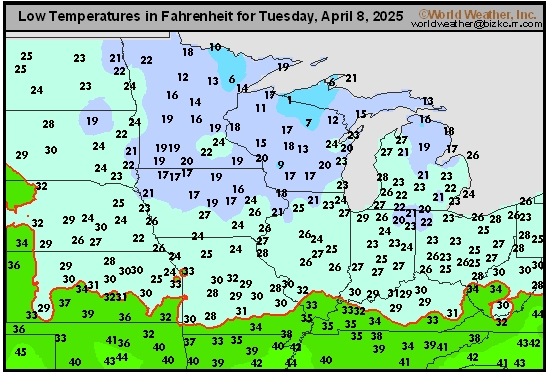
This content is for members only
US Min

This content is for members only
North Plains Tmin
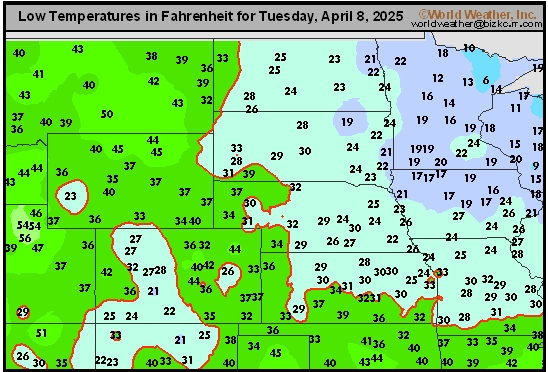
This content is for members only
Hard Red Wheat Tmax
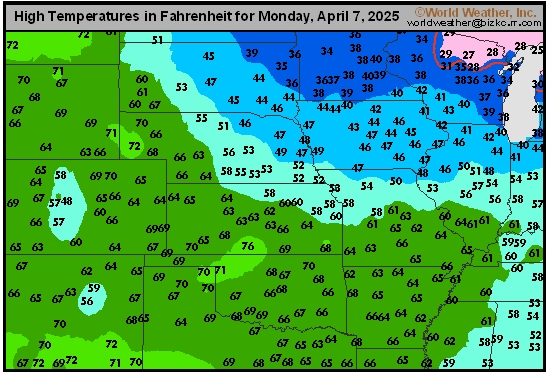
This content is for members only
Northeast Tmax
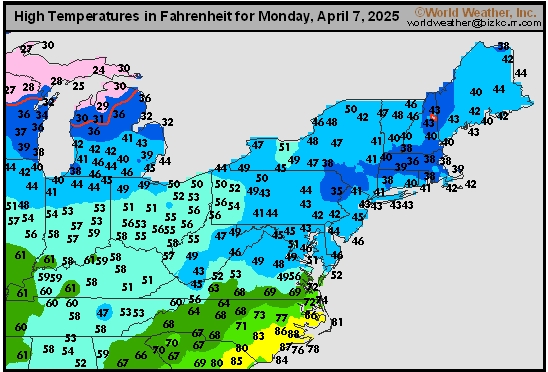
This content is for members only
Southwest Tmax
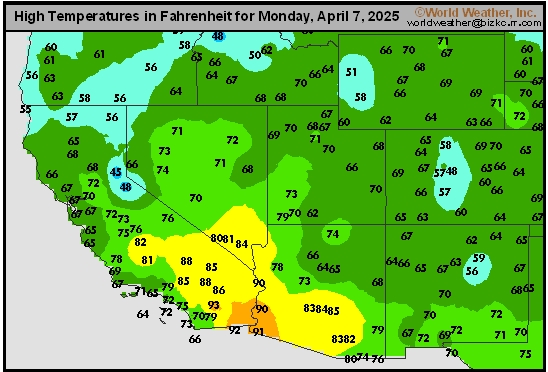
This content is for members only
Northwest Tmax
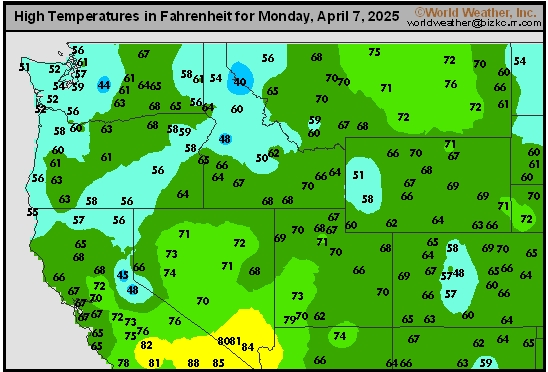
This content is for members only
South Plains Tmax
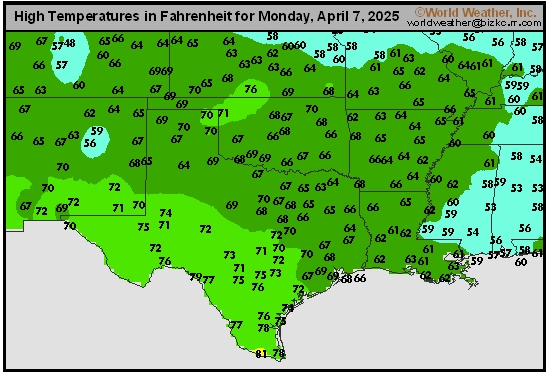
This content is for members only
Delta/SE U.S. Tmax
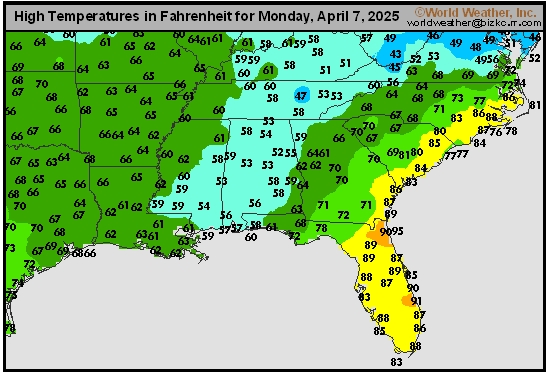
This content is for members only
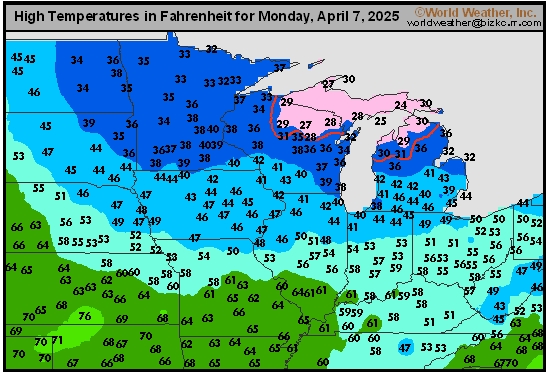
Corn Belt Tmax
This content is for members only
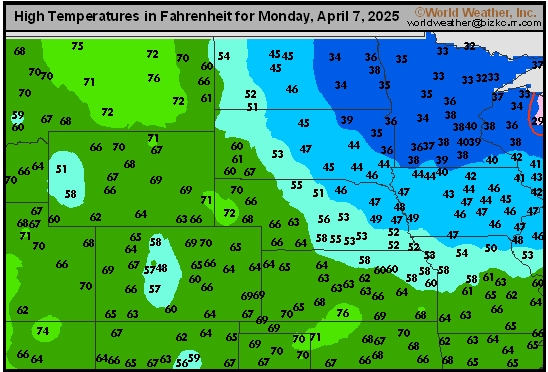
North Plains Tmax
This content is for members only
US Max

This content is for members only
US Rain

This content is for members only
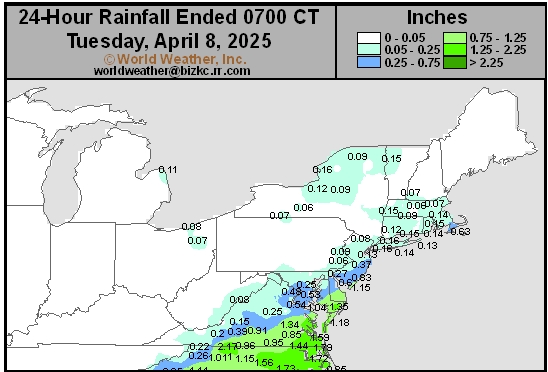
Northeast Daily Rain
This content is for members only
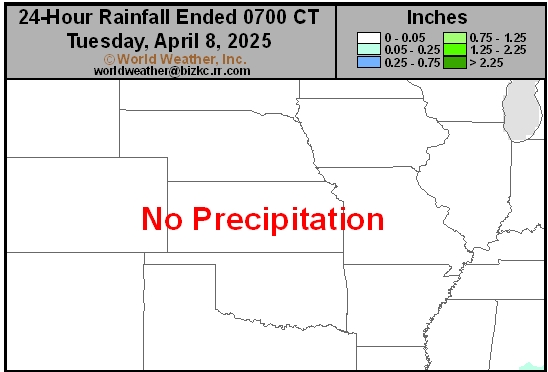
Hard Red Wheat Daily Rain
This content is for members only
Southwest Daily Rain
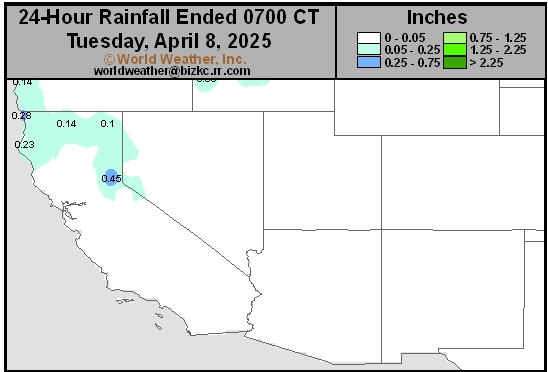
This content is for members only
Northwest Daily Rain
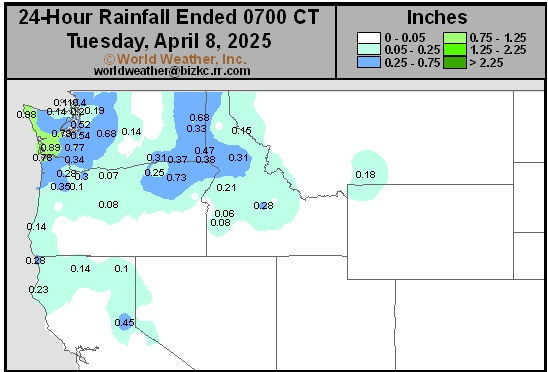
This content is for members only
South Plains Daily Rain
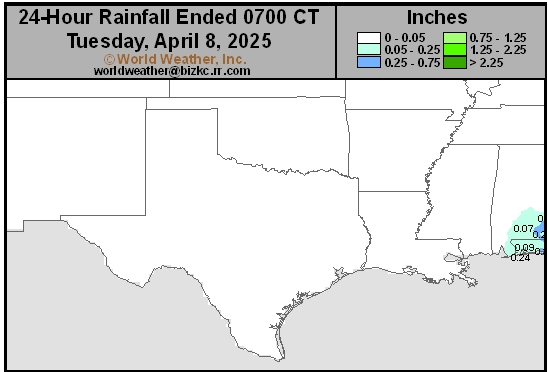
This content is for members only
Delta/SE U.S. Daily Rain
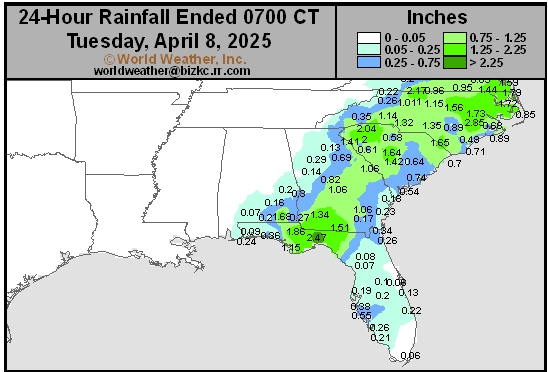
This content is for members only
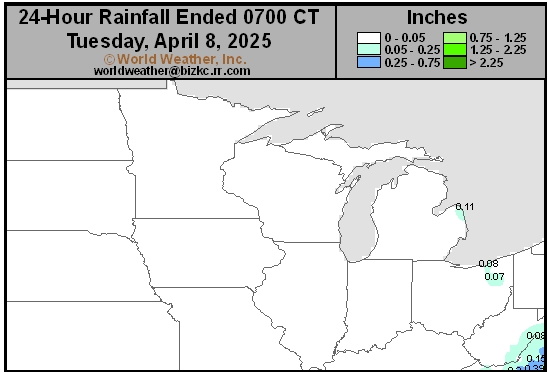
Corn Belt Daily Rain
This content is for members only
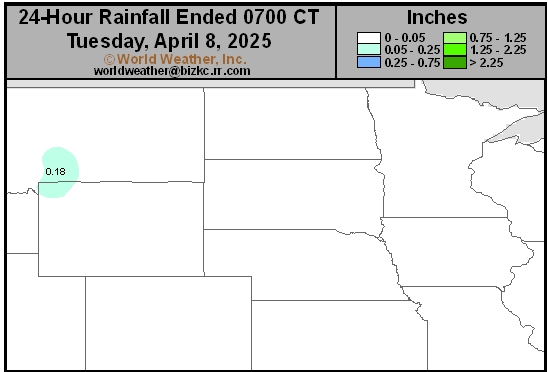
North Plains Daily Rain
This content is for members only
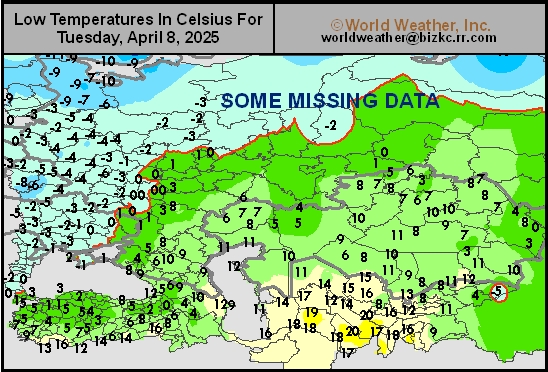
Low Temperature
This content is for members only
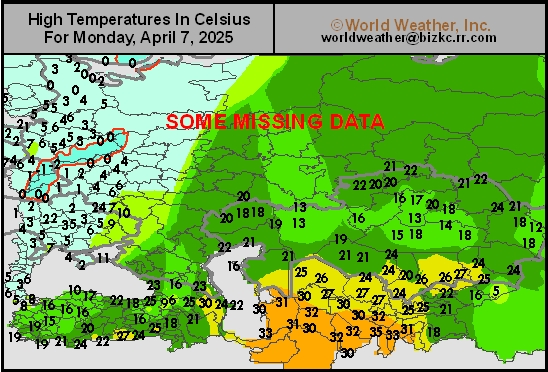
High Temperature
This content is for members only
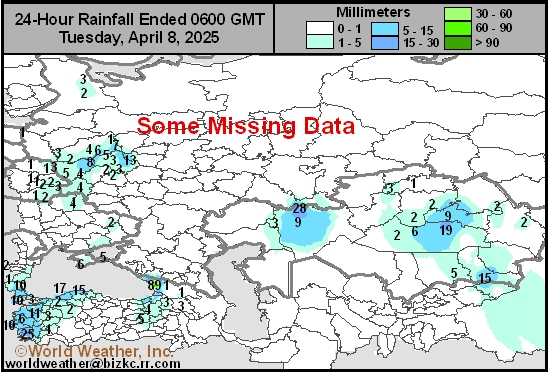
CIS Rainfall
This content is for members only
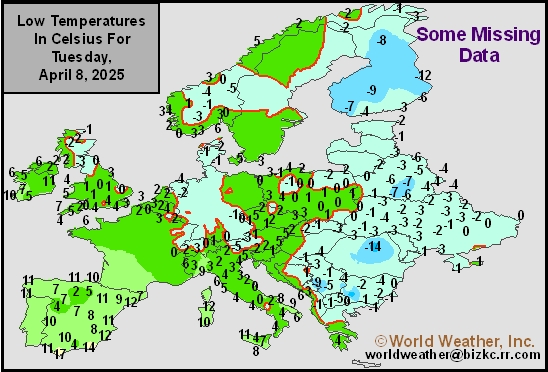
Low Temperature
This content is for members only
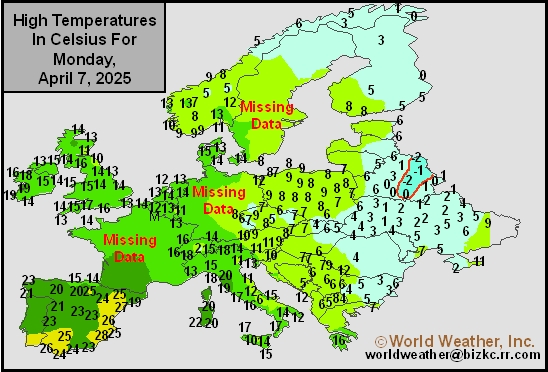
High Temperature
This content is for members only
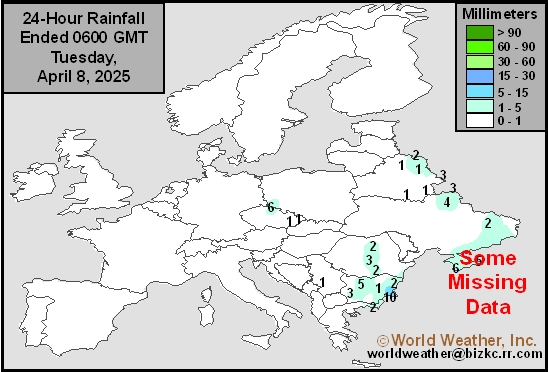
Europe Rainfall
This content is for members only
Low Temperature
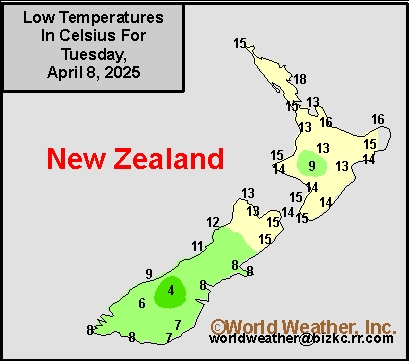
This content is for members only
High Temperature
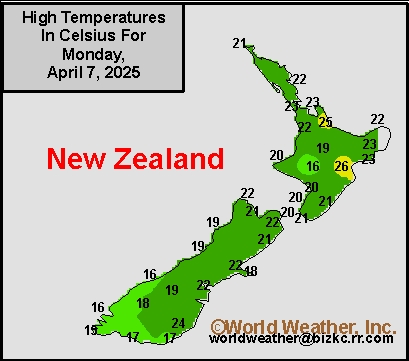
This content is for members only
New Zealand Rainfall
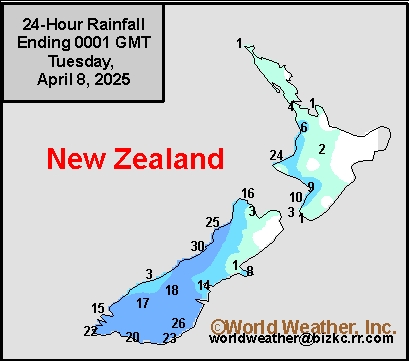
This content is for members only
Low Temperature
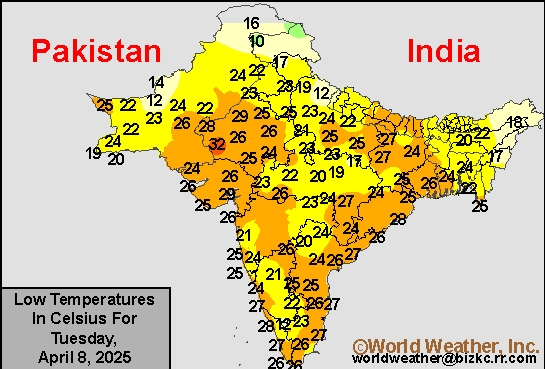
This content is for members only
High Temperature
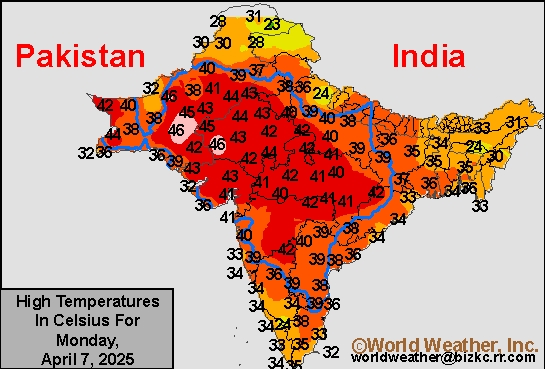
This content is for members only
India Rainfall
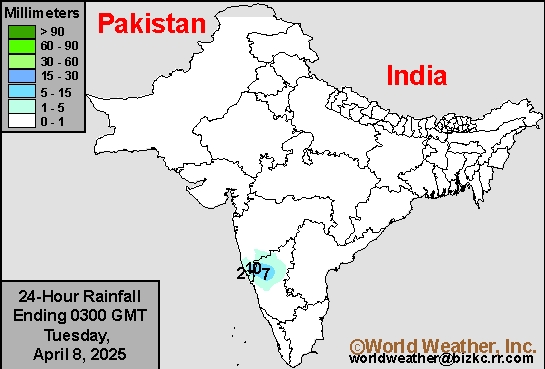
This content is for members only
Low Temperature
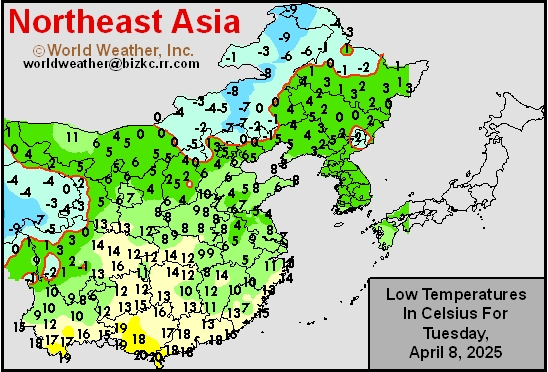
This content is for members only
Japan Rainfall
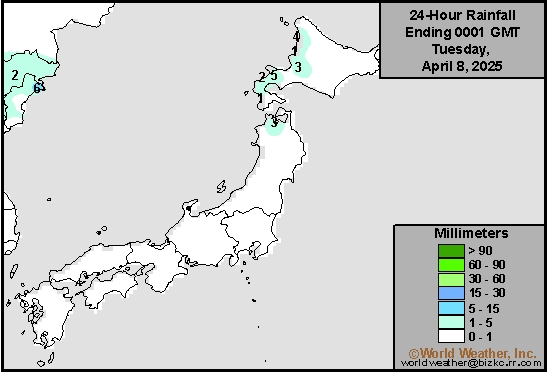
This content is for members only
Low Temperature
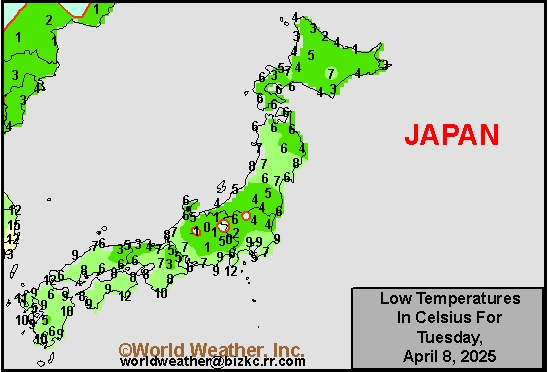
This content is for members only
High Temperature
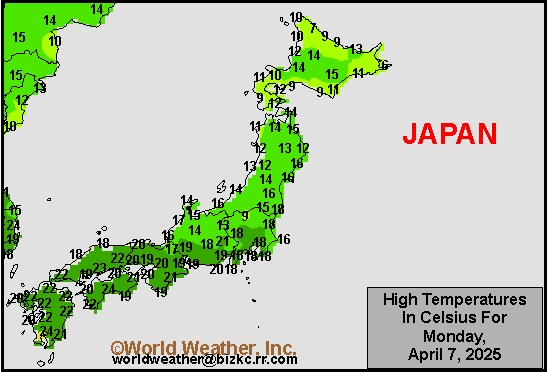
This content is for members only
High Temperature
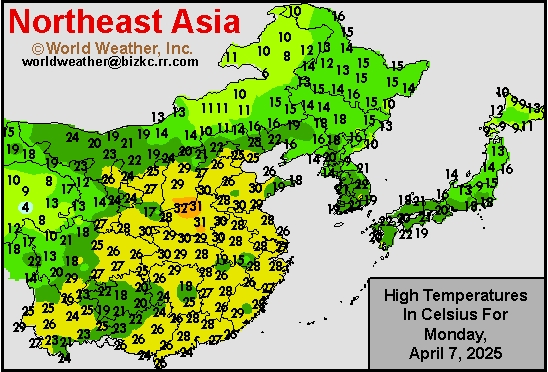
This content is for members only
China Rainfall
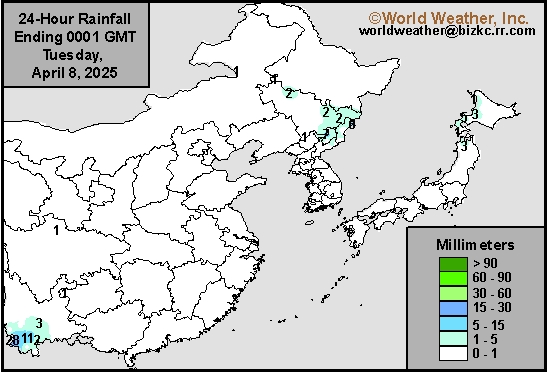
This content is for members only
Low Temperature
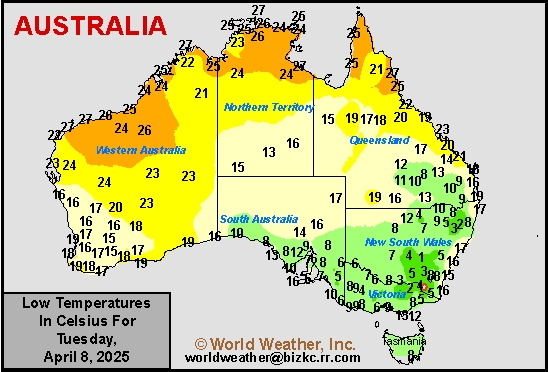
This content is for members only
High Temperature
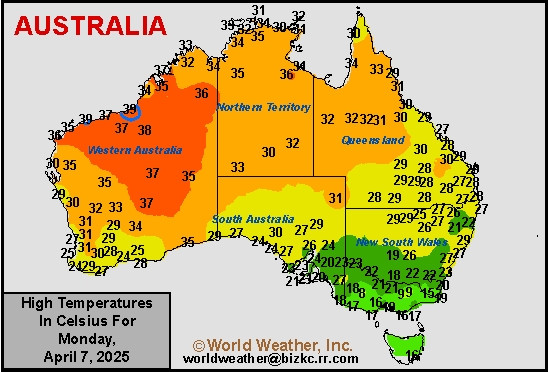
This content is for members only
Soil Temperature

This content is for members only
Soil Temperature
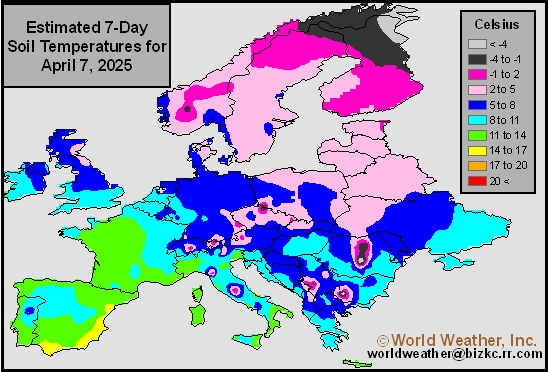
This content is for members only
Soil Temperature
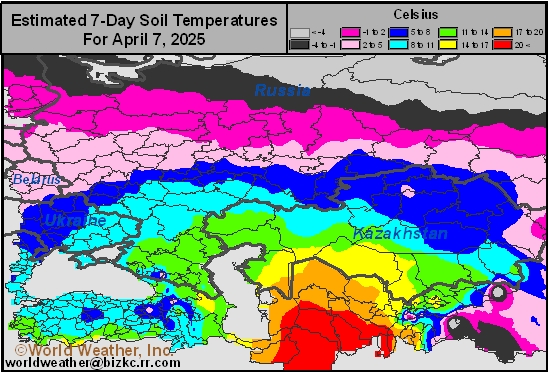
This content is for members only
Soil Temperature
This content is for members only
Soil Temperature

This content is for members only
Russia, Ukraine Precipitation Beneficial For Winter Crops
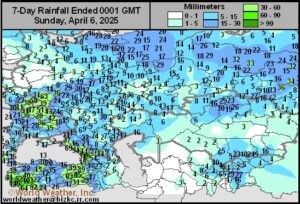
Kansas City, April 7 (World Weather Inc.) – After establishing poorly last autumn, winter grains and oilseeds in Russia, Ukraine, and neighboring locations are still in need of precipitation. Timely precipitation in recent weeks has already increased soil moisture, though much more would be welcome to support ideal crop prospects. Waves of rain and snow are slated for the main production areas this week that will further increase the moisture profile. The outlook for winter crops will continue to improve. However, periods of cooler weather will limit aggressive growth in the short-term. Early-season planting prospects for summer grains and oilseeds will also remain relatively favorable due to the additional precipitation, although more rain is needed.
U.S. Hard Red Winter Wheat Sees Hard Freezes
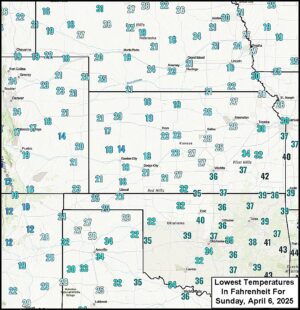
Kansas City, April 6 (World Weather Inc.) – Hard freezes occurred this morning in U.S. hard red winter wheat production areas. The cold burned new vegetative growth after recent bouts of unusually warm temperatures. The impact of the cold was likely limited since winter crops were not far enough advanced to be permanently damaged. Wheat has suffered from wild temperature swings since the middle of winter, blowing dust and drought. The lack of generalized precipitation this spring may be making it difficult for crops to recover from previous damage. A mild to cool temperature regime and periods of rain are necessary for crops to recover from damage this year and the forecast is not promoting such conditions.
Lower U.S. Midwest, Upper Delta Flooding Worsening
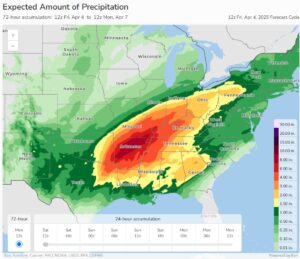
Kansas City, April 4 (World Weather Inc.) – Excessive rain has already fallen across the lower U.S. Midwest and northern Delta in the past two days and the precipitation event will continue into Sunday resulting in serious property and some crop damage. The worst impacted areas will be from the heart of Arkansas through southeastern Missouri and western Tennessee to Kentucky where there has already been 2.50 to 8.34 inches of rain between dawn Wednesday and noon today (Friday). Another 2.00 to 6.00 inches of rain is expected with a few amounts to 8.00 inches by Sunday bring some of the rain totals to the range of 5.00 to 12.00 inches and a few amounts near or above 14.00 inches. Any crops that were planted early will likely have to be replanted and delays in future fieldwork are expected to last at least two weeks and perhaps notably longer if new rain falls. Flooding will eventually reach the Ohio, lower Tennessee and lower Mississippi Rivers causing barge traffic to be disrupted and creating some additional farmland to be impacted near the rivers.
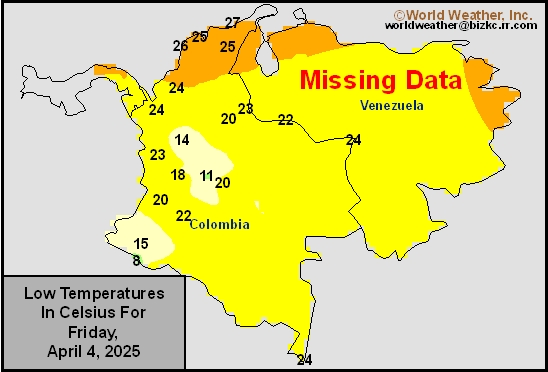
Venezuela/Colombia Min Temps
This content is for members only
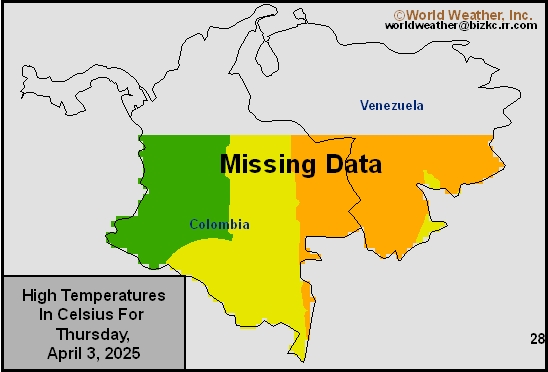
Venezuela/Colombia Max Temps
This content is for members only
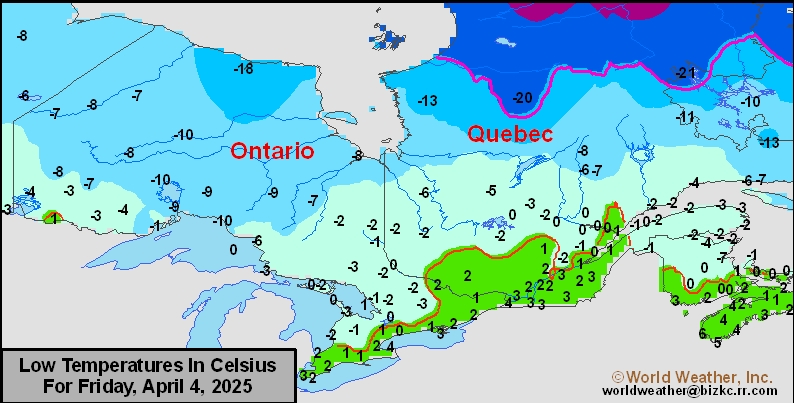
SE Canada Min
This content is for members only
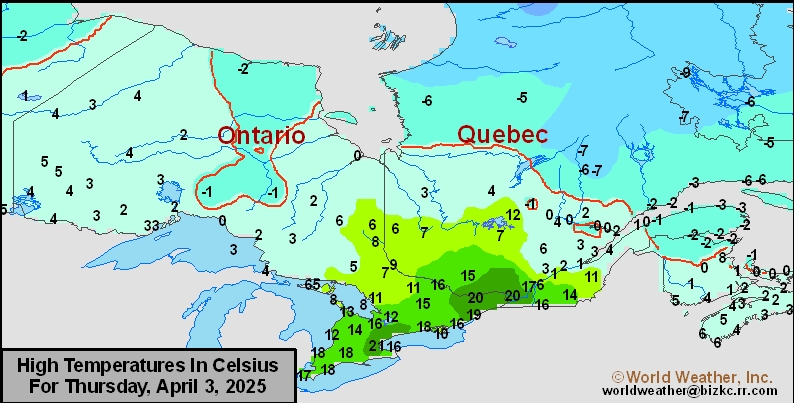
SE Canada Max
This content is for members only
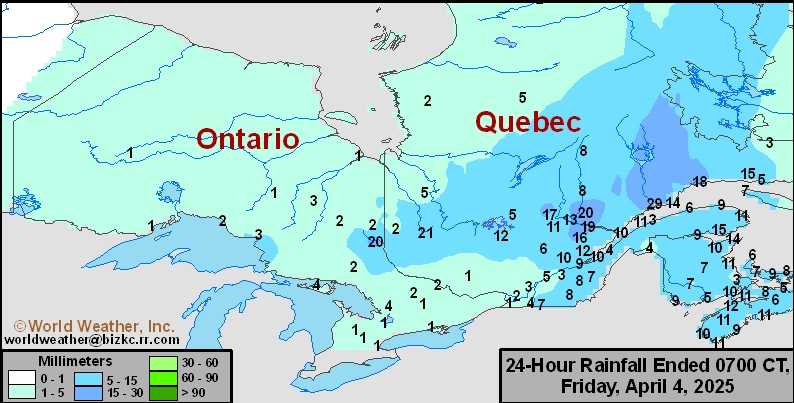
SE Canada Rainfall
This content is for members only
Prairies Rainfall

This content is for members only