
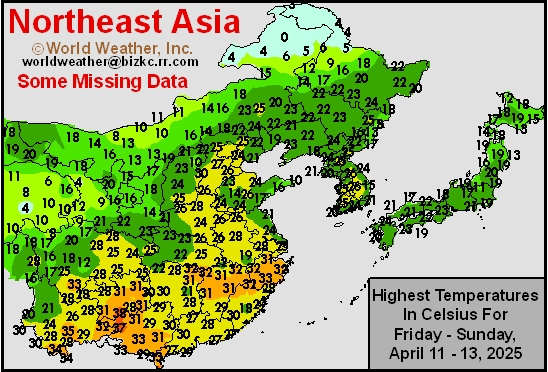
High Temperature
This content is for members only
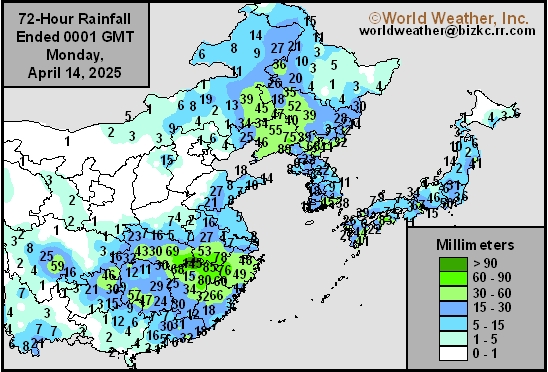
China Rainfall
This content is for members only
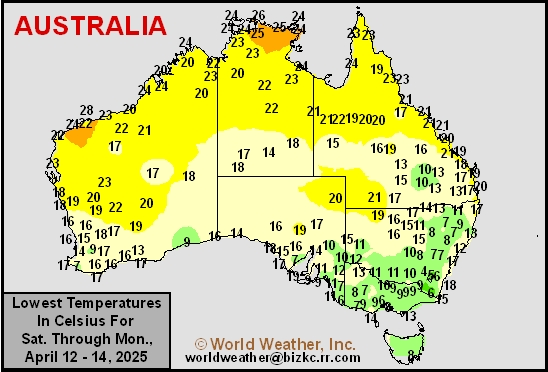
Low Temperature
This content is for members only
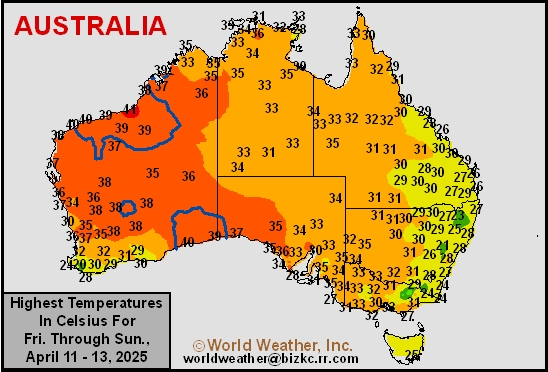
High Temperature
This content is for members only
Austrailia Rainfall
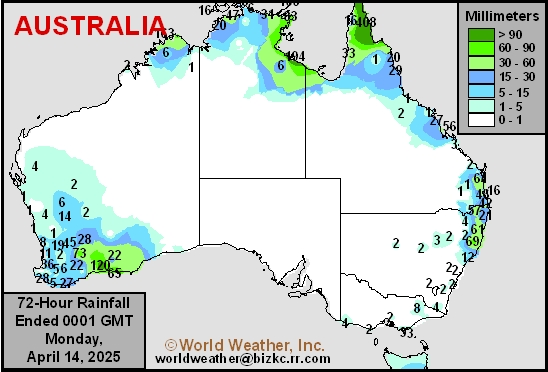
This content is for members only
Soil Temperature

This content is for members only
Soil Temperature
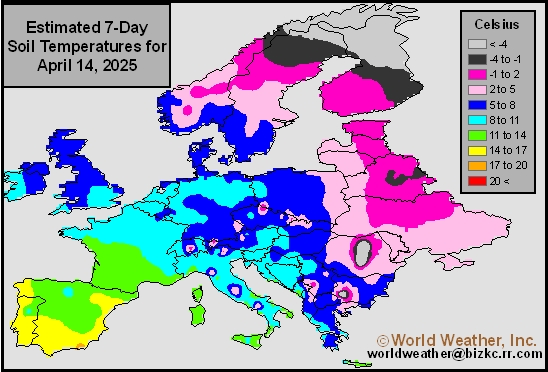
This content is for members only
Soil Temperature
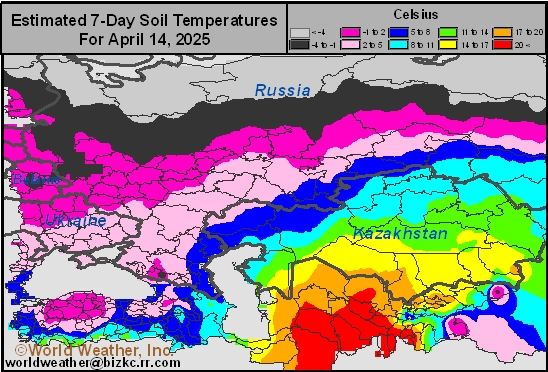
This content is for members only
Soil Temperature
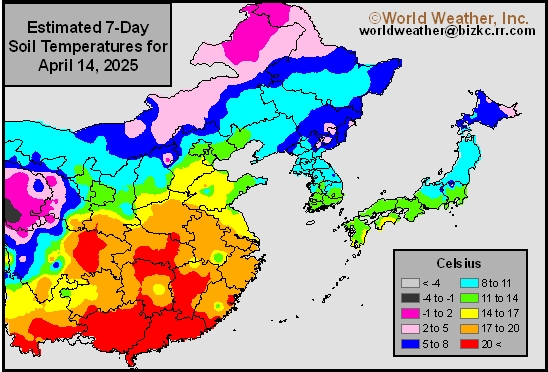
This content is for members only
Soil Temperature

This content is for members only
Percent of Normal
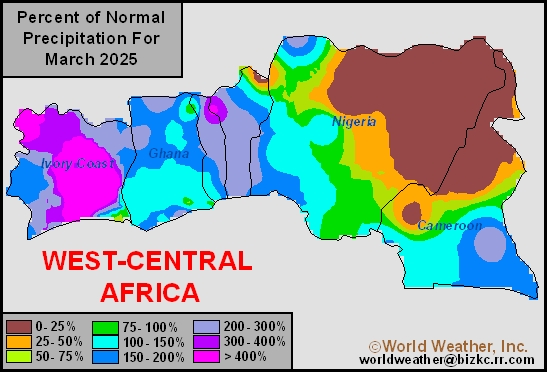
This content is for members only
Percent of Normal

This content is for members only
Percent of Normal
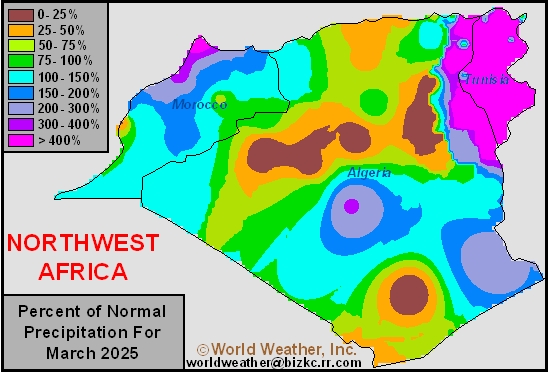
This content is for members only
Percent of Normal
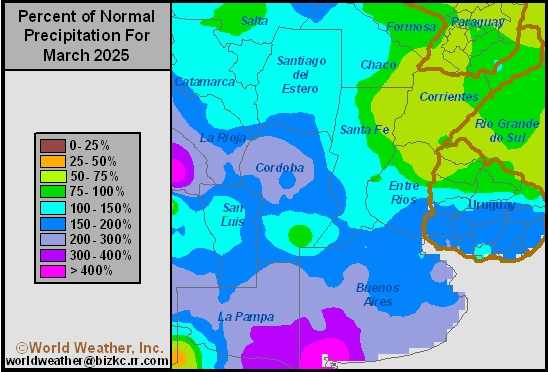
This content is for members only
Percent of Normal
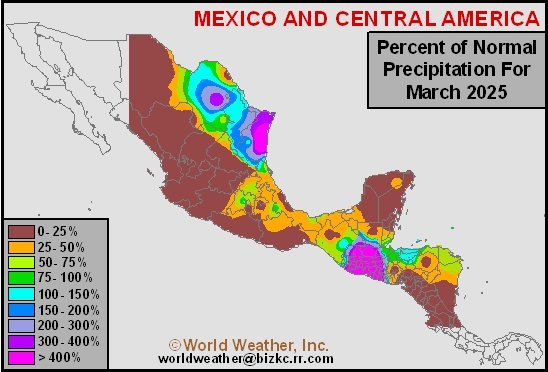
This content is for members only
Percent of Normal
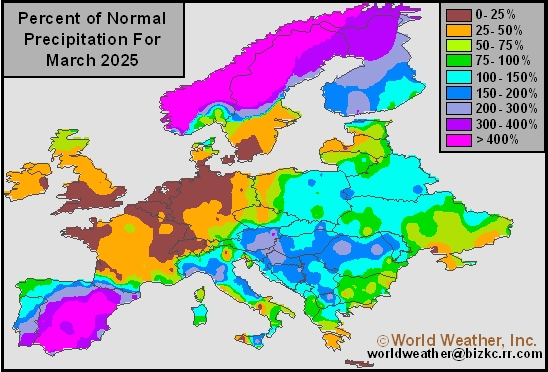
This content is for members only
Percent of Normal
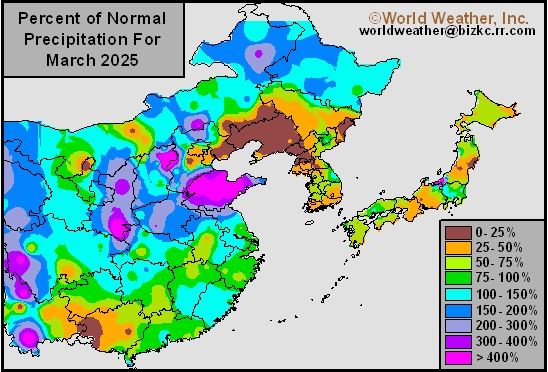
This content is for members only
Percent of Normal

This content is for members only
Percent of Normal

This content is for members only
Percent of Normal
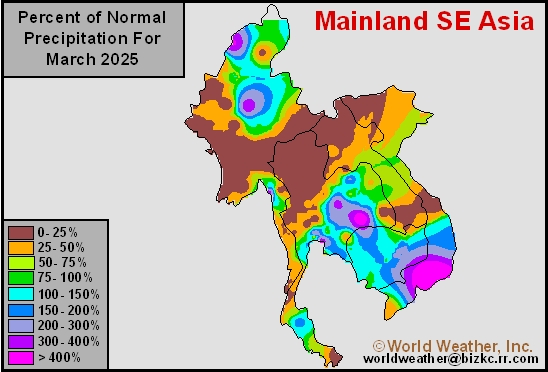
This content is for members only
Percent of Normal
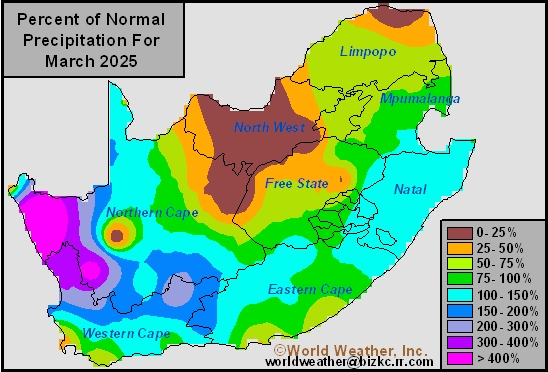
This content is for members only
Percent of Normal
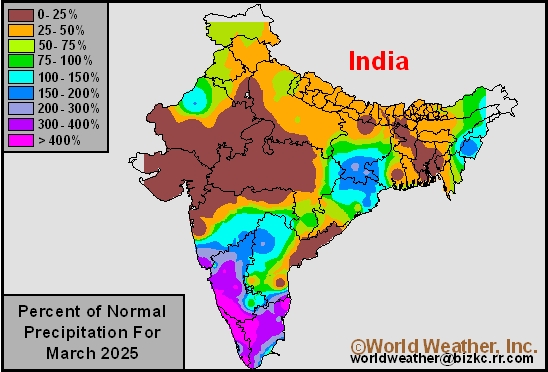
This content is for members only
Percent of Normal
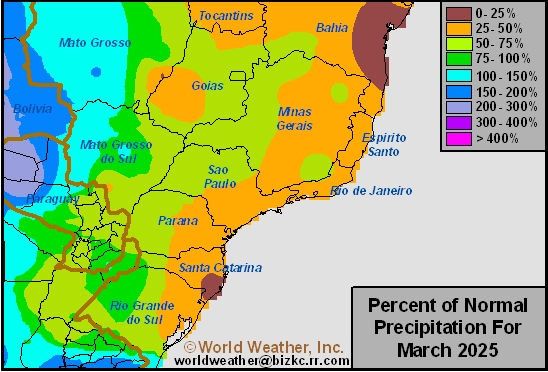
This content is for members only
Percent of Normal
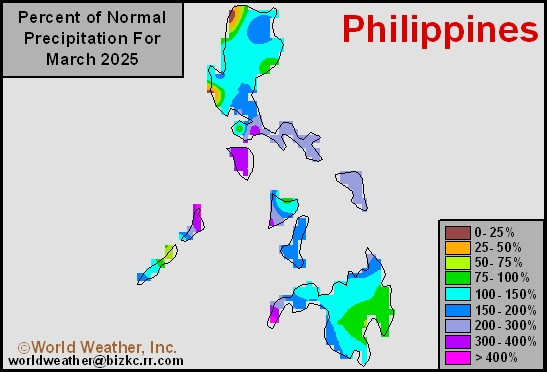
This content is for members only
Percent of Normal
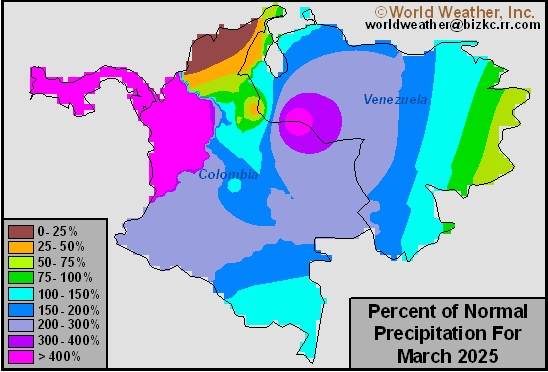
This content is for members only
Percent of Normal
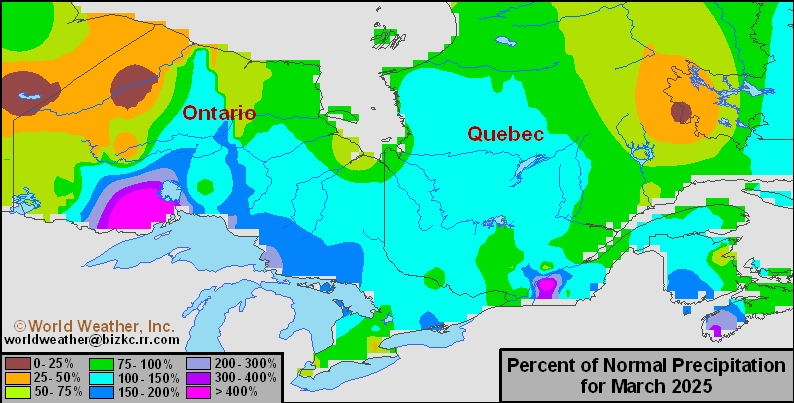
This content is for members only
Percent of Normal
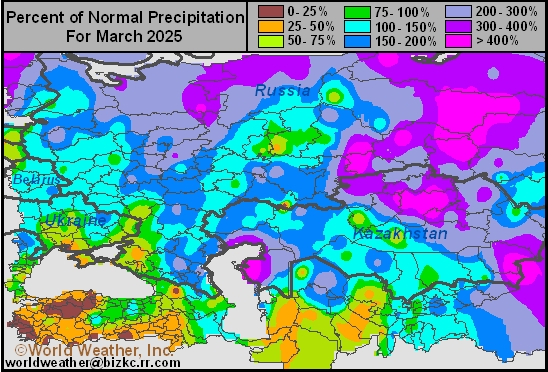
This content is for members only
Percent of Normal

This content is for members only
Percent of Normal
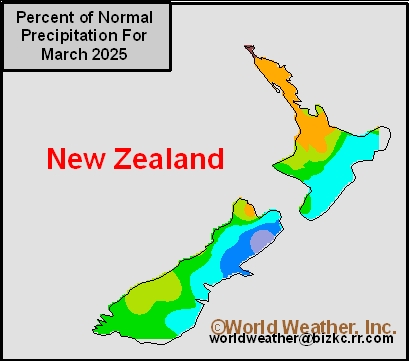
This content is for members only
Percent of Normal
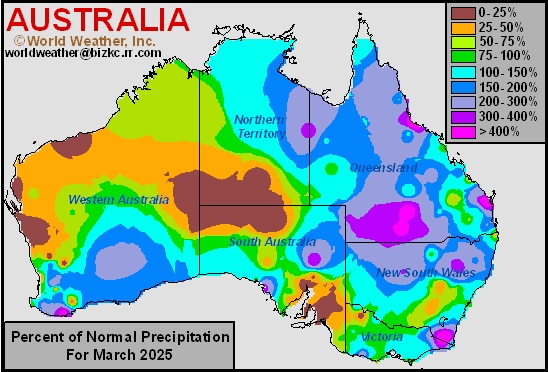
This content is for members only
Mexico Drought Unlikely To Break Before Mid-May
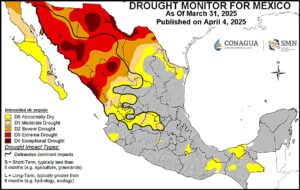
Kansas City, April 11 (World Weather Inc.) – Precipitation for Mexico was largely lower than usual during the past month. Drought prevailed in the northwestern, west-central, and north-central parts of the country due to the lack of rain. Abnormally dry pockets have also started popping up and expanding in several other locations in central and southern Mexico. The lack of abundant precipitation has been favorable for maturing winter crops; however, production has been cut from many areas because of poor winter rainfall for dryland areas and poor water supply replenishment since drought began a year ago. Early season summer crop planting may be off to a slow start in southern production areas due to delayed seasonal rains. Weather patterns in North America are stagnating and unlikely to change for Mexico until the monsoon kicks in during May. Northern Mexico’s best rainfall will not likely arrive until June.
U.S. Midwest, Plains Late Spring Weather To Look Like 1968
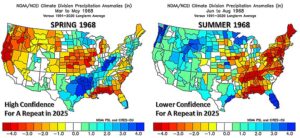
Kansas City, April 10 (World Weather Inc.) – Weather on planet earth is the result of the mixing of many atmospheric and oceanic parameters and most of those parameters are cyclical in nature. However, each of the influences on weather operate independently resulting in the overlapping of cycles that rarely line up similarly from one year to another. Meteorologists have a tough time making long range predictions because of this situation and will usually use the most dominating weather influences to derive their forecasts. This spring there are three larger influences on weather and they include the solar cycle, the lunar cycle and ENSO (El Nino/Southern Oscillation). World Weather, Inc. has looked at 1968 as a possible analog year for spring 2025 because of its similarity from each of these three patterns. If correct, the remainder of spring should trend wetter in the northern U.S. Plains, southern Canada’s Prairies and the upper U.S. Midwest while the Pacific Northwest receives normal precipitation and more rain falls across the region from eastern Texas to the Delta and lower Ohio River Basin. There may also be ongoing dryness from the southwestern Plains into the west-central Corn and Soybean Belt and in the southeastern states.
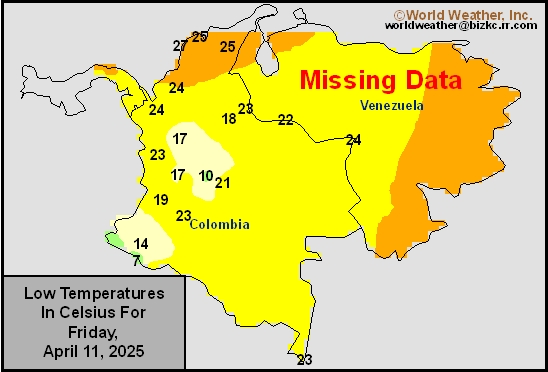
Venezuela/Colombia Min Temps
This content is for members only
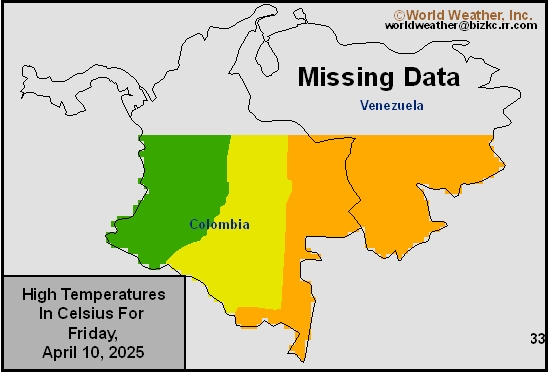
Venezuela/Colombia Max Temps
This content is for members only
SE Canada Min
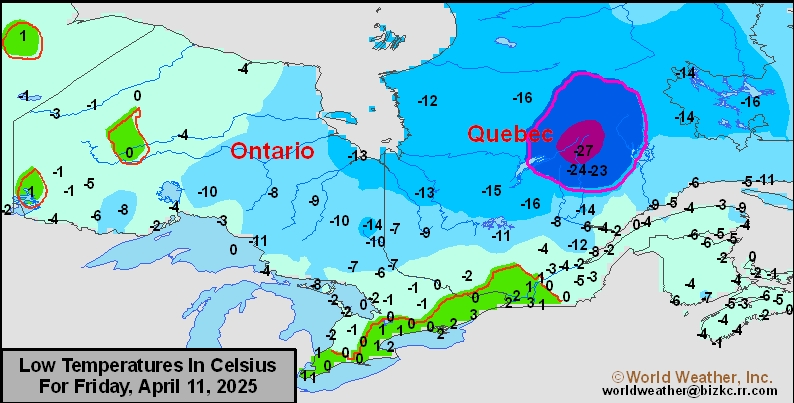
This content is for members only
SE Canada Max
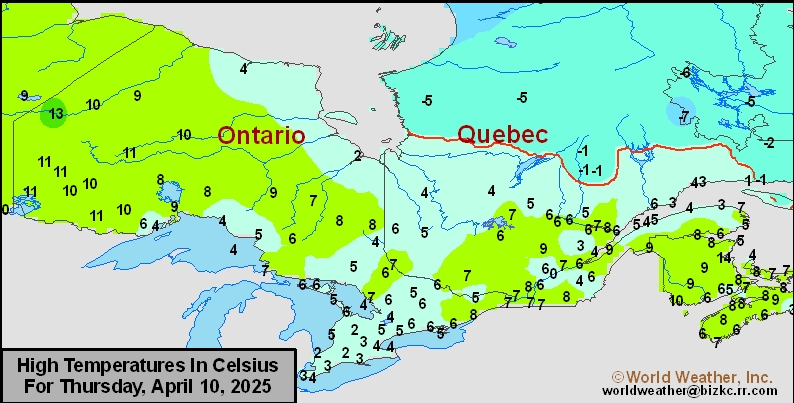
This content is for members only
SE Canada Rainfall
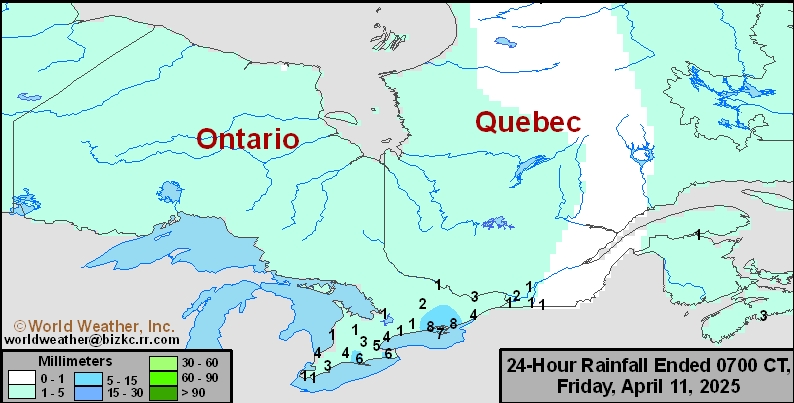
This content is for members only
Prairies Rainfall

This content is for members only
Prairies Max Temperature

This content is for members only
Prairies Min Temperature

This content is for members only
Canada Rainfall

This content is for members only
Venezuela Rainfall
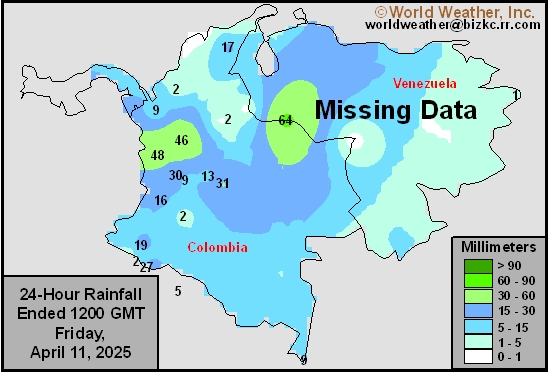
This content is for members only
Mexico Min Temperature
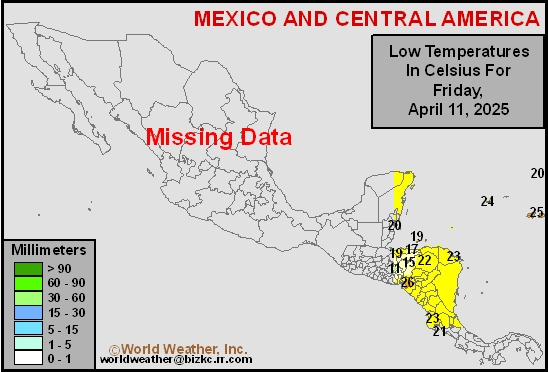
This content is for members only
Mexico Max Temperature
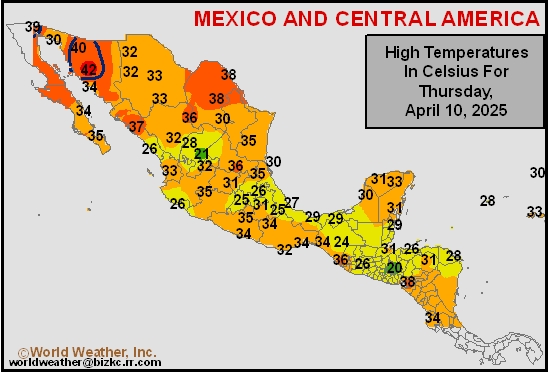
This content is for members only
Mexico Rainfall
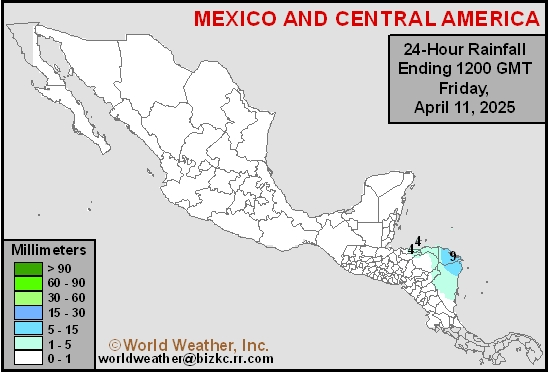
This content is for members only
Argentina Min Temperature
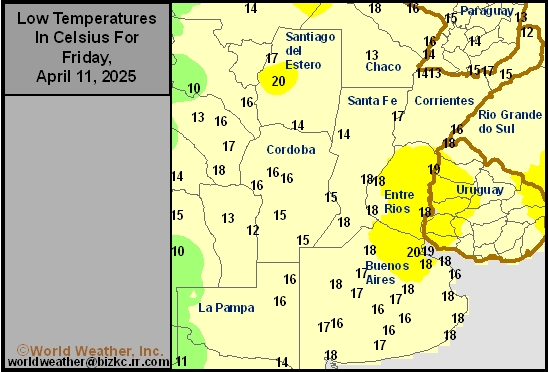
This content is for members only
Argentina Max Temperature
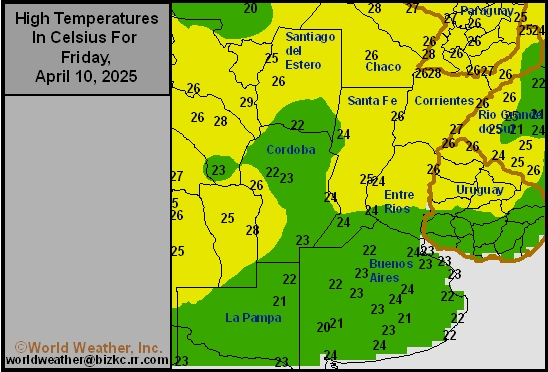
This content is for members only
Argentina Rainfall
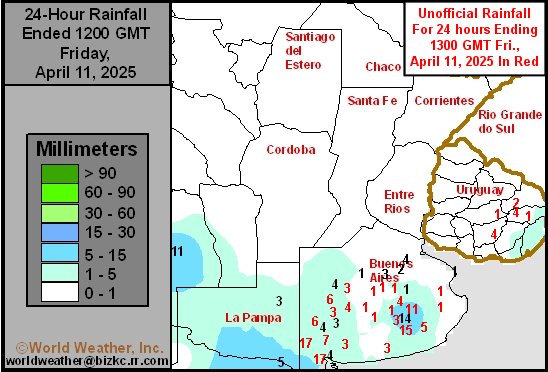
This content is for members only
Brazil Min Temperature
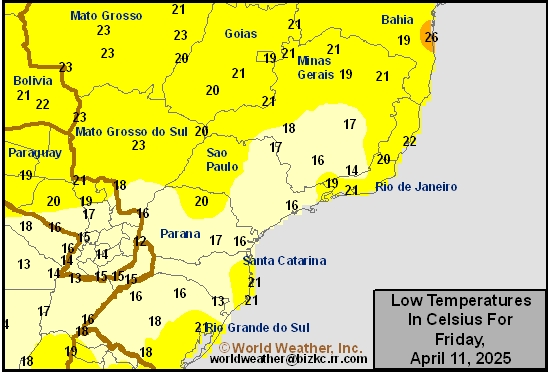
This content is for members only
Brazil Max Temperature
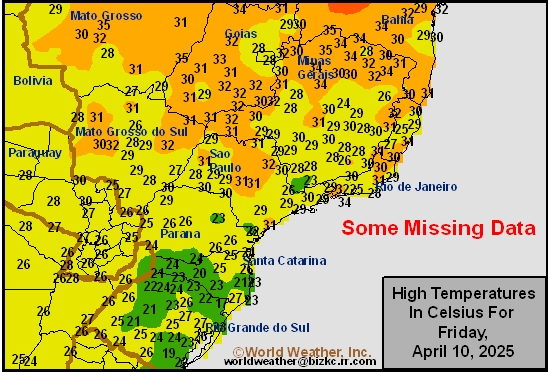
This content is for members only
Brazil Rainfall
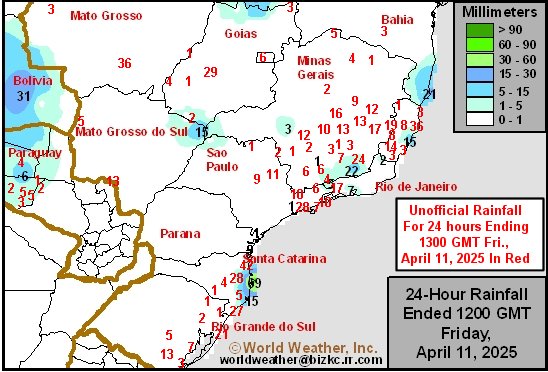
This content is for members only
Philippines Min
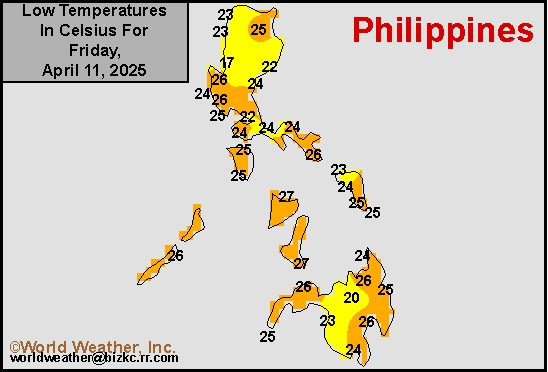
This content is for members only
Philippines Max
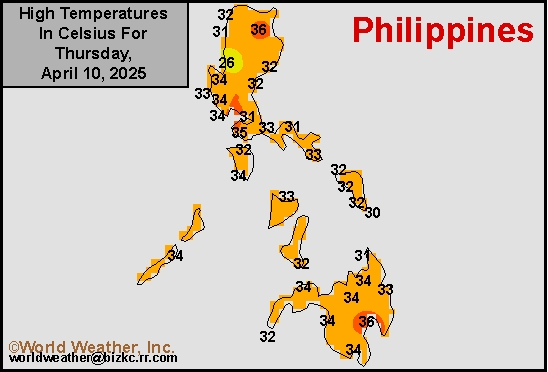
This content is for members only
Philippines Rain
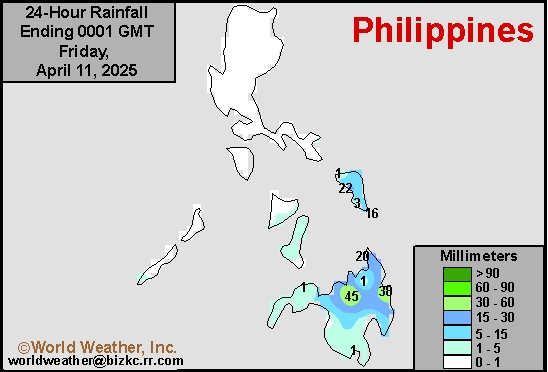
This content is for members only
Southeast North Rain
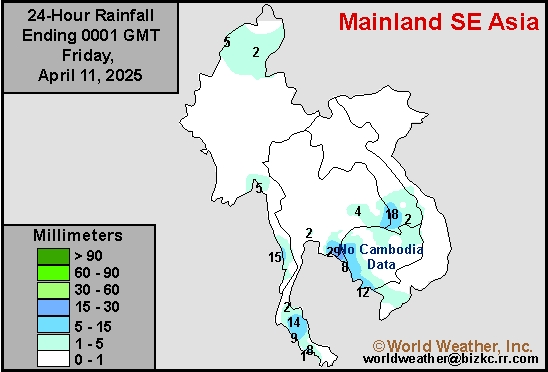
This content is for members only
Southeast North Min
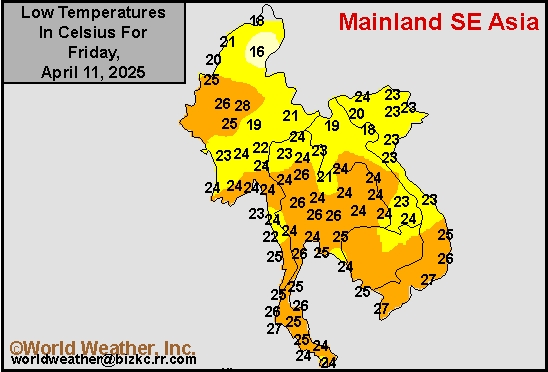
This content is for members only
Southeast North Max
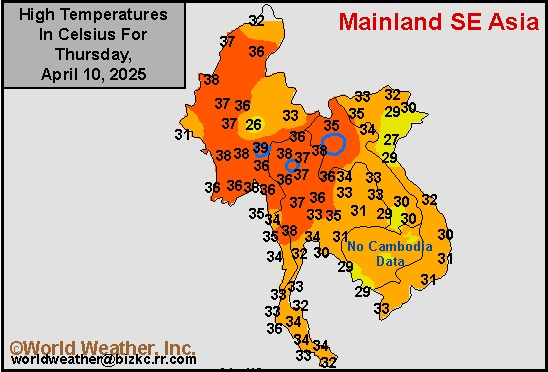
This content is for members only
Southeast Min
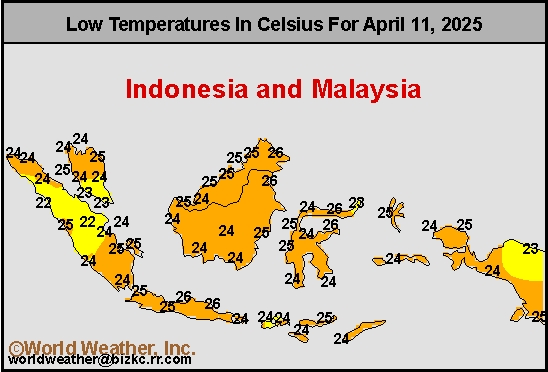
This content is for members only
Southeast Max
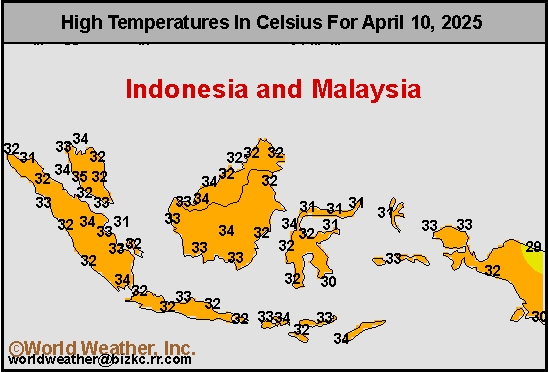
This content is for members only
Southeast Rain
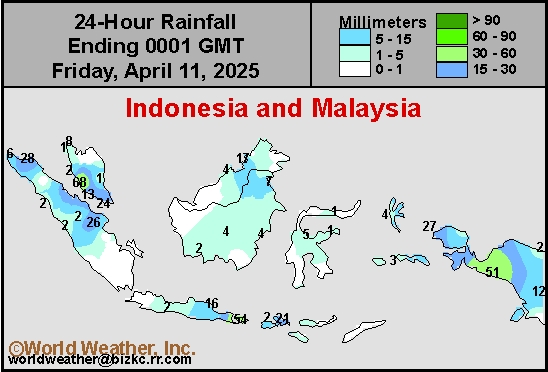
This content is for members only
West Africa Rain
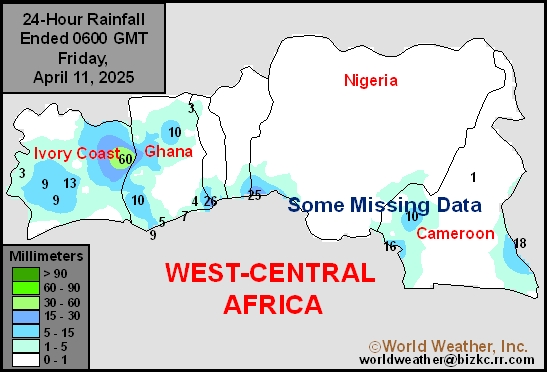
This content is for members only
Max Temperature
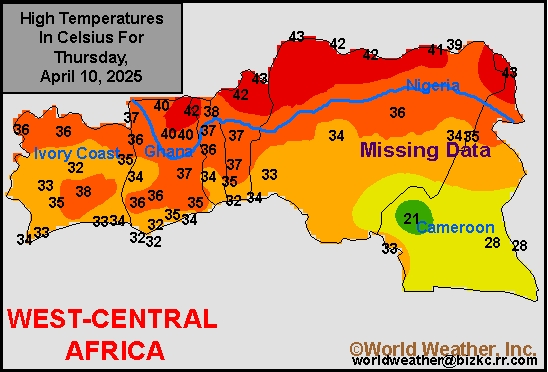
This content is for members only
Min Temperature
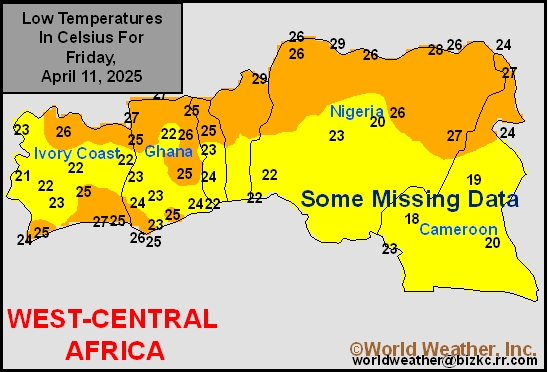
This content is for members only
North Africa Rain
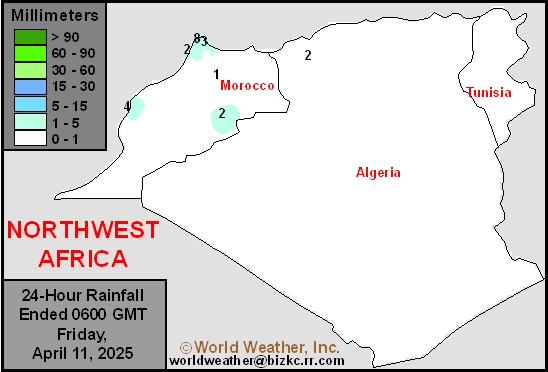
This content is for members only
Max Temperature
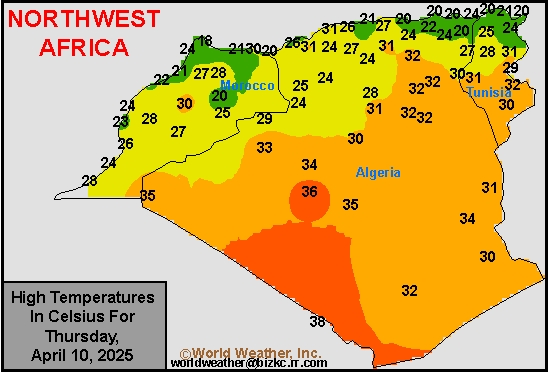
This content is for members only
Min Temperature
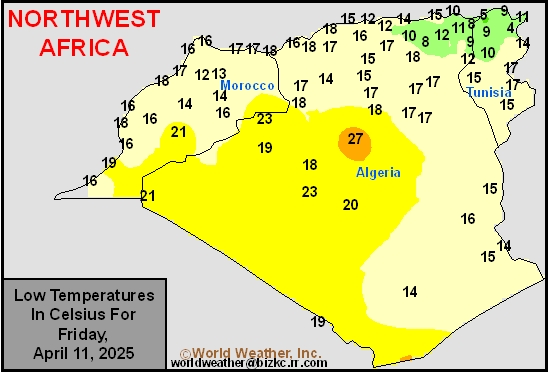
This content is for members only
Min Temperature
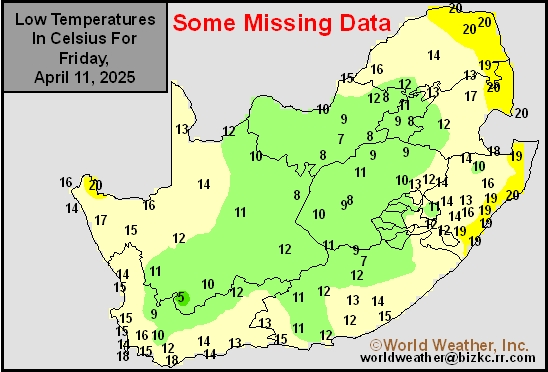
This content is for members only
Max Temperature
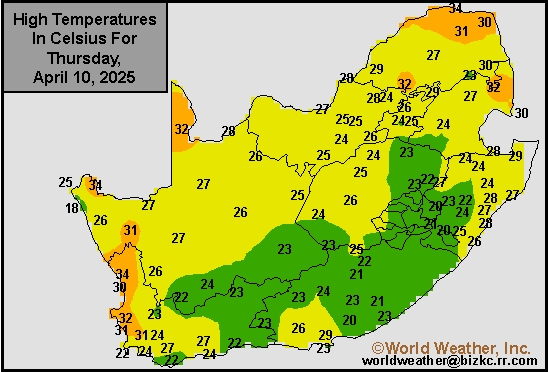
This content is for members only
South Africa Rain
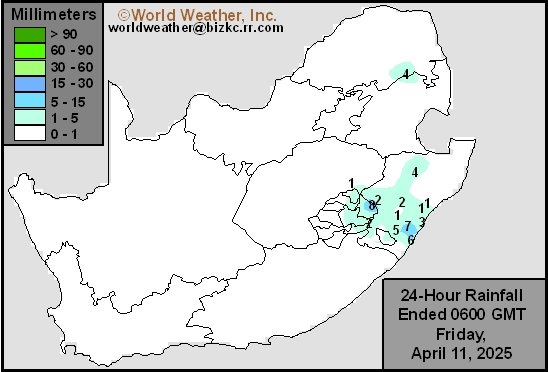
This content is for members only
Hard Red Wheat Tmin
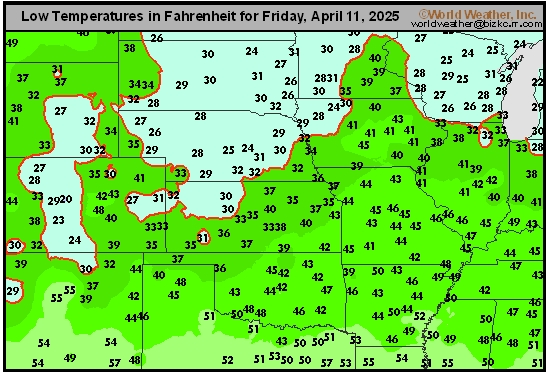
This content is for members only
Northeast Tmin
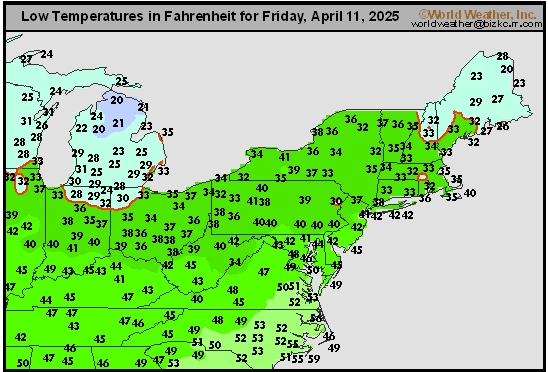
This content is for members only
Southwest Tmin
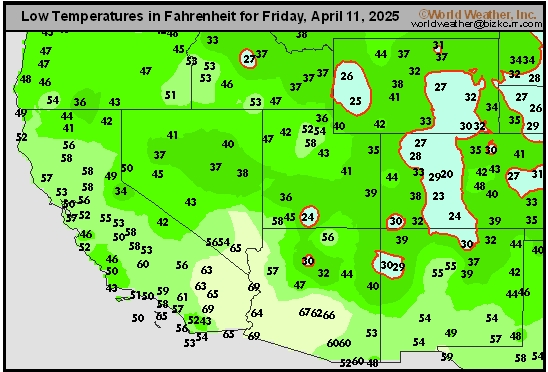
This content is for members only
Northwest Tmin
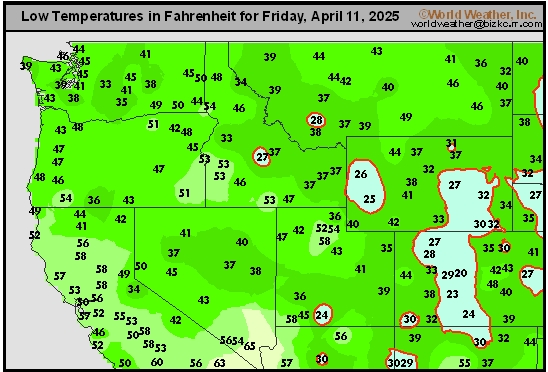
This content is for members only
South Plains Tmin
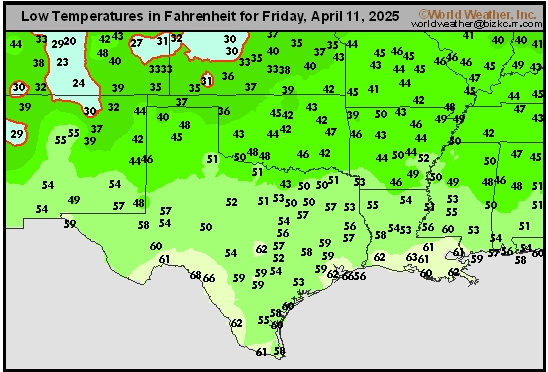
This content is for members only
Delta/SE U.S. Tmin
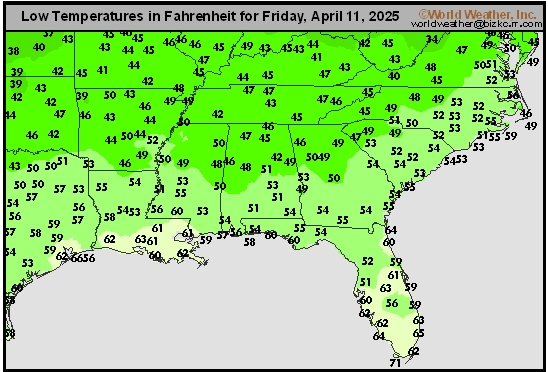
This content is for members only
Corn Belt Tmin
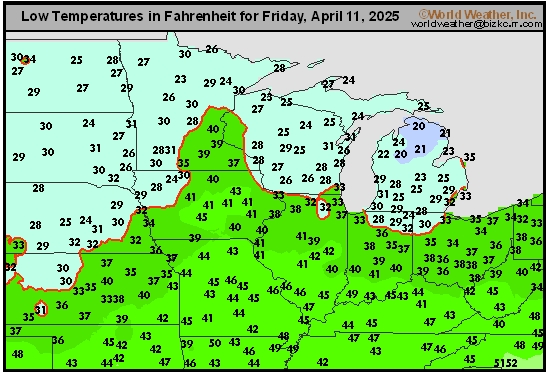
This content is for members only
US Min

This content is for members only
North Plains Tmin
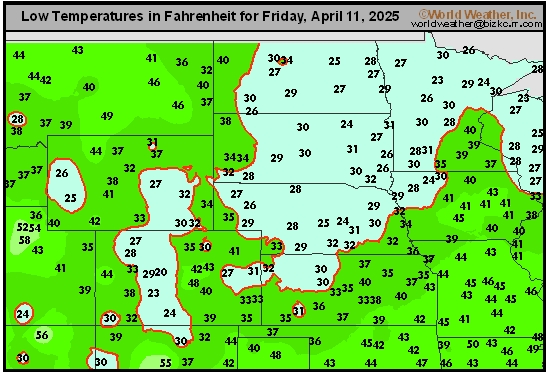
This content is for members only
Hard Red Wheat Tmax
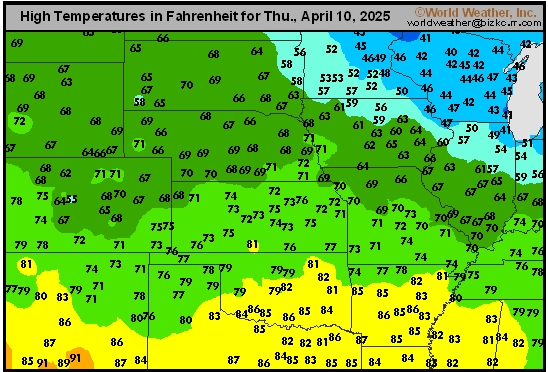
This content is for members only
Northeast Tmax
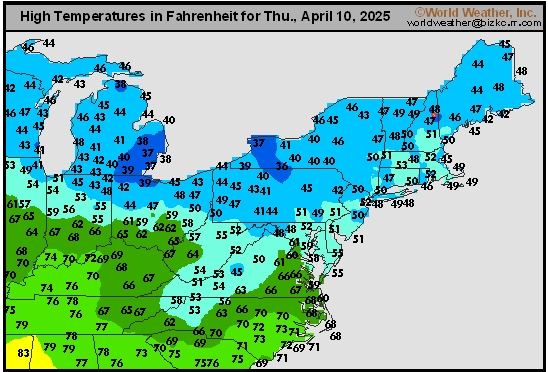
This content is for members only
Southwest Tmax
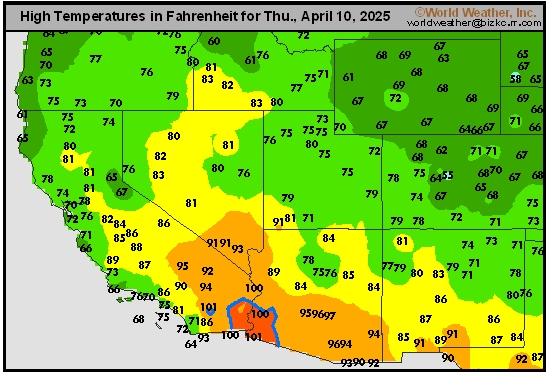
This content is for members only
Northwest Tmax
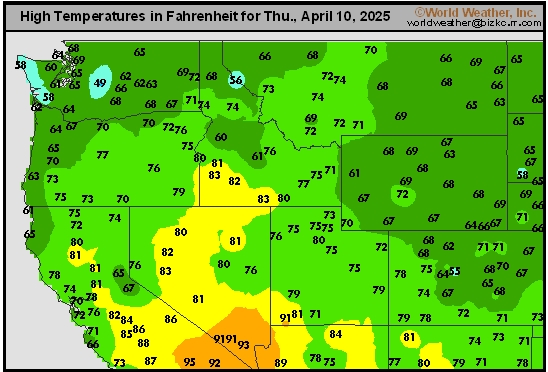
This content is for members only
South Plains Tmax
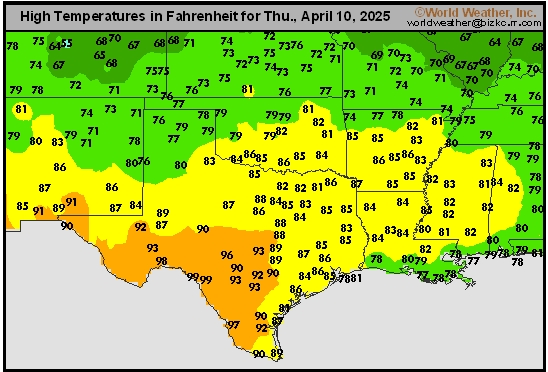
This content is for members only
Delta/SE U.S. Tmax
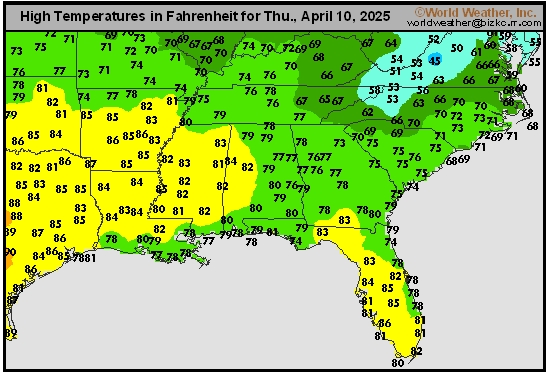
This content is for members only
Corn Belt Tmax
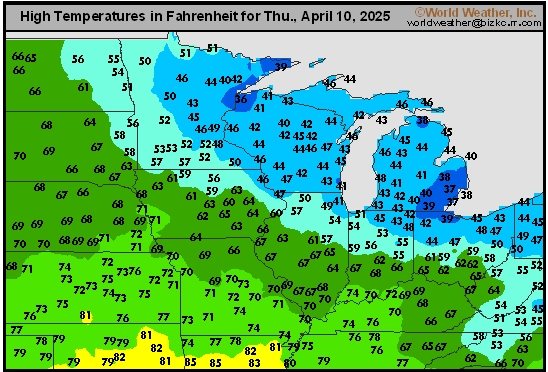
This content is for members only
North Plains Tmax
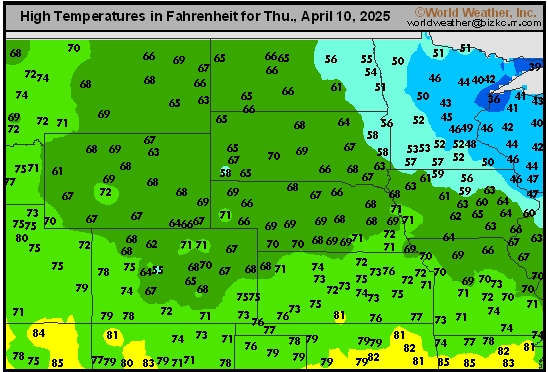
This content is for members only
US Max

This content is for members only
US Rain

This content is for members only
Northeast Daily Rain
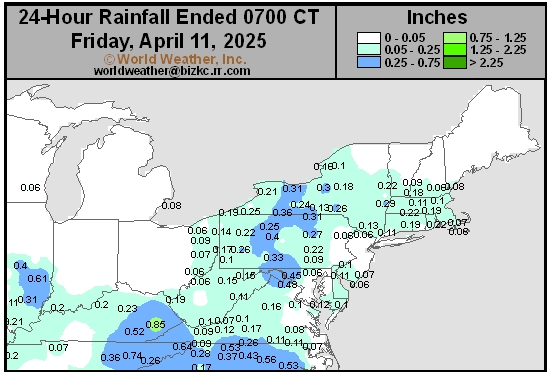
This content is for members only
Hard Red Wheat Daily Rain
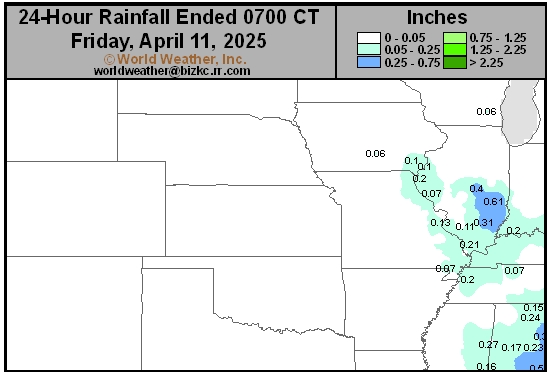
This content is for members only
Southwest Daily Rain
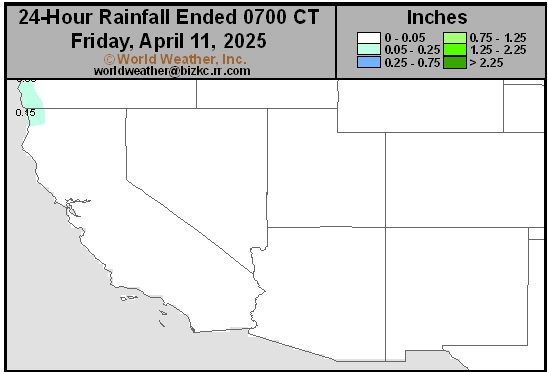
This content is for members only
Northwest Daily Rain
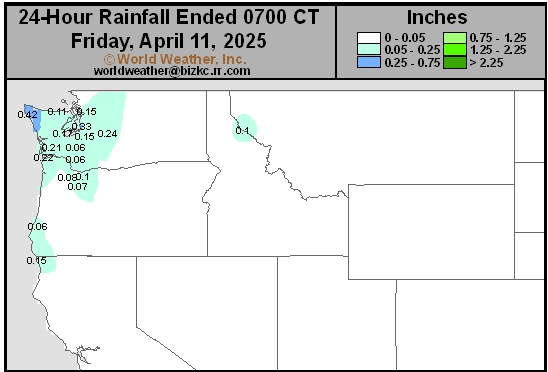
This content is for members only
South Plains Daily Rain
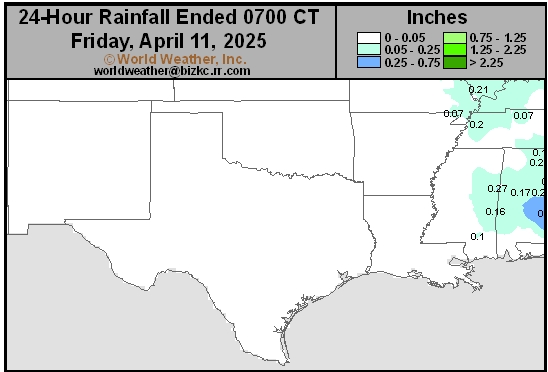
This content is for members only
Delta/SE U.S. Daily Rain
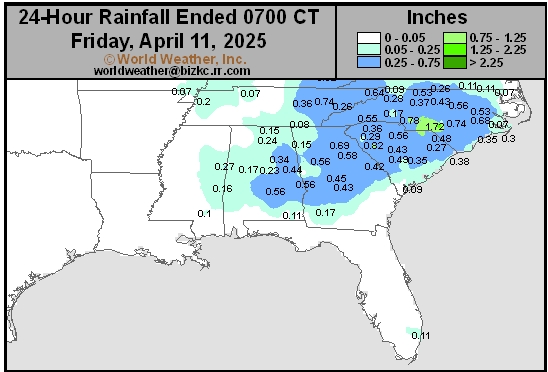
This content is for members only
Corn Belt Daily Rain
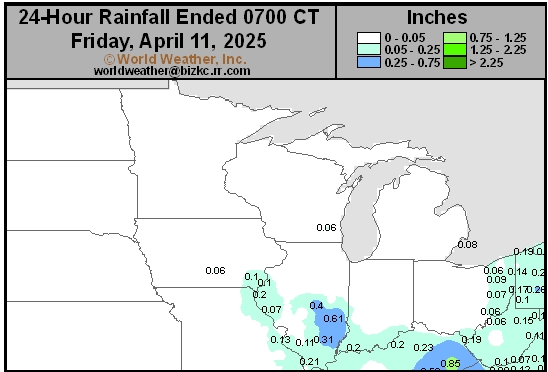
This content is for members only
North Plains Daily Rain
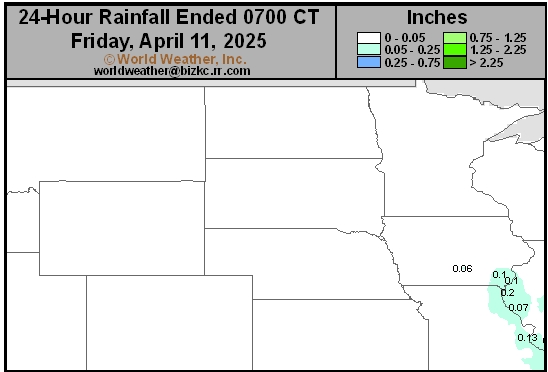
This content is for members only
Low Temperature
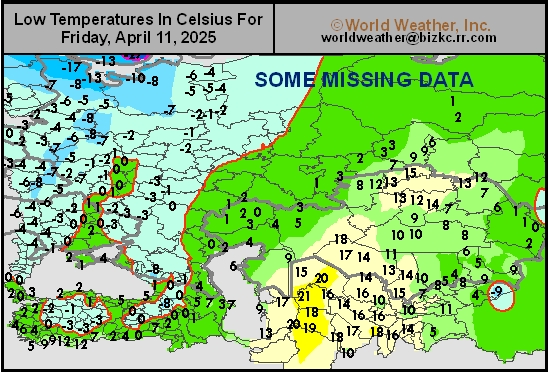
This content is for members only
High Temperature
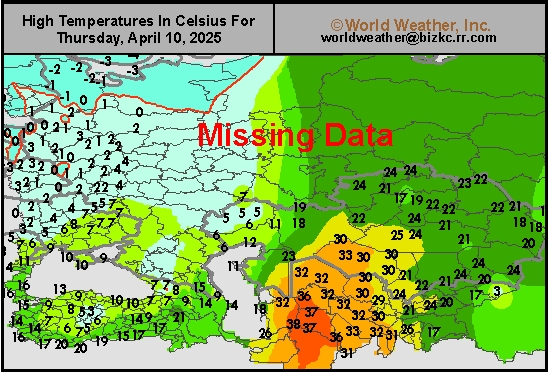
This content is for members only
CIS Rainfall
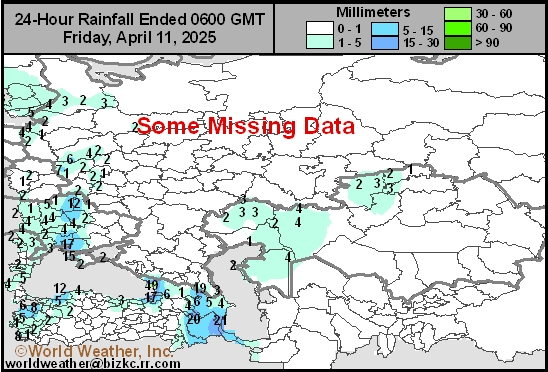
This content is for members only
Low Temperature
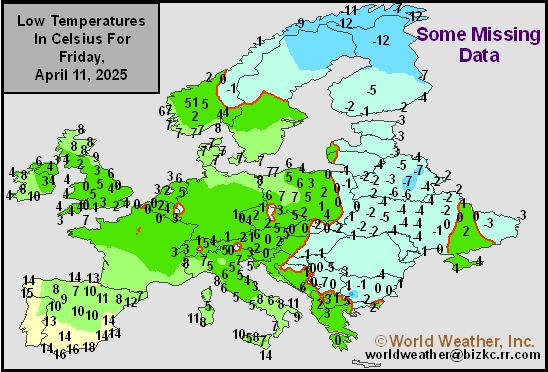
This content is for members only