
Topsoil Moisture
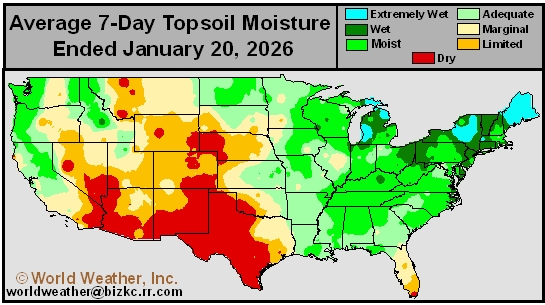
This content is for members only
Subsoil Moisture
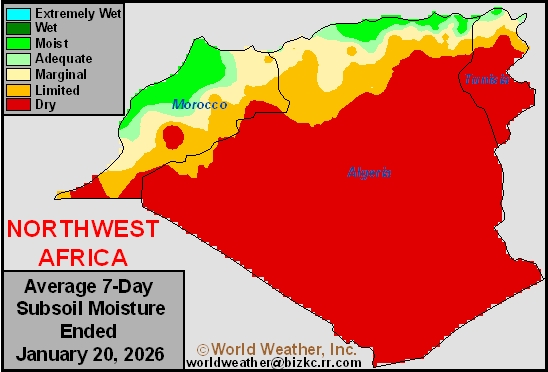
This content is for members only
Topsoil Moisture
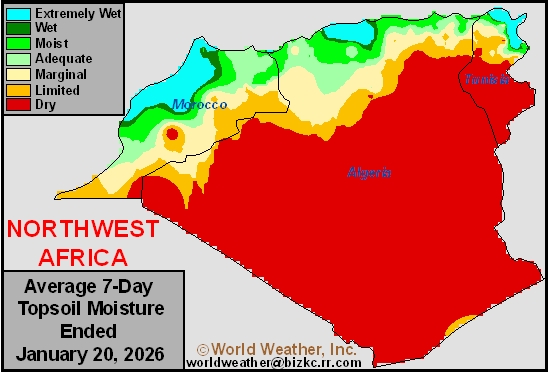
This content is for members only
Subsoil Moisture
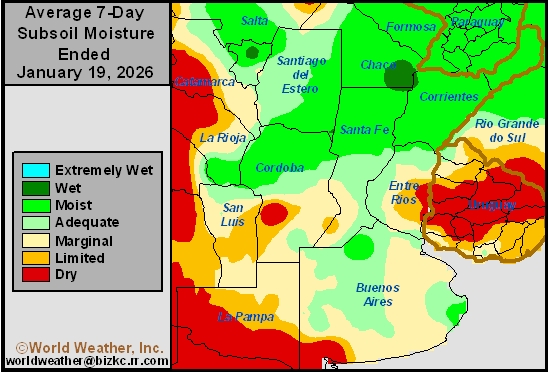
This content is for members only
Topsoil Moisture
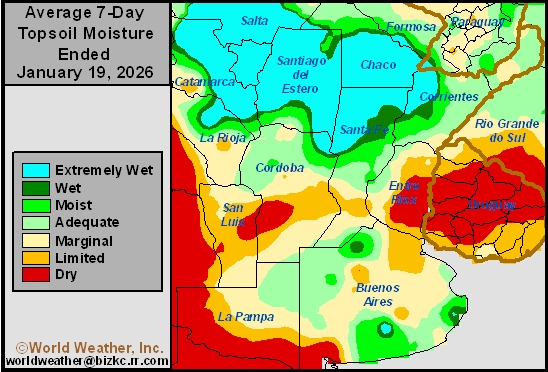
This content is for members only
Subsoil Moisture
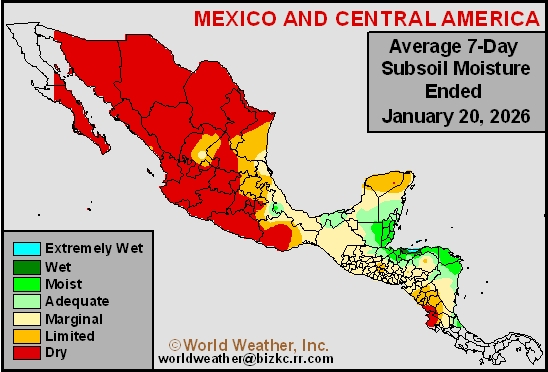
This content is for members only
Topsoil Moisture
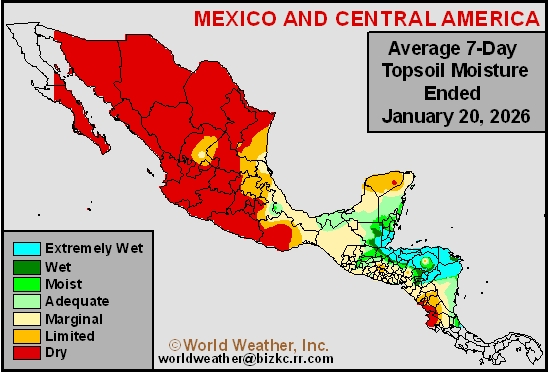
This content is for members only
Subsoil Moisture
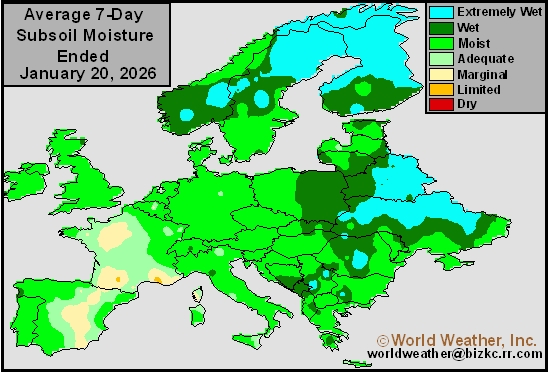
This content is for members only
Topsoil Moisture
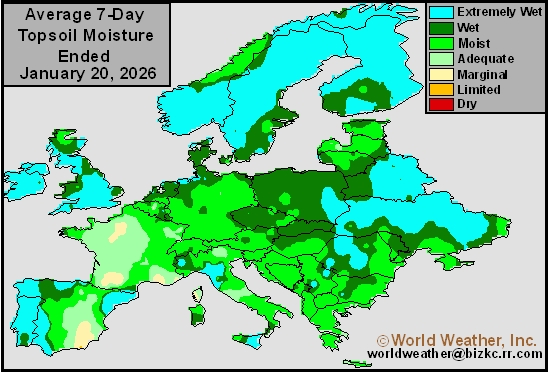
This content is for members only
Subsoil Moisture
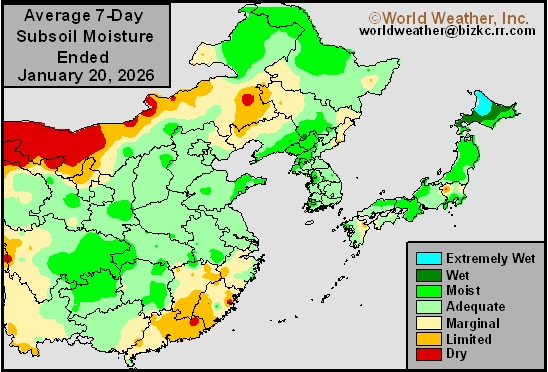
This content is for members only
Topsoil Moisture
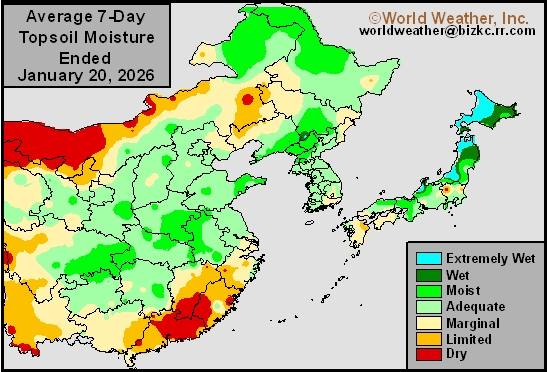
This content is for members only
Subsoil Moisture
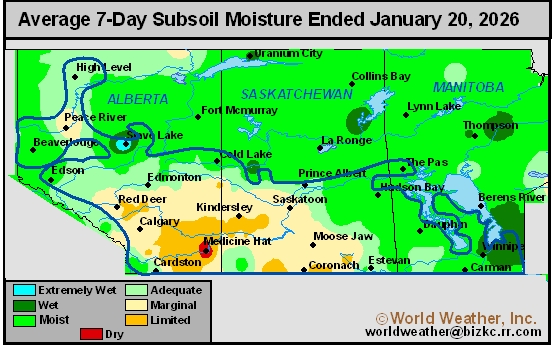
This content is for members only
Topsoil Moisture
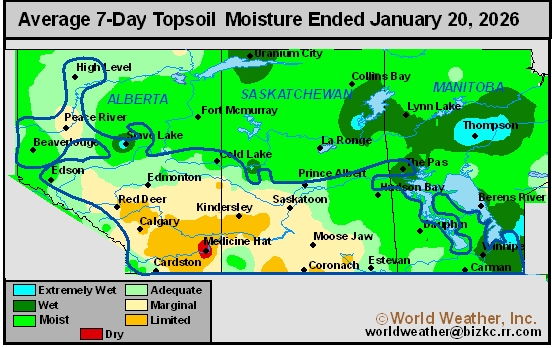
This content is for members only
Subsoil Moisture
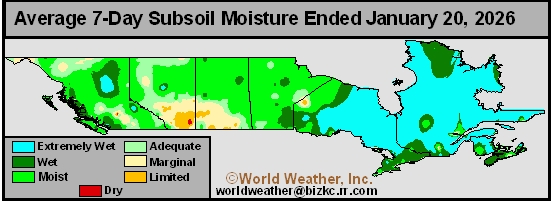
This content is for members only
Topsoil Moisture
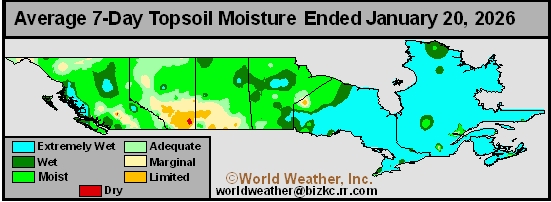
This content is for members only
Subsoil Moisture
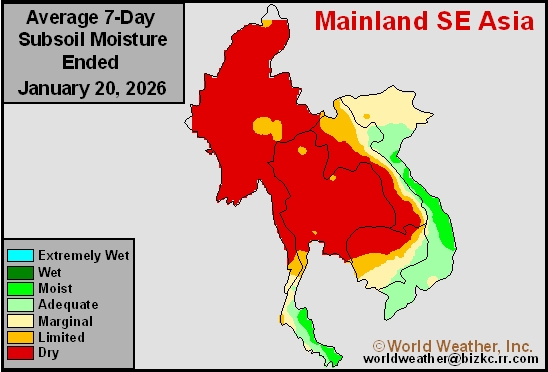
This content is for members only
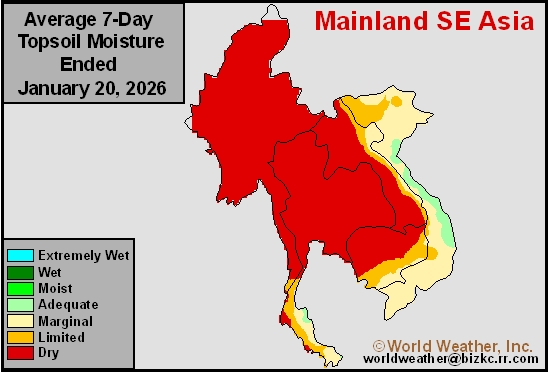
Topsoil Moisture
This content is for members only
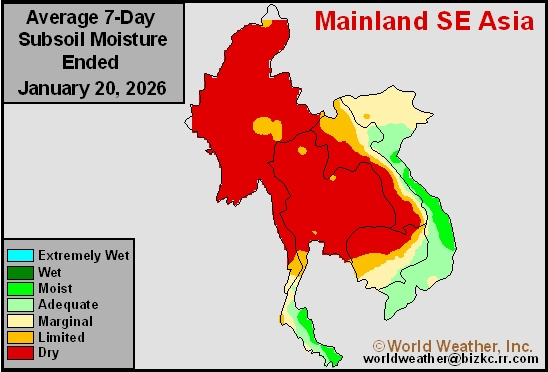
Subsoil Moisture
This content is for members only
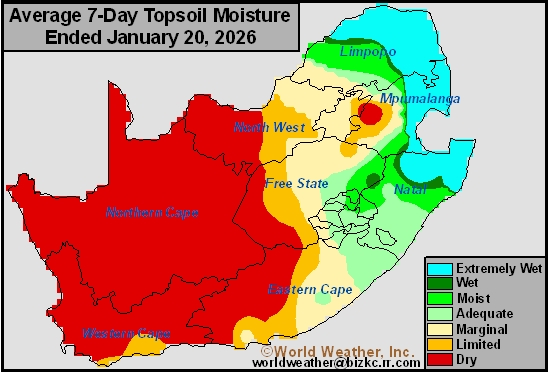
Topsoil Moisture
This content is for members only
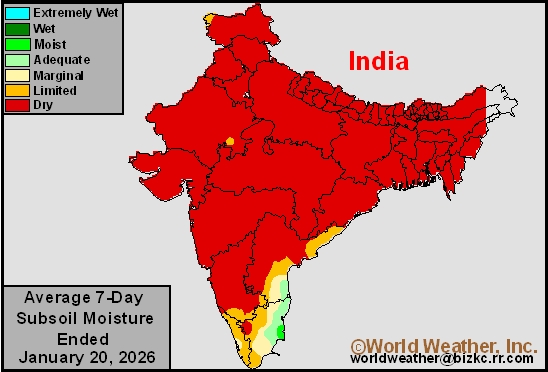
Subsoil Moisture
This content is for members only
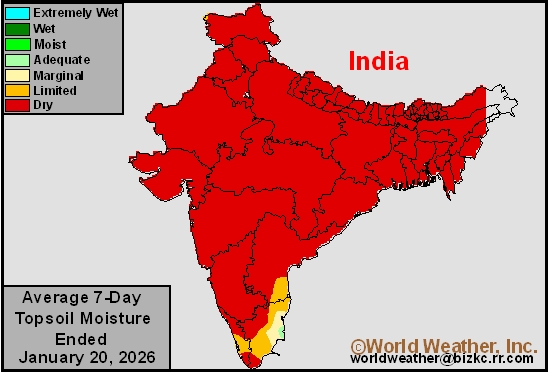
Topsoil Moisture
This content is for members only
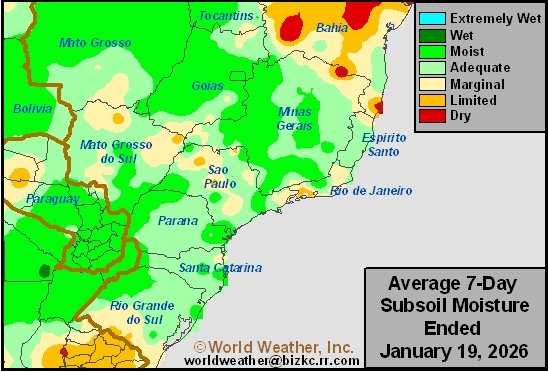
Subsoil Moisture
This content is for members only
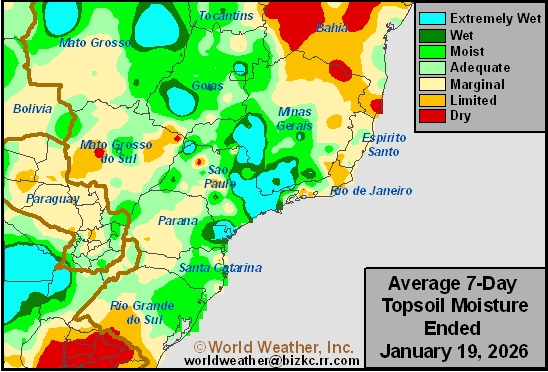
Topsoil Moisture
This content is for members only
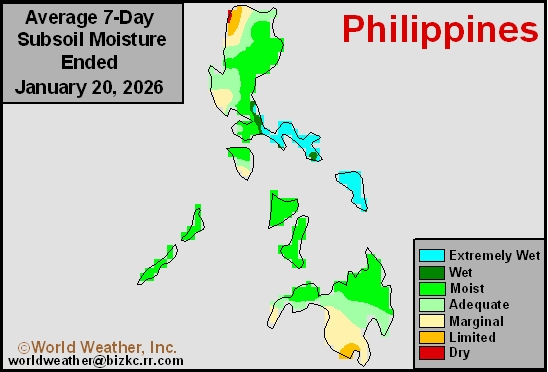
Subsoil Moisture
This content is for members only
Topsoil Moisture
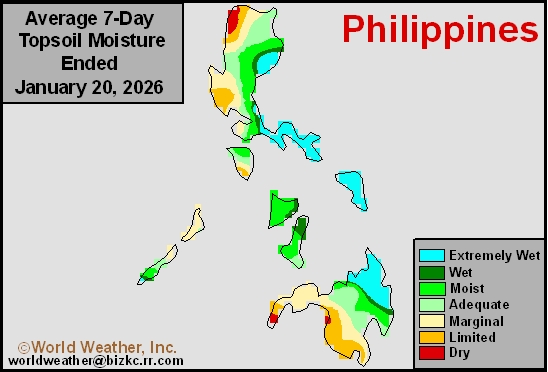
This content is for members only
Subsoil Moisture
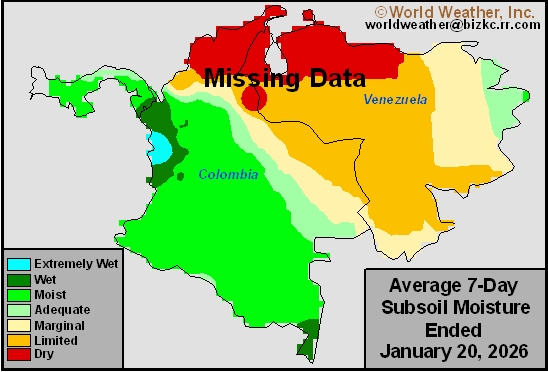
This content is for members only
Topsoil Moisture
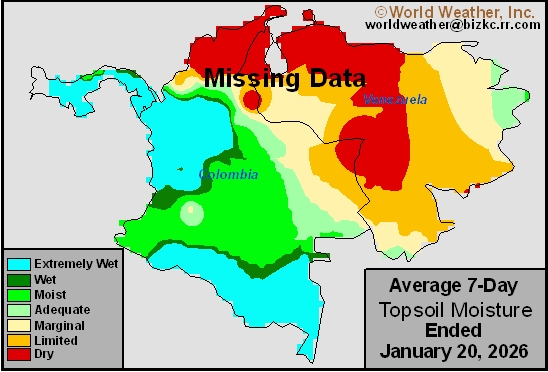
This content is for members only
Subsoil Moisture
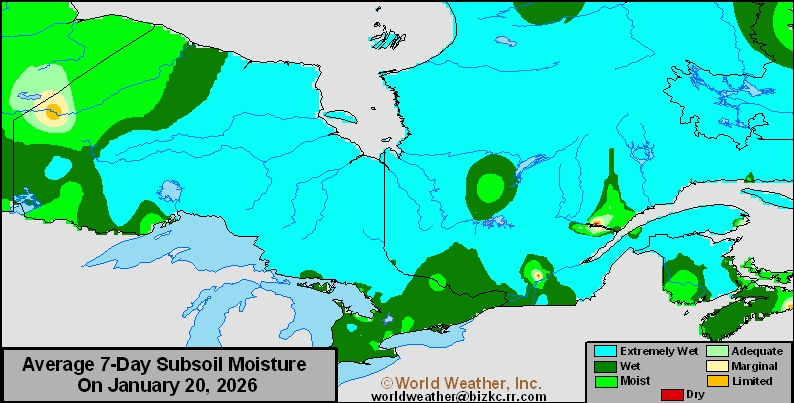
This content is for members only
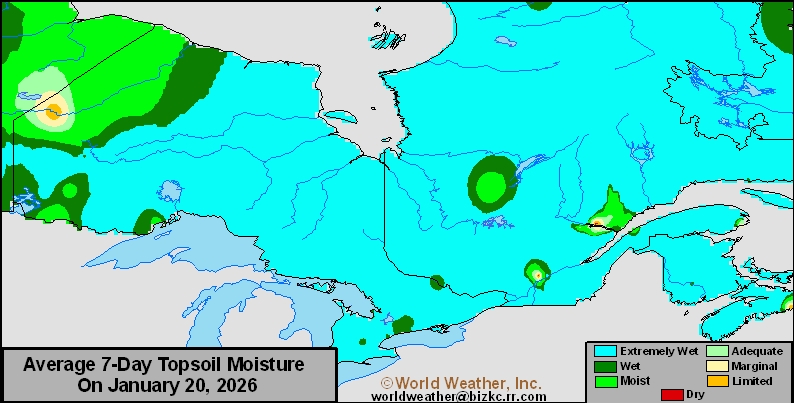
Topsoil Moisture
This content is for members only
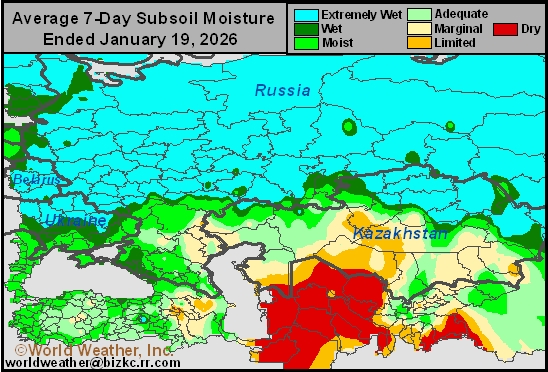
Subsoil Moisture
This content is for members only
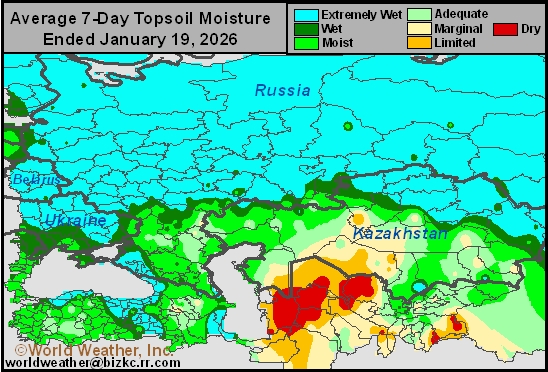
Topsoil Moisture
This content is for members only
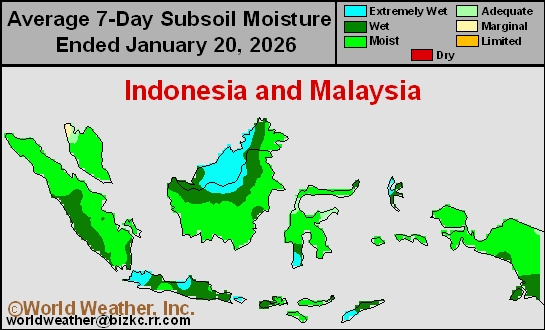
Subsoil Moisture
This content is for members only
Topsoil Moisture
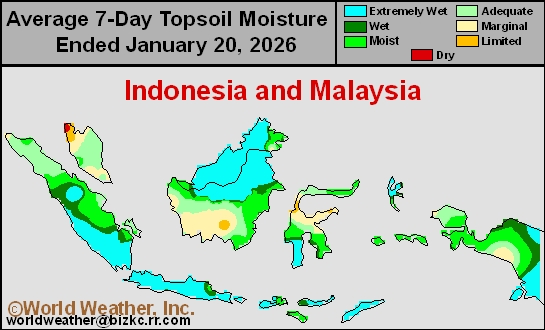
This content is for members only
Topsoil Moisture
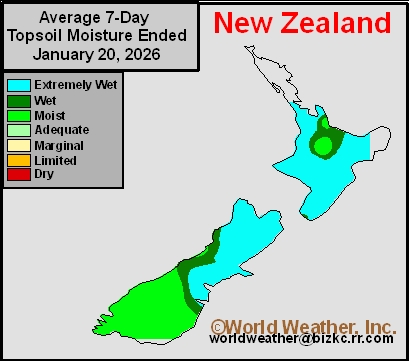
This content is for members only
Subsoil Moisture
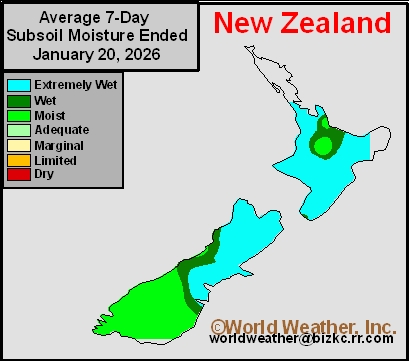
This content is for members only
Subsoil Moisture
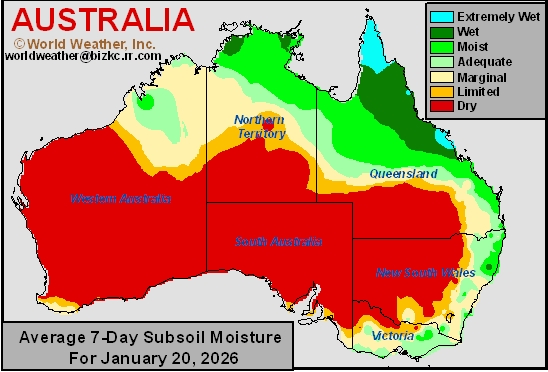
This content is for members only
Topsoil Moisture
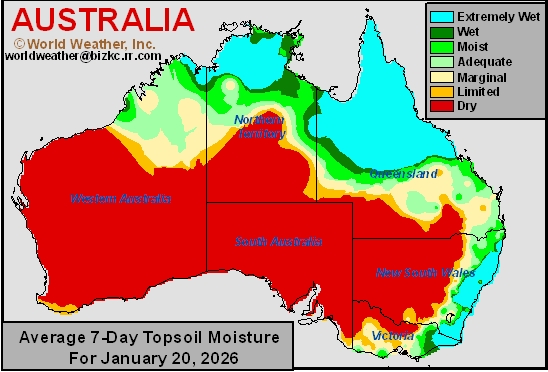
This content is for members only
Topsoil Moisture
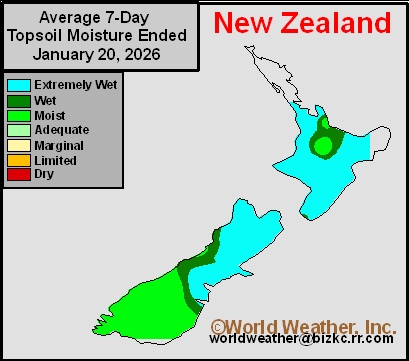
This content is for members only
Subsoil Moisture
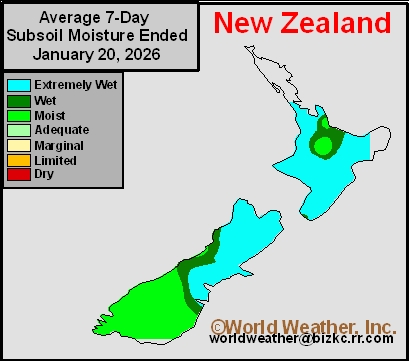
This content is for members only
Portions of Southern Argentina Too Dry; Rain Moistens North
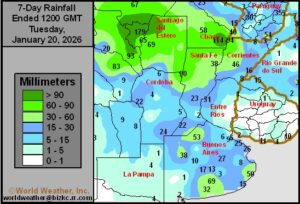
Kansas City, January 21 (World Weather Inc.) – Argentina’s main production areas saw a mix of erratic rain and sunshine during the past week. Rainfall was greatest in northern Argentina while precipitation was lighter in the Pampas farming region. Several locations in southern Argentina are still struggling with moisture deficits despite some recent rainfall. The need for timely rain is high to limit the potentially negative impact that dryness may have on corn, soybean, peanut, sorghum, sunseed production. Much of Argentina will trend drier than usual during the coming week. However, La Pampa and neighboring areas in Cordoba and western Buenos Aires will get enough rain to alleviate some of the dryness. Other locations will dry down significantly and will require significant rain to support normal crop development.
Subsoil Moisture
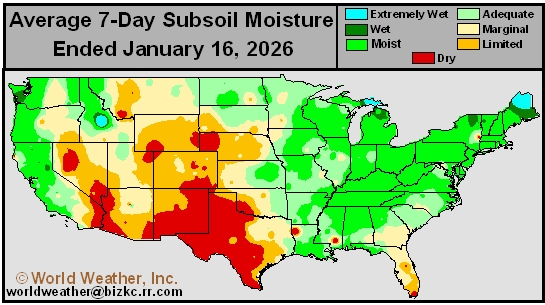
This content is for members only
Topsoil Moisture
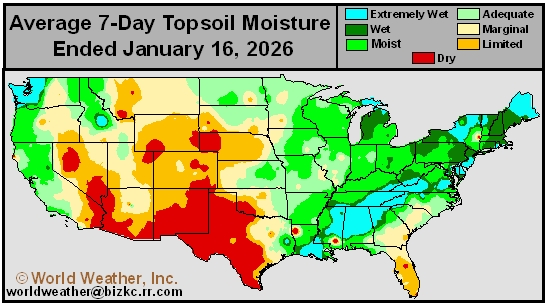
This content is for members only
Subsoil Moisture
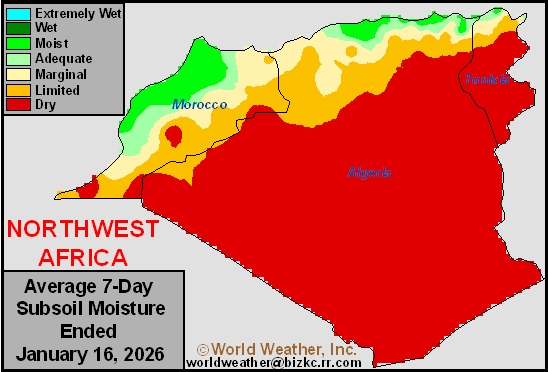
This content is for members only
Topsoil Moisture
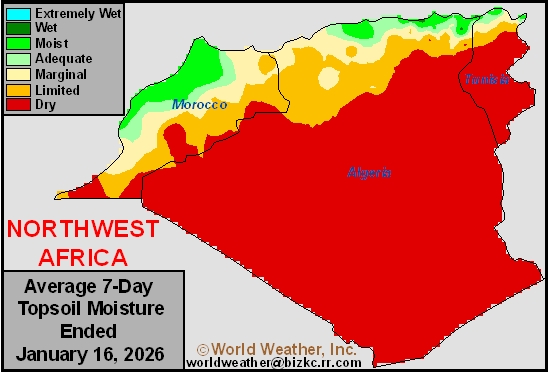
This content is for members only
Subsoil Moisture
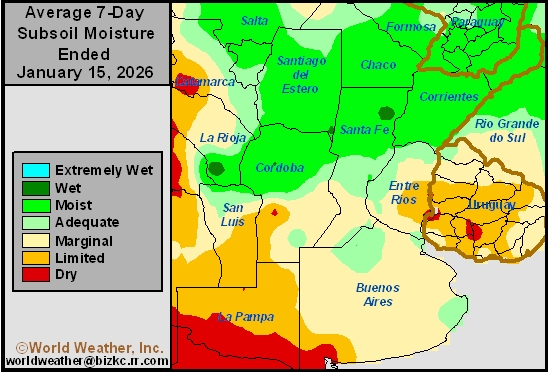
This content is for members only
Topsoil Moisture
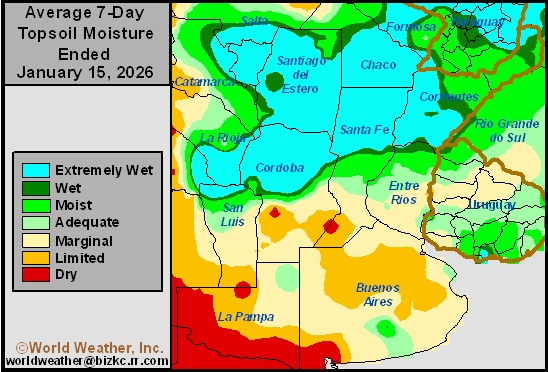
This content is for members only
Subsoil Moisture
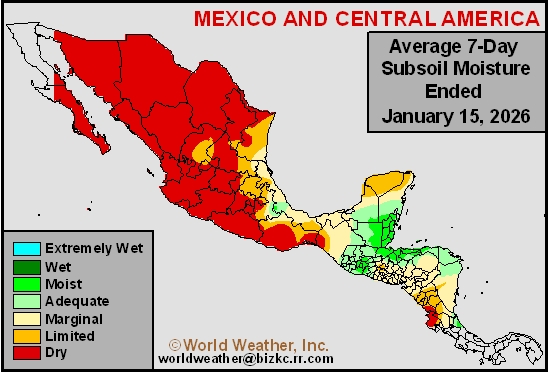
This content is for members only
Topsoil Moisture
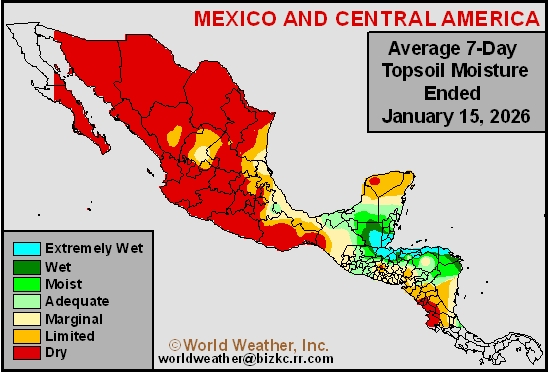
This content is for members only
Subsoil Moisture
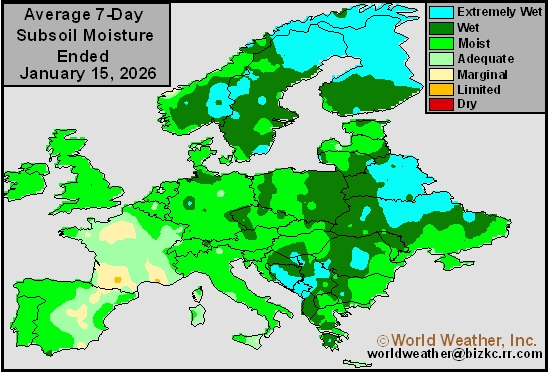
This content is for members only
Topsoil Moisture
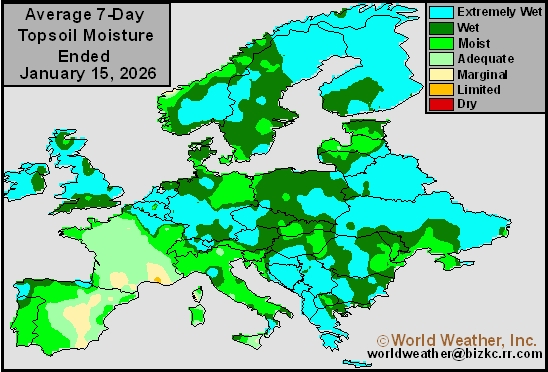
This content is for members only
Subsoil Moisture
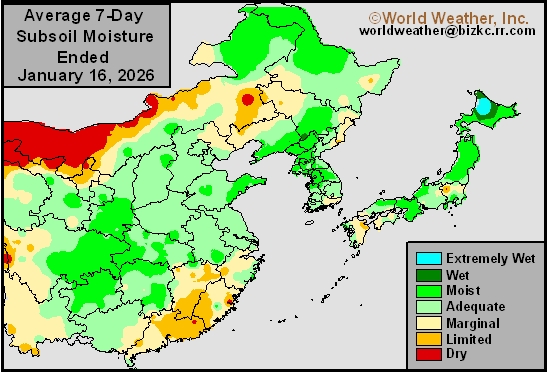
This content is for members only
Topsoil Moisture
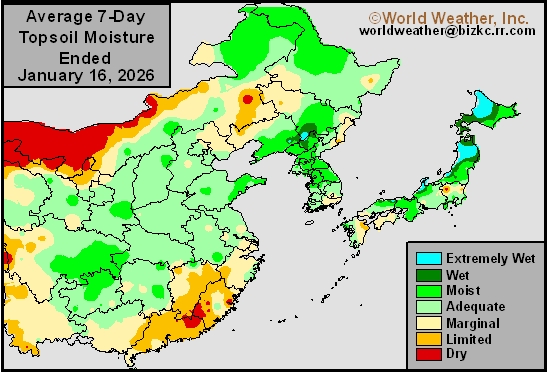
This content is for members only
Subsoil Moisture
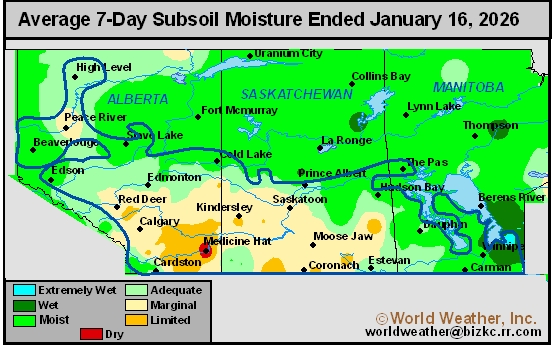
This content is for members only
Topsoil Moisture
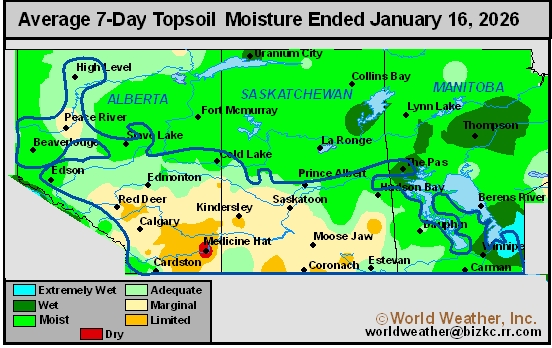
This content is for members only
Subsoil Moisture
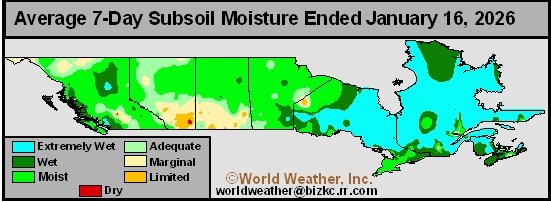
This content is for members only
Topsoil Moisture
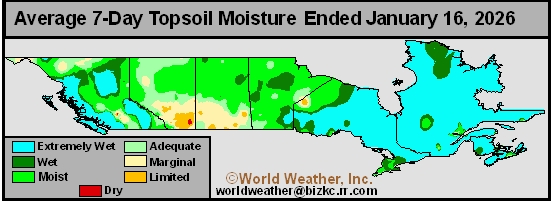
This content is for members only
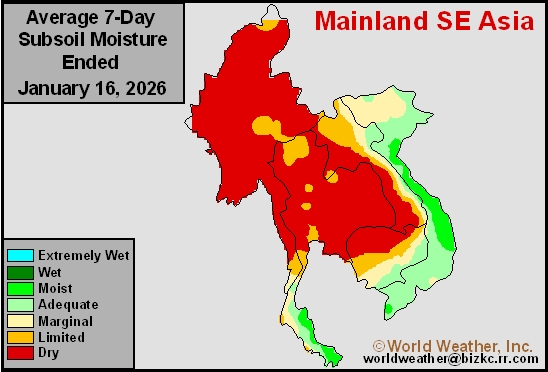
Subsoil Moisture
This content is for members only
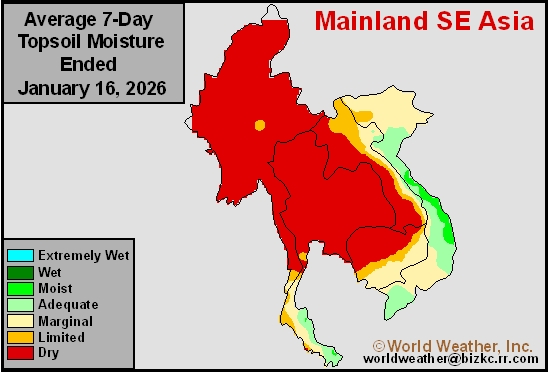
Topsoil Moisture
This content is for members only
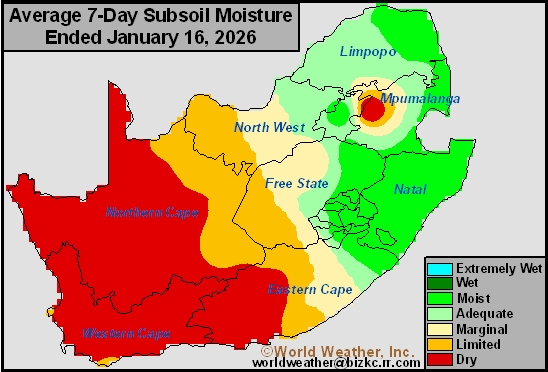
Subsoil Moisture
This content is for members only
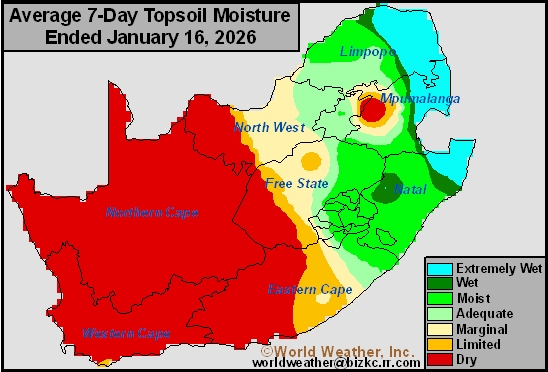
Topsoil Moisture
This content is for members only
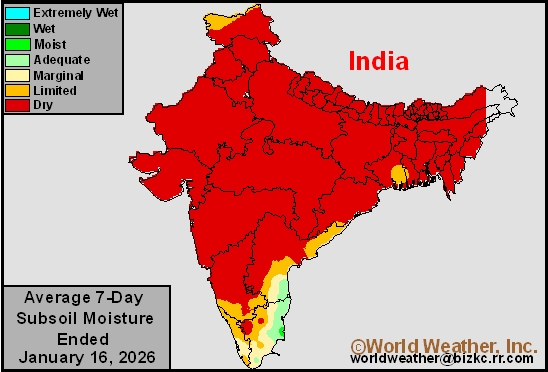
Subsoil Moisture
This content is for members only
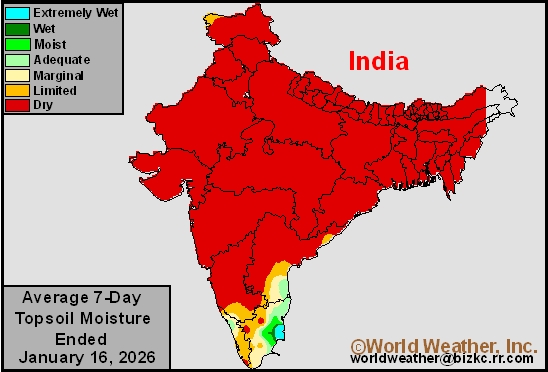
Topsoil Moisture
This content is for members only
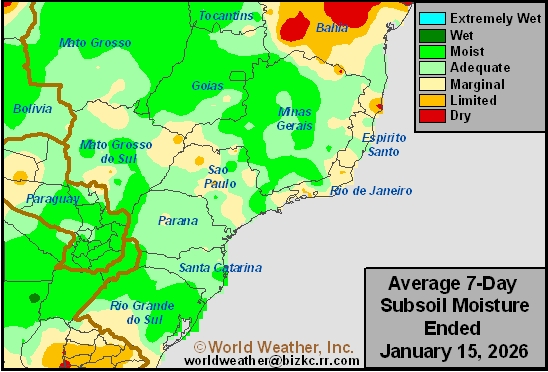
Subsoil Moisture
This content is for members only
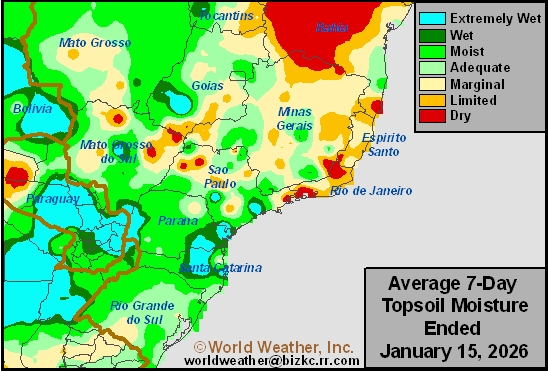
Topsoil Moisture
This content is for members only
Subsoil Moisture
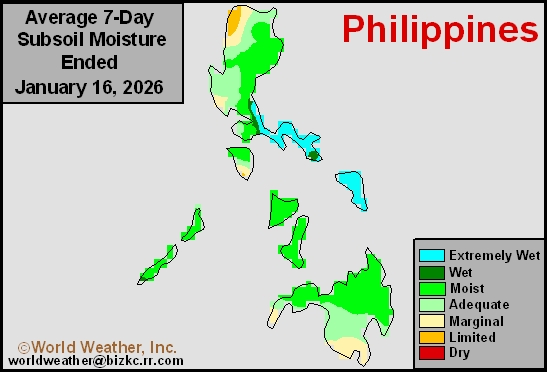
This content is for members only
Topsoil Moisture
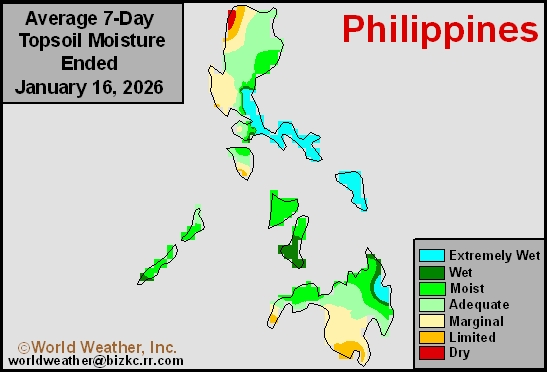
This content is for members only
Subsoil Moisture
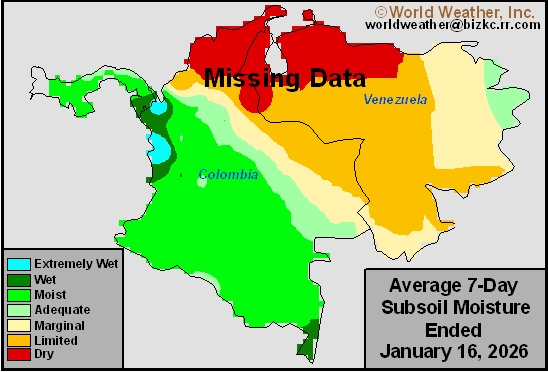
This content is for members only
Topsoil Moisture
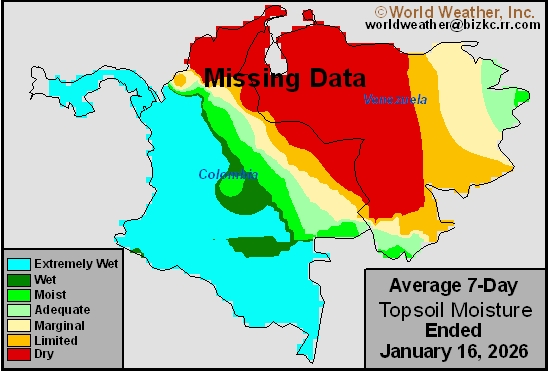
This content is for members only
Topsoil Moisture
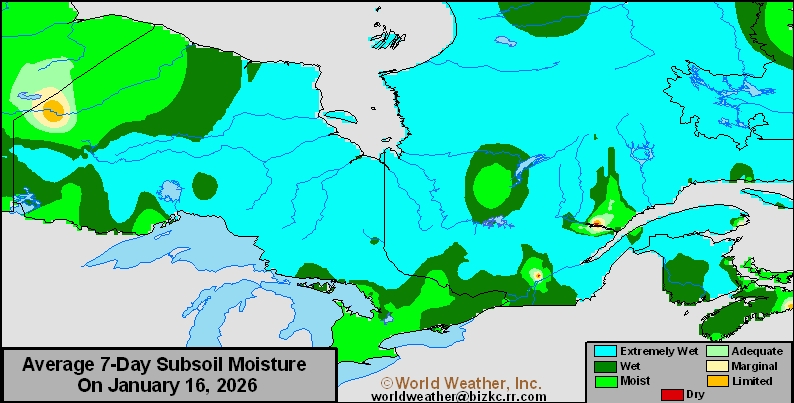
This content is for members only
Subsoil Moisture
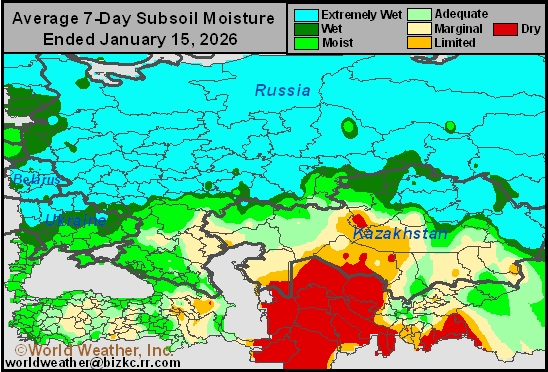
This content is for members only
Topsoil Moisture
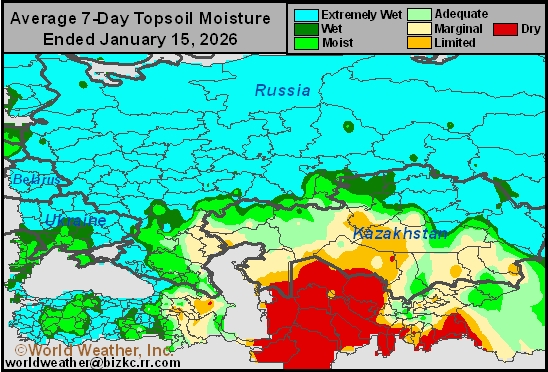
This content is for members only
Subsoil Moisture
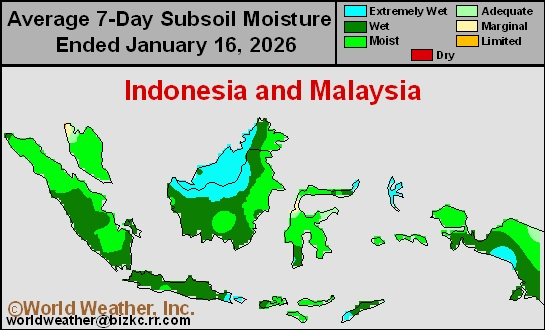
This content is for members only
Topsoil Moisture
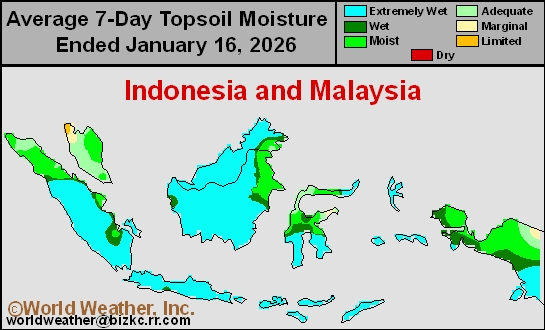
This content is for members only
Topsoil Moisture
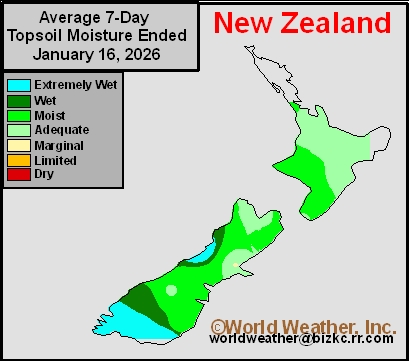
This content is for members only
Subsoil Moisture
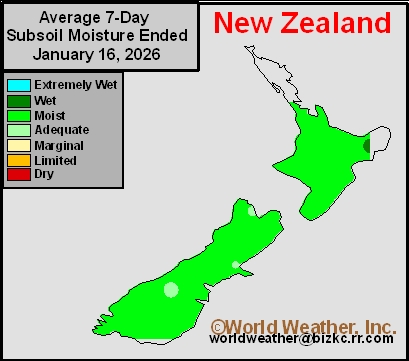
This content is for members only
Subsoil Moisture
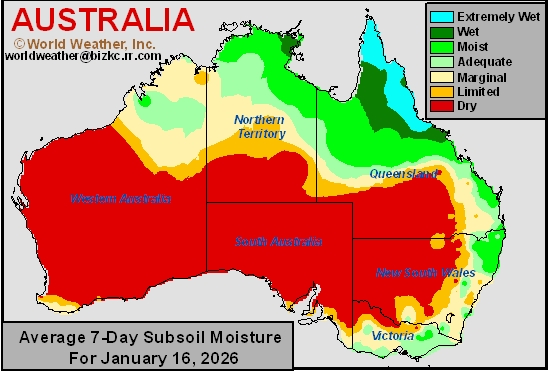
This content is for members only
Topsoil Moisture
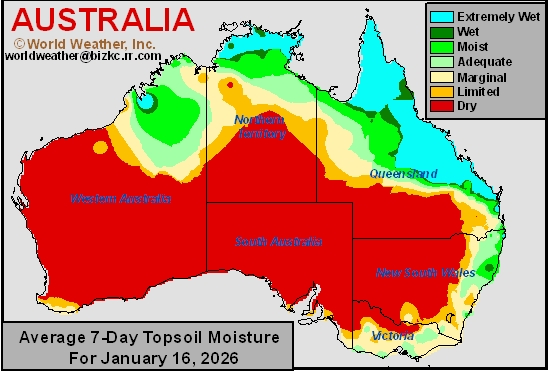
This content is for members only
Southern Brazil Dryness Good For Early-Season Harvesting
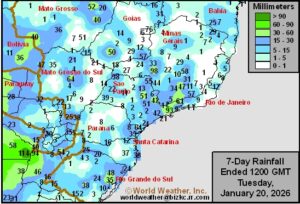
Kansas City, January 20 (World Weather Inc.) – While planting of soybeans and first-season corn is winding down, the earliest planted crops are already coming out of the ground. Weather conditions in Brazil during the past week allowed for some good early-season harvest conditions. Rio Grande do Sul into Mato Grosso do Sul and Sao Paulo will now trend mostly dry during the coming week, which will continue to improve maturation and early-season harvest conditions. Safrinha planting will also advance swiftly, though establishment conditions may deteriorate due to the lack of rain and warm daytime temperatures drying the topsoil. The need for timely rain will increase late this month into early February for these locations. Other locations in center-west and center-south Brazil into northeastern Brazil will see several waves of rain during the coming week. Localized flooding may become a concern in Minas Gerais and neighboring locations.
U.S. Wheat Needs Snow Ahead Of Bitter Cold
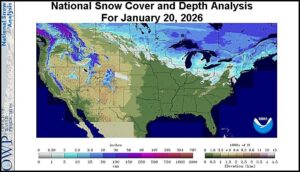
Kansas City, January 20 (World Weather Inc.) – Waves of arctic air continue to march through central and eastern parts of North America. The frequent succession of cold has dried out the atmosphere making it difficult for significant precipitation events to evolve in the northern and central Plains and portions of the Midwest. Two more surges of bitter cold are expected and many areas are snow free. Temperatures will drop near and below zero Fahrenheit later this week and during the weekend raising a little concern over the fate of U.S. hard red and Midwest soft wheat as the coldest air arrives. Most likely the crop will handle the situation relatively well, but a layer of snow would certainly take the worry out of winterkill potentials.
Venezuela/Colombia Min Temps
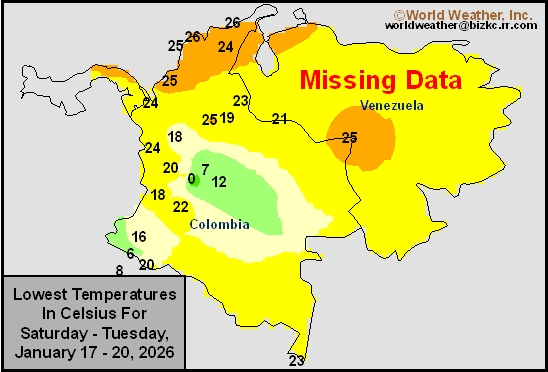
This content is for members only
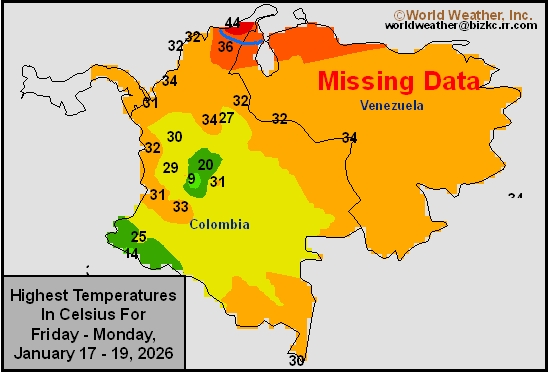
Venezuela/Colombia Max Temps
This content is for members only
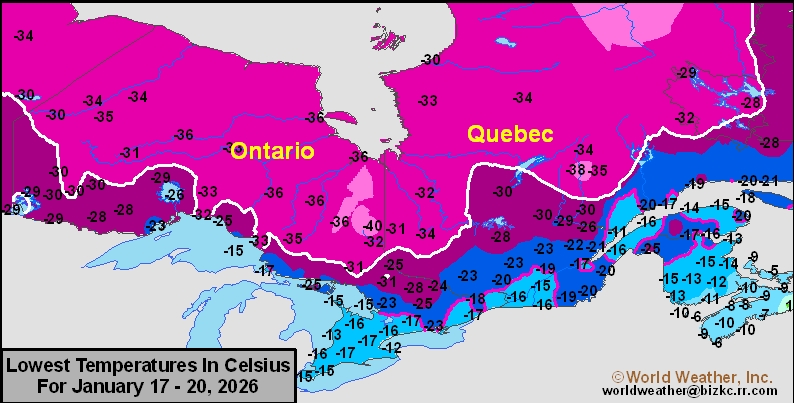
SE Canada Min
This content is for members only
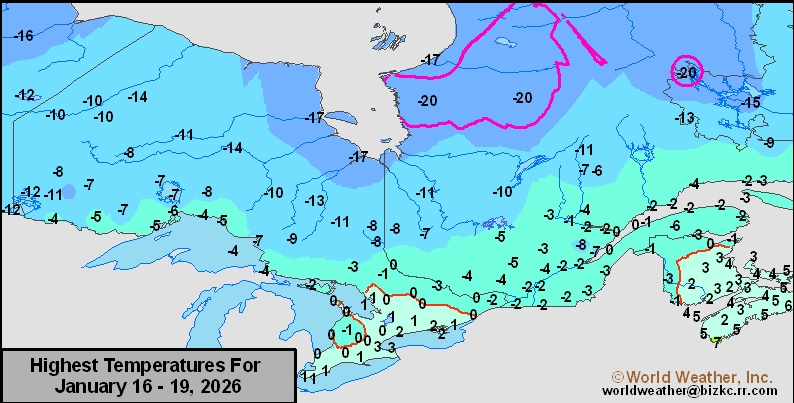
SE Canada Max
This content is for members only
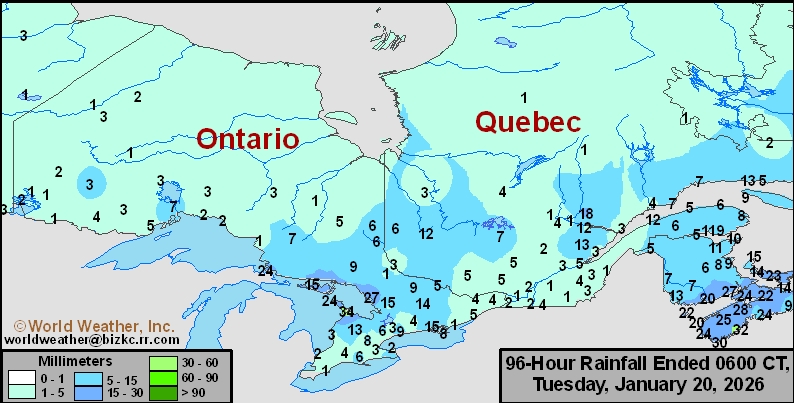
SE Canada Rainfall
This content is for members only
Prairies Rainfall
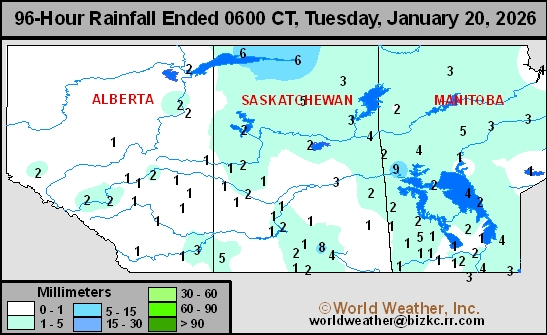
This content is for members only
Prairies Max Temperature
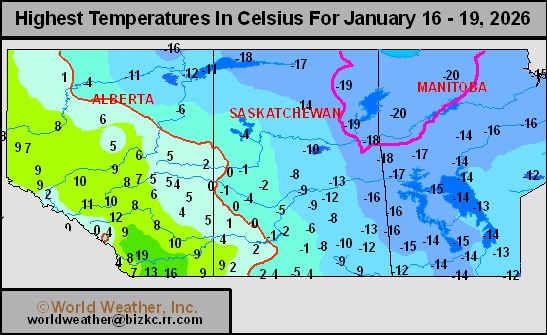
This content is for members only
Prairies Min Temperature
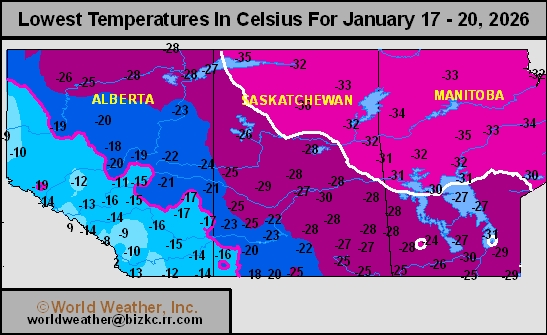
This content is for members only
Canada Rainfall
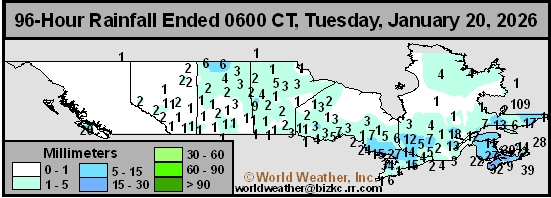
This content is for members only
Venezuela Rainfall
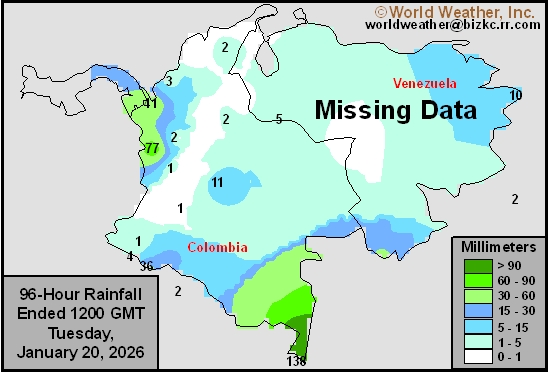
This content is for members only
Mexico Min Temperature
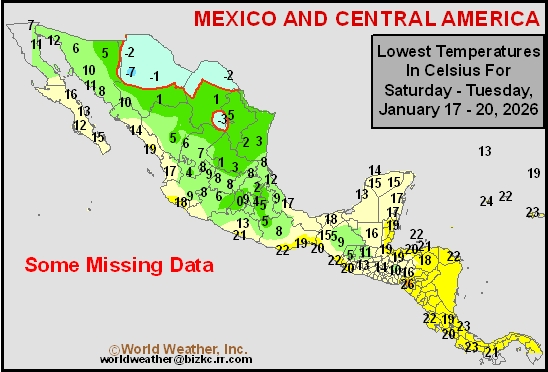
This content is for members only
Mexico Max Temperature
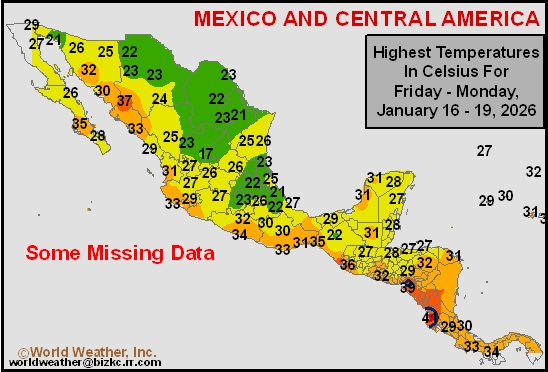
This content is for members only
Mexico Rainfall
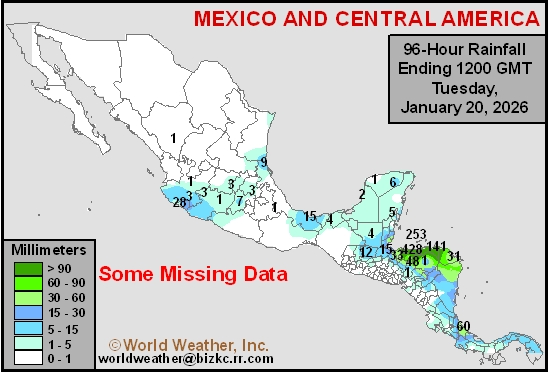
This content is for members only
Argentina Min Temperature
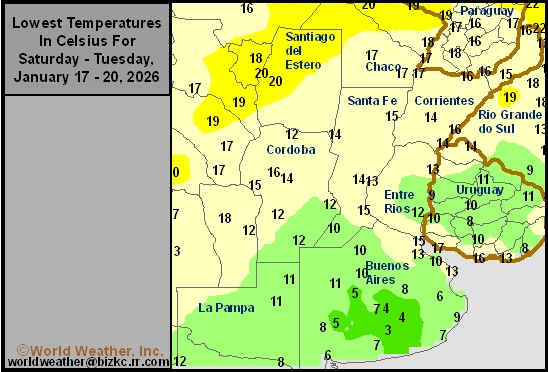
This content is for members only
Argentina Max Temperature
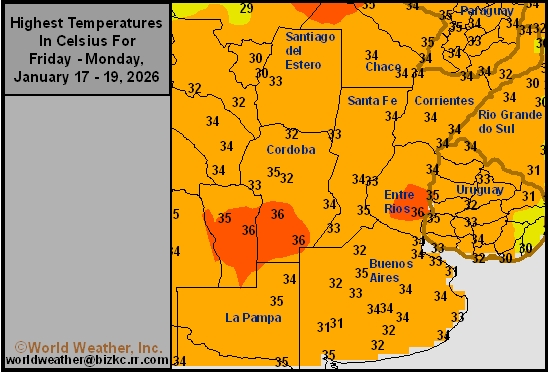
This content is for members only
Argentina Rainfall
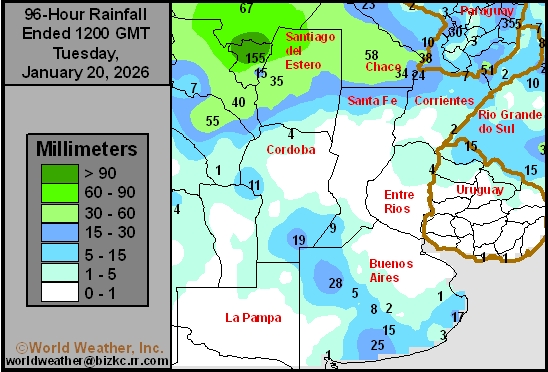
This content is for members only
Brazil Min Temperature
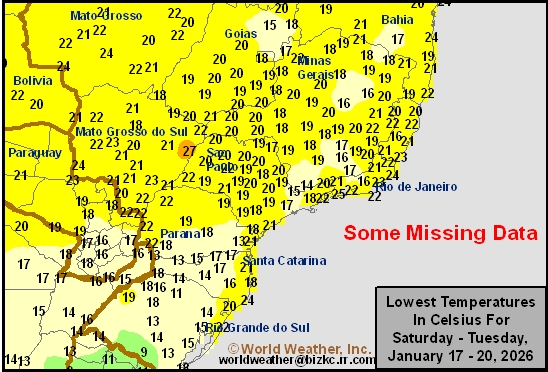
This content is for members only
Brazil Max Temperature
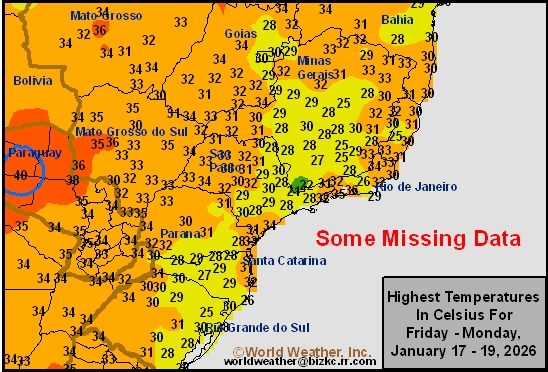
This content is for members only
Brazil Rainfall
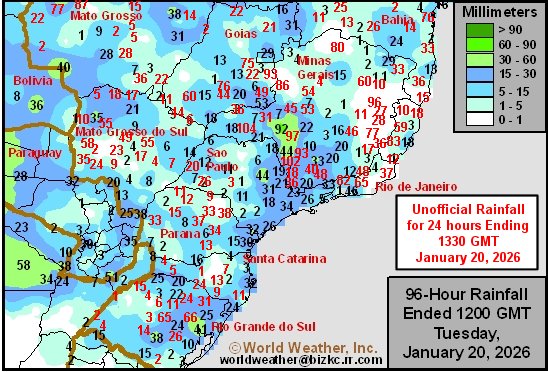
This content is for members only
Philippines Min
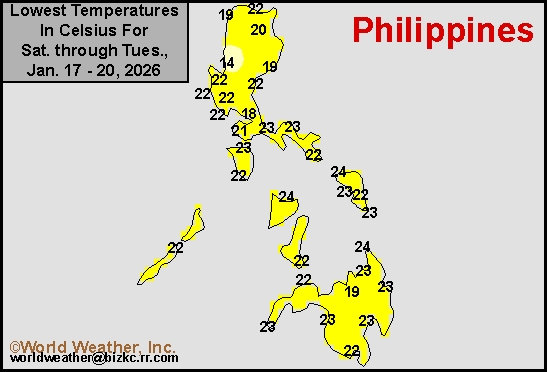
This content is for members only
Philippines Max
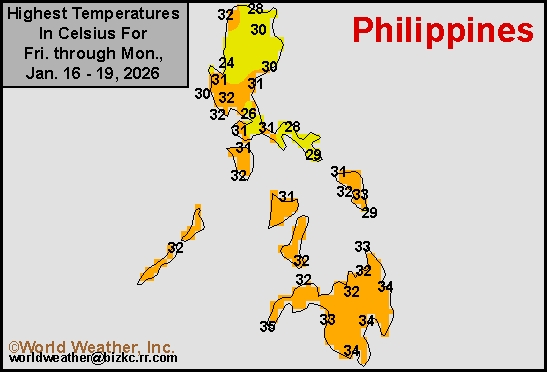
This content is for members only